


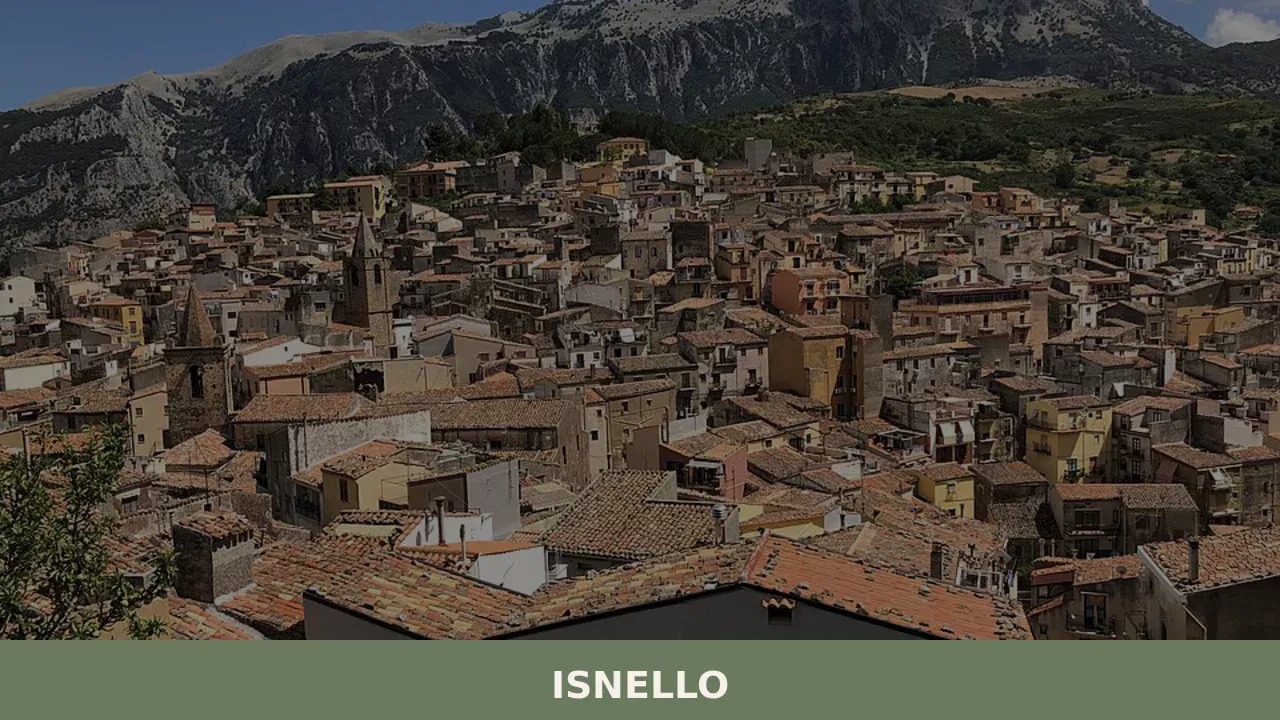

What to see in Isnello, Italy: Explore this 583 m (1,913 ft) altitude village near Palermo. Discover its historic center and panoramic views. Read our guide.
Discover Isnello
The quiet rhythm of life in Isnello, a village positioned 583 m (1,913 ft) above sea level in the Metropolitan City of Palermo, reflects centuries of Sicilian history. With a population of 1,306 inhabitants, this hill settlement provides a serene escape from more bustling destinations. Its location, approximately 70 kilometres (43 mi) southeast of Palermo, places it within a landscape defined by rolling hills and the broader Madonie mountain range.
For those wondering what to see in Isnello, the village offers a genuine experience of a traditional Sicilian community.
Visitors to Isnello find a compact historic center, panoramic vistas across the Madonie region, and a welcoming atmosphere. The Isnello highlights include its central piazza, the main church dedicated to San Nicola di Bari, and the opportunity to appreciate the natural surroundings that define this part of Sicilia, Italy.
History of Isnello
Isnello, known as Isneḍḍu in Sicilian, is a municipality situated in the Metropolitan City of Palermo, within the Italian region of Sicily. This hill village, with its 1,306 inhabitants, is located about 70 kilometres (43 mi) southeast of Palermo, establishing its position away from the immediate coastal bustle. Its altitude of 583 m (1,913 ft) above sea level suggests a history shaped by defensive needs and an agricultural economy, characteristic of many inland Sicilian settlements.
The municipality of Isnello shares its borders with several other communities, including Castelbuono, Cefalù, Collesano, Gratteri, Petralia Sottana, Polizzi Generosa, and Scillato.
This network of neighboring towns highlights its integration within the broader Madonie region, an area known for its distinct geography and cultural heritage. A notable historical connection for Isnello is its role as the birthplace of Vincent R. Impellitteri in 1900, who later served as a former mayor of New York City, linking this small Sicilian village to international political history.
Like many settlements across Sicilia, Isnello’s historical foundations are deeply intertwined with the island’s complex past, having experienced influences from various cultures over millennia. While specific founding dates or detailed historical events for Isnello are not extensively documented in available sources, its strategic location on a hill suggests a long history of human habitation.
The continuity of its population, documented through demographic evolution, underscores its enduring presence as a community within the heart of Sicilia.
What to see in Isnello, Sicilia: top attractions
The Historic Centre
The core of Isnello unfolds through its historic center, characterized by narrow, winding streets and traditional stone buildings that speak to centuries of local life. As a village of 1,306 inhabitants, the pace here is unhurried, allowing visitors to appreciate the architectural details and the quiet atmosphere. Exploring these streets offers a tangible connection to the past, where daily routines have evolved within a preserved urban fabric.
The Mother Church (Chiesa Madre)
Dominating the central piazza, the Mother Church is a focal point of Isnello’s community life and a significant architectural presence. Dedicated to San Nicola di Bari, the village’s patron saint, this church typically features a facade that, while often restrained, opens into an interior rich with local artistry and religious devotion.
The structure serves as a testament to the enduring faith of the inhabitants and their cultural traditions, particularly evident during the annual feast day on December 6th.
Panoramic Viewpoints
Situated at an elevation of 583 m (1,913 ft) above sea level, Isnello naturally provides several points offering expansive panoramic views of the surrounding landscape. From these vantage points, visitors can observe the gentle undulations of the Madonie hills and valleys, extending towards the distant horizon. These vistas offer a deep appreciation for the geographical context of Isnello, revealing the natural beauty that envelops this Sicilian village.
The Municipal Building (Palazzo Comunale)
The Municipal Building, or Palazzo Comunale, stands as a civic landmark within Isnello, often located near the main square. This building houses the local administration and serves as a symbol of the community’s governance and public life. While its architecture may vary, it typically reflects the historical styles prevalent in Sicilian villages, contributing to the overall character of the historic center and its public spaces.
Isnello’s Natural Landscape
The area surrounding Isnello, defined by its classification as a “Collina” or hill region, offers a natural landscape ripe for exploration.
The village is approximately 70 kilometres (43 mi) southeast of Palermo, positioning it within a diverse ecological zone. Visitors can engage with the local environment through walks along rural paths, observing the native flora and fauna, and experiencing the tranquility that characterizes the Madonie foothills. For those interested in outdoor activities, the region provides opportunities to connect with the authentic Sicilian countryside, much like the broader area around Gangi.
Local food and typical products of Isnello
The culinary traditions of Isnello, like much of Sicilia, are deeply rooted in the island’s agricultural heritage and its Mediterranean influences. While specific local dishes or certified products unique to Isnello are not detailed in the available sources, the gastronomy of a Sicilian hill town typically emphasizes fresh, seasonal ingredients. This approach to cooking reflects a reliance on local produce, including olives, durum wheat, and the milk from sheep and goats, which have historically sustained communities in this region.
The broader Madonie region, in which Isnello is situated, is known for its pastoral traditions, which contribute significantly to the local food culture.
This typically means that cheeses, such as various types of pecorino made from sheep’s milk, and cured meats derived from local livestock, are staples in the diet. Simple, hearty preparations that highlight the quality of the raw ingredients are common, often utilizing locally produced olive oil and herbs gathered from the surrounding hills. Visitors can expect to find food that emphasizes purity of flavor and a connection to the land.
Without specific certified products or named dishes directly attributed to Isnello in the provided information, the focus remains on the general characteristics of Sicilian hill town cuisine. This means a strong emphasis on bread, often baked in traditional ovens, and the use of legumes and vegetables in season. The absence of specific listings, however, does not diminish the island-wide reputation for delicious and authentic food, which is a cornerstone of Sicilian culture.
Festivals, events and traditions of Isnello
The most significant annual event in Isnello is the celebration of its patron saint, San Nicola di Bari, held every year on December 6th.
This feast day is a deeply ingrained tradition, reflecting the strong religious and cultural identity of the community. Typically, such celebrations involve solemn religious ceremonies, including a mass and often a procession through the village streets where a statue of the saint is carried by devotees. These events are not just acts of faith but also communal gatherings that reinforce social bonds.
In addition to the religious rites, the feast of San Nicola di Bari often includes elements of secular celebration, such as local music, street festivities, and shared meals. While specific details on other festivals or food fairs in Isnello are not available in the provided sources, the patron saint’s feast day remains a central moment in the village calendar. These traditions offer visitors an opportunity to witness the authentic spirit and enduring customs of Isnello, much like the community traditions found in villages such as Bompietro.
When to visit Isnello, Italy and how to get there
The best time to visit Isnello, Italy, and indeed much of Sicilia, is during the spring months (April to June) or in early autumn (September to October).
During these periods, the weather is typically mild and pleasant, making it ideal for exploring the village and its natural surroundings without the intense heat of summer. Spring brings blooming wildflowers to the hillsides, while autumn offers comfortable temperatures and the opportunity to witness local harvests. Visiting during these shoulder seasons also means fewer crowds compared to the peak summer months, allowing for a more serene experience.
Getting to Isnello requires some planning, as it is situated in an inland, hilly area. The village is located approximately 70 kilometres (43 mi) southeast of Palermo, which serves as the nearest major city and transport hub. For international visitors, the most convenient arrival point is Palermo Falcone Borsellino Airport (PMO), located about 100 kilometres (62 mi) northwest of Isnello, with a driving time of approximately 1 hour and 30 minutes to 2 hours, depending on traffic. Car rental is highly recommended for exploring Isnello and the wider Madonie region, as public transport options to smaller villages can be limited.
The journey typically involves driving on regional roads after exiting major arteries around Palermo.
While there isn’t a direct train station in Isnello, the nearby coastal town of Cefalù, which borders Isnello, offers a regional train station that could serve as a closer point for train travelers. From Cefalù, a car or local bus service (if available and infrequent) would be necessary to reach Isnello. It is always advisable to carry some Euros cash, as smaller shops and establishments in villages like Isnello may not always accept credit cards, and English may be limited. For more information on the municipality, visitors can consult the official Comune di Isnello website.
Visitors to Isnello who wish to explore more of Sicilia’s inland villages might consider extending their trip to Salaparuta, which offers a contrasting perspective on the island’s diverse landscapes and historical narratives. These smaller communities provide a deeper understanding of Sicilian life away from the more frequented coastal areas.
Frequently asked questions about Isnello
What is the best time to visit Isnello?
The ideal time to visit Isnello depends on your interests. Summer (June-September) is most accessible, perfect for exploring the village and hiking in the Madonie Regional Park, with the Astronomical Observatory also offering observation evenings. Spring (April-May) is beautiful for nature lovers, with wild orchids blooming and sheep-shearing season. In winter, specifically December 6th, the Feast of San Nicola di Bari offers a unique cultural experience with processions and traditional stalls. Be aware that winter temperatures can drop below zero. Given limited accommodation, booking well in advance is advisable, especially during peak seasons.
What to see in Isnello? Main monuments and landmarks
Isnello offers a rich historical and natural heritage. Explore the Chiesa Madre di San Nicola di Bari, dating back to the Norman period with Baroque remodelling and a 15th-century crucifix. Discover the ancient Church of Santa Maria Maggiore, featuring a sandstone rose window and a Madonna by the Gagini workshop. Don't miss Palazzo Giardina, an 18th-century noble residence with intricate stone carvings. For a natural and historical experience, hike to the 14th-century Hermitage of the Annunziata, offering stunning valley views. Finally, visit the Madonie Astronomical Observatory on Monte Mufara, offering observation evenings in summer (access via Piano Battaglia).
What are the main natural or scenic attractions of Isnello?
Nestled in the Madonie Regional Park, Isnello is a gateway to natural beauty. The Hermitage of the Annunziata, accessible via a marked trail just 1km from the village, offers breathtaking views over the Isnello torrent valley and Cozzo Dipilo. The Madonie Astronomical Observatory, located on Monte Mufara at 1,865 meters, benefits from exceptional low light pollution, making it a prime spot for stargazing. The surrounding Madonie mountains provide numerous hiking opportunities, including trails to Pizzo Carbonara. In spring, the high-altitude meadows burst with wild orchids, offering a vibrant natural spectacle.
Where to take the best photos in Isnello?
For iconic shots of Isnello, start with the panoramic view as you approach from the provincial road climbing from Cefalù, capturing the bell tower of the Chiesa Madre and the village rooftops against the limestone rock. The Hermitage of the Annunziata offers a superb vantage point for landscape photography, with its views over the Isnello torrent valley and the north face of Cozzo Dipilo. Within the village, seek out the intricate details of Palazzo Giardina's carved stone portal and its elegant wrought-iron balconies for architectural photography, reflecting Isnello's historical charm.
What can you do in Isnello? Activities and experiences
Isnello offers a blend of cultural, natural, and gastronomic experiences. Engage in outdoor activities like hiking through the Madonie Regional Park, with trails leading to peaks like Pizzo Carbonara, or a scenic walk to the Hermitage of the Annunziata. Explore the village's historical churches and noble palace. For a unique scientific immersion, attend observation evenings at the Madonie Astronomical Observatory during summer. Indulge in local cuisine, savoring Provola delle Madonie, manna products, and seasonal dishes at local restaurants. Don't miss the festive atmosphere of the patron saint's celebration on December 6th.
Who is Isnello suitable for? Families, couples, hikers, solo travelers?
Isnello is ideal for travelers seeking an authentic Sicilian experience away from mass tourism. It particularly appeals to hikers and nature lovers, offering access to the Madonie Regional Park's trails and the scenic Hermitage of the Annunziata. Astronomy enthusiasts will appreciate the Madonie Astronomical Observatory and its summer observation evenings. Foodies can delve into local products like Provola delle Madonie and manna. Couples and solo travelers looking for a tranquil retreat, cultural immersion, and historical exploration will find Isnello charming. Families interested in educational nature experiences will also enjoy the village and its surroundings.
What to eat in Isnello? Local products and specialties
Isnello's gastronomy is deeply rooted in Madonie traditions. Savor Provola delle Madonie, a distinctive stretched-curd cheese from raw cow's milk. Experience manna, the Slow Food Presidia ash tree sap, harvested locally and used in various sweets, including biscuits during the San Nicola feast. Restaurants offer seasonal delights like porcini mushrooms and chestnuts in autumn, and fresh lamb and ricotta in spring. A local specialty is pasta con le sarde, prepared with wild fennel gathered from the surrounding hills. Don't miss the artisan bread baked in traditional wood-fired ovens.
Nearby Villages near Isnello
In Sicily More villages to discover
Acquaviva Platani
 Hills
Hills
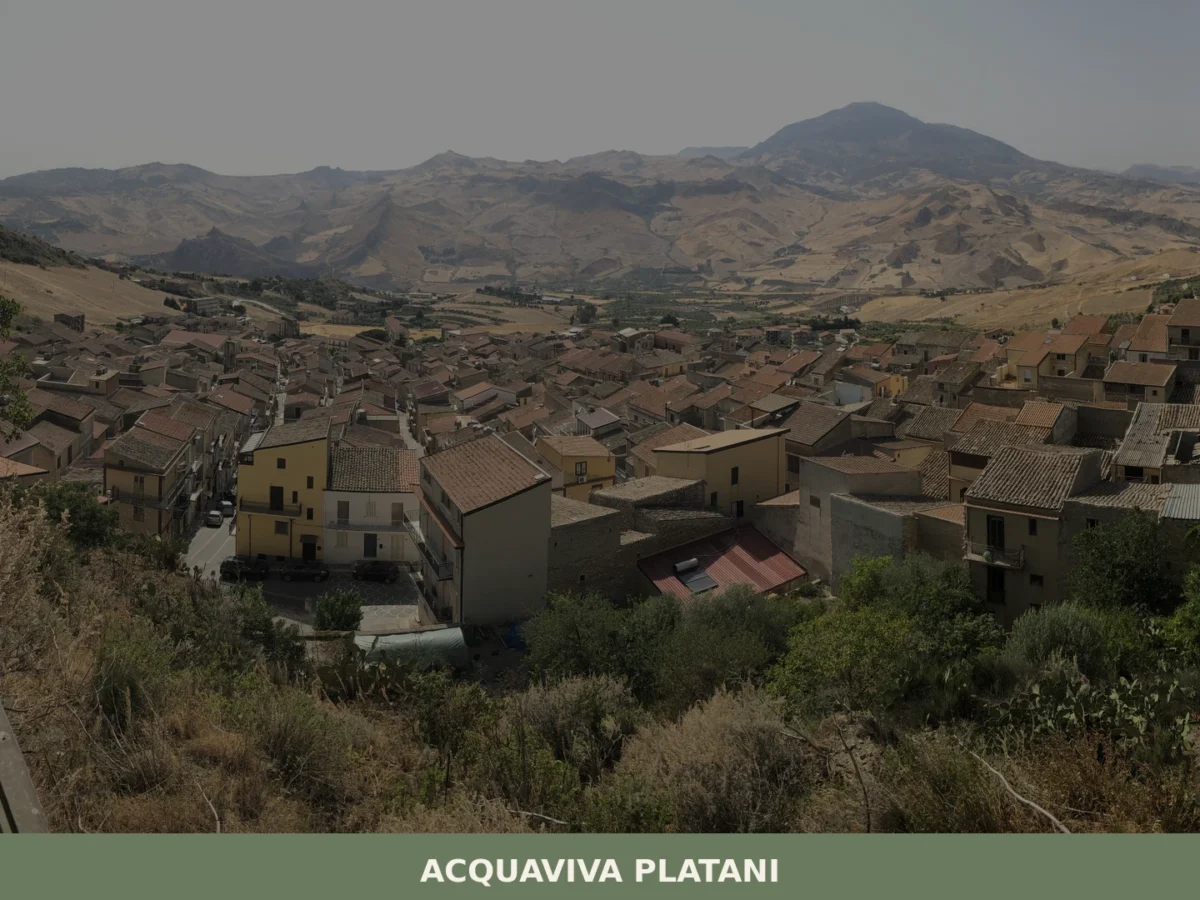
A clock tower built in 1894 rises above the roofline of a compact hill town in the province of Caltanissetta, its stone face marking hours in a landscape where the Platani river moves through the valley below. The name of the place translates directly from Italian as “Living Water,” a reference to the natural springs […]
Campofiorito
 Mountain
Campofiorito sits at 660 metres above sea level in the province of Palermo, a small agricultural commune of 1,321 inhabitants whose name translates literally as “field of flowers.” Founded as a feudal settlement in the early eighteenth century, the village occupies a limestone ridge in the upper Belìce valley, surrounded by wheat fields and grazing […]
Aci Catena
Hills
27,507 inhabitants. A comune shaped by baroque devotion and natural disaster—where the 1693 earthquake sparked lasting veneration of the Madonna della Catena.
Siracusa
 Sea
Sea
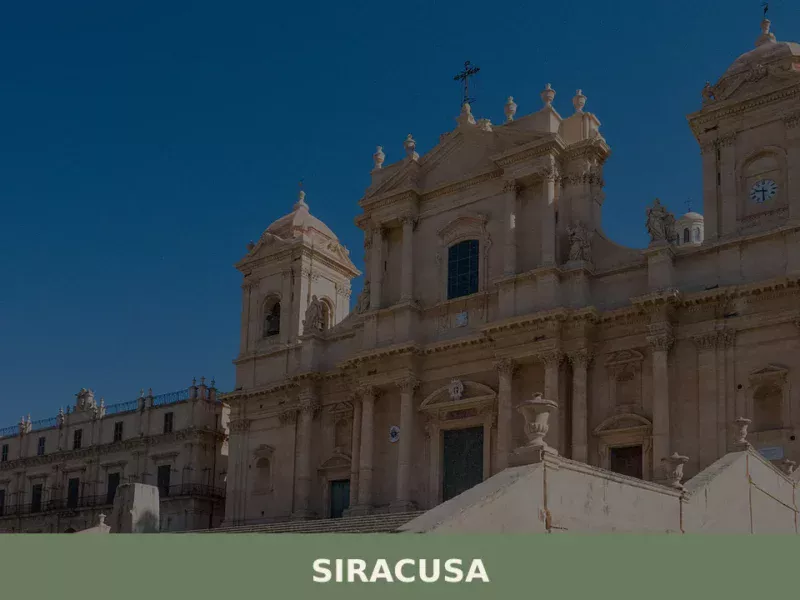
What to see in Siracusa: UNESCO city of 118,644 people. Explore the Greek Theatre, Ortigia, and the Catacombs of San Giovanni. Plan your visit with our complete guide.
Trapani
Sea
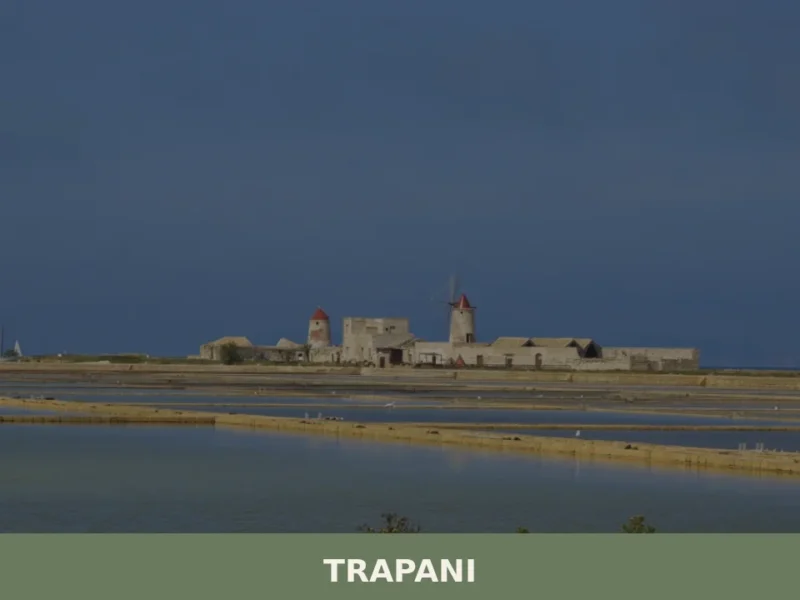
What to see in Trapani: salt pans, Pepoli Museum, Procession of the Misteri and Trapanese pesto. City of 68,967 inhabitants. Plan your visit now.
Bagheria
Sea
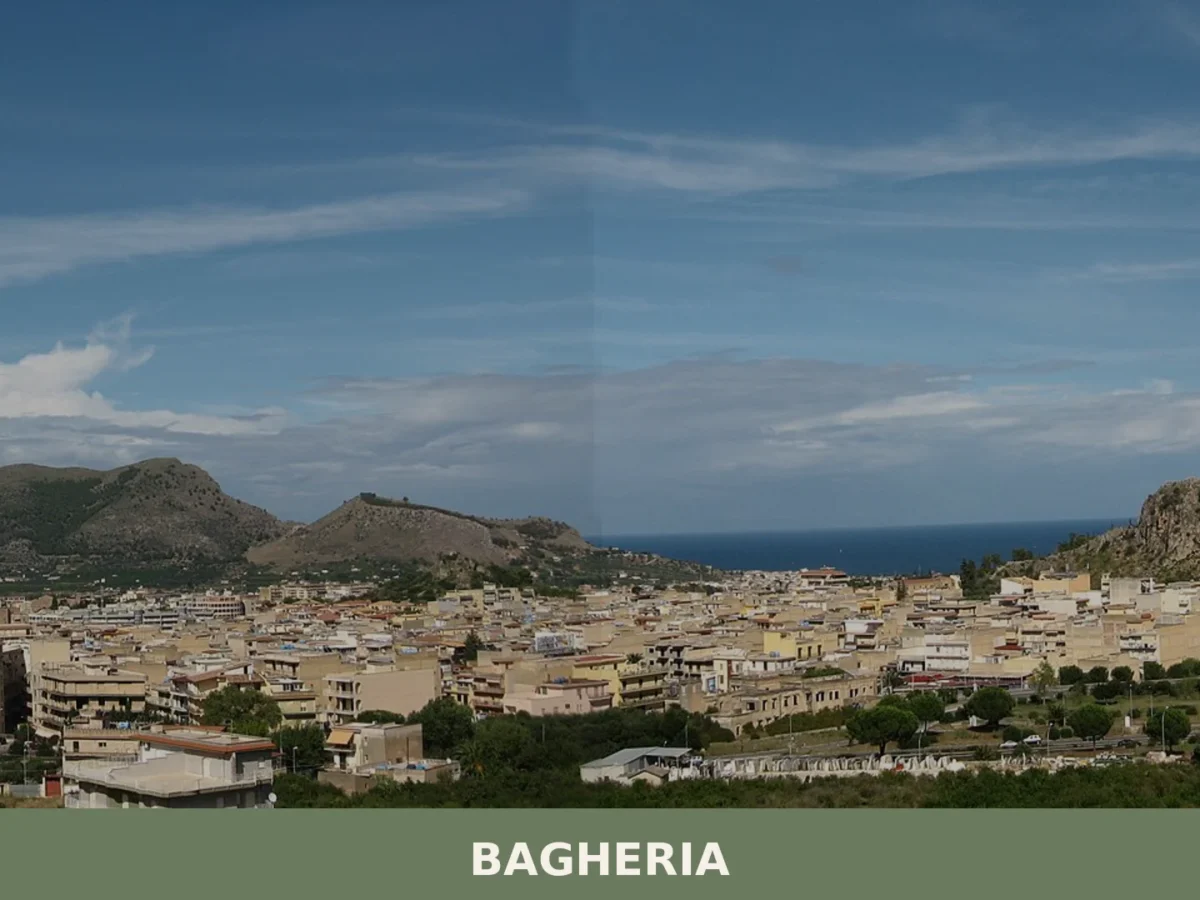
Bagheria is a town of around 53,000 people in the Metropolitan City of Palermo, facing the Tyrrhenian coast and famed for its baroque aristocratic villas, layered history and proximity to Palermo.

Licata
Mountain
34,000 residents, Greek foundations and a coastline of alternating cliffs and sandy coves make Licata one of the most layered towns on Sicily's southern shore.
Godrano
Mountain
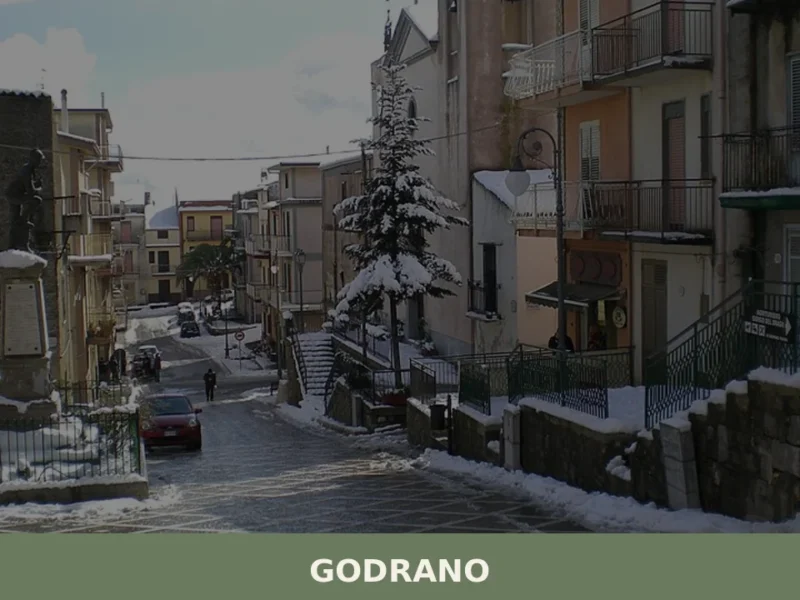
What to see in Godrano: from the Bosco della Ficuzza Reserve to the Palazzina Reale, churches and cuisine of the Sicani hinterland at 693 m above sea level.
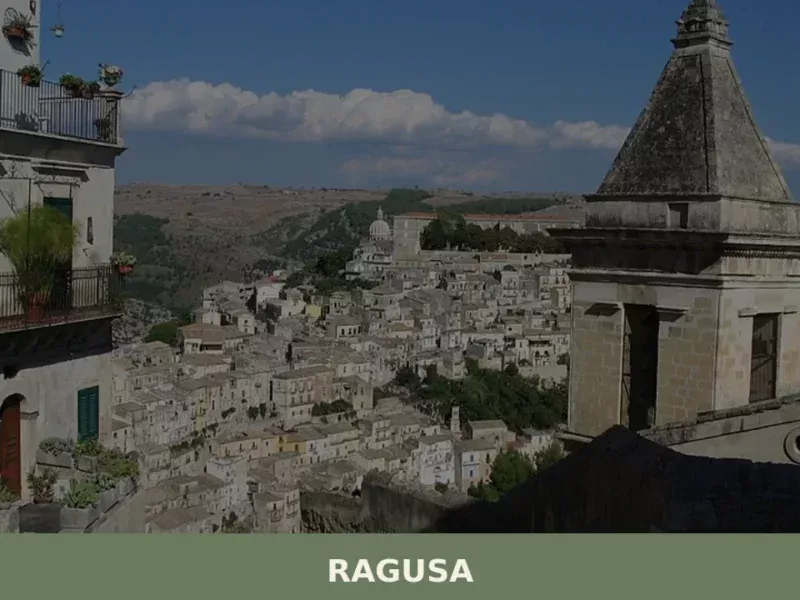
Ragusa
Sea
What to see in Ragusa, a UNESCO city at 520m with 70,000 residents: explore Ibla, San Giorgio, Giardino Ibleo and Cotognata PAT. Plan your visit now.
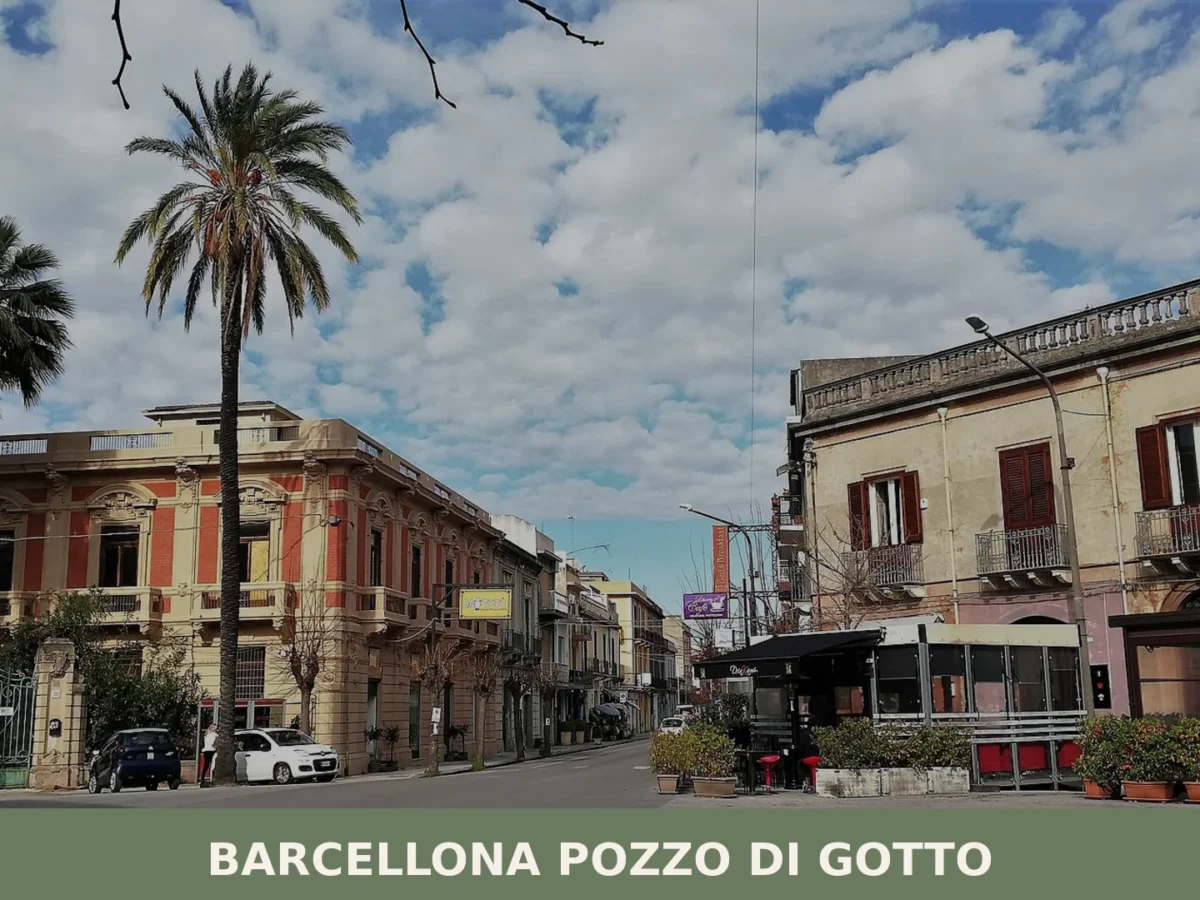
Barcellona Pozzo di Gotto
Sea
Barcellona Pozzo di Gotto is a town of nearly forty thousand inhabitants in the province of Messina, Sicily, where the plain of the torrente Longano meets the Tyrrhenian shore.
🏡 Know Isnello better than we do?
If you’re a local or have been there, your knowledge matters: add what’s missing or fix a detail on this page.