


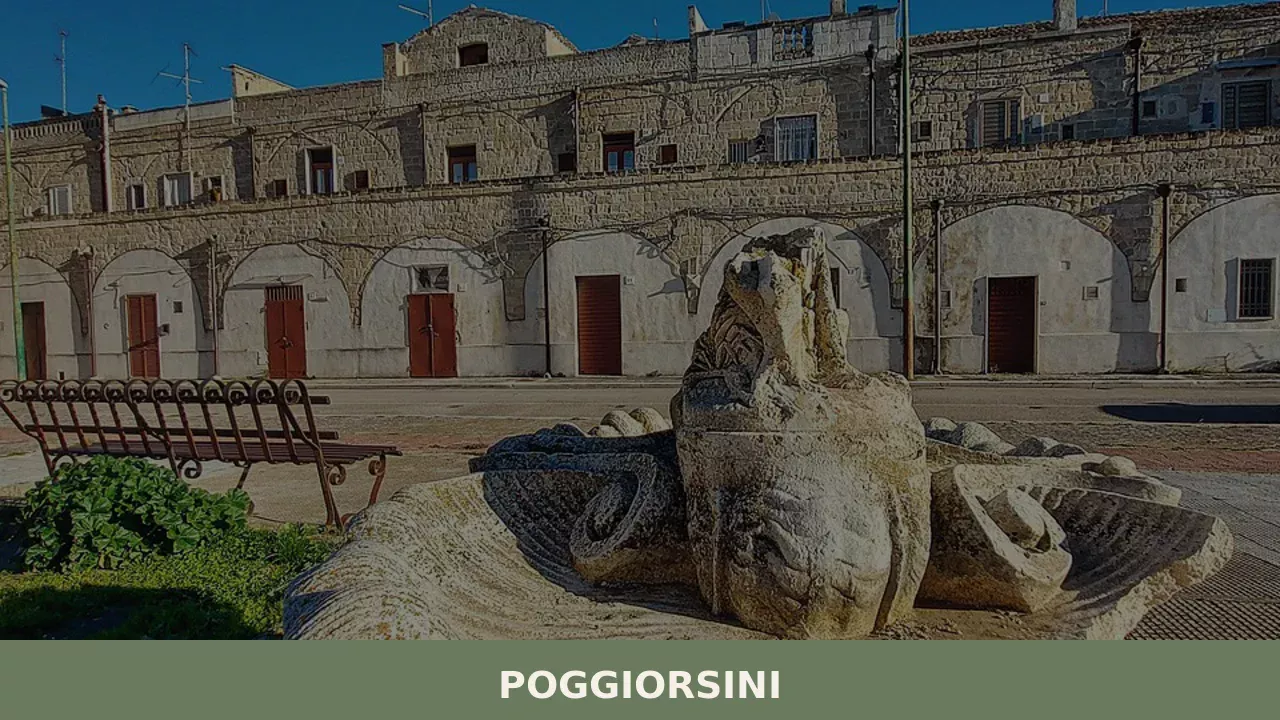

What to see in Poggiorsini: from trulli to the streets of the old town. Discover attractions, practical tips and how to plan your visit to this Puglia village.
Discover Poggiorsini
Morning light hits the limestone walls along Via Roma and turns them the colour of raw honey. A single café opens its shutters; the sound of a metal latch echoes down an empty street. With roughly 1,400 inhabitants, Poggiorsini is the least populated municipality in the entire metropolitan area of Bari — a place where silence has weight, where the surrounding Alta Murgia steppe presses close against the last row of houses. Understanding what to see in Poggiorsini means slowing to a pace most travellers have forgotten exists.
History of Poggiorsini
The name itself is a map of ownership.
“Poggio” derives from the Latin podium, indicating a rise or elevated ground; “Orsini” records the noble Roman family who held the territory as a feudal estate. The Orsini were among the most powerful dynasties of medieval Italy, their influence extending from papal politics to remote agricultural holdings in the Murgia plateau. Poggiorsini was one such holding — a small settlement that existed primarily to work the surrounding land and pay tribute to its lords.
Unlike the coastal cities of Puglia, which absorbed layers of Norman, Swabian, and Angevin culture through maritime trade, Poggiorsini remained defined by its interior position. It sat along no major pilgrimage route, hosted no cathedral school, and drew no foreign merchants. Its history is instead written in dry-stone walls, sheep tracks, and the slow consolidation of scattered rural dwellings into something resembling a village.
The feudal structure persisted here well into the modern era, and the municipality’s small population — among the smallest in southern Italy — reflects centuries of economic marginality rather than decline.
In recent decades, inclusion within the Parco Nazionale dell’Alta Murgia has reframed the village’s isolation as an asset. What was once remoteness is now proximity to one of Europe’s significant steppe grasslands, and the former territory of the Orsini family sits at the centre of a protected landscape of roughly 68,000 hectares.
What to see in Poggiorsini: 5 must-visit attractions
1. Parco Nazionale dell’Alta Murgia
The national park surrounds Poggiorsini on all sides — rolling karst plateau covered in low scrub, wild orchids in spring, and exposed limestone pavement. Walking trails lead through landscapes that have changed little in centuries. Raptors circle overhead, and in the quieter sections, you may spot the rare Falco naumanni, the lesser kestrel, nesting in old rural structures.
2.
Chiesa Madre (Parish Church)
The main church in the village centre is modest in scale but architecturally honest — thick stone walls, a simple façade, and an interior stripped of excess. It serves as the gravitational centre of village life, particularly during feast days when the population gathers along the narrow streets leading to its entrance.
3. Historic Centre and Dry-Stone Architecture
Poggiorsini’s compact old quarter is walkable in under an hour. The value lies in the details: hand-cut limestone blocks, narrow alleys designed for shade rather than traffic, iron balconies with peeling paint. Several structures incorporate dry-stone techniques — muretti a secco — that UNESCO recognised in 2018 as intangible cultural heritage.
4.
Masserie of the Murgia
Scattered across the countryside surrounding the village, fortified farmhouses known as masserie testify to Puglia’s agrarian past. These complexes, some dating to the sixteenth and seventeenth centuries, functioned as self-contained economic units — part residence, part storehouse, part sheepfold. Several are visible from the park’s walking and cycling routes.
5. Jazzo Structures (Historic Sheepfolds)
Unique to the Alta Murgia, jazzi are large dry-stone enclosures once used for transhumant flocks moving between summer and winter pastures. These structures, now mostly abandoned, stand in open countryside like stone amphitheatres — low walls encircling bare earth. They represent a pastoral economy that defined the region for centuries.
Local food and typical products
The cooking in Poggiorsini draws from what the Murgia provides: hard durum wheat, lamb, wild greens, and olive oil.
Bread is central — large, dense loaves made from grano duro and baked in communal ovens were, within living memory, a weekly ritual. Orecchiette and strascinate pasta shapes, rolled by hand and served with turnip tops or slow-cooked lamb ragù, appear on most tables. Cardoncelli mushrooms, which grow wild on the limestone plateau, are grilled, preserved in oil, or folded into frittatas.
Olive oil from the Murgia tends toward robust and peppery, reflecting the drier growing conditions compared to coastal Puglia. Local producers also make ricotta forte, a fermented ricotta with a sharp, almost spicy flavour that is spread on bread or stirred into pasta. Dining options in the village itself are limited — a trattoria or two, operating on schedules that respect the midday rest — but the surrounding area, particularly toward Gravina in Puglia and Altamura, offers more variety.
Best time to visit Poggiorsini
Spring — April through early June — is the strongest season.
The Murgia plateau erupts with wildflowers: over thirty species of wild orchid have been recorded in the park, and the grasslands shift from winter brown to vivid green. Temperatures sit comfortably between 15°C and 25°C, ideal for walking. Autumn, particularly October, brings a second window of mild weather and the cardoncelli mushroom harvest. Summer can be punishing — the plateau offers little shade, and afternoon temperatures regularly exceed 35°C. Winter is quiet and cold by southern Italian standards, with occasional frost and the possibility of light snow on the highest ground.
Village festivals, typically linked to the patron saint’s feast day, concentrate activity into a few days of music, processions, and communal eating. These events offer the most direct access to local life but require checking dates with the municipality, as schedules are not always published far in advance.
How to get to Poggiorsini
Poggiorsini sits in the inland heart of Puglia, roughly 80 kilometres southwest of Bari. By car from Bari, take the SS96 toward Altamura and follow signs toward Gravina in Puglia; from Gravina, Poggiorsini is approximately 12 kilometres further along the SP230.
The drive from Bari Karol Wojtyła Airport takes just over an hour. From Matera, the distance is roughly 35 kilometres. There is no direct rail connection; the nearest train station is Gravina in Puglia, served by Ferrovie Appulo Lucane. From there, local bus services or a taxi cover the remaining distance, though frequency is limited. A car is strongly recommended for exploring both the village and the surrounding park.
More villages to discover in Puglia
Poggiorsini belongs to an interior Puglia that most visitors never encounter — a landscape of wheat, stone, and open sky that feels closer to the central Apennines than to the Adriatic coast. But the region’s diversity rewards those willing to move between its contrasting geographies. To the north, Apricena sits near the Tavoliere plain and is known for its ancient stone quarries, where blocks of local marble have been extracted since Roman times.
It offers a different relationship between landscape and livelihood, one shaped by extraction rather than agriculture.
Further along the Gargano promontory, Vico del Gargano inhabits yet another version of Puglia entirely — forested, elevated, defined by citrus cultivation and a historic centre of labyrinthine alleys. Together, these villages trace a line from the Murgia steppe through the flatlands to the Adriatic headlands, covering the full range of terrain and tradition that make Puglia one of Italy’s most geographically complex regions.
Frequently asked questions about Poggiorsini
What is the best time to visit Poggiorsini?
Spring (April to early June) is the ideal season: the Alta Murgia plateau blooms with over thirty species of wild orchids, temperatures stay between 15°C and 25°C, and walking conditions are excellent. Autumn (October) offers a second mild window, coinciding with the cardoncelli mushroom harvest. The most culturally significant moment is the patron saint's feast of Maria Santissima dell'Addolorata, celebrated on 9–10–11 August with processions, music, and communal gatherings — though summer heat on the exposed plateau regularly exceeds 35°C. Winter is quiet and occasionally frosty, with possible light snow.
What are the historical origins of Poggiorsini?
The village name encodes its own history: 'Poggio' derives from the Latin podium, meaning an elevated rise, while 'Orsini' records the powerful Roman noble family who held the territory as a feudal estate during the medieval period. Unlike coastal Puglia — shaped by Norman, Swabian, and Angevin trade — Poggiorsini remained an interior agricultural settlement, its population working the Murgia land and paying tribute to feudal lords. The municipality retains one of the smallest populations in the entire metropolitan area of Bari, a legacy of centuries of economic marginality.
What to see in Poggiorsini? Main monuments and landmarks
The historic centre is compact and walkable in under an hour: key sights include the Chiesa Madre, a modest stone parish church that anchors village life and hosts patron saint celebrations each August; the old quarter's dry-stone architecture (muretti a secco, UNESCO-recognised intangible heritage since 2018) with hand-cut limestone alleys; and, in the surrounding countryside, ancient masserie (fortified farmhouses dating to the 16th–17th centuries) and jazzi — large dry-stone sheepfold enclosures unique to the Alta Murgia. No admission fees apply to the village streets or outdoor structures.
What are the main natural or scenic attractions near Poggiorsini?
Poggiorsini sits entirely within the Parco Nazionale dell'Alta Murgia, a protected karst plateau of roughly 68,000 hectares. The park offers walking and cycling trails across open steppe grassland, exposed limestone pavement, and scrubland that bursts into colour each spring. The area is documented habitat for the lesser kestrel (Falco naumanni) and other raptors. The plateau's vast, largely unaltered landscape — rolling terrain with wide skies and minimal human infrastructure — is itself the primary natural attraction, accessible directly from the village on foot or by car along rural roads.
Where to take the best photos in Poggiorsini?
Morning light on Via Roma is the village's most atmospheric moment: limestone house facades turn warm amber as the sun rises over the plateau. The compact old quarter offers tight alley compositions with iron balconies and weathered stone. For wider landscape shots, the open Alta Murgia parkland surrounding the village provides unobstructed views across the steppe; late afternoon light rakes across the karst surface and illuminates the dry-stone jazzi enclosures in the surrounding countryside. Spring wildflower coverage across the plateau adds strong foreground colour for landscape photography between April and early June.
Are there churches or historic buildings to visit in Poggiorsini?
The principal religious building is the Chiesa Madre (Parish Church) in the village centre — a stone structure with a simple façade and an interior that reflects the village's modest, rural character. It serves as the focal point of the annual feast of Maria Santissima dell'Addolorata (9–11 August). The historic centre also preserves several buildings incorporating traditional dry-stone construction techniques. Specific opening hours for the church are not published centrally; visiting during morning hours or around Mass times is the most reliable approach in small Apulian villages of this size.
What can you do in Poggiorsini? Activities and experiences
The primary activities are nature-based and slow travel: hiking and cycling within the Parco Nazionale dell'Alta Murgia, exploring the countryside masserie and jazzi on foot or by bike, and mushroom foraging in autumn (cardoncelli grow wild on the limestone plateau). The feast days of Maria Santissima dell'Addolorata (9–11 August) offer direct immersion in local traditions through processions and communal eating. The village's proximity to Gravina in Puglia (12 km) and Altamura (approx. 25 km) allows day trips combining Poggiorsini's rural quiet with visits to larger historic centres and the famous Altamura bread production area.
Who is Poggiorsini suitable for? Families, couples, hikers, solo travellers?
Poggiorsini suits travellers actively seeking slowness: it is particularly well matched to hiking enthusiasts and nature photographers drawn to the Alta Murgia park, couples looking for an off-the-radar Puglia experience away from coastal crowds, and slow travel advocates interested in authentic rural southern Italy. Solo travellers comfortable with minimal tourist infrastructure will find it rewarding. Families with young children may find limited dedicated amenities. It is not suited to visitors expecting a broad range of restaurants, nightlife, or organised attractions — the village's appeal is precisely its absence of those things.
What to eat in Poggiorsini? Local products and specialties
The table follows the Murgia landscape directly. Orecchiette and strascinate pasta — hand-rolled and served with turnip tops or slow-cooked lamb ragù — are the foundation. Cardoncelli mushrooms, harvested wild from the limestone plateau in autumn, are grilled, preserved in oil, or used in frittatas. Bread made from local durum wheat (grano duro) is central to the diet; Altamura, nearby, produces the DOP-certified Pane di Altamura. Ricotta forte — a fermented, sharp ricotta spread on bread or stirred into pasta — is a distinctive local dairy product. Olive oil from the Murgia is notably robust and peppery.
Nearby Villages near Poggiorsini
 Mountain
In Apulia More villages to discover
Arnesano
 Plains
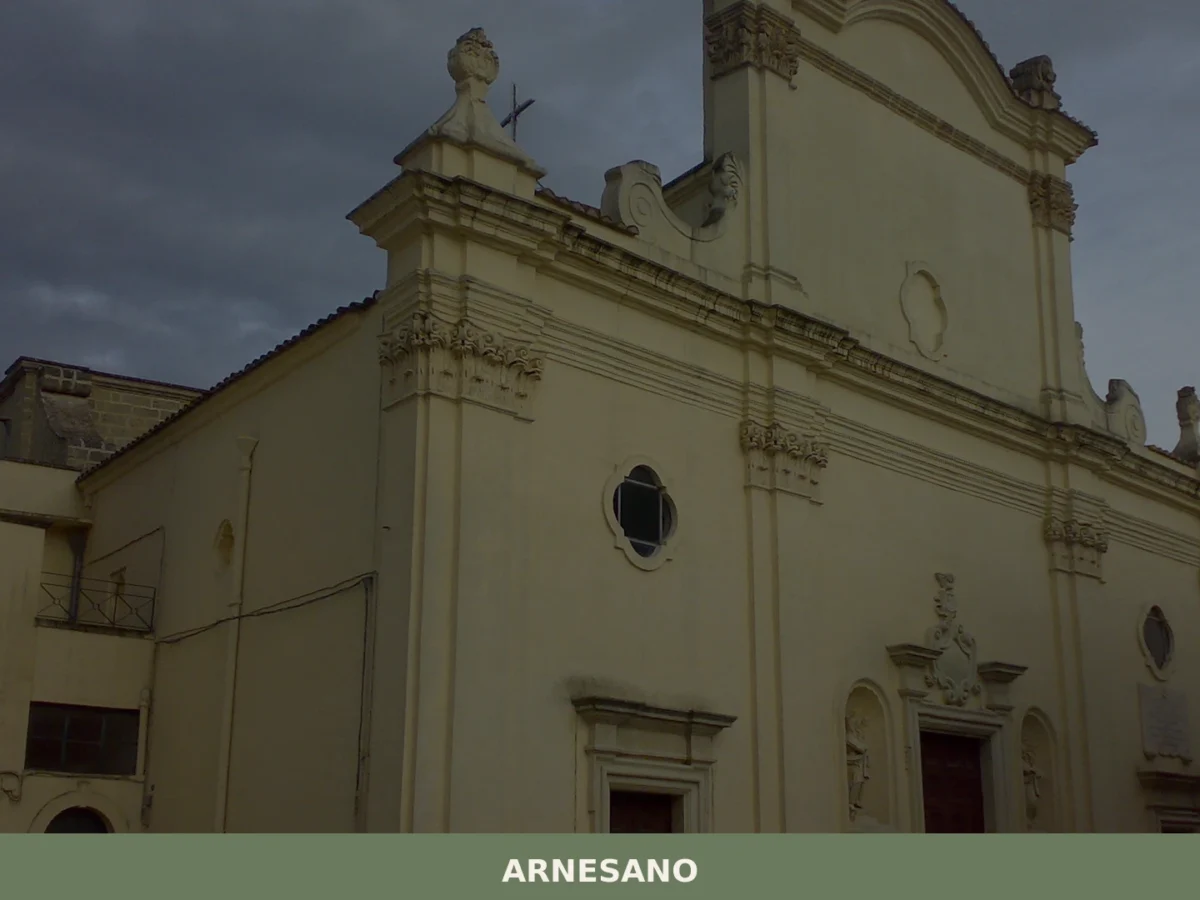
Discover what to see in Arnesano, a Lecce hinterland comune in the Valle della Cupa. History, food, travel tips and the best of the Salento interior.
Manfredonia
 Sea
Sea
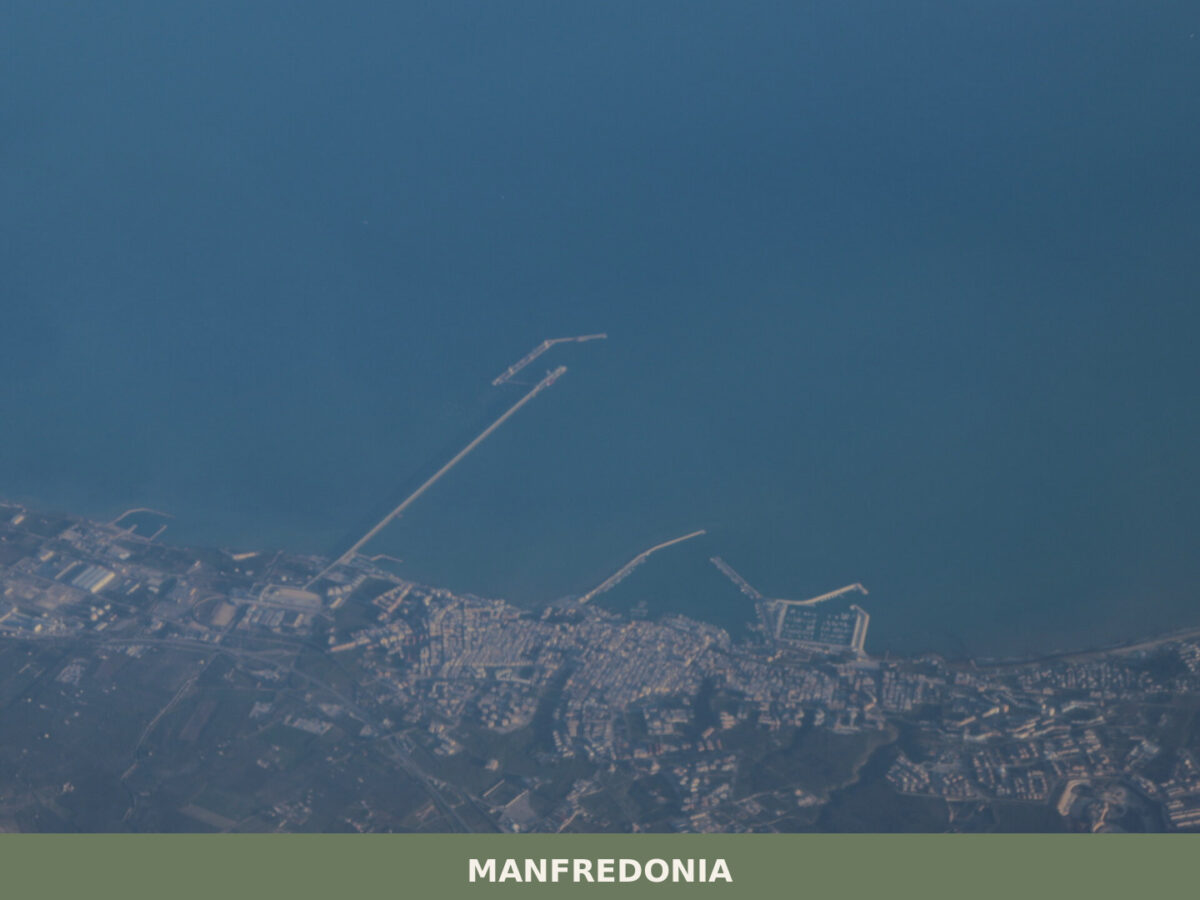
A port city founded by King Manfred on the Gargano coast, Manfredonia holds a medieval castle, pre-Roman carved stele, and one of Puglia's oldest carnivals.
Carpignano Salentino
Plains
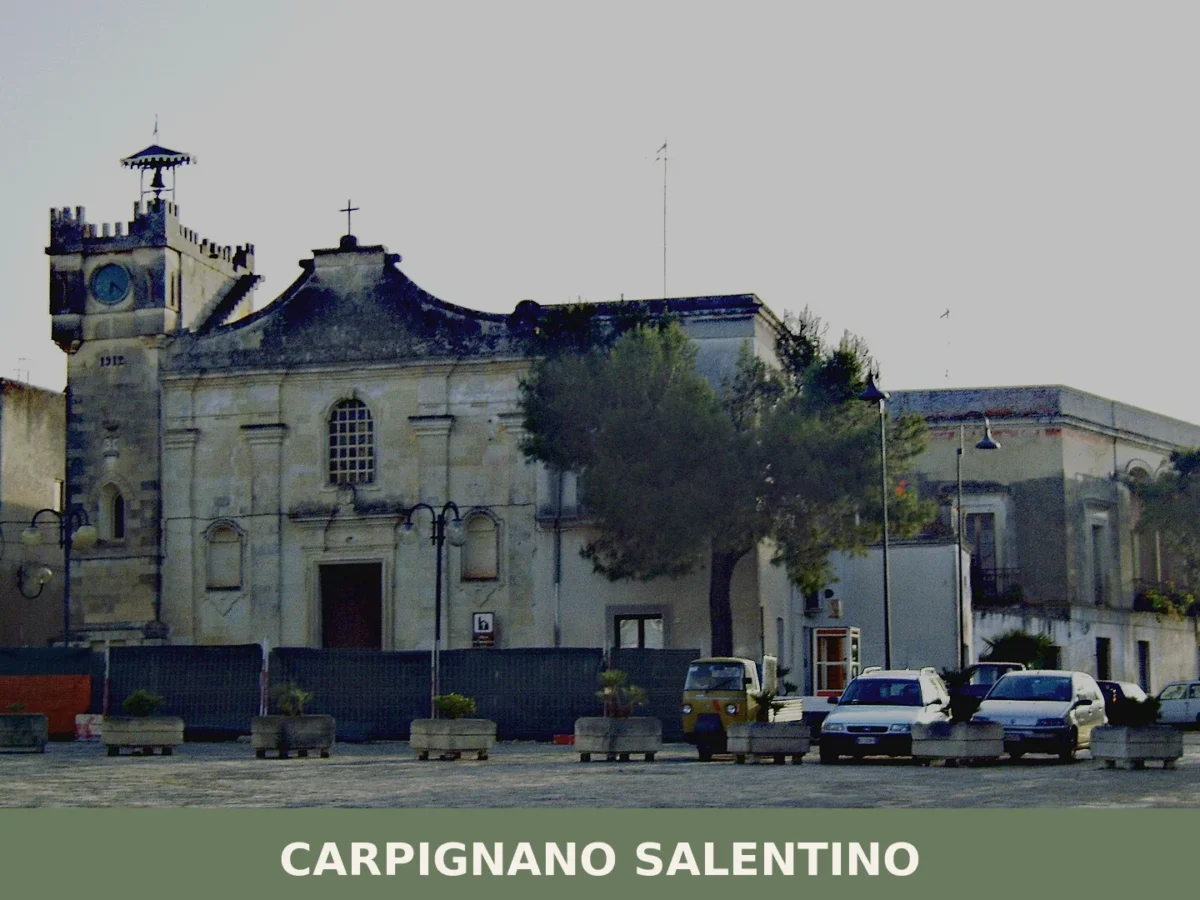
A 3,600-resident comune in eastern Salento. Medieval feudal architecture, tenth-century frescoes and menhir-marked prehistory form its identity.
Castrignano del Capo
Sea
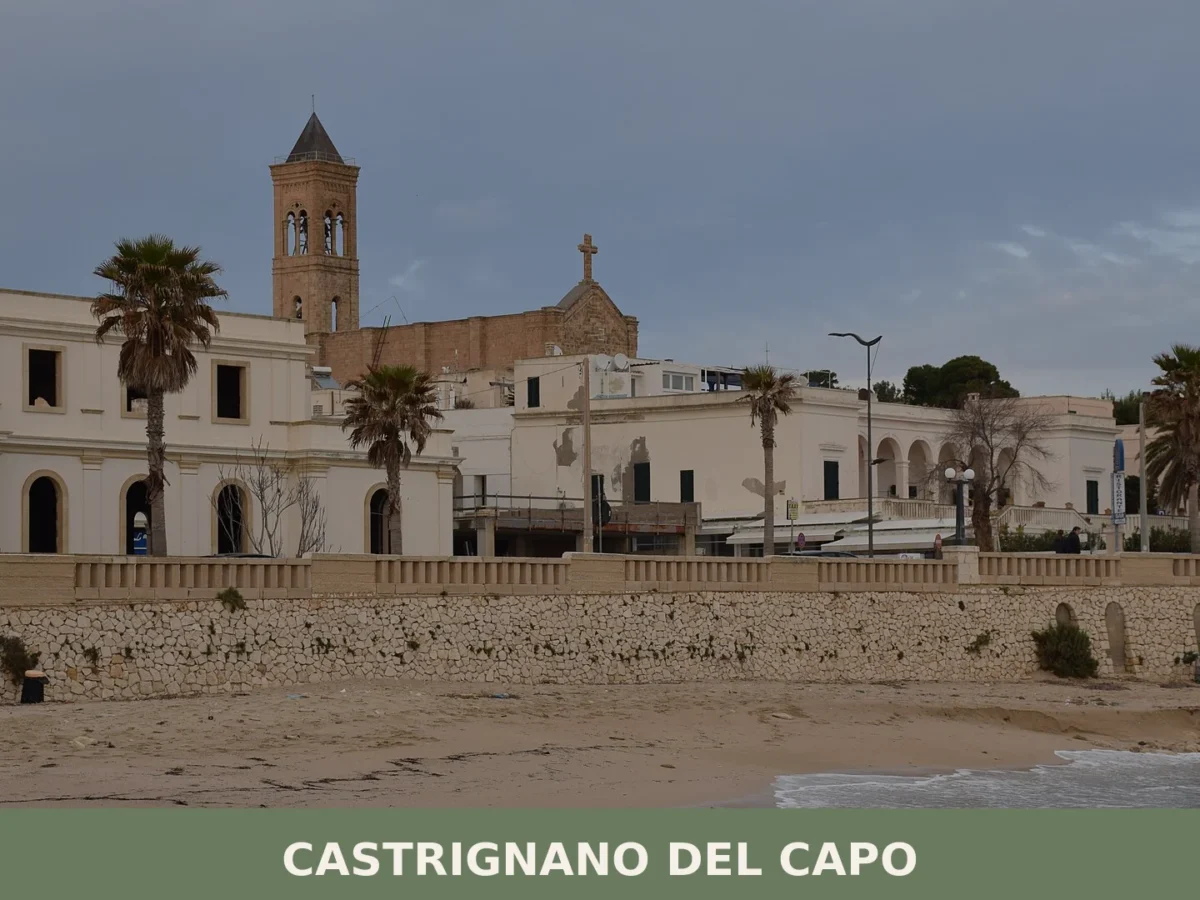
A village of 5,093 inhabitants where baroque architecture meets coastal limestone cliffs. Explore the medieval heart, defensive heritage and the fractions that include the celebrated beach resort of Santa Maria di Leuca.
Bitonto
Plains
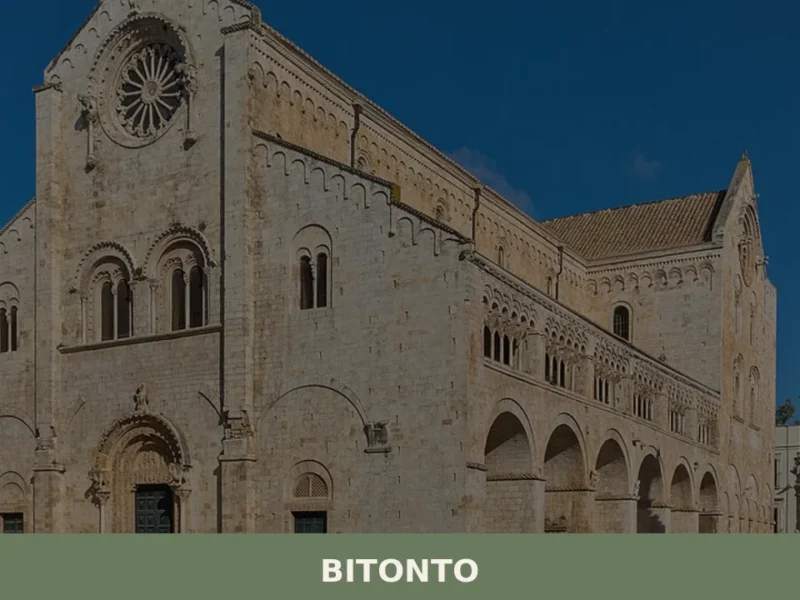
In 1089, Pope Urban II consecrated the cathedral of Bitonto, a building in local limestone that still dominates Piazza Cattedrale today with its sixteen-spoke rose window and its sculpted portal. That ceremony marked the city’s definitive entry into the network of major Apulian episcopal seats, confirming a political and religious role that Bitonto had maintained […]
Casamassima
 Hills
Hills
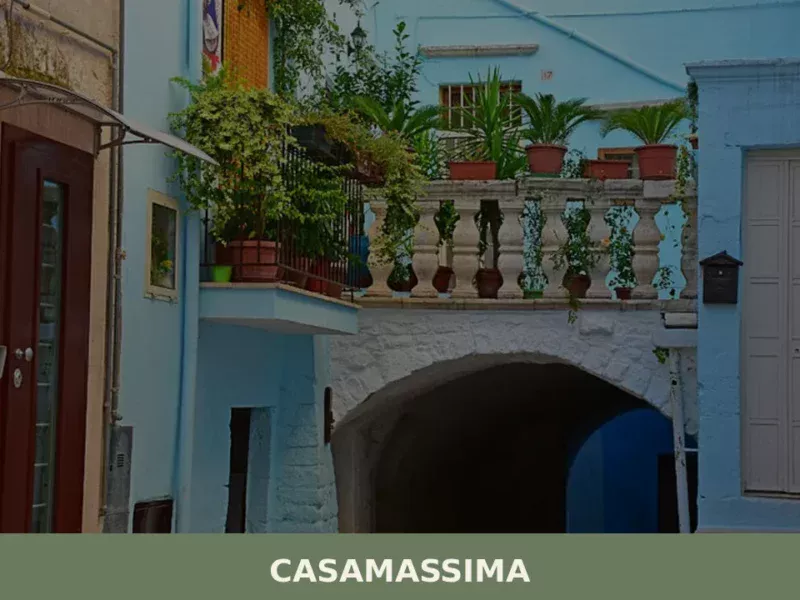
The façades painted with blue limewash in the historic centre earned Casamassima the nickname “Blue Village” — a unique case among Apulian villages and one of very few in Europe. This tradition, documented from the 19th century onward and linked according to local belief to a vow made to the Virgin Mary during a plague […]
Alberobello
Hills
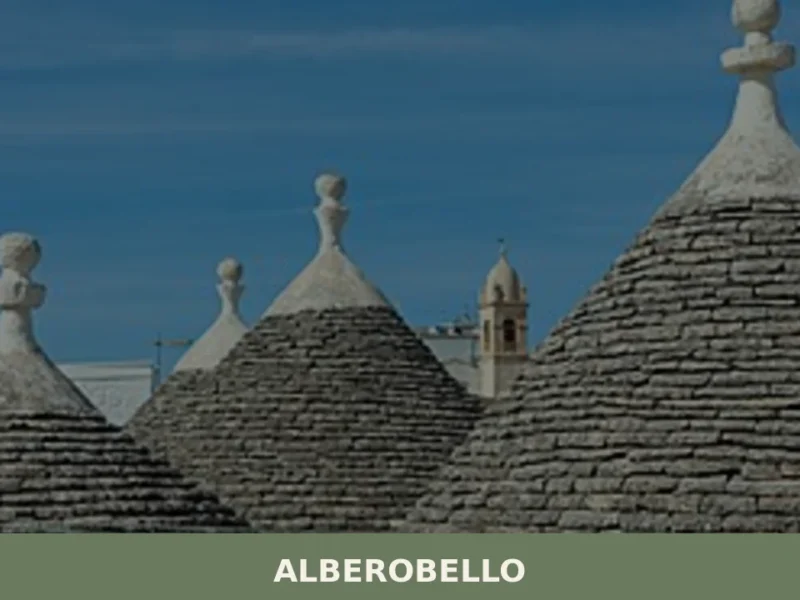
Alberobello, Puglia: Discover UNESCO trulli, Monti & Aia Piccola districts. Explore unique history & traditions. Plan your visit!
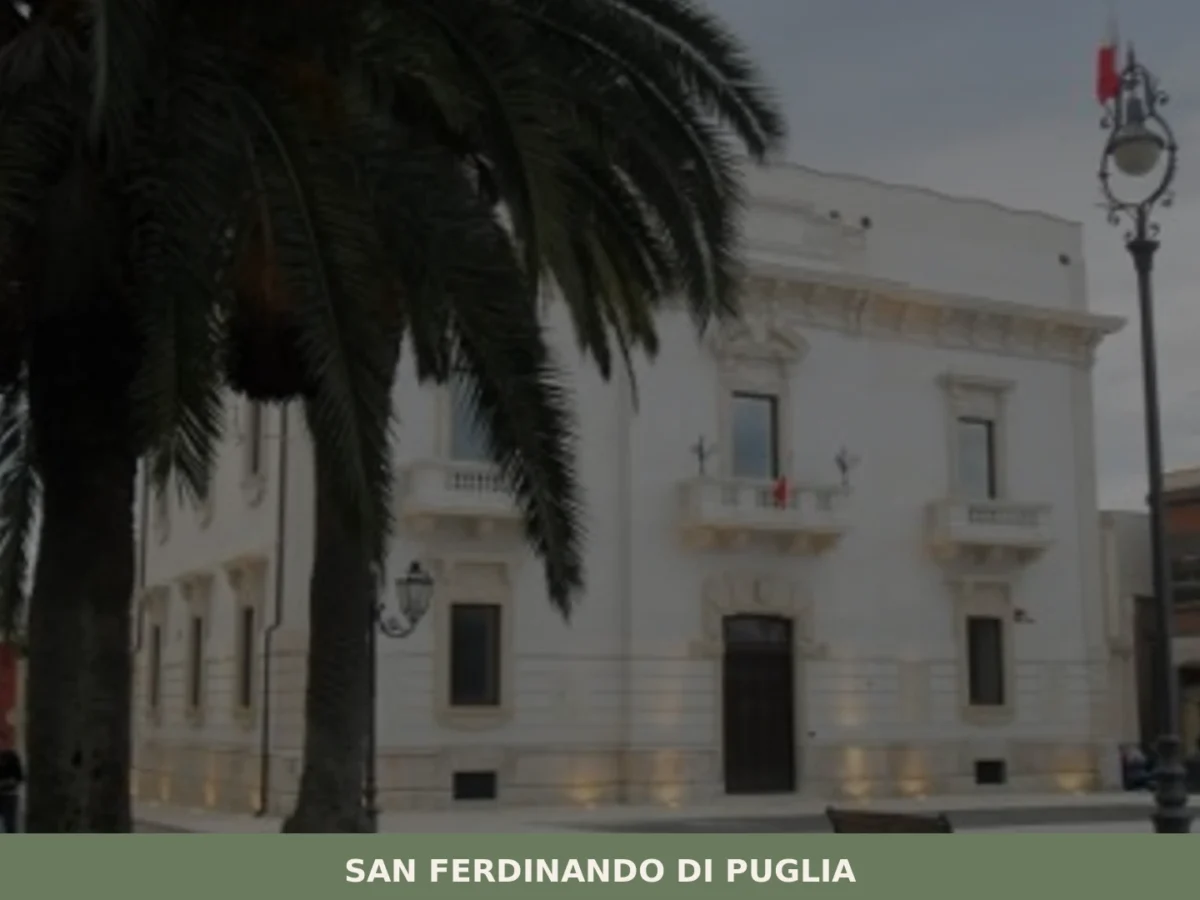
San Ferdinando di Puglia
Plains
What to see in San Ferdinando di Puglia: 5 must-visit attractions, from the historic centre to the churches. Discover the complete guide and plan your visit.
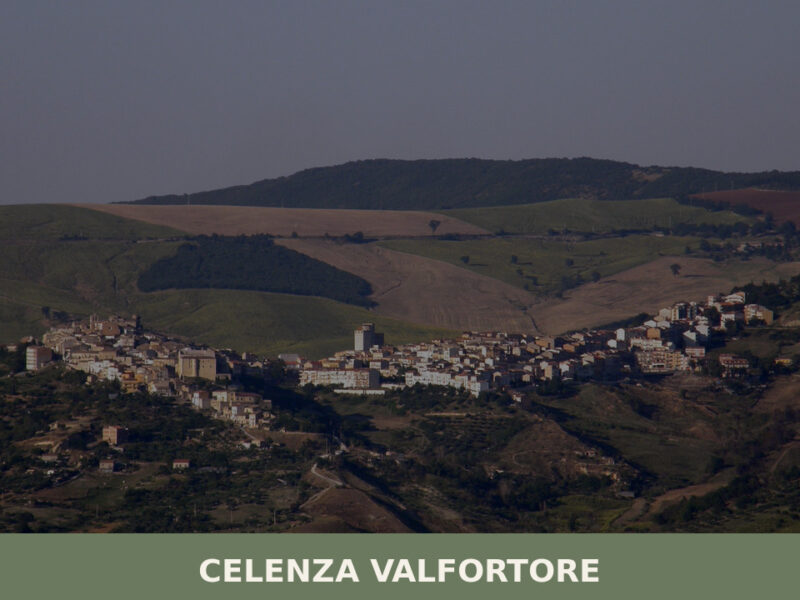
Celenza Valfortore
Hills
A hill village of 1,363 people above the Fortore valley in Puglia's Daunia highlands. Castle, churches, stone lanes, and a working landscape far from the tourist coast.
Casalnuovo Monterotaro
Hills
A hilltop village of 1,357 inhabitants in the Province of Foggia. Explore Casalnuovo Monterotaro's stone lanes, rural landscape, and the traditions of inland Puglia.

🏡 Know Poggiorsini better than we do?
If you’re a local or have been there, your knowledge matters: add what’s missing or fix a detail on this page.