


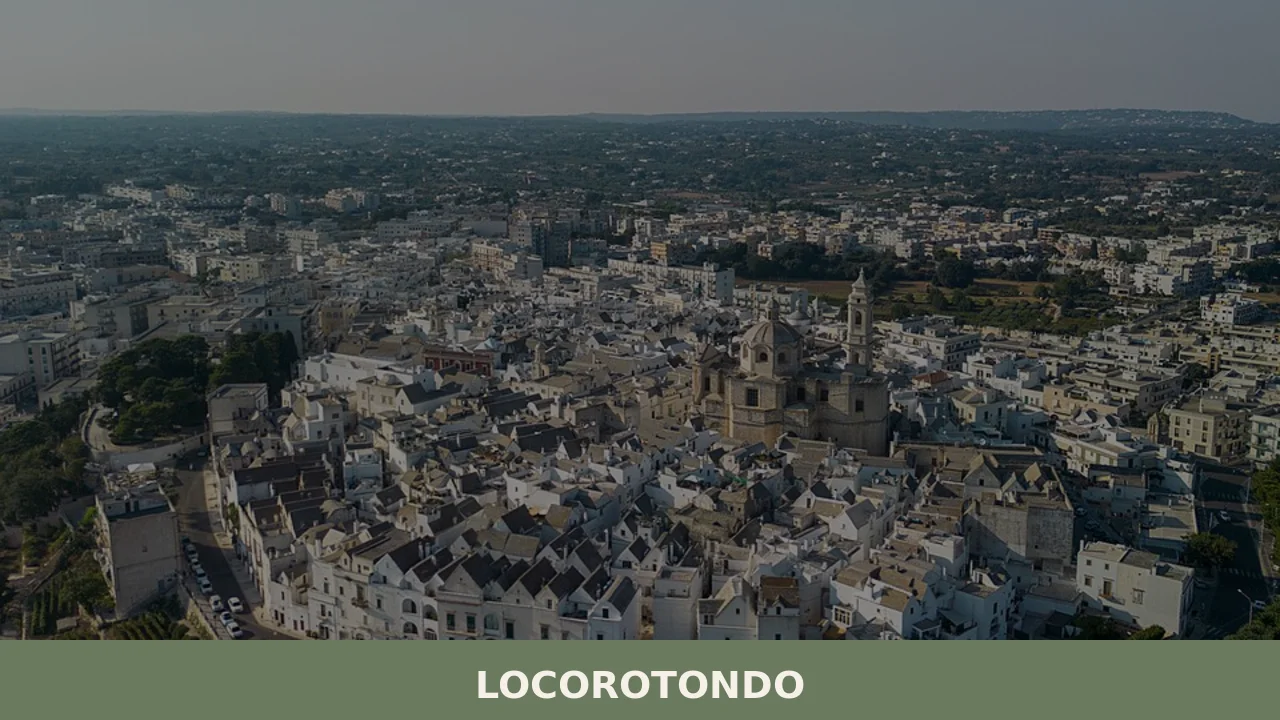
Locorotondo
The toponym Locorotondo, documented as early as the 12th century as “Luogo Rotondo” (Round Place), derives from the concentric configuration of its historic center, an urban feature that still distinguishes it within the Itria Valley landscape. Located 410 meters above sea level, this municipality in the province of Bari has 14,258 inhabitants and presents a […]
Discover Locorotondo
The toponym Locorotondo, documented as early as the 12th century as “Luogo Rotondo” (Round Place), derives from the concentric configuration of its historic center, an urban feature that still distinguishes it within the Itria Valley landscape. Located 410 meters above sea level, this municipality in the province of Bari has 14,258 inhabitants and presents a distinct architectural and cultural overview. For those wondering what to see in Locorotondo, the experience focuses on observing its “cummerse,” houses with sloping roofs covered in chiancarelle (limestone tiles), and on perceiving an urban fabric that has retained its original structure. Its patron saint festival, dedicated to Saint George the Martyr, is celebrated on April 23rd, a time when the village comes alive with rituals and events reflecting local tradition.
History and Origins of Locorotondo
The first records of Locorotondo’s settlement date back to the 10th century, a period when the area was under Benedictine control. The village grew around a castle, likely fortified, which defined its circular layout, giving it its name. Over the centuries, the territory came under various dominations, from the Normans to the Swabians, from the Angevins to the Aragonese, each leaving its mark on the social and architectural fabric. The greatest expansion occurred between the 17th and 18th centuries, when agriculture and viticulture became economic pillars,
In Apulia More villages to discover
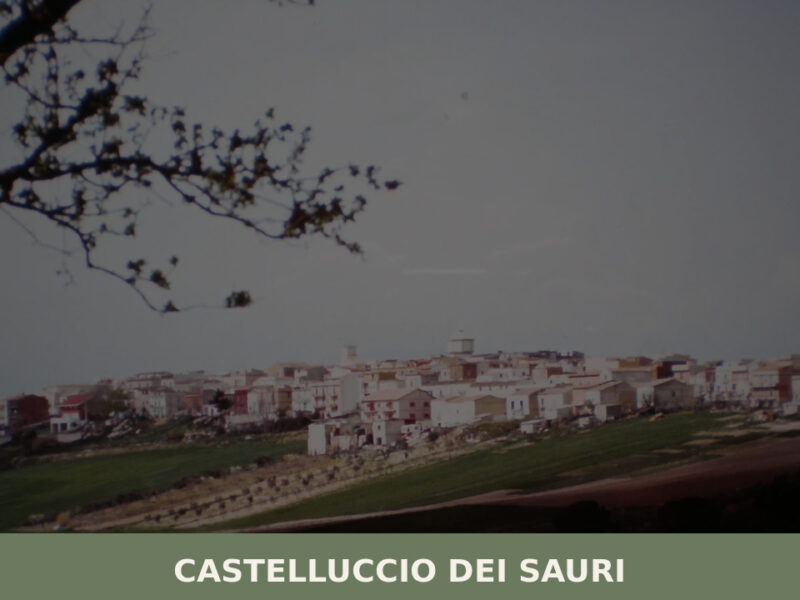
Castelluccio dei Sauri
A hilltop village of 2,024 inhabitants overlooking Puglia's Tavoliere plain. Castelluccio dei Sauri offers ancient tratturi routes, quiet stone lanes, and the deep agricultural traditions of the Capitanata.
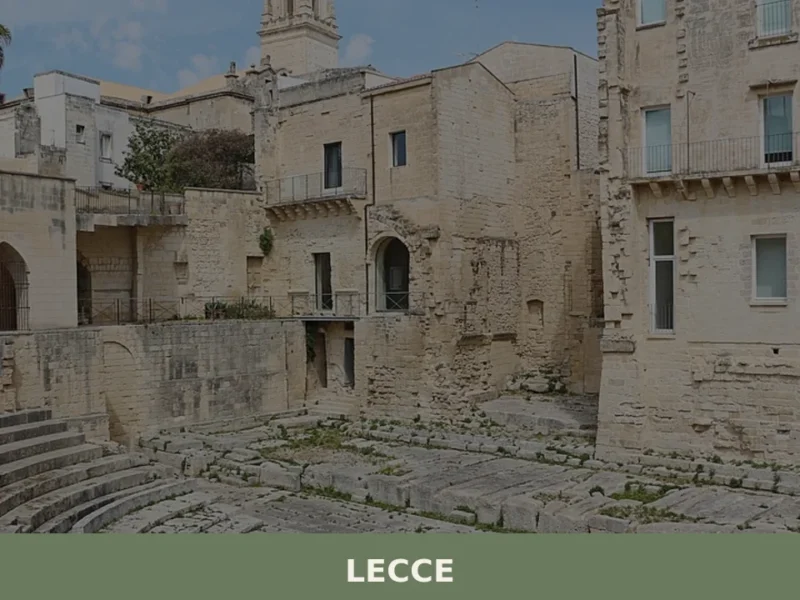
Lecce
In the centre of Salento, on 26 August, the city of Lecce celebrates its patron saint, Sant’Oronzo, with a solemnity that unfolds among the scrolls and friezes of pale limestone. It is on days like these that the Lecce Baroque, the dominant stylistic hallmark, reveals itself in all its expressiveness, narrating centuries of history and […]
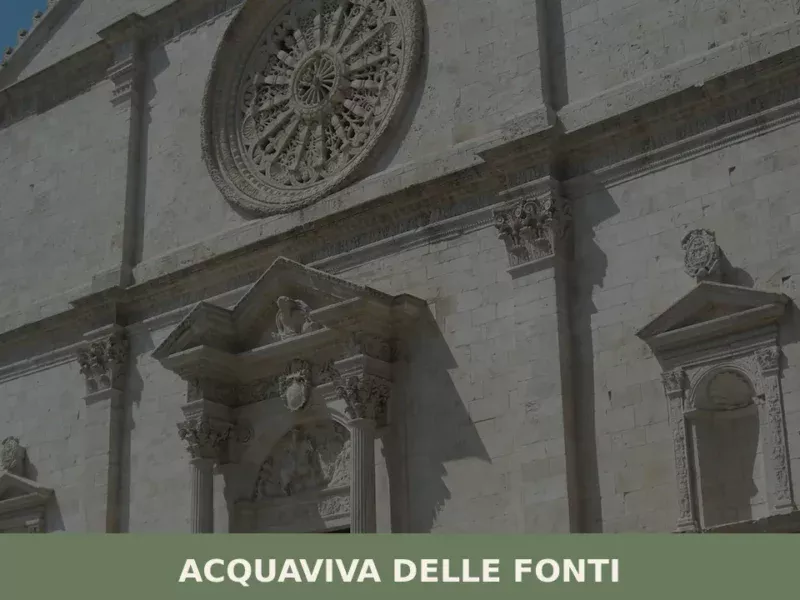
Acquaviva delle Fonti
Beneath the main square of Acquaviva delle Fonti, water still flows. This is not a figure of speech: a network of underground aquifers runs through the limestone subsoil of this town in the Murge hills near Bari, feeding cisterns and wells that for centuries determined both the wealth and the very name of the town. […]
🧀 Italian traditional products


📝 Incorrect information or updates?
Help us keep the Locorotondo page accurate and up to date.