


Molfetta
What to see in Molfetta: Adriatic port town at 15m elevation with 57,329 residents. Explore the Cathedral of San Corrado and Pulo sinkhole. Plan your visit now.
Discover Molfetta
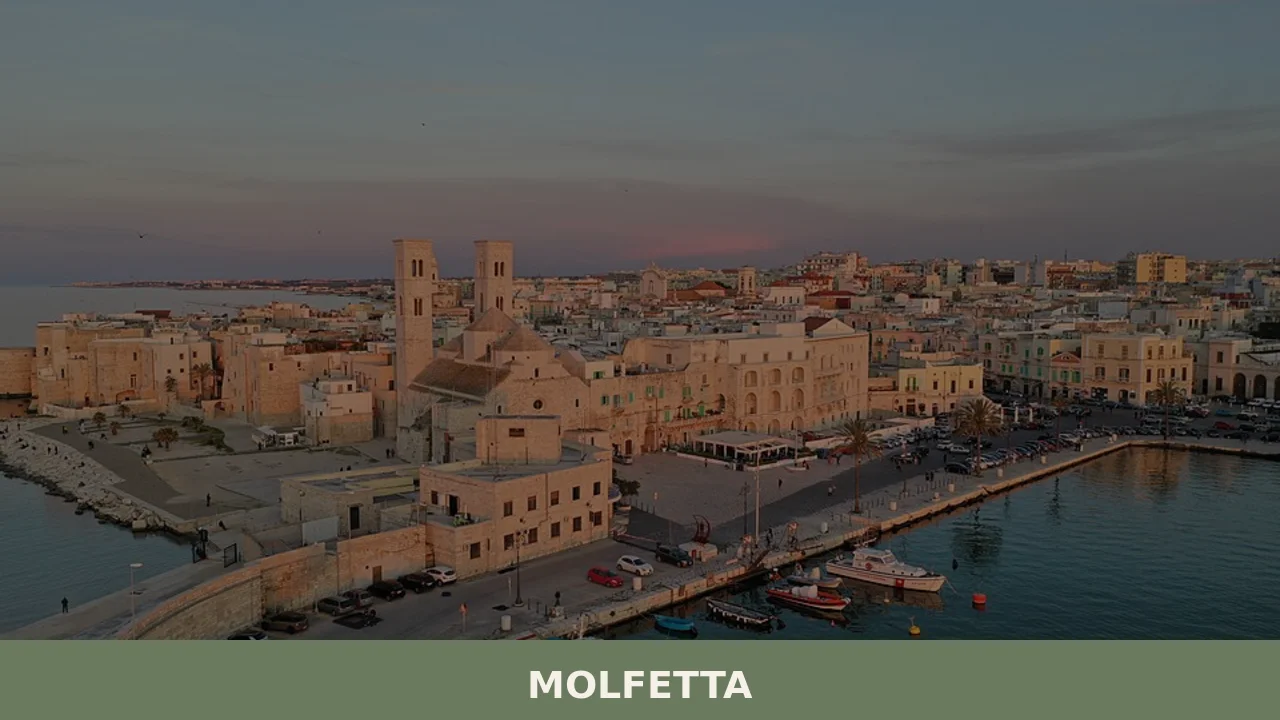
Rising from the Adriatic coast, just 15 metres above sea level, this Apulian town has built its identity around its port and seafaring traditions. Its architecture reflects this calling, with the Cathedral of San Corrado — its domes and towers standing like a stone lighthouse — visible from the open sea as far back as the 12th century. Exploring this town means immersing yourself in an urban fabric where the legacy of maritime activity blends with deep historical layers. For those wondering what to see in Molfetta, a rewarding route unfolds from its ancient core, shaped by centuries of trade and exchange, through to more recent expansions, always bound to the salt-tinged horizon.
History and origins of Molfetta
The earliest recorded mentions of Molfetta date back to medieval documents, though the etymology remains debated and complex. One of the most widely accepted theories links the name to the Latin term “Melfi” or “Melficta”, possibly derived from “malum fictum”, meaning “place of refuge” or “sheltered port” — suggesting that from its very origins the town served as a safe harbour along the Adriatic routes.
Other theories trace it to Germanic roots or even Byzantine influences, reflecting the complexity of the successive rulers and cultures that shaped this stretch of coastline, leaving their mark on its language and urban structures.
The actual founding of Molfetta’s urban nucleus is placed in the medieval period, with significant development between the 10th and 12th centuries.
Initially a small settlement of fishermen and merchants, its strategic position on the Adriatic soon attracted the interest of various powers. It was under Norman rule that Molfetta saw the construction of its first major fortifications and the Cathedral of San Corrado, becoming an active commercial port and a centre of considerable importance, capable of maintaining relations with the East and participating in the Crusades, thus consolidating its reputation as a maritime city.
Key historical events left a deep mark on the city, such as the sacking by the French in 1529, which devastated much of the old town and forced a slow, difficult reconstruction.
Later, under Spanish and then Bourbon rule, Molfetta experienced periods of relative stability and economic growth, based on fishing, agriculture and maritime trade. In the 19th century, with the Unification of Italy, the city was integrated into the new state, continuing to expand both in population and urban development, growing from roughly 20,000 inhabitants at the start of the 1900s to the current 57,329 — evidence of a constant vitality and ability to adapt to the changes of the times.
What to see in Molfetta: 5 essential attractions
1. Cathedral of San Corrado (Old Cathedral)
The Cathedral of San Corrado, also known as the Duomo Vecchio, is the defining landmark of Molfetta, an example of Apulian Romanesque architecture that dominates the old town skyline. Built between the 12th and 13th centuries, it is distinguished by its two imposing bell towers and three aligned domes — features that make it unique among Apulian cathedrals. Its façade, simple yet grand, and the main portal with sculptural elements recall the Eastern and Byzantine influences that characterised the city’s maritime history.
2. Cathedral of Santa Maria Assunta (New Cathedral)
The Cathedral of Santa Maria Assunta, or Duomo Nuovo, is an imposing Baroque basilica dating from the 17th–18th century, built to replace the old cathedral, which had become too small for the growing population. Located at the centre of the old town, it features a richly decorated façade with statues and reliefs, and a Latin-cross interior with three naves, embellished with polychrome marble altars, artworks and frescoes that attest to its grandeur. Its architecture represents a later and stylistically distinct phase compared to the Romanesque, creating a striking visual and historical contrast.
3. Molfetta Lighthouse
The Molfetta Lighthouse, erected in 1853, stands at the end of the outer breakwater, a strategic point for navigation and a distinctive feature of the Molfetta coastline. Its cylindrical stone structure, topped by the lantern, serves as a reference point for sailors navigating the Adriatic and for anyone observing the city from the sea. Although public access for climbing is not always available, its presence is a constant reminder of Molfetta’s seafaring calling, offering a glimpse into port life and the activities connected to fishing.
4. Pulo di Molfetta
The Pulo di Molfetta is a large karst sinkhole, a natural depression formed millions of years ago, located just a few kilometres from the town centre. This geological formation, approximately 30 metres deep and 700 metres in diameter, contains several caves and traces of prehistoric settlements, attesting to human presence since the Bronze Age.
A visit offers an immersion in a landscape of great naturalistic interest, where geology meets archaeology, revealing a lesser-known aspect of the Molfetta area. Those wishing to explore other less-frequented Apulian destinations might consider a trip inland, for instance to Celenza Valfortore, for an experience that goes beyond the coast.
5. Torrione Passari
The Torrione Passari is one of the few visible remains of the old fortification walls that once enclosed Molfetta, built in the 16th century to defend the city against raids. This massive, quadrangular structure, constructed from local stone, still stands today as a historical bulwark along the seafront, evidence of Molfetta’s strategic importance over the centuries. Today it frequently hosts cultural events and exhibitions, serving as a bridge between the town’s defensive past and its contemporary energy, and offering a privileged vantage point over the port and the old centre.
What to eat in Molfetta: local cuisine and traditional products
Molfetta’s gastronomic tradition, like that of the wider province of Bari, is deeply rooted in both farming and fishing culture, reflecting the resources of the land and the Adriatic Sea.
This cuisine is characterised by its simplicity, the use of fresh, seasonal ingredients, and the ability to transform humble raw materials into dishes full of flavour. The influence of the Mediterranean climate and the proximity to the sea have shaped a culinary repertoire that celebrates both products of the land — vegetables and pulses — and fresh seafood, creating a balance of robust and delicate flavours.
Among the signature dishes of the Molfetta tradition, several preparations stand out that tell the story of a people tied to the land and the sea.
Pezzetti di cavallo al sugo (horse meat in tomato sauce), although widespread across Puglia, finds distinctive interpretations here, slow-cooked in a rich tomato sauce and often served with rustic bread for mopping up every last drop. Another dish worth noting is the Tiella di riso, patate e cozze (layered rice, potatoes and mussels), an oven-baked preparation in which rice, sliced potatoes and fresh mussels alternate with cherry tomatoes and pecorino cheese, bringing together the flavours of sea and land in a single convivial dish.
The Molfetta area and Puglia in general boast a range of traditional agri-food products (PAT) that represent the finest local produce. Among these, Acquasale is a humble yet nourishing dish made with stale bread soaked in water and dressed with tomato, olive oil and oregano, a symbol of peasant frugality.
Africani are traditional dry biscuits, often almond-based, perfect for pairing with coffee or a sweet wine.
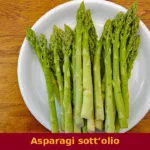
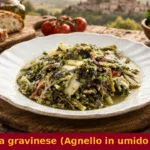
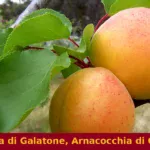
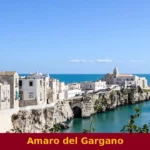
Agnello al forno con patate alla leccese, Auniceddhru allu furnu, though originally from the Lecce area, appears on Molfetta tables for special occasions, as does Agnello alla gravinese (Agnello in umido alla gravinese) — dishes that make the most of lamb with aromatic herbs and potatoes. There are also fine products such as Albicocca di Galatone, Arnacocchia di Galatone, a sweet and fragrant apricot, or Asparagi selvatici (wild asparagus), gathered in spring and used in omelettes or pasta dishes. To round off a meal, one can enjoy drinks like Amaro del Gargano, Ambrosia di limone or Anisetta, liqueurs that capture the aromas of the region.
To taste and purchase these products, Molfetta offers several opportunities. The weekly market, held on specific days, is the ideal place to find fresh produce directly from local growers, from seasonal vegetables to freshly caught fish.
Throughout the year, especially in summer, local food festivals and fairs dedicated to specific products — such as the fish festival or events focused on local gastronomy — provide the chance to sample traditional dishes in a festive atmosphere.
When to visit Molfetta: the best time of year
The best time to visit Molfetta depends on the traveller’s preferences, but generally spring (April–June) and early autumn (September–October) offer the most favourable weather conditions.
During these months, temperatures are mild, ideal for walking through the old town, exploring archaeological sites and enjoying the seafront promenades without the intense summer heat. Spring brings nature into bloom and the start of outdoor activities, while autumn offers still-sunny days and the chance to witness the early stages of the olive harvest.
Summer (July–August) is peak tourist season, with temperatures that can exceed 30°C, making the middle of the day less suited to sightseeing. However, it is also when Molfetta comes alive with cultural events, concerts and evening activities along the seafront, as well as the chance to swim in the Adriatic waters. The patron saint festival in honour of the Madonna dei Martiri, on 9 February, is a deeply felt community event, with religious and civic celebrations.
For those seeking quieter conditions and lower prices, the winter months (November–March) offer a more genuine and less crowded atmosphere, although some tourist facilities may operate on reduced schedules.
How to reach Molfetta
Molfetta can be reached by several means of transport, thanks to its strategic location in Puglia.
For those travelling by car, the city is well connected to the Italian motorway network via the A14 Adriatica motorway. The recommended exit is “Molfetta”, from which the town centre is just a few kilometres away. From Bari, the provincial capital, Molfetta lies about 25 kilometres to the north-west, a journey of roughly 30 minutes. Other Apulian cities such as Trani and Bisceglie are also close by, making Molfetta easily accessible for day trips.
As for rail transport, Molfetta has its own railway station on the Adriatic line, providing direct connections to Bari and the main Italian cities. Regional trains run frequently, ensuring efficient links to the capital and other coastal towns. The nearest airport is Bari-Palese International Airport (BRI), approximately 20 kilometres away, reachable by car or taxi in about 25–30 minutes. From the airport, it is possible to take a train or shuttle bus to Bari Centrale station and continue by train to Molfetta, or to opt for a car hire service.
Other villages to discover in Puglia
Puglia, with its vast territory and diverse landscapes, offers a mosaic of villages and towns that deserve to be explored, each with its own historical and cultural character.
Starting from Molfetta, it is possible to plan itineraries that take in both the coast and the interior, revealing different facets of the region.
For example, heading inland, you can find centres such as San Marco la Catola, a village that offers a mountain experience in an unexpected setting for the region, around 150 kilometres away and reachable in about two hours by car — ideal for those looking for scenery that differs from the coast.
These inland villages, though far from the sea, maintain strong ties to agricultural and pastoral traditions, offering an interesting contrast with Molfetta’s maritime life. Exploring these centres means discovering a less well-known side of Puglia, defined by slower rhythms, rural architecture and a cuisine rooted in the earth. A combined itinerary might include a couple of days on the Molfetta coast, followed by a day or two exploring the interior, visiting for example Celenza Valfortore, also in the Foggia province and about two hours’ drive away, to appreciate the variety of landscapes and cultures that Puglia has to offer.
In Apulia More villages to discover
Roccaforzata
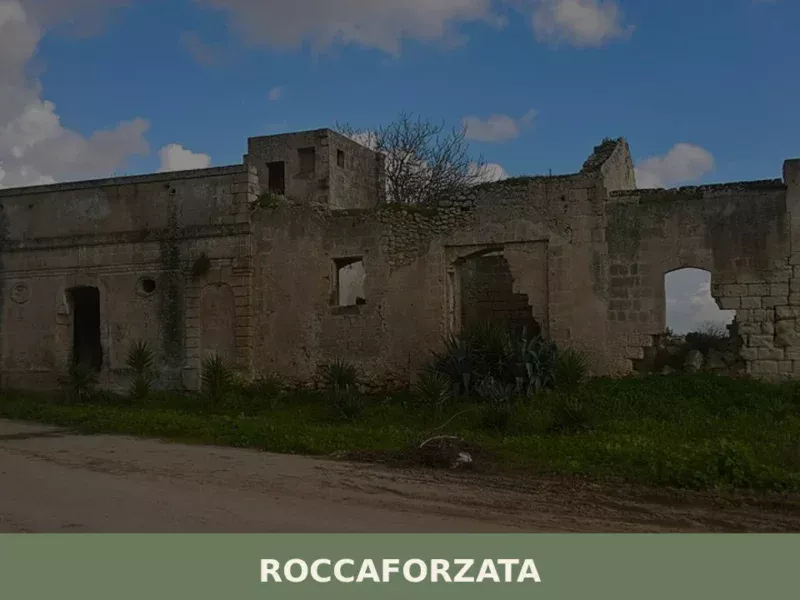
Roccaforzata is home to 1,762 inhabitants, spread across a plateau at 145 metres above sea level in the eastern Taranto countryside. The municipal territory covers just 6.67 square kilometres, making it one of the smallest in the province of Taranto. Anyone looking into what to see in Roccaforzata will find a compact urban centre, developed […]
Orta Nova
If you are looking to discover the most fascinating Orta Nova attractions, you are in the right place. This Apulian village, located in the heart of the Tavoliere delle Puglie just 24.7 km from Foggia, holds historical and cultural treasures that tell centuries of Italian history. With its 16,600 inhabitants, Orta Nova offers a perfect […]
Adelfia
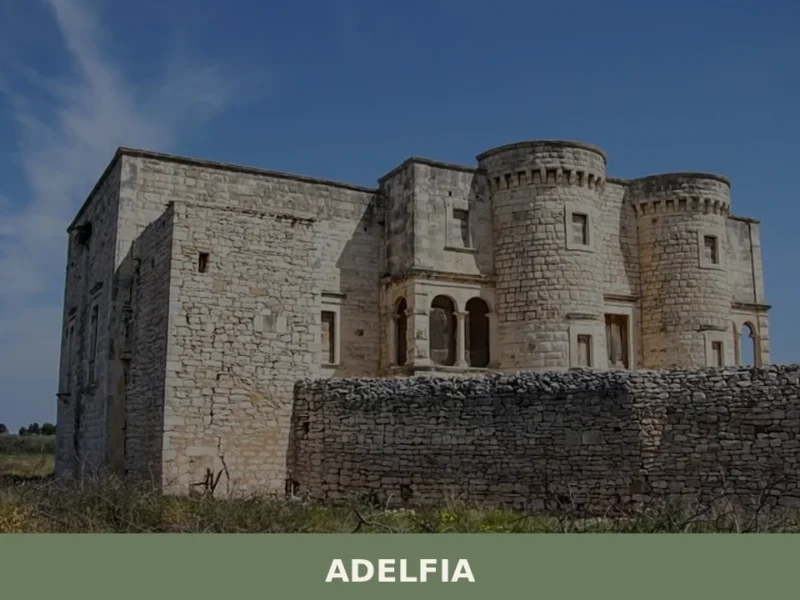
In 1927, a royal decree unified two separate municipalities — Canneto di Bari and Montrone — into a single administrative entity given the name Adelfia, from the Greek adelphós, meaning brother. It was a political gesture that encapsulated centuries of coexistence between two settlements separated by less than a kilometre of countryside, yet each fiercely […]
📝 Incorrect information or updates?
Help us keep the Molfetta page accurate and up to date.