


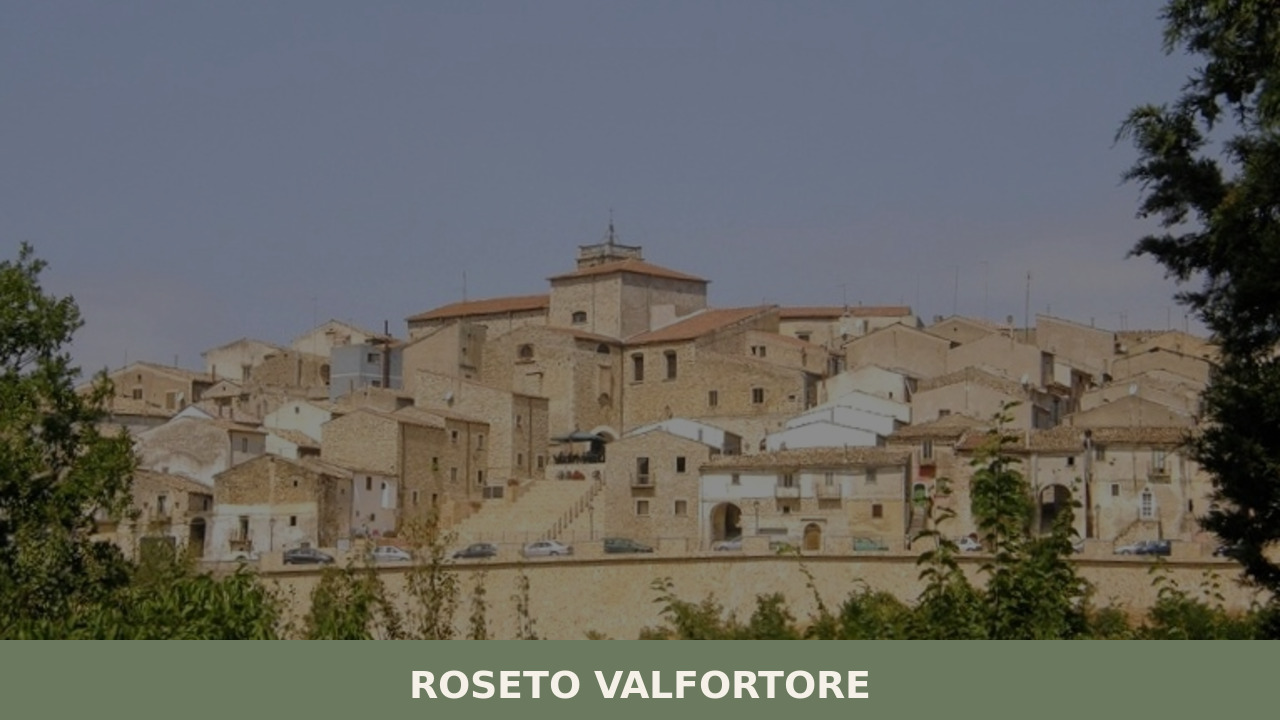
Roseto Valfortore
 Mountain
A stone village of 993 inhabitants at 658 metres in the Fortore valley. Roseto Valfortore preserves medieval architecture, mountain cooking traditions, and the quiet of inland Puglia.
Discover Roseto Valfortore
Morning fog lifts off the Fortore valley in slow, deliberate sheets, and the stone houses of Roseto Valfortore emerge one by one — ochre walls, clay roof tiles, a bell tower catching the first direct light. At 658 metres above sea level, the air here carries the scent of oak forest and wood smoke even in late spring. With fewer than a thousand inhabitants, the village sits at the far northwestern edge of Puglia, closer in character to the Appennino Dauno than to the coastal plains below. Understanding what to see in Roseto Valfortore requires walking its streets slowly, listening to the architecture.
History of Roseto Valfortore
The name itself tells a geography. “Roseto” likely derives from the wild rose bushes that still colonise the surrounding hillsides, while “Valfortore” anchors the village to the valley of the Fortore river, a watercourse that has shaped settlement patterns across the northern Subappennino Dauno for millennia. The earliest documented references to the settlement appear in medieval records, when the area fell under Norman and later Swabian administration. Like many hill towns in the province of Foggia, Roseto passed through the hands of successive feudal families who fortified it as a defensive outpost along the Apennine ridgeline separating Campania from Puglia.
The village’s strategic elevation — high enough to survey the valley, low enough to remain accessible — made it a natural waypoint on transhumance routes. Shepherds moving flocks between winter pastures in the Tavoliere plain and summer grazing land in the Molise highlands passed through or near Roseto for centuries. This pastoral economy shaped its built environment: narrow streets designed for animal traffic, stone-walled enclosures, and a compact urban core that conserves heat during the colder Apennine winters.
By the 19th century, Roseto Valfortore experienced the same depopulation pressures that hollowed out much of inland southern Italy. Emigration to the Americas — particularly to Roseto, Pennsylvania, a town founded by emigrants from this very village and later famous in sociological literature for the so-called “Roseto effect” — drastically reduced the population. Today’s 993 inhabitants maintain a village that carries visible layers of its Norman, Angevin, and Bourbon past in its stonework and street plan.
What to see in Roseto Valfortore: 5 must-visit attractions
1. Chiesa Madre di Santa Maria Assunta
The main parish church anchors the upper village with a Romanesque structure reworked across several centuries. Its stone portal, carved with vegetal motifs characteristic of the Daunia region, frames a sober interior where wooden altarpieces and devotional paintings from the 17th and 18th centuries line the nave. The bell tower, visible from the valley floor, serves as Roseto’s primary vertical landmark.
2. The Medieval Historic Centre
Roseto’s centro storico is built almost entirely from local sandstone, giving its alleyways a uniform warm tone that shifts from gold to grey depending on the hour. Vaulted passageways connect streets at different elevations. Several doorways retain carved stone lintels bearing dates and family crests from the 16th and 17th centuries — a quiet record of artisan skill in a village far from any major city.
3. Palazzo Baronale
The baronial palace, positioned at a high point in the village, reflects the feudal power structures that governed life in the Fortore valley. Though modified over centuries and partially restored, the building’s original proportions — thick walls, small windows on the lower floors, an arched entrance — speak to its dual function as residence and defensive structure during the period of baronial administration.
4. Fontana Vecchia
The old fountain, located below the historic centre, once served as the village’s primary water source and communal gathering point. Constructed from dressed stone with a simple basin and spout arrangement, it remains a working fountain. Its placement along what was historically the main approach road into Roseto marks the threshold between agricultural land and inhabited space.
5. The Fortore Valley Viewpoints
Several points along the village’s perimeter offer unobstructed views across the Fortore valley toward the Appennino Dauno range. On clear days, the landscape unfolds as a patchwork of cereal fields, oak woodland, and distant ridgelines. These vantage points are not formalised as tourist overlooks — they are simply the edges of streets and small piazzas where the village meets open sky.
Local food and typical products
The cooking of Roseto Valfortore belongs to the mountain tradition of the Daunia Apennines rather than the coastal or lowland Puglian kitchen. Handmade pasta — orecchiette, cavatelli, and the thicker local formats dressed with ragù of pork or lamb — forms the centre of most meals. Legume soups, particularly those combining cicerchie (grass peas) or lentils with foraged greens, reflect the frugal economy of Apennine farming communities. Pork preserved as sausages, capocollo, and lard remains a winter staple, prepared according to methods that have changed little in generations.
The surrounding hills produce olive oil with the dense, peppery character typical of higher-altitude Puglian groves, as well as local cheeses — both fresh and aged — from sheep and goat herds that still graze the Fortore slopes. Bread, baked in large loaves from durum wheat semolina, is treated as a fundamental ingredient rather than an accompaniment: stale bread is repurposed in pancotto and acquasale, dishes that waste nothing. Small trattorias in and near the village serve these preparations with little ceremony and considerable substance.
Best time to visit Roseto Valfortore
The village’s altitude moderates Puglia’s summer heat — July and August temperatures in Roseto run several degrees cooler than on the Tavoliere plain, making it a viable warm-season destination when coastal towns become crowded. Spring, from late April through June, brings wildflowers to the valley and mild conditions ideal for walking the surrounding countryside. Autumn offers clarity of light and the olive harvest. Winters are genuine — cold, occasionally snowy, and quiet, which suits those drawn to the atmosphere of a southern Italian village in its most undisturbed state. Local festivals, often tied to religious feast days and harvest cycles, concentrate in summer and early autumn, when the small resident population is augmented by returning emigrants and their descendants.
A practical note: Roseto Valfortore has limited tourist infrastructure. There are no large hotels. Accommodation tends toward small guesthouses and agriturismi in the surrounding countryside. This is not a drawback — it is the condition that preserves the village’s character. Plan ahead, carry cash, and expect to adapt to local rhythms rather than impose your own.
How to get to Roseto Valfortore
Roseto Valfortore lies in the northwestern corner of the province of Foggia, approximately 60 kilometres from Foggia city. By car, the most direct route from Foggia follows the SS90 and provincial roads westward into the Subappennino Dauno — a drive of roughly one hour through progressively hillier terrain. From Naples, the distance is about 130 kilometres via the A16 motorway (Napoli–Canosa), exiting at Candela or Grottaminarda and continuing north on secondary roads. From Bari, allow approximately two and a half hours (around 200 kilometres) via the A14 and A16.
The nearest railway station with regular service is Foggia, which connects to Rome, Naples, Bari, and other major Italian cities via Trenitalia high-speed and regional lines. From Foggia station, reaching Roseto requires a car or infrequent local bus services operated by the regional transport network. The closest airports are Bari Karol Wojtyła (approximately 180 km) and Naples Capodichino (approximately 150 km). A rental car is strongly recommended for exploring this part of inland Puglia.
What to see in Roseto Valfortore and the surrounding Puglia villages
Roseto Valfortore sits within a wider territory of small, historically dense Puglian villages that reward patient exploration. The Daunia Apennines are scattered with settlements of similar scale, each with its own dialect inflections, food traditions, and architectural signatures. Travelling east and south from Roseto, the landscape gradually descends toward the Tavoliere plain and eventually the Adriatic coast, offering a cross-section of terrain and culture within a relatively short distance.
On the coast, the fishing village of Mattinata sits beneath the white limestone cliffs of the Gargano peninsula — a world away from Roseto’s Apennine stone, yet linked by the same provincial boundaries and by the ancient routes that connected mountain and sea. To the south, across the Tavoliere, the agricultural centre of Cerignola represents the lowland counterpart to Roseto’s highland economy: vast grain fields, olive groves on an industrial scale, and a town whose size and rhythm differ markedly from the quiet of the Fortore valley. Together, these three places trace an arc through the province of Foggia that captures the diversity of Puglia’s interior — from ridgeline to plain to coast.
Nearby Villages near Roseto Valfortore
In Apulia More villages to discover
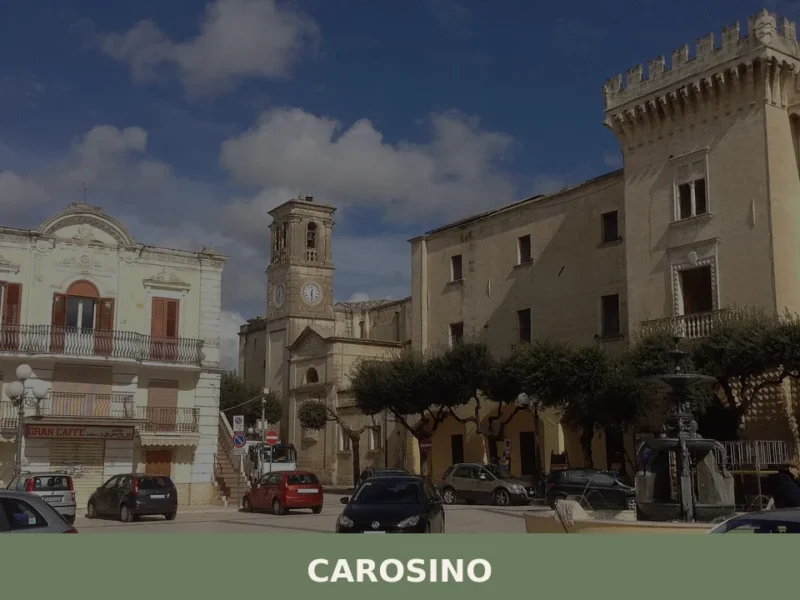
Carosino
 Plains
Carosino is a comune of 6,371 inhabitants in the province of Taranto, positioned in the Ionian arc of Puglia where the landscape flattens into olive groves and vineyards before reaching the coast. Known locally by its Salentine dialect name Carusinu, the town sits within a territorial context defined by centuries of agricultural production and the […]
Bitetto
Plains
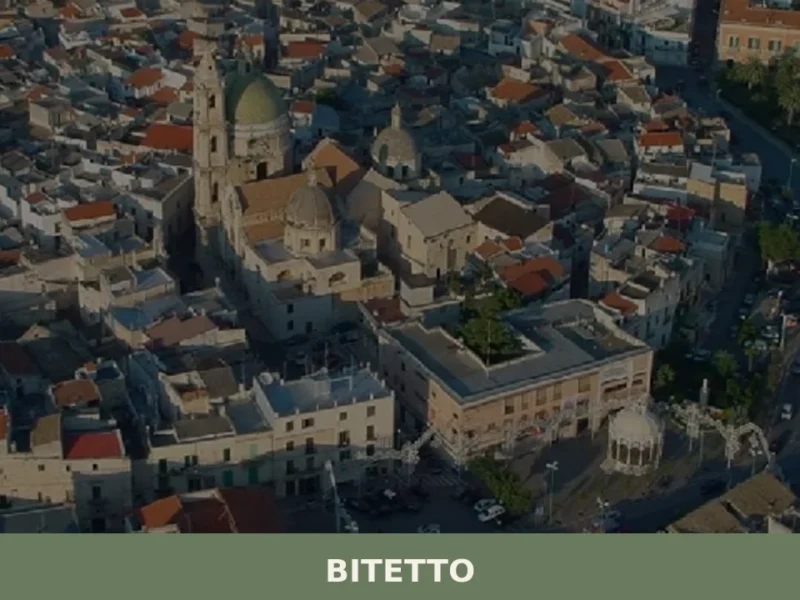
What to see in Bitetto, Italy: Discover its 14th-century cathedral and the legacy of Blessed James. Explore this Puglian village, 139 m above sea level, for a rich historical journey.
Alberobello
 Hills
Hills
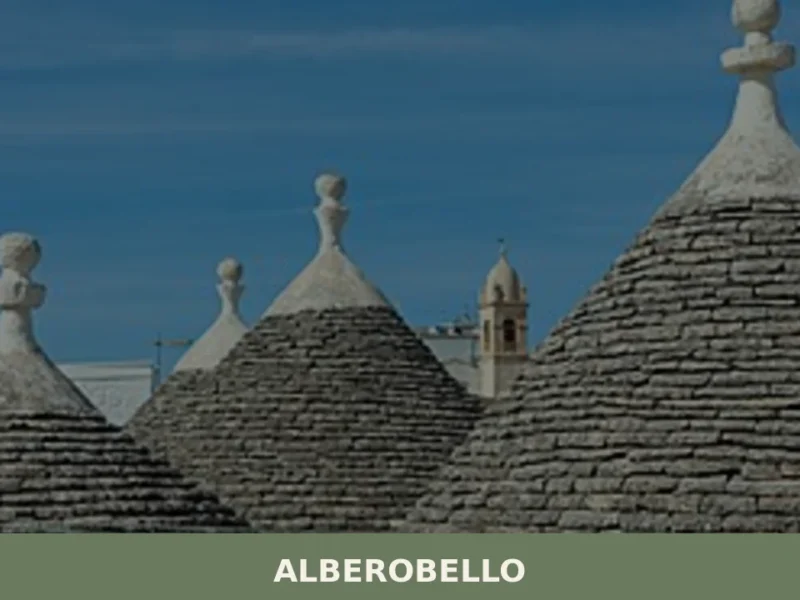
Alberobello, Puglia: Discover UNESCO trulli, Monti & Aia Piccola districts. Explore unique history & traditions. Plan your visit!
Capurso
Plains
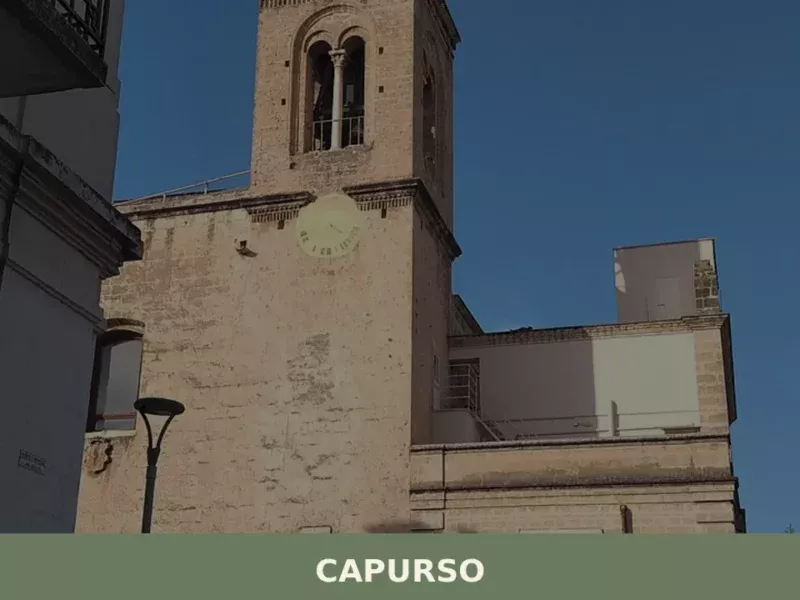
Every last Sunday of August, the streets of Capurso light up with illuminations reaching twenty metres in height, and the sheer weight of the crowd forces traffic to be diverted onto the provincial road to Cellamare. This is the climax of the feast of the Madonna del Pozzo, a devotional event that since 1705 has […]
Serracapriola
 Sea
Sea
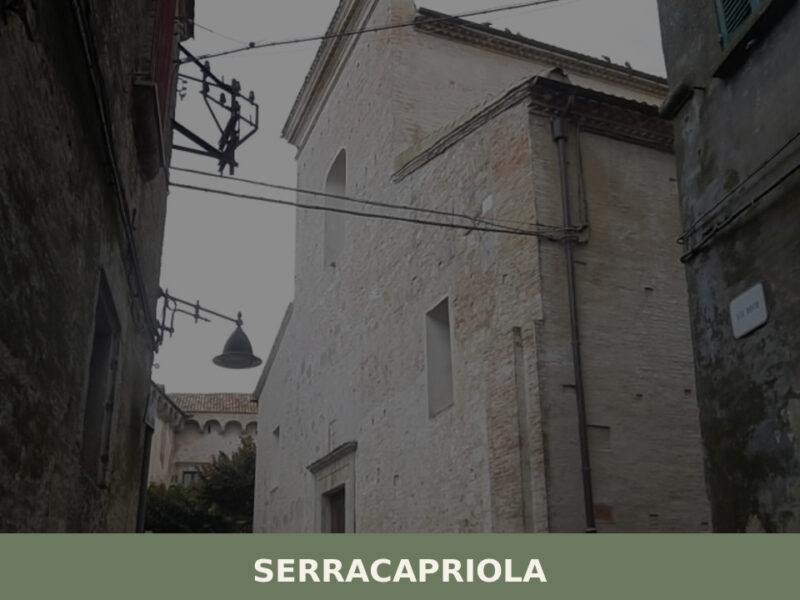
A hilltop village of 3,656 people overlooking the Fortore valley in Foggia province. Serracapriola offers a Norman castle, medieval alleys, and honest Puglian cooking far from the crowds.

Cagnano Varano
Sea
6,579 residents live between a brackish lagoon and the Gargano hills. Stone lanes, patron saints Michele and Cataldo, and a shoreline unlike anywhere else in Foggia province.
Candela
Hills
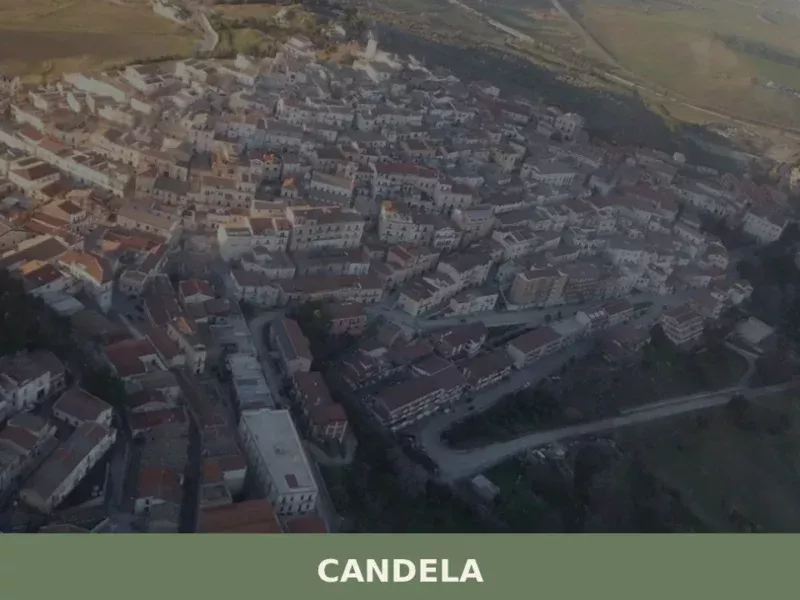
What to see in Candela, Puglia, Italy: explore a hilltop village at 474 m with Roman-era roots, the Feast of San Rocco and local wheat traditions. Discover it now.
Santeramo in Colle
Hills
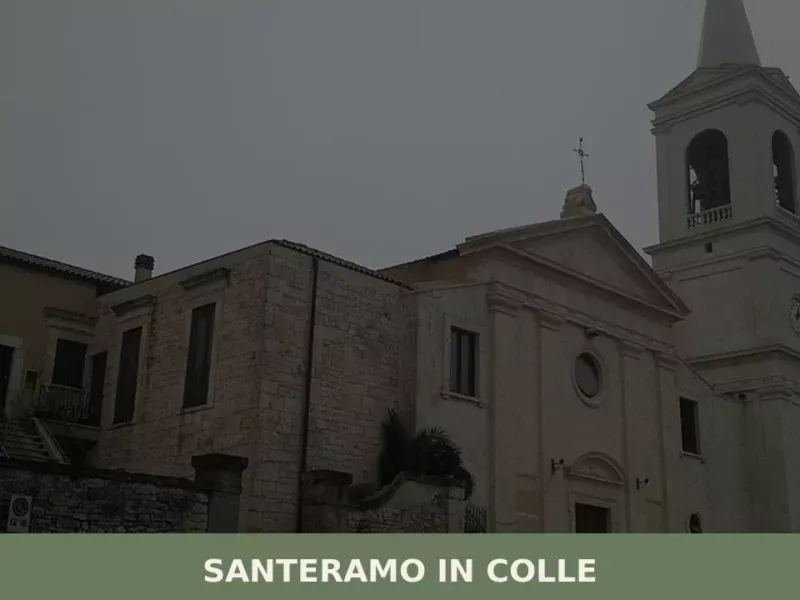
What to see in Santeramo in Colle? Discover the top 5 attractions, from the historic center to beautiful churches. Plan your visit to Puglia!
Rutigliano
Plains
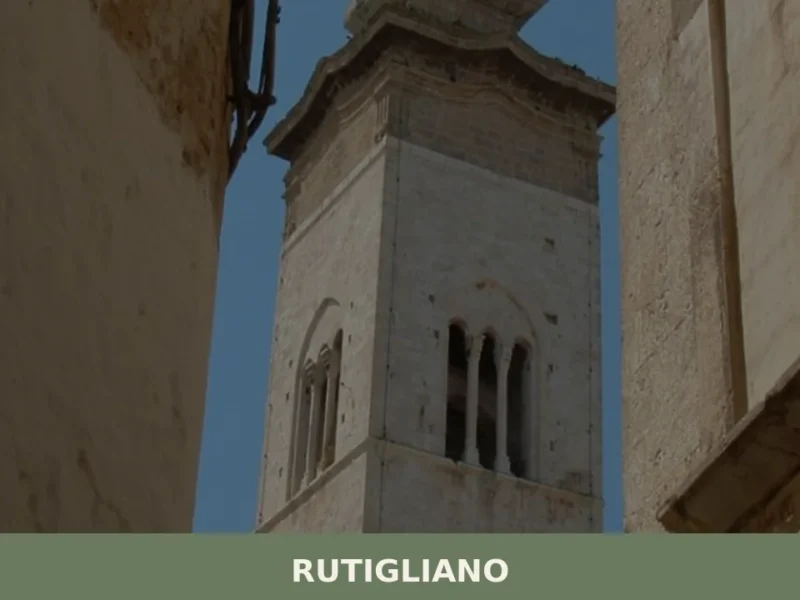
What to see in Rutigliano, a town at 125 m in Puglia. Terracotta whistle museum, Norman tower, Peucetian necropolis and PAT cuisine. Plan your visit now.
Peschici
Sea
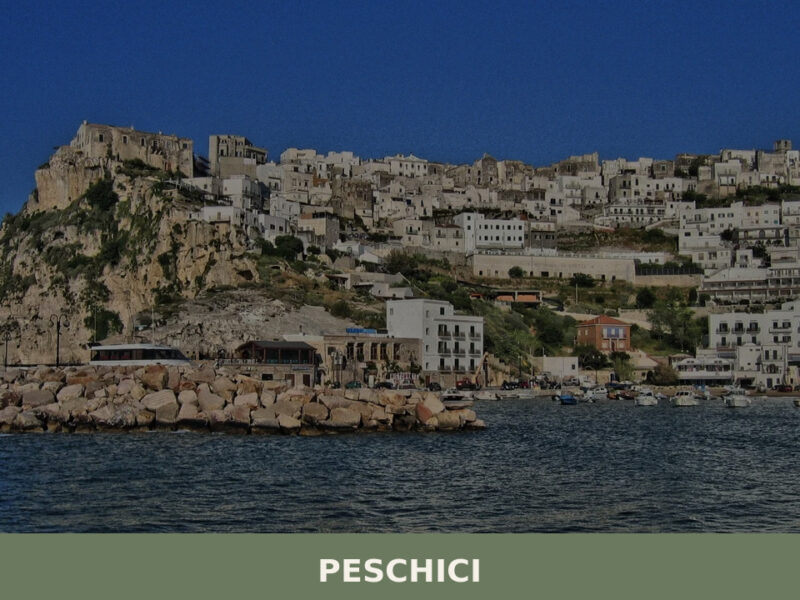
Perched on a rocky promontory above the turquoise waters of the Adriatic Sea, Peschici is one of the most enchanting coastal villages in Puglia’s Gargano peninsula. With its whitewashed houses, narrow alleyways, and dramatic clifftop setting, this small town of 4,283 inhabitants offers a captivating blend of history, natural beauty, and Mediterranean charm. If you’re […]






🏡 Know Roseto Valfortore better than we do?
If you’re a local or have been there, your knowledge matters: add what’s missing or fix a detail on this page.