


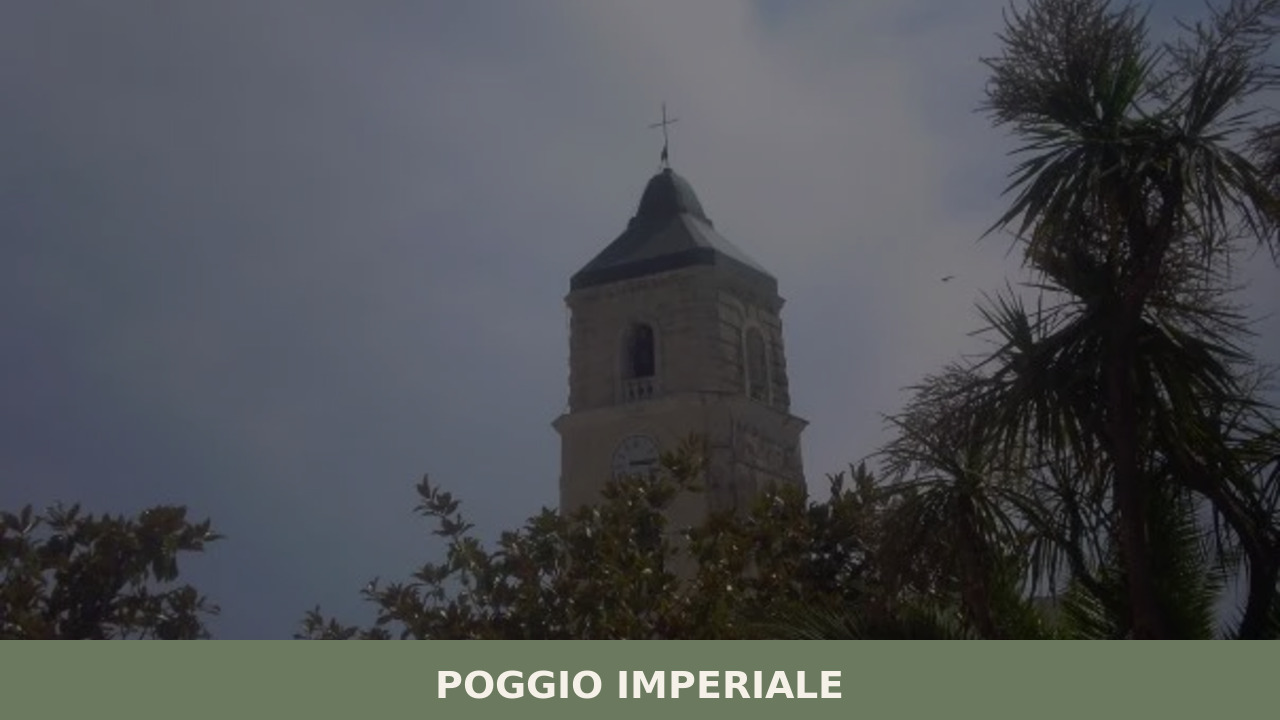
Poggio Imperiale
 Plains
A planned eighteenth-century village on the Tavoliere plain, Poggio Imperiale offers grid-pattern streets, agricultural landscapes, and the unhurried rhythms of northern Puglia.
Discover Poggio Imperiale
Morning light falls flat and wide across the Tavoliere plain, and by seven the bar on the main street has its shutters open, espresso cups clinking against saucers. Poggio Imperiale sits at 73 metres above sea level — just high enough to catch a breeze off the Adriatic, not high enough to call itself a hill town. With roughly 2,471 inhabitants, it is the kind of place where the baker knows the postman’s schedule. If you are wondering what to see in Poggio Imperiale, the answer begins with the understanding that this is a village built on agricultural rhythm, feudal history, and the slow geometry of southern Italian light.
History of Poggio Imperiale
The village owes its origins to the early eighteenth century and the will of a single family. It was founded in 1759 by the Ferrante princes of Sansevero, who established a planned agricultural settlement on the flat terrain of the Tavoliere delle Puglie, the vast grain-producing plain of northern Puglia. The name itself — “Poggio Imperiale,” meaning “imperial hill” — carries a note of aspiration that outpaces the modest elevation. It references the ambition of its founders rather than the topography underfoot.
For most of its history, Poggio Imperiale functioned as a farming community within the province of Foggia, its economy tied to wheat, olives, and seasonal labour. The village’s layout reflects its planned birth: a rational grid of streets rather than the organic tangle typical of older Puglian settlements. Unlike the medieval hill towns scattered across the Daunian sub-Apennines to the west, Poggio Imperiale was conceived on paper before it was built in stone.
Through the nineteenth century, the village grew slowly, shaped by the economic fortunes and misfortunes of the Capitanata region. The unification of Italy in 1861 brought administrative changes, and Poggio Imperiale became an autonomous comune in the province of Foggia, a status it retains today. Its population has remained modest — a fact that has preserved the village’s proportions and its unhurried character.
What to see in Poggio Imperiale: 5 must-visit attractions
1. Chiesa Madre (Mother Church)
The principal church of Poggio Imperiale anchors the village centre. Built to serve the planned settlement, it reflects the restrained ecclesiastical architecture common to eighteenth-century agricultural towns in the Capitanata. Its interior holds parish artefacts and devotional works that document the religious life of a small southern community across three centuries.
2. The Historic Village Grid
Unlike the winding medieval lanes found elsewhere in Puglia, Poggio Imperiale’s street plan is a deliberate grid — a product of Enlightenment-era town planning. Walking the central blocks, you notice uniform building heights, aligned facades, and a main corso that functions as both thoroughfare and public stage, especially during the evening passeggiata.
3. Palazzo Baronale
The former baronial residence of the founding noble family stands as the most prominent civil structure in the village. Its proportions speak to the authority the feudal lords exercised over the settlement. The building has served various civic functions over the centuries and remains a physical marker of Poggio Imperiale’s origins as a planned feudal estate.
4. The Surrounding Olive Groves and Wheat Fields
The landscape immediately beyond the village edge is the Tavoliere in its most characteristic form: flat, expansive, and given over to cultivation. Olive trees, many of them old and gnarled, stand in ordered rows. In late spring, wheat fields shift from green to gold across a matter of weeks — a transformation that still dictates the local calendar.
5. War Memorial and Piazza
The central piazza holds the village’s war memorial, a common feature in Italian towns but one that carries particular weight in the Capitanata, where both world wars drew heavily on rural populations. The piazza itself is the social hub — the place where festivals are staged, markets set up, and daily life unfolds in the open air.
Local food and typical products
The cuisine of Poggio Imperiale is the cuisine of the Tavoliere: wheat-based, olive oil–driven, and shaped by seasonal produce. Handmade pasta — orecchiette, cavatelli, troccoli — appears on most tables, dressed with simple sauces of tomato, turnip tops, or slow-cooked ragù. Bread is central to the culture here; the large, dense loaves of the Capitanata, baked from local durum wheat, have a crust that cracks audibly and a crumb that holds olive oil without falling apart. Local extra virgin olive oil, produced from the groves that surround the village, is used with the generosity typical of Puglia.
Seasonal vegetables — artichokes, wild chicory, broad beans — are prepared with minimal intervention. Fave e cicorie (broad bean purée with wild chicory) is a staple that appears across the region. Cheeses include caciocavallo and fresh burrata sourced from nearby dairies. Dining in Poggio Imperiale means local trattorias and agriturismi rather than destination restaurants — places where the menu reflects what was harvested that week.
Best time to visit Poggio Imperiale
Spring — from late April through June — offers the most comfortable conditions. The Tavoliere’s wheat fields are green or turning gold, temperatures hover between 18°C and 28°C, and the light has a clarity that sharpens the outlines of buildings and trees. Summer in the Foggia plain is famously hot; July and August regularly push past 35°C, and the village slows to a midday standstill. Autumn brings the olive harvest, typically October and November, when the groves fill with workers and the first pressing of new oil arrives at local tables.
The village’s patron saint festival, like most in the region, draws the community together with processions, music, and outdoor feasting. Local events are best confirmed through the official municipality website. Visitors should note that many shops and restaurants close on weekday afternoons and some may close entirely on Mondays — a rhythm worth adapting to rather than working against.
How to get to Poggio Imperiale
Poggio Imperiale lies in the province of Foggia, in northern Puglia. By car, the village is accessible from the A14 Adriatic motorway — the exit for Poggio Imperiale/Lesina is the closest, followed by a short drive south. From Foggia, the distance is approximately 50 kilometres, roughly 40 minutes by car along the SS16 or provincial roads. Bari, the regional capital, lies about 180 kilometres to the southeast, around two hours by motorway.
The nearest mainline railway station is at San Severo, about 20 kilometres to the south, served by Trenitalia intercity and regional services. From there, local buses or a short taxi ride connect to Poggio Imperiale. The closest airports are Bari Karol Wojtyła Airport (approximately 190 km) and, for those arriving from the north, Pescara Airport (approximately 200 km). A rental car is the most practical option for exploring this part of the Puglia region at your own pace.
More villages to discover in Puglia
Northern Puglia’s interior holds villages that reward the unhurried traveller. To the southwest, deep in the Daunian sub-Apennines, Accadia occupies a ridge at over 600 metres, its abandoned medieval quarter — the Rione Fossi — standing in silent contrast to the lived-in streets below. The shift from the flat Tavoliere to the folded hills around Accadia is dramatic, accomplished in less than an hour’s drive, and it illustrates the geographic range contained within a single province.
To the east, the Gargano promontory rises from the Adriatic coast like a separate country. Ischitella sits on its western slopes, overlooking the Varano lagoon and wrapped in the dense vegetation of the Gargano’s forests. Visiting both Poggio Imperiale and Ischitella in the same trip reveals how quickly the Puglian landscape shifts — from open grain plain to forested headland — and how each environment has shaped a distinct culture of building, cooking, and daily life.
Frequently asked questions about Poggio Imperiale
Quando si festeggia il patrono di Poggio Imperiale e come si chiama?
Il santo patrono di Poggio Imperiale è san Placido martire, e la sua festa si celebra il 5 ottobre. Come in molti comuni della Capitanata, la ricorrenza è occasione di processione, musica e momenti di aggregazione nella piazza centrale del paese, che rappresenta il cuore della vita pubblica del borgo.
È possibile visitare Poggio Imperiale come tappa di un giorno partendo da Foggia o da San Severo?
Sì, Poggio Imperiale si presta bene a una visita in giornata. Da Foggia dista circa 50 chilometri, percorribili in circa 40 minuti in auto. Da San Severo, la città più vicina con stazione ferroviaria, bastano circa 20 chilometri. Le dimensioni contenute del borgo — meno di 2.500 abitanti — permettono di visitarne il centro storico, la chiesa madre e la piazza principale in poche ore.
Quando fu fondato Poggio Imperiale e da chi?
Poggio Imperiale fu fondato nel 1759 per volontà dei principi Ferrante di Sansevero, che vollero creare un insediamento agricolo pianificato sul Tavoliere delle Puglie. È dunque un borgo di fondazione settecentesca, con un impianto urbanistico a griglia razionale molto diverso dai centri medievali della provincia di Foggia. Questo lo rende un caso particolare nel panorama dei borghi pugliesi del nord.
Nearby Villages near Poggio Imperiale
In Apulia More villages to discover
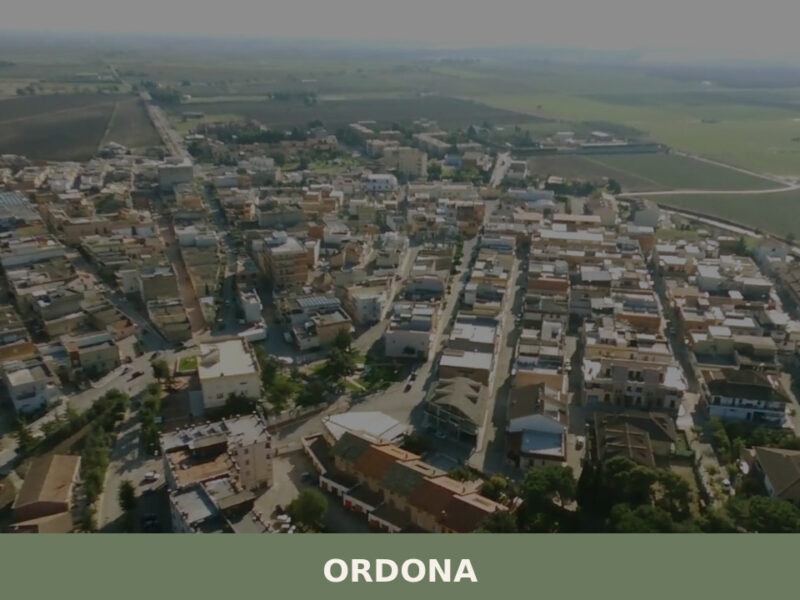
Ordona
Plains
Ordona sits on the Tavoliere plain near Foggia, above the ancient Daunian-Roman city of Herdonia. A guide to its archaeology, food, and surroundings.
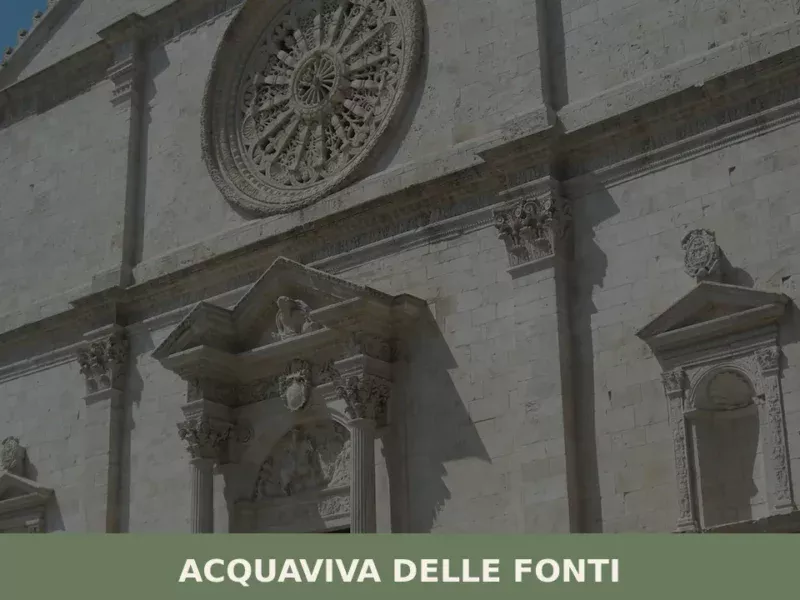
Acquaviva delle Fonti
 Hills
Hills
Beneath the main square of Acquaviva delle Fonti, water still flows. This is not a figure of speech: a network of underground aquifers runs through the limestone subsoil of this town in the Murge hills near Bari, feeding cisterns and wells that for centuries determined both the wealth and the very name of the town. […]
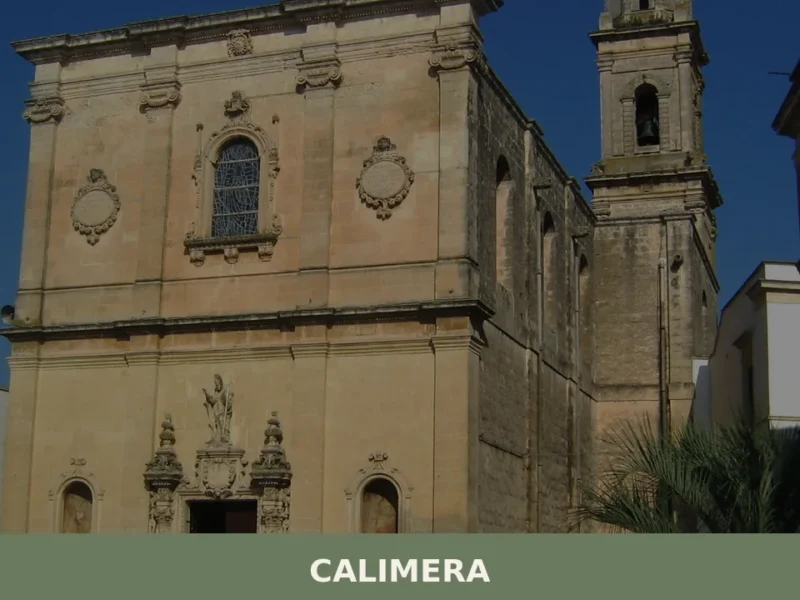
Calimera
Plains
Discover what to see in Calimera, the Puglia village at the heart of the Grecu00eca Salentina u2014 Griko culture, historic architecture, olive oil and local festivals.
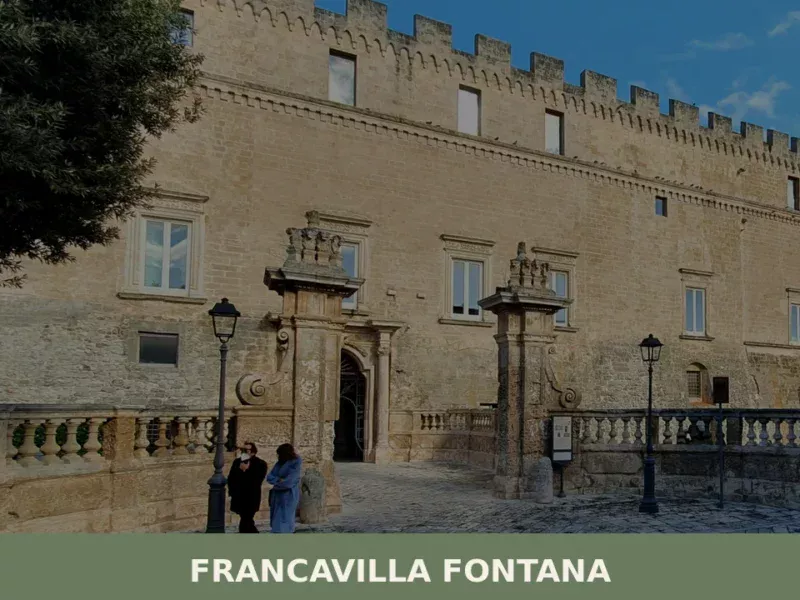
Francavilla Fontana
Plains
Discover what to see in Francavilla Fontana, Puglia: Baroque palaces, the medieval basilica, local food, travel tips and how to get there.
Casalnuovo Monterotaro
Hills
A hilltop village of 1,357 inhabitants in the Province of Foggia. Explore Casalnuovo Monterotaro's stone lanes, rural landscape, and the traditions of inland Puglia.
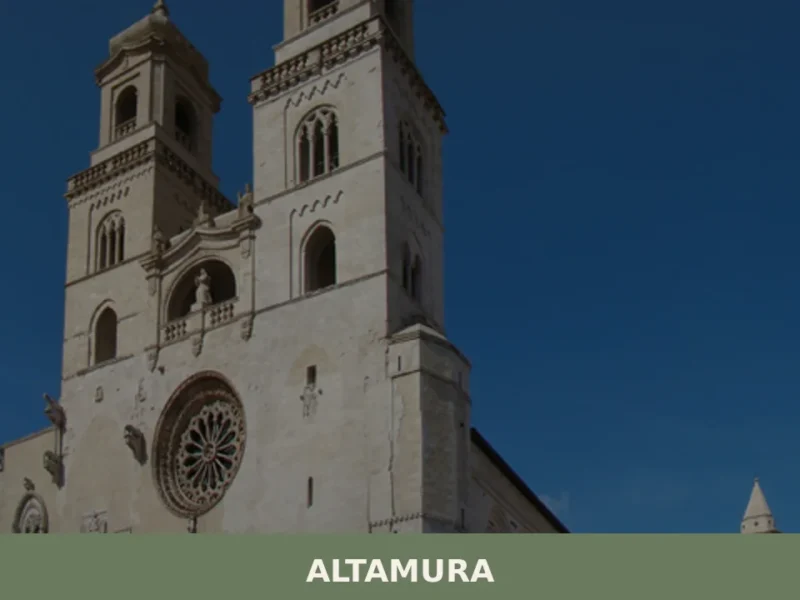
Altamura
Hills
In 1993, inside the Lamalunga limestone quarry a few kilometres from the town centre, a skeleton of Homo neanderthalensis dating back approximately 150,000 years was brought to light — one of the most complete ever found in Europe. That discovery changed the perception of Altamura, transforming it from a bread-making town into a site of […]
Giovinazzo
 Sea
Sea
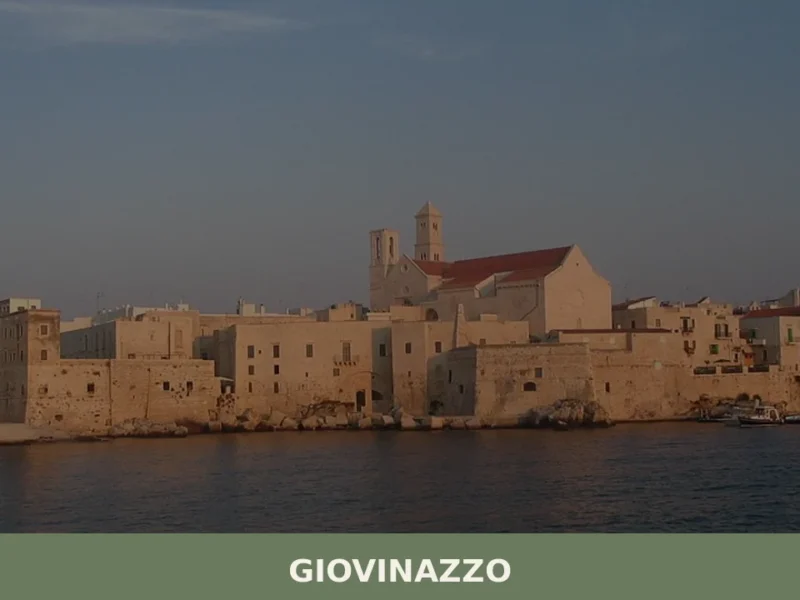
The walls of Giovinazzo’s old port form an irregular semicircle jutting out into the Adriatic Sea, visible from the SS16 state road that runs along the Bari coastline. This small city of 19,366 inhabitants, sitting at just 7 metres above sea level, retains a compact medieval historic centre, still partly surrounded by the original city […]
San Severo
Plains
A ridge-top village above the Tavoliere plain in Foggia province, San Paolo di Civitate holds Roman ruins, Norman battlefield history, and an unhurried agricultural life.
Toritto
Hills
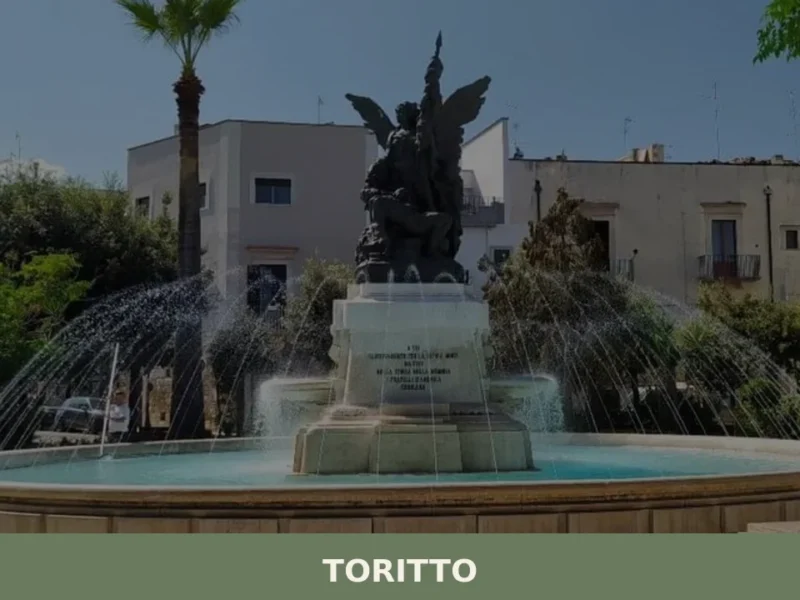
What to see in Toritto, Italy: Explore almond groves and the Chiesa Madre at 240 m. Discover vibrant festivals and indulge in local cuisine.
Bitritto
Plains
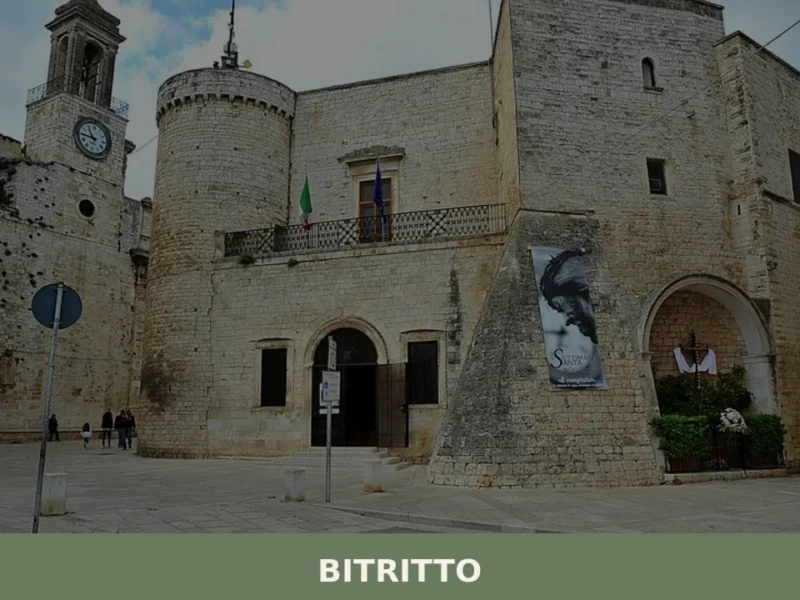
Approximately 11 kilometers southwest of Bari, in the basin opening towards the hinterland, lies Bitritto, a municipality with 11,046 inhabitants, situated 102 meters above sea level. Its territory, marked by olive groves and almond orchards, is an integral part of the Apulian agricultural landscape and reflects the region’s farming heritage. For those wondering what to […]



🏡 Know Poggio Imperiale better than we do?
If you’re a local or have been there, your knowledge matters: add what’s missing or fix a detail on this page.