


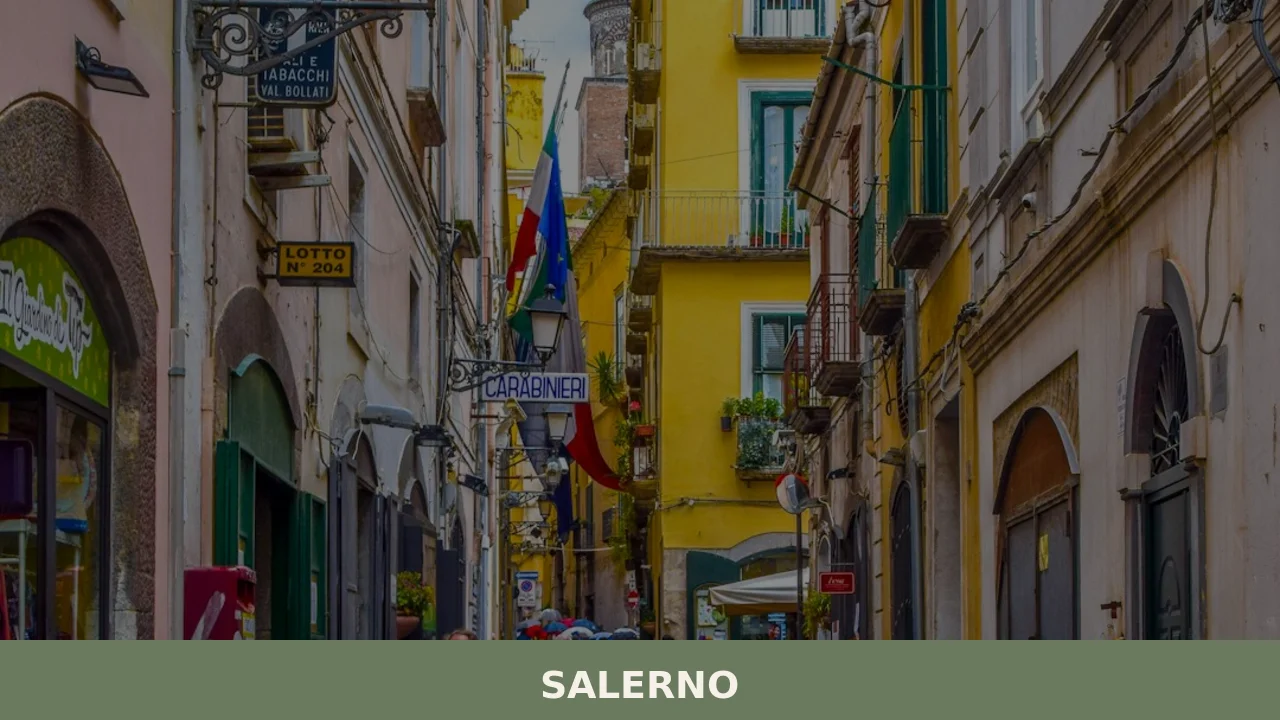
Salerno
Discover Salerno, Italy, a charming coastal city in Campania. Explore its rich history, stunning cathedral, vibrant old town, and beautiful Mediterranean views. Plan your visit!
Discover Salerno
The ‘Ndunderi, considered among the oldest pasta formats in Campania, originate in the territory of Salerno — a concrete starting point for understanding what to see in Salerno and what to expect from this city of 131,925 inhabitants, situated 4 metres above sea level on the Gulf of the same name.
The provincial capital of its namesake province, Salerno is not a small town to pass through quickly: it is a layered city, with a well-preserved medieval historic centre, a waterfront redesigned in the twentieth century, and a port that has shaped its history since antiquity.
History and Origins of Salerno
The earliest traces of settlement in the Salerno area date back to pre-Roman times, when Italic peoples occupied the hillside slopes descending toward the gulf.
The Romans founded a Latin colony called Salernum in 197 BC, from which point the city became a strategic node along the route connecting Capua to the southern regions of the peninsula. The name itself, according to scholarly theories, may derive from sal (salt) or from the River Irno, which flows nearby: both etymologies point to specific, documented geographical features.
The peak of medieval prominence came with the Lombard principality.
In 861, Salerno became the capital of the Principality of Salerno, breaking away from Benevento and forging its own political and cultural identity — one that lasted until the Norman conquest of 1076, when Robert Guiscard took the city.
Under the Normans and later the Swabians, Salerno maintained a central role in southern Italy. Its medieval reputation, however, rested above all on a unique institution: the Salerno Medical School, active from the ninth century onwards and recognised as the first medical school in the Christian West. Physicians, students and texts arrived from across Europe and the Arab world, making Salerno an intellectual centre without equal in its time.
In the following centuries, Salerno passed through Angevin, Aragonese and then Spanish rule, sharing the fate of the Kingdom of Naples.
In 1943, the city returned to the centre of European history: between 9 and 10 September, Allied troops landed in the area of Paestum in the operation known as Operation Avalanche, and Salerno became for several months the first capital of liberated Italy, serving as the seat of the Badoglio government.
This episode, documented by historical sources and still commemorated today, gives the city a specific weight in the memory of twentieth-century Italy.
Those wishing to explore these events further can also visit Campanian villages such as Arpaise, in the Benevento area, which belongs to the same historical and geographical context of Lombard and Norman southern Italy.
What to See in Salerno: Main Attractions
Salerno Cathedral
The Cathedral of San Matteo is the city’s principal architectural and spiritual landmark. Built at the behest of Robert Guiscard from 1076 and dedicated to the Apostle Matthew, the city’s patron saint, it retains original Romanesque elements integrated with later Baroque additions. The porticoed atrium with reused Roman columns, the medieval bell tower, and the crypt housing the relics of Saint Matthew form a complex of considerable historical coherence.
The crypt is of particular significance: the patron saint’s feast day on 21 September draws thousands of worshippers here every year.
Anyone seeking to understand what to see in Salerno cannot overlook this site.
Salerno Medical School — Museum
The Salerno Medical School is the institution that made Salerno famous throughout medieval Europe.
The museum dedicated to the school, located in the historic centre, uses documents, instruments and reproductions to tell the history of this remarkable institution, which was active from the ninth century onwards. Texts such as the Regimen Sanitatis Salernitanum circulated throughout Europe and influenced Western medicine for centuries.
A visit to the museum places the city firmly within the intellectual context of the Middle Ages in a documented and precise way, far removed from any oversimplification.
Arechi Castle
The Castello di Arechi stands above the city on Monte Bonadies, at an altitude of approximately 263 metres. The original structure dates from the Lombard period, when Prince Arechi II had it built in the eighth century as a fortress to control the gulf and the plain below. The preserved walls, towers and bastions allow visitors to read the successive construction phases that continued through the Norman-Swabian period.
The visitor route provides access to the interior exhibition rooms and the walkway along the battlements, from which there is an unobstructed view over the Gulf of Salerno.
Historic Centre and Via Mercanti
Salerno’s historic centre is one of the best-preserved examples of medieval urban planning in southern Italy.
Via Mercanti is the main thoroughfare, a route that passes through the heart of the old city connecting churches, aristocratic palaces and artisan workshops.
The Church of San Giorgio and the Church of the Annunciation are among the documented stops along this route. The inscriptions, doorways and architectural details encountered at every turn provide a direct account of the city’s historical layering, from the Lombards to the Aragonese.
Lungomare Trieste
The Lungomare Trieste is Salerno’s seafront, redesigned during the twentieth century and today one of the city’s most frequented public spaces. The tree-lined promenade extends for approximately 1.5 kilometres along the coast, flanked by Liberty-style villas and historic buildings that reflect the city’s urban growth between the late nineteenth and early twentieth centuries.
The old port is visible at the eastern end, while the city beach opens out to the west.
This space also serves as the setting for the Christmas light installations the city organises every year, which have become a significant regional draw over recent decades.
Traditional Food and Products of Salerno
The cuisine of the Salerno area is rooted in the farming and fishing traditions of southern Campania, shaped over the centuries by Greek, Roman, Arab and Norman cultural influences.
The geographical range of the province — spanning the Sele plain, the Cilento mountains and the Amalfi coast — has produced a variety of ingredients that is directly reflected in local cooking. Tomatoes, buffalo mozzarella, blue fish and pulses are the core ingredients around which the gastronomy of this area is built.
Several well-documented preparations stand out among the most representative dishes. ‘Ndunderi are gnocchi made from ricotta and durum wheat flour, regarded as one of the oldest pasta formats in Italy, passed down through Salerno families and now found on menus in various restaurants in the historic centre.
‘Nfrennula is a traditional confection made from dried figs, nuts and spices, prepared mainly during the winter months.
Salt-cured anchovies, processed by hand along the Cilento coast from the summer catch, are another product closely associated with the territory: they are salted in wooden barrels and left to mature for months before being consumed or sold.
The products certified as PAT (Traditional Agri-food Products) linked to the Salerno territory include several notable items.
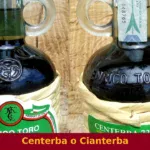
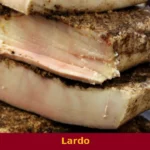
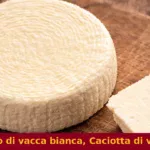
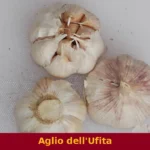
‘Ndunderi (PAT) — municipalities: Salerno, Ravello. ‘Nfrennula (PAT) — municipalities: Salerno, Cilento. Salt-cured anchovies (PAT) — municipalities: Salerno, Pisciotta, Agropoli, Pollica. White Fig Vinegar (PAT) — municipalities: Salerno, Cilento. Tomato water (PAT) — municipalities: Salerno, Eboli, Battipaglia. Ufita garlic (PAT) — municipalities: Salerno, Ariano Irpino, Grottaminarda.
These designations document a production chain firmly rooted in the provincial territory and still active today.
The city’s markets remain the most direct place to purchase these products.
Salerno’s Quartiere Orientale market operates daily and offers fresh cheeses, vegetables from the Sele plain, fish from the gulf and artisan preserves. In autumn, the season for tomato preserves and dried figs coincides with a peak in production activity on the province’s farms. Those travelling through the province toward the Cilento will find roadside farm shops selling salted anchovies and fig-based products along the way.
Festivals, Events and Traditions of Salerno
The most important celebration of the year is the feast of Saint Matthew the Apostle, patron saint of Salerno, held on 21 September.
The festivities take place around the Cathedral and the crypt housing the saint’s relics. The solemn procession moves through the streets of the historic centre with the participation of the clergy, civic authorities and thousands of worshippers from the city and the wider province. The evening of 21 September is traditionally accompanied by a fireworks display over the gulf, visible along the entire seafront.
The feast has its origins in the translation of the relics of Saint Matthew to Salerno, which took place in 954 according to ecclesiastical historical sources.
Beyond the patron saint’s feast, Salerno has built a reputation over the years as a city of seasonal events.
Luci d’Artista — light installations that transform the historic centre and the seafront during the Christmas period — has become a fixed event from November to January, drawing significant visitor numbers at peak times. In summer, Salerno Letteratura — a cultural festival dedicated to fiction and non-fiction — brings the city’s squares and historic spaces to life with book presentations, author talks and public readings. Both events are well-established and have featured consistently in the city’s cultural calendar for a number of years.
When to Visit Salerno and How to Get There
The most balanced time to visit Salerno is spring (April–May) and early autumn (September–October).
In spring, temperatures on the gulf are mild, tourist numbers are still lower than in summer, and the city’s attractions are fully accessible without overcrowding. September, meanwhile, coincides with the feast of Saint Matthew on the 21st of the month, making it a particularly eventful time to visit.
Those interested in the Luci d’Artista installations should plan their trip between November and January, while those looking for a seaside stay will find the city at its liveliest between July and August, with the seafront and city beaches in full swing.
Salerno is well connected to the rest of Italy.
By car, the A3 Naples–Reggio Calabria motorway has a Salerno exit directly near the city centre; from Naples the distance is approximately 55 km, taking between 45 and 60 minutes depending on traffic. Salerno railway station, served by Trenitalia with Frecciarossa, Intercity and regional services, connects to Naples in around 35 minutes and to Rome in approximately 2 hours and 45 minutes.
Naples Capodichino International Airport is approximately 65 km away and remains the main air hub for international arrivals, with shuttle services and road connections to Salerno. By sea, Salerno’s port handles routes to the gulf islands and international destinations during the summer season.
Those travelling north toward Campanian villages such as Raviscanina, in the province of Caserta, can use the same motorway as their main artery, branching off toward the Campanian interior.
Where to Stay in Salerno
Salerno offers a range of accommodation spread across the historic centre, the seafront and the urban outskirts.
The historic centre is home to several bed and breakfasts and boutique hotels housed in historic buildings, particularly well suited to those who want to reach the Cathedral and Via Mercanti on foot. The Lungomare Trieste, by contrast, concentrates higher-category properties with views over the gulf. For longer stays or those with an interest in agritourism, the province offers accommodation in the hillside areas on the city’s edge.
The official website of the Municipality of Salerno provides up-to-date information on local services and tourism initiatives.
Those who wish to explore the Campanian interior as well may consider using villages such as Formicola, in the province of Caserta, or Conca della Campania as an alternative base — both set in a rural environment that offers a clear contrast to the urban pace of Salerno.
The choice between city and countryside depends on the type of experience sought: those focused on what to see in Salerno will find everything they need within the city itself for a well-structured stay with substantial historical and cultural content.
In Campania More villages to discover
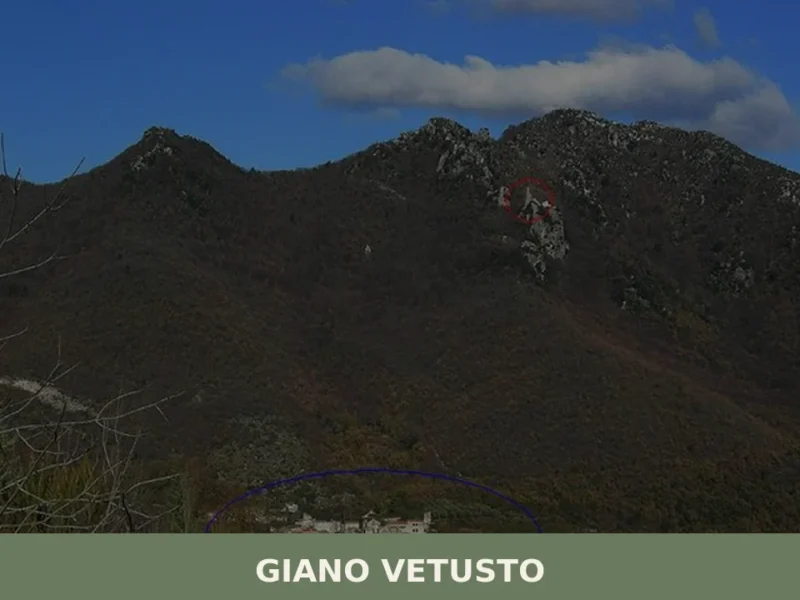
Giano Vetusto
What to see in Giano Vetusto: Church of Sant'Antonio, historic centre, agricultural landscape, local cuisine and how to reach this hillside village near Caserta.
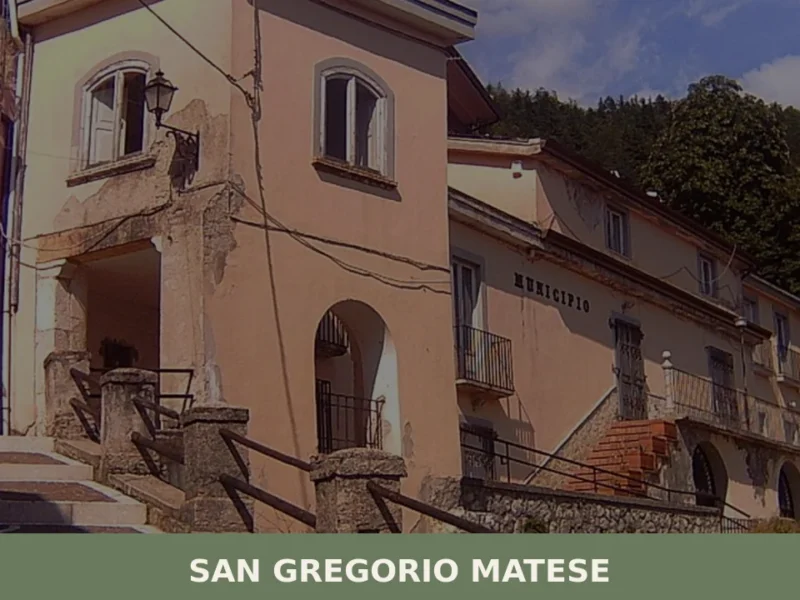
San Gregorio Matese
At 765 meters above sea level, San Gregorio Matese stands as one of the highest municipalities in the province of Caserta, a settlement with just over a thousand inhabitants. Its foundation is historically attributed to the cult of Pope Gregory I, from whom it takes its name. For those wondering what to see in San […]
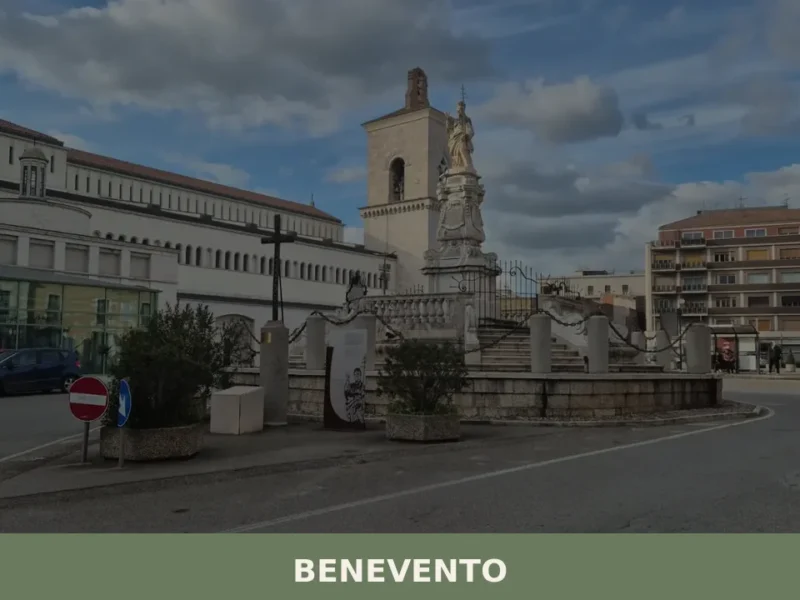
Benevento
Uncover the rich history and beautiful landscapes of the village of Benevento in Campania, Italy. Plan your visit to this charming Italian gem today!


📝 Incorrect information or updates?
Help us keep the Salerno page accurate and up to date.