


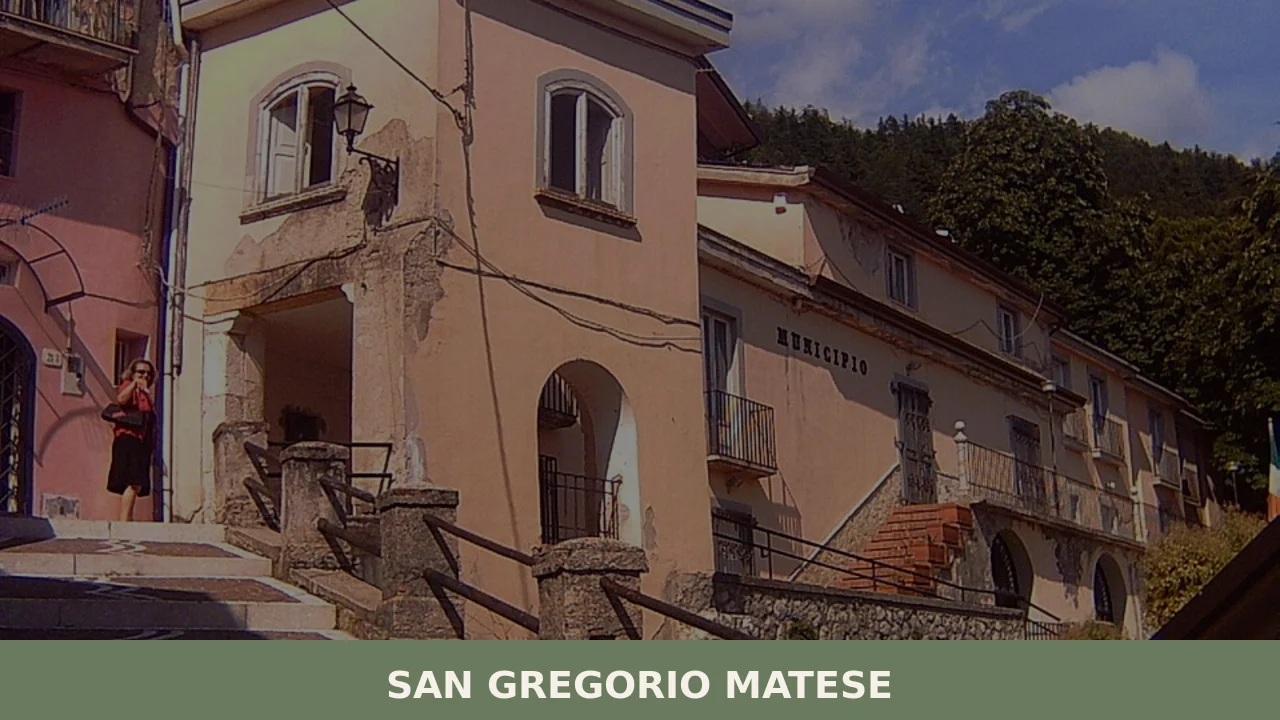
San Gregorio Matese
 Mountain
What to see in San Gregorio Matese, Italy: Explore this mountain village at 765 m altitude. Discover its historic core and annual patron saint feast. Read our guide.
Discover San Gregorio Matese
At an elevation of 765 m (2,510 ft) above sea level, San Gregorio Matese emerges within the rugged landscape of the Matese massif in Campania, Italy. This mountain village, home to 872 inhabitants, provides a distinct perspective on life in the Caserta province, far removed from the coastal bustle. Its position offers extensive views across the surrounding peaks and valleys, a characteristic feature of the region.
For those planning a trip to the southern Italian countryside, understanding what to see in San Gregorio Matese is essential for a rewarding visit.
This village, situated approximately 60 km (37 mi) north of Naples, presents a tranquil escape with its historic core and natural surroundings. Visitors to San Gregorio Matese find opportunities to explore the local architecture, participate in traditional festivals, and experience the serene pace of mountain life within the Matese Regional Park area.
History of San Gregorio Matese
San Gregorio Matese holds its identity as a comune (municipality) within the Province of Caserta, located in the Italian region of Campania. Its designation as a municipality places it within a well-defined administrative framework that has shaped its development over centuries. The village’s elevation of 765 m (2,510 ft) above sea level indicates a history intrinsically linked to mountain life, where communities often developed in relative isolation, relying on local resources and adapting to the challenging terrain.
The village’s geographical position, approximately 60 km (37 mi) north of Naples and 35 km (22 mi) north of Caserta, positioned it at a strategic remove from major urban centers.
This distance would have influenced its historical trajectory, fostering a strong local identity while remaining connected to the broader regional dynamics of Campania. Historically, mountain communities like San Gregorio Matese often served as agricultural hubs, with their economies centered around pastoralism and subsistence farming, contributing to the diverse tapestry of the Caserta province.
San Gregorio Matese shares its borders with numerous other municipalities, including Bojano, Campochiaro, Castello del Matese, Letino, Piedimonte Matese, Raviscanina, Roccamandolfi, San Massimo, San Polo Matese, Sant’Angelo d’Alife, and Valle Agricola. This network of bordering towns underscores its embeddedness within the Matese massif, suggesting shared historical experiences and cultural exchanges among these mountain communities.
Visitors interested in exploring the wider Matese region can also consider a visit to Gallo Matese, another village situated within this distinctive mountain range.
What to see in San Gregorio Matese, Campania: top attractions
Discovering what to see in San Gregorio Matese involves exploring its authentic village character and the natural beauty of its mountain setting. The village, with its altitude and traditional structures, offers a tranquil experience for those seeking to connect with the slower rhythms of Italian rural life. Each of these highlights provides a glimpse into the local identity and the surrounding environment.
The Historic Core of San Gregorio Matese
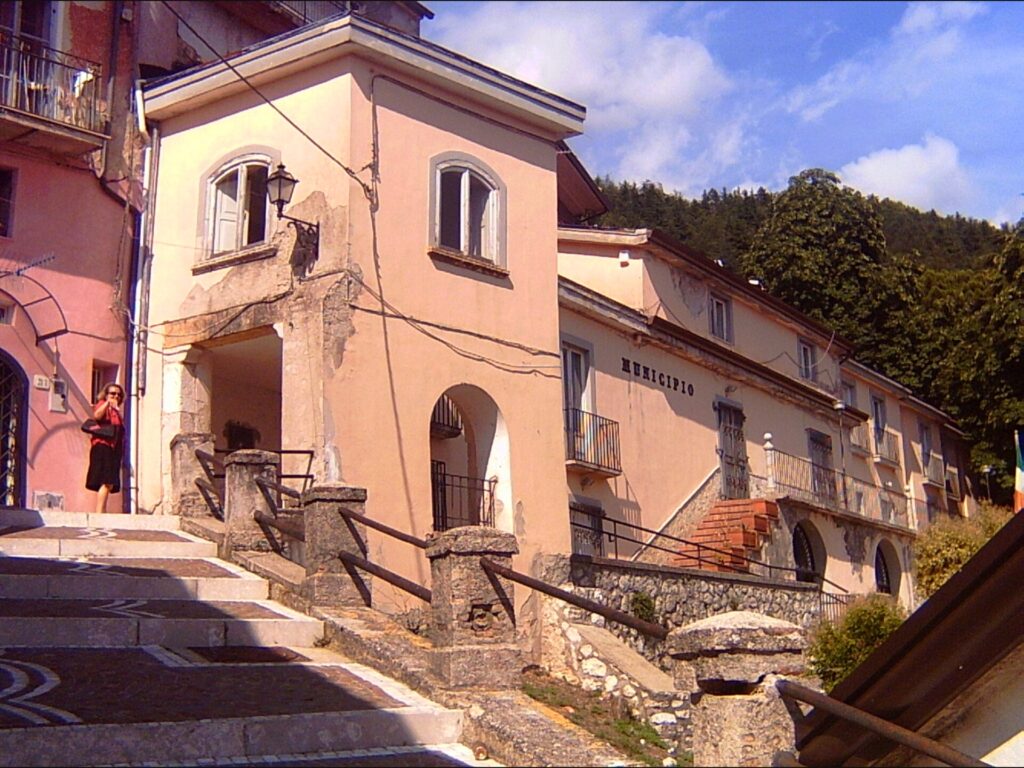
The historic core of San Gregorio Matese is characterized by its traditional stone and plaster houses, which climb the slopes of the Matese mountains at 765 m (2,510 ft) above sea level. Walking through its narrow, winding streets reveals the architectural heritage of a mountain community built to withstand the elements. Many buildings feature robust construction, reflecting centuries of adaptation to the local environment.
Visitors can observe the details of everyday life unfolding against a backdrop of enduring structures.
Panoramic Views of the Matese Mountains
From various points within San Gregorio Matese, visitors are afforded expansive panoramic views across the Matese massif, a prominent mountain range in central-southern Italy. The village’s elevated position, at 765 m (2,510 ft), serves as a natural vantage point, offering clear sightlines over forested slopes and distant peaks. These vistas provide a sense of the scale and grandeur of the Matese Regional Park area. The changing light throughout the day dramatically alters the appearance of the landscape, inviting contemplation.
Church of Papa Gregorio I
As the patron saint of the village, Papa Gregorio I is honored with a central church in San Gregorio Matese, a focal point for both religious life and community gatherings. While specific architectural details are not provided in the sources, such a church typically features traditional Italian religious design, often incorporating local materials. It stands as a testament to the enduring faith and cultural traditions of the 872 inhabitants. The church plays a significant role in the village’s annual patron saint celebrations, drawing parishioners and visitors alike.
Hiking Trails in the Matese Region
The surrounding Matese mountains offer numerous opportunities for walking and hiking, making outdoor exploration a primary activity for those visiting San Gregorio Matese.
While specific named trails are not detailed in the sources, the general mountainous terrain, characterized by elevations reaching well over 765 m (2,510 ft), suggests a network of paths suitable for various fitness levels. These trails allow visitors to experience the region’s diverse flora and fauna, offering a refreshing encounter with nature. Information on local routes can often be found at municipal offices or regional park visitor centers.
Local Lifestyle and Village Atmosphere
The atmosphere in San Gregorio Matese is defined by its small population of 872 inhabitants and its mountain setting, fostering a distinct local lifestyle. Visitors can observe the unhurried pace of daily life, where community interactions and traditional routines still hold sway. The village offers a quiet retreat, allowing for a genuine immersion in the cultural fabric of a typical Campanian mountain town.
Engaging with local shopkeepers or simply observing the rhythm of the village provides insight into the enduring heritage of the Matese region, much like in nearby Fontegreca.
Local food and typical products of San Gregorio Matese
San Gregorio Matese, situated within the Matese mountains, inherently suggests a culinary tradition rooted in the agricultural output and natural resources of its high-altitude environment. While specific local dishes or certified products unique to San Gregorio Matese are not detailed in the provided sources, the broader Matese region and the province of Caserta are known for their reliance on seasonal ingredients and traditional farming practices. This foundational context shapes the general gastronomic expectations for such a village.
The cuisine in mountain areas like the Matese massif typically emphasizes hearty, nourishing preparations designed to sustain communities through all seasons. This often includes products derived from animal husbandry, such as various types of local cheeses and cured meats, which are common across many Italian mountain regions.
Additionally, wild herbs and seasonal vegetables gathered from the surrounding environment would traditionally feature prominently in local recipes, reflecting a deep connection to the land and its bounty.
Given the absence of specific documented dishes or certified products for San Gregorio Matese in the available information, visitors are encouraged to explore what the local eateries, if any, offer in terms of regional specialties. These might include simple pasta dishes prepared with locally sourced ingredients, or robust meat stews that are characteristic of mountain diets. The focus remains on fresh, unadulterated flavors that speak to the agricultural heritage of the Matese area.
Festivals, events and traditions of San Gregorio Matese
The cultural calendar of San Gregorio Matese is anchored by its most significant annual event: the feast day of its patron saint, Papa Gregorio I. This revered celebration takes place on the prima domenica di agosto, the first Sunday of August, drawing the entire community together. The festivities typically involve a religious procession through the village streets, where a statue of the saint is carried, accompanied by local music and traditional hymns.
This event is a profound expression of communal faith and identity, reflecting centuries-old traditions within the village of 872 inhabitants.
Beyond its spiritual significance, the patron saint’s feast often includes secular celebrations that foster community spirit, such as live music performances, local craft stalls, and opportunities for socializing. These gatherings offer visitors a chance to witness the vibrant cultural life of San Gregorio Matese and experience its genuine hospitality. While specific additional events are not detailed in the provided sources, these annual festivals are crucial for maintaining the traditions and collective memory of mountain villages in Campania.
When to visit San Gregorio Matese, Italy and how to get there
The best time to visit San Gregorio Matese, Italy, largely depends on the activities you wish to pursue, given its mountain location at 765 m (2,510 ft) above sea level. Late spring (May-June) and early autumn (September-October) offer mild temperatures, ideal for exploring the village and undertaking walks in the Matese mountains. These periods also generally avoid the peak summer crowds and intense heat found in lower-lying areas of Campania, making them suitable for those seeking a tranquil experience.
Summer, particularly August, is lively due to the patron saint’s feast, though temperatures can be warm.
For those interested in winter landscapes, San Gregorio Matese and the surrounding Matese massif can experience snowfall, offering a different kind of beauty, though some roads may require appropriate vehicle equipment. The terrain in and around the village, being mountainous, can be steep and uneven in places, so comfortable walking shoes are recommended. Accessibility for strollers or those with mobility challenges might be limited in certain parts of the historic core due to the natural topography.
To reach San Gregorio Matese, visitors typically travel by car. The village is approximately 60 km (37 mi) north of Naples and 35 km (22 mi) north of Caserta. From major cities like Naples, the journey usually involves taking the A1 motorway (Autostrada del Sole) north, then transitioning to regional roads towards the Matese area. The drive from Naples Capodichino Airport (NAP) takes approximately 1 hour and 30 minutes, covering about 70 km (43.5 mi).
While a direct train station in San Gregorio Matese is not noted, nearby towns like Piedimonte Matese, one of its bordering municipalities, may offer regional rail connections. For international visitors, it is advisable to carry some Euros cash, as smaller shops and establishments may have limited English speakers or card facilities.
Visitors exploring San Gregorio Matese and the wider Caserta province might also consider extending their trip to Ailano, another community in the region, or Caianello, which serves as a gateway to various local routes.
Frequently asked questions about San Gregorio Matese
What is the best time to visit San Gregorio Matese?
Summer (July–August) is ideal for hiking and outdoor activities, with mild mountain temperatures around 765 meters altitude. The highlight of the season is the patron saint's feast in honor of Pope Gregory I, held on the first Sunday of August, featuring religious ceremonies and local traditions. Spring offers blooming trails and lush beech forests, while autumn is perfect for mushroom and chestnut harvesting. Winter brings snow to the Matese massif, appealing to those who enjoy a mountain winter atmosphere, though road conditions require extra attention.
What are the historical origins of San Gregorio Matese?
San Gregorio Matese has medieval origins, with its earliest core likely developing around a Benedictine religious settlement. The village takes its name from Pope Gregory I (Gregory the Great), the influential Catholic figure of the 6th–7th centuries, reflecting an ancient local devotion. Part of the historic Terra di Lavoro, the territory passed through Lombard, Norman, Aragonese, and Bourbon dominions. Its history has been shaped by mountain life, sheep farming, and forest exploitation, activities that preserved centuries-old customs still visible in local culture and traditions today.
What to see in San Gregorio Matese? Main monuments and landmarks
The Mother Church of San Gregorio Magno, in the central square, is the village's religious heart, housing wooden statues and sacred canvases. The rock-hewn Hermitage of San Michele Arcangelo, accessible by a footpath, offers an example of ancient hermitic architecture integrated into the cliff face. The Fontana del Campo, built in local stone, is a traditional gathering point. A short drive away, Lake Matese — the highest karstic lake in Italy — provides a striking natural landmark. Access to these sites is generally free and unrestricted.
What are the main natural or scenic attractions of San Gregorio Matese?
San Gregorio Matese lies within the Matese Regional Park, one of Campania's most significant protected natural areas. Lake Matese, just a few kilometers from the village, is the highest karstic lake in Italy and a focal point for walks and cycling. The Matese massif offers marked hiking trails of varying difficulty, leading through beech forests and reaching peaks such as Monte Miletto. The park's biodiversity includes rich flora and fauna, making it a rewarding destination for nature observation throughout the seasons.
Where to take the best photos in San Gregorio Matese?
Lake Matese offers some of the most striking shots in the area, with its still waters mirroring the surrounding mountain peaks — particularly evocative at dawn and during autumn foliage. The Hermitage of San Michele Arcangelo, carved into the rock face, provides a dramatic composition combining natural stone and medieval architecture. The village's main square, with the Mother Church of San Gregorio Magno as a backdrop, captures the essence of a traditional Campanian mountain settlement. Elevated trail viewpoints on the Matese massif also reward hikers with panoramic landscape photography.
Are there museums, churches or historic buildings to visit in San Gregorio Matese?
The main religious building is the Mother Church of San Gregorio Magno, the parish church dedicated to the patron saint, located on the central square. It contains sacred artworks including wooden statues and painted canvases accumulated over centuries of modifications. The Hermitage of San Michele Arcangelo is a rock-carved place of worship accessible via a walking path, representing medieval hermitic traditions. Both sites can be visited freely; for current opening hours or guided access, it is advisable to contact the local municipality or pro loco directly.
What can you do in San Gregorio Matese? Activities and experiences
San Gregorio Matese is primarily an outdoor destination. Marked hiking trails departing from the village lead into the Matese Regional Park, reaching beech forests and mountain peaks. The area around Lake Matese is suitable for walking and cycling. In autumn, mushroom and chestnut foraging in the surrounding woods is a traditional local activity. The first Sunday of August brings the patron saint's feast, with religious processions and community events. Local trattorias and agriturismos offer food and wine experiences centered on pecorino, cured meats, and seasonal mountain produce.
Who is San Gregorio Matese suitable for? Families, couples, hikers, solo travelers?
San Gregorio Matese is best suited to hikers and nature lovers seeking an authentic, uncrowded Apennine mountain experience within the Matese Regional Park. Couples will appreciate the quiet landscape, scenic lake, and slow-paced village life. Families with older children can enjoy the marked trails and outdoor activities around Lake Matese. Food enthusiasts interested in genuine mountain gastronomy — pecorino, ricotta, cured meats, porcini — will find the local agritourism offering rewarding. It is less suited to those seeking beach holidays, urban attractions, or intensive tourist infrastructure.
What to eat in San Gregorio Matese? Local products and specialties
The local table reflects a classic southern Apennine mountain tradition. Matese pecorino, produced from local sheep's milk, and fresh ricotta are foundational cheeses of the area. Pork is transformed into traditional cured meats including sausages and soppressata, aged according to local methods. Lamb and kid are commonly prepared stewed or grilled. Porcini mushrooms and chestnuts harvested from surrounding woods appear in pasta dishes, sides, and desserts. Wild foraged greens such as chicory and wild asparagus complete a cuisine rooted in seasonal, locally sourced ingredients passed down through generations.
📷 Photo Gallery — San Gregorio Matese
Nearby Villages near San Gregorio Matese
In Campania More villages to discover
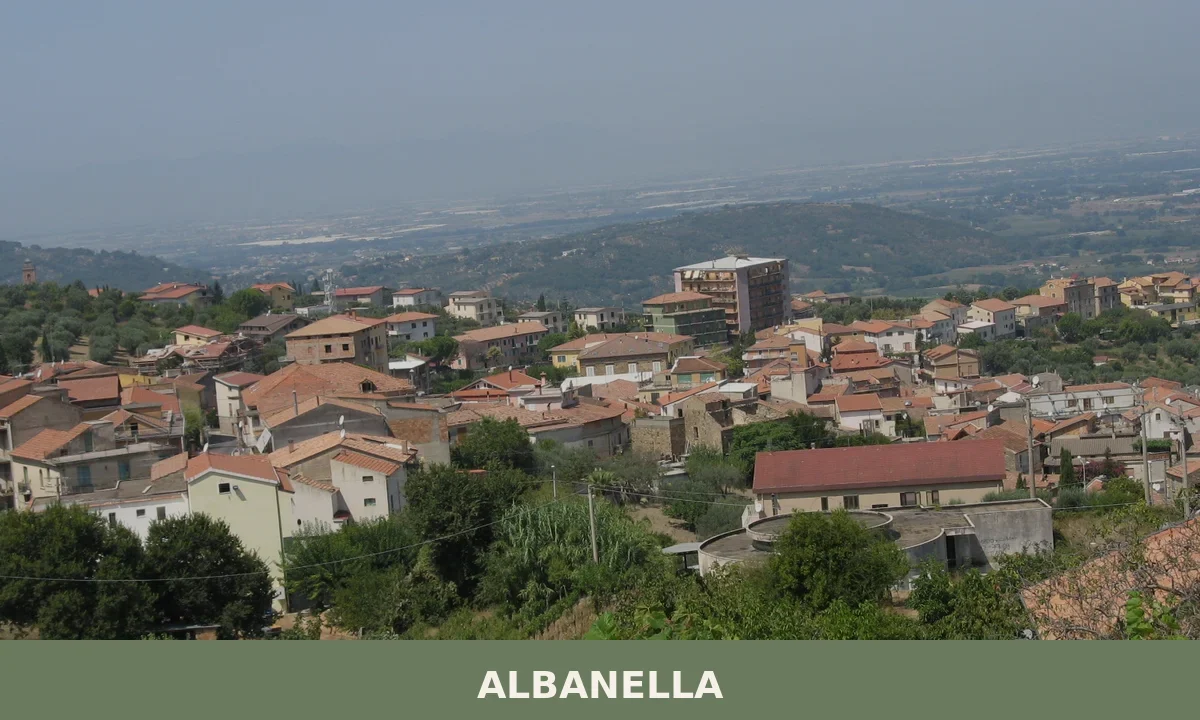
Albanella
 Plains
Founded in 1003 by refugees fleeing saracen raids, Albanella sits on a strategic hill between the Alburni mountains and the Salerno gulf, home to the restored Santuario di Santa Sofia.
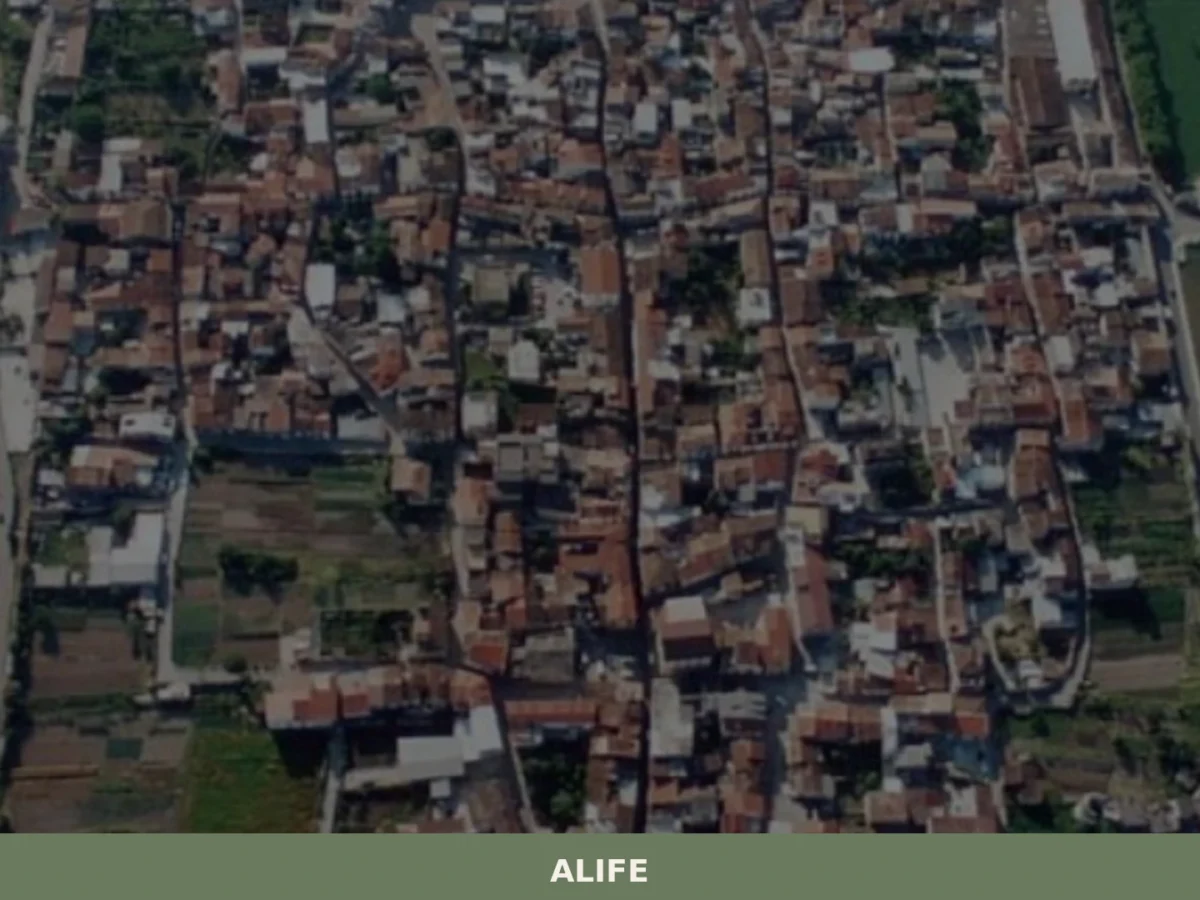
Alife
Plains
What to see in Alife, Italy: Discover at 110 m altitude the Roman Amphitheatre and the Cathedral of Alife. Explore Campania's rich history!
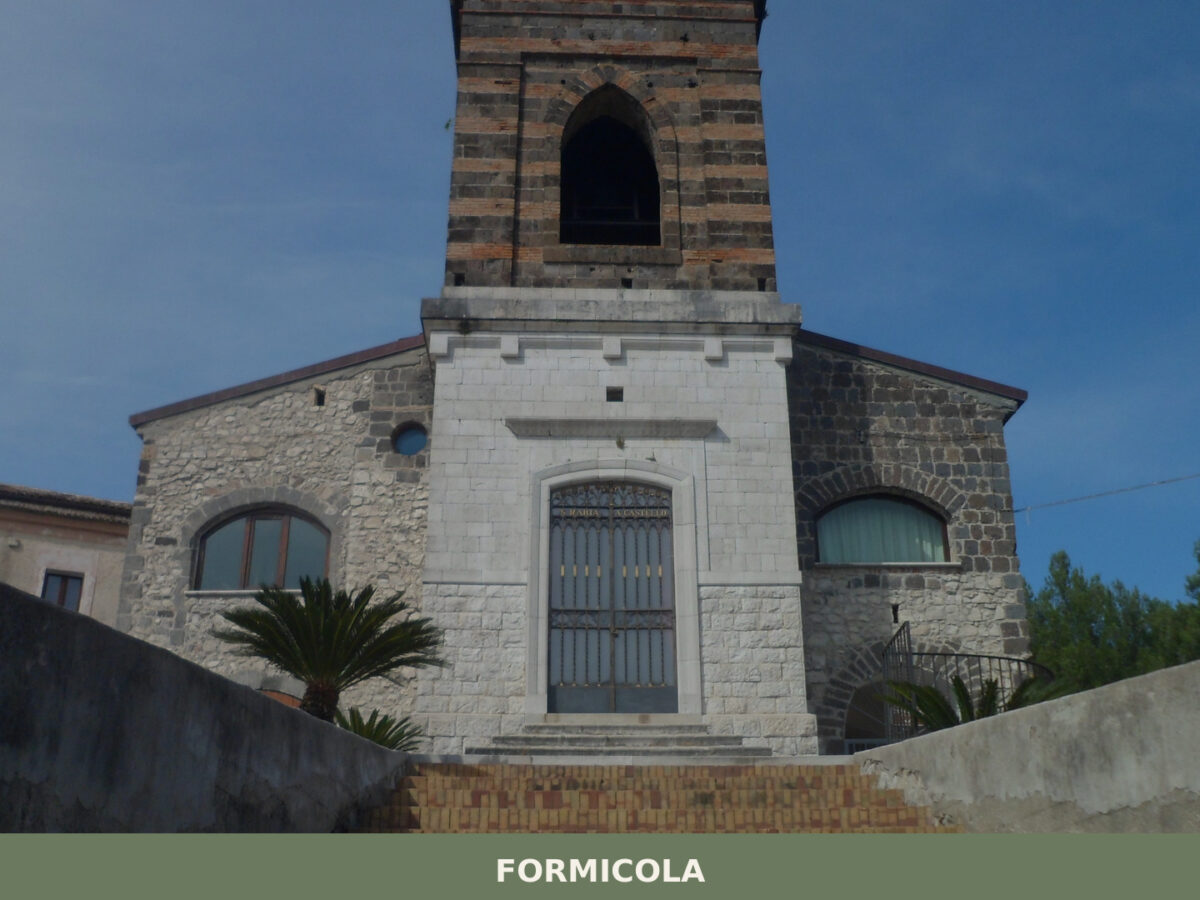
Formicola
Plains
Discover Formicola, a picturesque village in Campania, Italy. Explore its rich history, stunning landscapes, and authentic Italian culture and traditions.
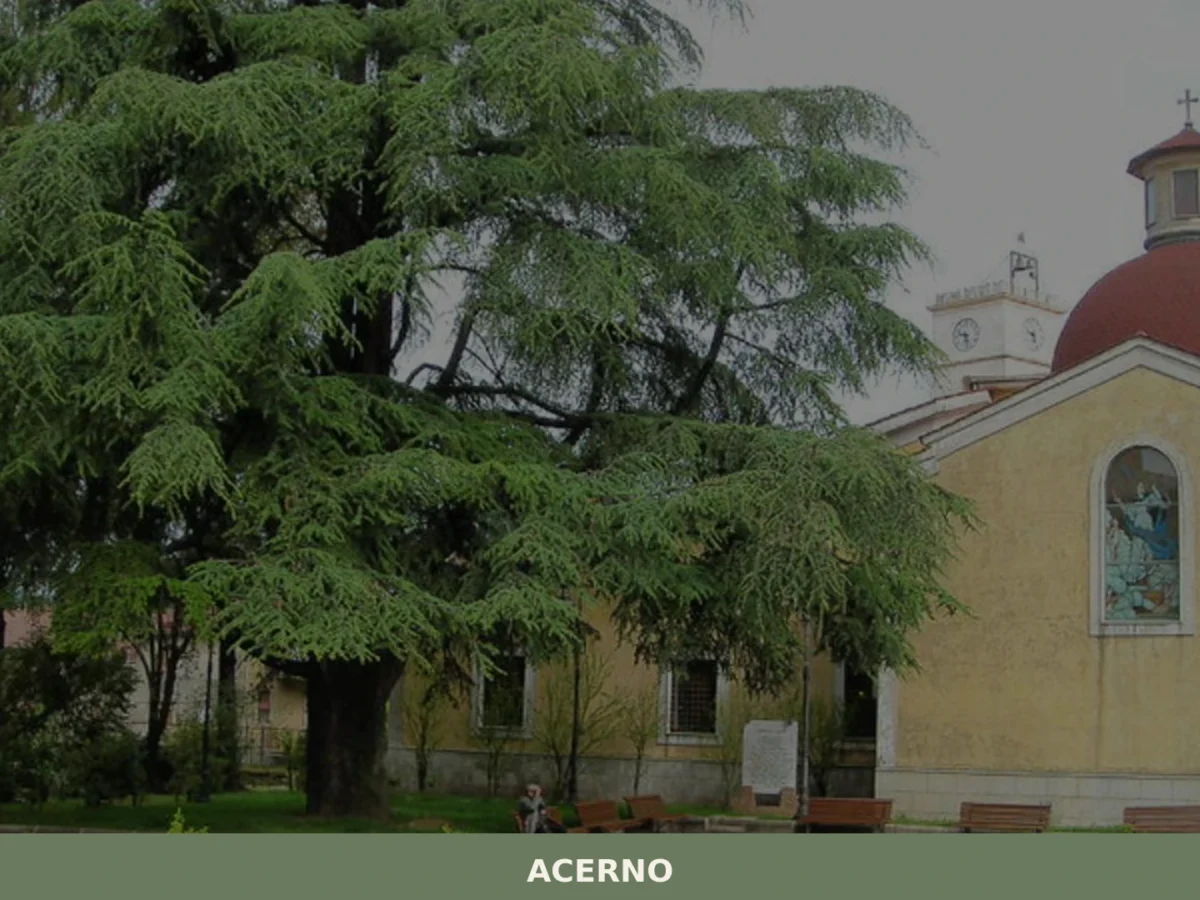
Acerno
Mountain
Discover what to see in Acerno, a 2,419-person village in Salerno's Picentini Mountains: medieval cathedral, chestnut forests, and a nine-century diocesan history.

Altavilla Irpina
Mountain
Discover Altavilla Irpina, a hilltop village in Avellino province with medieval churches, ancient stone architecture, and authentic Irpinian food traditions.
Caianello
 Hills
Hills
A crossroads village of 1,752 inhabitants in Caserta province, Caianello hides medieval lanes and olive groves above its famous motorway junction.
Pontelatone
Plains
what to see in pontelatone, Italy? Explore this Caserta village at 120 meters altitude. Discover the ancient city of Trebula and local traditions. Read more.
Castello del Matese
Hills
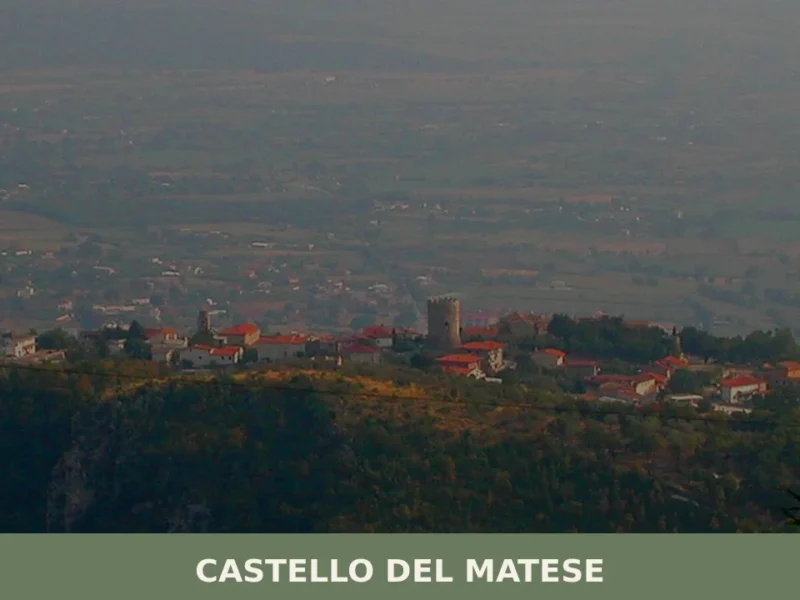
Visit Castello del Matese to explore its medieval historic center and local traditions. Plan your Campania trip, discover things to do in the village.
San Pietro Infine
Plains
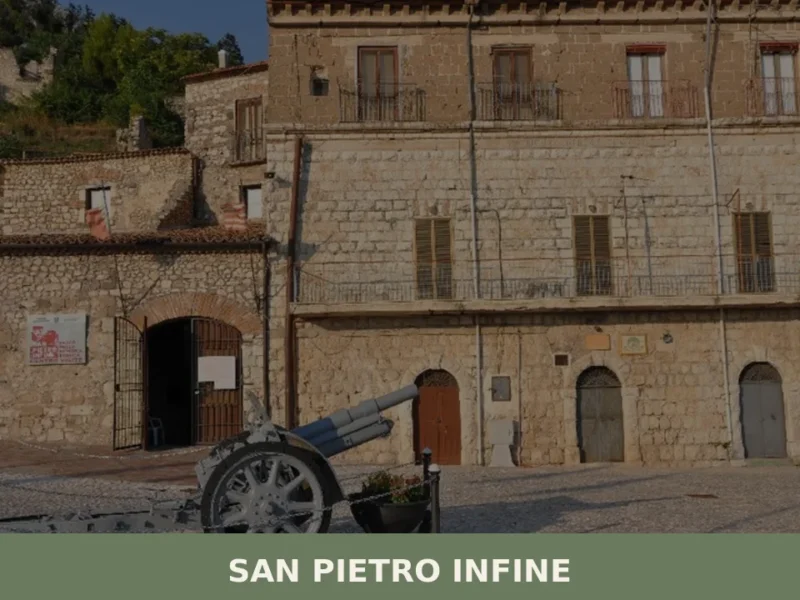
In December 1943, San Pietro Infine was the scene of one of the bloodiest battles of the Italian Campaign, an event that saw the town almost completely razed to the ground and subsequently rebuilt. This historical memory deeply defines the identity of the village, located 140 meters above sea level in the province of Caserta, […]
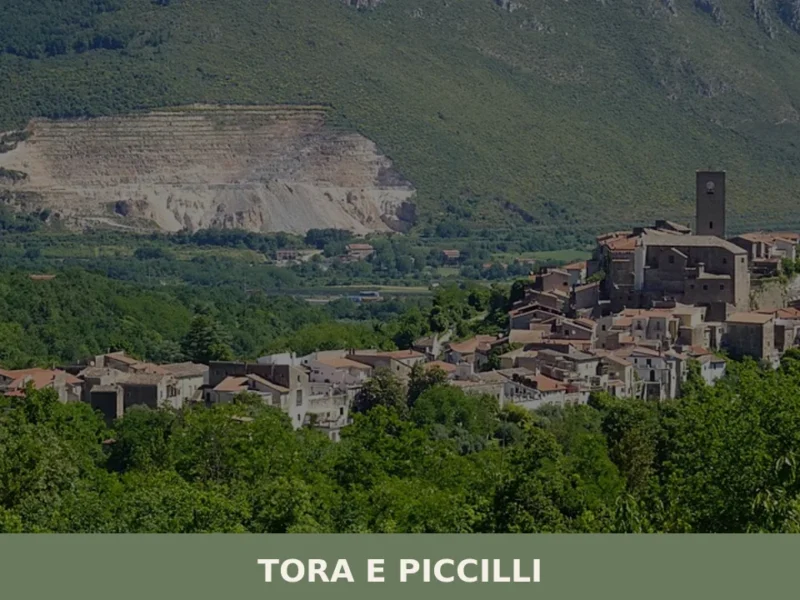
Tora e Piccilli
Hills
What to see in Tora e Piccilli, Italy: discover this Caserta comune at 343 m altitude. Explore its hilly landscape and small-town character. Read our complete guide.



🏡 Know San Gregorio Matese better than we do?
If you’re a local or have been there, your knowledge matters: add what’s missing or fix a detail on this page.