


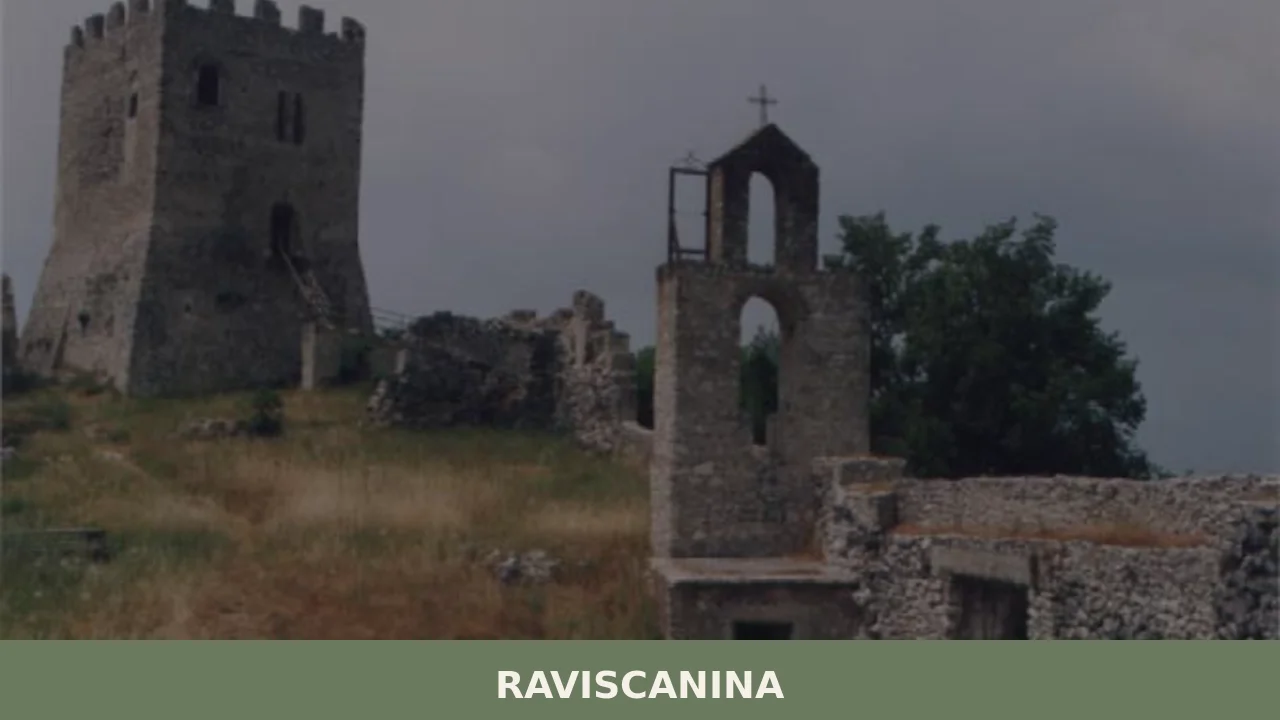
Raviscanina
 Hills
Hills
what to see in raviscanina, Italy: Explore this village at 358 m a.s.l. Discover ancient castle ruins and local traditions. Read more.
Discover Raviscanina
The village of Raviscanina, situated 358 meters (1,175 ft) above sea level in the Province of Caserta, offers a perspective on the rolling hills of Campania. This settlement, home to 1,162 inhabitants, is located approximately 60 kilometers (37 mi) north of Naples, positioning it within a landscape defined by historical layers and natural contours. The surrounding territory, characterized by its hilly profile, connects it to neighboring municipalities such as Ailano and Prata Sannita, inviting exploration of the wider region.
For those wondering what to see in Raviscanina, this village presents several points of interest rooted in its past.
A key highlight is the ancient castle ruins, standing as a testament to its Norman and Samnite heritage. Visitors can explore these historical remnants and experience the local traditions, including the annual feast dedicated to San Michele Arcangelo on September 29th. The Raviscanina highlights include its historical sites and the authentic rhythm of a Campanian hillside community.
History of Raviscanina
The historical origins of Raviscanina stretch back to ancient times, preceding its medieval development. Evidence suggests the presence of a pre-existing Samnite fortress upon which the later Norman castle was constructed. The Samnites, an ancient Italic people, inhabited much of the central and southern Apennines, including parts of modern-day Campania, from the 7th century BC. Their strategic settlements often capitalized on elevated positions, making the hill where Raviscanina now stands a logical site for early fortifications. Visitors interested in this deep historical layer might also explore areas around Liberi, another comune in Caserta province, which shares a similar ancient past.
During the medieval period, the area became a significant fiefdom, specifically under the control of Count Richard of Rupecanina.
It was the Normans, arriving in Southern Italy from the 11th century, who built the castle whose ruins remain today, integrating their architectural style with the earlier Samnite foundations. This Norman presence was instrumental in shaping the political and defensive landscape of Campania, establishing a network of castles and fortified towns. The feudal system defined local governance for centuries, with counts like Richard wielding considerable power over the territory and its inhabitants. The strategic importance of Raviscanina in this era is evident from its commanding position within the region.
Raviscanina continued its evolution as a rural community within the Province of Caserta, adapting through various historical shifts into a modern comune (municipality) of Italy. Today, it maintains its identity as a hillside settlement, with a population recorded at 1,162 inhabitants. The village is geographically defined by its borders with municipalities such as Ailano, Pietravairano, and Sant’Angelo d’Alife, reflecting the intricate administrative divisions typical of the region. This continuity from ancient strongholds to a contemporary village offers insight into the enduring human presence in this part of Campania, Italy.
What to see in Raviscanina, Campania: top attractions
Ruins of the Castle of Rupecanina
The weathered stones of the castle ruins stand prominently on a strategic elevation, offering a tangible link to Raviscanina’s layered past.
When considering what to see in Raviscanina, this site is paramount. Originally a Samnite fortress, these foundations were subsequently utilized by the Normans, who constructed the main castle structure during the medieval era, likely between the 11th and 13th centuries. Visitors can discern the remnants of defensive walls and watchtowers, which once commanded views over the surrounding landscape, providing protection for the fief of Count Richard of Rupecanina. Climbing up to the site allows for appreciation of its historical significance and the panoramic vistas it affords across the valley.
Parish Church of San Michele Arcangelo
The Parish Church of San Michele Arcangelo serves as a central point for the community, reflecting the village’s deep religious traditions. Dedicated to San Michele Arcangelo, the patron saint, the church plays a vital role in local life, especially during the annual feast on September 29th. While specific architectural details of its interior are not documented, the presence of a parish church in a village of 1,162 inhabitants suggests a structure that has evolved over centuries, serving as a spiritual anchor. Visitors can observe the exterior architecture and experience the quiet reverence within its walls, understanding its importance to the local populace.
Raviscanina Village Center
The narrow lanes of Raviscanina’s historic center invite visitors to explore the authentic rhythm of a Campanian hillside village.
Another key element for visitors exploring what to see in Raviscanina is its village center, clustered at an altitude of 358 meters (1,175 ft). The traditional houses and public spaces reflect centuries of local life and community development. Walking through these older streets reveals the architectural characteristics typical of the region, where practicality and local materials shaped the urban fabric. This area provides an opportunity to observe daily life, perhaps stopping at a local shop or simply appreciating the quiet atmosphere away from major tourist routes.
Views of the Volturno Valley
From the higher points of Raviscanina, particularly near the castle ruins, sweeping views extend over the fertile Volturno Valley and the surrounding Casertano hills. This vantage point provides a clear geographical context, showcasing the agricultural landscape that defines much of Campania. The vista encompasses distances of approximately 60 kilometers (37 mi) towards Naples and 35 kilometers (22 mi) towards Caserta, illustrating Raviscanina’s position within the wider regional topography. The best time to appreciate these panoramas is often in the early morning or late afternoon, when the light enhances the contours of the land across many miles.
Surrounding Landscape and Rural Paths
The terrain surrounding Raviscanina presents undulating hills and fertile agricultural plots, characteristic of the inland Caserta province.
This natural setting offers opportunities for gentle walks along rural paths, allowing visitors to connect with the local environment and observe regional flora. The landscape is dotted with olive groves and vineyards, indicative of traditional farming practices that have sustained the community for generations. Exploring these paths provides a different perspective on the village’s context, contrasting the historical structures with the enduring natural beauty. A visit to nearby Rocchetta e Croce, another hill village in the Caserta province, can complement this rural exploration.
Local food and typical products of Raviscanina
The gastronomic tradition in Raviscanina, like much of inland Campania, is deeply rooted in local agriculture and seasonal produce. This culinary heritage emphasizes simple, wholesome ingredients cultivated in the hilly terrain surrounding the village. The historical context of a rural community means that dishes often reflect a resourceful approach to cooking, utilizing what the land provides, from hearty legumes to wild greens and locally raised livestock. The gastronomic traditions are also part of what to see in Raviscanina, offering insight into local life and flavors that are typically robust and authentic, shaped by centuries of family recipes passed down through generations.
While specific named dishes are not documented for Raviscanina, the local diet relies on staples that define Campanian hill cuisine.
Freshly made pasta, often crafted from durum wheat, forms the base of many meals, frequently accompanied by rich tomato sauces or substantial preparations featuring beans and other legumes. Locally sourced vegetables, such as various wild herbs, chicory, and seasonal greens, are commonly incorporated into side dishes or used to enrich soups and stews. Pork products, including cured meats and sausages, also play a significant role, reflecting the traditional farming practices of the area.
Raviscanina’s position within a hilly agricultural zone means that local produce is a cornerstone of its food identity. While no specific certified products are identified in the available sources, the area naturally yields olives, from which olive oil is pressed, and grapes that contribute to regional wine production. Cheeses made from sheep or cow’s milk, often produced by small local dairies, are also a common sight, offering fresh and aged varieties. These products, though not officially certified for Raviscanina itself, are representative of the broader culinary landscape of the Caserta province and are integral to the local diet.
Festivals, events and traditions of Raviscanina
The most significant annual event in Raviscanina is the celebration of its patron saint, San Michele Arcangelo, which takes place on September 29th.
Understanding what to see in Raviscanina also involves appreciating its annual festivals. This religious feast is a central pillar of the community’s cultural life, bringing together residents and visitors in a display of devotion and tradition. Typically, the day involves solemn religious ceremonies held in the Parish Church of San Michele Arcangelo, followed by a procession through the village streets where the statue of the saint is carried. These events are often accompanied by local music, traditional food stalls, and a festive atmosphere that unites the community.
Beyond the patron saint festival, the traditions of Raviscanina are woven into the fabric of daily life, reflecting the rhythms of a small Italian hill village. These traditions often manifest in family gatherings, local customs associated with agricultural cycles, and the communal sharing of food during holidays. While specific additional festivals or documented events are not noted, the continuity of community life, centered around shared history and religious observance, forms the bedrock of its cultural identity. Visitors can experience this authentic local spirit through interactions within the village, particularly during significant religious periods.
When to visit Raviscanina, Italy and how to get there
The best time to visit Raviscanina, Italy, and the wider Campania region, is typically during the spring (April to June) or autumn (September to October).
These periods offer pleasant temperatures, making it ideal for exploring the village’s historical sites and the surrounding rural paths without the intense heat of summer or the chill of winter. Autumn, in particular, coincides with the feast of San Michele Arcangelo on September 29th, offering a unique opportunity to witness local traditions. While Raviscanina is a hill village, its center is accessible on foot, though some paths to the castle ruins may involve uneven terrain. For comprehensive local information and details on services, the official municipal website of Raviscanina serves as a valuable resource.
Raviscanina is situated in Campania, approximately 60 kilometers (37 mi) north of Naples and 35 kilometers (22 mi) north of Caserta, making it suitable for a day trip from either major city. For those arriving by car, the village is reachable via regional roads that connect to the A1 motorway (Autostrada del Sole). The nearest major train station is Caserta, from which local bus services or a taxi can complete the journey to Raviscanina. The closest international airport is Naples International Airport (NAP), located roughly 60 kilometers (37 mi) away, with car rental being the most flexible option for onward travel to Raviscanina.
International visitors planning a trip to Raviscanina should be aware that English may be limited in smaller local establishments, so carrying some Euros cash can be useful for purchases.
This region of Campania offers a rich tapestry of history and natural beauty, extending beyond Raviscanina itself. For those seeking to explore more of the Caserta province, consider extending your trip to nearby Pontelatone, known for its agricultural landscapes and historical sites, or even further afield to the provincial capital of Avellino, which serves as a larger regional hub for transportation and cultural exploration.
Frequently asked questions about Raviscanina
What is the best time to visit Raviscanina?
Spring (April–May) and autumn (September–October) are the ideal seasons: mild temperatures, blooming hillside vegetation in spring, and the warm colours of foliage with olive harvesting in autumn. The most vibrant moment is 29 September, the feast of the patron saint San Michele Arcangelo, when the village comes alive with religious rites and local celebrations. Summer is pleasant for outdoor visits, while winter offers a quiet, authentic atmosphere for travellers seeking an intimate experience away from tourist crowds.
What to see in Raviscanina? Main monuments and landmarks
The key stops are the Norman Castle (11th century), whose ruins dominate the village skyline; the Church of San Michele Arcangelo, the main place of worship with Romanesque and Baroque elements; the Baronal Palace, once the fiefdom's administrative centre; the Church of Santa Maria della Valle, an example of rural religious architecture; and the former Convent of San Francesco. For updated visiting hours and access information, check the official Municipality of Raviscanina website before your visit.
Are there museums, churches or historic buildings to visit in Raviscanina?
Raviscanina preserves several historic buildings worth visiting. The Church of San Michele Arcangelo is the main religious monument, featuring architectural layers from the Romanesque to the Baroque period. The Norman Castle ruins and the adjacent Baronal Palace form a compact historical nucleus in the upper part of the village. The Church of Santa Maria della Valle and the former Convent of San Francesco complete the itinerary. Contact the Municipality of Raviscanina directly for current access conditions and opening times.
Who is Raviscanina suitable for? Families, couples, hikers, solo travelers?
Raviscanina suits travellers who appreciate slow, authentic tourism. Couples and solo travellers looking for a quiet retreat will enjoy the intimate medieval atmosphere and the hilly landscape of Alto Casertano. History enthusiasts will find the Norman Castle, churches and Baronal Palace rewarding. The surrounding hills make it appealing for hikers and nature lovers, especially in spring and autumn. Families interested in rural traditions and local food culture will also find it a worthwhile destination, particularly around the feast of San Michele Arcangelo on 29 September.
What to eat in Raviscanina? Local products and specialties
The cuisine of Raviscanina reflects the rural tradition of Alto Casertano. Signature dishes include lagane e ceci, handmade fusilli with meat ragù, and hearty legume soups. Locally produced Caciocavallo Silano PDO is a standout dairy product, available from farms in the area. Artisanal cured meats from pig farming are common on local tables, alongside robust extra virgin olive oil that accompanies most dishes. These products are best experienced in the autumn months, coinciding with the olive harvest and local food traditions.
Nearby Villages near Raviscanina
In Campania More villages to discover
Ruviano
 Plains
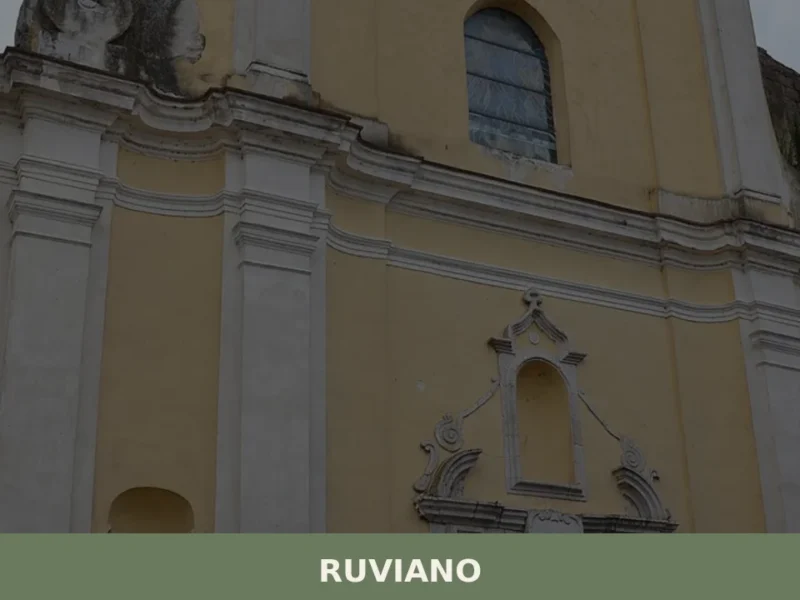
What to see in Ruviano, Italy: Explore this comune at 80 m altitude, known for its patron feast and agricultural views. Discover Ruviano, Campania.
Liberi
Hills
Liberi, a small village in Campania in the province of Caserta: discover its history, monuments and how to plan your visit. Plan your itinerary today.

Castellammare di Stabia
 Sea
Sea
Castellammare di Stabia offers over 2,800 years of layered history, from buried Roman villas to Bourbon royal palaces, all framed by the Gulf of Naples.
Albanella
Plains
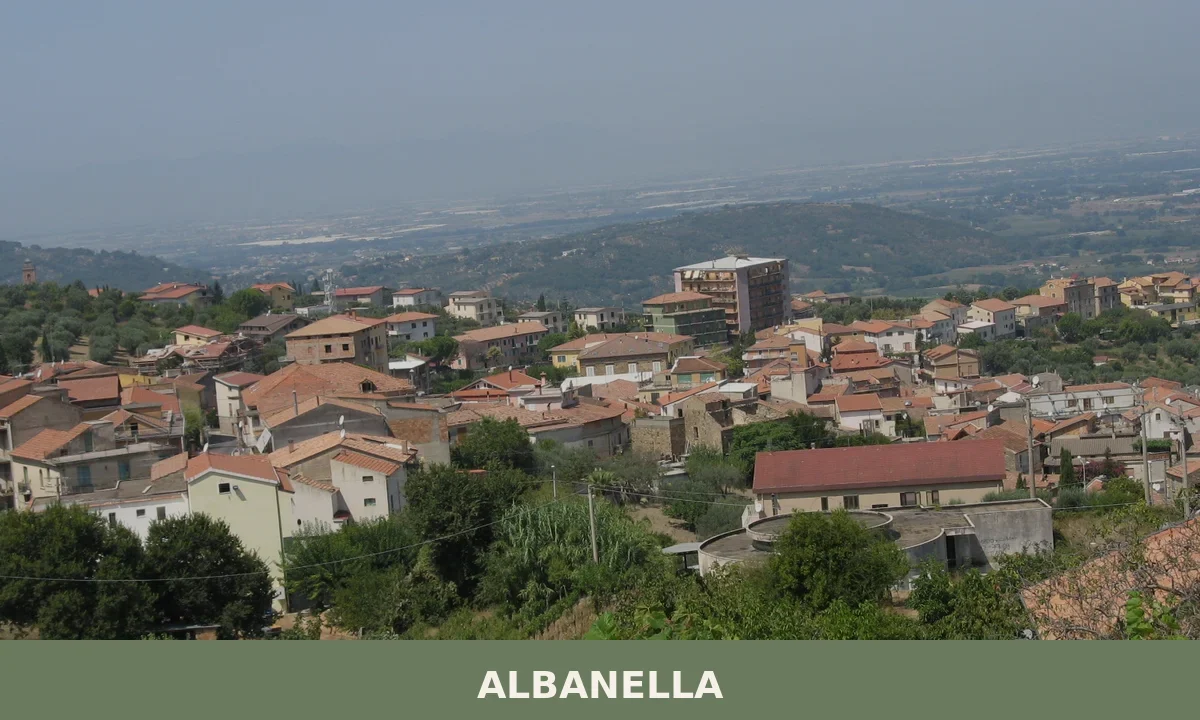
Founded in 1003 by refugees fleeing saracen raids, Albanella sits on a strategic hill between the Alburni mountains and the Salerno gulf, home to the restored Santuario di Santa Sofia.
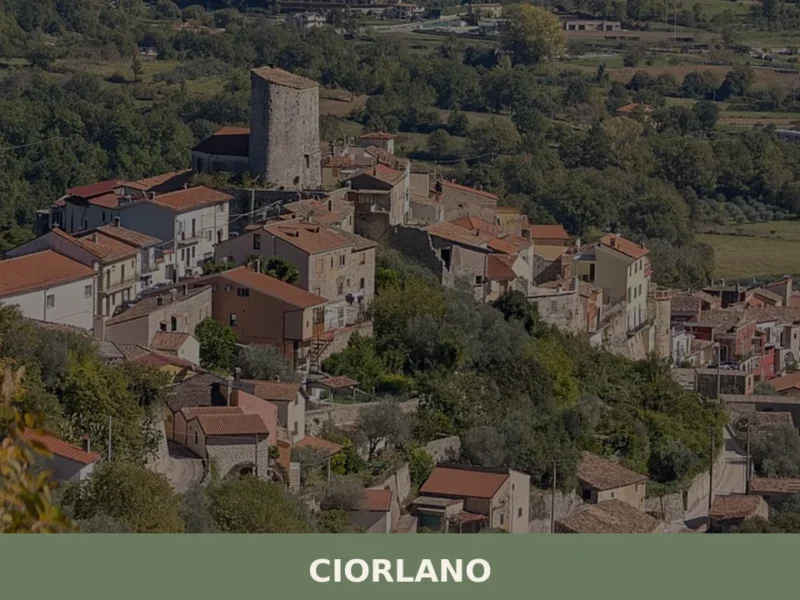
Ciorlano
Hills
With its 370 inhabitants spread across an elevation of 330 metres above sea level, Ciorlano is one of the least populated municipalities in the province of Caserta. The village sits in the middle Volturno valley, along the hillside that separates the Matese massif from the Alife plain. Anyone wondering what to see in Ciorlano will […]
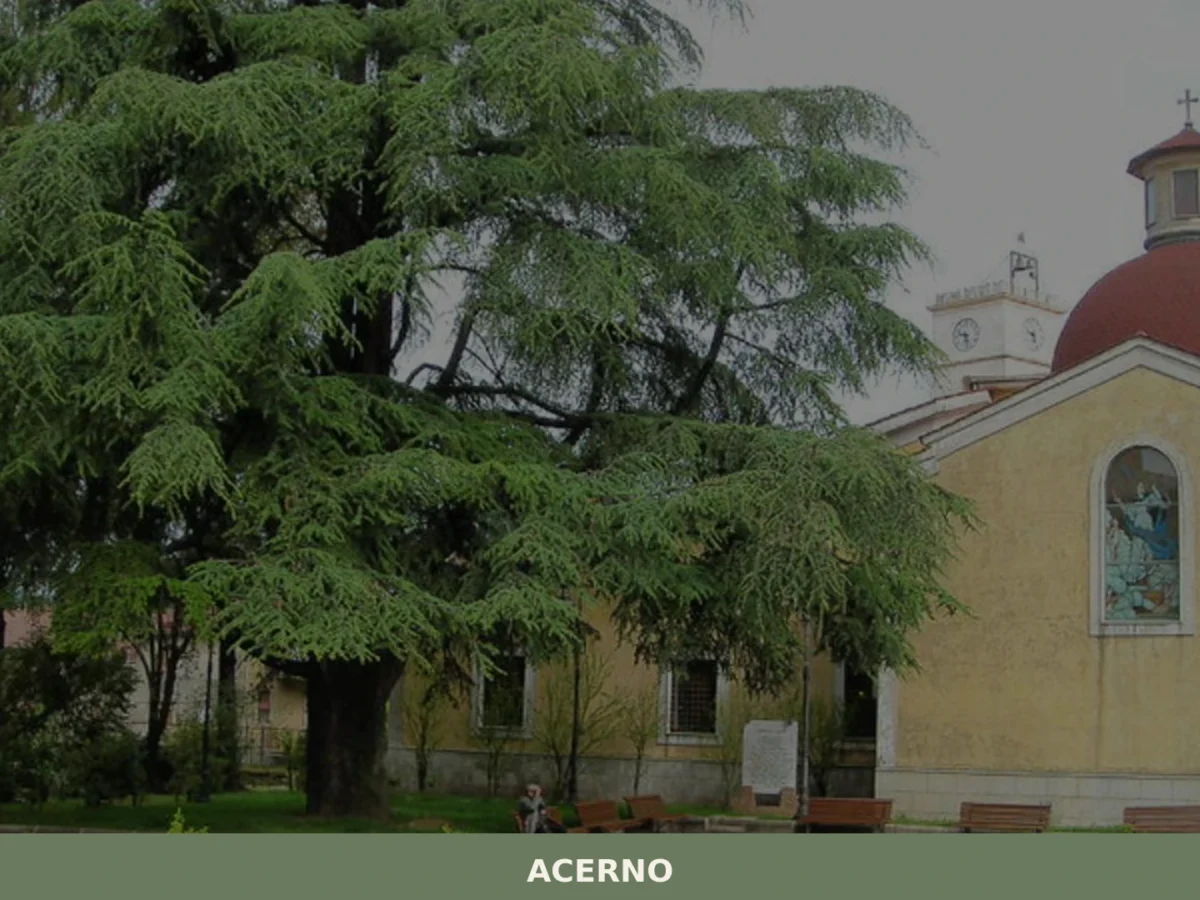
Acerno
 Mountain
Discover what to see in Acerno, a 2,419-person village in Salerno's Picentini Mountains: medieval cathedral, chestnut forests, and a nine-century diocesan history.
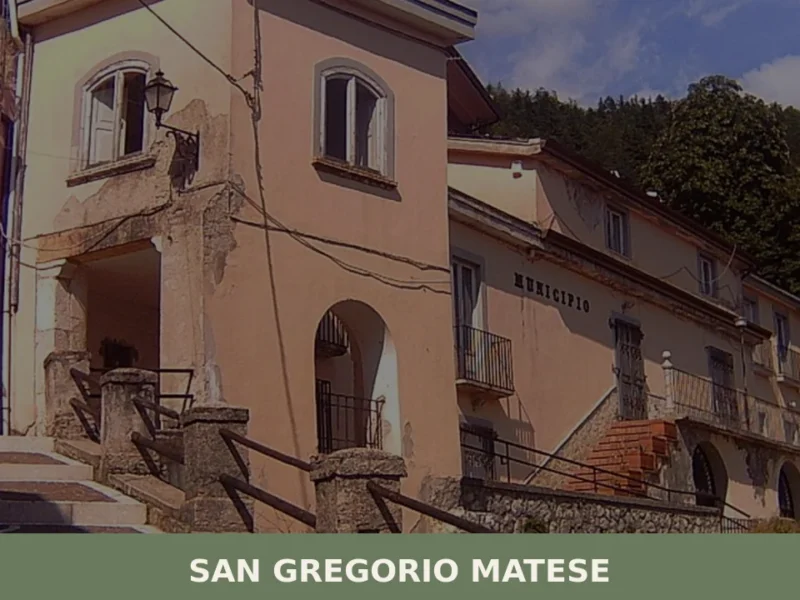
San Gregorio Matese
Mountain
What to see in San Gregorio Matese, Italy: Explore this mountain village at 765 m altitude. Discover its historic core and annual patron saint feast. Read our guide.
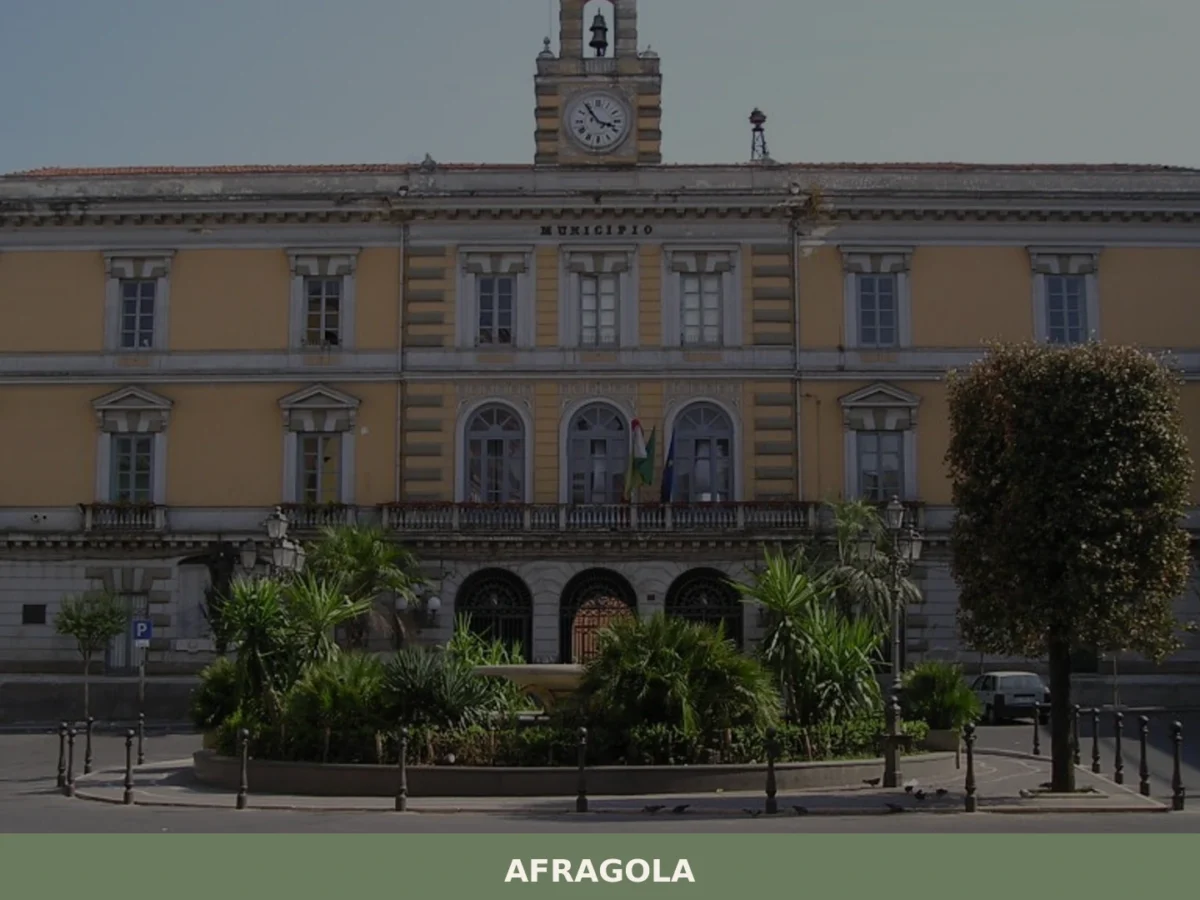
Afragola
Plains
Discover what to see in Afragola, Campania: Zaha Hadid's station, Baroque churches, local food, and practical travel tips for this Naples hinterland town.
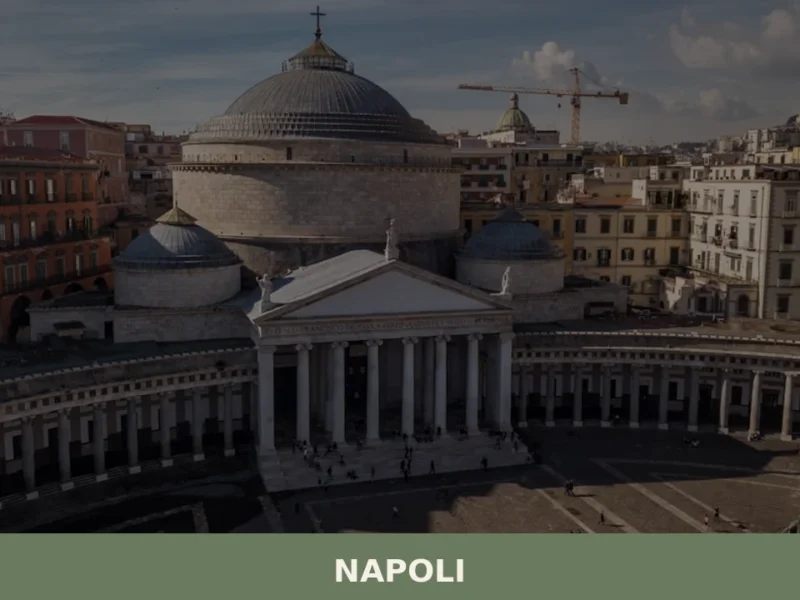
Napoli
Sea
What to see in Napoli: 959,052 residents, UNESCO historic centre and Teatro San Carlo (1737). Discover the National Archaeological Museum, Neapolitan pizza and the 19 September San Gennaro feast.
Pontelatone
Plains
what to see in pontelatone, Italy? Explore this Caserta village at 120 meters altitude. Discover the ancient city of Trebula and local traditions. Read more.


🏡 Know Raviscanina better than we do?
If you’re a local or have been there, your knowledge matters: add what’s missing or fix a detail on this page.