


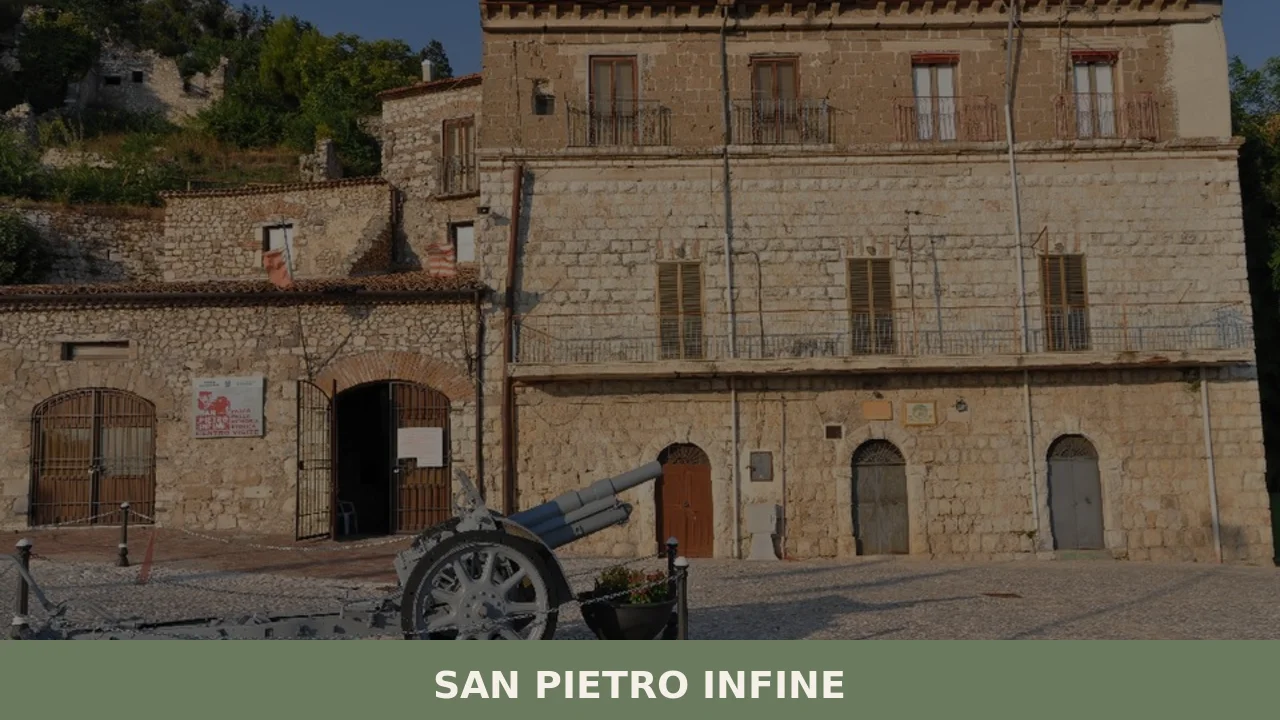
San Pietro Infine
In December 1943, San Pietro Infine was the scene of one of the bloodiest battles of the Italian Campaign, an event that saw the town almost completely razed to the ground and subsequently rebuilt. This historical memory deeply defines the identity of the village, located 140 meters above sea level in the province of Caserta, […]
Discover San Pietro Infine
In December 1943, San Pietro Infine was the scene of one of the bloodiest battles of the Italian Campaign, an event that saw the town almost completely razed to the ground and subsequently rebuilt. This historical memory deeply defines the identity of the village, located 140 meters above sea level in the province of Caserta, with a current population of 929 inhabitants. For those wondering what to see in san pietro infine, the journey begins precisely with this legacy, a landscape that merges the memory of a conflict with the community’s resilience.
The present-day settlement is the result of a rebirth, a concrete example of post-war reconstruction that offers food for thought and points of interest unique in the Campania region.
History and Origins of San Pietro Infine
The roots of San Pietro Infine lie in ancient times, with traces of pre-Roman settlements attributed to the Aurunci and Sidicini, populations that inhabited the border between present-day Lazio and Campania. Its strategic position, close to the ancient Via Latina, favored the Roman presence, transforming the area into a point of connection and territorial control. The toponym “Infine” probably derives from “ad fines” or “in fine”, indicating its location at the edges of the ancient Terra di Lavoro, a historical border zone.
During the Middle Ages, the village entered the orbit of the Abbey of Montecassino, undergoing the feudal dynamics of the time and passing under the control of various noble families. Its subsequent history was marked by agricultural and pastoral events, typical of rural plain centers, while maintaining its logistical importance due to its location. However, it was the 20th century that irreversibly marked the destiny of the village, with the events of the Second World War.
Between December 8 and 17, 1943, San Pietro Infine became the focal point of a battle between Allied and German forces, a crucial episode for the breakthrough of the Gustav Line.
The intensity of the fighting caused the almost complete destruction of the original settlement. After the war, the community decided to rebuild the town in a slightly different location, giving rise to a new urban center. The old village, with its ruins, has been preserved as a testimony to the battle, becoming a “Memory Park” that makes visible the impact of the conflict and the place’s capacity for rebirth. This dualism between the destroyed village and the rebuilt one is the key to understanding its contemporary identity.
What to see in San Pietro Infine: 5 Main Attractions
The Historical Memory Park
The old settlement of San Pietro Infine, destroyed during the Second World War, has been preserved as a monumental park. This site allows visitors to observe the ruins of the original buildings, traces of the fighting, and fortifications. It is a place for reflection on history, where structures damaged by the 1943 battle are visible and document the events of that period.
The Historical Museum of the Battle of San Pietro Infine
Located in the new settlement, the museum collects artifacts, photographs, and documents related to the battle of December 1943.
Through exhibition routes, it illustrates military strategies, the lives of soldiers, and the impact of the conflict on the civilian population. It offers a detailed perspective on the events that marked the history of the village and the region.
The Church of Santa Maria dell’Acqua
Dedicated to the village’s patroness, Maria Santissima dell’Acqua, this church is the main religious building of the new settlement. Rebuilt after the wartime destruction, it features architectural lines that reflect post-war style. It represents a reference point for the community and an example of its resilience, maintaining local worship and traditions.
The Reconstructed Village
The current urban center of San Pietro Infine is an example of post-war planning and architecture.
Its streets, squares, and residential buildings were constructed using modern criteria for the time, preserving functionality and liveability. Walking through the village allows one to observe a community’s capacity for recovery and the urban planning choices made after the conflict.
The War Memorial
Located in one of the main squares of the new village, the War Memorial commemorates the civilian and military victims of the Battle of San Pietro Infine. Its presence is a constant reminder of the events of 1943 and the sacrifice of those who lost their lives. It constitutes a reference point for commemorative ceremonies and for historical reflection.
Typical Cuisine and Local Products
The cuisine of San Pietro Infine and its territory is rooted in the rural traditions of inland Campania, with dishes that highlight products from the plains and nearby hilly areas.
Among the distinctive flavors are preparations based on pork, such as fresh or cured sausage, often used in hearty ragouts to dress homemade pasta. Legumes, especially beans, are a fundamental ingredient, central to soups and stews, sometimes combined with wild greens. Extra virgin olive oil, produced from local cultivars, seasons most dishes, imparting a specific aromatic profile.
The surrounding area is also known for the production of fresh and aged cheeses, including caciocavallo and pecorino, often made with milk from animals raised on nearby hillside pastures. Breadmaking follows ancient recipes, with naturally leavened breads that accompany every meal. Regarding wines, the area is not far from the production zones of Falerno del Massico DOC or Galluccio DOC, wines that can accompany local dishes.
Recipes often include the use of wild aromatic herbs, gathered in fields and wooded areas, which enrich traditional flavors.
When to Visit San Pietro Infine: The Best Time
San Pietro Infine can be visited in different seasons, each with its own specific characteristics. Spring (April-May) offers mild temperatures and a bloom that makes the surrounding landscape more vibrant, ideal for walks in the Memory Park. Autumn (September-October) is also a favorable period, with temperate
In Campania More villages to discover
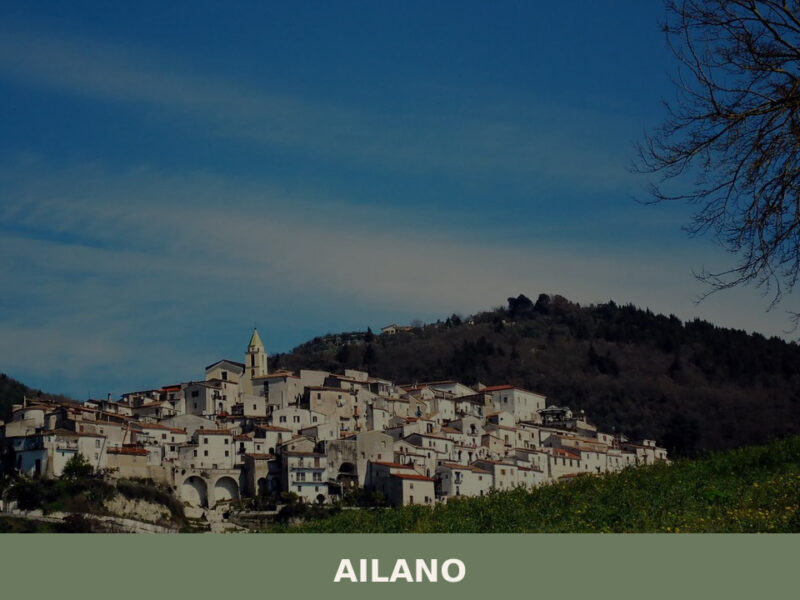
Ailano
A complete guide to what to see in Ailano, a village of 1,198 inhabitants in the Caserta province of Campania, with its medieval centre, parish churches, and Volturno valley views.
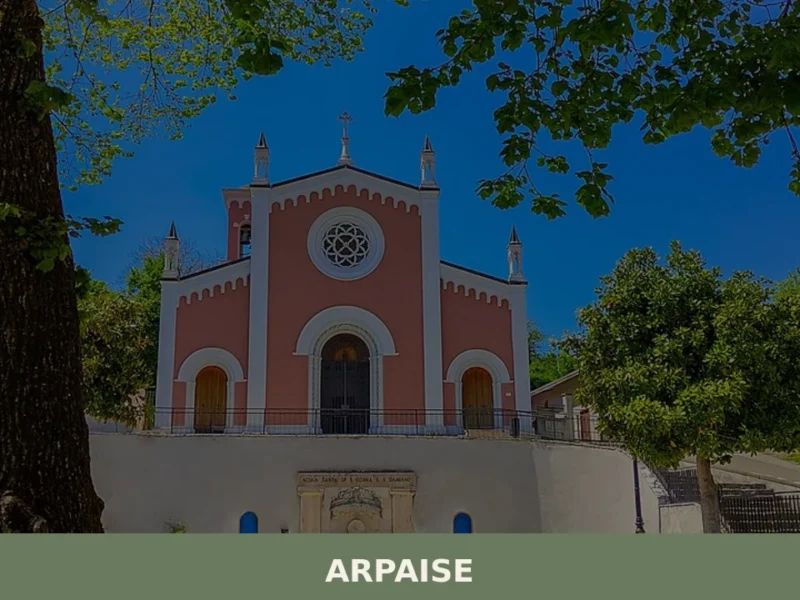
Arpaise
The municipality of Arpaise, in the province of Benevento, has a population of 804 inhabitants and is located 410 meters above sea level. Its toponym, according to some interpretations, might derive from the Roman gens Arpania or from the Lombard term “harpa”, possibly indicating the terrain’s conformation. For those wondering about what to see in […]
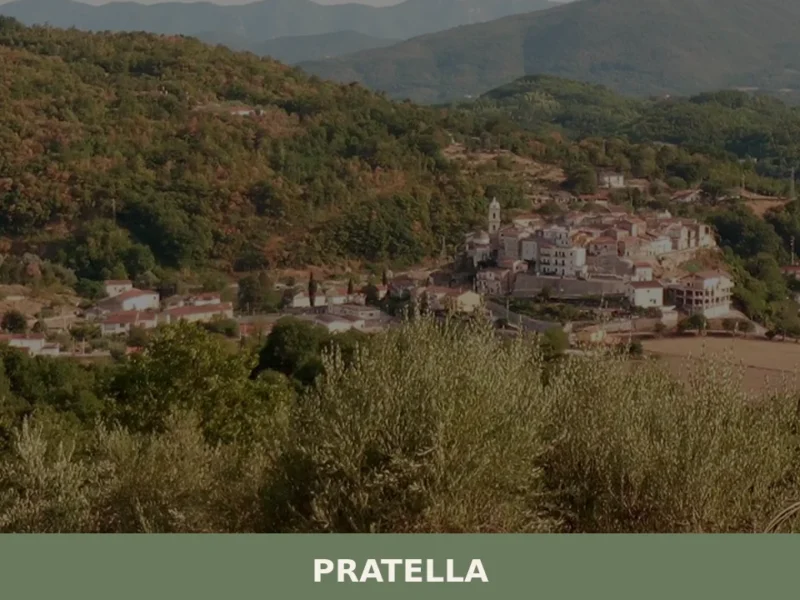
Pratella
Pratella, a municipality of 1,613 inhabitants in the province of Caserta, extends over an area that reaches 152 meters above sea level. Its location, in the Volturno plain, defines a landscape dominated by cultivated fields and minor waterways, typical of plain villages. For those wondering about what to see in Pratella, the village offers an […]





📝 Incorrect information or updates?
Help us keep the San Pietro Infine page accurate and up to date.