


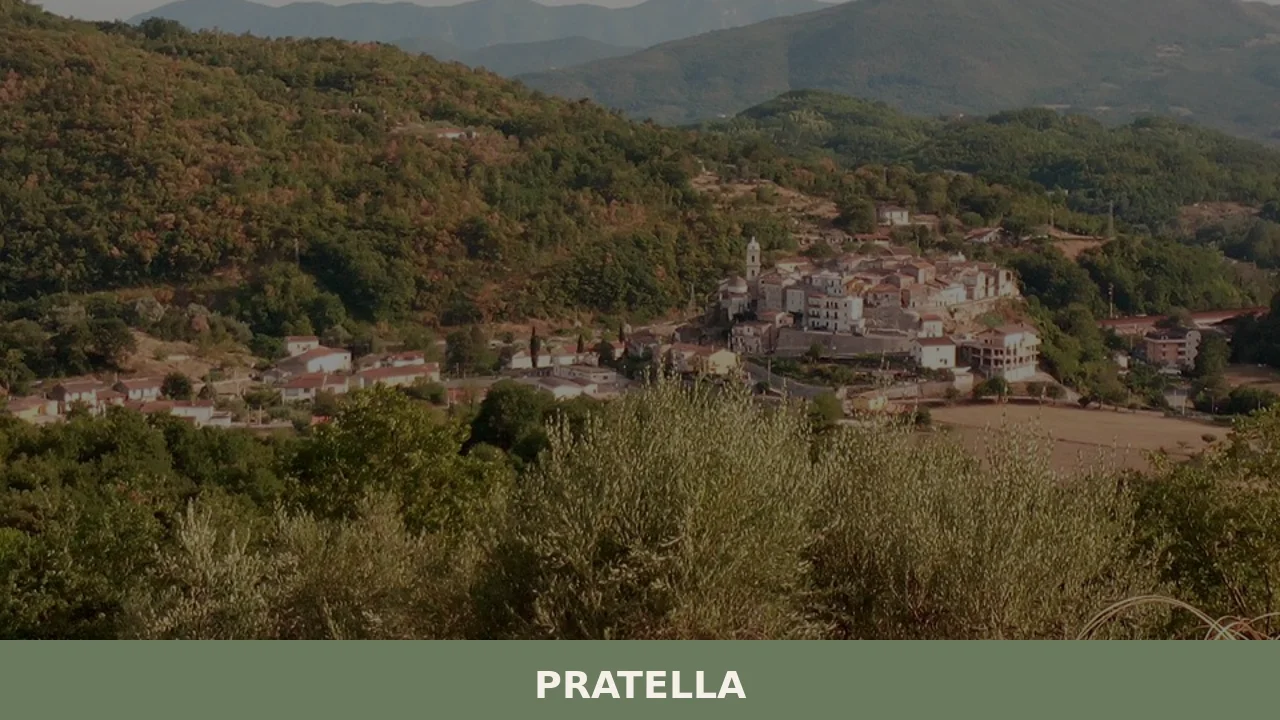
Pratella
 Plains
What to see in Pratella, Italy: This village of 1,408 inhabitants, at 152m altitude, offers its historic core and the San Nicola feast. Explore Campania.
Discover Pratella
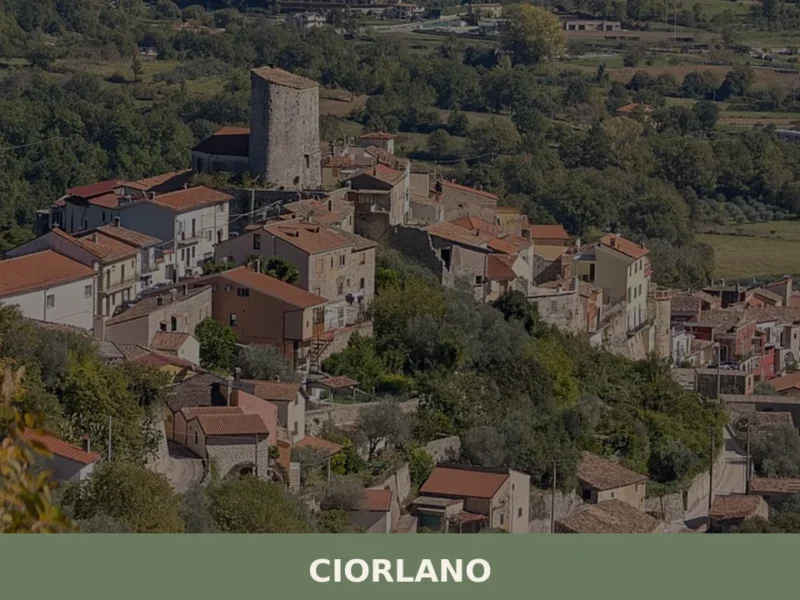
The plains of Pratella spread across 152 meters (499 ft) above sea level in the Province of Caserta, a geographical detail that defines its character. This compact municipality, home to 1,408 residents, is positioned within the wider Campanian landscape. Its borders trace along neighboring communities such as Ailano, Ciorlano, and Vairano Patenora, indicating a network of small settlements in the region.
The village offers a quiet perspective on life in southern Italy, distinct from the more frequented coastal areas.
For those planning a trip to the region, understanding what to see in Pratella is key to appreciating its local identity. This village, situated 152 meters (499 ft) above sea level, presents an opportunity to experience authentic Campanian daily life. Visitors to Pratella can explore its historic core and observe the traditions surrounding the annual feast of San Nicola. The Pratella highlights include its low-lying landscape and the cultural rhythm of its small community.
History of Pratella
Pratella, a comune in the Province of Caserta, holds a place within the historical tapestry of Campania, Italy, a region shaped by various ancient civilizations. While specific founding dates or etymological origins for the name “Pratella” are not detailed in available records, the presence of numerous small settlements across the Campanian plains suggests a continuous human presence dating back centuries. The region itself has witnessed the passage of Samnites, Romans, and later, Normans and Bourbons, each leaving their mark on the local culture and administrative structures.
The village’s existence as a recognized municipality implies a long-standing community, evolving through various historical epochs, contributing to what to see in Pratella today.
The administrative designation of Pratella as a comune places it within a framework that developed significantly during the medieval period in Italy, eventually solidifying under later unified Italian states. Its location approximately 60 kilometers (37 mi) north of Naples and 40 kilometers (25 mi) northwest of Caserta suggests its historical role as part of a broader network of rural communities supporting larger urban centers. The geopolitical shifts experienced by Campania, including periods of feudal rule and later inclusion in the Kingdom of the Two Sicilies, would have undoubtedly influenced the daily life and development of Pratella’s inhabitants. Understanding the regional context helps interpret the village’s long-term evolution.
In contemporary Italy, Pratella remains a small but distinct municipality, maintaining its identity within the Province of Caserta. Its population of 1,408 residents reflects the demographic trends often seen in smaller Italian villages, where community ties remain strong. The surrounding municipalities, including Giano Vetusto, Prata Sannita, and Presenzano, form a cluster of settlements that share a common geographical and administrative heritage.
This network of communities, situated in the plains of Campania, contributes to the area’s agricultural character and offers insights into the enduring patterns of rural Italian life.
What to see in Pratella, Campania: top attractions
While specific, named historical landmarks for Pratella are not extensively detailed in available records, visitors can still appreciate the characteristics that define many smaller Italian villages. The experience of what to see in Pratella often revolves around its community life, the natural setting, and the general ambiance of a Campanian plain village. These aspects offer a genuine insight into local traditions and the rhythm of rural existence.
The Historic Village Core
The central area of Pratella, like many Italian villages, forms a compact cluster of residential buildings and civic spaces, situated at an altitude of 152 meters (499 ft) above sea level. Exploring these narrow streets allows visitors to observe the local architectural styles and the materials typically used in the region, which often include local stone and plaster. This core represents centuries of habitation and community development, providing a tangible link to the village’s past. A walk through this area offers a quiet understanding of daily life away from larger urban centers.
The Parish Church
Every Italian village traditionally centers around its parish church, serving as both a spiritual and social focal point.
In Pratella, the presence of San Nicola as the patron saint strongly implies a church dedicated to him, a common practice across Italy. Although specific architectural details are not documented, these churches typically feature a bell tower and an interior adorned with religious art, reflecting local devotion. Visitors can find moments of quiet reflection here, observing the enduring role of faith in the community. The church traditionally hosts religious services and acts as a gathering place for important village events throughout the year.
The Agricultural Plains
Pratella’s classification as a “Pianura” (plains) community means that the surrounding landscape is dominated by agricultural fields and open spaces. These plains, extending from the village at 152 meters (499 ft), offer a visual testament to the region’s agricultural heritage and ongoing economic activity. Observing the cultivated land provides insight into the local economy and the seasonal rhythms of farming in Campania. Walking or cycling along the country roads allows for a direct appreciation of the area’s natural beauty and its contribution to regional food production.
This expansive, low-lying terrain is a defining geographical feature of the municipality.
Views of the Caserta Province Landscape
Despite its low altitude of 152 meters (499 ft), Pratella’s position within the Province of Caserta allows for views of the broader Campanian landscape, particularly towards the surrounding hills and the distant mountains that frame the plains. The municipality borders several other communities, including Ailano and Ciorlano, suggesting a varied topography in the immediate vicinity. From certain points within or just outside the village, one can appreciate the undulating terrain typical of inland Campania. These vistas offer a sense of the region’s scale and its blend of agricultural lands with more elevated features. Planning a visit during clear weather maximizes the visibility of these distant features.
The Municipal Building (Comune)
As the administrative heart of the community, Pratella’s municipal building, or Comune, is a significant structure within the village core. While details of its architecture are not specified, it typically serves as a hub for local governance and public services, often housing civic offices and a council chamber. These buildings frequently stand in a prominent position, symbolizing the village’s self-governance and communal identity. Visitors might observe the daily activities of local administration, reflecting the ongoing life of the 1,408 residents.
It is a functional structure that anchors the civic life of Pratella.
Local food and typical products of Pratella
The culinary traditions of Pratella, while not specifically detailed in available sources, are inherently linked to the broader gastronomic heritage of Campania, a region renowned for its rich and diverse flavors. The area’s fertile plains, implied by Pratella’s “Pianura” classification, historically support a diet based on fresh produce, cereals, and dairy products. This agricultural bounty forms the foundation of Campanian cooking, which emphasizes simple, high-quality ingredients. The influences of Mediterranean cuisine, with its focus on olive oil, fresh vegetables, and seafood (even inland, through trade routes), are deeply embedded in the regional palate, shaping what to see in Pratella’s culinary offerings.
While specific dishes unique to Pratella are not documented, visitors can expect to encounter flavors characteristic of the Caserta province and inland Campania. Common preparations often feature pasta dishes, such as Pasta e patate (pasta and potatoes) or Pasta e fagioli (pasta and beans), prepared with locally sourced legumes and vegetables. Meat, often pork or lamb, plays a role in traditional Sunday meals, frequently slow-cooked with herbs. Desserts often incorporate local fruits or ricotta cheese, reflecting the region’s dairy production. These dishes exemplify a cuisine that prioritizes freshness and robust, comforting flavors.
Information regarding certified products (such as DOP, IGP, or DOC) specifically originating from Pratella is not provided in the available sources.
However, the wider Campania region is known for several prestigious designations, including Mozzarella di Bufala Campana (DOP), a buffalo mozzarella famous across Italy, produced in various municipalities including those in the Caserta province. Other regional specialties, like the Pomodoro San Marzano dell’Agro Sarnese-Nocerino (DOP) tomatoes, contribute to the area’s culinary reputation. While Pratella’s direct involvement in these specific certifications is not confirmed, its location places it within the broader gastronomic landscape that champions such quality products.
Festivals, events and traditions of Pratella
The most prominently documented tradition in Pratella is the annual feast day of its patron saint, San Nicola, celebrated on May 10th. This date marks a significant occasion in the village calendar, bringing together the community for religious observance and communal festivities. While the specific details of the celebrations are not outlined, patron saint festivals across Italy typically involve solemn processions carrying the saint’s effigy through the streets, followed by religious services in the parish church.
These events are deeply rooted in local culture and provide a spiritual anchor for the residents, forming a key part of what to see in Pratella’s annual calendar.
Beyond the religious ceremonies, such feast days often feature a range of social activities that reflect the community spirit of Pratella. These can include local markets, musical performances, and shared meals, creating a lively atmosphere for both residents and any visiting guests. The focus on May 10th suggests a springtime celebration, potentially coinciding with the agricultural cycles of the Campanian plains. While specific food fairs or other documented traditions for Pratella are not detailed in the provided sources, the annual San Nicola feast remains a central event, underscoring the village’s cultural continuity and collective identity.
When to visit Pratella, Italy and how to get there
The best time to visit Campania, and Pratella specifically, is typically during the spring (April to June) or early autumn (September to October) when the weather is mild and pleasant. During these months, temperatures are comfortable for exploring the village and its surrounding agricultural plains, avoiding the intense heat of July and August. Springtime offers lush landscapes and the opportunity to experience local festivals, such as the San Nicola feast on May 10th. Early autumn provides a comfortable climate for outdoor activities and often coincides with grape harvests in the wider region.
Winter months, while cooler, offer a quieter, more reflective experience of the village.
Pratella is situated at 152 meters (499 ft) above sea level, primarily within a plain, suggesting relatively flat terrain within the village core, making it generally accessible for walking. For those arriving by car, Pratella is conveniently located approximately 60 kilometers (37 mi) north of Naples and about 40 kilometers (25 mi) northwest of Caserta. The nearest major motorway connections would be via the A1 Autostrada del Sole, with exits that provide access to the Caserta province. Visitors can check local road signs for specific directions to Pratella after exiting the motorway.
For travelers relying on public transport, the closest major train stations would likely be in Caserta or Vairano-Caianello, from which local bus services or taxis would be necessary to reach Pratella. The nearest international airport is Naples International Airport (NAP), approximately 60 kilometers (37 mi) south of Pratella, with an estimated travel time of about 1 hour and 15 minutes by car.
If you are arriving from a major Italian hub like Rome, the journey by car is approximately 2 hours, covering about 170 kilometers (106 mi). International visitors should note that English may be limited in smaller local shops, and carrying some Euros cash can be useful for minor purchases. For further details on the municipality, consult the official comune.pratella.ce.it website.
Visitors seeking to extend their exploration of Campania beyond Pratella can consider other diverse destinations. For a different perspective on Campanian life, one might explore Afragola, a larger urban center contrasting with Pratella’s rural setting.
Alternatively, the coastal charm of Agropoli offers a distinct maritime experience in the Salerno province. For those interested in mountain landscapes, Agerola, in the Lattari Mountains, provides a cooler climate and scenic trails. Each of these villages offers a unique facet of the region’s rich geography and culture.
Frequently asked questions about Pratella
What is the best time to visit Pratella?
The best time to visit Pratella is spring (April–June) and early autumn (September–October), when temperatures in the Campanian plain are mild and pleasant for exploring the village. May is particularly recommended: on May 10th, the feast of the patron saint San Nicola is celebrated, offering a direct experience of local traditions and community life. Summer can be hot due to the plain's climate, while winter is mild but occasionally rainy. Spring also showcases the surrounding agricultural landscape at its most vibrant.
What to see in Pratella? Main monuments and landmarks
The main point of interest in Pratella is the Church of San Nicola, dedicated to the village's patron saint, which serves as the spiritual and architectural focal point of the community. The historic center features stone and plastered façades, wrought iron balconies, and portals reflecting centuries of civil architecture. The central square, where the church and town hall face each other, is the hub of public life. Rural architecture — farmhouses and country buildings related to the area's agricultural vocation — completes the visit. Access to outdoor areas is free.
Are there museums, churches or historic buildings to visit in Pratella?
The Church of San Nicola is the principal religious building in Pratella, housing sacred works and furnishings that document local devotion over the centuries. Its architecture reflects successive modifications ranging from Baroque elements to more recent interventions. The historic center also preserves civil buildings of notable character, including structures that served administrative or noble residential functions during the feudal period. Specific opening hours for religious buildings are not officially published; visiting during morning hours or around the patron feast day (May 10th) is generally recommended.
Who is Pratella suitable for? Families, couples, hikers, solo travelers?
Pratella is best suited for travelers seeking an authentic, unhurried experience of rural Campanian life — particularly those interested in agricultural heritage, vernacular architecture, and local traditions. It appeals to couples and solo travelers looking to step away from mass tourism, as well as food and wine enthusiasts wishing to explore the Caserta area's culinary traditions including Buffalo Mozzarella DOP. Families with older children curious about southern Italian village culture will also find it rewarding. It is not a destination for beach holidays or structured outdoor adventure activities.
What to eat in Pratella? Local products and specialties
Pratella's table draws on the broader Caserta and Campanian culinary tradition. The most celebrated local product of the area is Mozzarella di Bufala Campana DOP, alongside buffalo ricotta and caciocavallo cheese. Homemade fresh pasta served with meat or vegetable sauces is a staple, as are legume-based soups featuring beans and chickpeas. Pork-based cured meats and salamis prepared according to traditional recipes are also common. Seasonal vegetables cultivated in the Volturno plain fields feature prominently in everyday cooking. The patron feast of San Nicola on May 10th may include traditional food preparations.
📷 Photo Gallery — Pratella
Nearby Villages near Pratella
In Campania More villages to discover
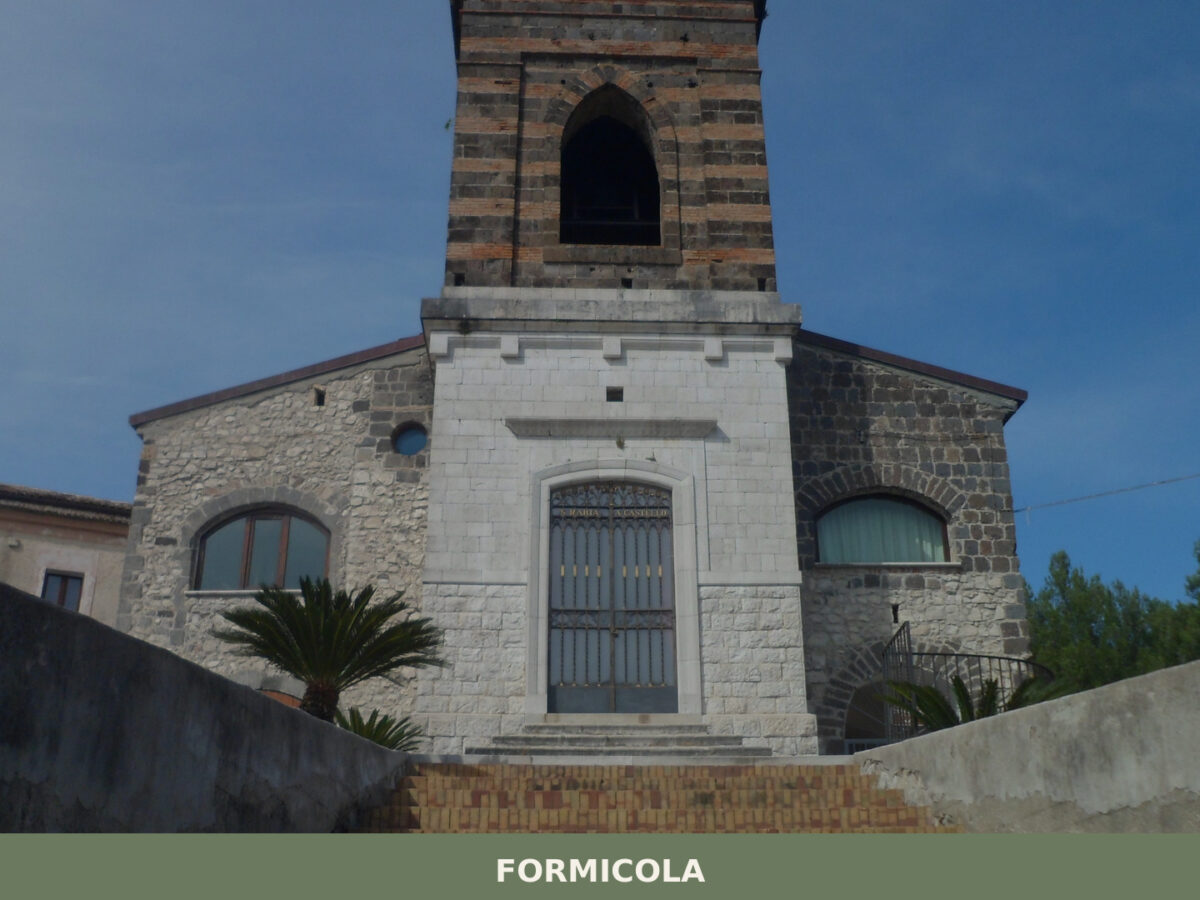
Formicola
Plains
Discover Formicola, a picturesque village in Campania, Italy. Explore its rich history, stunning landscapes, and authentic Italian culture and traditions.
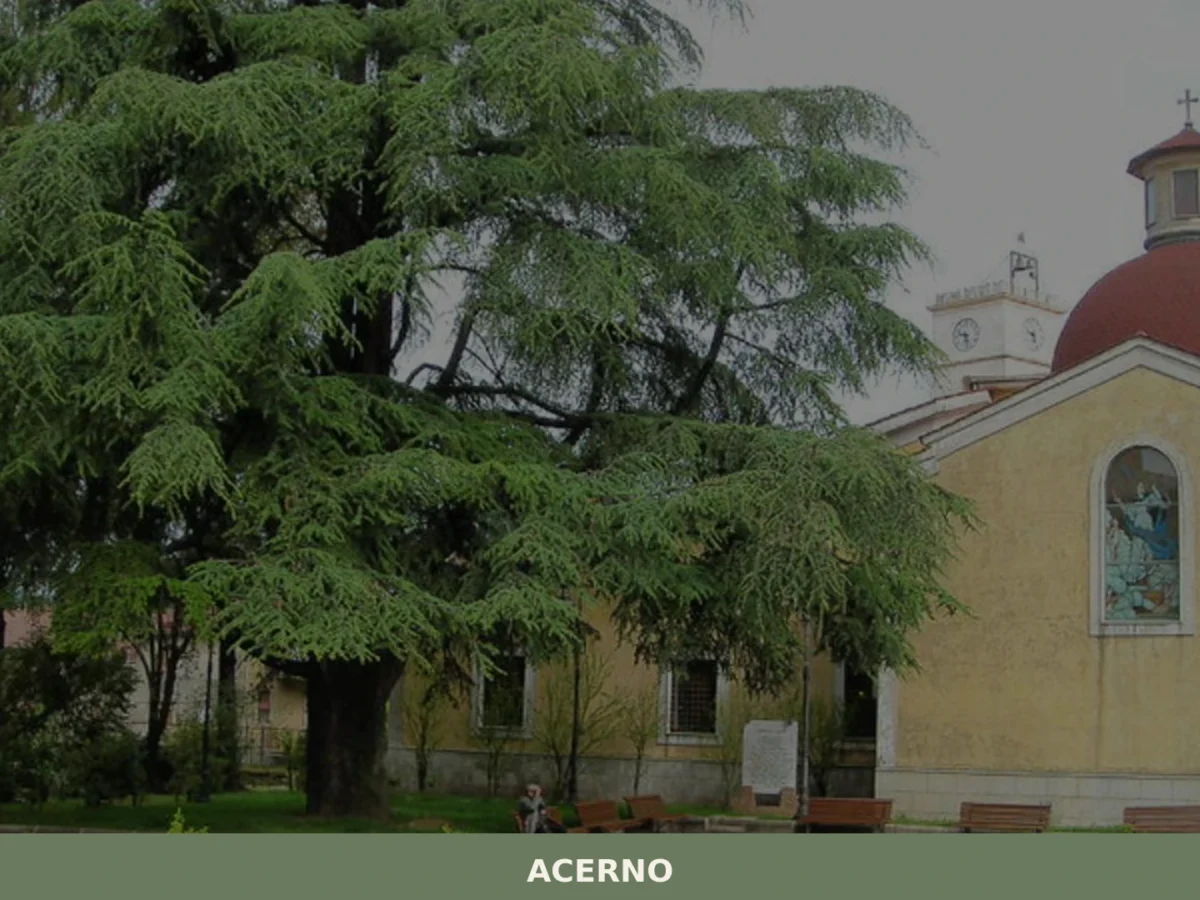
Acerno
 Mountain
Discover what to see in Acerno, a 2,419-person village in Salerno's Picentini Mountains: medieval cathedral, chestnut forests, and a nine-century diocesan history.
Raviscanina
 Hills
Hills
what to see in raviscanina, Italy: Explore this village at 358 m a.s.l. Discover ancient castle ruins and local traditions. Read more.
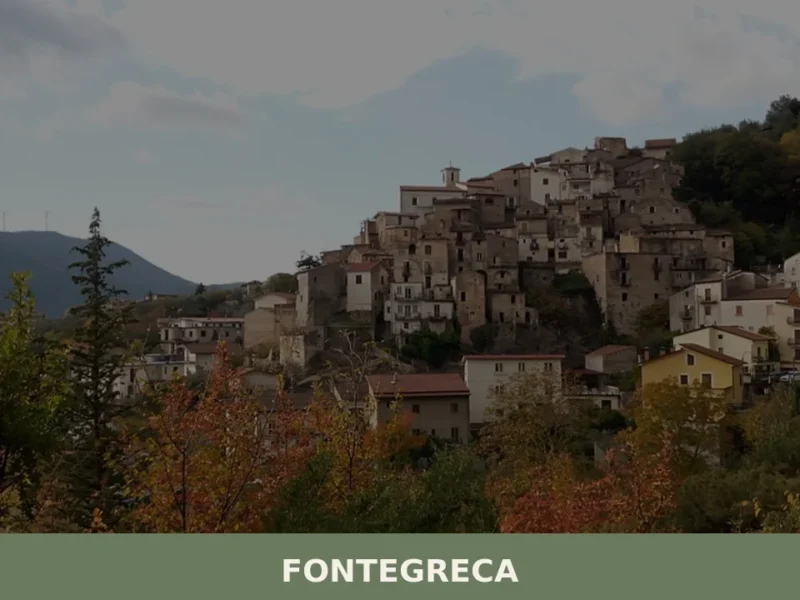
Fontegreca
Hills
Fontegreca, a municipality in the province of Caserta, is home to the Cipresseta, a protected natural area recognized for its size and for the presence of centuries-old cypress trees, a distinctive feature of the local landscape. With a population of 834 inhabitants and situated 320 meters above sea level, this hill village develops on a […]
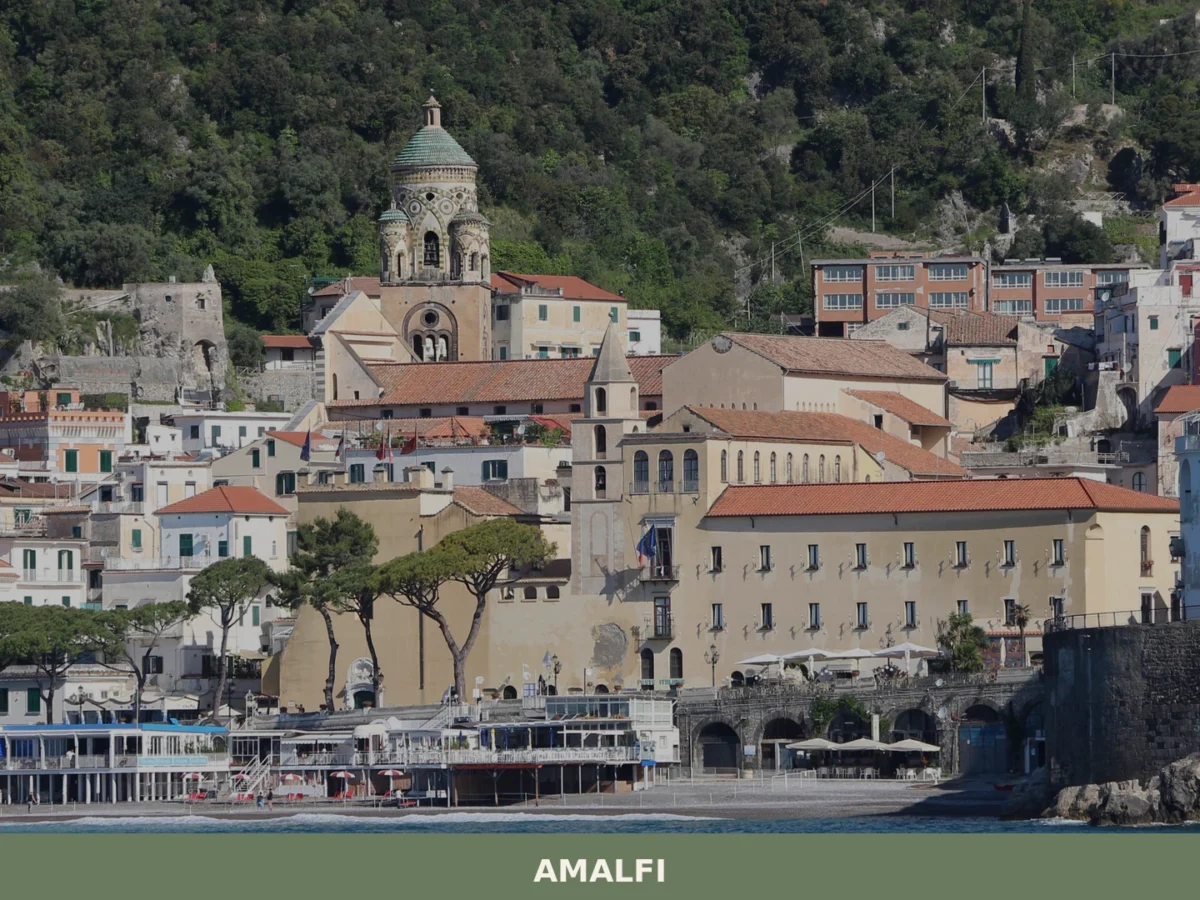
Amalfi
Hills
 Sea
Sea
What to see in Amalfi, Campania, Italy: explore the Cathedral of Sant'Andrea, the Arsenal of the Maritime Republic, and the Compass Museum. Discover 4,611 residents' town.
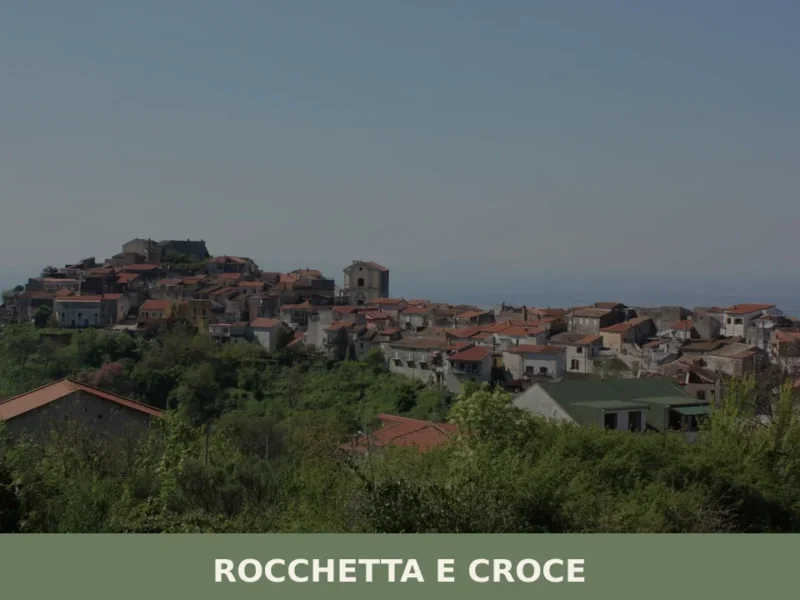
Rocchetta e Croce
Hills
Discover Rocchetta e Croce, a charming village near Caserta. Our guide reveals what to see, must-see attractions, and the history of this Campanian gem.

Castellammare di Stabia
Sea
Castellammare di Stabia offers over 2,800 years of layered history, from buried Roman villas to Bourbon royal palaces, all framed by the Gulf of Naples.
Camigliano
Plains
Morning light flattens across the plain north of Caserta, and Camigliano emerges low and unhurried — a grid of stone and plaster houses, church bells marking the quarter-hour to no one in particular. With fewer than two thousand residents, this is a settlement shaped more by agriculture than spectacle. Yet for those asking what to […]
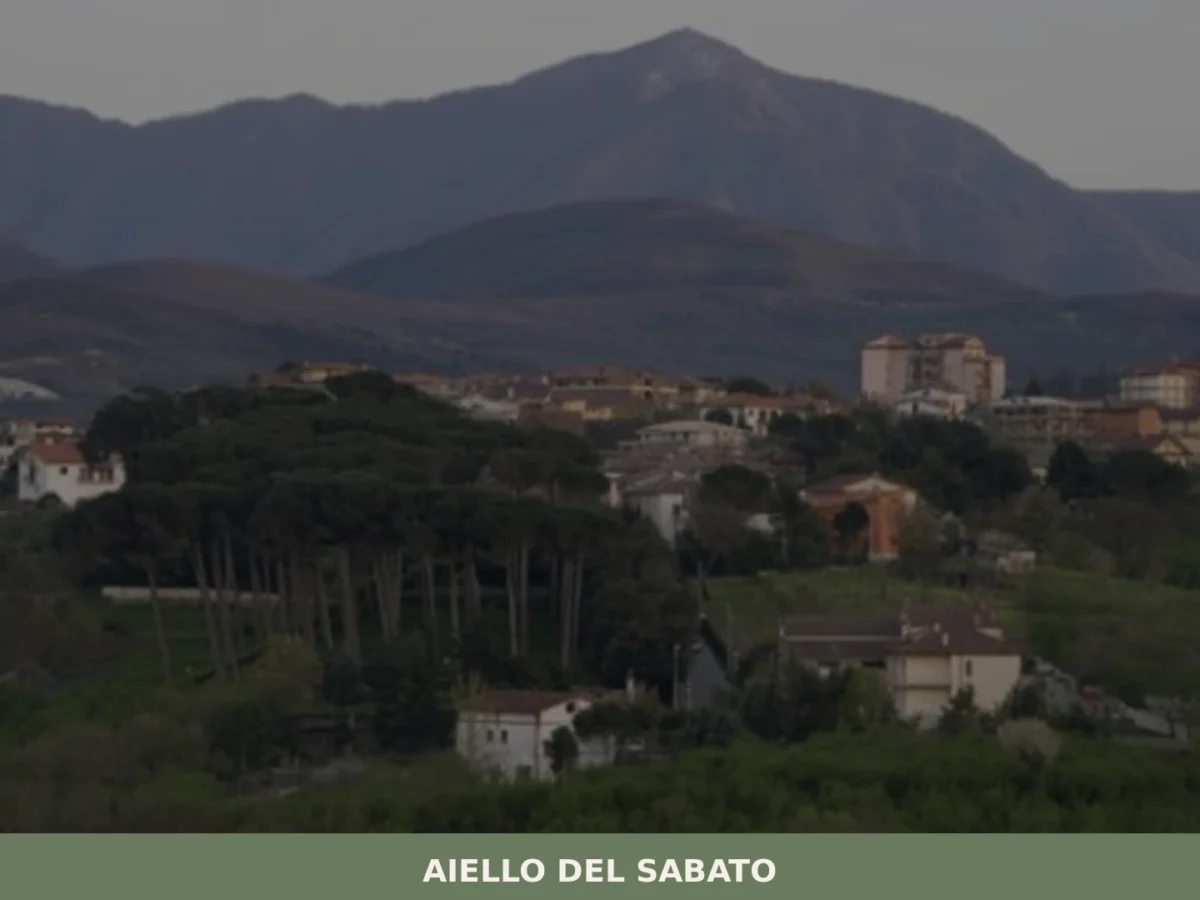
Aiello del Sabato
Hills
What to see in Aiello del Sabato, Italy? Discover this village at 425 m (1,394 ft) altitude. Explore its historic core and learn about its Roman past. Read our guide.
Albanella
Plains
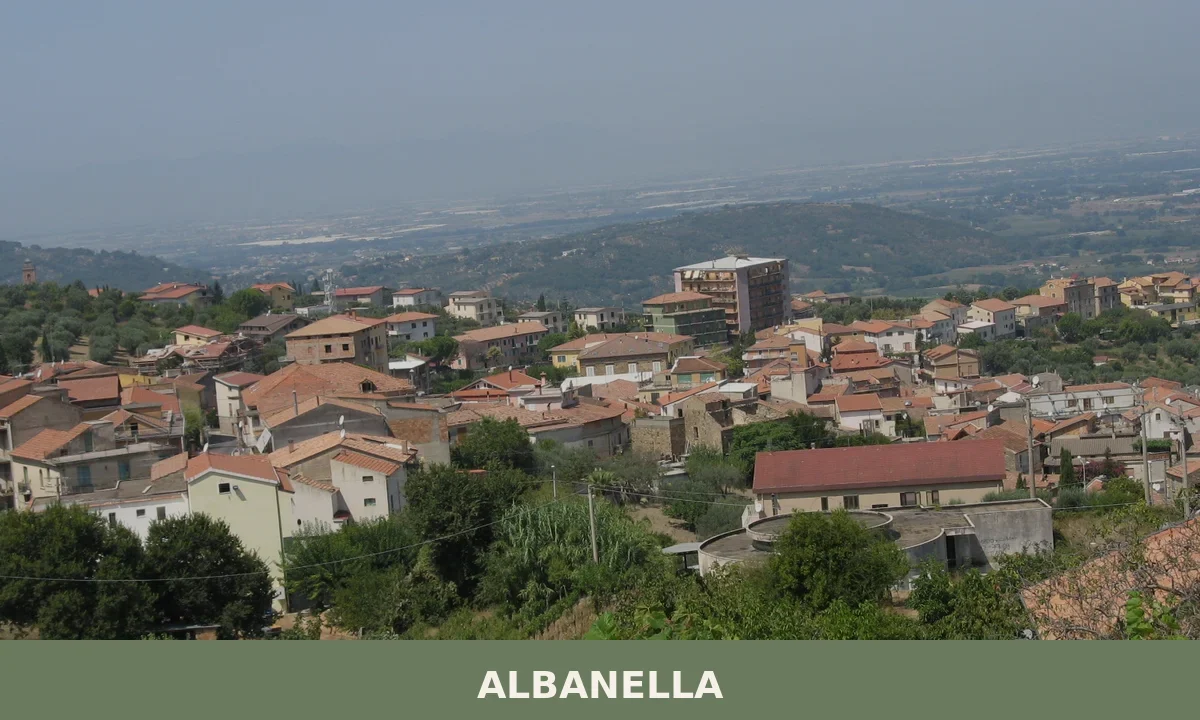
Founded in 1003 by refugees fleeing saracen raids, Albanella sits on a strategic hill between the Alburni mountains and the Salerno gulf, home to the restored Santuario di Santa Sofia.


🏡 Know Pratella better than we do?
If you’re a local or have been there, your knowledge matters: add what’s missing or fix a detail on this page.