


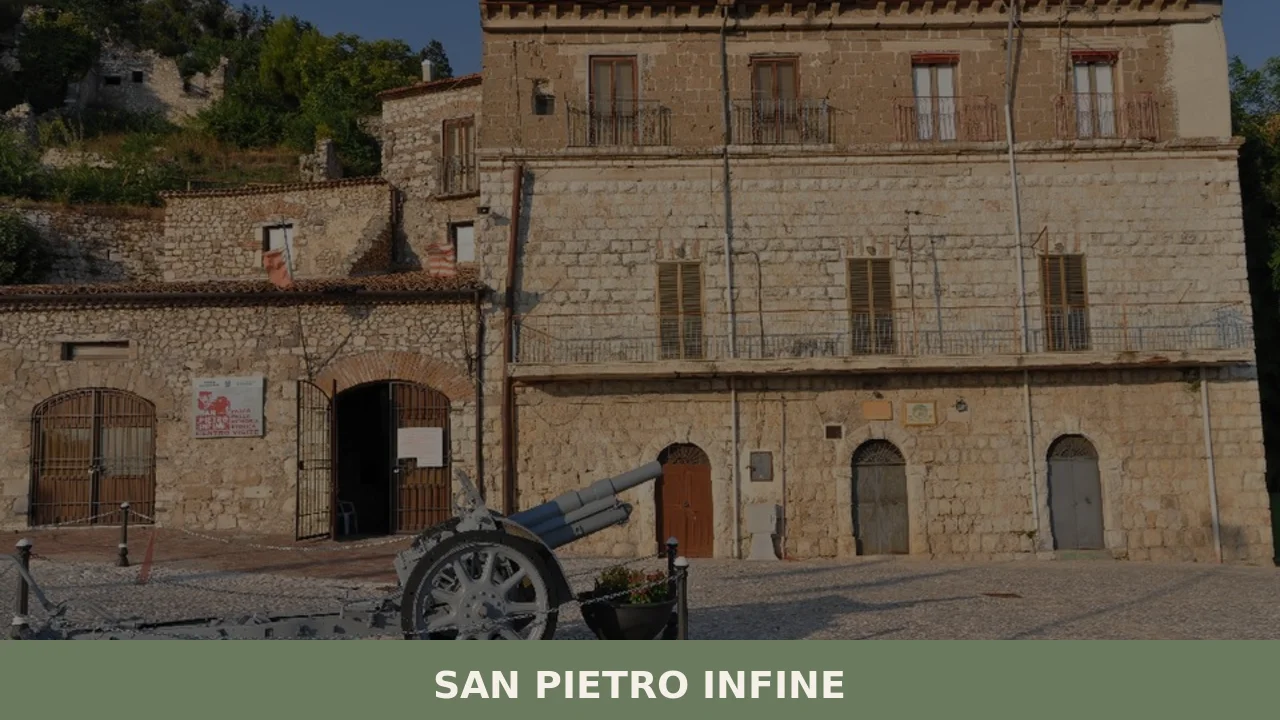
San Pietro Infine
 Plains
In December 1943, San Pietro Infine was the scene of one of the bloodiest battles of the Italian Campaign, an event that saw the town almost completely razed to the ground and subsequently rebuilt. This historical memory deeply defines the identity of the village, located 140 meters above sea level in the province of Caserta, […]
Discover San Pietro Infine
In December 1943, San Pietro Infine was the scene of one of the bloodiest battles of the Italian Campaign, an event that saw the town almost completely razed to the ground and subsequently rebuilt. This historical memory deeply defines the identity of the village, located 140 meters above sea level in the province of Caserta, with a current population of 929 inhabitants. For those wondering what to see in san pietro infine, the journey begins precisely with this legacy, a landscape that merges the memory of a conflict with the community’s resilience.
The present-day settlement is the result of a rebirth, a concrete example of post-war reconstruction that offers food for thought and points of interest unique in the Campania region.
History and Origins of San Pietro Infine
The roots of San Pietro Infine lie in ancient times, with traces of pre-Roman settlements attributed to the Aurunci and Sidicini, populations that inhabited the border between present-day Lazio and Campania. Its strategic position, close to the ancient Via Latina, favored the Roman presence, transforming the area into a point of connection and territorial control. The toponym “Infine” probably derives from “ad fines” or “in fine”, indicating its location at the edges of the ancient Terra di Lavoro, a historical border zone.
During the Middle Ages, the village entered the orbit of the Abbey of Montecassino, undergoing the feudal dynamics of the time and passing under the control of various noble families. Its subsequent history was marked by agricultural and pastoral events, typical of rural plain centers, while maintaining its logistical importance due to its location. However, it was the 20th century that irreversibly marked the destiny of the village, with the events of the Second World War.
Between December 8 and 17, 1943, San Pietro Infine became the focal point of a battle between Allied and German forces, a crucial episode for the breakthrough of the Gustav Line.
The intensity of the fighting caused the almost complete destruction of the original settlement. After the war, the community decided to rebuild the town in a slightly different location, giving rise to a new urban center. The old village, with its ruins, has been preserved as a testimony to the battle, becoming a “Memory Park” that makes visible the impact of the conflict and the place’s capacity for rebirth. This dualism between the destroyed village and the rebuilt one is the key to understanding its contemporary identity.
What to see in San Pietro Infine: 5 Main Attractions
The Historical Memory Park
The old settlement of San Pietro Infine, destroyed during the Second World War, has been preserved as a monumental park. This site allows visitors to observe the ruins of the original buildings, traces of the fighting, and fortifications. It is a place for reflection on history, where structures damaged by the 1943 battle are visible and document the events of that period.
The Historical Museum of the Battle of San Pietro Infine
Located in the new settlement, the museum collects artifacts, photographs, and documents related to the battle of December 1943.
Through exhibition routes, it illustrates military strategies, the lives of soldiers, and the impact of the conflict on the civilian population. It offers a detailed perspective on the events that marked the history of the village and the region.
The Church of Santa Maria dell’Acqua
Dedicated to the village’s patroness, Maria Santissima dell’Acqua, this church is the main religious building of the new settlement. Rebuilt after the wartime destruction, it features architectural lines that reflect post-war style. It represents a reference point for the community and an example of its resilience, maintaining local worship and traditions.
The Reconstructed Village
The current urban center of San Pietro Infine is an example of post-war planning and architecture.
Its streets, squares, and residential buildings were constructed using modern criteria for the time, preserving functionality and liveability. Walking through the village allows one to observe a community’s capacity for recovery and the urban planning choices made after the conflict.
The War Memorial
Located in one of the main squares of the new village, the War Memorial commemorates the civilian and military victims of the Battle of San Pietro Infine. Its presence is a constant reminder of the events of 1943 and the sacrifice of those who lost their lives. It constitutes a reference point for commemorative ceremonies and for historical reflection.
Typical Cuisine and Local Products
The cuisine of San Pietro Infine and its territory is rooted in the rural traditions of inland Campania, with dishes that highlight products from the plains and nearby hilly areas.
Among the distinctive flavors are preparations based on pork, such as fresh or cured sausage, often used in hearty ragouts to dress homemade pasta. Legumes, especially beans, are a fundamental ingredient, central to soups and stews, sometimes combined with wild greens. Extra virgin olive oil, produced from local cultivars, seasons most dishes, imparting a specific aromatic profile.
The surrounding area is also known for the production of fresh and aged cheeses, including caciocavallo and pecorino, often made with milk from animals raised on nearby hillside pastures. Breadmaking follows ancient recipes, with naturally leavened breads that accompany every meal. Regarding wines, the area is not far from the production zones of Falerno del Massico DOC or Galluccio DOC, wines that can accompany local dishes.
Recipes often include the use of wild aromatic herbs, gathered in fields and wooded areas, which enrich traditional flavors.
When to Visit San Pietro Infine: The Best Time
San Pietro Infine can be visited in different seasons, each with its own specific characteristics. Spring (April-May) offers mild temperatures and a bloom that makes the surrounding landscape more vibrant, ideal for walks in the Memory Park. Autumn (September-October) is also a favorable period, with temperate
Frequently asked questions about San Pietro Infine
What is the best time to visit San Pietro Infine?
Spring (April–May) is ideal for visiting San Pietro Infine: mild temperatures make outdoor exploration of the Memory Park pleasant, and the surrounding plain landscape is at its most vibrant. Autumn (September–October) offers equally temperate conditions, perfect for unhurried historical visits. The patronal feast of Maria Santissima dell'Acqua animates the village with religious and community celebrations, making it a particularly authentic time to experience local traditions. Summer is warm but manageable given the village's 140 m elevation. Winter visits are quieter and well suited to reflective touring of the war memorial sites.
What to see in San Pietro Infine? Main monuments and landmarks
The five key sites are: the Historical Memory Park, the preserved ruins of the original village destroyed in December 1943; the Historical Museum of the Battle of San Pietro Infine, with artifacts, photographs and documents from the battle; the Church of Santa Maria dell'Acqua, the post-war parish church dedicated to the village's patroness; the reconstructed village itself, an example of mid-20th-century urban planning; and the War Memorial in the main square, commemorating civilian and military victims of 1943. For current opening hours and admission fees, contact the municipal offices or the local Pro Loco directly.
Are there museums, churches or historic buildings to visit in San Pietro Infine?
Yes. The Historical Museum of the Battle of San Pietro Infine documents the December 1943 battle through military artifacts, period photographs, and archival materials, offering structured exhibition routes. The Church of Santa Maria dell'Acqua, rebuilt after wartime destruction, is the main religious building and reflects post-war architectural style. The Memory Park functions as an open-air museum: the ruins of the original settlement, including damaged structures and visible traces of fortifications, are preserved in situ. For verified opening hours and any admission costs, it is advisable to contact the municipality of San Pietro Infine or the local Pro Loco.
What can you do in San Pietro Infine? Activities and experiences
San Pietro Infine offers a focused historical and cultural experience. Visitors can walk through the Memory Park, exploring the ruins of the wartime village at their own pace. The History Museum provides guided insight into the 1943 battle and its impact on the civilian population. Strolling through the reconstructed village reveals post-war architectural and urban planning choices. The area also lends itself to food and wine experiences, with local pecorino, caciocavallo, cured pork products, and wines from nearby Falerno del Massico DOC and Galluccio DOC zones available through local producers and markets.
Who is San Pietro Infine suitable for? Families, couples, hikers, solo travelers?
San Pietro Infine is particularly suited to history enthusiasts, students, and school groups seeking to understand the Italian Campaign of World War II firsthand. Couples and solo travelers who appreciate contemplative, off-the-beaten-path destinations will find the Memory Park and museum deeply evocative. Families with older children can use the site as a meaningful educational experience. The village is less suited to those seeking beach tourism or nightlife, but pairs well with broader itineraries through inland Campania, including visits to Montecassino and the Terra di Lavoro area.
What to eat in San Pietro Infine? Local products and specialties
The local table draws on inland Campania's rural traditions. Key specialties include cured and fresh pork sausage, often used in slow-cooked ragouts served over homemade pasta, and hearty bean soups combined with wild greens. Locally produced extra virgin olive oil, caciocavallo, and pecorino cheese — made from milk of animals raised on nearby hillside pastures — are notable products. Naturally leavened bread accompanies every meal. For wine, the area sits close to the Falerno del Massico DOC and Galluccio DOC production zones, whose reds and whites complement the local cuisine well.
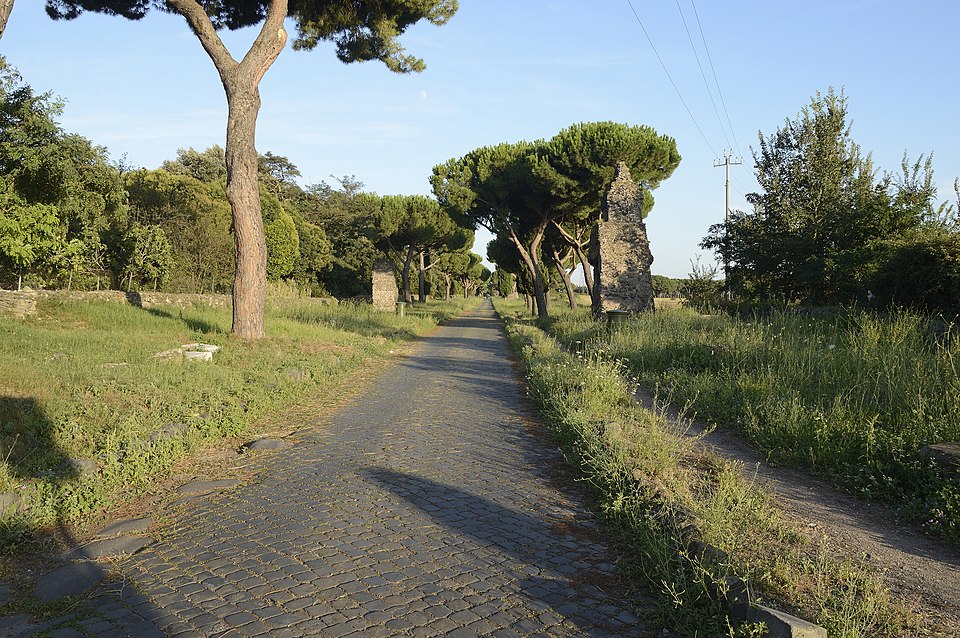
📷 Photo Gallery — San Pietro Infine
Nearby Villages near San Pietro Infine
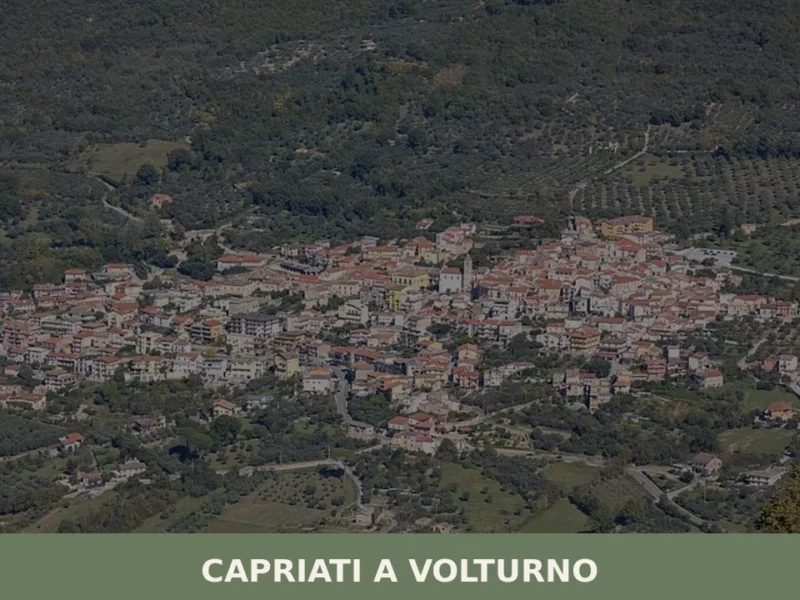
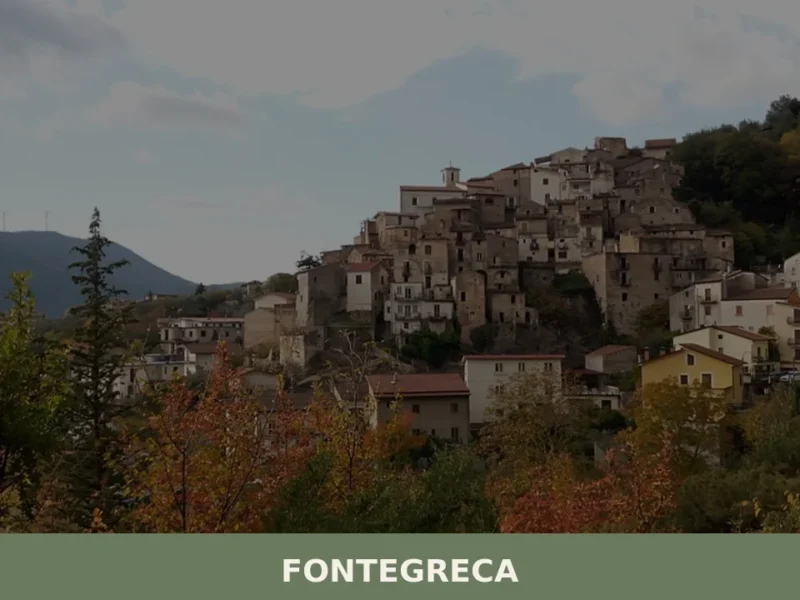
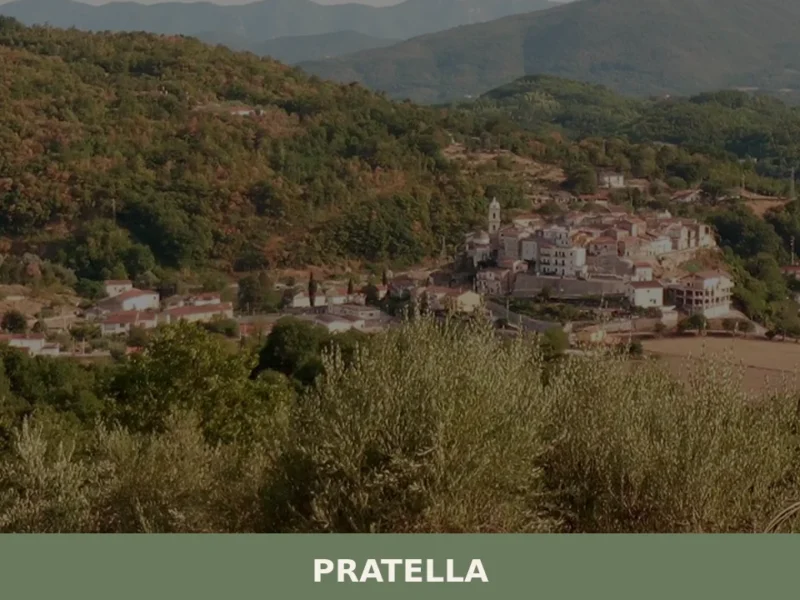
Nearby villages we are mapping:
- Presenzano Campania 📍 12.7 km Coming soon
In Campania More villages to discover
Afragola
Plains
Discover what to see in Afragola, Campania: Zaha Hadid's station, Baroque churches, local food, and practical travel tips for this Naples hinterland town.
Amalfi
 Hills
Hills
 Sea
Sea
What to see in Amalfi, Campania, Italy: explore the Cathedral of Sant'Andrea, the Arsenal of the Maritime Republic, and the Compass Museum. Discover 4,611 residents' town.
Ailano
Hills
A complete guide to what to see in Ailano, a village of 1,198 inhabitants in the Caserta province of Campania, with its medieval centre, parish churches, and Volturno valley views.
Pignataro Maggiore
Plains
What to see in Pignataro Maggiore: 5,733 residents, 93m above sea level in Caserta province. Visit San Giorgio Church, historic centre, 'Ndunderi PAT gnocchi. Plan your trip now.
Ruviano
Plains
What to see in Ruviano, Italy: Explore this comune at 80 m altitude, known for its patron feast and agricultural views. Discover Ruviano, Campania.
Ciorlano
Hills
With its 370 inhabitants spread across an elevation of 330 metres above sea level, Ciorlano is one of the least populated municipalities in the province of Caserta. The village sits in the middle Volturno valley, along the hillside that separates the Matese massif from the Alife plain. Anyone wondering what to see in Ciorlano will […]

Altavilla Irpina
 Mountain
Discover Altavilla Irpina, a hilltop village in Avellino province with medieval churches, ancient stone architecture, and authentic Irpinian food traditions.
Prata Sannita
Hills
what to see in prata sannita, Italy: Explore this Campania comune at 333 meters altitude. Discover panoramic vistas and traditional village life.
Liberi
Hills
Liberi, a small village in Campania in the province of Caserta: discover its history, monuments and how to plan your visit. Plan your itinerary today.
Castel di Sasso
Hills
Castel di Sasso, a small municipality in the province of Caserta with 1,051 inhabitants, has historical roots documented since the 10th century, when it was already attested as a fortified settlement in the fertile Terra di Lavoro. At 200 meters above sea level, the village developed on the Caserta plain, a location that influenced both […]





🏡 Know San Pietro Infine better than we do?
If you’re a local or have been there, your knowledge matters: add what’s missing or fix a detail on this page.