


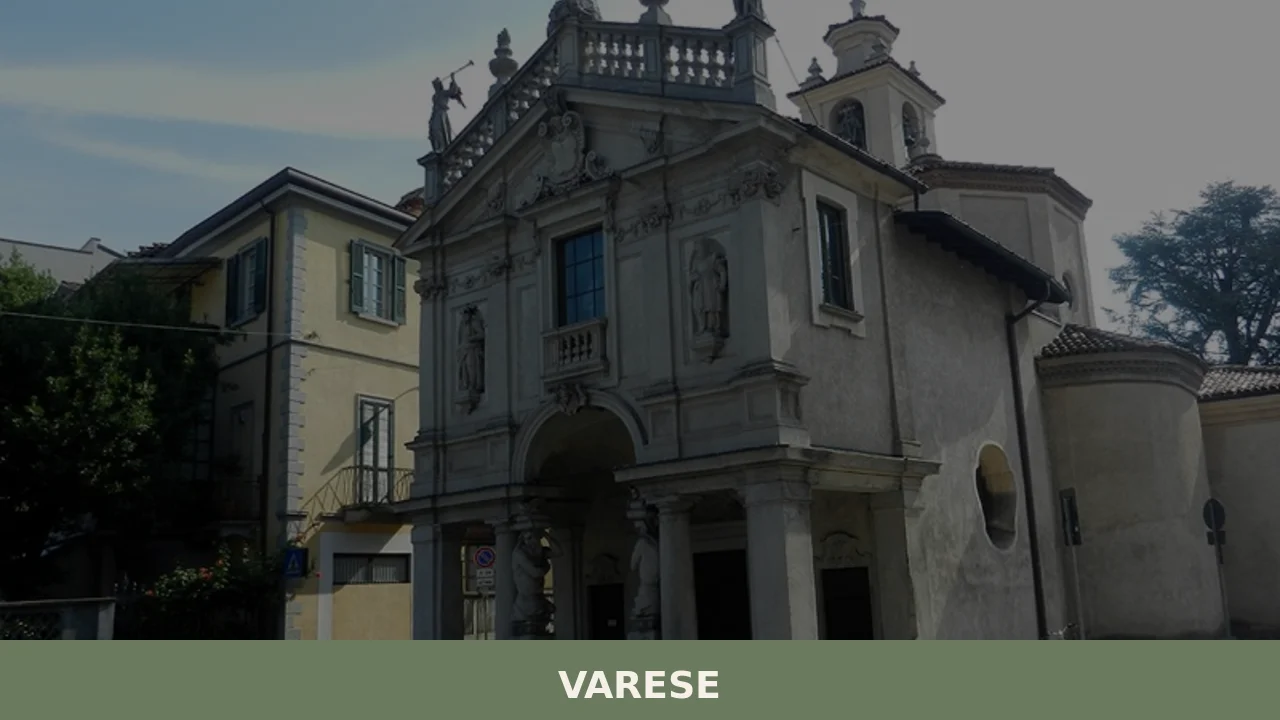
Varese
Varese, a Lombard city with a population of 78,409 inhabitants, stands at 382 m above sea level and is distinguished by its strategic position between lakes and pre-Alps. This locality, capital of the eponymous province, offers a rich historical and natural heritage that attracts numerous visitors every year. In this article History and Origins of […]
Discover Varese
Varese, a Lombard city with a population of 78,409 inhabitants, stands at 382 m above sea level and is distinguished by its strategic position between lakes and pre-Alps. This locality, capital of the eponymous province, offers a rich historical and natural heritage that attracts numerous visitors every year.
Those wondering what to see in Varese will discover a collection of historic villas, lush gardens, and religious sites of great importance, nestled in a hilly landscape that invites exploration.
The city is also an ideal starting point for excursions and outdoor activities, combining urban vibrancy with the tranquility of the surrounding nature.
History and Origins of Varese
The origins of Varese are rooted in remote eras, with archaeological findings testifying to prehistoric settlements, particularly on Isolino Virginia in Lake Varese, dating back to the Bronze Age.
During the Roman era, the Varese territory was home to small communities and communication routes, although it did not emerge as a center of primary importance. The name “Varese” is believed to derive from the Celtic term “Varex”, meaning “water”, an eloquent reference to the abundant water resources of the area, characterized by numerous lakes and waterways.
In the Middle Ages, Varese entered the orbit of the Duchy of Milan, following its changing fortunes and the dominations of powerful families such as the Visconti and the Sforza.
Its position on the border between Milanese and Swiss territories gave it a certain strategic and commercial importance, fostering the development of a mercantile bourgeoisie.
Over the centuries, the city was the scene of clashes and transfers of power, yet maintained its identity and a significant role in the Lombard context, as evidenced by the construction of civil and religious buildings that still define its profile today.
The city has shared part of its history with nearby villages such as Albizzate, which was also influenced by the dynamics of the Duchy of Milan and local lordships.
The modern age saw Varese under the dominion of the Austrian Habsburgs for much of the 18th century, a period that culminated in the construction of important public works and noble residences, including the famous Palazzo Estense.
A crucial moment in the city’s history was the Battle of Varese in 1859, during the Second War of Independence, which saw Giuseppe Garibaldi’s troops defeat the Austrians, contributing to the unification of Italy.
This event deeply marked the city’s identity and historical memory, consolidating Varese as an active center in the political and cultural landscape of 19th-century Lombardy.
Even villages like Besnate, while maintaining a more contained dimension, experienced the same Risorgimento fervor.
What to see in Varese: main attractions
Varese offers a range of attractions that satisfy various interests, from artistic and architectural heritage to natural beauties. For those wondering what to see in Varese, the city offers itineraries ranging from religious complexes of great value to historic villas surrounded by lush gardens, without forgetting the opportunities offered by its lake.
Each place tells a part of local history and culture, inviting visitors to discover details and curiosities that make the experience unique.
Sacro Monte of Varese
The Sacro Monte of Varese is a devotional complex of extraordinary beauty and historical importance, recognized as a UNESCO World Heritage Site.
It consists of fourteen chapels, a sanctuary, and a crypt, arranged along a cobblestone path that winds for about two kilometers on the slopes of Monte Campo dei Fiori.
The construction of the Sacro Monte began in 1604 and continued for almost a century, ending in 1698, with the aim of creating a “Sacred Way” that retraced the Mysteries of the Rosary. The chapels, built in Baroque style, are decorated with frescoes and polychrome terracotta sculptural groups illustrating scenes from the life of Christ and the Virgin.
The path offers not only a spiritual experience but also evocative views of the plain and the surrounding lakes.
Each chapel features a different architectural structure, designed by artists such as Giuseppe Bernascone, who contributed significantly to the complex’s definition. The sculptures, works by masters such as the Prestinari brothers and Dionigi Bussola, lend realism and drama to the represented scenes, emotionally engaging the visitor.
At the end of the path stands the Sanctuary of Santa Maria del Monte, dating back to the 11th century and later expanded, which houses an ancient wooden statue of the Black Madonna.
A visit to the Sacro Monte is an immersion in Baroque art and popular devotion, a place where faith and landscape merge into a memorable experience.
It is advisable to dedicate at least half a day to fully appreciate every detail and enjoy the tranquility of the place, which is also reachable by a convenient funicular.
Palazzo Estense and Estensi Gardens
Palazzo Estense, often called the “Royal Palace of Varese”, was commissioned by Francesco III d’Este, Duke of Modena and governor of Austrian Lombardy, and built between 1766 and 1772. The palace’s Baroque architecture clearly draws inspiration from Habsburg imperial residences, such as Schönbrunn Palace in Vienna, and was designed to be a residence for representation and leisure.
Today the building houses the offices of the Municipality of Varese, but its true attraction lies in the magnificent Estensi Gardens that surround it. These gardens, freely accessible, represent an exquisite example of landscape architecture, combining elements of Italianate and French-style gardens.
The Estensi Gardens are characterized by wide tree-lined avenues, flowerbeds, fountains, and water features, including the large fishpond with its central island and the statues adorning its banks.
The geometric design of the parterres alternates with more natural areas, offering a variety of views and perspectives that invite strolling and relaxation.
The nymphaeum, once adorned with sculptures, adds a touch of elegance and mystery to the ensemble. The meticulous care of the greenery and the presence of centuries-old trees create an atmosphere of great serenity, making the gardens a favorite place for Varese residents and tourists to spend time outdoors.
A visit to the Palace and its gardens is an opportunity to appreciate 18th-century elegance and enjoy an oasis of peace in the heart of the city.
Villa Panza
Villa Panza, located in the hamlet of Biumo Superiore, is an important 18th-century residence, today managed by the Italian National Trust (FAI). The villa is famous for housing the rich collection of contemporary art by Giuseppe Panza di Biumo, one of the most influential collectors of the 20th century.
Acquired by the FAI in 1996, the villa was restored and opened to the public, becoming an international reference point for environmental art and light art.
The collection includes works by contemporary American artists such as Dan Flavin, James Turrell, and Robert Irwin, who created site-specific installations interacting with the villa’s spaces and natural light.
The visiting experience at Villa Panza is unique, as the artworks are not simply exhibited but integrated into the architecture and landscape, modifying the perception of the spaces.
The villa’s rooms, with their historical furnishings, dialogue with the light installations and minimalist works, creating a fascinating contrast between ancient and modern. The villa’s gardens, designed in Italianate and French styles, also contribute to the aesthetic experience, offering outdoor sculptures and a panorama of the city.
A visit to Villa Panza ?
Lake Varese and Isolino Virginia
Lake Varese, of glacial origin and elongated shape, is a body of water of approximately 14.5 km² that offers a natural environment of great beauty and opportunities for recreational activities. Although not all its areas are suitable for swimming, the lake is surrounded by a cycling path of about 28 km, much appreciated by cyclists and pedestrians, which allows admiring the landscape from different perspectives.
Its shores are dotted with small inhabited centers and green areas, ideal for picnics and moments of relaxation. The lake is also known for hosting important rowing competitions, thanks to its calm waters and the presence of dedicated facilities for this sport.
In the center of Lake Varese lies Isolino Virginia, a site of significant archaeological and naturalistic interest.
The small island is one of the oldest prehistoric pile-dwelling settlements in the Alps, with evidence dating back to the Neolithic period (5th millennium BC).
Since 2011, Isolino Virginia has been included in the UNESCO World Heritage list as part of the serial site “Prehistoric Pile Dwellings around the Alps”. On the island, there is a small archaeological museum displaying artifacts found during excavations, offering an immersion into the life of the ancient populations that inhabited the area. For those interested in what to see in Varese outside the historic center, the lake and Isolino Virginia represent an unmissable stop for nature and history lovers.
Basilica of San Vittore and Baptistery of San Giovanni
The Basilica of San Vittore is the main place of worship in Varese, dedicated to Saint Vittore the Moor, patron saint of the city.
Its history is rooted in an ancient Romanesque church, but the current building is the result of significant reconstructions and enlargements, especially between the 16th and 17th centuries, which gave it a predominantly Baroque character. The imposing and richly decorated facade is the work of Giuseppe Bernascone, who also designed the majestic bell tower, one of Varese’s symbols, completed only in the 18th century.
Inside, the basilica houses valuable works of art, including frescoes, canvases, and sculptures, testifying to the artistic and religious importance of the place throughout the centuries.
Next to the Basilica stands the Baptistery of San Giovanni, a Romanesque building dating back to the 12th century, which retains its original structure despite some subsequent modifications.
The baptistery is characterized by an octagonal plan and a sober yet striking architecture, with interiors revealing frescoes from different eras, some of which date back to the 13th century.
These paintings, although partially compromised, offer a glimpse into local medieval art and its religious iconography. The presence of the Baptistery next to the Basilica emphasizes the importance of the baptismal rite and the continuity of the Christian faith in Varese.
A visit to these two buildings allows visitors to retrace the city’s religious and artistic history, offering a look at its various architectural and decorative phases.
Typical Cuisine and Products of Varese
The gastronomic tradition of Varese is part of the broader context of Lombard cuisine, characterized by robust dishes and genuine flavors, influenced by its proximity to lakes, mountains, and fertile plains. Local cuisine stands out for its use of seasonal ingredients and preparations that reflect the agricultural and pastoral history of the territory. Meats, cheeses, rice, and lake fish products are favored, creating a blend of flavors that satisfies even the most demanding palates. Influences from neighboring regions and Switzerland have enriched the culinary repertoire, leading to a diversification of recipes and the adoption of specific cooking techniques.
Among the typical dishes of the Varese area, meat and rice-based preparations stand out.
For example, the risotto alla varesina is a local variant of the classic risotto, often enriched with luganega sausage or porcini mushrooms gathered in the surrounding woods.
Another traditional dish is brasato al Barolo or with other local red wines, a beef dish slow-cooked until incredibly tender, usually accompanied by polenta, a staple of Lombard cuisine.
Lake fish dishes are also prominent, such as persico in carpione, fried fish fillets then marinated in vinegar, onion, and aromatic herbs, a preparation that enhances its flavor and allows for long preservation. These dishes reflect the ability to make the most of the territory’s resources.
Regarding typical products, although no DOP, IGP, PAT, or DOC certified products are listed, the Varese territory boasts high-quality local production. Varese honey is particularly appreciated for its variety and purity, with acacia, chestnut, and wildflower productions. The area is also renowned for its fresh and aged cheeses, including artisanal dairy products that reflect Lombard tradition.
Furthermore, the woods offer mushrooms, chestnuts, and berries, ingredients that enrich local tables and pastries.
Sweet specialties include the brutti e buoni of Gavirate, meringue and hazelnut-based biscuits, and the colomba pasquale (Easter dove cake), whose modern recipe originated right in the Varese area.
For those wishing to purchase these products or taste local specialties, the weekly markets in the city and neighboring towns, such as those in Brunello, offer an excellent opportunity.
Numerous artisan shops and typical product stores also provide a curated selection of delicacies. Throughout the year, various festivals and gastronomic events celebrate local produce, particularly between spring and autumn, offering tastings and the chance to meet local producers firsthand. These events are an opportunity to experience the authenticity of the territory through its flavors.
Festivals, Events, and Traditions of Varese
The traditions and events of Varese are deeply linked to its history and its religious and cultural identity. The most heartfelt and significant celebration for the Varese community is dedicated to its patron saint, Saint Victor the Moor, celebrated on May 8th. This day is marked by solemn religious ceremonies in the Basilica dedicated to him, attracting faithful from across the province.
Traditionally, the patron saint’s feast also includes civil events, stalls along the city center streets, music, and social gatherings that involve the entire citizenry, transforming the city into a lively center of celebration.
In addition to the patron saint’s feast, Varese hosts various cultural and sporting events throughout the year.
Lake Varese is often the venue for important national and international rowing competitions, attracting athletes and enthusiasts.
The city also promotes art and music events, with concerts, exhibitions, and festivals enlivening its historic palaces and gardens. During the Christmas season, the city center streets light up with festive decorations and markets, creating an evocative atmosphere.
These occasions offer visitors the chance to immerse themselves in local life and experience the diverse facets of Varese’s culture, which is expressed through collective participation and the valorization of its heritage.
When to visit Varese and how to get there
The best time to visit Varese is undoubtedly spring (April-June) and autumn (September-October), when the climate is mild and the surrounding nature presents itself in all its splendor. In spring, the gardens of the villas and parks burst with blooms, while in autumn the hills are painted with warm colors, offering ideal settings for walks and excursions.
Summer can be pleasant, especially for those seeking refreshment on the lake shores or in the surrounding hills, even if temperatures can be high.
Winter, although colder, offers the chance to visit Christmas markets and enjoy the tranquility of art sites without the typical high-season crowds. Those looking for an active holiday will find opportunities for trekking and cycling, while culture lovers can dedicate themselves to discovering the numerous attractions.
Reaching Varese is easy thanks to its strategic location and good infrastructural connections.
By car, the city is easily accessible via the A8 Lakes Motorway (Milan-Varese), with specific exits for Varese. From Milan, the journey is approximately 55 km and takes about 45 minutes, depending on traffic. For those who prefer the train, Varese is well connected to Milan via the Trenord railway network, with frequent departures from Milano Porta Garibaldi or Cadorna stations.
Varese train station is just a short walk from the city center, making access to the main attractions convenient. To check timetables and plan your trip, you can refer to the official Trenord website.
The nearest airport is Milan Malpensa Airport (MXP), which is about 35-40 km from Varese.
From Malpensa, you can reach the city in about 30-40 minutes by car or taxi, or by using the bus services that directly connect the airport with Varese train station.
This proximity makes Varese an accessible destination even for international visitors. It is advisable to check public transport timetables and traffic conditions on the official Malpensa Airport website before departure, as they may be subject to change. Varese is also an interesting stop for those continuing to other Lombard cities like Cremona, for a broader itinerary in the region.
| Starting Point | Distance | Estimated Time |
|---|---|---|
| Milano | 55 km | 45 min |
| Malpensa Airport (MXP) | 35 km | 30 min |
| Como | 30 km | 35 min |
Where to stay in Varese
Varese offers a variety of accommodation options, suitable for different needs and budgets, given its nature as a city and tourist hub.
Visitors can choose from hotels of various categories, located both in the historic center, convenient for reaching the main attractions on foot, and in quieter residential areas. Many establishments offer modern services and comforts, often with views of gardens or the surrounding hills. For those seeking a more intimate and personalized experience, numerous bed & breakfasts and guesthouses are available, some of which are housed in period buildings or villas with gardens, offering attentive hospitality and a welcoming atmosphere.
In the immediate vicinity of the city and along the shores of Lake Varese, you can also find farm stays
Photo Gallery of Varese
Do you have photos of Varese?
Share your photos of the village: the best ones will be added to the official gallery, with your credit.
Send your photosIn Lombardia More villages to discover
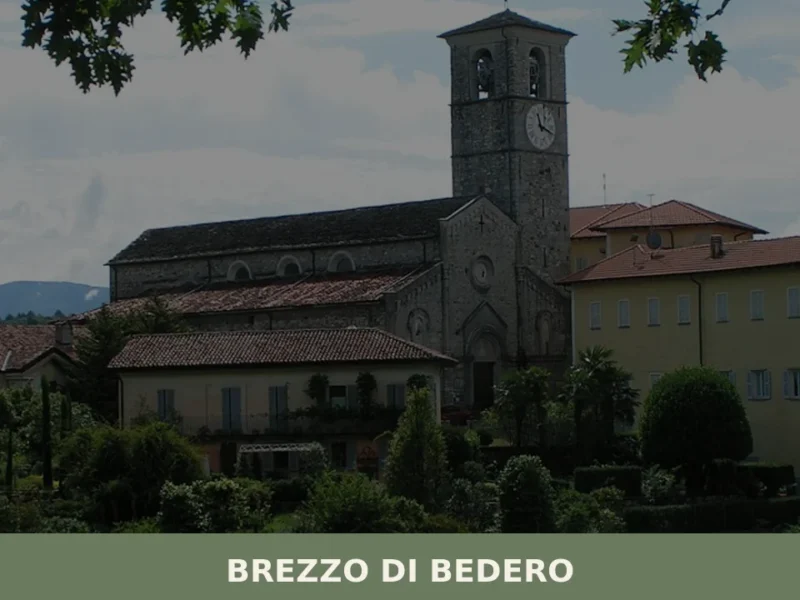
Brezzo di Bedero
What to see in Brezzo di Bedero: Explore Collegiata di San Vittore and the lakeside Hermitage. This village, home to 1,200 residents, offers rich history. Discover more!
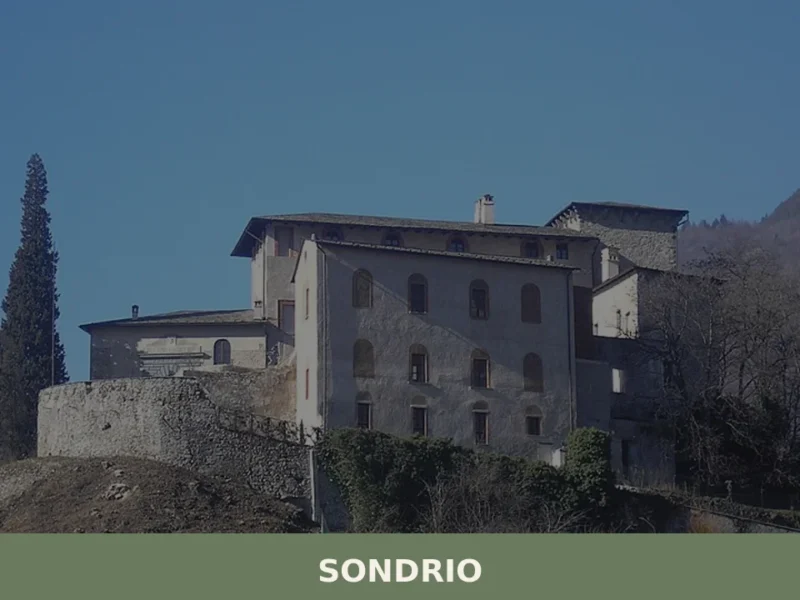
Sondrio
What to see in Sondrio? Located at 298m altitude, discover Castello Masegra and the Collegiata dei Santi Gervasio e Protasio. Explore this Valtellina capital.
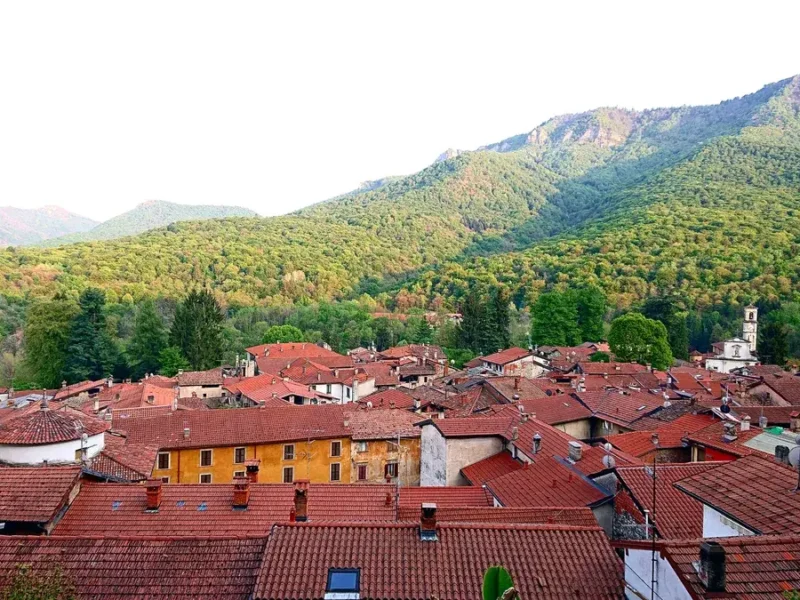
Castello Cabiaglio
What to see in Castello Cabiaglio: a hill village at 514m with 567 residents in Varese. Explore Sant'Appiano church, Campo dei Fiori trails and local porcini risotto. Plan your visit now.

📝 Incorrect information or updates?
Help us keep the Varese page accurate and up to date.