


Trento
What to see in Trento, a city of 119,359. Discover its Duomo, Castello del Buonconsiglio, and typical cuisine. Explore its rich Council history.
Discover Trento
Located at 194 m a.s.l. in the Adige Valley, Trento, capital of its namesake province and of Trentino-Alto Adige, stands out as a city rich in history and culture. Its importance has been shaped by events of European significance, particularly the Council of Trent which, between 1545 and 1563, marked a crucial era for the Catholic Church, leaving a profound architectural and spiritual legacy.
This city, with its 119,359 inhabitants, offers an urban fabric where Roman and Austro-Hungarian influences coexist, creating a unique atmosphere that invites discovery.
Those wondering what to see in Trento will find a wide variety of monuments, museums, and squares that narrate centuries of events, from episcopal residences to modern scientific centers.
History and Origins of Trento
The origins of Trento are rooted in antiquity, with prehistoric settlements on Doss Trento and the subsequent Roman foundation of Tridentum, a name believed to derive from the city’s geographical configuration, situated among three hills: Doss Trento, Sant’Agata, and San Rocco.
Its strategic position along the Brenner axis and on the Adige River made it a commercial and military crossroads of fundamental importance since Roman times. In the 4th century, the city became an episcopal see, with Saint Vigilius as its third bishop and patron, whose martyrdom is celebrated on June 26th.
Starting from 1027, Trento acquired a prominent political role thanks to the creation of the Prince-Bishopric, an ecclesiastical state entity that, for almost eight centuries, guaranteed the city extensive autonomy under the rule of the prince-bishops.
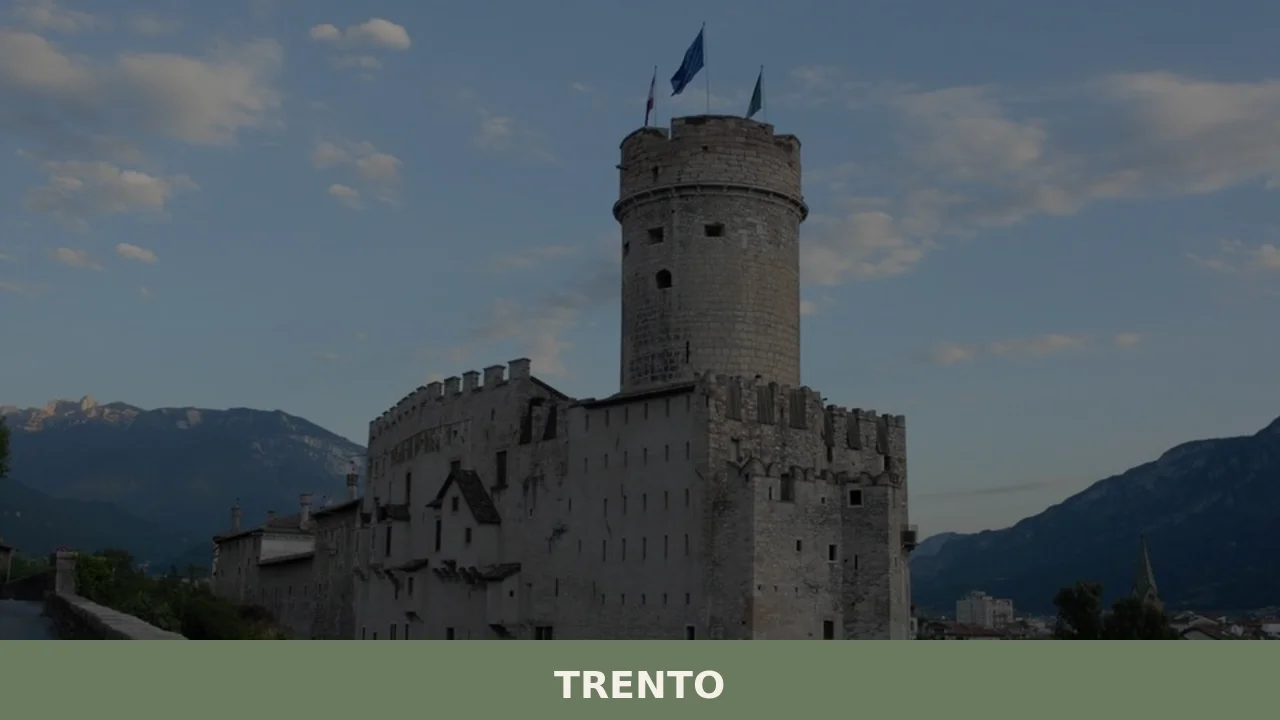
This period was characterized by a remarkable artistic and cultural flourishing, evidenced by imposing architectural works such as Buonconsiglio Castle, the bishops’ residence, and the Cathedral of San Vigilio.
The city maintained its independence until the Napoleonic era, when the principality was secularized and incorporated first into the Kingdom of Bavaria and then into the Kingdom of Italy.
The most significant event in the history of Trento was undoubtedly the Council of Trent, convened by the Catholic Church between 1545 and 1563 in response to the Protestant Reformation.
The council sessions, held mainly in the Cathedral and the Church of Santa Maria Maggiore, had a profound impact on the doctrine, discipline, and organization of the Church, giving rise to the Counter-Reformation. After the fall of Napoleon, Trento and its territory passed under the dominion of the Austro-Hungarian Empire, remaining there until the end of the First World War, when, in 1919, it was annexed to the Kingdom of Italy.
Other villages in Trentino-Alto Adige, such as Castelbello-Ciardes, have also experienced a similar historical path, characterized by long Habsburg dominations and subsequent integration into the Italian state.
What to see in Trento: main attractions
The city of Trento offers a significant artistic and cultural heritage, with numerous sites worth exploring.
For those wondering what to see in Trento, the options range from imposing architectural complexes to innovative museums, without forgetting the squares that represent the beating heart of city life. Each attraction tells a piece of the complex history of the Trentino capital, inviting visitors on a journey through the centuries.
Cathedral of San Vigilio
The Cathedral of San Vigilio, dedicated to the city’s patron saint, is Trento’s main place of worship and one of the most significant examples of Romanesque-Gothic architecture in Trentino.
Its construction began in 1212 at the behest of Bishop Federico Vanga, on the site of a pre-existing early Christian basilica. The facade, with its large rose window and main portal, features sculptural elements of fine craftsmanship, while the three-nave interior houses artworks and frescoes from various periods.
The crypt, located beneath the presbytery, contains the remains of San Vigilio.
This imposing edifice was also one of the central venues of the Council of Trent, with some solemn sessions held there between 1545 and 1563, giving it historical and religious importance of international scope. Its solid and austere architecture reflects its function as an episcopal cathedral and its role as a conciliar seat.
Buonconsiglio Castle
Buonconsiglio Castle is the symbol of Trento and for centuries was the residence of the prince-bishops. The complex consists of several structures built in different eras, testifying to its evolution from a medieval fortress to a sumptuous Renaissance residence.
The oldest core is Castelvecchio, dating back to the 13th century, with its imposing Augustus Tower.
Next to it is the Magno Palazzo, built between 1528 and 1532, a masterpiece of Trentino Renaissance with frescoed loggias and richly decorated rooms.
Among these, the famous Eagle Tower stands out, housing the magnificent “Cycle of the Months”, a series of late Gothic frescoes attributed to Master Wenceslaus, depicting scenes of courtly and peasant life. The ensemble of architectures and artworks makes it a museum of great historical and artistic value, offering a glimpse into the life and power of the prince-bishops. Today, the castle houses important provincial museum collections.
Piazza Duomo and the Neptune Fountain
Piazza Duomo is the beating heart of Trento, a meeting and representative place that embodies the city’s history and vitality. Surrounded by buildings of great historical value, including the Cathedral itself, the square is dominated by the Neptune Fountain, a Baroque sculpture created between 1767 and 1768 by sculptor Francesco Antonio Giongo.
The fountain, with its statue of the sea god, is an iconic landmark and a gathering place for citizens and visitors.
On the east side of the square stands Palazzo Pretorio, one of the oldest episcopal residences, which today houses the Diocesan Museum of Trent, and the Civic Tower, an imposing medieval structure offering panoramic views of the city.
The palaces surrounding the square, with their frescoes and decorations, tell the story of Trento’s wealth and importance over the centuries, making it a must-see for anyone wishing to understand the soul of the place.
MUSE – Science Museum
For those seeking a more contemporary and interactive experience, MUSE, Trento’s Science Museum, is a must-see attraction. Designed by the renowned architect Renzo Piano and inaugurated in 2013, the museum features a futuristic structure that harmoniously integrates into the urban and riverside landscape, echoing the shape of the surrounding mountains.
Its exhibitions span six floors, exploring themes related to nature, science, and sustainability, with a particular focus on the alpine environment.
Visitors can immerse themselves in interactive paths ranging from prehistory to biodiversity, from glaciology to robotics, making it a stimulating learning environment for all ages.
MUSE is not only an exhibition center but also a hub for scientific research and dissemination that actively contributes to understanding current environmental and social challenges. For detailed opening hours and information, it is advisable to consult the official MUSE website.
Church of Santa Maria Maggiore
The Church of Santa Maria Maggiore represents another pillar in Trento’s history, closely linked to the Council that bears its name. Built between 1520 and 1524 based on a design by architect Antonio Medaglia, it is a fine example of Renaissance architecture. The main facade, in white stone, is characterized by an elegant portal and a finely crafted rose window. The interior, with a single nave, is spacious and bright, with a ser
series of frescoes and side altars that enrich its decoration.
Its bell tower, 78 meters high, is one of the tallest in the city.
This church was chosen as the venue for many of the official sessions and general congregations of the Council of Trent, playing a crucial role in the development of the conciliar decisions. Its historical importance and architectural beauty make it a fundamental stop on the journey to discover what to see in Trento. The church is a place where art and faith merge, offering visitors a deep immersion in Trentino’s cultural heritage.
Typical cuisine and products of Trento
The gastronomic tradition of Trento and Trentino is deeply rooted in its history and geography, reflecting the encounter between Alpine cuisine and Central European influences. It is a robust cuisine that favors simple and genuine ingredients, often linked to the resources of the mountain territory and peasant tradition.
The preparations are designed to provide energy, but at the same time express a sophistication that has developed over centuries, also thanks to the presence of the episcopal court and the trade routes that crossed the Adige valley.
The result is a balance between strong flavors and delicate harmonies, where local agricultural and livestock products are the undisputed protagonists.
Among the typical dishes, Canederli are a symbol of Trentino cuisine, dumplings made of stale bread enriched with speck or cheese, served in broth or dry with melted butter and sage.
Another specialty is Strangolapreti, spinach and bread dumplings, often seasoned with melted butter and Trentingrana cheese. Polenta is also a staple, prepared in various ways and often accompanied by game, mushrooms, or melted cheeses.
Luganega, a fresh pork sausage, is a versatile ingredient used in many dishes, while Carne salada, thinly sliced and served raw or lightly seared, represents a local delicacy.
As in other villages in the region, such as Avelengo, Trento also offers mountain cheeses, produced from cow’s milk using ancient processing techniques.
Although there are no certified products with specific denominations in the provided database, the local cuisine relies on high-quality raw ingredients. Among the cheeses, Trentingrana is a hard cheese similar to Grana Padano, produced with local cow’s milk, while Vezzena is a semi-hard cheese with an intense flavor, typical of the alpine pastures.
Speck, a smoked and cured raw ham, is a pillar of Alpine gastronomy, as is Mortandela, a smoked pork sausage. As for desserts, Apple Strudel is an indispensable classic, prepared with thin puff pastry and a filling of apples, raisins, and pine nuts, often flavored with cinnamon. The Torta di fregoloti, a crumbly cake made with flour, butter, sugar, and almonds, completes the offering of traditional sweets.
Viticulture plays a fundamental role in the economy and gastronomic culture of Trentino.
The Trento area is renowned for its wine production, notably Trentodoc, a high-quality classic method sparkling wine, and still wines such as Teroldego Rotaliano, Marzemino, and Nosiola.
For those wishing to buy typical products, Trento’s historic center hosts several specialized food shops, as well as weekly markets where local producers offer their goods. During the Christmas festivities, the traditional Christmas Markets offer a unique opportunity to taste and purchase local gastronomic specialties and handicrafts.
Festivals, Events, and Traditions of Trento
Trento is a city that keeps its traditions alive through a rich calendar of festivals and events, many of which are rooted in its long history. The most cherished and participated festival is dedicated to the patron saint, Saint Vigilius of Trento, celebrated on June 26th.
The Feste Vigiliane (Vigilian Festivals), which take place for several days around this date, transform the historic center into a stage for historical re-enactments, shows, concerts, and markets.
The culminating event is the “Palio dell’Oca” (Goose Palio), a raft race on the Adige river where the city’s different districts compete, combining jovial spirit and popular tradition.
During these days, the streets and squares come alive with costumed figures, music, and food stalls offering local specialties, celebrating Trentino’s identity and culture.
In addition to the patron saint celebrations, Trento hosts other significant events that attract visitors from everywhere. Among these, the Christmas Markets, held from late November to early January, are among the most famous in Italy.
The wooden stalls in Piazza Fiera and Piazza Cesare Battisti offer artisan products, Christmas decorations, and Trentino gastronomic specialties, creating a magical and festive atmosphere.
Another important event is the Trento Film Festival, which takes place every year between April and May.
Dedicated to mountain cinema, adventure, and exploration, it is the oldest film festival of its kind in the world, attracting directors, mountaineers, and enthusiasts from across the globe. These events contribute to making Trento a lively and dynamic city, capable of combining the enhancement of its historical roots with contemporary cultural and entertainment offerings.
When to visit Trento and how to get there
The best time to visit Trento depends on personal preferences and the type of experience one wishes to have. Spring (April-June) and autumn (September-October) offer a mild and pleasant climate, ideal for exploring the historic center and for excursions in the surrounding areas, with nature ablaze with vibrant colors.
In spring, the city comes alive with events like the Trento Film Festival, while in June, the Feste Vigiliane celebrate the patron saint.
Autumn is perfect for those who love gastronomy and walks among the vineyards, with festivals dedicated to seasonal products.
Winter, particularly from late November to early January, is the ideal time to immerse oneself in the Christmas atmosphere of the famous Christmas Markets. Summer (July-August) can be warm but allows full enjoyment of outdoor activities and mountain trips, with cooler temperatures at higher altitudes. For those seeking tranquility, the off-season months offer a less crowded city.
Reaching Trento is easy thanks to its strategic location and excellent transport network. By car, the city is served by the A22 Brenner Motorway, with specific exits for Trento Nord (North) and Trento Sud (South). From Milan or Venice, the route is mainly motorway and well-signposted. Trento railway station is an important hub on the Brenner line, connecting the city with major Italian and European cities.
Regional and intercity trains ensure frequent connections, making train travel a comfortable and sustainable choice.
For timetables and tickets, you can consult the Trenitalia website.
The nearest airport is Verona “Valerio Catullo” Airport, located about 90 km to the south, connected to Trento via shuttle bus and trains. An alternative is Bolzano “Dolomiti” Airport, about 60 km to the north, which primarily offers regional and charter connections. Those arriving from villages like Campo Tures can reach Trento with a journey of about two hours by car, passing through highly suggestive alpine landscapes.
| Starting Point | Distance | Estimated Time |
|---|---|---|
| Verona | 90 km | 1h 10min |
| Bolzano | 60 km | 45 min |
| Milano | 220 km | 2h 30min |
| Venezia | 160 km | 1h 50min |
Where to Stay in Trento
Trento, being a provincial capital and a university and tourist city, offers a wide range of accommodation solutions suitable for every need and budget. In the historic center, visitors can find hotels of various categories, many of which are housed in historic buildings that combine the charm of history with modern comforts.
These hotels allow guests to reach the main attractions, restaurants, and shops on foot, ensuring a complete immersion in city life.
Numerous bed & breakfasts and guesthouses are also available, often privately run, offering a more intimate and personalized atmosphere, ideal for those seeking an authentic experience and direct contact with local culture. The choice of these establishments is wide and varied, allowing for both budget-friendly and luxury options.
For those who prefer a more direct contact with nature or are traveling with family, farm stays (agriturismi) and holiday homes can be found in the immediate vicinity of Trento and in the surrounding valleys.
These options offer the chance to stay in quieter settings, often surrounded by green vineyards or mountains, while still being a short distance from the city center. Many farm stays also offer tastings of typical local products, providing a complete food and wine experience.
The variety of accommodations ensures that every visitor can find the most suitable lodging for their preferences, whether for a short stay to explore historical beauties or a longer vacation focused on relaxation and outdoor activities. For an updated search and bookings, you can consult the website of the Municipality of Trento or major tourist portals.
Photo Gallery of Trento
Do you have photos of Trento?
Share your photos of the village: the best ones will be added to the official gallery, with your credit.
Send your photosIn Trentino-South Tyrol More villages to discover
Bronzolo
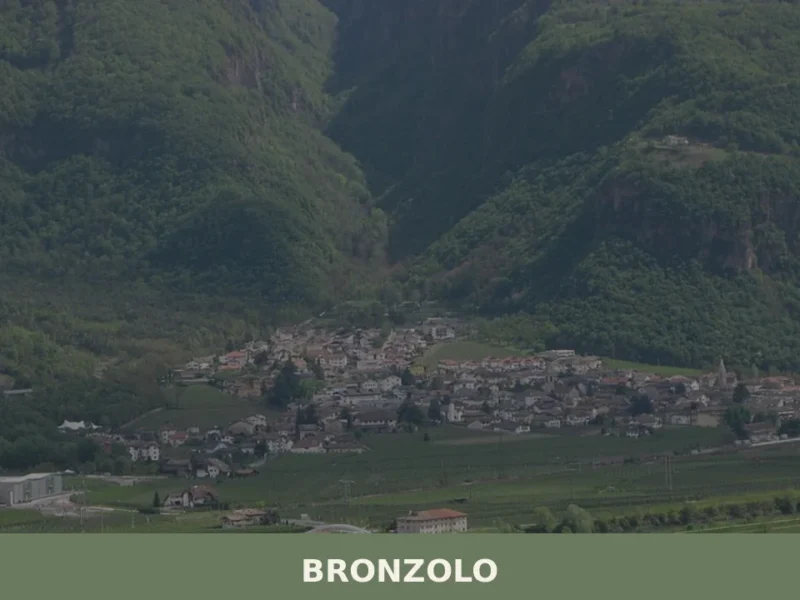
Bronzolo has 2,646 inhabitants and sits at 238 metres above sea level, on the right bank of the Adige River, at the point where the Isarco Valley meets the Adige plain. The German name for the town — Branzoll — already appears in medieval documents related to the control of trade routes between the Germanic […]
Caldaro sulla strada del vino
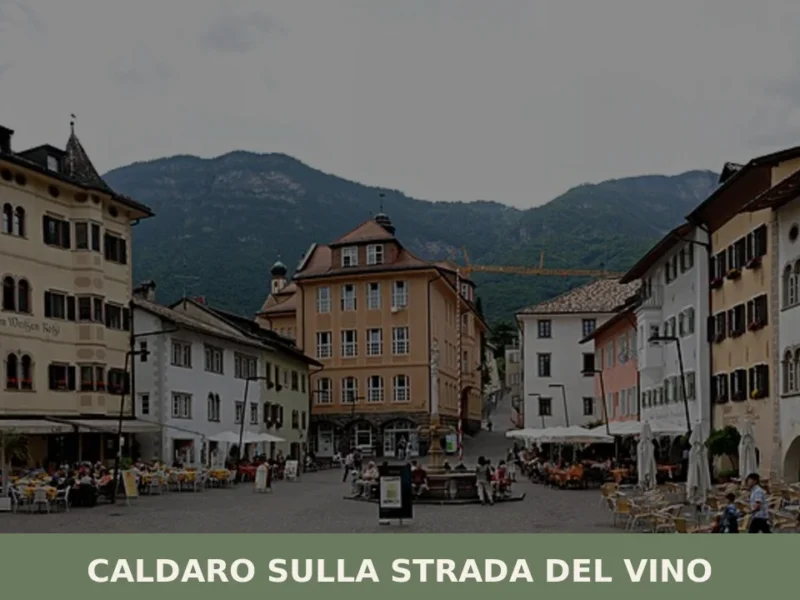
Caldaro sulla strada del vino — Kaltern an der Weinstraße in German — has 7,735 inhabitants and over 600 hectares of vineyards, the largest cultivated wine-growing area in South Tyrol. The place name itself declares the vocation of this centre in the province of Bolzano, which grew along the trade route linking the Bassa Atesina […]
Aldino
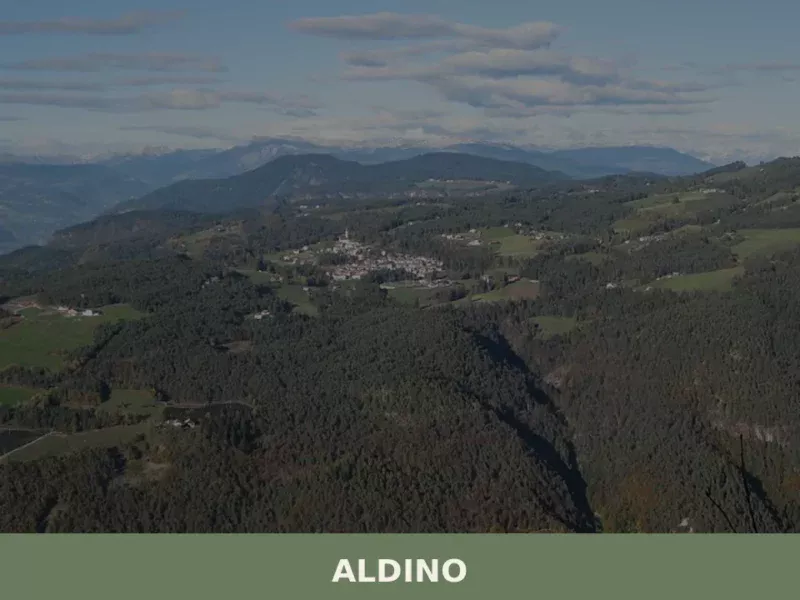
At 1,225 metres above sea level, on the western slope of the Val di Fiemme, Aldino has 1,629 inhabitants spread between the centre and the scattered hamlets along the hillsides facing the Latemar group. The municipality, bilingual as required by the South Tyrol statute, bears the German name Aldein — a term some linguists trace […]

📝 Incorrect information or updates?
Help us keep the Trento page accurate and up to date.