


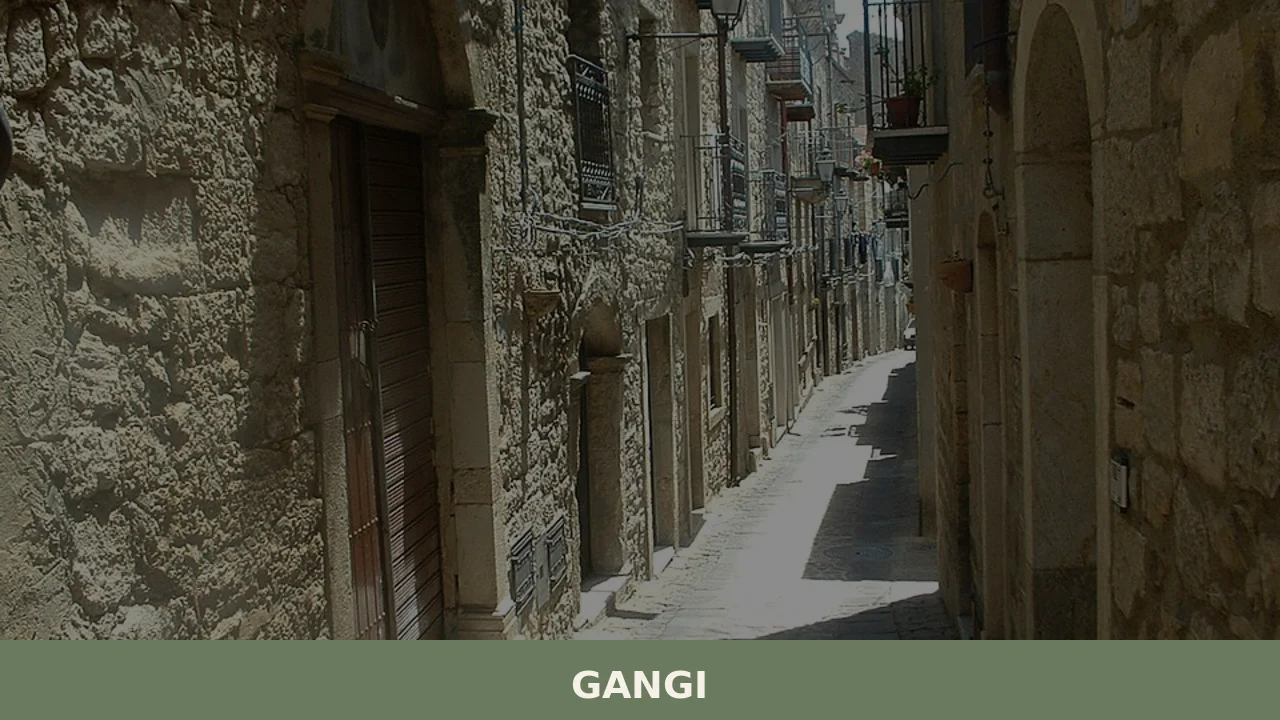
Gangi
What to see in Gangi: Explore this Sicilian village at 1011m. Discover its rich history, typical cuisine, and the vibrant Sagra della Spiga. Plan your visit today!
Discover Gangi
At 1011 m above sea level, in the heart of the Madonie mountains in the province of Palermo, stands the village of Gangi, a populated center with 6,110 inhabitants. Its elevated position offers a privileged perspective on the surrounding landscape, characterized by mountainous reliefs and deep valleys.
This geographical context has shaped the history and identity of the village, influencing its architecture, traditions, and economy.
Visitors to this area often wonder what to see in Gangi to fully appreciate its cultural and natural heritage, from ancient fortifications to Baroque churches, passing through local gastronomic specialties.
History and origins of Gangi
The origins of Gangi are rooted in remote times, with settlements dating back to the pre-Hellenic age, attributed to the Sicanians.
The very name of the village has several etymological interpretations, including one linked to the presence of water springs, from “Engyon” or “Gange”, which recall the abundance of water in the area. During the Greek period, the city was known as Engyon and boasted an important temple dedicated to the Mothers, as reported by Diodorus Siculus. Its strategic position made it a reference point in the control of the mountainous territory, maintaining a certain importance even under Roman domination, although with a more subdued role compared to coastal centers.
During the Middle Ages, Gangi passed through various dominations, which shaped its urban and social structure.
With the Norman conquest of Sicily in the 11th century, the village was fortified and became a strategically important fiefdom.
Subsequently, under the Swabians and the Aragonese, Gangi consolidated its military and administrative role. The Ventimiglia family, one of the most powerful in Sicily, took control of the fiefdom in the 14th century, leaving a lasting imprint on the history and architecture of the place, with the construction and expansion of the castle that still dominates the town today. These periods were characterized by intense building activity, which saw the rise of churches and stately palaces.
The modern and contemporary age has seen Gangi maintain its identity as an agricultural and pastoral center, while not being exempt from significant events.
In the 17th and 18th centuries, the village experienced a period of demographic and artistic expansion, with the construction of numerous churches and the enrichment of existing ones with Baroque artworks.
A tragic event in recent history is linked to the events of January 1926, when the town was the scene of an operation to suppress organized crime, known to history as the “Siege of Gangi”.
This episode, although painful, highlighted the complex social and economic reality of the Sicilian hinterland during that period. Today, Gangi is recognized for its commitment to enhancing its historical heritage and for having received important tourism awards, positioning itself among Italy’s most appreciated villages.
What to see in Gangi: Main Attractions
Gangi Castle
Gangi Castle, also known as the Castle of the Ventimiglia, stands majestically on the highest part of the village, perched on a cliff. Its origins probably date back to the Norman era, but it underwent significant modifications and expansions between the 14th and 15th centuries, at the behest of the powerful Ventimiglia family, who made it their fortified residence.
The current structure features architectural elements that bear witness to its various construction phases, with imposing walls and towers that reinforced its defensive function.
From the castle, one can enjoy a vast panorama that encompasses the Madonie mountains and, on the clearest days, even Mount Etna.
Visitors to the castle can imagine the feudal life that unfolded within its walls, once the center of political and military power in the surrounding territory.
Mother Church of San Nicolò di Bari
The Mother Church of San Nicolò di Bari is Gangi’s main place of worship and is located in Piazza del Popolo, the bustling heart of the village. Its construction dates back to the 14th century, but its current appearance is the result of numerous subsequent interventions, particularly those of the 18th century, which gave it a Baroque imprint.
The façade is imposing, with typical decorative elements of the period, while the interior, with its three naves, houses a rich artistic heritage.
Among the most significant works is the sculptural group of the “Last Judgment” by Giovanbattista Zarbà.
Beneath the church is the crypt of the priests, a place of great historical and anthropological interest, which preserves the mummified bodies of local priests, a peculiar tradition of some areas of Sicily.
Bongiorno Palace
Bongiorno Palace is a fine example of 18th-century noble architecture, located in the historic center of Gangi. It was built by the Bongiorno family, one of the most influential in the village, and stands out for its elegance and size.
The interior of the palace is enriched with frescoes of exquisite workmanship, attributed to the Roman painter Gaspare Fumagalli and the Palermitan Pietro Paderi, which adorn the main halls with mythological and allegorical scenes.
A visit to Bongiorno Palace offers the opportunity to immerse oneself in the atmosphere of Sicilian aristocratic residences of yesteryear, appreciating their art and refinement.
Currently, some of its halls are used for exhibitions and cultural events, making it a lively center for the community. Those who wish to fully understand what to see in Gangi cannot overlook this significant building.
Ventimiglia Tower
The Ventimiglia Tower is another testament to the important presence of this family in the village of Gangi. This tower, probably part of a larger defensive system or a minor noble residence, is located in a strategic position that allowed it to control a portion of the surrounding territory.
Its architecture is sober and functional, typical of medieval defensive constructions, with robust masonry and few openings.
Despite the passage of centuries, the tower has retained much of its original structure, offering an authentic glimpse into the military engineering of the era.
Today, the Ventimiglia Tower helps define Gangi’s historic skyline and recalls the power and influence of its ancient feudal lords. Its presence is a constant reminder of the rich history that has shaped the village.
Sanctuary of the Holy Spirit
The Sanctuary of the Holy Spirit is an important place of worship located just outside the inhabited center of Gangi, in a panoramic position that invites reflection. Its foundation dates back to the 15th century, but the building has undergone several modifications and expansions over the centuries, acquiring its current appearance mainly in the 18th century.
The sanctuary is a destination for pilgrimages, especially during particular religious festivities, and represents a point of reference for local devotion.
The interior houses sacred artworks and altars dedicated to various saints, in an atmosphere of contemplation.
The tranquility of the place and the view that opens onto the surrounding hills make a visit to the Sanctuary of the Holy Spirit an experience that combines the spiritual aspect with scenic beauty, completing the offer of what to see in Gangi.
Typical Cuisine and Products of Gangi
The gastronomic tradition of Gangi, like that of much of Sicily, is rooted in a complex history of dominations and cultural influences. Local cuisine is the result of a skillful balance between local produce, livestock farming, and culinary techniques developed over centuries. One finds robust flavors and simple ingredients, reflecting the peasant and pastoral life of the Madonie hinterland. The use of wild aromatic herbs, sheep and goat cheeses, pork and lamb, and cereals forms the basis of many preparations, making Gangi’s dishes an authentic expression of the territory.
This richness is perceptible in every meal, from homemade bread to traditional desserts.
Among the typical dishes of Gangi, homemade pasta holds a place of honor.
Lasagne with pork ragù are a classic festive dish, prepared with thick pasta sheets and a rich, flavorful sauce, the result of long cooking.
Another characteristic dish is falsomagro, a rolled veal roast filled with hard-boiled eggs, cheese, cured meats, and sometimes vegetables, which is slow-cooked in sauce. There are also legume soups, such as dried fava bean soup, often enriched with wild fennel and cooked in broth. These dishes represent the expression of a cuisine that values every ingredient, transforming it into unforgettable flavors.
Gangi also boasts some certified products that attest to its agricultural richness and artisanal tradition. Cotognata (PAT) is a sweet made from quince, sugar, and lemon, with a gelatinous consistency and a bittersweet taste, typical of autumn.
This product is traditionally prepared in Gangi, Catania, and Messina.
Natural Sea Salt (PAT) is another important product; although Gangi is inland, its territory falls within the production and processing area of this salt, which originates from the coastal salt pans of western Sicily.
Natural sea salt is a fundamental ingredient in local cuisine and is also used for food preservation. This product is linked to municipalities such as Gangi, Trapani, and Marsala.
For those wishing to purchase these products or taste local specialties, Gangi offers shops and stores that sell typical cheeses, cured meats, and sweets. Throughout the year, the village hosts farmers’ markets and fairs where local producers showcase their excellent products.
An important event is the “Sagra della Spiga” (Festival of the Wheat Ear), which, while not exclusively gastronomic, celebrates the farming tradition and offers opportunities to taste the fruits of the land.
There are no specific indications for the dates of purely gastronomic festivals, but it is advisable to consult the official municipal website for the calendar of events and opportunities for direct purchase from producers.
Festivals, Events, and Traditions of Gangi
The traditions and festivities in Gangi are deeply rooted in the faith and history of the village, reflecting the community’s connection to its past.
The patron saint’s feast is dedicated to Saint Cataldo and is celebrated on Pentecost Monday. This event sees the village come alive with a solemn procession carrying the statue of the saint through the streets of the historic center, accompanied by the musical band and the participation of numerous devotees.
The feast is a moment of strong community gathering, where popular devotion is manifested through ancient rites and moments of sharing.
The streets are decorated festively, and the atmosphere is characterized by a mix of spirituality and joy.
In addition to the patron saint’s feast, Gangi is known for the “Sagra della Spiga” (Festival of the Wheat Ear), an event that takes place in August and celebrates the agricultural and farming tradition of the area. This festival is not just a historical re-enactment, but a true harvest festival, with costume parades, allegorical floats, and representations of rural life from times past. During the Sagra della Spiga, visitors can witness the re-enactment of wheat harvesting and threshing, discovering ancient agricultural techniques.
The event also includes tastings of typical products related to the farming world, folk shows, and traditional music, attracting visitors from all over Sicily and beyond. For precise dates and a detailed program, it is advisable to consult the official website of the Municipality of Gangi.
When to visit Gangi and how to get there
The best time to visit Gangi is from late spring to early autumn, particularly from May to September.
During these months, the weather is mild and pleasant, ideal for exploring the historic center and the surrounding natural attractions.
Late spring and summer offer agreeable temperatures for walks and excursions, while autumn paints the landscape with evocative colors and coincides with the harvesting period for many local agricultural products.
Those seeking a quieter and more authentic experience can opt for May or September, avoiding the peak tourist influx of July and August, which are nonetheless bustling with festivals and events. Winter, given its altitude of 1011 meters above sea level, can be harsh, with the possibility of snow, offering a different but charming atmosphere for those who love cold weather and mountain landscapes.
To reach Gangi, the most convenient means is by car.
The village is connected to the Sicilian road network via the SS 120 and other provincial roads that branch off from the A19 Palermo-Catania motorway. For those coming from Palermo, it is advisable to take the A19 motorway towards Catania and exit at Irosa, then continuing along the provincial roads that lead to Gangi.
From Catania, you can take the A19 towards Palermo, exiting at Resuttano or Caltavuturo and following the signs.
The nearest airport is Palermo Falcone Borsellino Airport (PMO), approximately 120 km away, or Catania-Fontanarossa Airport (CTA), approximately 130 km away. Both offer car rental services to reach the village.
The nearest train station is Gangi-Bompietro, but train connections are less frequent and direct compared to road transport, so it is advisable to check timetables on the Trenitalia website or regional portals.
| Starting point | Distance | Estimated time |
|---|---|---|
| Palermo | 120 km | 1 hour and 45 minutes |
| Catania | 130 km | 2 hours |
| Enna | 60 km | 1 hour and 15 minutes |
Where to stay in Gangi
Gangi, while maintaining its authenticity as a mountain village, offers various accommodation options, suitable for those seeking an immersive experience in the area. Options primarily include bed & breakfasts, farm stays in the surrounding countryside, and renovated holiday homes in the historic center. These establishments often highlight local architecture, offering welcoming environments and services that reflect Sicilian hospitality.
Many farm stays also offer the opportunity to taste zero-kilometer products, including local cheeses and vegetables, thus integrating the stay experience with a gastronomic one.
For a wider choice, it is advisable to consult official tourism portals or the municipal website, which often list available accommodation facilities.
Staying in the heart of Gangi allows visitors to fully experience the village’s atmosphere, with the convenience of reaching the main attractions on foot and immersing themselves in the daily life of the community.
Farm stays, on the other hand, are ideal for those who desire a more direct contact with nature and the tranquility of the Madonie countryside, while remaining a short distance from the center. The variety of offerings allows visitors to choose the type of accommodation that best suits their needs, both for short stays and longer periods, exploring the Sicilian hinterland and its hidden treasures.
Photo Gallery of Gangi
Do you have photos of Gangi?
Share your photos of the village: the best ones will be added to the official gallery, with your credit.
Send your photosIn Sicily More villages to discover
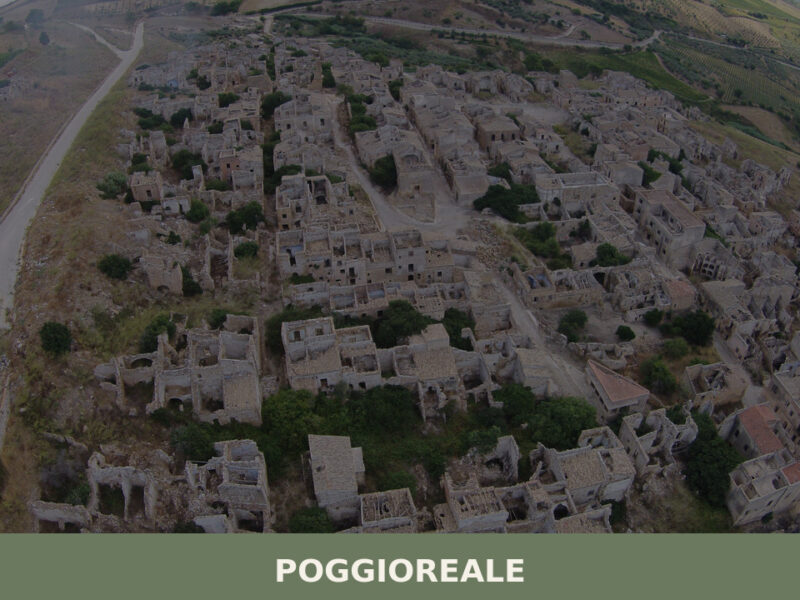
Poggioreale
Morning light falls across cracked stone walls and doorways that open onto nothing but sky. In Poggioreale, silence is the dominant sound — the kind that presses against your ears and demands attention. This small community of roughly 1,505 inhabitants sits in the western interior of Sicily, within the province of Trapani, where the Belìce […]
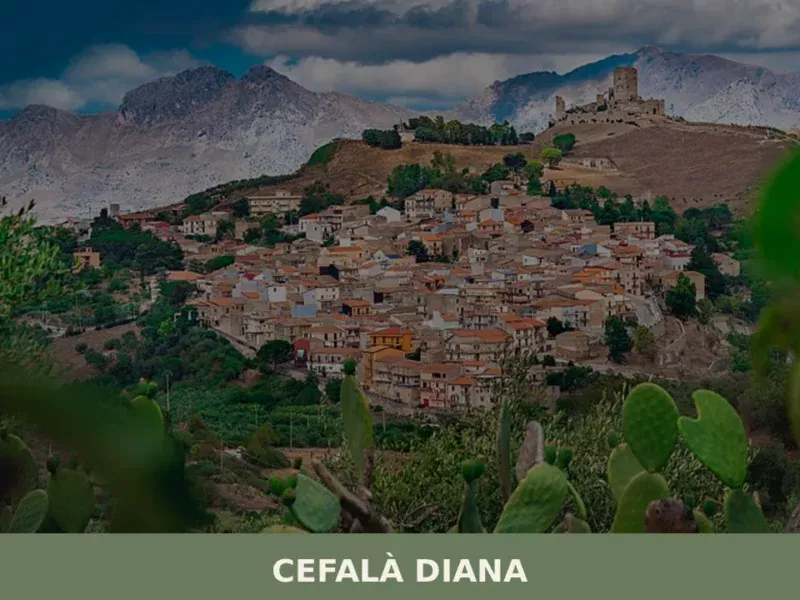
Cefalà Diana
Discover what to see in Cefalà Diana, Sicily: Arab-Norman baths, castle ruins, local food, best season to visit, and how to get there from Palermo.
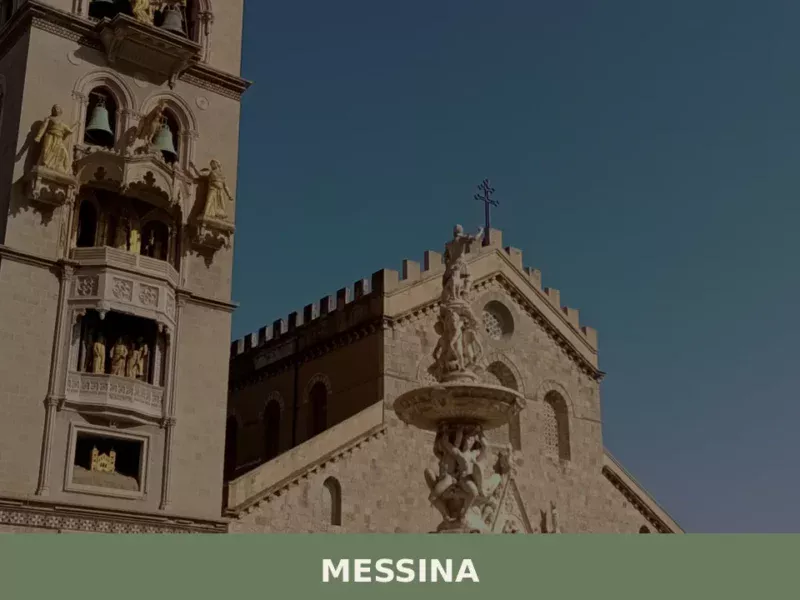
Messina
What to see in Messina: 242,267 inhabitants, the astronomical clock tower, two Caravaggios and the Norman Cathedral. Plan your visit and discover how to get there.


📝 Incorrect information or updates?
Help us keep the Gangi page accurate and up to date.