


Poggioreale
 Hills
Hills
Morning light falls across cracked stone walls and doorways that open onto nothing but sky. In Poggioreale, silence is the dominant sound — the kind that presses against your ears and demands attention. This small community of roughly 1,505 inhabitants sits in the western interior of Sicily, within the province of Trapani, where the Belìce […]
Discover Poggioreale
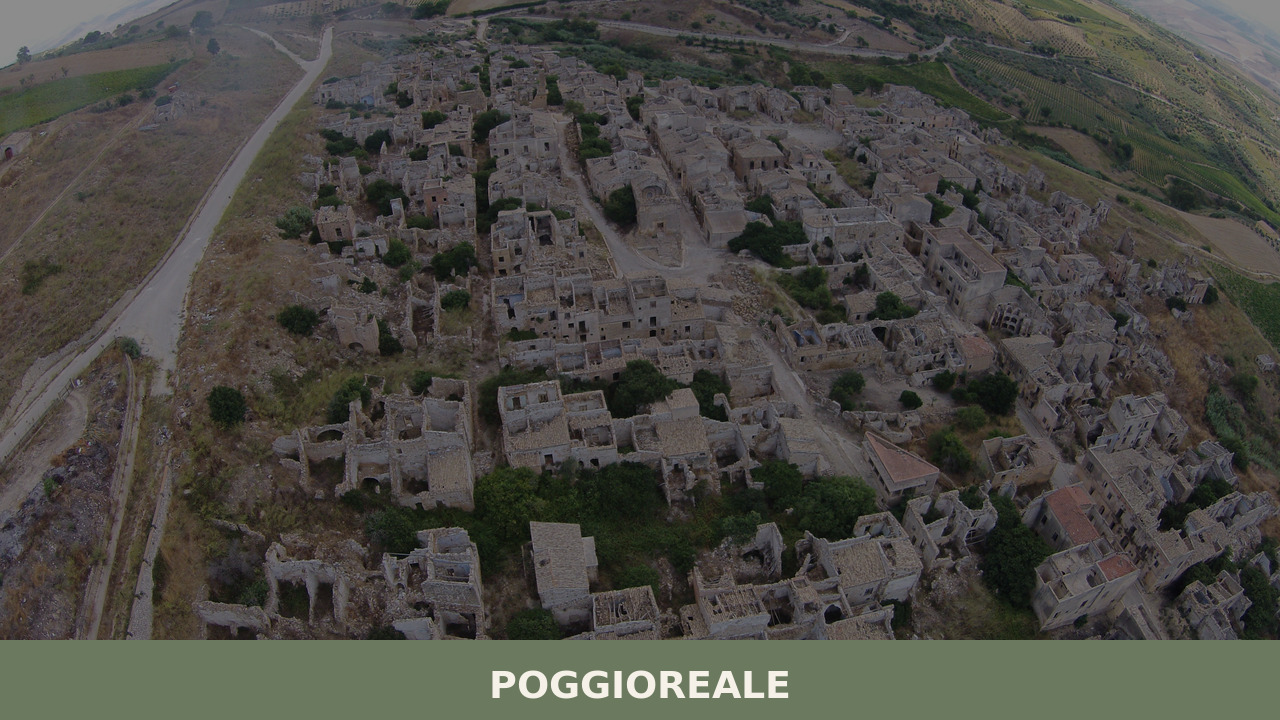
Morning light falls across cracked stone walls and doorways that open onto nothing but sky. In Poggioreale, silence is the dominant sound — the kind that presses against your ears and demands attention. This small community of roughly 1,505 inhabitants sits in the western interior of Sicily, within the province of Trapani, where the Belìce Valley stretches between low hills planted with vines and wheat. Understanding what to see in Poggioreale means confronting two villages at once: the modern settlement built after catastrophe, and the original town frozen in 1968, its ruins still standing as one of Sicily’s most haunting open-air testimonies to seismic destruction.
History of Poggioreale
Poggioreale was founded in 1642 by the Ferreri family, feudal lords who established the settlement during a period of agricultural colonisation across Sicily’s interior. The name derives from the Latin podium regale — “royal hill” — a reference to the elevated site chosen for the original town. Like many Sicilian communities born in the seventeenth century, Poggioreale grew around a central church and piazza, its economy rooted in grain cultivation, olive oil production, and pastoral farming on the surrounding hillsides.
The defining event in Poggioreale’s history arrived on the night of 14 January 1968, when the Belìce earthquake — a sequence of tremors reaching magnitude 6.1 — devastated the western Sicilian interior. Poggioreale was among the hardest hit. Buildings collapsed into streets, the church caved inward, and the population was forced to evacuate entirely. The old town was declared uninhabitable. Unlike some neighbouring communities that rebuilt on the same foundations, Poggioreale was relocated several kilometres away to a new site, where a planned modern settlement was constructed through the 1970s and 1980s.
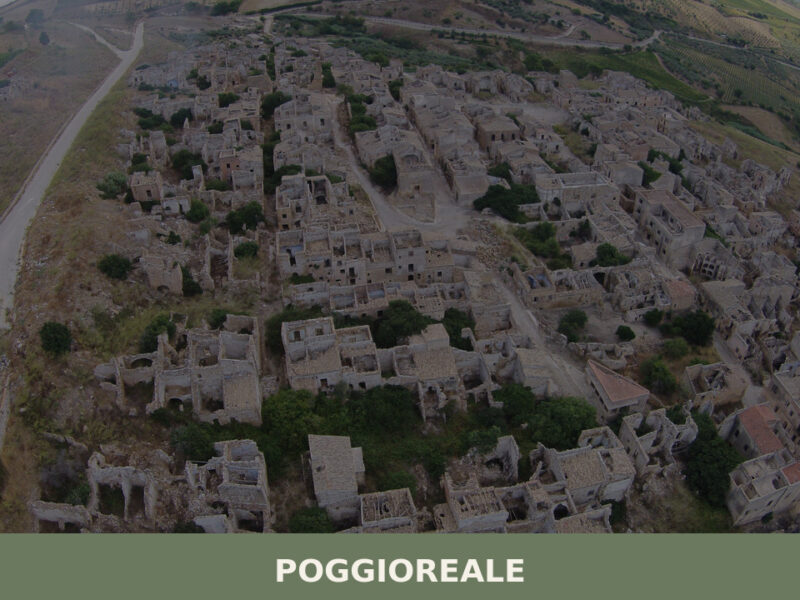
The ruins of old Poggioreale were never demolished. For decades they remained largely untouched — walls standing at half height, roofs caved in, vegetation pushing through tiled floors. This decision, whether by neglect or intent, preserved one of the most complete earthquake ghost towns in Europe. In recent years, the ruins have attracted growing attention from architects, historians, and filmmakers, transforming what was once a site of loss into an unlikely cultural landmark.
What to see in Poggioreale: 5 must-visit attractions
1. The ruins of old Poggioreale (Poggioreale Antica)
The ghost town remains the primary reason visitors come here. Walking its streets, you pass through roofless houses where interior plaster still shows traces of painted decoration. The main corso is legible, doorways frame empty rooms, and the scale of the destruction is visible in every fractured wall. Access has been partially restored, though structural instability means certain areas remain closed. It is a place where architecture becomes archaeology within a single human lifetime.
2. Chiesa Madre (ruins)
The mother church of old Poggioreale stands at the heart of the abandoned settlement. Its façade, though damaged, retains enough form to suggest the proportions of the original Baroque structure. The nave is open to the sky. Stone arches that once supported the ceiling now frame clouds and passing birds. It serves as the emotional centre of the ruined town, a marker of communal life before the earthquake erased it.
3. Belìce Valley landscape
The territory surrounding Poggioreale belongs to the Belìce River basin, a broad valley of rolling agricultural land. Vineyards producing grapes for western Sicilian wines alternate with olive groves, almond orchards, and fields of durum wheat. The landscape is best observed from the roads connecting old and new Poggioreale, where the valley opens wide and the silence of the interior becomes palpable.
4. New Poggioreale civic centre
The modern town, built on a rational grid plan, reflects the post-earthquake reconstruction ethos of 1970s Italy. Its central piazza and municipal buildings carry none of the ornament of the old settlement, but they document a different kind of history — the attempt to rebuild community from scratch. The contrast between old and new Poggioreale offers a compelling study in how disaster reshapes the built environment.
5. Memorial and cultural installations
In recent years, art installations and cultural projects have been placed within and around the ruins of old Poggioreale, part of broader efforts to preserve the site’s memory and attract responsible cultural tourism to the Belìce Valley. These interventions vary in form and permanence, but they signal a community actively negotiating between remembrance and renewal. Check with the Municipality of Poggioreale for current access information and scheduled events.
Local food and typical products
Poggioreale’s culinary identity belongs to the broader tradition of western Sicily’s agricultural interior. Olive oil is central — the groves surrounding the Belìce Valley produce oil from Nocellara del Belìce olives, a variety recognised with DOP status and prized for its firm flesh and balanced flavour. Bread, baked from locally milled durum wheat, appears at every meal, often seasoned with olive oil and oregano or used as the base for pane cunzato, dressed with tomatoes, anchovies, and caciocavallo cheese. Pasta dishes lean toward simple preparations: busiate with a pesto of almonds and tomatoes, or pasta con le sarde in its western Sicilian variation.
Local sweets follow the island-wide tradition of almond-based pastries, including paste di mandorla and seasonal specialities tied to religious festivals. Wine from the surrounding Belìce area — both the structured reds and the lighter whites — accompanies meals without ceremony. Restaurants and agriturismi in the area are few but tend to serve what the land produces in direct, unfussy preparations. Visitors should expect modest establishments where the cooking is rooted in domestic tradition rather than restaurant performance.
Best time to visit Poggioreale
Spring — from late March through May — offers the most comfortable conditions for visiting Poggioreale and exploring the ruins on foot. Temperatures are mild, wildflowers cover the surrounding hillsides, and the light in the Belìce Valley is clear without the harsh glare of midsummer. Autumn, particularly October and early November, brings a second favourable window, coinciding with the olive harvest and a return of temperate weather after the heat of August.
Summer in Sicily’s interior can push well above 35°C, and the exposed ruins of old Poggioreale offer no shade. Winter is cool and occasionally wet, though rarely severe. Those interested in local cultural events should enquire about commemorations held around 14 January, the anniversary of the 1968 earthquake, when the community marks the date that divided its history in two. The Sicily tourism board provides updated regional event listings.
How to get to Poggioreale
Poggioreale lies in the interior of Trapani province, connected to the main Sicilian road network via the SS624 (Palermo–Sciacca road), which passes through the Belìce Valley. From Palermo, the drive is approximately 90 kilometres and takes around one hour and fifteen minutes. From Trapani, the distance is roughly 70 kilometres via the A29 motorway followed by provincial roads heading inland.
The nearest railway station with regular service is Alcamo, about 40 kilometres to the north, on the Palermo–Trapani line. From Alcamo, onward travel to Poggioreale requires a car or local bus service, which runs infrequently. The nearest airports are Falcone-Borsellino Airport in Palermo (approximately 100 kilometres) and Vincenzo Florio Airport in Trapani-Birgi (approximately 80 kilometres). A rental car is effectively essential for reaching Poggioreale and for moving between the new town, the old ruins, and the surrounding valley.
More villages to discover in Sicilia
Poggioreale belongs to a network of small Sicilian communities where population decline and geographic isolation have preserved a way of life that larger towns have largely shed. Visitors drawn to the quiet intensity of the Belìce Valley will find similar character in Bompietro, a small settlement in the Madonie mountains of Palermo province. Like Poggioreale, Bompietro sits at the intersection of agricultural tradition and demographic change, its stone-built centre offering a window into the rhythms of rural Sicilian life.
Further east in Palermo’s hinterland, the village of Aliminusa presents another variation on the theme — a compact hillside community surrounded by farmland, where the pace of daily life is dictated more by season than by clock. Together, these villages sketch a map of interior Sicily that most visitors never encounter: a landscape defined not by coastline but by wheat fields, olive groves, and the enduring structures of communities built to last, even when the earth beneath them did not.
Frequently asked questions about Poggioreale
What is the best time to visit Poggioreale?
Spring (late March to May) is ideal: mild temperatures, wildflowers across the Belìce Valley hillsides, and clear light perfect for exploring the ruins on foot. Early autumn (October–November) is equally pleasant, coinciding with the olive harvest season. Avoid July and August when interior Sicily can exceed 35°C and the exposed ruins of old Poggioreale offer no shade. Mark 13 June for the feast of Sant'Antonio da Padova, the town's patron saint, and 14 January for commemorations of the 1968 earthquake — a date of deep significance for the local community.
What are the historical origins of Poggioreale?
Poggioreale was founded in 1642 by the Ferreri feudal family as part of the agricultural colonisation of Sicily's interior. Its name derives from the Latin podium regale, meaning 'royal hill', reflecting the elevated site chosen for the settlement. The town grew around a central church and piazza, with an economy based on grain, olive oil, and pastoral farming. Its history was irrevocably split in two on 14 January 1968, when the Belìce earthquake forced total evacuation and led to the construction of an entirely new settlement several kilometres from the original site.
What to see in Poggioreale? Main monuments and landmarks
The abandoned old town — Poggioreale Antica — is the essential visit: roofless houses with traces of painted plaster, legible street layout, and fractured walls frozen since 1968. At its heart stands the ruins of the Chiesa Madre, a damaged Baroque façade whose open nave now frames sky instead of ceiling. The modern town's civic centre documents post-earthquake reconstruction history. Art installations and cultural projects have been placed within the ruins in recent years. Check with the Municipality of Poggioreale for current access conditions, as some areas remain closed due to structural instability.
What are the main natural or scenic attractions of Poggioreale?
The Belìce Valley landscape surrounding Poggioreale is a defining attraction in itself. Broad agricultural land alternates vineyards, olive groves, almond orchards, and durum wheat fields across gently rolling hills. The valley is best appreciated from the roads connecting old and new Poggioreale, where panoramic views open across the full width of the basin. The area belongs to the broader Belìce River basin in western Sicily's interior, a quiet, largely undiscovered landscape far removed from the coastal tourist circuit.
Where to take the best photos in Poggioreale?
The ruins of old Poggioreale offer exceptional photographic subjects at any hour, but morning light is particularly striking as it rakes across cracked stone walls and empty doorways. The damaged façade of the Chiesa Madre, with its Baroque proportions intact against an open sky, is among the most photographically compelling single images in the Belìce Valley. The roads between the old and new town offer wide-angle valley views. Early spring adds wildflowers in the foreground; late afternoon brings warm golden light across the abandoned corso.
Are there museums, churches or historic buildings to visit in Poggioreale?
The ruins of the Chiesa Madre in old Poggioreale are the principal historic religious structure, its Baroque façade partially intact while the nave stands open to the sky following the 1968 earthquake. The abandoned town itself functions as an open-air architectural document, preserving domestic interiors, street furniture, and communal spaces within a single human lifetime. Cultural installations have been introduced within the ruins as part of ongoing memory and tourism initiatives. For current access information and any temporary exhibitions, contact the Municipality of Poggioreale directly.
What can you do in Poggioreale? Activities and experiences
Visiting the earthquake ghost town on foot is the primary experience Poggioreale offers — a slow, reflective walk through roofless streets that rewards careful attention. The surrounding Belìce Valley is suited to scenic drives through agricultural landscape. October and November offer the chance to observe the olive harvest across local groves producing Nocellara del Belìce olives. Cultural events tied to earthquake commemorations on 14 January and the feast of Sant'Antonio da Padova on 13 June provide insight into community life. Check with the municipality for scheduled guided visits to the ruins.
Who is Poggioreale suitable for? Families, couples, hikers, solo travelers?
Poggioreale is best suited to culturally curious travellers — those drawn to history, architecture, and landscapes marked by human experience rather than conventional tourist amenities. Solo travellers and couples who appreciate silence, reflection, and off-the-beaten-path Sicily will find it deeply rewarding. Photography enthusiasts and those interested in post-disaster urbanism, Italian 20th-century history, or Baroque architecture will find specific reasons to visit. It is less suited to families seeking entertainment infrastructure or visitors wanting coastal activity. A rental car is essential, and expectations should be set for a quiet, unhurried experience.
What to eat in Poggioreale? Local products and specialties
Poggioreale sits within the production zone of Nocellara del Belìce olives, a DOP-recognised variety known for firm flesh and balanced flavour — the resulting oil is central to local cooking. Durum wheat bread, often dressed with olive oil, oregano, tomatoes, anchovies, and caciocavallo cheese as pane cunzato, is a staple. Pasta dishes include busiate with almond-tomato pesto and pasta con le sarde in its western Sicilian form. Almond-based sweets such as paste di mandorla appear at festivals. Local restaurants and agriturismi are few but serve direct, seasonal, domestically rooted cooking.
Nearby Villages near Poggioreale
In Sicily More villages to discover
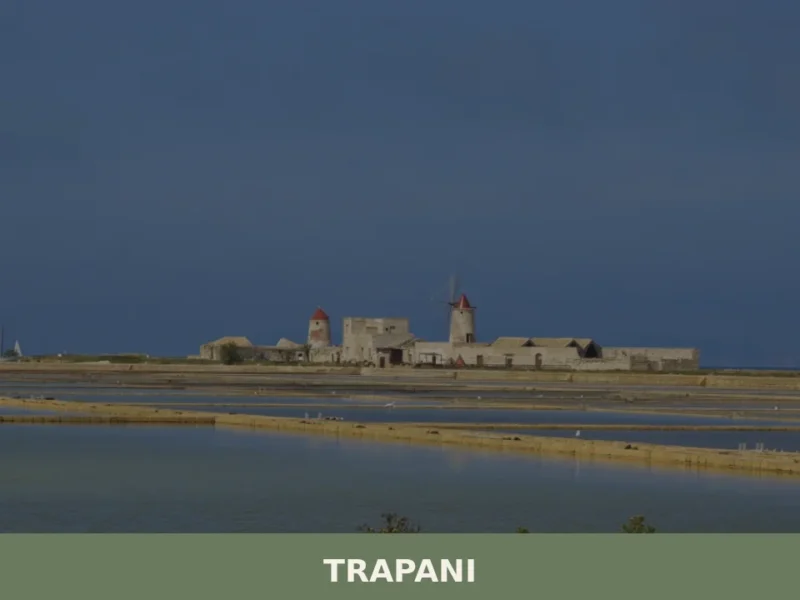
Trapani
 Sea
Sea
What to see in Trapani: salt pans, Pepoli Museum, Procession of the Misteri and Trapanese pesto. City of 68,967 inhabitants. Plan your visit now.
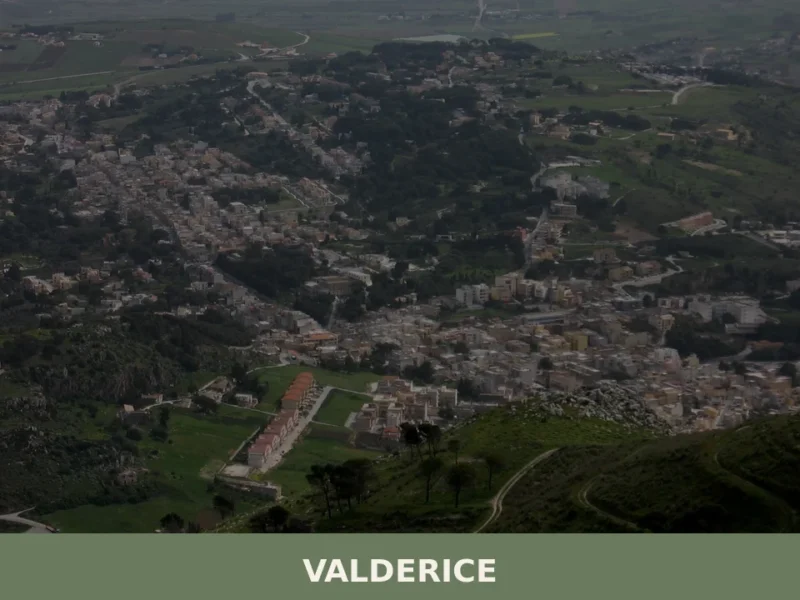
Valderice
Sea
What to see in Valderice, Italy: Explore this Sicilian comune, located 240 m above sea level, known for its historic settlements and scenic beaches. Discover its unique history.
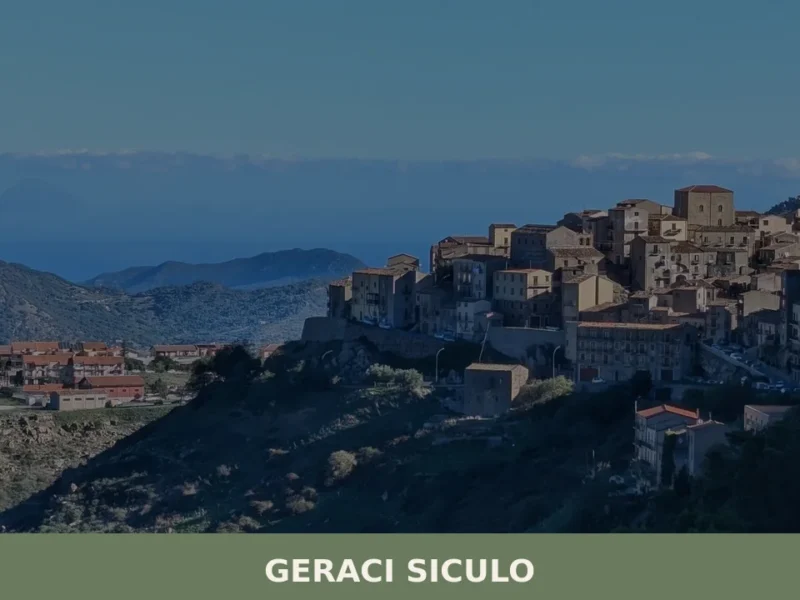
Geraci Siculo
 Mountain
What to see in Geraci Siculo, Italy? Discover this mountain village at 1077 m, an I Borghi più belli d'Italia member, and its San Bartolomeo feast. Explore its historic core and Madonie views.
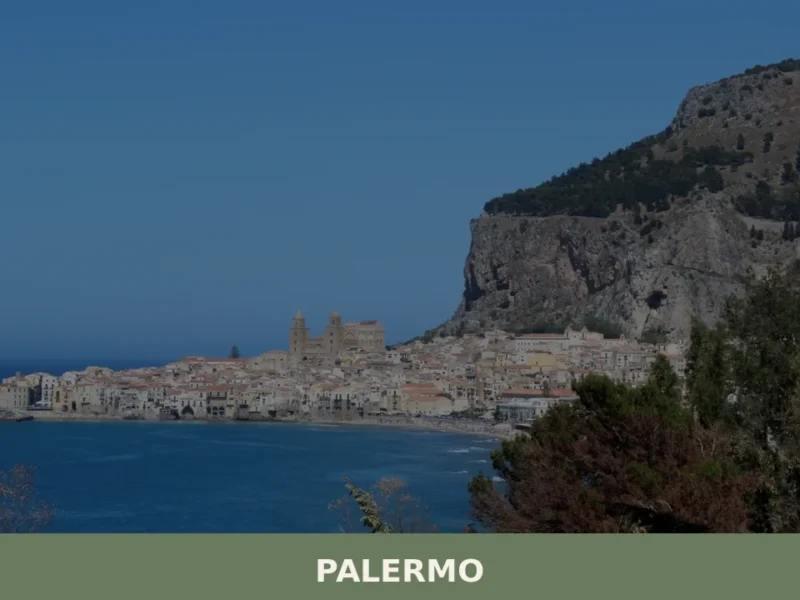
Palermo
Sea
What to see in Palermo: from the Palatine Chapel mosaics to Ballaru00f2 Market. Home to 654,987 people and 2 PAT-certified products. Plan your visit with this complete guide.
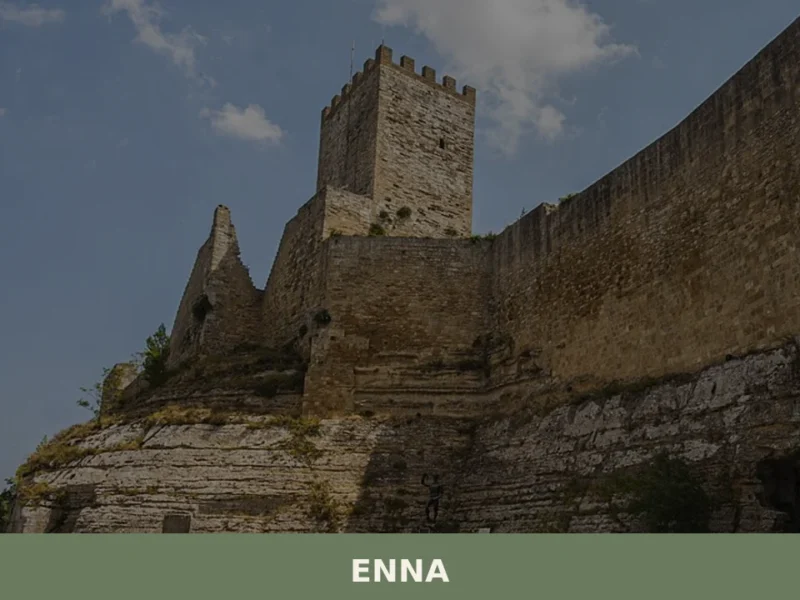
Enna
Mountain
Discover Enna, a breathtaking village perched in the heart of Sicily, Italy. Explore its rich history, stunning landscapes, and timeless charm.
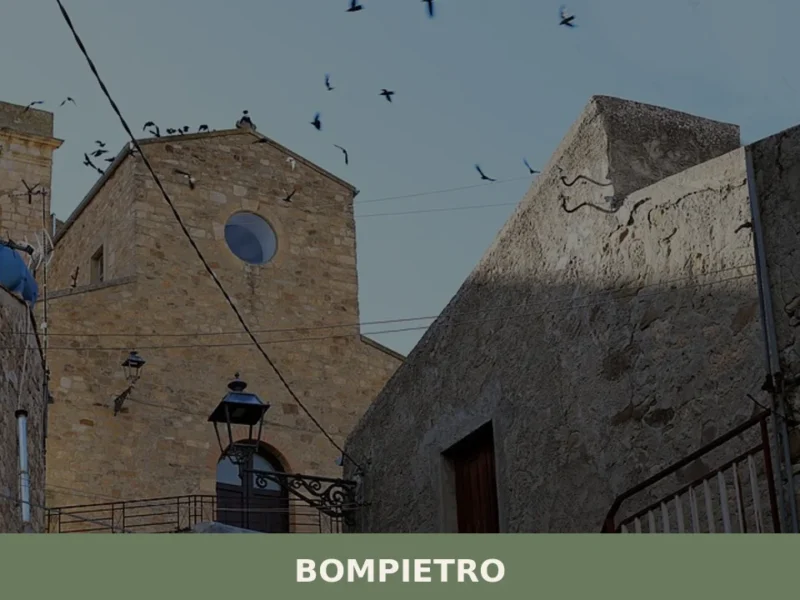
Bompietro
Mountain
Morning light reaches Bompietro slowly, climbing over the Madonie range before it pours across the rooftops and into the narrow streets where older residents already occupy doorstep chairs. At 685 metres above sea level, the air carries a sharpness absent from the coast — part wild oregano, part cold stone. Fewer than 1,200 people live […]

Belpasso
Hills
A town rebuilt three times from volcanic catastrophe. Belpasso village in Sicily embodies resilience through its geometric urban grid and living festival traditions.
Gangi
Mountain
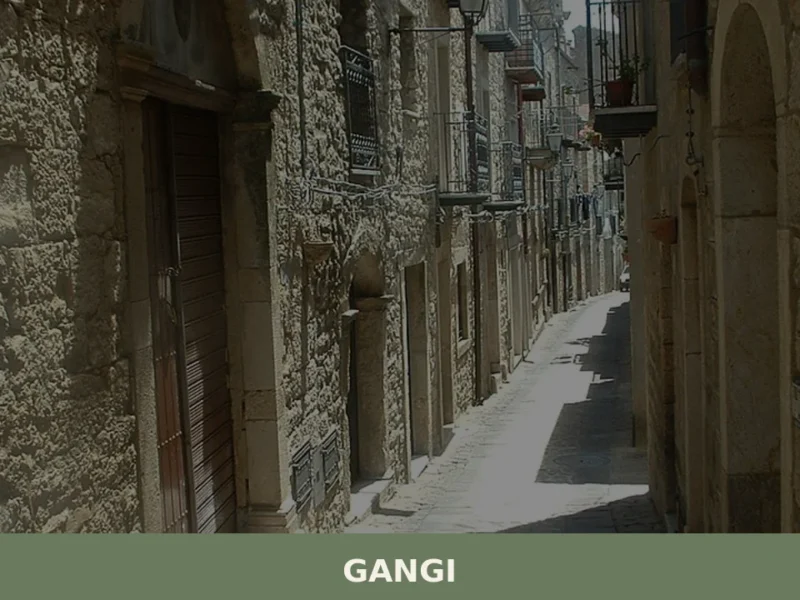
What to see in Gangi: Explore this Sicilian village at 1011m. Discover its rich history, typical cuisine, and the vibrant Sagra della Spiga. Plan your visit today!

Licata
Mountain
34,000 residents, Greek foundations and a coastline of alternating cliffs and sandy coves make Licata one of the most layered towns on Sicily's southern shore.
Agrigento
Sea
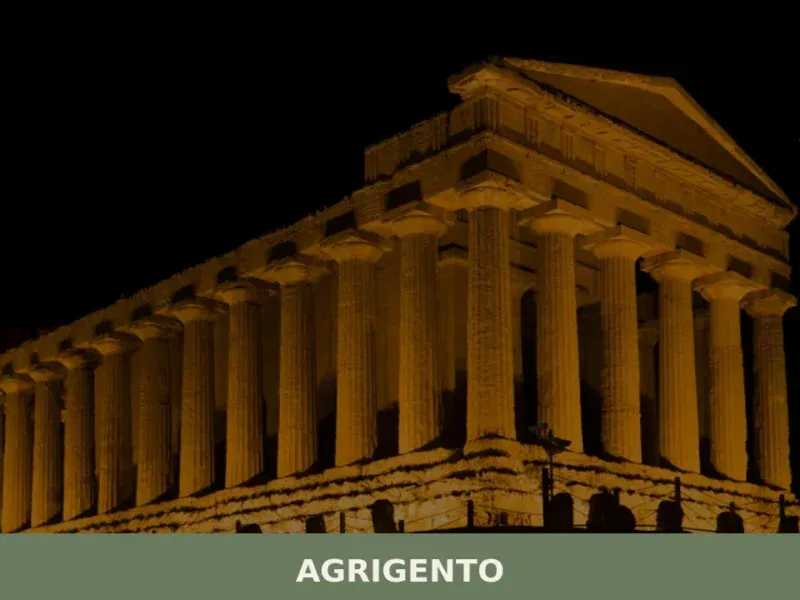
What to see in Agrigento, a city of 58,063 at 230m: UNESCO Valley of the Temples, Norman Cathedral, certified Cotognata. Plan your visit with our complete guide.



🏡 Know Poggioreale better than we do?
If you’re a local or have been there, your knowledge matters: add what’s missing or fix a detail on this page.