


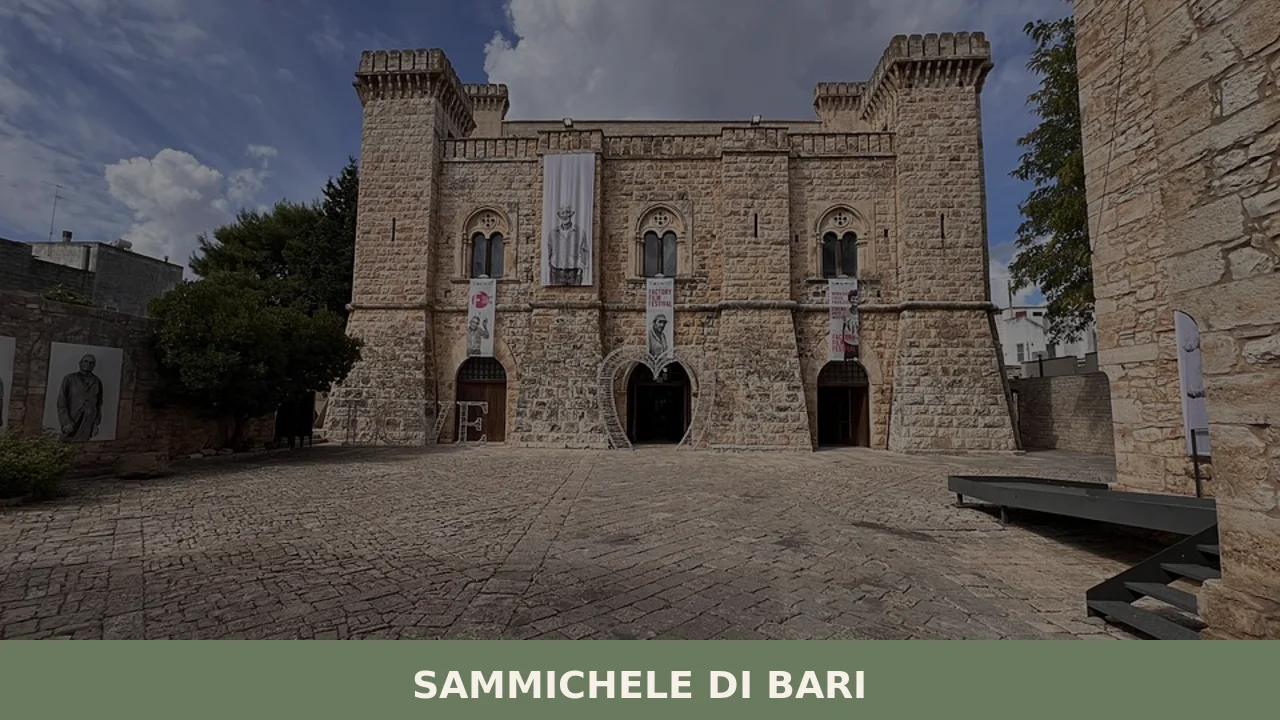
Sammichele di Bari
 Hills
Hills
Sammichele di Bari, a settlement of 6,656 inhabitants, is located 280 meters above sea level, in the heart of the Murgia dei Trulli and the Canale di Pirro. Its geographical position, on a rise overlooking the surrounding plain, has defined its role throughout the centuries. Officially founded in the 17th century by the will of […]
Discover Sammichele di Bari
Sammichele di Bari, a settlement of 6,656 inhabitants, is located 280 meters above sea level, in the heart of the Murgia dei Trulli and the Canale di Pirro. Its geographical position, on a rise overlooking the surrounding plain, has defined its role throughout the centuries. Officially founded in the 17th century by the will of Prince Muti, the village developed around a central core that still shapes its structure today. For those wondering what to see in sammichele di bari, the town offers a path among historical architecture and deep-rooted traditions, testifying to a distinct historical evolution within the Apulian context.
History and Origins of Sammichele di Bari
The origins of Sammichele di Bari are documented from 1609, when Prince Muti, feudal lord of Turi, obtained permission from the Spanish Viceroy of Naples to found a new settlement in the area. This decision addressed the need to develop agricultural lands and populate a vast area, which was then sparsely inhabited. The name “Sammichele” itself derives from the devotion to Saint Michael the Archangel, the patron saint of the village, and reflects a common practice in Southern Italy of naming new settlements after protective religious figures.
The 17th-century urban plan envisioned a checkerboard structure, with orthogonal streets intersecting, a rational model that differed from many Apulian villages of medieval origin. At the center
Frequently asked questions about Sammichele di Bari
What is the best time to visit Sammichele di Bari?
Spring and early autumn offer the most pleasant conditions for visiting Sammichele di Bari. May is particularly lively: the feast of patron saints San Michele Arcangelo and San Vito is celebrated on the second Saturday and Sunday of the month (8–9 May area), with religious processions and local festivities. The first Saturday and Sunday of September bring another round of patronal celebrations. Summer is warm at 280 metres above sea level but less intense than the coast, making it manageable for sightseeing. Avoid August if you prefer smaller crowds.
What are the historical origins of Sammichele di Bari?
Sammichele di Bari was officially founded in 1609, when Prince Muti, feudal lord of Turi, received authorisation from the Spanish Viceroy of Naples to establish a new settlement in the area. The aim was to develop agricultural lands and populate a largely uninhabited territory. The village takes its name from the devotion to Saint Michael the Archangel, following a widespread Southern Italian tradition of naming new communities after patron saints. Its 17th-century checkerboard street plan, with orthogonal intersections, distinguishes it from most medieval Apulian villages.
What to see in Sammichele di Bari? Main monuments and landmarks
Sammichele di Bari's historic centre preserves its original 17th-century grid layout, which is itself a point of interest given how unusual it is among Apulian villages. The Church of San Michele Arcangelo, dedicated to the village's patron saint, stands as the principal religious landmark and focal point of the community. The compact historic core, with its stone streets and traditional Apulian architecture, is best explored on foot. The village sits within the Murgia dei Trulli landscape, and the surrounding Canale di Pirro valley adds scenic depth to any visit.
What are the main natural or scenic attractions of Sammichele di Bari?
Sammichele di Bari sits at 280 metres above sea level within the Murgia dei Trulli and overlooks the Canale di Pirro, a dry karst valley characteristic of the Alta Murgia plateau. This landscape of rocky outcrops, dry-stone walls, olive groves and open countryside offers genuine scenic interest. The broader Alta Murgia National Park is accessible from the area, providing opportunities for nature walks through one of Puglia's most distinctive inland environments, far from the coastal tourist circuit.
Who is Sammichele di Bari suitable for? Families, couples, hikers, solo travelers?
Sammichele di Bari suits travellers seeking authentic, unhurried Apulian village life away from mass tourism. Couples and cultural travellers will appreciate the well-preserved historic centre and the intimate atmosphere of a small community of around 6,000 people. Hikers and nature enthusiasts benefit from the Murgia dei Trulli setting and proximity to the Alta Murgia National Park. Families visiting during the patronal feasts in May or September will find a warm, community-centred experience. It is not a destination for beach holidays or nightlife seekers.
What to eat in Sammichele di Bari? Local products and specialties
As part of the Bari province and the broader Murgia territory, Sammichele di Bari shares the food culture of inland Puglia. Expect dishes based on local durum wheat pasta such as orecchiette, accompanied by turnip tops (cime di rapa) or local ragù. The area produces extra virgin olive oil from native cultivars. Pecorino cheese, fave e cicorie (broad bean purée with wild chicory), and grilled lamb are staples of the local table. Local bakeries often produce taralli and traditional Apulian breads baked in wood-fired ovens.
Nearby Villages near Sammichele di Bari
In Apulia More villages to discover
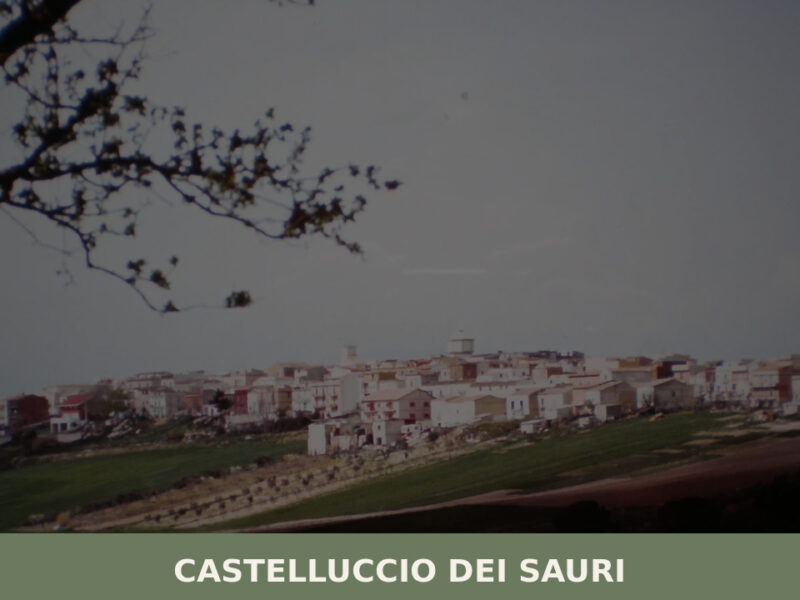
Castelluccio dei Sauri
Hills
A hilltop village of 2,024 inhabitants overlooking Puglia's Tavoliere plain. Castelluccio dei Sauri offers ancient tratturi routes, quiet stone lanes, and the deep agricultural traditions of the Capitanata.
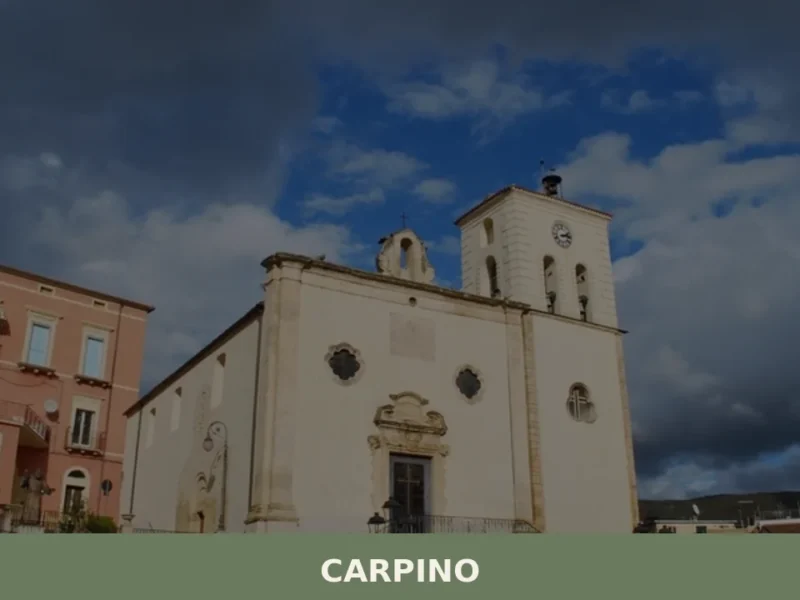
Carpino
 Lake
Lake
 Plains
What to see in Carpino, Puglia, Italy: folk festival, olive oil culture, 3 historic churches and caves at 147 m altitude. Discover the full travel guide.
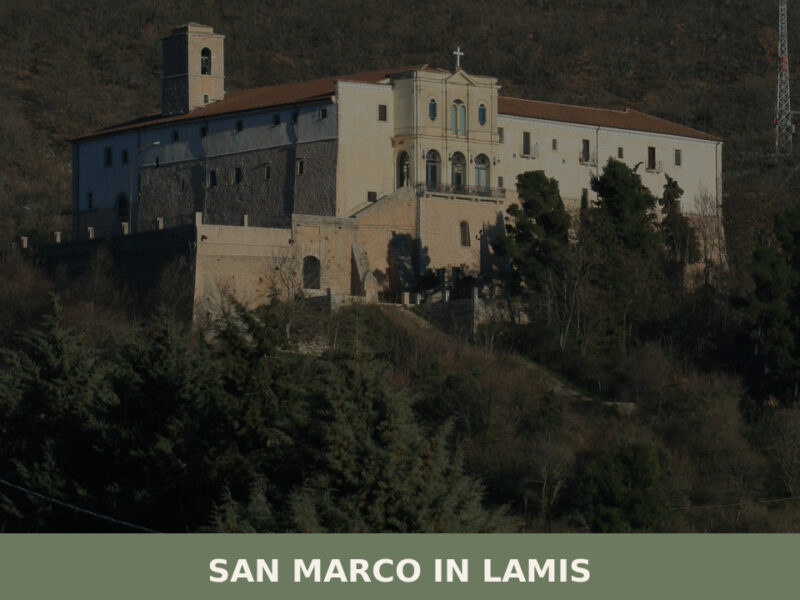
San Marco in Lamis
Hills
A highland town on the western Gargano, San Marco in Lamis holds ancient monasteries, a dramatic Good Friday fire procession, and the quiet intensity of inland Puglia.
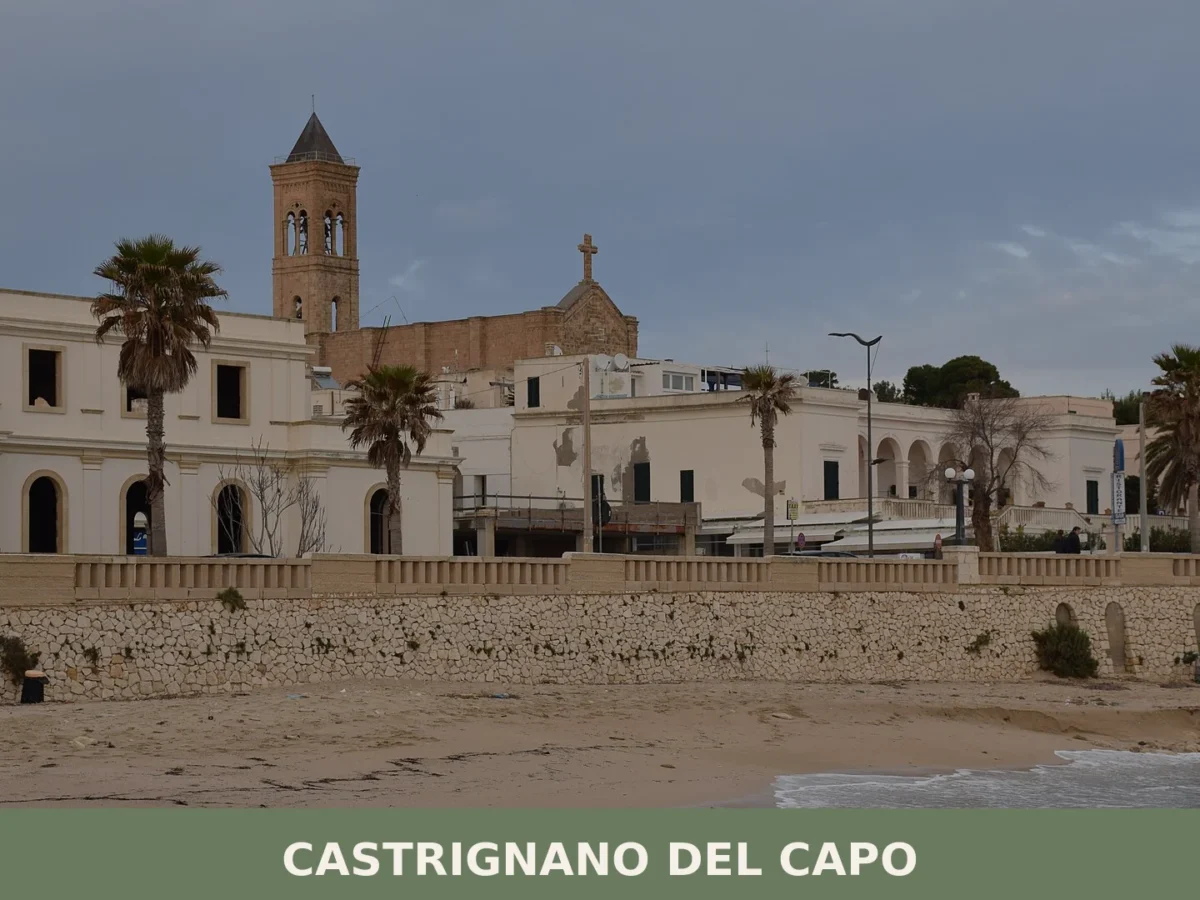
Castrignano del Capo
 Sea
Sea
A village of 5,093 inhabitants where baroque architecture meets coastal limestone cliffs. Explore the medieval heart, defensive heritage and the fractions that include the celebrated beach resort of Santa Maria di Leuca.
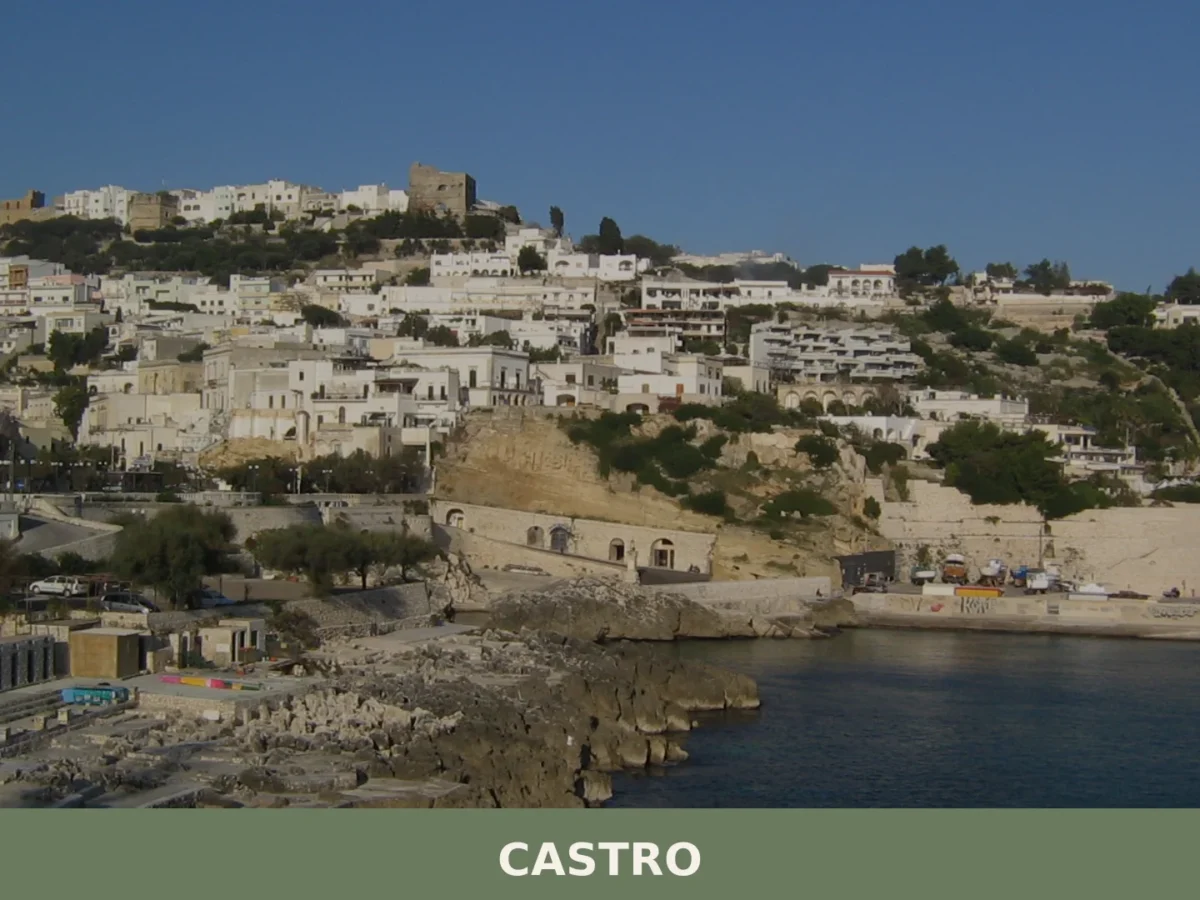
Castro
Sea
Population 2,318 on 4.44 km². Visit for the 12th-century castle, 11th-century church, and Byzantine remains overlooking the Canale d'Otranto.
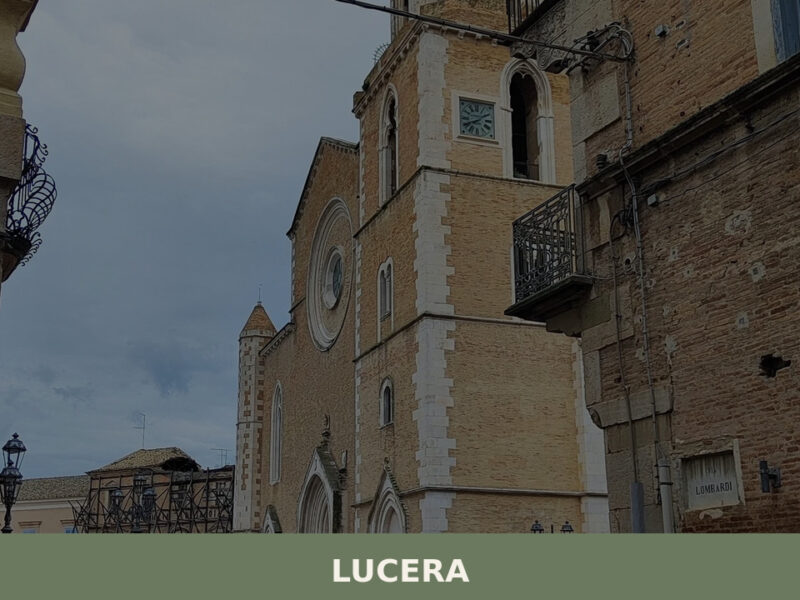
Lucera
Hills
Discover Lucera, a historic hilltop city in Puglia where Roman ruins, a Saracen past, and Angevin grandeur converge amid the sun-drenched Tavoliere plain.
Ordona
Plains
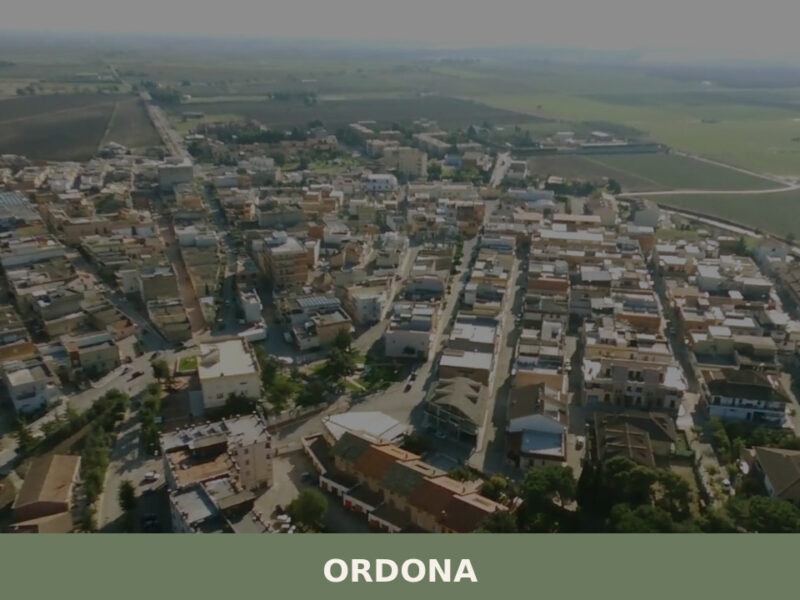
Ordona sits on the Tavoliere plain near Foggia, above the ancient Daunian-Roman city of Herdonia. A guide to its archaeology, food, and surroundings.
Racale
Sea
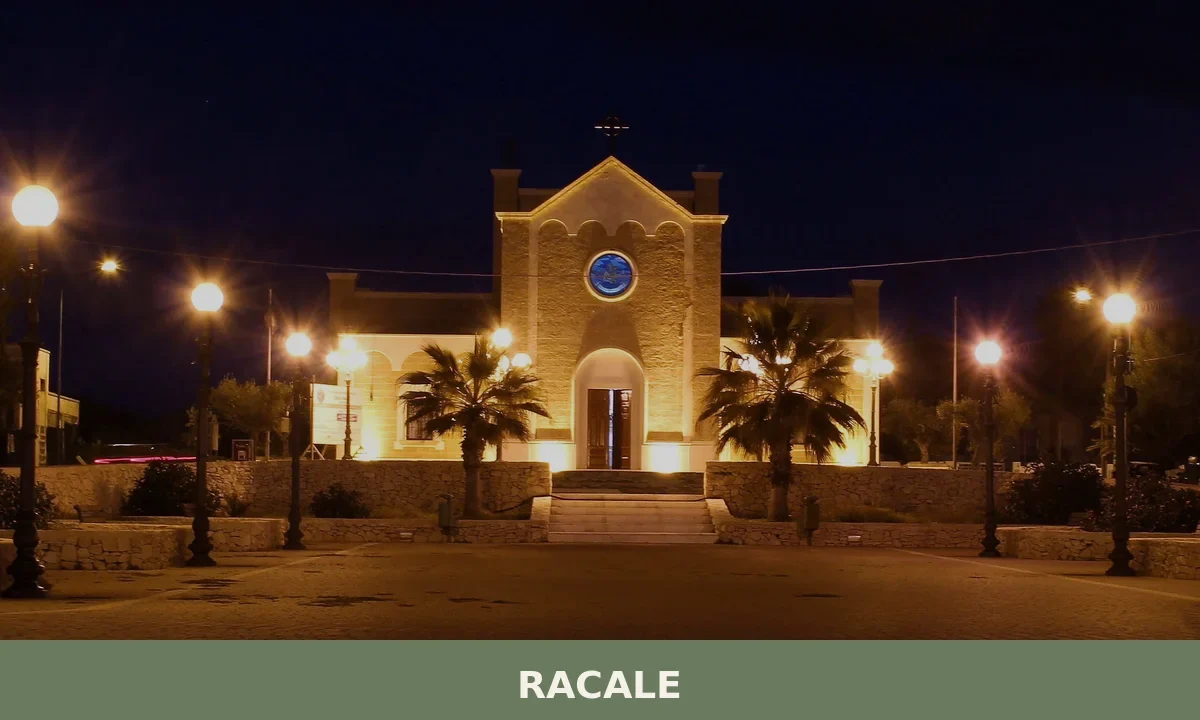
10,703 inhabitants. A lower Salento comune with medieval roots, three competing founding myths, and a lively tradition of defence against Ottoman raids.
Torremaggiore
Plains
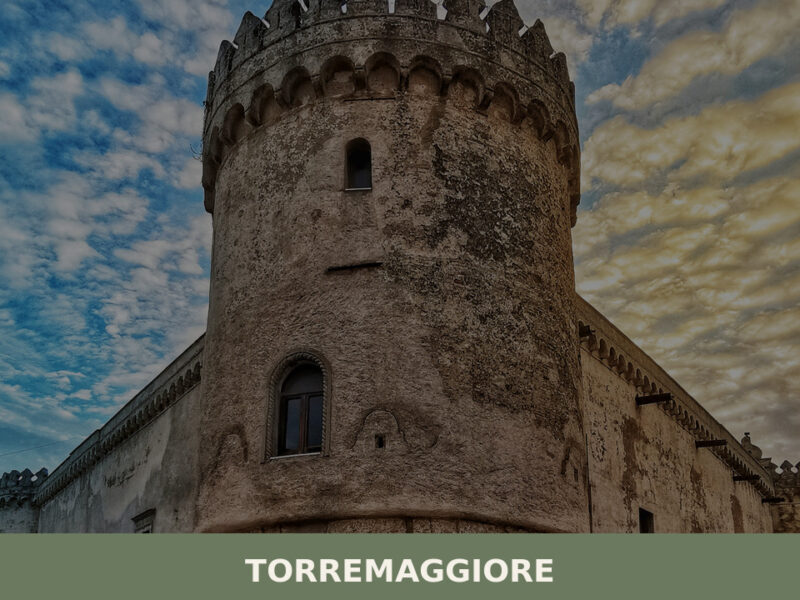
A complete guide to Torremaggiore in northern Puglia — its medieval castle, the ruins of Fiorentino, local food traditions, and practical travel information.
Ginosa
Sea
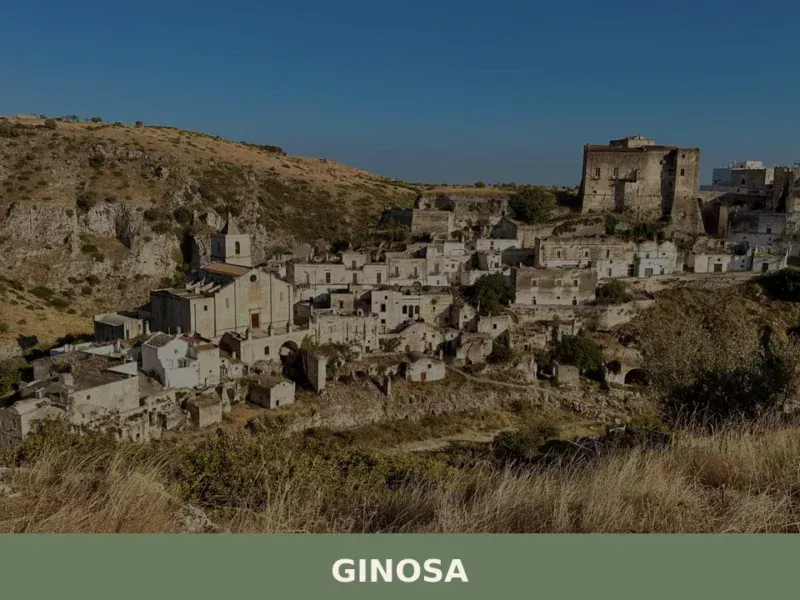
Discover what to see in Ginosa, Puglia: the dramatic gravina, rupestrian churches, castle, cathedral and Ionian coast. Practical travel guide with tips.
🏡 Know Sammichele di Bari better than we do?
If you’re a local or have been there, your knowledge matters: add what’s missing or fix a detail on this page.