


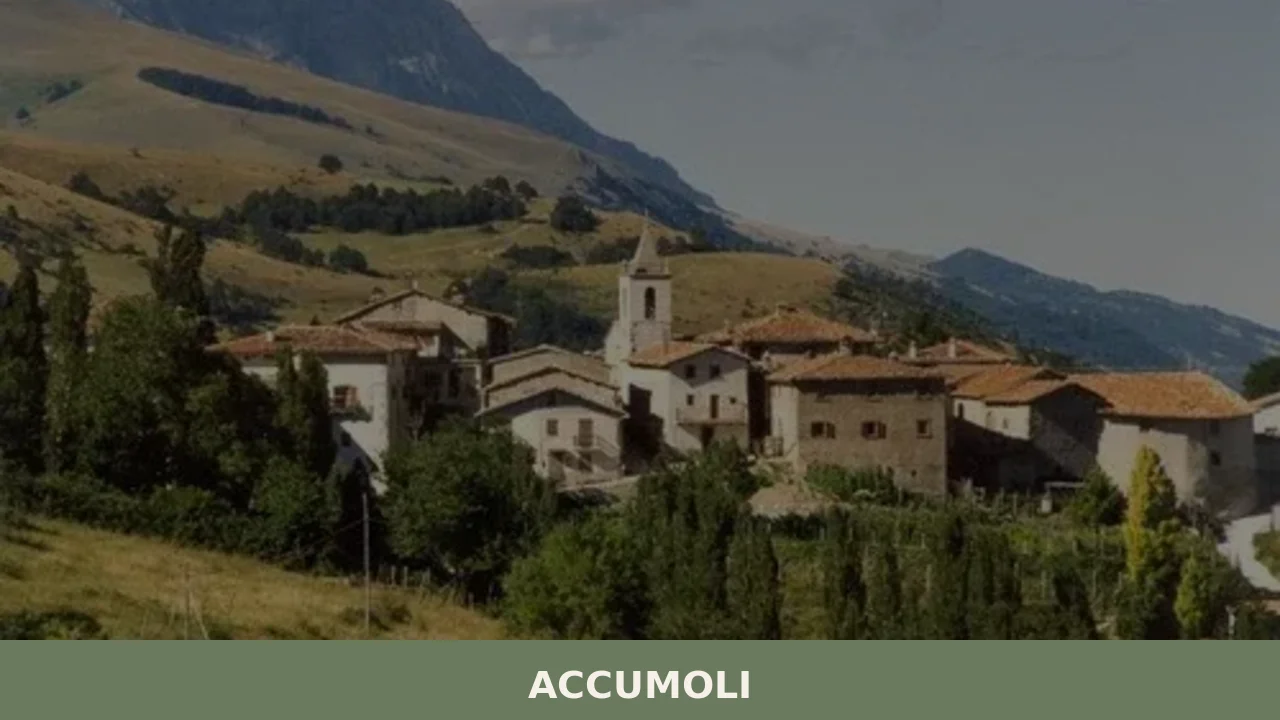
Accumoli
A chill, thin air descends with the late afternoon sun, drawing long shadows across the uneven cobblestones of the piazza. The scent of woodsmoke, faint but persistent, mingles with the dry fragrance of ancient stone. At 855 meters above sea level, the village of Accumoli, nestled within the Rieti province of Lazio, feels like a […]
Discover Accumoli
A chill, thin air descends with the late afternoon sun, drawing long shadows across the uneven cobblestones of the piazza. The scent of woodsmoke, faint but persistent, mingles with the dry fragrance of ancient stone. At 855 meters above sea level, the village of Accumoli, nestled within the Rieti province of Lazio, feels like a place where time slows, where the rhythms of mountain life dictate the day. With just 522 inhabitants, its quietude is profound, punctuated only by the distant bleating of sheep or the soft murmur of conversation from an open window. This is a community shaped by its rugged landscape, a testament to resilience and tradition.
History of Accumoli
The origins of Accumoli are deeply rooted in the medieval period, a time when strategic hilltop positions offered vital defense. While specific founding dates are often lost to the mists of antiquity, it is generally understood that settlements in this area coalesced around the need for protection, particularly against incursions and banditry that plagued central Italy. The name “Accumoli” itself is thought to derive from the Latin “ad cumulos,” referring to a place of mounds or accumulated land, possibly hinting at its geological formation or early defensive structures.
Throughout the Middle Ages, Accumoli served as a fortified outpost, often caught between the shifting allegiances of powerful noble families and the Papal States. Its position on important historical routes meant it witnessed the passage of merchants, pilgrims, and soldiers, contributing to a rich, albeit often turbulent, local history. While no single historical figure is universally attributed to its founding, the collective spirit of its inhabitants, adapting to the harsh mountain environment and defending their territory, forms the true narrative of its enduring presence.
What to see in Accumoli: 5 must-visit attractions
Chiesa di Santa Maria Assunta
The parish church, Santa Maria Assunta, stands as the spiritual heart of Accumoli. Its stone facade, worn by centuries of wind and weather, conceals an interior that speaks of devotion and local artistry. While not grand in scale, its nave holds altarpieces and frescoes reflecting the regional artistic styles that flourished between the medieval and Renaissance periods, offering a serene space for contemplation and a glimpse into the village’s religious heritage.
Palazzo del Capitano
Dominating the central piazza, the Palazzo del Capitano once served as the administrative and civic hub of Accumoli. Its sturdy architecture, characterized by robust stone walls and an imposing entrance, hints at its former role as the seat of local governance. Today, it remains a focal point for community life, its historical presence a constant reminder of the village’s past autonomy and its enduring identity.
Torre Civica
The Civic Tower, rising above the rooftops, is a defining feature of Accumoli’s skyline. A testament to medieval engineering and the importance of timekeeping and defense, its bell once regulated the daily life of the community. Ascending its ancient steps offers a panoramic vista of the surrounding Apennine landscape, providing a sense of the village’s strategic elevation and its relationship with the rugged terrain.
Remnants of the Medieval Walls
Scattered sections of the original medieval defensive walls still trace the contours of Accumoli, particularly on its periphery. These weathered stone fragments, interspersed with more recent constructions, offer tangible evidence of the village’s fortified past. Walking along these ancient boundaries provides a unique perspective on the village’s historical footprint and the defensive strategies employed by its early inhabitants.
Piazza San Francesco
More than just an open space, Piazza San Francesco functions as Accumoli’s social nexus. It is here that villagers gather, where children play, and where the gentle rhythm of daily life unfolds. Lined with modest buildings and often featuring a central fountain, the piazza embodies the communal spirit of the village, inviting visitors to pause and observe the quiet interactions that define local existence.
Local food and typical products
The cuisine of Accumoli, like that of much of the Rieti province, is deeply rooted in the traditions of the Apennine mountains: robust, hearty, and utilizing the products of the land and local livestock. Expect dishes that reflect a history of self-sufficiency, with an emphasis on pasta, legumes, cured meats, and cheeses. Pasta preparations often feature rich, slow-cooked sauces, perhaps with wild boar (cinghiale) or local pork, reflecting the region’s strong tradition of pig farming. Legumes like lentils and chickpeas are staples, often prepared in warming soups and stews, especially during the colder months.
Local products include pecorino cheese, made from sheep’s milk, which varies from fresh and mild to aged and pungent. Cured meats such as prosciutto, salami, and guanciale (cured pork jowl), are produced using time-honored methods and are essential ingredients in many traditional recipes. While Accumoli itself may not have specific DOP/IGP designations, it benefits from the broader Lazio region’s culinary heritage. Visitors can often find these genuine products at small local shops or trattorias, where the emphasis is on simple, authentic flavors and generous portions.
Best time to visit Accumoli
Accumoli experiences a typical Apennine climate, with cold, often snowy winters and mild to warm summers. The shoulder seasons – late spring (May-June) and early autumn (September-October) – generally offer the most pleasant conditions for visiting. During these months, temperatures are agreeable for exploring the village and its surroundings, and the landscape is either bursting with new growth or displaying the rich hues of autumn foliage. Summer, particularly July and August, can be warm, but the altitude provides a welcome respite from the heat of the lower plains, making it a viable option for those seeking cooler temperatures.
Winter brings the possibility of snow, transforming Accumoli into a picturesque, hushed landscape, ideal for those seeking solitude and a genuine mountain experience, though some services might be reduced. There are no large-scale annual events that draw significant crowds, reinforcing the village’s tranquil appeal. Practical advice includes bringing comfortable walking shoes for the uneven streets and layers of clothing, as mountain weather can be variable.
How to get to Accumoli
Accumoli is situated in a relatively secluded part of Lazio, making a personal vehicle the most practical means of access. From Rome, the journey typically involves taking the A1 Autostrada del Sole north, then connecting to routes heading towards Rieti and further into the mountains. The nearest major town is Rieti, approximately 70-80 kilometers to the southwest. From Rieti, local roads lead directly to Accumoli.
There is no direct train service to Accumoli; the nearest train stations are in larger towns like Rieti or Ascoli Piceno, requiring onward travel by bus or taxi. The nearest international airport is Rome Fiumicino (FCO), approximately 150-160 kilometers away, or Rome Ciampino (CIA), slightly closer. Driving distances from major Italian cities include: Rome (approx. 150 km), Florence (approx. 300 km), and Naples (approx. 250 km). Be prepared for winding mountain roads as you approach the village.
More villages to discover in Lazio
Lazio is a region rich in history and diverse landscapes, extending far beyond the urban sprawl of Rome. Venturing into its less-traveled territories reveals a network of ancient villages, each with its own character and story. These small communities, often perched on hilltops or nestled in valleys, offer a profound connection to Italy’s past and a slower pace of life. They are places where traditions are preserved, and the rhythm of the seasons still dictates daily existence, providing a stark contrast to the bustling metropolises.
For those interested in exploring more of Lazio’s hidden gems, consider a journey to Arlena di Castro, a village known for its connection to the Etruscan civilization and its tranquil setting, or perhaps Bassano in Teverina, which offers a glimpse into medieval life with its historic center and commanding views over the Tiber Valley. Each destination provides a unique lens through which to appreciate the multifaceted heritage of this central Italian region. For more information on Accumoli, you can visit its Wikipedia page or the official municipality website for local details.
In Lazio More villages to discover
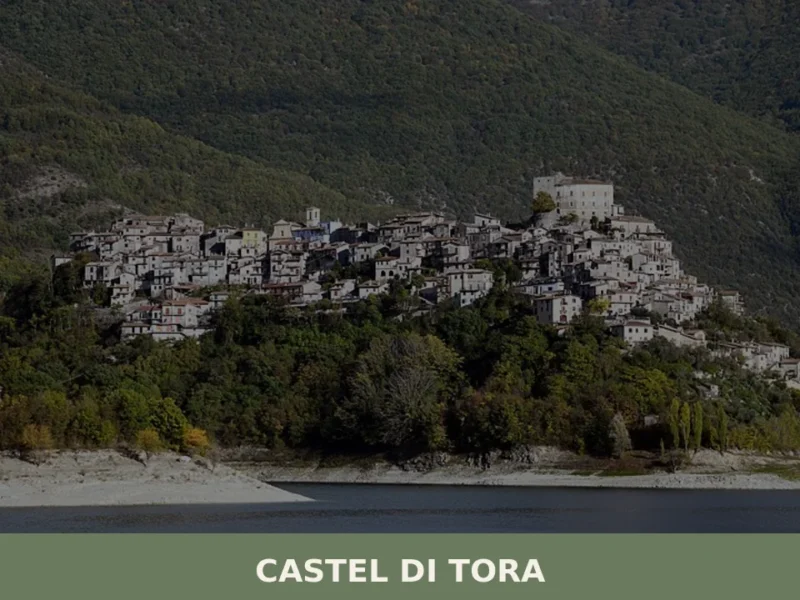
Castel di Tora
What to see in Castel di Tora: medieval village at 607 m above Lago del Salto, 292 residents, 3 PAT-certified products. Plan your visit with our complete guide.
Tessennano
In the heart of Viterbo’s Tuscia region, 302 meters above sea level, lies Tessennano, a settlement with 284 residents. Its hillside location, distant from major thoroughfares, has defined its profile through the centuries. For those wondering what to see in Tessennano, the village presents a historical layering perceptible in its architecture. The settlement develops around […]
Belmonte in Sabina
What to see in Belmonte in Sabina: a hilltop village at 756 m in Rieti province with 644 residents. Explore the medieval centre, PAT guanciale and cacio fiore cheese. Plan your visit now.



📝 Incorrect information or updates?
Help us keep the Accumoli page accurate and up to date.