


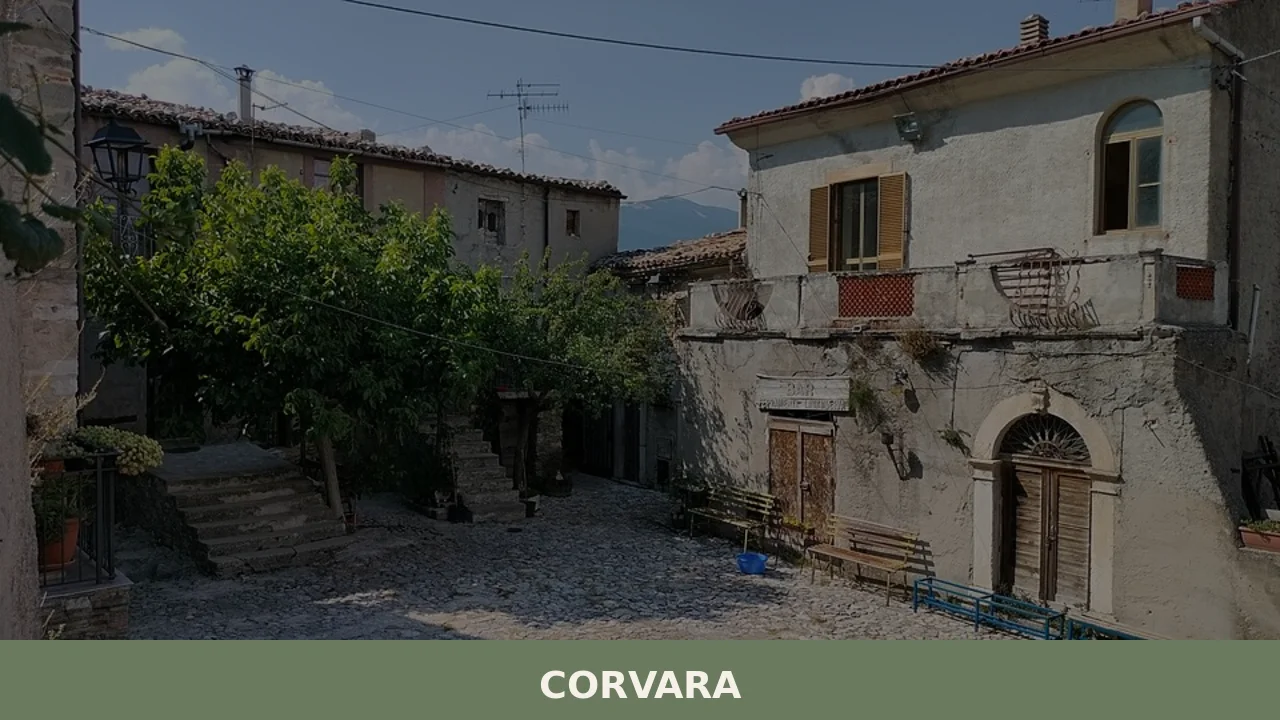
Corvara
 Mountain
Corvara, a municipality of 210 inhabitants in the province of Pescara, is located 625 meters above sea level in the Pescara valley. Its territory, documented as early as the medieval period, shows traces of settlements dating back to the Neolithic, highlighting a continuous habitation linked to its strategic position. For those wondering what to see […]
Discover Corvara
Corvara, a municipality of 210 inhabitants in the province of Pescara, is located 625 meters above sea level in the Pescara valley. Its territory, documented as early as the medieval period, shows traces of settlements dating back to the Neolithic, highlighting a continuous habitation linked to its strategic position. For those wondering what to see in corvara, the village offers a concentration of elements that define its identity, from the remains of ancient fortifications to the religious architecture that marks the rhythm of community life. Its position, at the foot of Gran Sasso and Maiella, makes it a prime observation point over the surrounding landscape.
History and Origins of Corvara
The origin of the name Corvara is often associated with the Latin term “corvus”, raven, suggesting a significant presence of these birds or a reference to territorial characteristics. The first documented records date back to the 12th century, when the village was part of the possessions of the Abbey of San Clemente a Casauria, an important Benedictine monastic institution. This ecclesiastical dependence influenced the development of the inhabited center and its feudal organization. During the Middle Ages, Corvara’s elevated position made it a defensive outpost, with an urban structure that reflected protection needs.
Over the centuries, Corvara maintained an agricultural and pastoral vocation, utilizing the resources of the mountain and the valley. The historical events of the village were often linked to those of the larger centers in the province of Pescara, undergoing various influences and dominations, from the Normans to the Angevins, up to the Aragonese. The Maiella earthquake of 1706 caused significant damage to the urban fabric, leading to reconstructions that partly altered its original appearance, while preserving the medieval layout in some of its parts. To delve deeper into the history of the municipality, you can consult the dedicated page on Wikipedia Italy.
What to see in Corvara: 5 Essential Attractions
1. The Church of Madonna delle Grazie
Dedicated to the village’s patron saint, the Church of Madonna delle Grazie is Corvara’s main place of worship. Its structure, the result of successive modifications and restorations, features architectural elements ranging from late Baroque to Neoclassical. Inside, one can observe wooden altars and votive paintings, some dating back to the 18th century, which bear witness to the community’s devotion.
2. The Remains of the Castle and Fortifications
Located in the highest part of the inhabited center, the remains of the medieval castle and city walls offer insight into Corvara’s defensive function. Although much of the structures have been lost or incorporated into subsequent buildings, some sections of masonry and foundations are still identifiable, outlining the village’s ancient fortified area.
3. The Historic Center
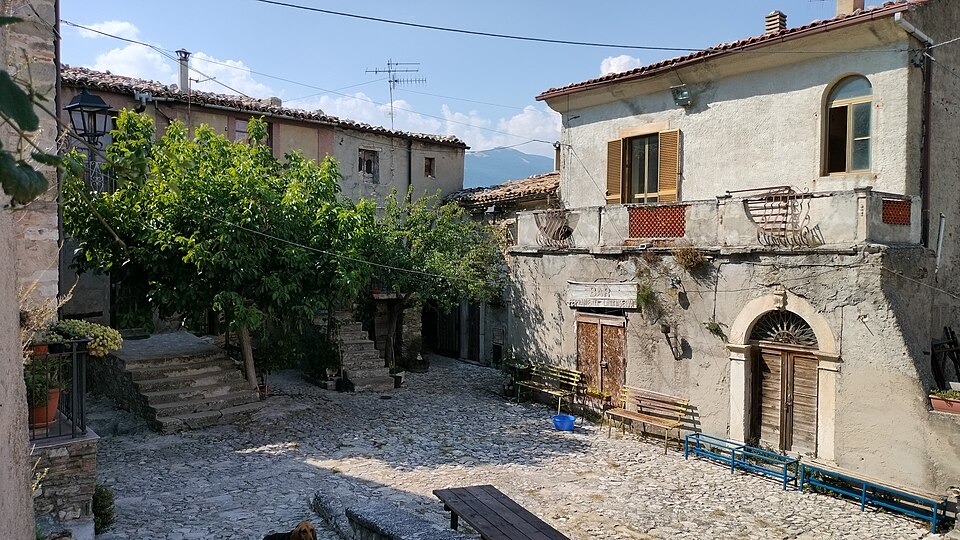
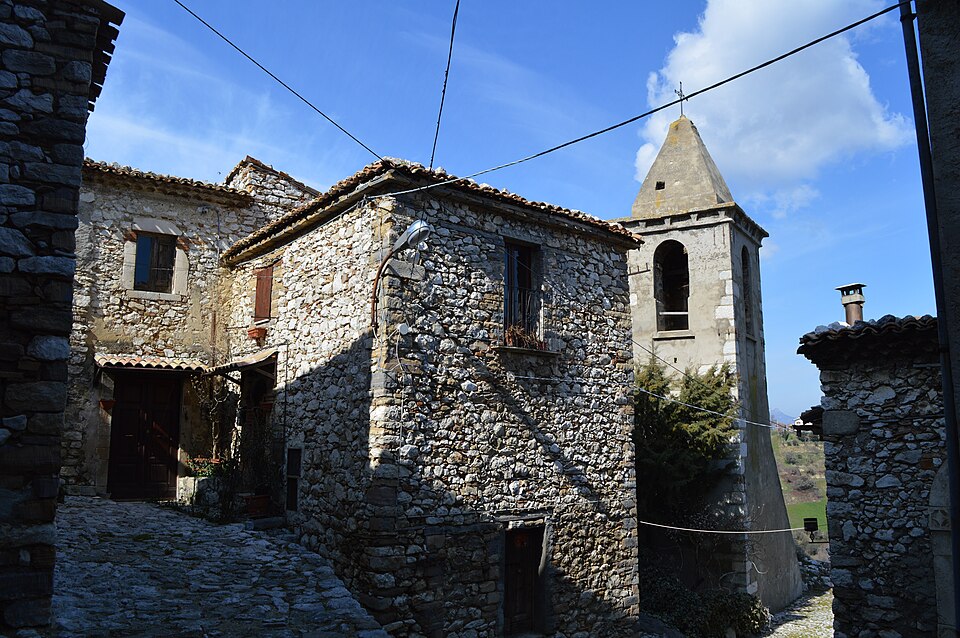
Corvara’s oldest core develops with a network of narrow streets and stone houses, many of which retain traditional building elements. A walk through these streets allows one to observe the spontaneous architecture of the place, with sculpted stone portals and small openings that overlook unexpected views, offering a glimpse into daily life of the past.
4. The Belvedere over Gran Sasso and Maiella
Thanks to its altitude of 625 meters, Corvara benefits from natural panoramic viewpoints that open onto the surrounding valleys and the imposing peaks of Gran Sasso and Maiella. From various positions in the village, it is possible to observe a vast horizon encompassing the main Abruzzese mountain ranges, a distinctive element of the landscape.
5. Nature Trails Nearby
The mountainous territory surrounding Corvara is crossed by various trails that delve into the typical vegetation of the Apennines. These routes, suitable for excursions of varying difficulty, allow exploration of local flora and fauna, offering opportunities for trekking and nature observation. Further information on the territory is available on the official website of the municipality.
Typical Cuisine and Local Products
Corvara’s cuisine, like that of much of inland Abruzzo, is rooted in peasant and pastoral tradition, based on the use of simple and genuine ingredients. Among the main dishes are maccheroni alla chitarra, often seasoned with castrato sauce or mixed meat ragù. Arrosticini, grilled skewers of sheep meat, are a symbol of regional gastronomy, widely popular and appreciated in Corvara as well. Other dishes include grilled lamb and sagne a pezze, a homemade pasta traditionally served with legumes or hearty sauces.
The territory offers quality local products. Pecorino d’Abruzzo, a hard or semi-hard cheese made from sheep’s milk, is often present on tables. Extra virgin olive oil, from the surrounding hills, is a fundamental condiment. Also available are cured meats like ventricina and liver sausage. Lentils and chickpeas, cultivated in small productions, contribute to the variety of local legumes. For those wishing to explore Abruzzo’s culinary richness, the Italian Touring Club offers an overview of the region’s food and wine traditions on touringclub.it.
When to Visit Corvara: The Best Period
The best period to visit Corvara depends on the traveler’s interests. Summer, particularly the months of July and August, offers mild temperatures and long days, ideal for mountain excursions and enjoying the village’s tranquility. The patron saint’s festival in honor of Madonna delle Grazie, held on July 1st and 2nd, represents a significant moment for the community, with religious celebrations and local events that enliven the town.
Spring and autumn are evocative seasons for those seeking a more contemplative experience. In spring, nature awakens with blooms and vibrant colors, while autumn offers a landscape dominated by the warm tones of foliage, with cool but pleasant temperatures for walks and outdoor activities. Winter, with the possible presence of snow, transforms Corvara into a place of sober and silent appeal, suitable for those seeking quietness and winter atmospheres.
How to Get to Corvara
Corvara is mainly accessible by car. From the A25 (Autostrada dei Parchi Rome-Pescara), you can exit at the Torre de’ Passeri or Alanno-Scafa tollbooths, then continue on provincial roads towards the village. The distance from Pescara is about 50 km, from L’Aquila about 70 km, and from Chieti about 45 km.
The nearest train station is Torre de’ Passeri, on the Rome-Pescara line, from which it is necessary to continue by public transport or taxi. The nearest airport is Abruzzo Airport (PSR) in Pescara, located about 45 km away.
Other Villages to Discover in Abruzzo
Abruzzo, with its wealth of historic villages, offers multiple opportunities for those wishing to explore the region’s cultural and landscape heritage. A short distance from Corvara, other centers can be found that preserve their identity and traditions. Among these, Goriano Sicoli, in the L’Aquila area, represents an example of a medieval village that stands on a hill, with a history linked to transhumance and pastoralism, offering an immersion in a genuine mountain setting.
Moving towards the coast, but still in the Abruzzese hinterland, is Archi, in the province of Chieti. This village, with its castle and churches, tells a story of lordships and feudal lords, maintaining an urban layout that invites the discovery of historical corners and details. Both villages, despite their specificities, share with Corvara the ability to offer a travel experience away from the more frequented routes, allowing direct contact with the territory and its peculiarities.
Frequently asked questions about Corvara
What is the best time to visit Corvara?
The ideal time to visit Corvara depends on your interests. Summer, particularly July and August, offers mild temperatures perfect for mountain excursions and enjoying the village's tranquility. Don't miss the patron saint's festival for Madonna delle Grazie on July 1st-2nd, featuring religious celebrations and local events. Spring and autumn are also beautiful, with vibrant blooms or colorful foliage, offering a contemplative experience for walks and outdoor activities. Winter provides a quiet, snow-dusted charm for those seeking serene atmospheres and a peaceful escape.
What are the historical origins of Corvara?
Corvara's history dates back to the 12th century, first documented as part of the possessions of the Abbey of San Clemente a Casauria. Its name is often associated with the Latin term 'corvus' (raven). Due to its elevated position, it served as a medieval defensive outpost, influencing its urban structure. Over centuries, the village developed an agricultural and pastoral vocation. Despite damage from the 1706 Maiella earthquake, Corvara retains elements of its ancient layout, reflecting a continuous habitation since Neolithic times.
What to see in Corvara? Main monuments and landmarks
In Corvara, you can explore the main place of worship, the Church of Madonna delle Grazie, which showcases architectural elements from late Baroque to Neoclassical styles and houses 18th-century votive paintings. Discover the remains of the medieval castle and fortifications in the highest part of the village, offering a glimpse into its defensive past. A stroll through the historic center reveals narrow streets and traditional stone houses. Don't miss the panoramic viewpoints (Belvedere) offering breathtaking vistas of the Gran Sasso and Maiella mountains.
What are the main natural or scenic attractions of Corvara?
Corvara boasts spectacular natural attractions, primarily its panoramic viewpoints, or 'Belvedere,' which offer expansive views of the surrounding valleys and the majestic peaks of the Gran Sasso and Maiella mountains. The mountainous territory around the village is also crisscrossed by various nature trails. These routes are perfect for excursions, allowing visitors to explore the typical Apennine vegetation, observe local flora and fauna, and enjoy trekking and nature observation in a pristine natural environment, suitable for varying difficulty levels.
Where to take the best photos in Corvara?
For breathtaking landscape photography, the 'Belvedere over Gran Sasso and Maiella' offers prime panoramic viewpoints of the imposing mountain ranges and surrounding valleys from Corvara's 625-meter altitude. Within the village, the historic center provides picturesque settings with its narrow, winding streets, traditional stone houses, and sculpted portals, perfect for capturing the authentic charm and timeless atmosphere of Corvara. Look for unique angles and unexpected views as you explore the ancient core.
Are there museums, churches or historic buildings to visit in Corvara?
Yes, Corvara offers several historic sites. The Church of Madonna delle Grazie is the main place of worship, featuring late Baroque to Neoclassical elements and 18th-century votive paintings, bearing witness to community devotion. You can also explore the remains of the medieval castle and fortifications, located in the highest part of the village, which provide insight into its defensive past. A walk through the historic center itself is a journey through time, with many stone houses preserving traditional architectural elements. No specific museums are mentioned for the village.
What can you do in Corvara? Activities and experiences
Corvara offers a range of activities focused on nature and local culture. Visitors can enjoy mountain excursions and trekking along the various nature trails that explore the Apennine vegetation, flora, and fauna. During the patron saint's festival on July 1st-2nd, experience local traditions and religious celebrations. Stroll through the historic center, savoring the village's tranquility and discovering its ancient architecture. Additionally, indulge in the rich local gastronomy, tasting traditional Abruzzese dishes and products like arrosticini, maccheroni alla chitarra, and Pecorino d'Abruzzo.
Who is Corvara suitable for? Families, couples, hikers, solo travelers?
Corvara is ideally suited for travelers seeking tranquility, authentic experiences, and a deep connection with nature. It's perfect for hikers and nature enthusiasts, with its numerous trails and panoramic views of Gran Sasso and Maiella. Couples looking for a peaceful, romantic escape will appreciate its quiet charm, while solo travelers can find contemplation amidst the historic streets and natural landscapes. Those interested in local history, traditional cuisine, and avoiding mass tourism will also find Corvara a rewarding destination, offering a genuine mountain experience.
What to eat in Corvara? Local products and specialties
Corvara's cuisine reflects the rich peasant and pastoral traditions of inland Abruzzo. Must-try specialties include maccheroni alla chitarra, often served with a hearty castrato or mixed meat ragù, and the iconic arrosticini, delicious grilled sheep skewers. Other local delights are grilled lamb and sagne a pezze, a homemade pasta typically paired with legumes or robust sauces. Local products feature Pecorino d'Abruzzo cheese, high-quality extra virgin olive oil, cured meats like ventricina and liver sausage, and locally cultivated lentils and chickpeas.
📷 Photo Gallery — Corvara

Nearby Villages near Corvara
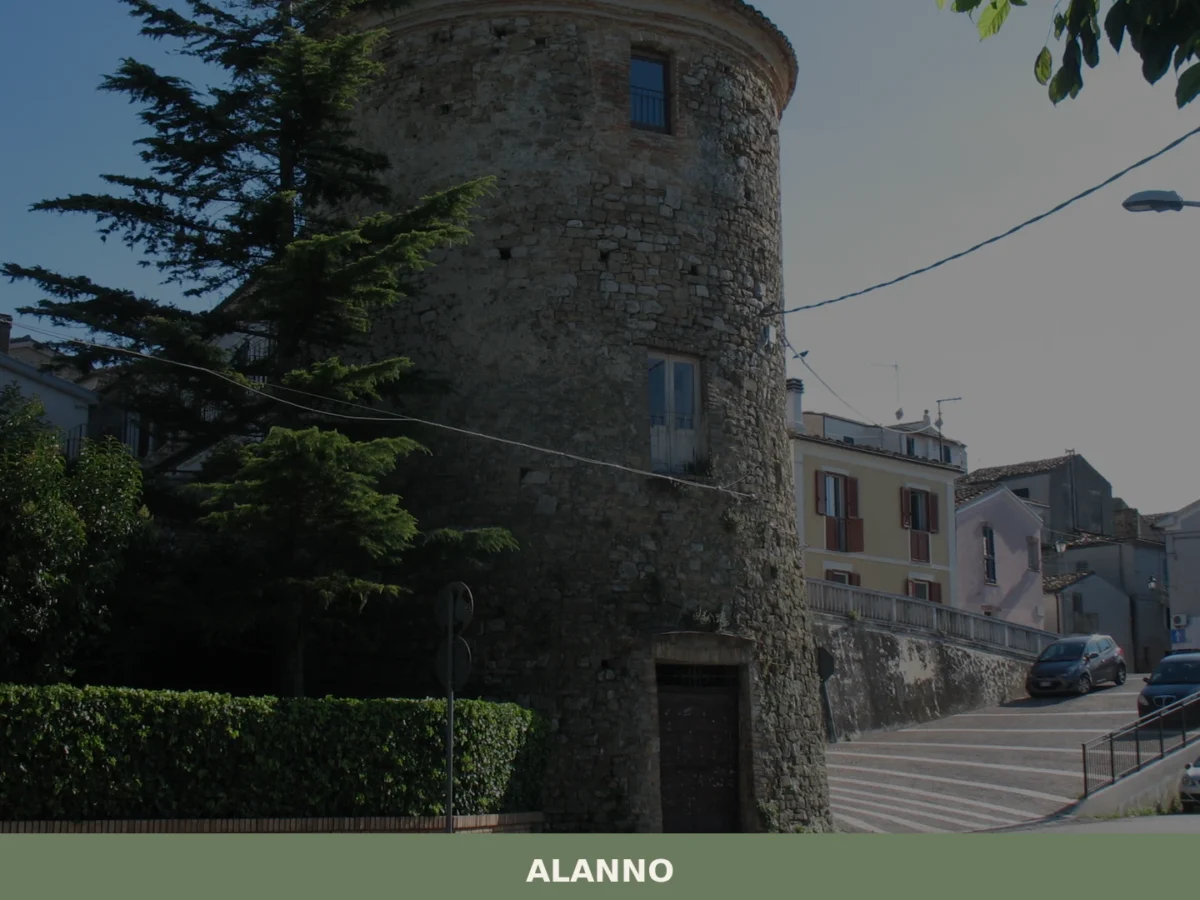
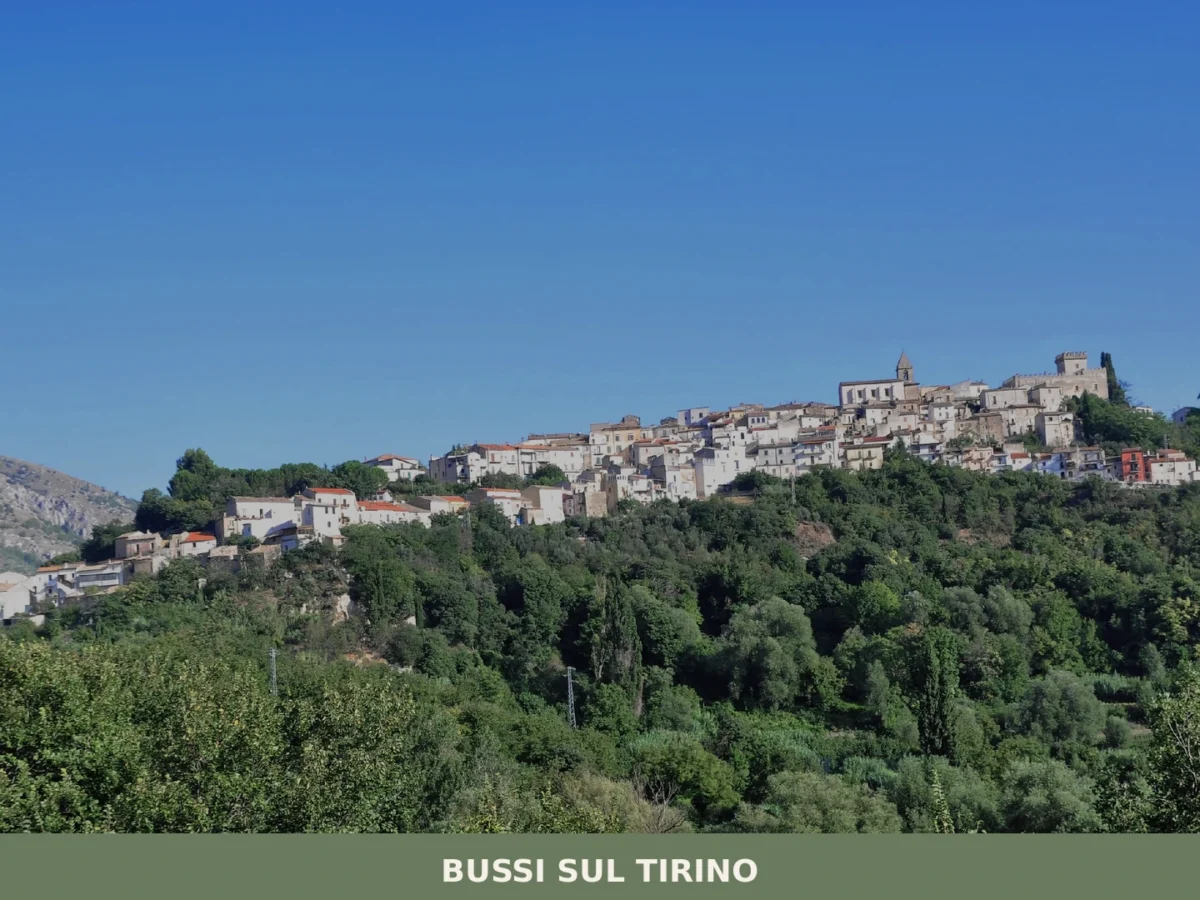
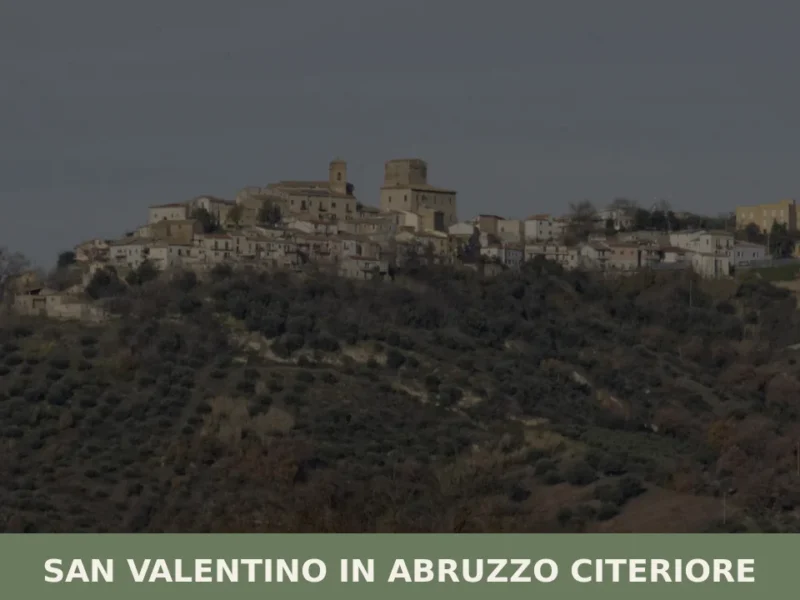
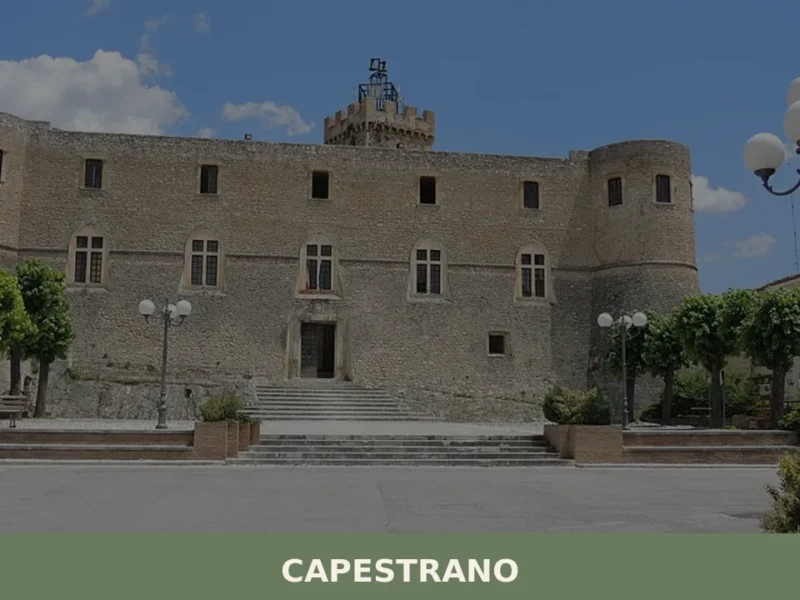
In Abruzzo More villages to discover
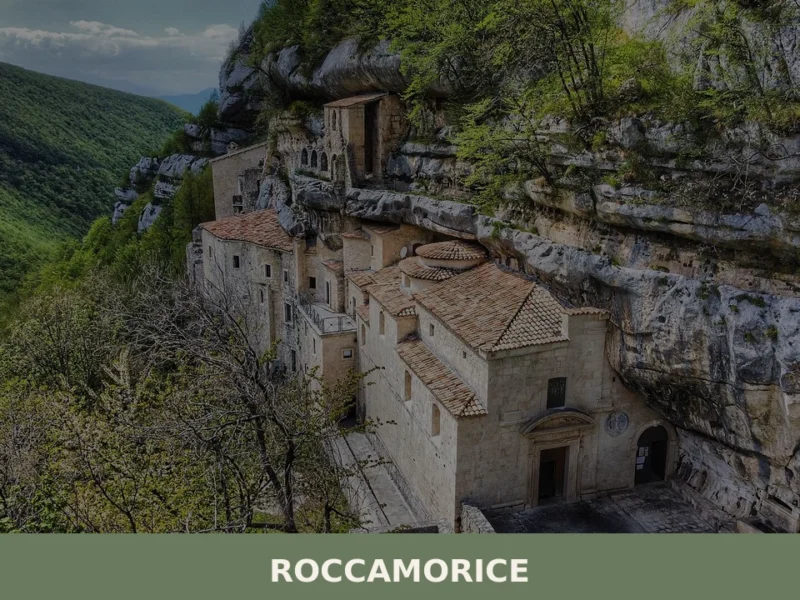
Roccamorice
Mountain
What to see in Roccamorice, Italy: discover rock-cut hermitages, the Majella National Park, and unique river-carved landscapes. Explore Abruzzo.
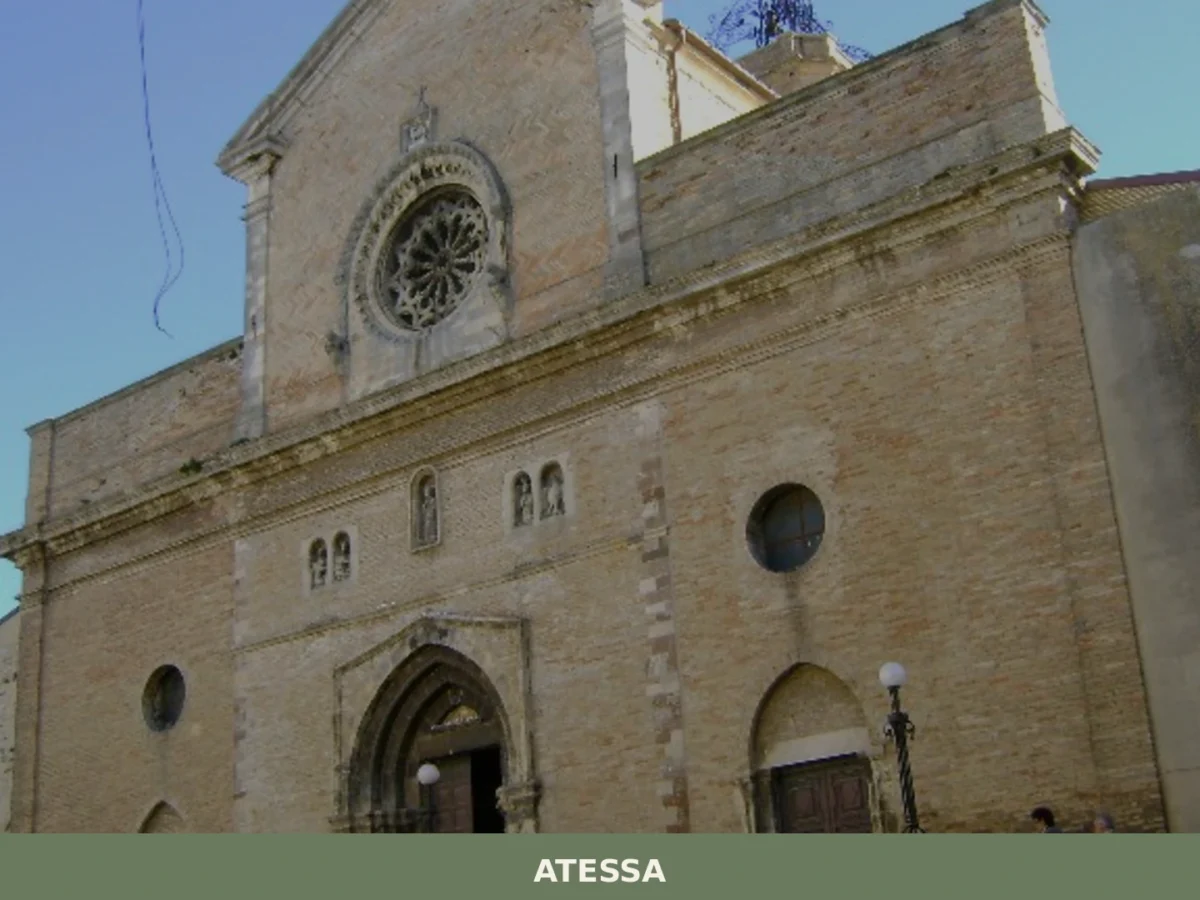
Atessa
 Hills
Hills
What to see in Atessa, Abruzzo, Italy: explore the Cathedral of San Leucio, the Pallanum archaeological park, and a 17th-century historic centre spanning 11,003 hectares. Discover it all.
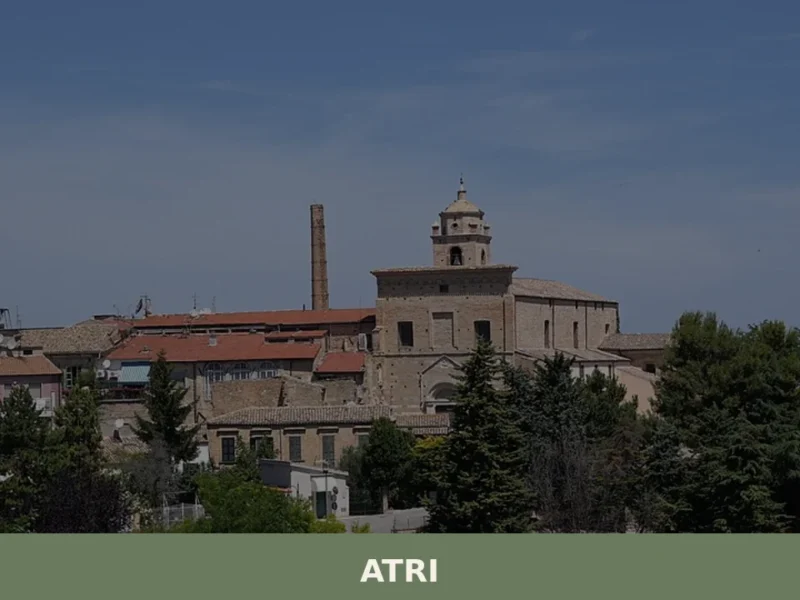
Atri
Hills
Atri, in the province of Teramo, stands at 442 meters above sea level, an altitude that allows the city to overlook the Teramo hills. Its origins lie in ancient Hatria, a Picene settlement and later an important Roman municipality, known for minting its own coins as early as the 3rd century BC. This historical richness […]
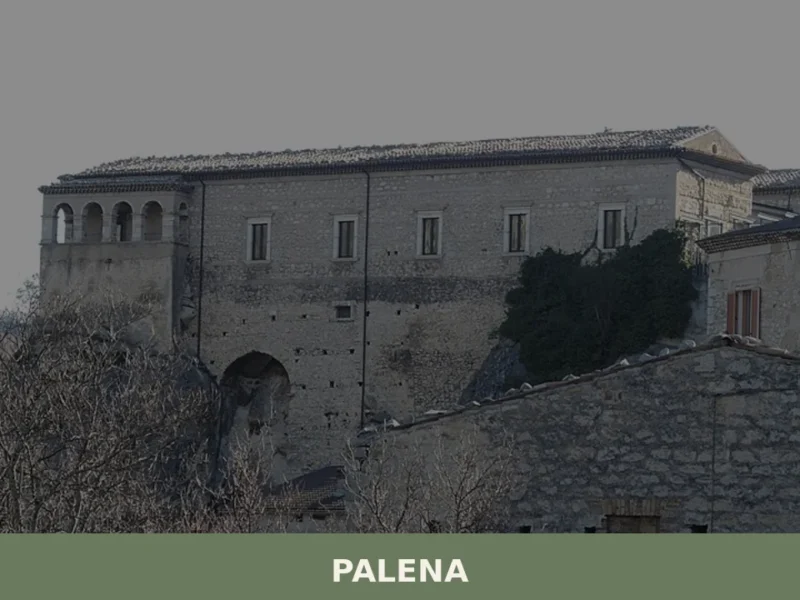
Palena
Mountain
What to See in Palena: discover 5 must-see attractions, from the Ducal Castle to the Marsican Bear Museum. Plan your visit and taste local products.
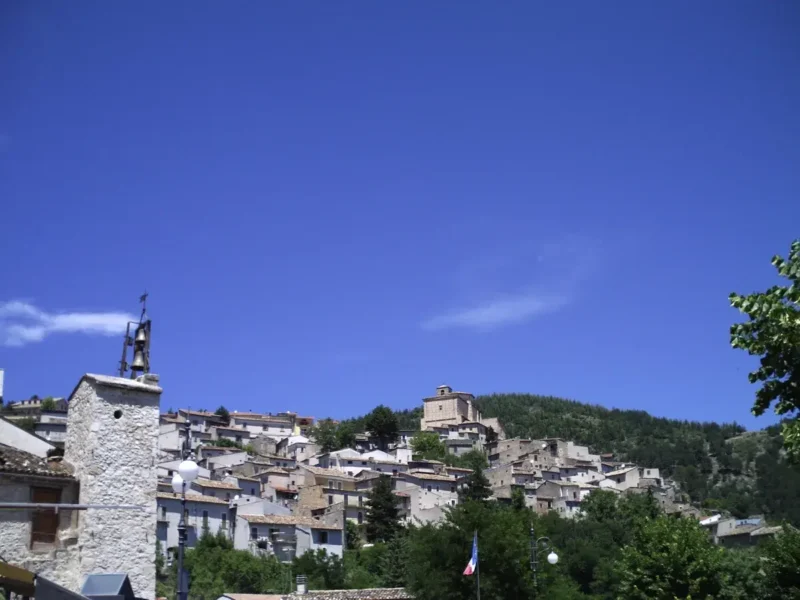
Secinaro
Mountain
what to see in secinaro, Italy: Explore this Abruzzese village at 859m (2,818 ft) above sea level, home to a unique meteor crater field and Monte Sirente's slopes.
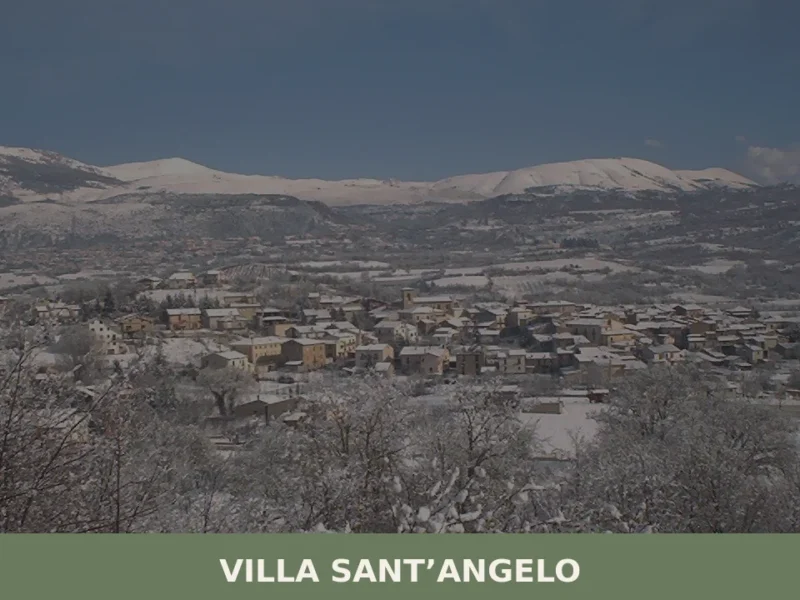
Villa Sant’Angelo
Mountain
What to see in Villa Santu2019Angelo? Discover 5 must-see attractions and the history of the ancient village. Plan your guided visit now!
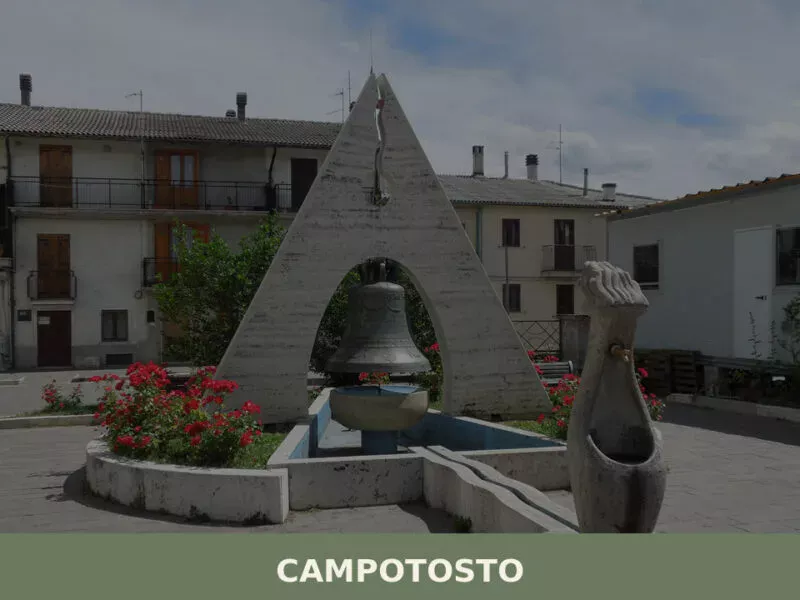
Campotosto
 Lake
Mountain
Lake
Mountain
At 1,420 metres beside one of Europe's largest artificial lakes, Campotosto offers wild Apennine landscapes, cured mortadella, and trails into the Gran Sasso National Park.
Celenza sul Trigno
Mountain
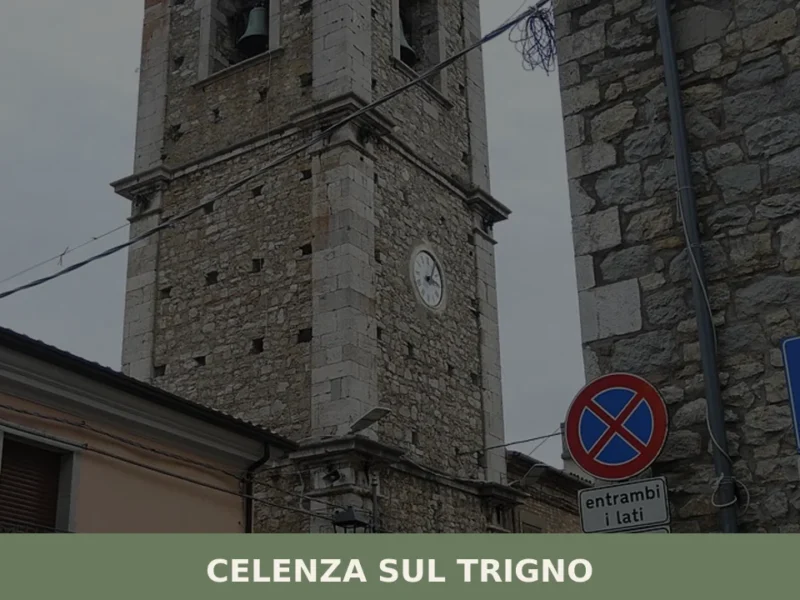
At 646 metres above sea level, with 781 registered residents, Celenza sul Trigno occupies a ridge separating the Trigno river valley from the Treste stream, in the province of Chieti. The village appears in medieval documents as a Norman possession, and its urban layout preserves the concentric plan typical of 12th-century fortified settlements. Anyone wondering […]
Abbateggio
Hills
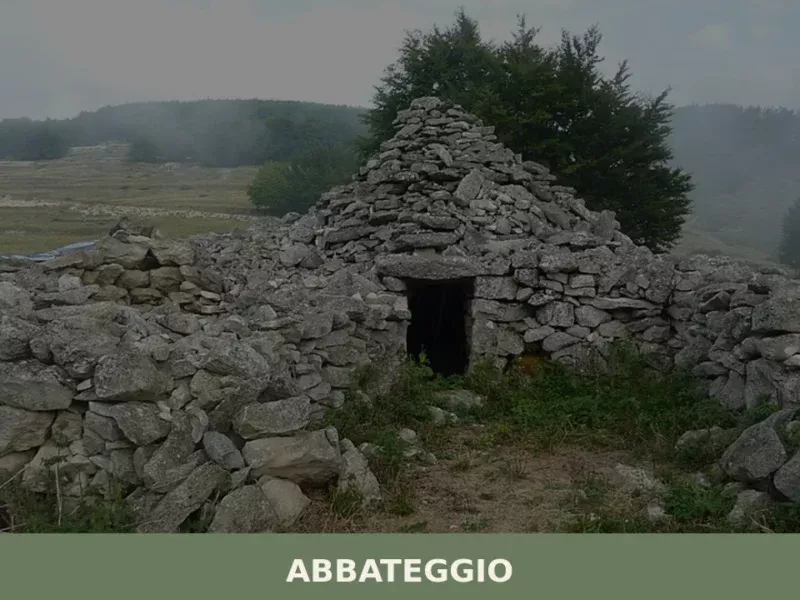
With just 359 registered inhabitants, Abbateggio is one of the least populated municipalities in the province of Pescara, situated at 450 metres above sea level on the eastern slope of the Majella. Asking what to see in Abbateggio means preparing for an itinerary that covers sacred architecture built in Majella stone, farro and olive oil […]
Capistrello
Mountain
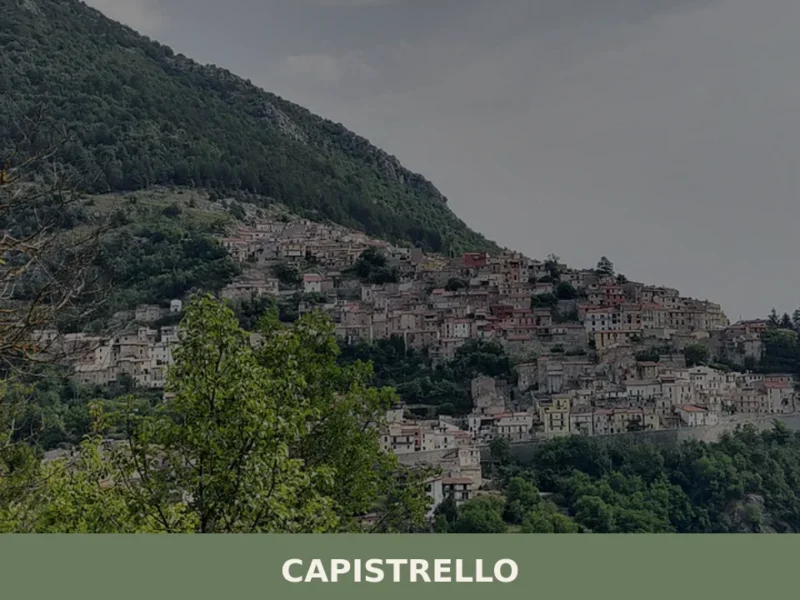
In 1902, a flood of the River Liri devastated the town and forced its inhabitants to rebuild entire neighbourhoods in the upper part of the settlement: that wound redrew the map of Capistrello, a village of 5,309 residents in the Marsica area, standing at 734 metres above sea level in the province of L’Aquila. Anyone […]

🏡 Know Corvara better than we do?
If you’re a local or have been there, your knowledge matters: add what’s missing or fix a detail on this page.