
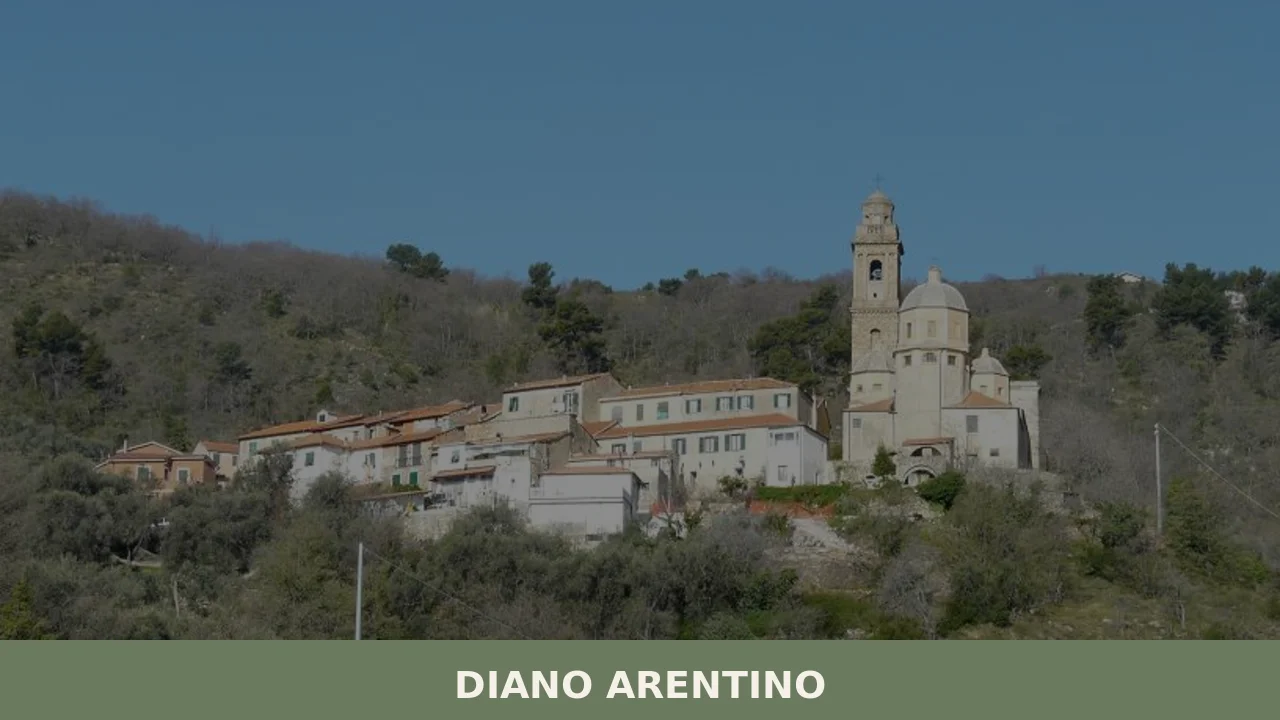
Diano Arentino
Diano Arentino sits at 331 metres above sea level in the province of Imperia, one of several small settlements that make up the historical Comunitas Diani — a confederation of villages documented in medieval records across the olive-rich hills behind the Gulf of Diano. With a population of roughly 700, the village maintains an economy […]
Discover Diano Arentino
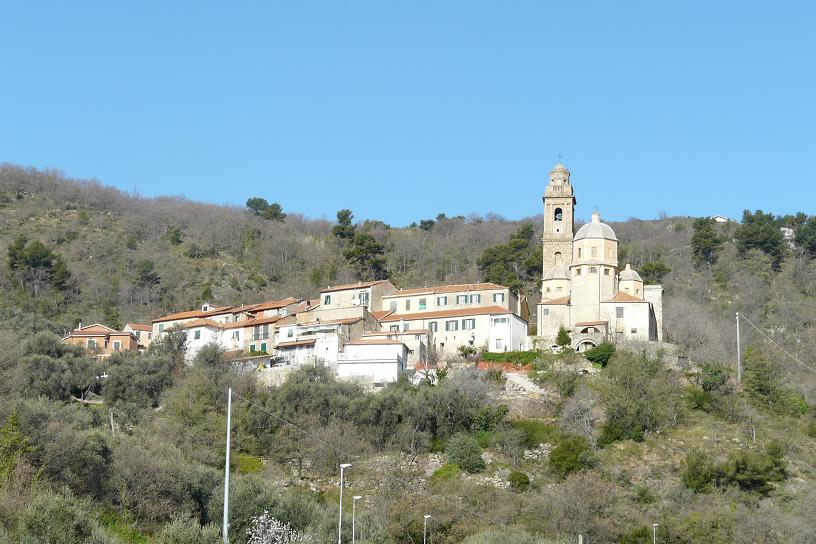
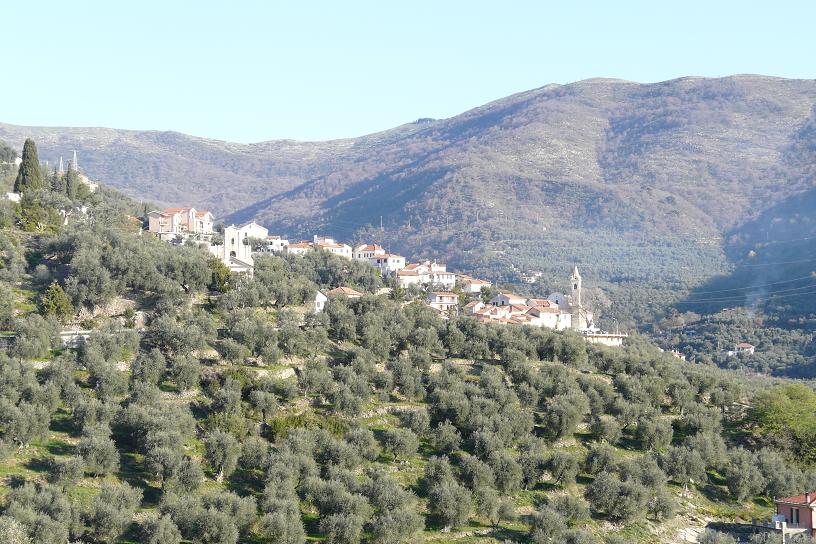
Diano Arentino sits at 331 metres above sea level in the province of Imperia, one of several small settlements that make up the historical Comunitas Diani — a confederation of villages documented in medieval records across the olive-rich hills behind the Gulf of Diano. With a population of roughly 700, the village maintains an economy still visibly tied to olive cultivation. Understanding what to see in Diano Arentino begins with recognising this agricultural identity, which has determined the village’s layout, architecture, and daily rhythms for centuries.
History of Diano Arentino
The name “Diano” derives from the Latin Lucus Bormani, a sacred wood dedicated to the goddess Diana, referenced by ancient geographers along the Via Julia Augusta. Over time, the broader territory fragmented into distinct settlements — Diano Marina on the coast, Diano Castello on the ridge, and Diano Arentino further inland. The suffix “Arentino” likely references a local landholding family or topographical feature, though exact etymological consensus remains elusive among historians.
During the medieval period, the village fell under the jurisdiction of the Marquises of Clavesana, a feudal dynasty that controlled much of the western Ligurian hinterland between the eleventh and thirteenth centuries. As Genoa extended its influence westward, Diano Arentino and its neighbouring communities were gradually absorbed into the Republic of Genoa’s administrative orbit. The village’s strategic position — elevated enough for defensive advantage, yet close enough to the coast for trade — made it a functional node in the network of agricultural hamlets supplying oil and grain to Genoese merchants.
The Napoleonic campaigns of the late eighteenth century disrupted these long-standing arrangements. Liguria was reorganised into the Ligurian Republic and later annexed to the French Empire before being ceded to the Kingdom of Sardinia in 1815 at the Congress of Vienna. Throughout these political upheavals, Diano Arentino’s economy remained rooted in olive oil production — a continuity that still defines the village today.
What to see in Diano Arentino: 5 key attractions
1. Church of Santo Stefano
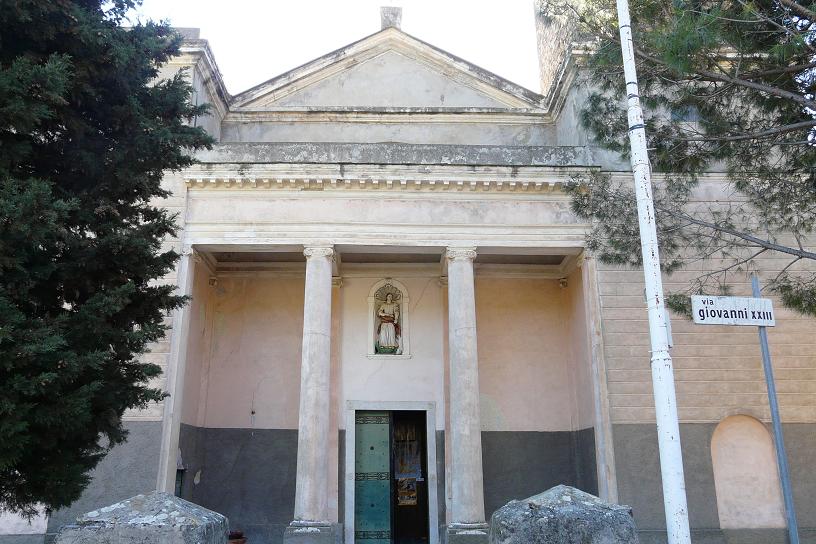
The parish church of Santo Stefano stands at the centre of the village, its Baroque facade typical of the rebuilding campaigns that swept through Ligurian hill towns in the seventeenth and eighteenth centuries. Inside, the nave holds altarpieces and painted decorations consistent with the regional school of that period. The church functions as both a religious and civic anchor for the community’s roughly 700 residents.
2. The olive groves and dry-stone terracing
The terraced hillsides surrounding Diano Arentino are constructed with dry-stone walls — a building technique documented across the Ligurian coast and recognised by UNESCO as part of a broader cultural landscape. These terraces support the Taggiasca olive cultivar, the dominant variety in the province of Imperia, whose oil carries the Riviera Ligure DOP designation. Walking among them reveals the engineering required to farm steep terrain.
3. The historic village centre
Diano Arentino’s nucleus is compact: narrow lanes paved with local stone, houses built with thick walls against summer heat and winter rain, and covered passageways connecting one block to the next. The building materials — largely slate and limestone — were sourced from the surrounding hillsides. Architectural details such as carved lintels and arched doorways indicate periods of modest prosperity linked to the olive trade.
4. Panoramic viewpoints toward the Gulf of Diano
From several points along the village’s upper edge, the view extends south toward the Gulf of Diano and the coastal towns of Diano Marina and San Bartolomeo al Mare. On clear days, the sea is visible roughly five kilometres distant. These vantage points make the relationship between the hill villages and the coast immediately legible — the terraces stepping downward, the olive canopy unbroken to the shoreline.
5. Rural chapels and oratories in the surrounding countryside
Scattered across the territory of the comune are small chapels and oratories, many dating to the sixteenth and seventeenth centuries. These structures served dispersed farming communities too far from the parish church for regular attendance. Several retain fragments of painted decoration. They are best found on foot, following the network of mule paths that still connect Diano Arentino to its neighbouring hamlets.
Local food and typical products
The Taggiasca olive dominates the local food economy. Pressed into oil, it yields a product that is light, slightly fruity, and notably low in acidity — qualities that earned the Riviera Ligure DOP certification. The olives themselves are also cured and served as table olives, appearing in local preparations of rabbit (coniglio alla ligure), in pissalandrea (a Ligurian flatbread topped with tomato, onion, olives, and anchovies), and alongside fresh bread. Basil-based pesto, made with pine nuts and Ligurian extra-virgin oil, is standard throughout the area.
Dining options in Diano Arentino itself are limited — this is a working agricultural village, not a resort. Visitors seeking restaurants will find more variety in nearby Diano Marina or Diano Castello, both within a ten-minute drive. Local agriturismi, when open, offer meals built around seasonal produce: fresh pasta with pesto, stuffed vegetables, focaccia, and oil-heavy preparations that reflect the terrain’s primary crop. The wine served is typically Vermentino, the white grape that does well in Liguria’s thin, well-drained soils.
Best time to visit Diano Arentino
Spring — late March through May — brings mild temperatures and wildflowers along the terraced paths. The olive groves are green but not yet under the dry stress of summer, and the light at this altitude is clear without the coastal haze that builds in July and August. Autumn, particularly October and November, offers the olive harvest: the nets appear beneath the trees, and the mills begin pressing. This is the season when the village’s economic purpose is most visible and tangible.
Summer months are warm and dry, with temperatures often exceeding 30°C at sea level, though the 331-metre elevation provides a modest reduction. Winter is cool and can be wet, with occasional frost but rarely snow. The village has no major annual festival that draws outside crowds, which means visitor infrastructure is minimal year-round. Those planning a visit should confirm opening times for churches and any agriturismi in advance, particularly outside the June-to-September window.
How to get to Diano Arentino
By car, Diano Arentino is accessible from the A10 motorway (Genoa–Ventimiglia). Exit at San Bartolomeo al Mare and follow the provincial road inland, climbing through olive groves for approximately five kilometres. The drive from Imperia takes about fifteen minutes; from Genoa, roughly ninety minutes via the motorway. From Nice, across the French border, the journey is approximately one hour and twenty minutes eastward along the A10.
The nearest railway station is Diano Marina, served by regional trains on the Genoa–Ventimiglia line. From the station, reaching Diano Arentino requires a car or, infrequently, a local bus service — schedules should be verified with the Liguria tourism board. The closest airports are Nice Côte d’Azur (approximately 100 km west) and Genoa Cristoforo Colombo (approximately 120 km east). Both connect to the motorway network that leads to the Diano valley.
More villages to discover in Liguria
The Ligurian hinterland contains dozens of small hill settlements that share Diano Arentino’s agricultural character but differ in geography and history. To the east, toward Genoa, Coreglia Ligure sits in the Fontanabuona valley — a different landscape of chestnut woods and slate quarries, where the economy historically depended on materials extracted from the hillsides rather than cultivated on them. The comparison between the two villages illustrates how Liguria’s geography produces radically different local cultures within short distances.
Closer to Diano Arentino, in the far western corner of Liguria near the French border, Apricale occupies a steep hillside above the Merdanzo stream in the Val Nervia. Its medieval centre is denser and more vertical than Diano Arentino’s, built on terrain so steep that rooftops serve as pathways. Together, these villages represent the range of settlement patterns across Liguria — from the relatively gentle olive hills of the Diano valley to the sharp, compressed stone villages of the border valleys.
Getting there
📷 Photo Gallery — Diano Arentino

In Liguria More villages to discover
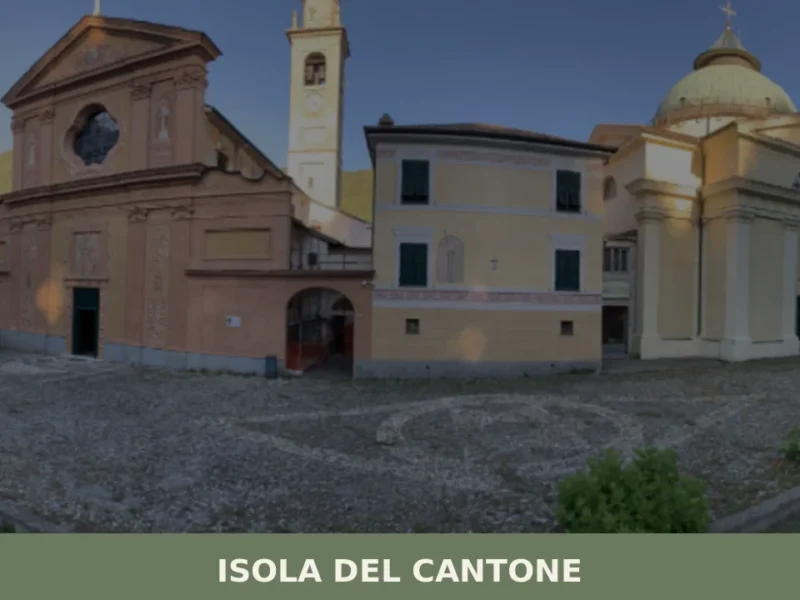
Isola del Cantone
what to see in isola del cantone (Genoa). Discover the Church of Saints Stephen and Innocent and the Old Bridge. Explore this village of 1385 inhabitants.
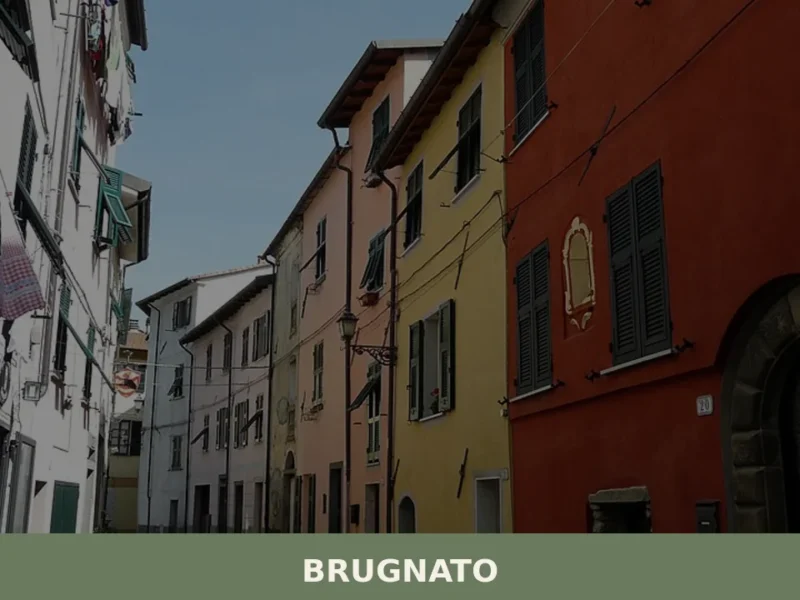
Brugnato
What to see in Brugnato, a Ligurian village 115m above sea level? Explore the Co-Cathedral of San Pietro Apostolo and taste typical Val di Vara products. Discover its rich history!
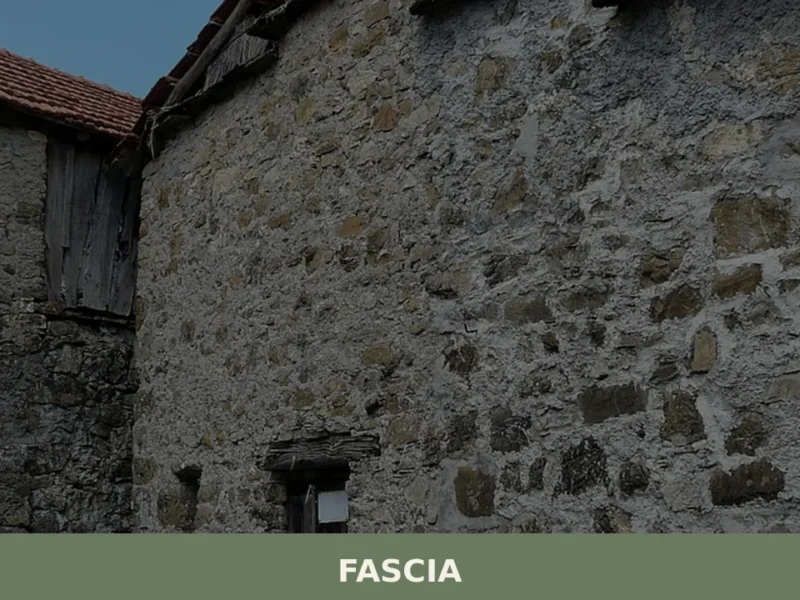
Fascia
At 1118 meters above sea level, Fascia, in the province of Genoa, stands out as one of Liguria’s highest municipalities, with a population of just 70 inhabitants. This demographic data, recorded in the last census, defines a setting of rare tranquility and a distinct mountain identity. For those wondering what to see in Fascia, it […]



📝 Incorrect information or updates?
Help us keep the Diano Arentino page accurate and up to date.