


Bonassola
 Sea
Sea
Bonassola’s single-track railway station, opened in 1874 as part of the Genoa–La Spezia line, brought the first outsiders to a coastal settlement that had survived for centuries on olive oil, wine, and anchovies. Today this compact village of 794 inhabitants sits at six metres above sea level along the Riviera di Levante, its beach one […]
Discover Bonassola
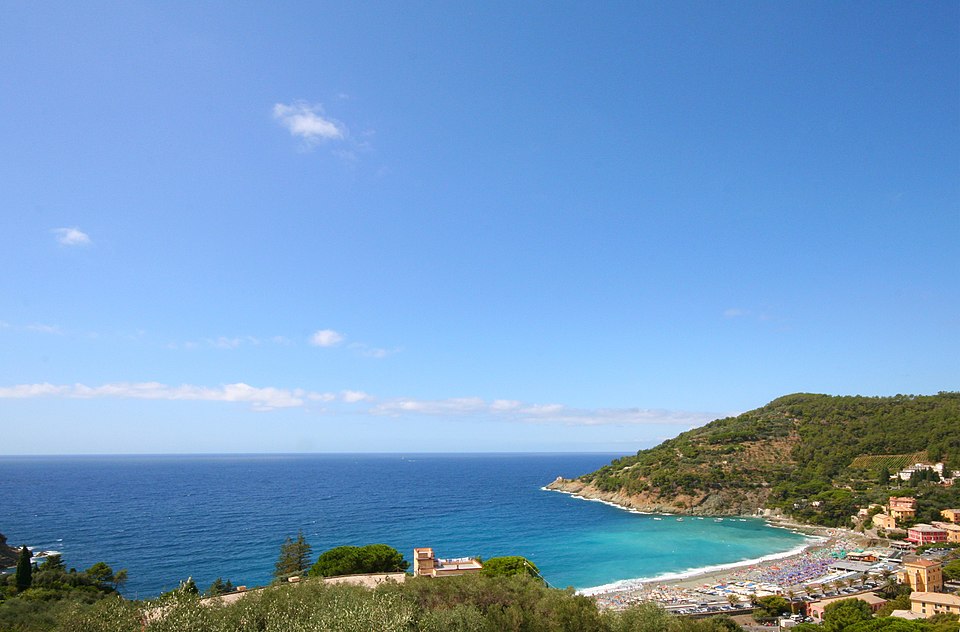
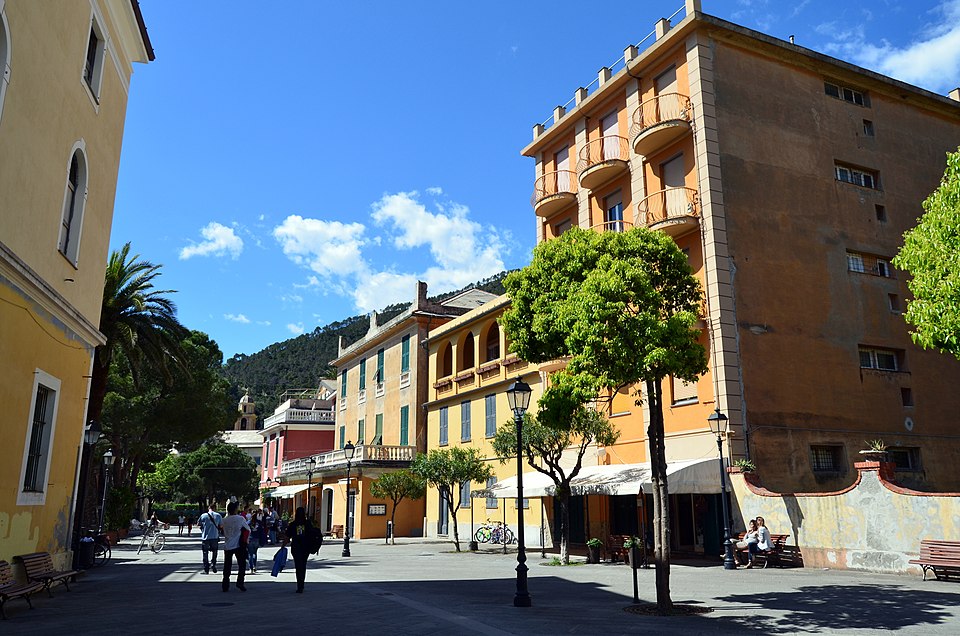
Bonassola’s single-track railway station, opened in 1874 as part of the Genoa–La Spezia line, brought the first outsiders to a coastal settlement that had survived for centuries on olive oil, wine, and anchovies. Today this compact village of 794 inhabitants sits at six metres above sea level along the Riviera di Levante, its beach one of the few sandy stretches on a predominantly rocky coast. Understanding what to see in Bonassola begins with that unusual geography — a flat alluvial plain where a narrow valley meets the Ligurian Sea, framed by headlands on both sides.
History of Bonassola
The earliest documented reference to Bonassola appears in a diploma from Emperor Otto I, dated 951 AD, where the settlement is recorded under the name “Bolonassula.” Scholars have debated the etymology: some connect it to a corruption of “Bona Insula” (good island or good resting place), while others trace it to a pre-Roman Ligurian root. By the twelfth century, the village fell under the jurisdiction of the Republic of Genoa, which fortified the coastline against Saracen raids that had plagued Ligurian communities for generations.
Genoese control meant that Bonassola’s economy became tied to maritime trade. Local shipyards built small cargo vessels — leudi and gozzi — that carried olive oil and wine along the coast. The village’s defensive watchtowers, constructed between the sixteenth and seventeenth centuries, still mark the headlands flanking the bay. These were part of a broader network of coastal signal towers that stretched from the French border to the Gulf of La Spezia, designed to provide early warning of pirate incursions.
In the Napoleonic period, Bonassola was absorbed into the French Empire’s Department of the Apennins. After 1815, it passed to the Kingdom of Sardinia, and eventually became part of unified Italy. The construction of the Genoa–La Spezia railway through the village in the 1870s gradually shifted the local economy from subsistence agriculture toward seasonal tourism, a transformation that accelerated steadily through the twentieth century.
What to see in Bonassola: 5 key attractions
Church of Santa Caterina d’Alessandria
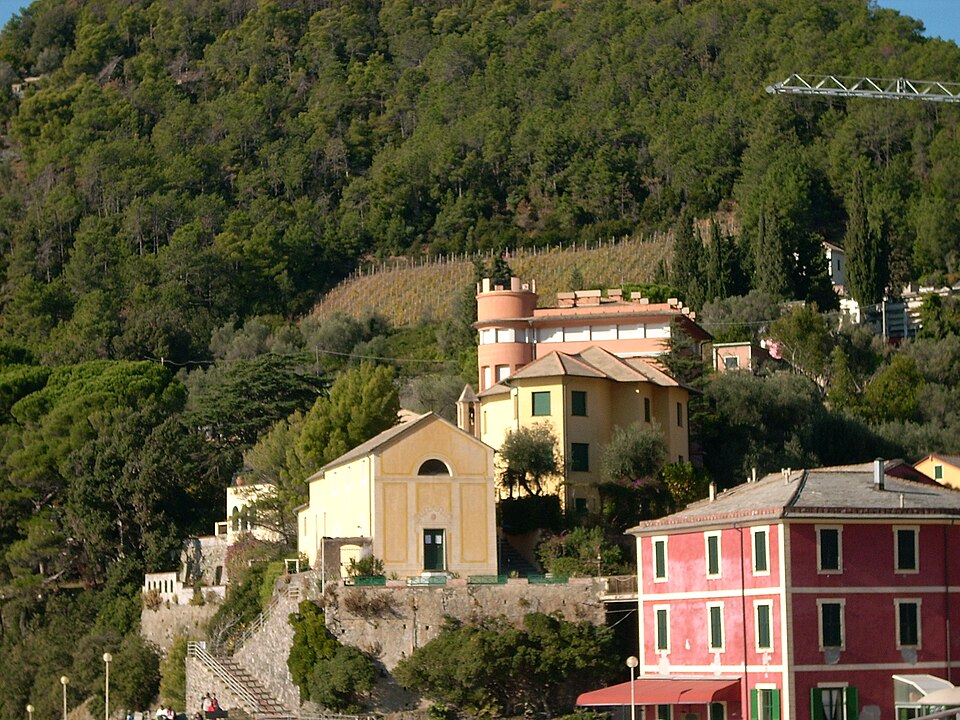
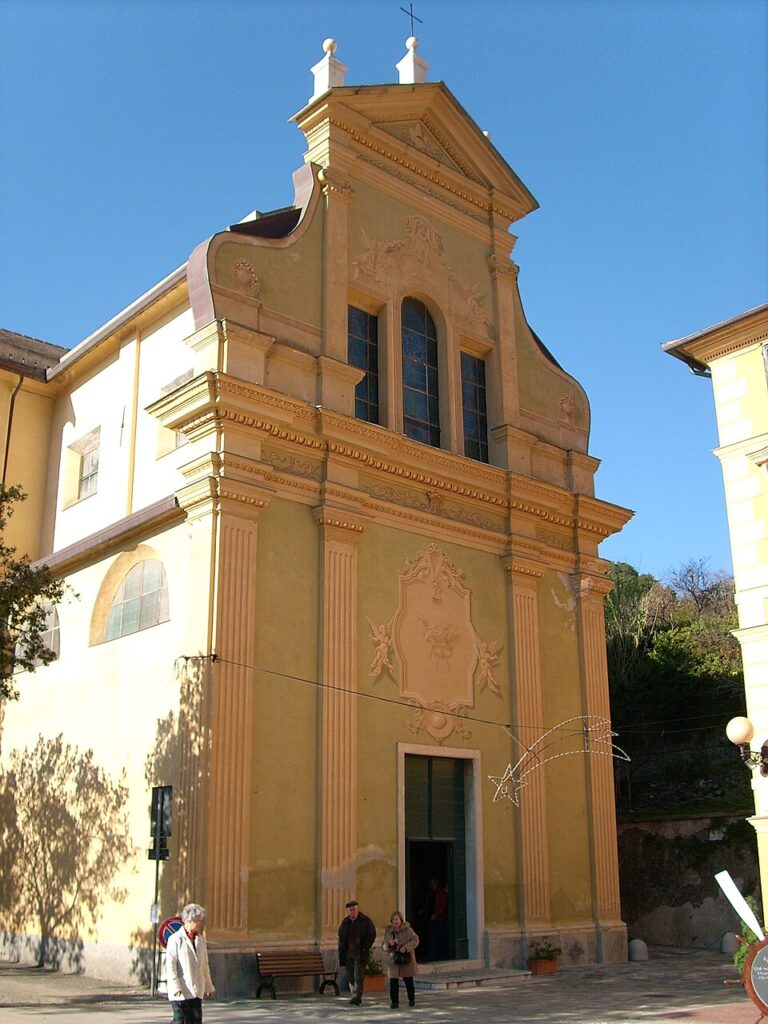
The parish church, rebuilt in the seventeenth century over a medieval foundation, occupies the centre of the old village. Its interior holds a polyptych attributed to the Ligurian school of painting and a marble altar that reflects the prosperity Genoa’s maritime economy brought to even its smaller coastal dependencies. The bell tower, visible from the beach, serves as the village’s primary vertical landmark.
The Bonassola–Framura cycling and walking path
Converted from a disused section of the old railway line, this path runs approximately two kilometres through former rail tunnels cut into the cliff face between Bonassola and the neighbouring village of Framura. The tunnels open at intervals onto views of the sea below. It is flat, paved, and accessible to cyclists and pedestrians, making it one of the most practical ways to experience the coastal geology firsthand.
The Madonnina della Punta
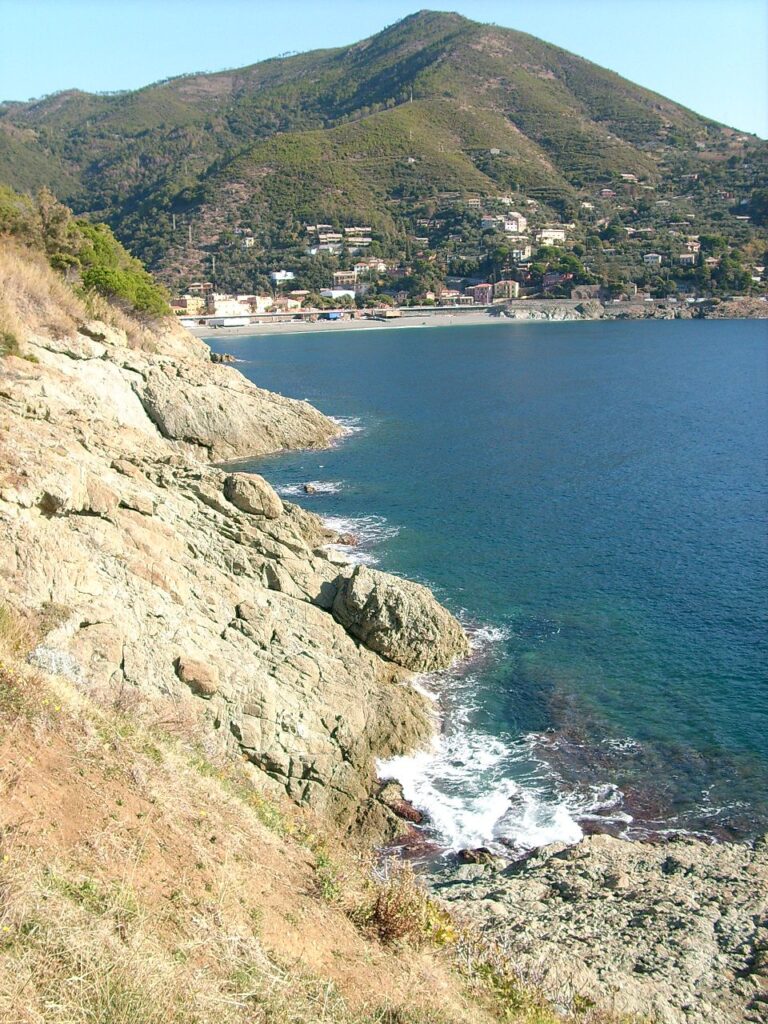
A white statue of the Madonna stands on the eastern headland at the edge of the bay, positioned to face the open sea. The site functions as a viewpoint from which the full curve of Bonassola’s beach and the profile of the village become legible. The footpath up is short but steep, running through low Mediterranean scrub — rosemary, mastic, and tree heather.
Oratory of Sant’Erasmo
Located near the seafront, this small oratory was dedicated to the patron saint of sailors, a deliberate choice for a community whose livelihood depended on the sea. The interior contains processional equipment and religious objects associated with Bonassola’s traditional confraternities, lay religious organisations that once played a central role in Ligurian coastal village governance.
The coastal watchtowers
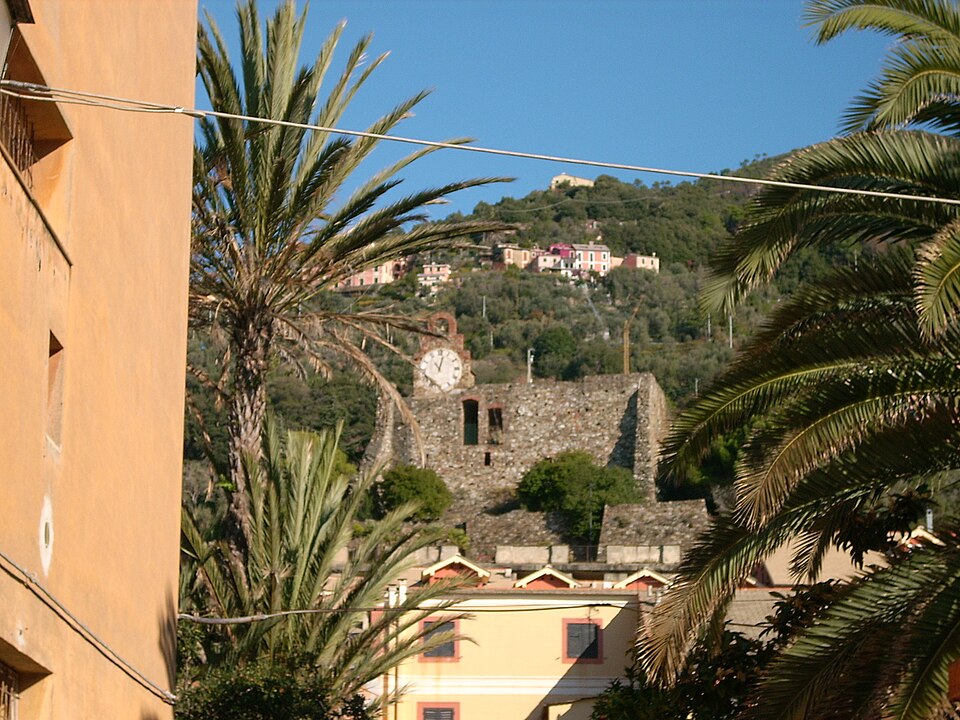
Two defensive towers occupy positions on the headlands flanking the bay. Built during Genoese rule to counter the threat of Ottoman and Barbary corsair raids, they are constructed from local stone and follow a standard design repeated along the Ligurian coast. Though not open to the public, they are clearly visible from the beach and from the trail system that connects Bonassola to Levanto to the west.
Local food and typical products
Bonassola’s food reflects the Ligurian coast’s dual economy of olive groves and fishing. The village sits within the production area of Riviera Ligure DOP olive oil, pressed from Lavagnina and Razzola cultivars that thrive on the terraced hillsides above the coast. Anchovies, salted or marinated in lemon, appear on most local menus, prepared according to methods common across the province of La Spezia. Pesto alla genovese, made with local basil, pine nuts, garlic, Parmigiano-Reggiano, and pecorino, remains the dominant sauce. Focaccia — thin, salty, generously oiled — is a daily staple, not a special occasion food.
Small restaurants and trattorie in the village centre serve seasonal menus that shift between seafood-heavy summer offerings and heavier winter dishes like minestrone alla genovese, a vegetable soup dense with beans and pasta. The local white wines, produced from Vermentino and Albarola grapes within the Colline di Levanto DOC zone, pair directly with the anchovy and vegetable dishes that dominate the table. Portions tend to be moderate; the cooking style relies on ingredient quality rather than elaboration.
Best time to visit Bonassola
The Ligurian coast’s Mediterranean climate gives Bonassola mild winters and warm, dry summers. July and August bring the highest temperatures — typically 28–31°C — and the largest crowds, as Italian and European visitors fill the beach and the village’s limited accommodation. For anyone planning what to see in Bonassola without competing for space, the weeks between late April and mid-June offer warm enough weather for walking, fewer visitors, and the hillside terraces in full spring growth. September and early October remain warm, with sea temperatures still suitable for swimming.
The village’s patron saint festival, the Festa di Santa Caterina, takes place on 25 November and includes a procession and local food stalls. Summer brings smaller events — outdoor concerts, open-air cinema screenings — organised by the municipality. Rainfall peaks in October and November; the steep terrain above the village can be prone to flash flooding during heavy autumn storms, a recurring issue across Liguria’s coastal communities.
How to get to Bonassola
Bonassola sits on the Trenitalia regional line between Genoa and La Spezia, with direct train service taking approximately 75 minutes from Genova Piazza Principe station and 20 minutes from La Spezia Centrale. Trains run frequently in summer and roughly every one to two hours in the off-season. The station is a three-minute walk from the beach.
By car, the A12 motorway connects Bonassola to Genoa (approximately 90 km to the northwest) and La Spezia (approximately 30 km to the southeast). The exit for Bonassola is at Deiva Marina–Moneglia, from which a narrow provincial road descends to the coast. Parking in summer is limited and regulated. The nearest commercial airports are Genoa Cristoforo Colombo (about 100 km) and Pisa Galileo Galilei (about 110 km). For visitors arriving from Florence, the drive is approximately 190 km via the A11 and A12 motorways.
More villages to discover in Liguria
The province of La Spezia and the broader Ligurian coast hold a concentration of small settlements that developed under similar historical pressures — Genoese control, Saracen raids, terraced agriculture, and fishing. Inland from the coast, above the Val Petronio, Castiglione Chiavarese represents the hill-village counterpart to Bonassola’s coastal identity, with stone hamlets distributed across a landscape of chestnut woods and slate quarries. The contrast between coastal and interior Liguria is sharper than most visitors expect: within a few kilometres, the olive groves give way to dense forest, and the architecture shifts from rendered facades to exposed stone.
Further west along the Ligurian arc, in the province of Imperia near the French border, Apricale occupies a very different position: a medieval hilltop settlement arranged in concentric rings, with no coastal access at all. Comparing these villages — one at sea level, one at altitude, one inland in the eastern Riviera — reveals how varied Liguria’s settlement patterns actually are, even within a region that the outside world tends to reduce to a single image of colourful harbourfront houses.
Frequently asked questions about Bonassola
What is the best time to visit Bonassola?
The ideal time to visit Bonassola depends on your preferences. For warm weather, swimming, and fewer crowds, aim for the shoulder seasons: late April to mid-June, or September to early October. During these periods, temperatures are pleasant, and the sea is still inviting. July and August offer peak summer heat (28–31°C) and the busiest atmosphere. If you're interested in local traditions, the Festa di Santa Caterina d'Alessandria, Bonassola's patron saint, is celebrated on November 25th with a procession and food stalls, offering a glimpse into village life outside the main tourist season.
What to see in Bonassola? Main monuments and landmarks
Bonassola offers several key attractions. The **Church of Santa Caterina d'Alessandria**, rebuilt in the 17th century, stands in the village center, notable for its bell tower and interior art; it's typically open for visitors during daylight hours. Don't miss the **Bonassola–Framura cycling and walking path**, a scenic 2-kilometer route through old railway tunnels with sea views, perfect for easy exploration. For breathtaking vistas, walk up to the **Madonnina della Punta** on the eastern headland, offering panoramic views of the entire bay. The **Oratory of Sant'Erasmo**, near the seafront, reflects the village's maritime heritage, while the historic **coastal watchtowers** on the headlands, though not open to the public, are visible landmarks.
What are the main natural or scenic attractions of Bonassola?
Bonassola's primary natural attraction is its unique **sandy beach**, a rarity on Liguria's predominantly rocky coast, framed by picturesque headlands. The **Bonassola–Framura cycling and walking path**, converted from an old railway line, offers stunning sea views and a chance to experience the coastal geology firsthand through its tunnels. For panoramic vistas of the entire bay and village, a short, steep walk to the **Madonnina della Punta** on the eastern headland is highly recommended. The surrounding hillsides are covered in classic Mediterranean scrub, providing beautiful natural scenery for walks and hikes on the local trail system.
Where to take the best photos in Bonassola?
For quintessential Bonassola photos, head to the **Madonnina della Punta** on the eastern headland. From this elevated viewpoint, you can capture the entire curve of the sandy beach, the charming village profile, and the sparkling Ligurian Sea. The **Bonassola–Framura cycling and walking path** offers unique photographic opportunities through its tunnels, which periodically open to dramatic sea vistas. Don't forget the **beach itself**, where you can frame the iconic bell tower of the Church of Santa Caterina d'Alessandria against the backdrop of the sea and the flanking watchtowers for classic coastal shots.
Are there museums, churches or historic buildings to visit in Bonassola?
Yes, Bonassola features notable religious buildings. The **Church of Santa Caterina d'Alessandria**, a 17th-century reconstruction over medieval foundations, is the central parish church, housing a polyptych and a marble altar, and is generally accessible for visitors. The small **Oratory of Sant'Erasmo**, located near the seafront, is dedicated to sailors and contains historic religious artifacts reflecting the village's maritime heritage. While the ancient **coastal watchtowers** on the headlands are prominent historic buildings, they are not open to the public but are clearly visible from the beach and local trails, offering a glimpse into Bonassola's defensive past.
What can you do in Bonassola? Activities and experiences
Bonassola offers a range of activities. Enjoy **swimming and sunbathing** on its rare sandy beach, with sea temperatures pleasant from late spring through early autumn. Explore the scenic **Bonassola–Framura cycling and walking path**, a flat, paved route perfect for families and cyclists, offering stunning coastal views. For more active pursuits, **hike** to the Madonnina della Punta or explore the wider trail system connecting to nearby villages like Levanto. Indulge in **local food and wine** at village restaurants, savoring fresh anchovies, pesto, focaccia, and Colline di Levanto DOC wines. In late November, experience the traditional **Festa di Santa Caterina**, and look out for summer events like concerts and open-air cinema.
Who is Bonassola suitable for? Families, couples, hikers, solo travelers?
Bonassola is an ideal destination for various travelers seeking a relaxed Ligurian experience. Its unique **sandy beach** and the accessible **Bonassola–Framura cycling and walking path** make it particularly appealing for **families** with children. **Couples** will appreciate the charming village atmosphere, scenic viewpoints like the Madonnina della Punta, and intimate local trattorie. With its coastal trails and connections to other villages, it's also well-suited for **hikers** and **walkers** eager to explore the Riviera di Levante on foot. The village's tranquility outside peak season and good train links also make it a comfortable choice for **solo travelers**.
What to eat in Bonassola? Local products and specialties
In Bonassola, you can savor authentic Ligurian flavors. Key specialties include **Riviera Ligure DOP olive oil**, pressed from local Lavagnina and Razzola olives, and fresh **anchovies**, prepared salted or marinated. The iconic **Pesto alla genovese**, made with local basil, is a must-try, often served with pasta. Don't miss the daily **focaccia**, a thin, salty, and generously oiled bread perfect as a snack or accompaniment. Local restaurants offer seasonal menus featuring fresh seafood in summer and heartier dishes like minestrone in winter. Pair your meal with excellent local white wines from the **Colline di Levanto DOC zone**, typically Vermentino and Albarola grapes.
📷 Photo Gallery — Bonassola
Nearby Villages near Bonassola
In Liguria More villages to discover
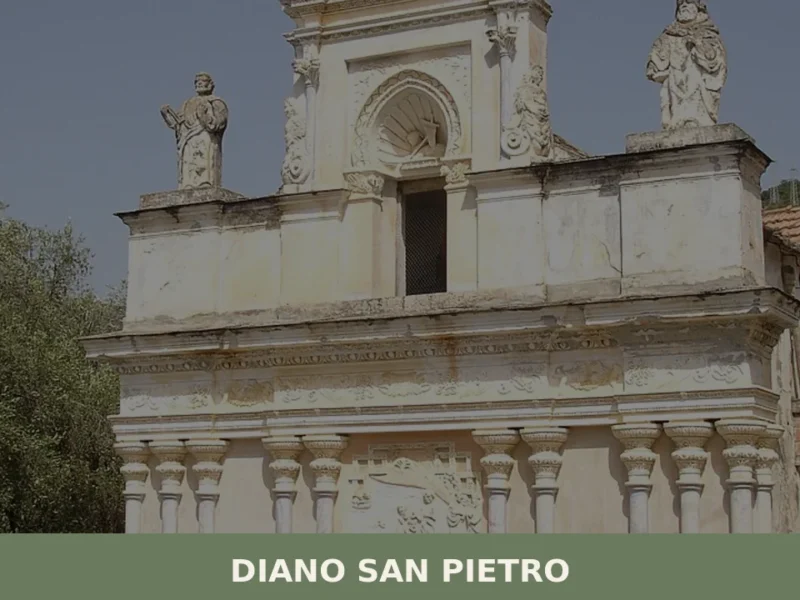
Diano San Pietro
 Plains
What to see in Diano San Pietro: a village of 1,081 at 83m in the Diano Valley. Discover the Church of San Pietro, olive terraces and nearby villages. Plan your visit.
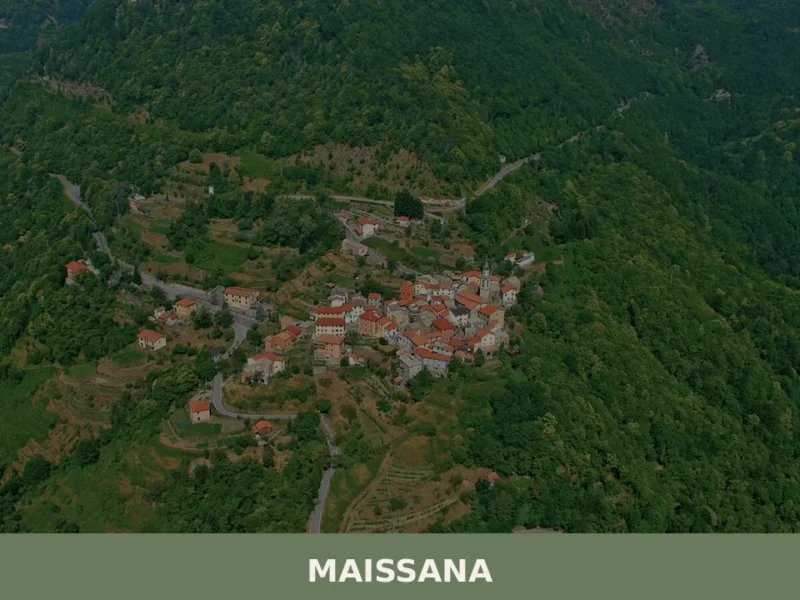
Maissana
 Mountain
What to see in Maissana, Italy: 644 inhabitants, 50 km from Genoa. Discover top attractions, local food, festivals and how to get there. Explore now.
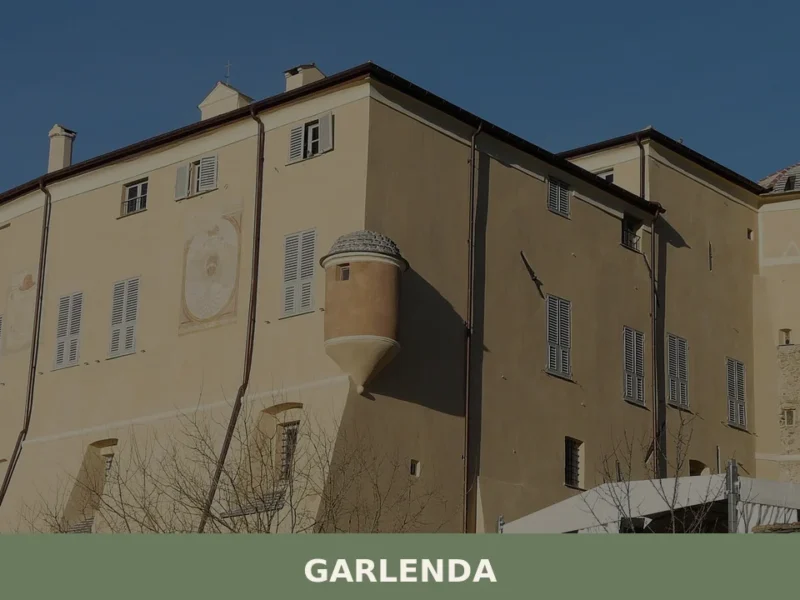
Garlenda
 Hills
Hills
What to see in Garlenda, Liguria, Italy: explore a village of 1,200 inhabitants 80 km from Genoa. Discover top attractions, local food, and how to get there.
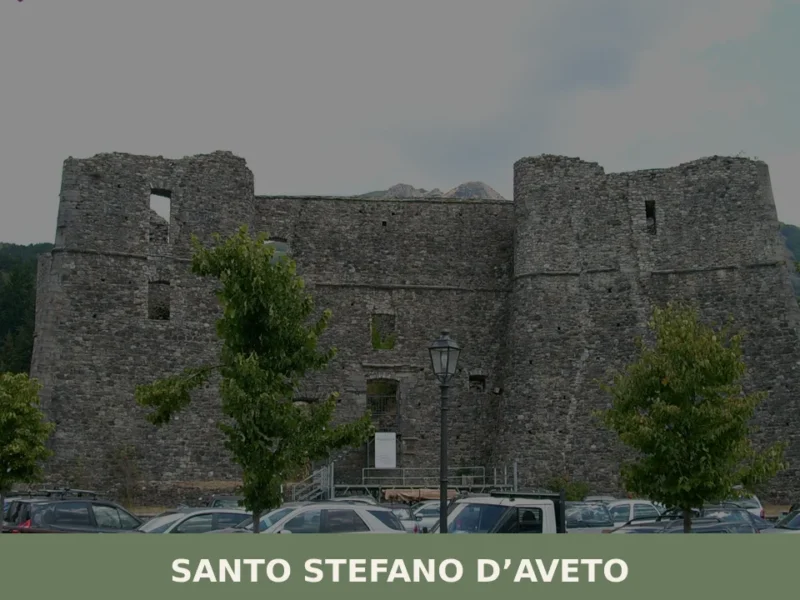
Santo Stefano d’Aveto
Mountain
What to see in Santo Stefano d'Aveto? Discover the castle, hikes, and nearby villages with our complete guide to the Ligurian hinterland. Plan your trip now!
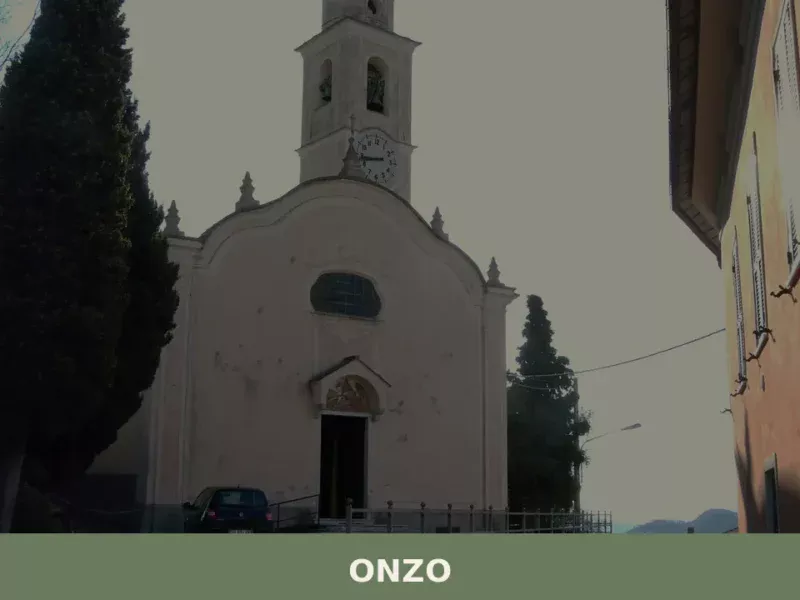
Onzo
Hills
What to see in Onzo, Liguria, Italy: explore a village of 224 inhabitants 80 km from Genoa. Discover top attractions, local food, and how to get there.
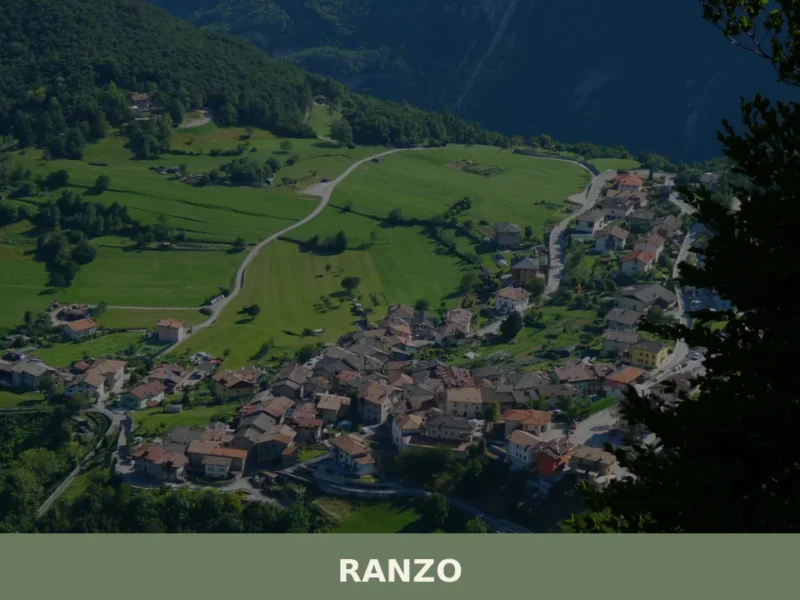
Ranzo
Mountain
What to see in Ranzo, Liguria, Italy: explore a village of 550 inhabitants, 80 km from Genoa. Discover top attractions, local food, and how to get there.
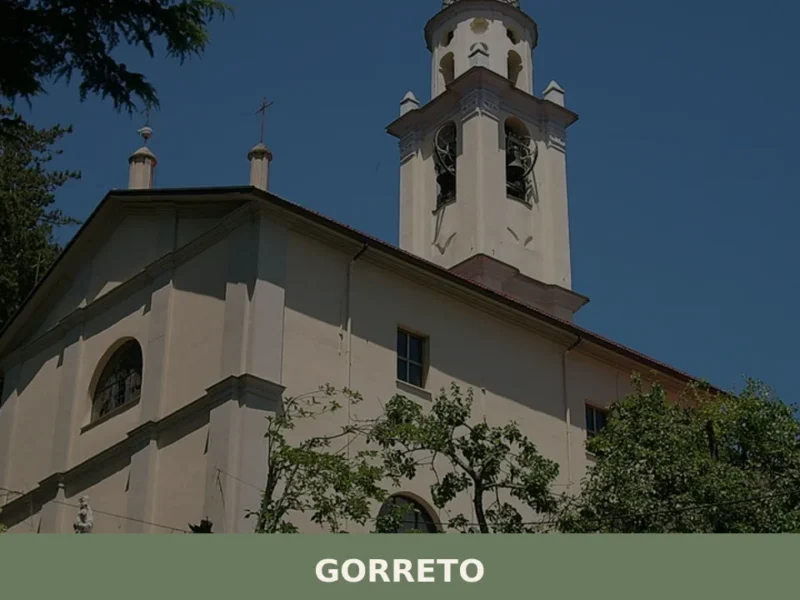
Gorreto
Hills
Gorreto: Complete Editorial Guide The stone bridge over the Trebbia, with its centuries-old arches, marks the entrance to Gorreto, a village that reveals itself with the discretion of a place that has watched the passage of people and goods for centuries. At 533 metres above sea level, in the province of Genova, this settlement of […]
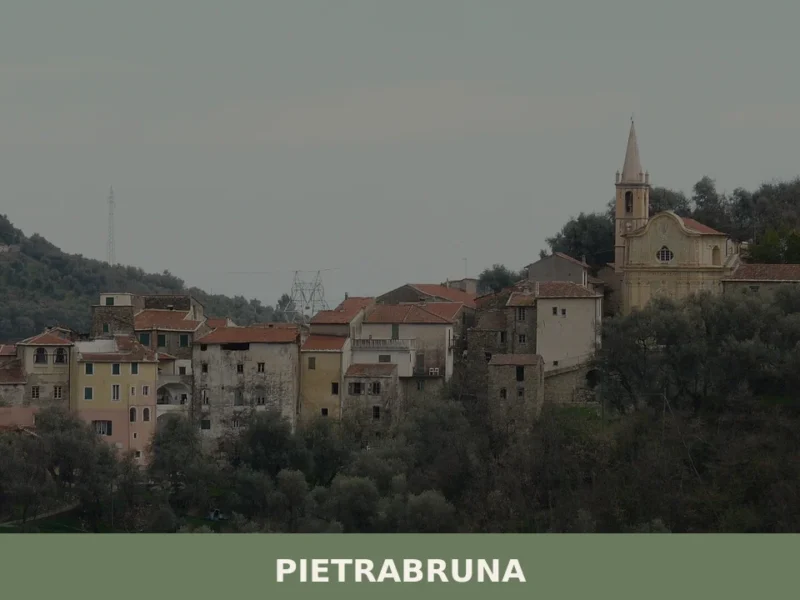
Pietrabruna
Sea
What to see in Pietrabruna, Italy: 546 inhabitants, 100 km from Genoa. Discover medieval architecture, Ligurian olive oil and local festivals. Full travel guide.
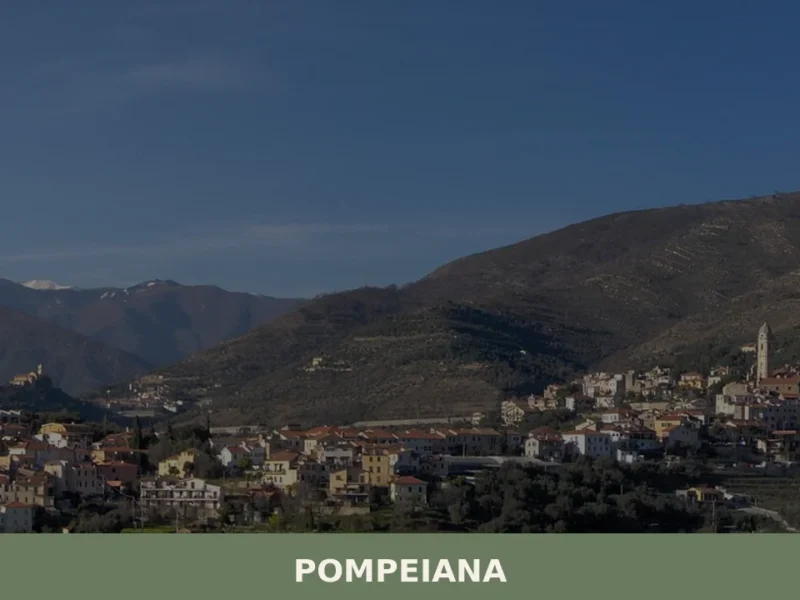
Pompeiana
Sea
what to see in pompeiana, Italy. Discover this Imperia village of 837 residents, explore its historic center and surrounding olive terraces. Read our guide to Liguria.
Aurigo
Hills
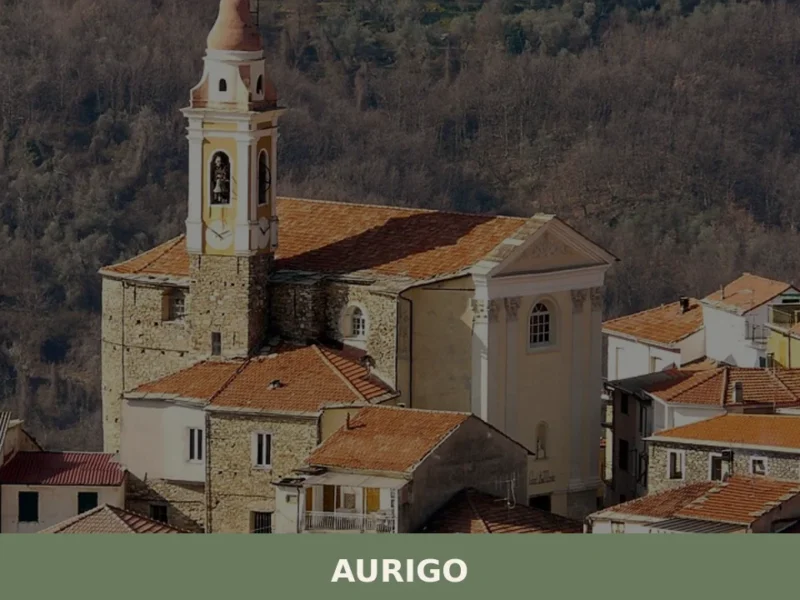
A 331-inhabitant village above the Impero Valley. Discover what to see in Aurigo: centuries-old sanctuaries, stone lanes, and olive terraces across the Ligurian hinterland.




🏡 Know Bonassola better than we do?
If you’re a local or have been there, your knowledge matters: add what’s missing or fix a detail on this page.