


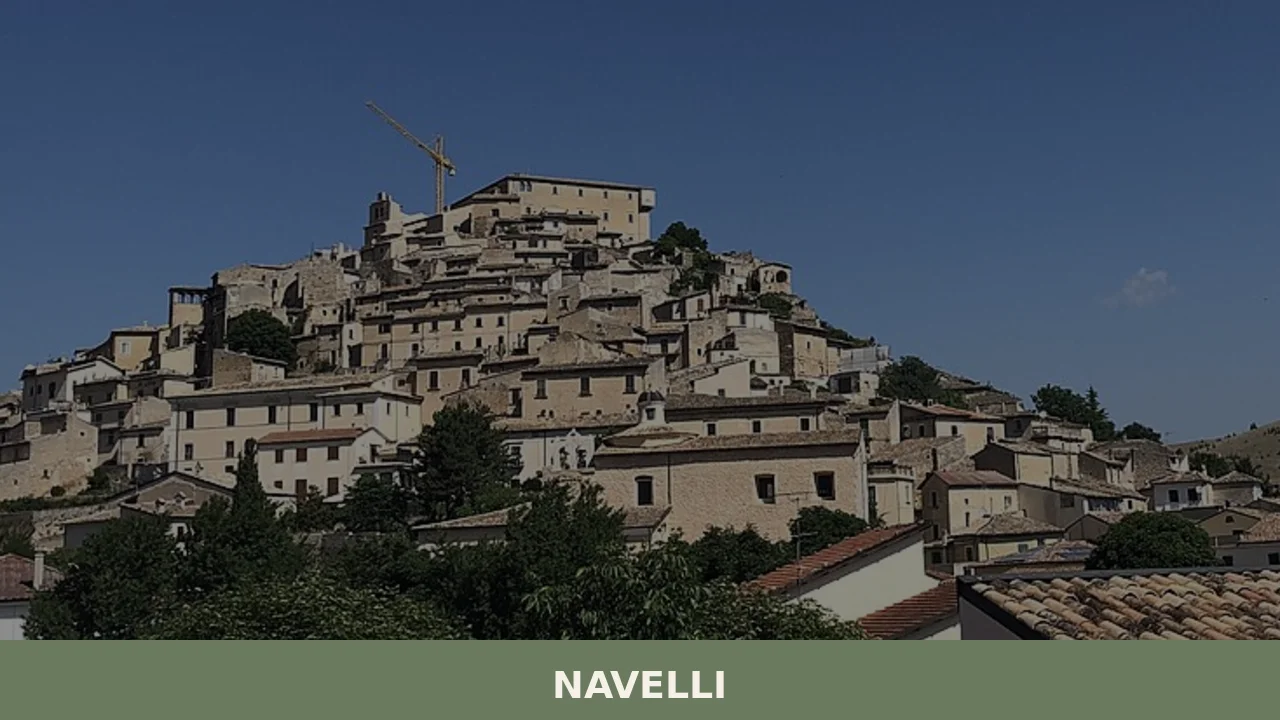
Navelli
 Mountain
Navelli has a current population of 537 and occupies a plateau at 760 metres above sea level on the homonymous highland, in the province of L’Aquila. Saffron cultivation in this area has been documented since at least the 13th century, when the spice became a trade commodity destined for the markets of Milan, Venice and […]
Discover Navelli
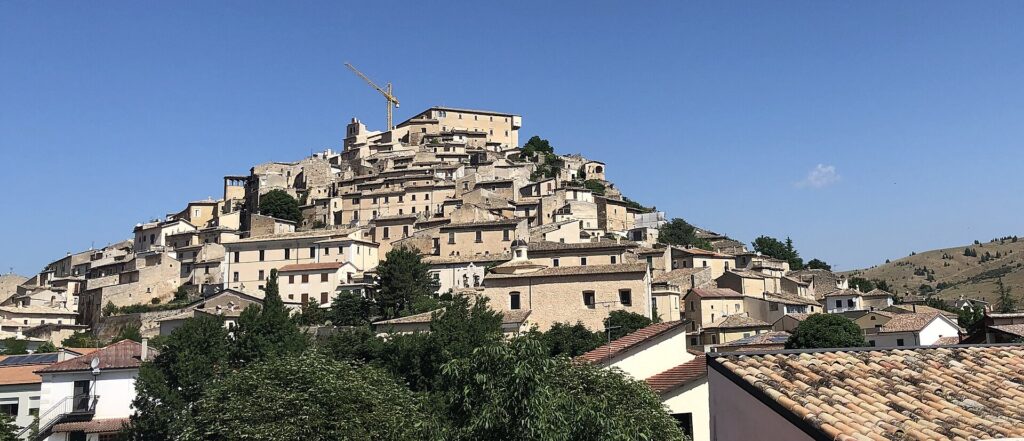
Navelli has a current population of 537 and occupies a plateau at 760 metres above sea level on the homonymous highland, in the province of L’Aquila. Saffron cultivation in this area has been documented since at least the 13th century, when the spice became a trade commodity destined for the markets of Milan, Venice and Nuremberg. Understanding what to see in Navelli means exploring a historic centre built almost entirely from local white stone, laid out along a ridge that follows the crest of the hill, with the remains of the Santucci baronial palace already visible from the entrance to the village.
History and origins of Navelli
The place name Navelli first appears in 10th-century documents linked to the diocese of Valva. The settlement served a defensive function along the route connecting L’Aquila to Sulmona, and underwent its first structured development under Norman rule, between the 11th and 12th centuries. The castle, now reduced to ruins at the highest point of the inhabited centre, was the apex of a lookout system that covered the entire plateau as far as the slopes of Gran Sasso to the north and the Maiella massif to the south-east.
In the 15th century, the Santucci family gained feudal control of the village and began construction of the baronial palace that still dominates the central part of the settlement today. Navelli suffered severe damage during the earthquake of 1703, the same one that devastated L’Aquila, and was partially rebuilt in the following decades. The local economy remained tied to saffron production — the so-called “red gold” of the plateau — and to transhumant pastoralism along the drovers’ tracks that descended towards the Tavoliere plain in Puglia.
In 1927 the municipality was transferred from the suppressed province of Aquila degli Abruzzi to the newly established province of L’Aquila. The 2009 earthquake caused further damage to the built heritage, and consolidation work on the historic centre continued for over a decade. Today the local economy relies on agriculture, small-scale craftsmanship and slow tourism connected to the hiking network across the plateau. Further information on the history of the village is available on the Wikipedia page dedicated to Navelli.
What to see in Navelli: 5 main attractions
1. Palazzo Santucci
The baronial building, dating from the 15th century, occupies the main frontage of the village with a portal in dressed stone and a loggia on the piano nobile. After the damage caused by the 2009 earthquake, parts of the structure were reinforced. The architectural layout retains Renaissance elements in the window capitals and in the entrance passageway, which leads into an internal courtyard with a well.
2. Church of San Sebastiano
Dedicated to the patron saint of the village, the church has a sober white stone façade with a circular rose window. The interior, with a single nave, houses a 17th-century wooden altar and a processional statue of San Sebastiano carried through the streets every 20 January. The compact plan reflects the proportions typical of late-medieval religious architecture in Abruzzo.
3. The remains of the medieval castle
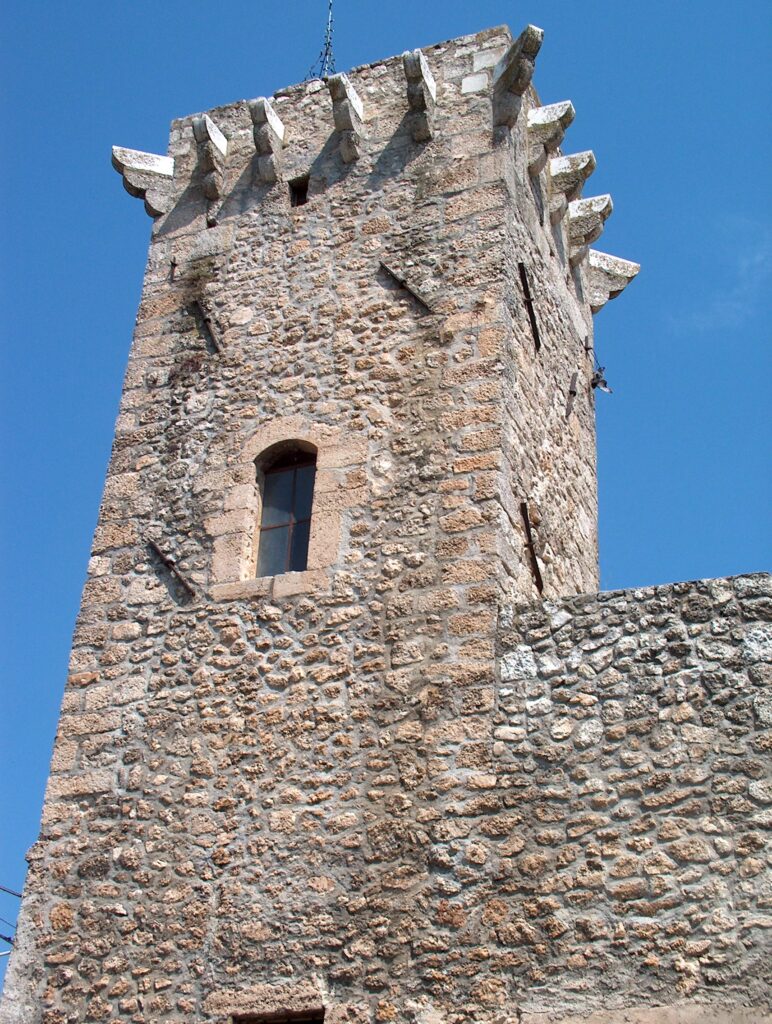
At the top of the hill stand the surviving walls of the Norman fortress, from which there is an unobstructed view across the entire Navelli plateau as far as the Gran Sasso massif. Sections of the curtain wall and the base of a rectangular tower still survive. The site can be reached on foot from the historic centre in about ten minutes via a stone stairway.
4. The white stone historic centre
The built fabric of Navelli is constructed almost uniformly from locally quarried white limestone. The houses line narrow alleys that follow the contour lines of the hill, with covered passages, reinforcing arches between façades and external stone staircases. Several portals bear carved inscriptions with dates ranging from the 16th to the 18th century.
5. The saffron fields of the plateau
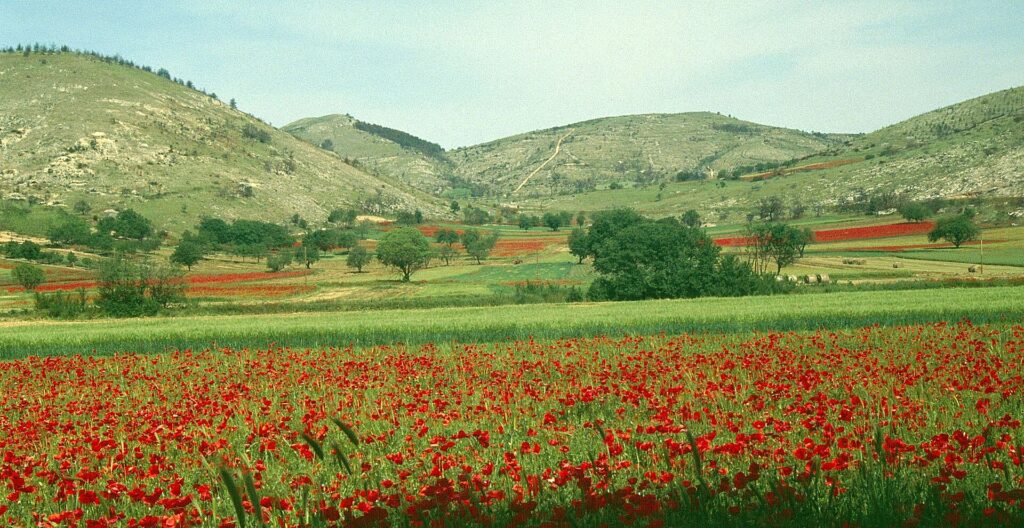
Between the end of October and the first days of November, the fields around Navelli are covered with the purple flowers of Crocus sativus. Harvesting is done by hand, at dawn, before the petals open. Only three red stigmas are extracted from each flower, and these are dried over embers of almond wood. The plateau is the production area for Zafferano dell’Aquila DOP.
Local cuisine and regional products
Zafferano dell’Aquila DOP is the product that defines the gastronomic identity of Navelli and the entire plateau. It is used in risottos, legume soups and in the preparation of local sweets such as saffron confetti. Harvesting and processing remain entirely manual: roughly 200,000 flowers are needed to obtain one kilogram of dried spice, which explains the high price and limited production. Navelli saffron is distinguished by its high safranal and crocin content, parameters that certify its superior quality compared to the majority of foreign production.
Alongside saffron, the local cuisine features dishes rooted in the pastoral and farming traditions of the plateau: sagne e fagioli, lamb arrosticini, maccheroni alla chitarra dressed with lamb ragù. Lentils grown in the neighbouring area of Santo Stefano di Sessanio round out a repertoire in which pulses play a central role. The area has a number of trattorias and agriturismos serving menus based on produce grown on the plateau, with generous portions and prices that are moderate compared to the average in Abruzzo’s more tourist-oriented areas.
When to visit Navelli: the best time of year
The most distinctive time to visit Navelli is the end of October, during the saffron flowering season. In those days the Sagra dello Zafferano (Saffron Festival) takes place, with demonstrations of the harvest in the fields, dishes featuring the spice and a local producers’ market. The plateau at that altitude — 760 metres — already has cool temperatures, between 5 and 15 degrees, and the days are getting shorter, but the raking light of late autumn makes the purple fields clearly visible even from a distance.
Summer brings moderate temperatures, rarely exceeding 30 degrees, and the opportunity to walk or cycle the trails across the plateau, which link Navelli to the surrounding villages. Winter is harsh, with frequent snowfall between December and February, and the historic centre empties out further. The feast of the patron saint San Sebastiano, on 20 January, is one of the few winter events that draw back residents and families originally from the village. The Touring Club Italiano includes the Navelli plateau among the inland areas of Abruzzo of landscape interest.
How to reach Navelli
Navelli is reached by car from the A25 Roma-Pescara motorway, exiting at the Bussi/Popoli junction, from which roughly 25 kilometres remain along the state road SS17. From L’Aquila the distance is about 30 kilometres heading south-east, along the same SS17 that crosses the plateau. From Rome the journey is approximately 150 kilometres, with a travel time of about one hour and forty minutes under normal traffic conditions.
The nearest railway station is L’Aquila, served by regional connections to Sulmona and Terni. From there it is necessary to continue by private vehicle or by the TUA Abruzzo bus service, which connects L’Aquila to the towns on the plateau with a limited number of daily runs. The nearest airport is Pescara (Abruzzo Airport), approximately 85 kilometres away. Rome Fiumicino and Rome Ciampino airports are roughly 170 and 155 kilometres away respectively.
What to see in Navelli and other villages to explore in Abruzzo
Inland Abruzzo, the territory stretching between the Gran Sasso and Maiella massifs, has dozens of small centres with fewer than a thousand inhabitants, united by the use of local stone as the dominant building material and by economies based on mountain agriculture. Those visiting Navelli and the L’Aquila plateau can extend their itinerary to other parts of the region that share similar building traditions and landscapes, each with its own distinct features.
In the province of Chieti, Carunchio stands in the upper Vastese area, on a ridge at about 650 metres above sea level, with a compact medieval centre and a position commanding the Treste valley. Further south, also in the Chieti province, Bomba overlooks the artificial lake of the same name, formed by the damming of the Sangro river, and retains a historic centre rebuilt after the destruction of the Second World War. Both villages, like Navelli, have resident populations below one thousand and a local economy that is attempting to combine agriculture with tourist hospitality.
Frequently asked questions about Navelli
What is the best time to visit Navelli?
The most enchanting time to visit Navelli is late October, coinciding with the saffron flowering season. During this period, the Sagra dello Zafferano takes place, offering demonstrations of the harvest, tasting of saffron-based dishes, and a local market. Temperatures are cool (5-15°C), perfect for enjoying the vibrant purple fields. Summer offers moderate temperatures (below 30°C) ideal for hiking and cycling the plateau's trails. While winter is cold with frequent snowfall, the feast of the patron saint San Sebastiano on January 20th provides a cultural insight into local traditions.
What to see in Navelli? Main monuments and landmarks
Navelli offers a captivating historic centre built from local white stone, perfect for a stroll through its narrow alleys and characteristic covered passages. Don't miss the imposing Palazzo Santucci, a 15th-century baronial palace with Renaissance elements, and the Church of San Sebastiano, dedicated to the patron saint, featuring a sober façade and a 17th-century altar. For panoramic views, ascend to the remains of the medieval castle at the hill's summit, reachable via a stone stairway. From late October to early November, the surrounding saffron fields, where Zafferano dell'Aquila DOP is harvested, become a must-see.
What are the main natural or scenic attractions of Navelli?
Navelli is nestled within the homonymous plateau, offering extensive natural beauty. The most striking scenic attraction is undoubtedly the view from the remains of the medieval castle, providing an unobstructed panorama stretching across the entire Navelli plateau to the Gran Sasso and Maiella massifs. The surrounding area is part of a hiking network, ideal for walking or cycling, especially in summer when temperatures are moderate. During late autumn, specifically between late October and early November, the saffron fields transform into a vibrant purple landscape, adding a unique natural spectacle to the region.
Where to take the best photos in Navelli?
For breathtaking panoramic shots, head to the remains of the medieval castle at the highest point of the village. From here, you can capture the entire Navelli plateau, with the Gran Sasso and Maiella massifs in the distance. The historic centre itself, with its white stone houses, narrow alleys, covered passages, and ancient portals dating from the 16th to 18th century, offers picturesque backdrops. During late October and early November, the vibrant purple saffron fields provide unique photographic opportunities, especially at dawn when harvesting takes place. The imposing Palazzo Santucci also offers a grand facade for architectural photography.
Are there museums, churches or historic buildings to visit in Navelli?
Yes, Navelli boasts several significant historic buildings and a charming church. You can visit the Palazzo Santucci, a 15th-century baronial palace featuring a distinctive portal, loggia, and Renaissance architectural details. The Church of San Sebastiano, dedicated to the village's patron saint, is also open to visitors, showcasing a sober white stone façade, a circular rose window, and a 17th-century wooden altar inside. The remains of the medieval castle, accessible via a stone stairway, offer historical insights and stunning views. The entire white stone historic centre is an open-air museum, with its unique urban fabric.
What can you do in Navelli? Activities and experiences
In Navelli, you can immerse yourself in slow tourism, exploring the enchanting white stone historic centre on foot. During summer, take advantage of the plateau's hiking and cycling trails, connecting to surrounding villages like Santo Stefano di Sessanio. A truly unique experience is visiting in late October to witness the saffron flowering and participate in the Sagra dello Zafferano, with harvest demonstrations and tastings. Throughout the year, indulge in the local cuisine at trattorias and agriturismos, savoring dishes featuring Zafferano dell'Aquila DOP, lamb arrosticini, and regional pulses.
Who is Navelli suitable for? Families, couples, hikers, solo travelers?
Navelli is ideal for travelers seeking authentic slow tourism experiences, particularly those interested in history, local culture, and nature. It's perfect for **couples** looking for a picturesque, tranquil escape, especially during the saffron flowering season. **Hikers and cyclists** will appreciate the network of trails across the plateau in warmer months. **Families** can enjoy the quiet village atmosphere and gentle walks amidst stunning landscapes. **Food enthusiasts** will find it a paradise for tasting Zafferano dell'Aquila DOP and traditional Abruzzese cuisine. **Solo travelers** will find a welcoming environment for cultural immersion and exploring the natural landscapes and historic centre.
What to eat in Navelli? Local products and specialties
Navelli's gastronomic identity is defined by Zafferano dell'Aquila DOP, known for its superior quality due to high safranal and crocin content. You must try dishes like saffron risotto, legume soups enriched with the spice, and local sweets such as saffron confetti. The local cuisine also features hearty dishes rooted in pastoral traditions, including 'sagne e fagioli' (pasta and beans), succulent lamb 'arrosticini,' and 'maccheroni alla chitarra' served with a rich lamb ragù. Additionally, look for lentils from the nearby Santo Stefano di Sessanio, which play a central role in many local recipes.
📷 Photo Gallery — Navelli
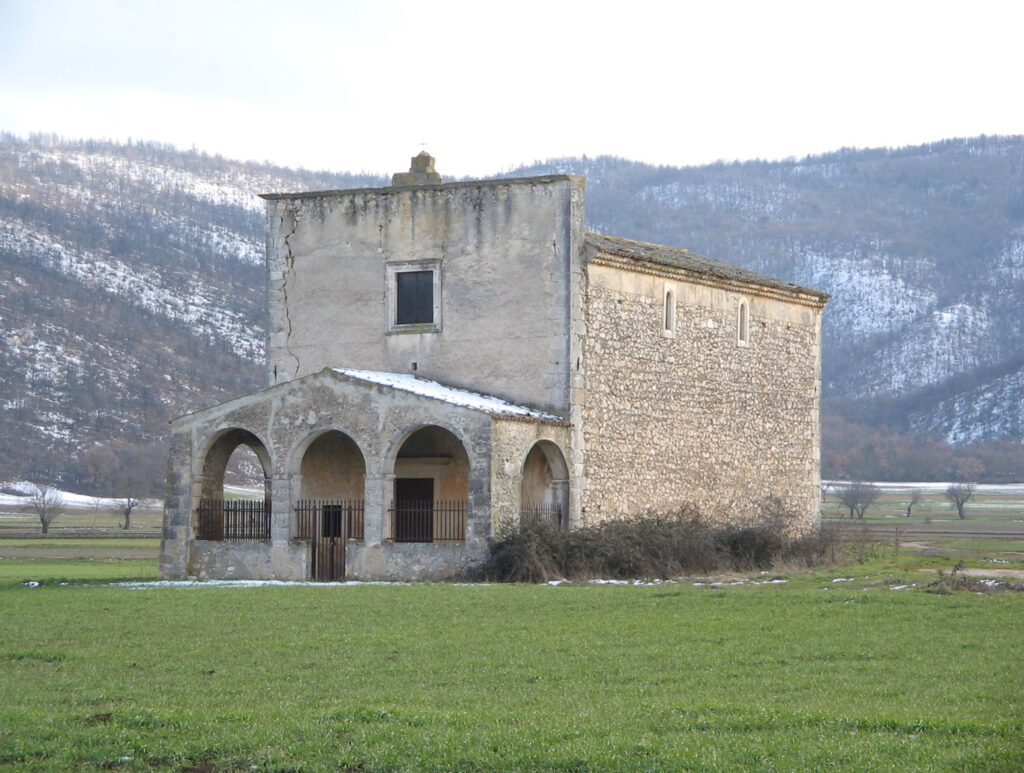
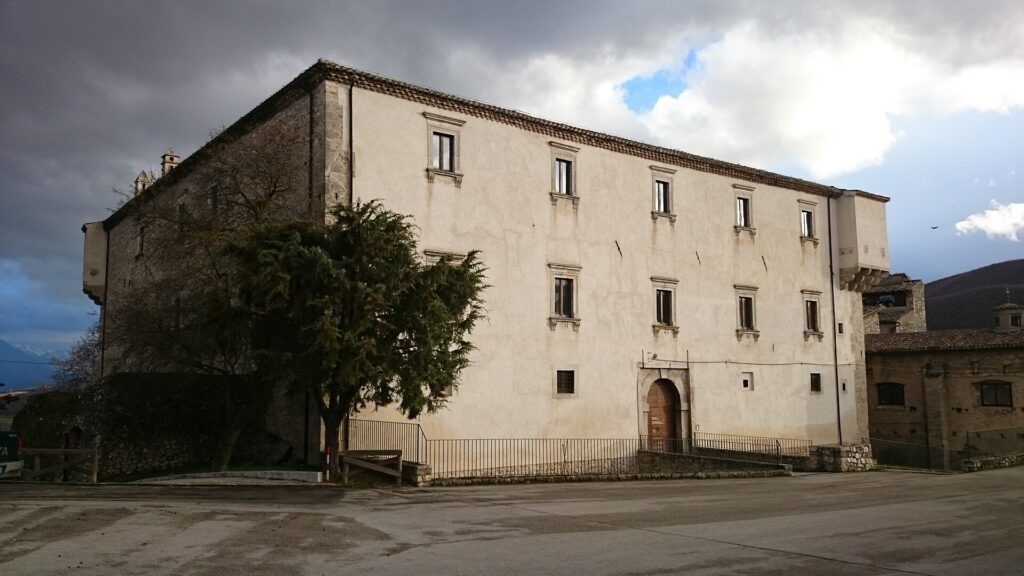
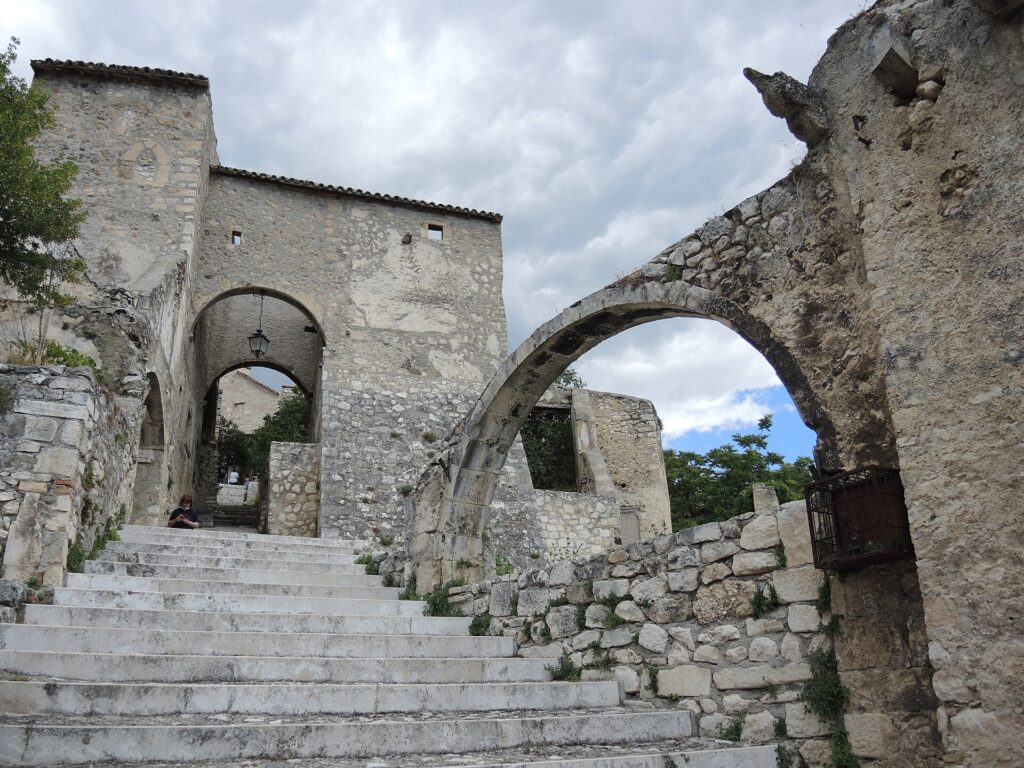
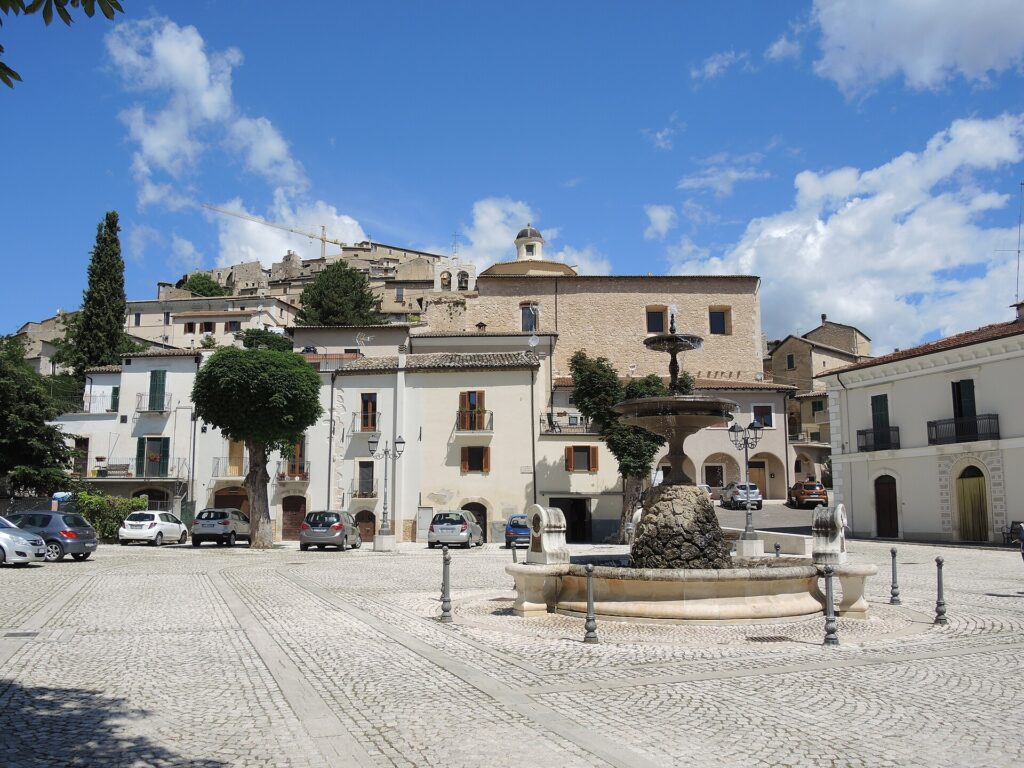
Nearby Villages near Navelli
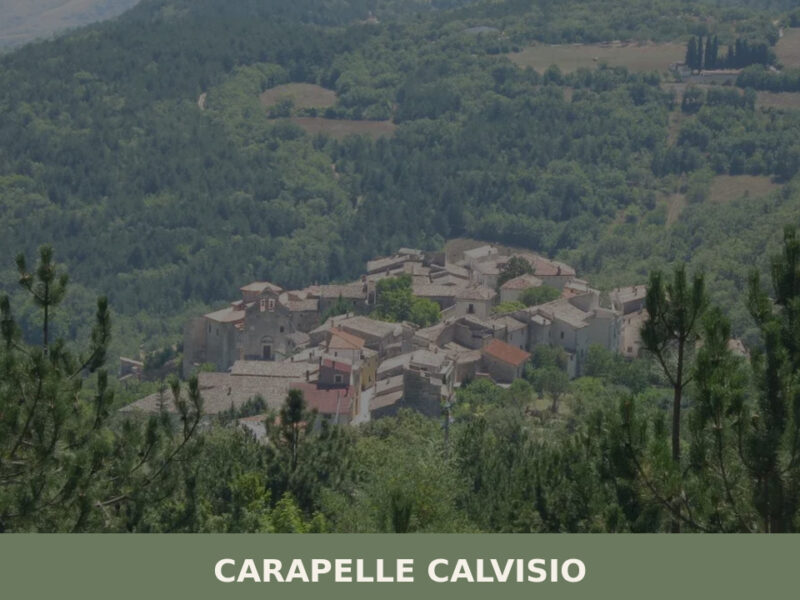
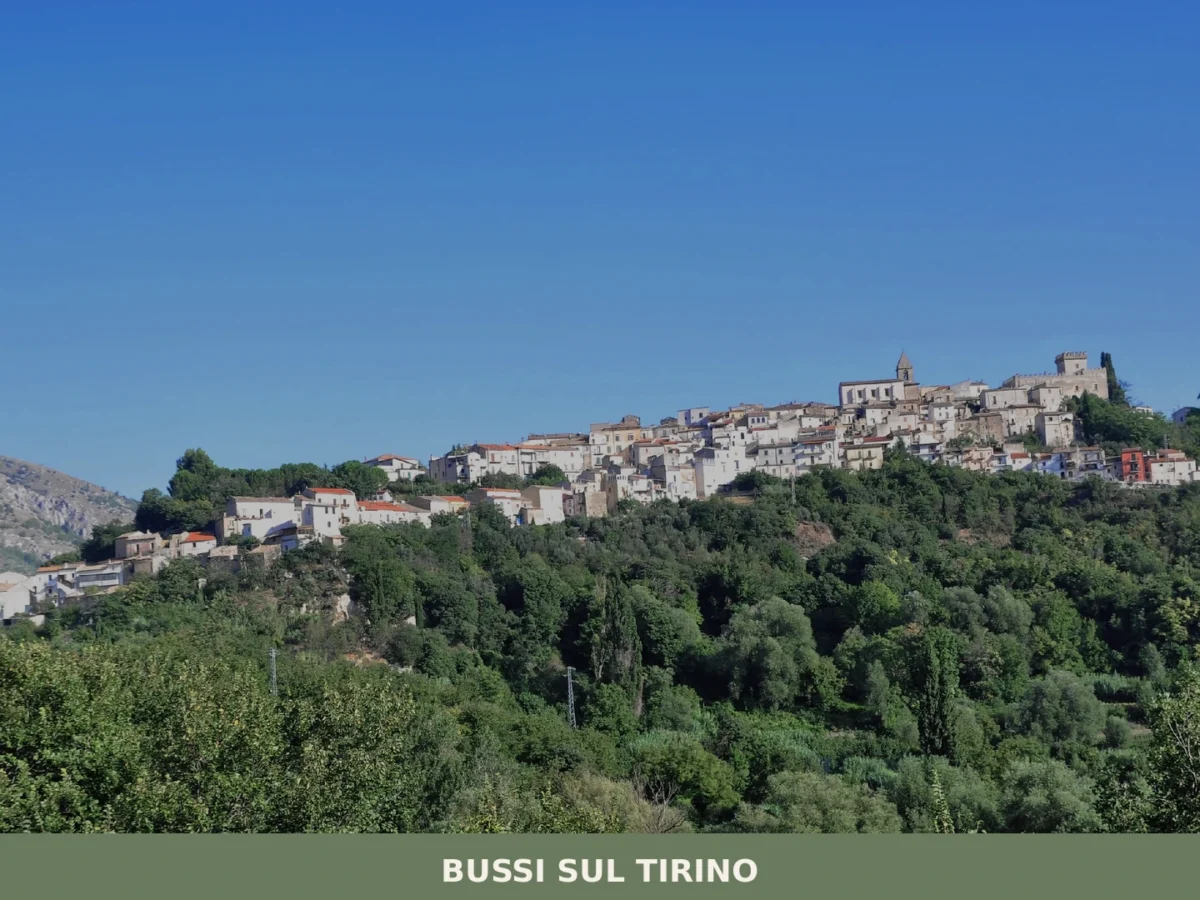
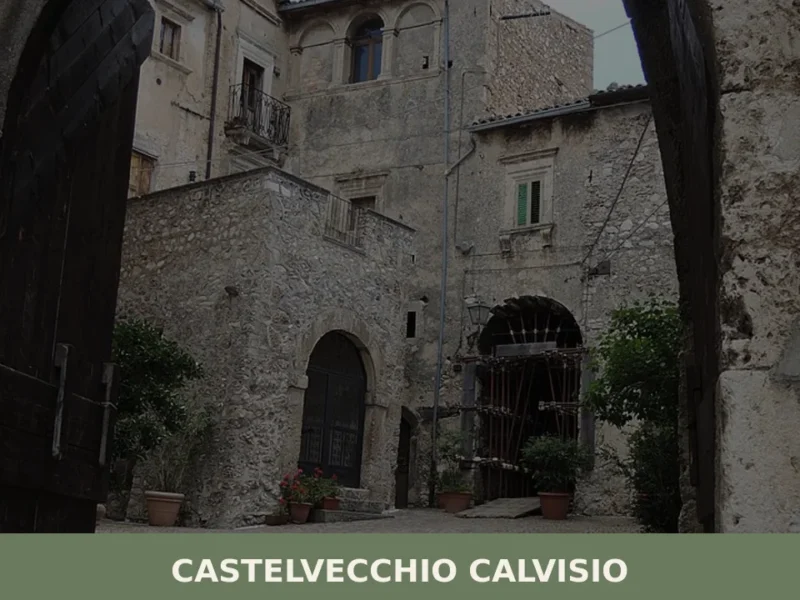
In Abruzzo More villages to discover
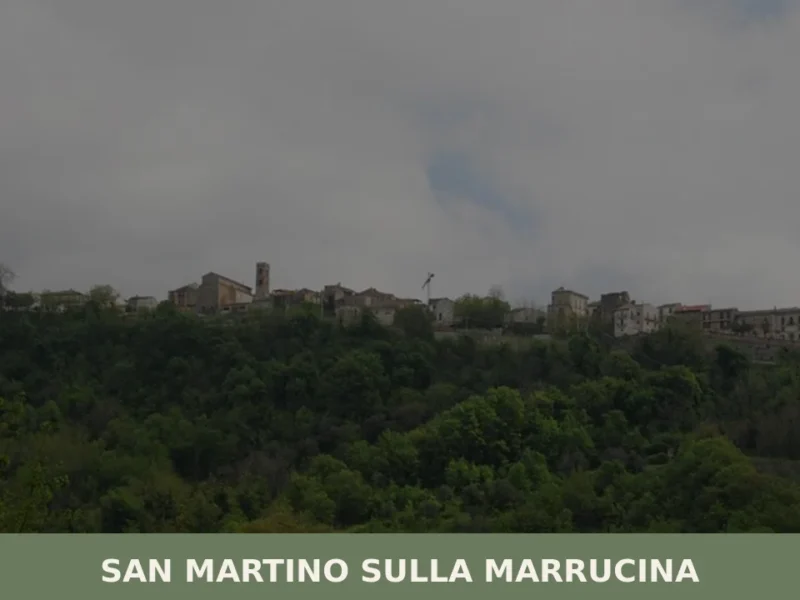
San Martino sulla Marrucina
 Hills
Hills
With its 868 inhabitants, San Martino sulla Marrucina presents itself as a small municipality in the province of Chieti, in the heart of Abruzzo. The village is a reference point for those seeking the tranquility and authenticity of the region’s rural centers, away from the most beaten tourist paths. In this article History and Origins […]
Teramo
Hills
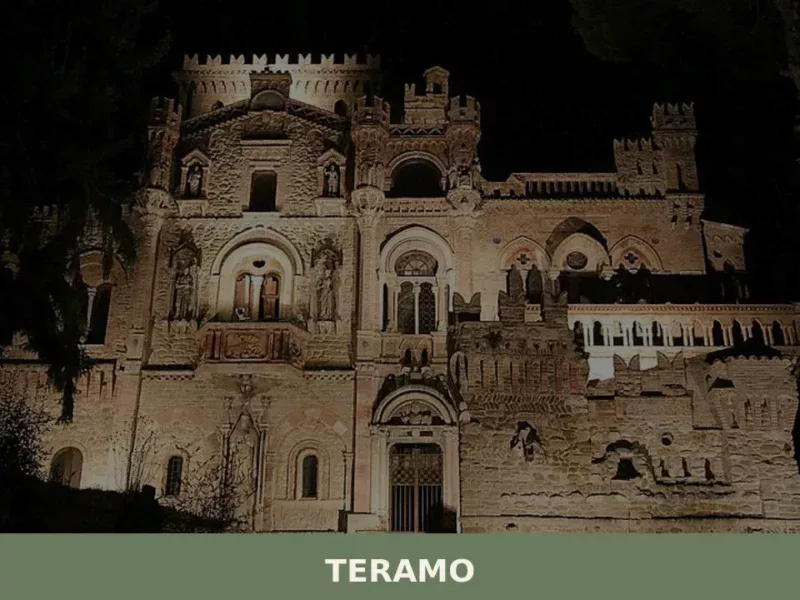
What to see in Teramo, Abruzzo, Italy: discover a Roman theatre from 30 BC, a 1158 cathedral, the Interamnia World Cup and 54,377-strong city. Complete guide.
Palena
Mountain
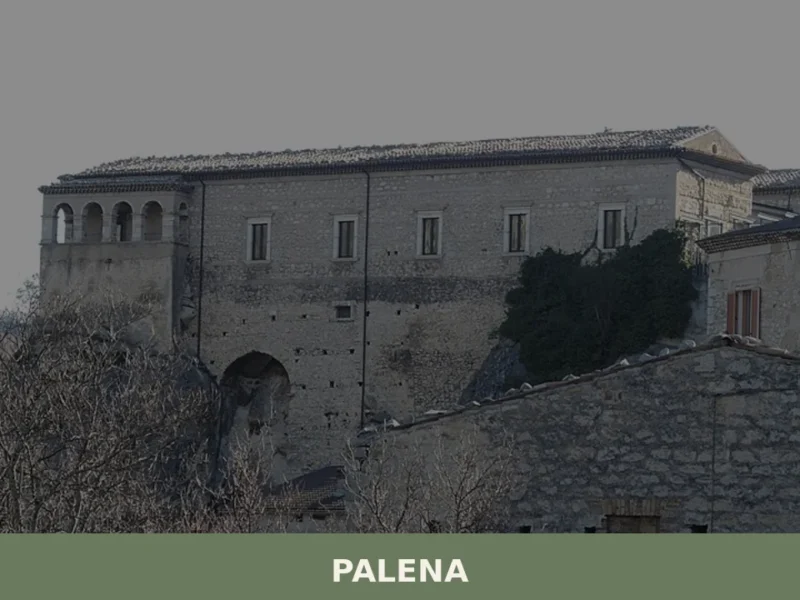
What to See in Palena: discover 5 must-see attractions, from the Ducal Castle to the Marsican Bear Museum. Plan your visit and taste local products.
Barete
Mountain
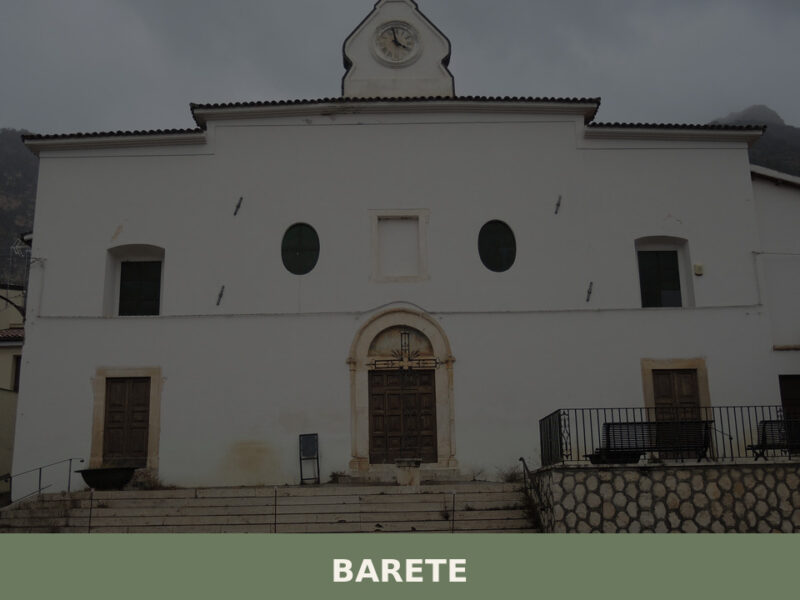
Morning light hits the limestone walls of Barete’s older houses at a low angle, turning them briefly gold before the shadow of the Gran Sasso massif reclaims the narrow lanes. A rooster calls from somewhere behind a garden wall. The air smells of woodsmoke and cold stone. This is a settlement of roughly 695 inhabitants, […]
Castellalto
 Sea
Sea
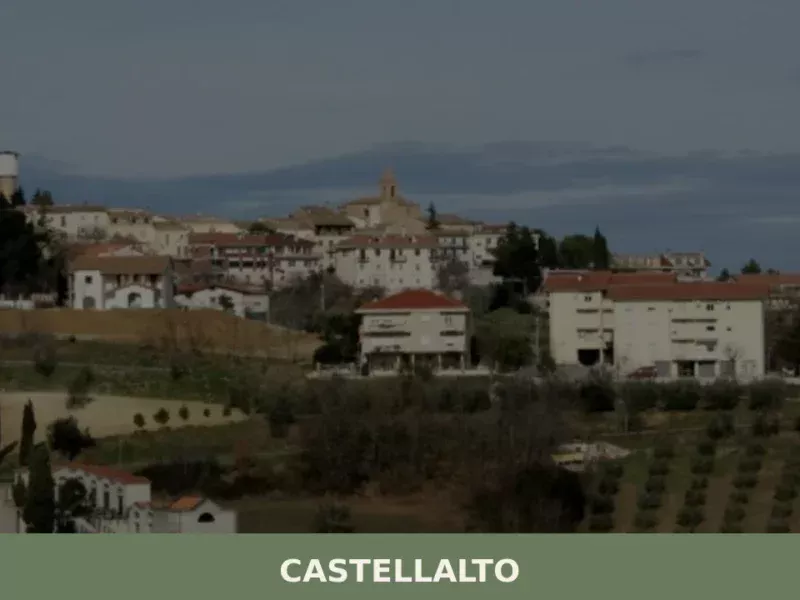
Scopri cosa vedere a Castellalto: borghi medievali, panorami mozzafiato e tesori nascosti dell'Abruzzo. La guida completa alle 5 tappe imperdibili!
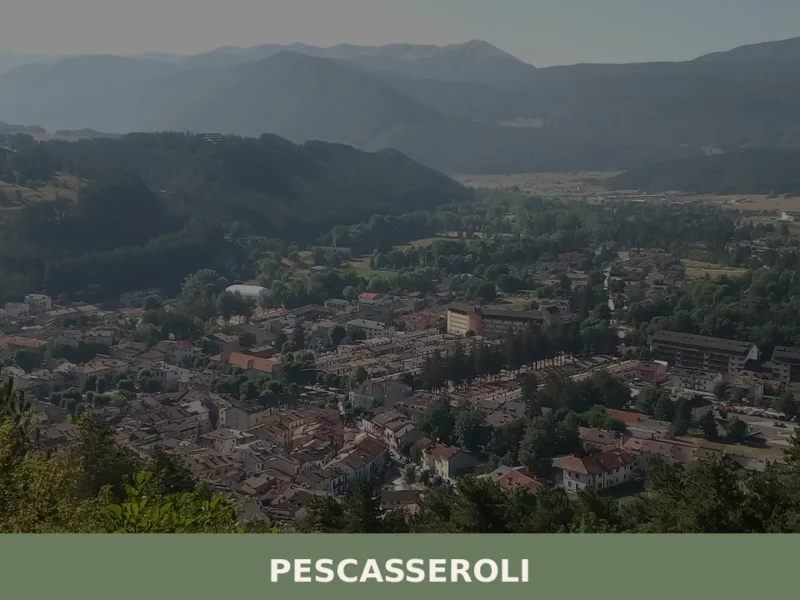
Pescasseroli
Mountain
What to see in Pescasseroli: from the Abruzzo National Park to Croce's birthplace, UNESCO beech forests, mountain cuisine and practical information for visiting the village.
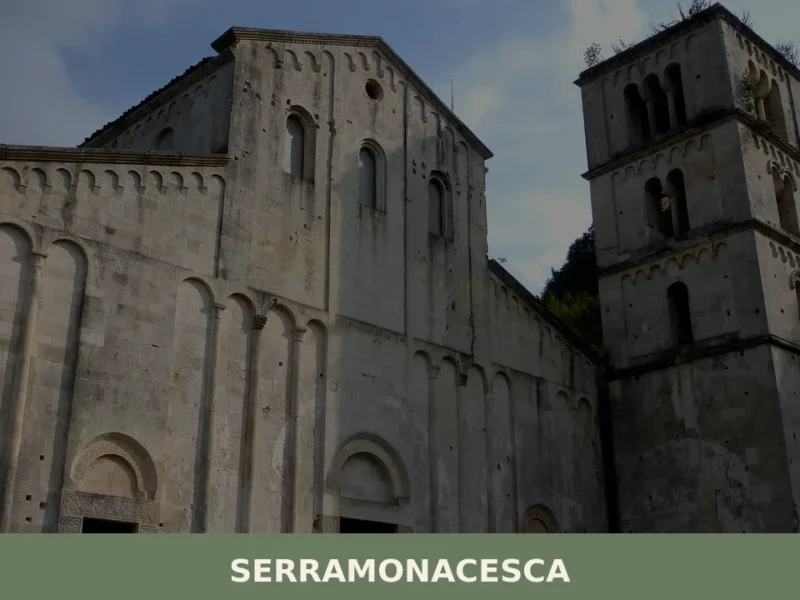
Serramonacesca
Hills
What to see in Serramonacesca, Abruzzo, Italy: discover 6 top attractions including the Abbey of San Liberatore, rock-cut tombs, and a medieval tower. Population 560.
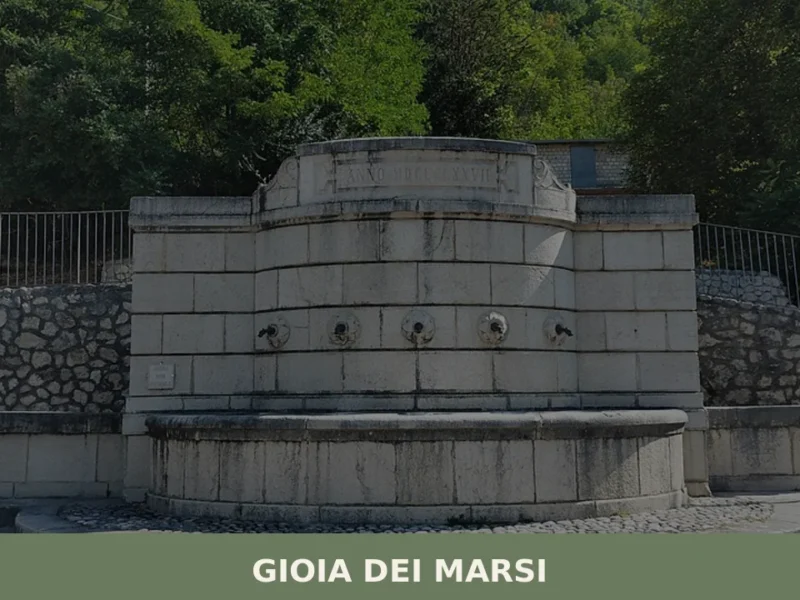
Gioia dei Marsi
Mountain
Gioia dei Marsi has a population of 2,091 and sits at 725 metres above sea level on the eastern edge of the Fucino, the plain that until 1875 was the largest lake in peninsular Italy. The draining of the lake radically transformed the economy and landscape of this Marsican settlement, shifting its centre of gravity […]
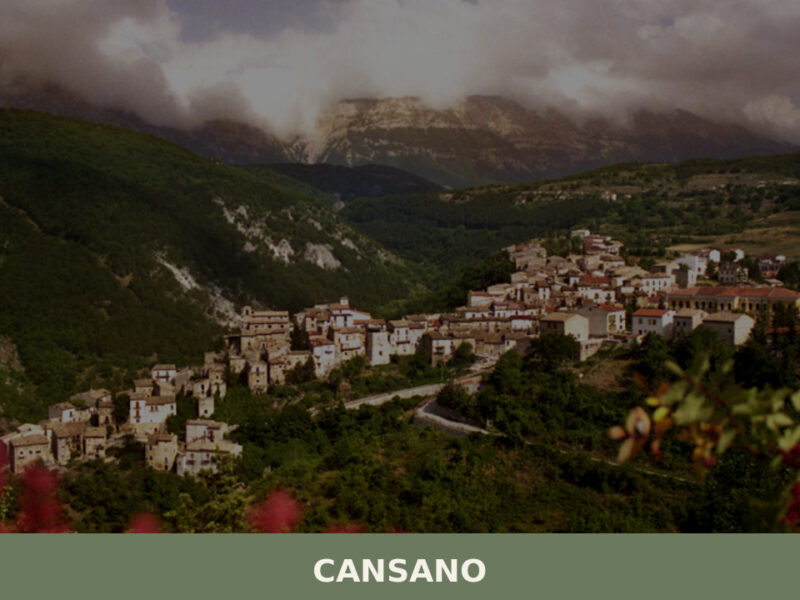
Cansano
Mountain
A guide to Cansano in Abruzzo — its Roman archaeological site of Ocriticum, medieval stone centre, Majella trails, and pastoral food traditions at 835 metres.
Furci
Hills
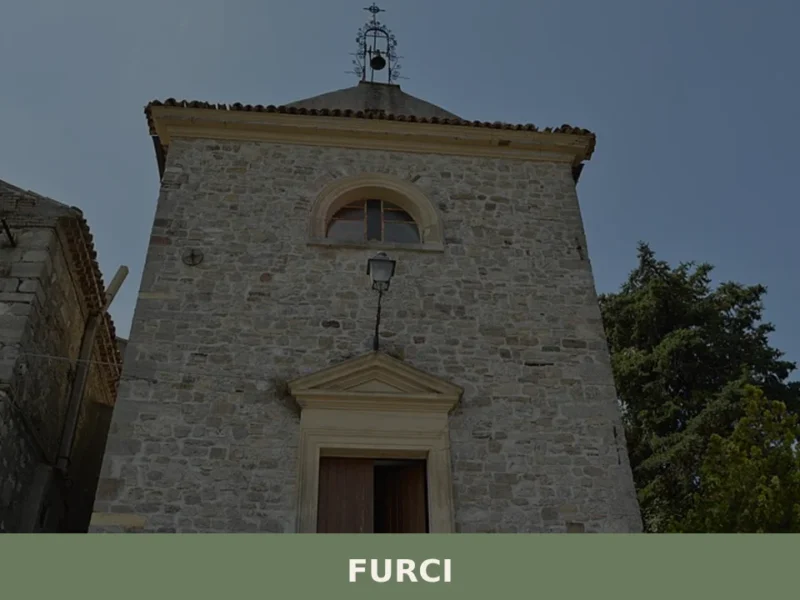
Furci has 806 inhabitants and sits at 550 metres above sea level, along the hill ridge that separates the Sinello valley from the Treste stream valley, in the southern part of the province of Chieti. Anyone looking into what to see in Furci will find a compact urban centre, organised around the main church and […]

🏡 Know Navelli better than we do?
If you’re a local or have been there, your knowledge matters: add what’s missing or fix a detail on this page.