


Castel Castagna
 Hills
Hills
At 452 metres above sea level, on the eastern slope of the Gran Sasso, the municipality of Castel Castagna today counts 429 inhabitants spread between the main settlement and the hamlets scattered along the cultivated hillsides of the province of Teramo. Anyone wondering what to see in Castel Castagna will find answers in a territory […]
Discover Castel Castagna
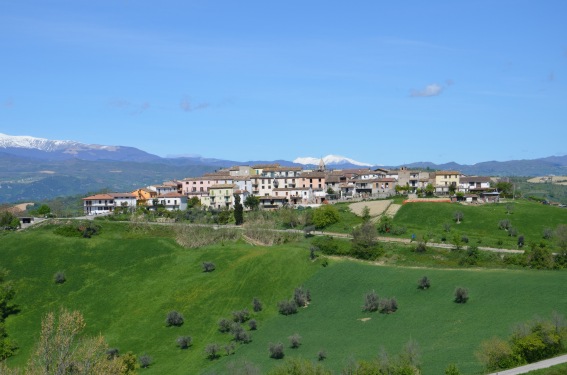
At 452 metres above sea level, on the eastern slope of the Gran Sasso, the municipality of Castel Castagna today counts 429 inhabitants spread between the main settlement and the hamlets scattered along the cultivated hillsides of the province of Teramo. Anyone wondering what to see in Castel Castagna will find answers in a territory where human presence is documented as far back as the early Middle Ages and where a 12th-century Romanesque church — Santa Maria di Ronzano — preserves a cycle of frescoes that art historians consider among the most significant in Abruzzo. The landscape is made up of oak trees, durum wheat fields and kitchen gardens rising towards the pastures.
History and origins of Castel Castagna
The place name appears in medieval documents with reference to the extensive chestnut groves that covered the hillside — a food and economic resource of central importance for the rural communities of the area. The Latin form Castrum Castaneae also indicates the existence of a fortified structure, probably an outpost linked to controlling the routes that connected the Adriatic coast with the Apennine passes of the Gran Sasso. The territory fell within the orbit of the Abbey of San Giovanni in Venere and subsequently under Norman rule, following the feudal events common to much of the Teramo area.
During the Angevin and Aragonese periods, Castel Castagna passed between various local lords. The village suffered the consequences of the earthquakes that cyclically strike the Apennine area, and the population fluctuated over the centuries depending on famines and epidemics. With Italian unification and the crisis of the peasant economy, the municipality experienced a gradual depopulation — a phenomenon that has not yet stopped. Its inclusion in the list of municipalities of the Gran Sasso Mountain Community documents the attempt to coordinate policies for the development of the mountain and hill territory.
The patron saint of the village is San Pietro Martire, whose feast day falls on 6 April and represents the main community event of the year, with a procession and celebrations that also involve the neighbouring hamlets.
What to see in Castel Castagna: churches, landscapes and rural architecture
1. Church of Santa Maria di Ronzano
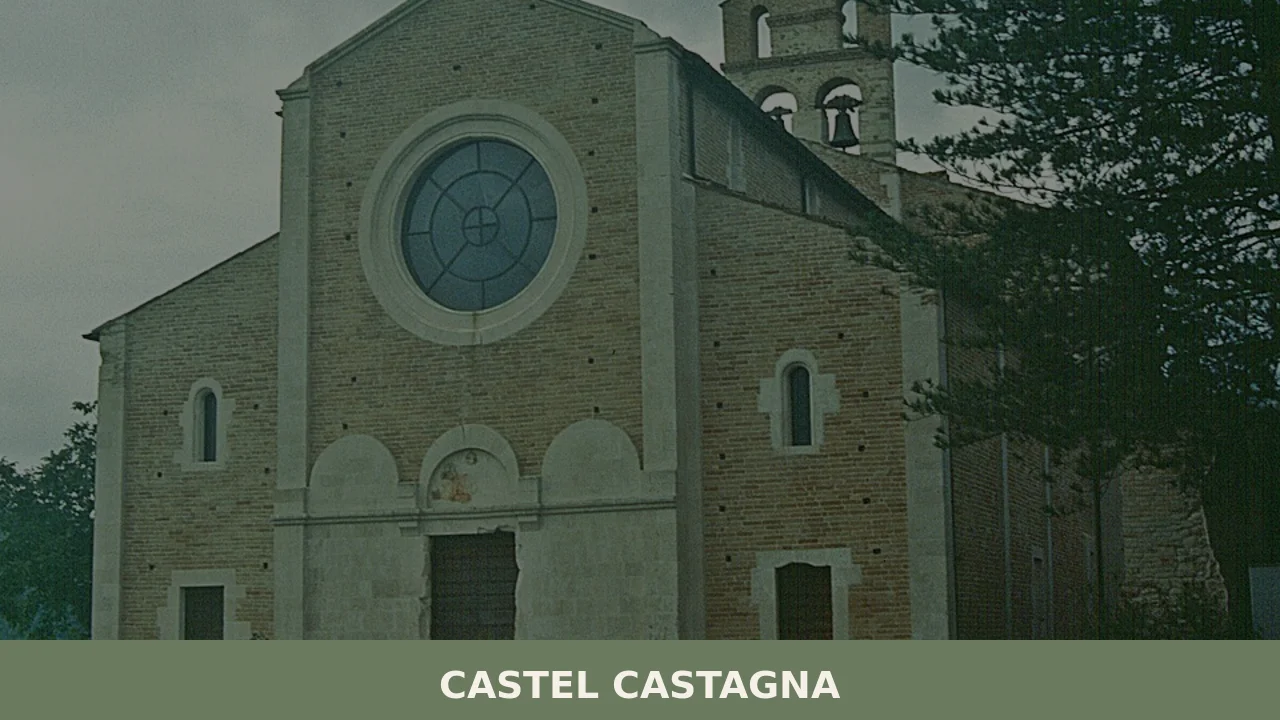
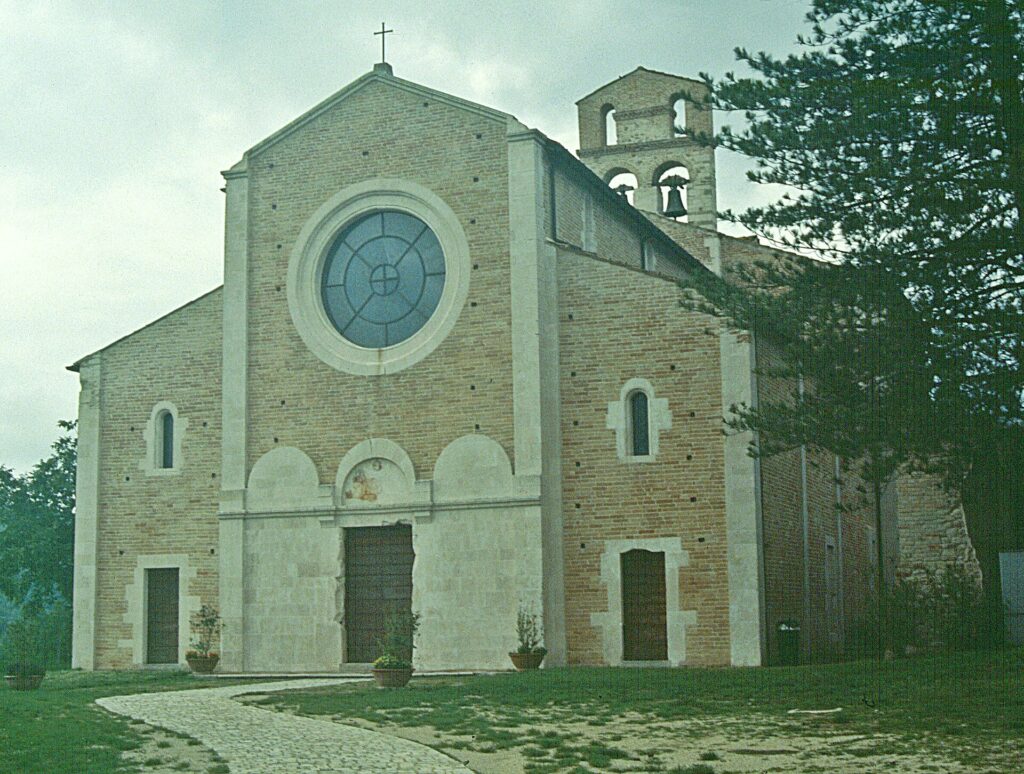
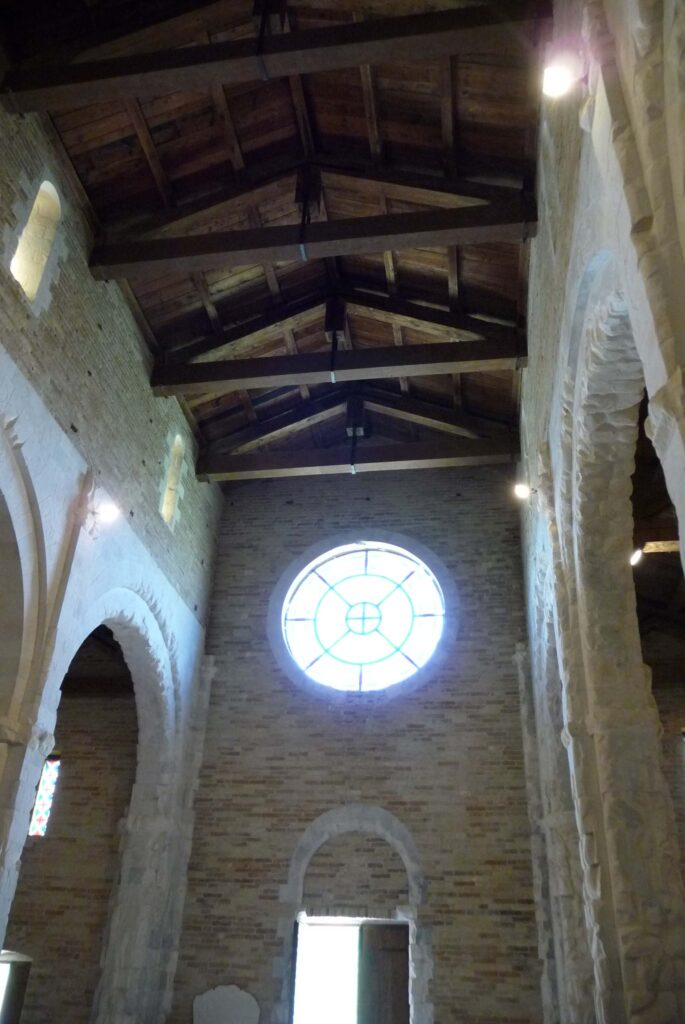
Built in the 12th century in Romanesque forms, this church preserves inside a cycle of frescoes datable to between 1181 and 1220 depicting scenes from the New Testament. The façade features a lunette portal and a central mullioned window. Scholars have identified stylistic influences from both Benedictine and Apulian traditions, a sign of Castel Castagna’s position along cultural routes that crossed the Apennines. It is considered one of the most significant Romanesque monuments in the province of Teramo.
2. The old town and the stone houses
The historic core of Castel Castagna preserves buildings in local stone with carved portals and external staircases — construction elements widespread in Abruzzese rural architecture. The walls show the use of irregular sandstone and limestone blocks, materials quarried directly from the surrounding terrain. Some houses still retain their outdoor wood-fired ovens, once shared among several families.
3. The centuries-old chestnut groves
The chestnut woods that give the village its name extend across the north-western slope of the municipal territory. These are coppiced and fruit-bearing trees, some with trunks over a metre in diameter, indicating an age of several centuries. In autumn, the chestnut harvest remains an activity practised by the inhabitants, and the fruits are used both fresh and dried for flour production.
4. The public fountain and the wash house
In the lower part of the village stands a stone fountain with an adjacent basin, used until the mid-20th century as a communal wash house. The structure, fed by a natural spring, documents the water supply system of hillside communities before the modern aqueduct network. The water still flows and is used by the nearby vegetable gardens.
5. The trails towards the Gran Sasso
From the territory of Castel Castagna, footpaths and mule tracks lead upwards towards the higher elevations of the Gran Sasso d’Italia massif. The routes pass through distinct vegetation bands — oak woods at lower altitudes, beech forests above 900 metres — and offer a direct view of the Corno Grande ridge (2,912 m). These are historic paths, used for vertical transhumance between summer pastures and the valley floor.
What to see in Castel Castagna: local cuisine
The food tradition of Castel Castagna follows the agricultural calendar of the Teramo hills. The dishes most deeply rooted in local custom include sagne e fagioli — hand-cut fresh pasta with beans grown in family vegetable gardens — and pallotte cace e ove, cheese and egg fritters fried in olive oil. Chestnuts appear in soups, as flour for rustic desserts and in the preparation of caldarroste (roasted chestnuts) during autumn evenings. The extra virgin olive oil from the Dritta variety, common on the Teramo hills, is a product that falls within the DOP Aprutino Pescarese designation of the neighbouring areas.
There are no large restaurants in the municipality: dining is provided by a few family-run trattorias and agriturismos in the hamlets, where menus follow seasonal availability. In summer, dishes based on garden vegetables — peppers, courgettes, tomatoes — dressed with local oil are common. In winter, legume soups, cornmeal polenta and lamb prevail. The wine comes from Montepulciano and Trebbiano vines cultivated in the lower hill areas.
When to visit Castel Castagna: the best time of year
The climate of Castel Castagna is typical of the Apennine hills: cold winters with possible snowfall between December and February, moderate summers with temperatures that rarely exceed 30 degrees. Spring, from April to June, is the period when the meadows are in bloom and the chestnut groves put out new leaves — daylight is long and the days allow for extended hikes. Autumn, from mid-September to November, brings the chestnut harvest and the colours of the high-altitude beech forest, with a chromatic range from ochre yellow to dark red.
The feast of San Pietro Martire, on 6 April, is the time of year when the community comes together most visibly. In autumn, food festivals dedicated to chestnuts and woodland products are held, organised by the local pro loco association and open to outside visitors. During the summer, the hamlets host open-air dinners and small markets selling local products. In the winter months the village is quiet: a condition that may appeal to those looking for a calm base for snow excursions at the higher elevations of the Gran Sasso.
How to reach Castel Castagna
By car, from the A24 motorway (Rome–L’Aquila–Teramo), the most convenient exit is Basciano-Castel Castagna. From there, continue on the provincial road for about 10 kilometres in a north-westerly direction. From Teramo the distance is approximately 25 kilometres, reachable in just over half an hour. From Rome the total journey is about 180 kilometres (two and a half hours). From Pescara it takes about 70 kilometres following the A25 and then the A24.
The nearest railway station is Basciano, on the Teramo–Giulianova line, from which it is necessary to continue by private vehicle or with local transport services running at reduced frequency. Abruzzo Airport in Pescara is approximately 75 kilometres away. For those coming from the north, an alternative is the A14 Adriatic motorway with an exit at Giulianova or Roseto degli Abruzzi, from where you head up the Vomano valley.
Other villages to discover in Abruzzo
Those visiting Castel Castagna who wish to deepen their knowledge of inland Abruzzo can head towards the Pescara side, where Carpineto della Nora offers a similar hillside landscape in terms of altitude and agricultural structure, with a compact old town and proximity to the Maiella National Park. Comparing the two villages highlights the differences between the Teramo and Pescara sides in the historical management of the land and in local building techniques.
Further south, in the province of Chieti, Casalanguida represents an example of a hill village oriented towards the coast, with an agricultural vocation tied to viticulture and olive growing. The difference in horizon — the Gran Sasso behind Castel Castagna, the Adriatic Sea visible from Casalanguida — tells of two different ways of inhabiting the Abruzzese hills, both marked by the same history of agricultural labour, emigration and slow demographic recovery that is common to the region’s hinterland.
Frequently asked questions about Castel Castagna
What is the best time to visit Castel Castagna?
The best time to visit Castel Castagna depends on your interests. Spring (April to June) is ideal for nature lovers and hikers, with meadows in bloom and chestnut groves putting out new leaves, offering long days for exploration. Autumn (mid-September to November) is perfect for experiencing the traditional chestnut harvest and admiring the vibrant colours of the high-altitude beech forests, often accompanied by local food festivals. The Feast of San Pietro Martire on April 6th is a significant community event. Summer provides moderate temperatures for outdoor dinners, while winter offers a quiet retreat or a base for snow excursions in the Gran Sasso.
What to see in Castel Castagna? Main monuments and landmarks
Castel Castagna offers several points of interest. The highlight is the 12th-century Church of Santa Maria di Ronzano, a Romanesque gem renowned for its significant cycle of medieval frescoes depicting New Testament scenes. Visitors can also explore the charming old town with its traditional stone houses and carved portals, reflecting Abruzzese rural architecture. Don't miss the ancient chestnut groves that give the village its name, especially beautiful in autumn. The historic public fountain and wash house provide a glimpse into past community life, and the village serves as a starting point for trails leading towards the Gran Sasso massif.
What are the main natural or scenic attractions of Castel Castagna?
The natural beauty of Castel Castagna is deeply tied to its hillside setting on the eastern slope of the Gran Sasso. Key attractions include the extensive centuries-old chestnut groves, which are particularly evocative in autumn during the harvest. The cultivated hillsides, characterized by oak trees, durum wheat fields, and kitchen gardens, offer picturesque views. For hikers, the village is a gateway to historic footpaths and mule tracks leading towards the higher elevations of the Gran Sasso d'Italia massif, passing through diverse vegetation zones and offering direct views of the majestic Corno Grande ridge.
Where to take the best photos in Castel Castagna?
For memorable photos, focus on the panoramic views from the trails leading towards the Gran Sasso, offering stunning perspectives of the Corno Grande ridge and the surrounding Apennine landscape. The centuries-old chestnut groves provide excellent photographic opportunities, especially in autumn when their foliage transforms into vibrant colours. Capture the rustic charm of the old town's stone houses, carved portals, and external staircases. The Romanesque Church of Santa Maria di Ronzano, with its distinctive architecture, is also a prime subject, as are the picturesque cultivated hillsides dotted with oak trees and traditional fields.
Are there museums, churches or historic buildings to visit in Castel Castagna?
Yes, Castel Castagna features significant historic buildings, most notably the 12th-century Church of Santa Maria di Ronzano. This Romanesque church is a must-visit for its remarkable cycle of medieval frescoes, considered among the most important in Abruzzo. While specific opening hours are not consistently published online, it's advisable to check with local tourism information or the parish for current access details. The historic core of the village itself is an open-air museum, with well-preserved stone houses, carved portals, and the ancient public fountain and wash house, showcasing traditional Abruzzese rural architecture.
What can you do in Castel Castagna? Activities and experiences
Castel Castagna offers a blend of cultural and outdoor activities. Explore the historic old town and its unique stone architecture, or embark on hikes along the ancient trails leading towards the Gran Sasso massif, enjoying breathtaking views. In autumn, participate in the traditional chestnut harvest and experience local food festivals celebrating woodland products. Don't miss the Feast of San Pietro Martire on April 6th, the village's main community event. Throughout the year, savour authentic Abruzzese cuisine in family-run trattorias, featuring seasonal dishes like sagne e fagioli and pallotte cace e ove, made with local ingredients.
Who is Castel Castagna suitable for? Families, couples, hikers, solo travelers?
Castel Castagna is ideal for a variety of visitors seeking an authentic Abruzzese experience. It's particularly suited for **hikers and nature lovers**, with its trails leading towards the Gran Sasso and picturesque chestnut groves. **Culture and history enthusiasts** will appreciate the Romanesque Church of Santa Maria di Ronzano and the charming old town. **Foodies** will delight in the local cuisine and seasonal food festivals. The village also appeals to those seeking **tranquility and a slower pace of life**, whether solo travelers, couples looking for a peaceful retreat, or families interested in exploring rural Italy and its traditions.
What to eat in Castel Castagna? Local products and specialties
In Castel Castagna, the local cuisine is a celebration of agricultural traditions. Must-try specialties include 'sagne e fagioli,' a hearty dish of hand-cut fresh pasta with locally grown beans, and 'pallotte cace e ove,' delicious cheese and egg fritters. Chestnuts, central to the village's identity, feature prominently in soups, rustic desserts, and as roasted 'caldarroste' in autumn. The area also produces excellent extra virgin olive oil from the Dritta variety. Depending on the season, you can savour dishes based on fresh garden vegetables, legume soups, cornmeal polenta, and lamb, complemented by local Montepulciano and Trebbiano wines.
📷 Photo Gallery — Castel Castagna
Nearby Villages near Castel Castagna

In Abruzzo More villages to discover
Colledimacine
 Mountain
One hundred and eighty-eight residents in the 2001 census, now down to 158: Colledimacine contracts with the regularity of a slow heartbeat, yet it holds on along the eastern ridge of the Majella massif, at 770 metres above sea level, in the province of Chieti. Anyone wondering what to see in Colledimacine should be prepared […]
Elice
Hills
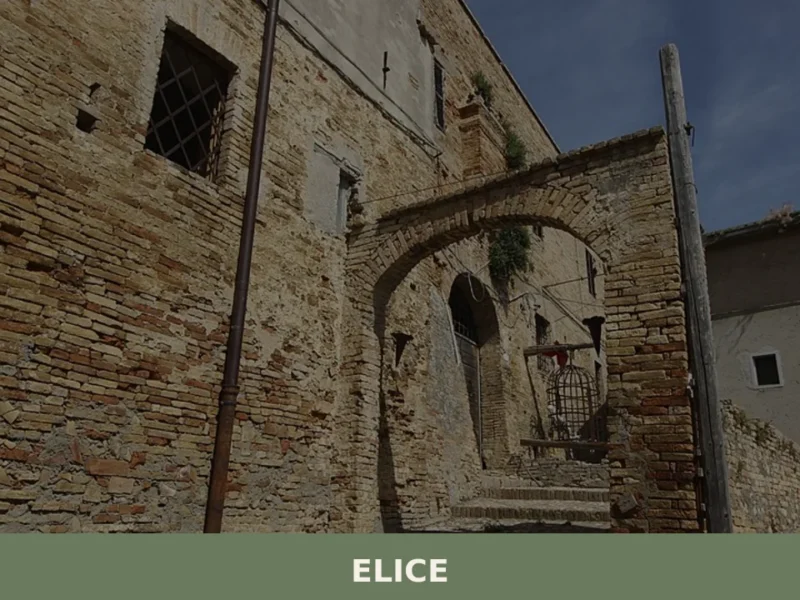
What to see in Elice, Italy: Discover its 259 m altitude, ancient origins, and ceramic heritage. Explore Elice, Abruzzo, for a historical journey.
Massa d’Albe
Mountain
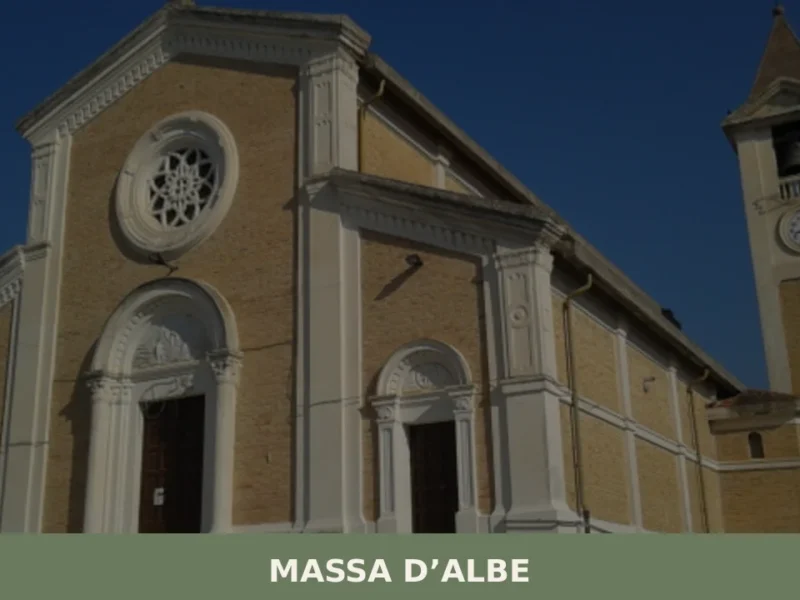
What to see in Massa d'Albe: 5 attractions including Roman ruins, medieval churches and views over Fucino. Complete guide to visiting this Abruzzo village.
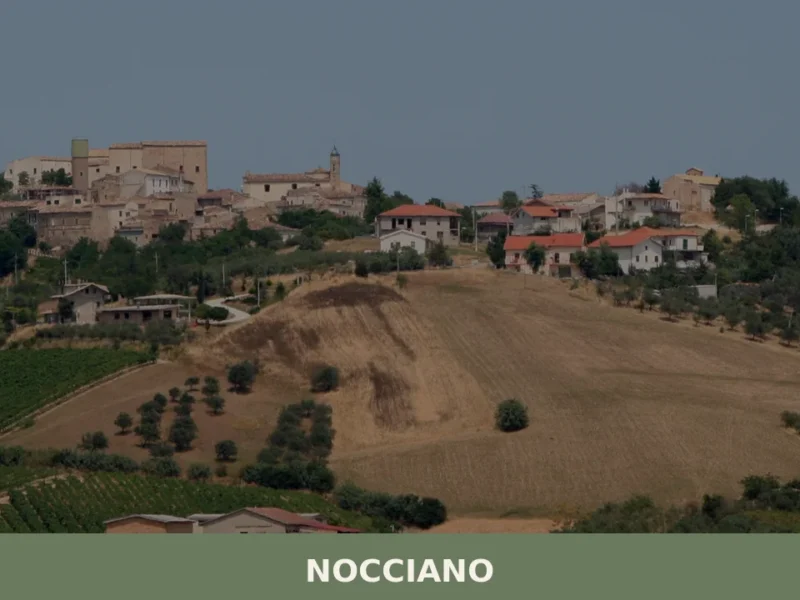
Nocciano
Hills
What to see in Nocciano? Discover the 5 must-see attractions of this historic village in Abruzzo, from the Castle to the old town. Plan your visit!
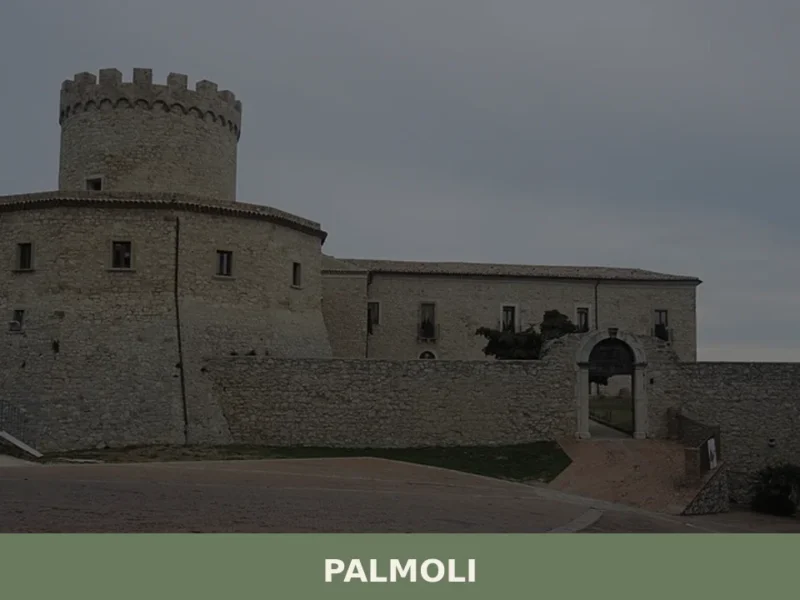
Palmoli
Mountain
What to see in Palmoli: explore the village at 727 meters above sea level. Discover the Marchesale Castle and the Church of San Valentino. Plan your visit today!
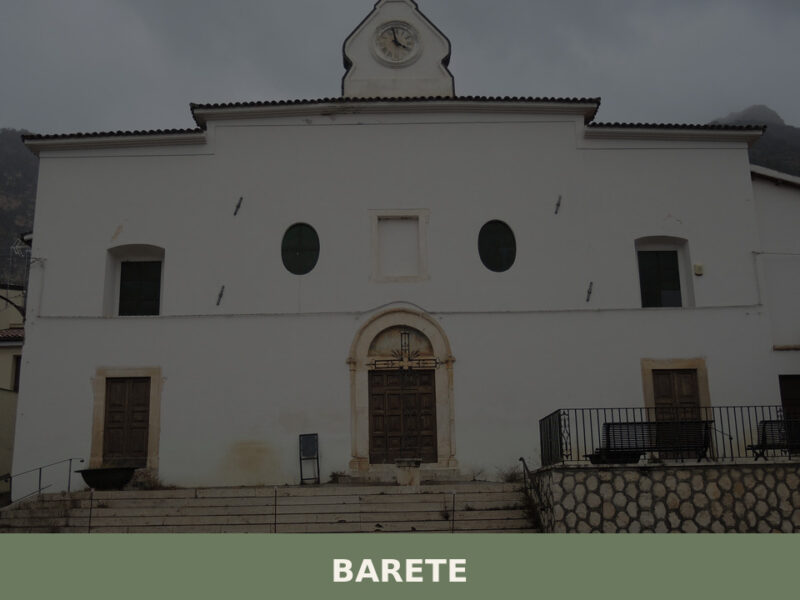
Barete
Mountain
Morning light hits the limestone walls of Barete’s older houses at a low angle, turning them briefly gold before the shadow of the Gran Sasso massif reclaims the narrow lanes. A rooster calls from somewhere behind a garden wall. The air smells of woodsmoke and cold stone. This is a settlement of roughly 695 inhabitants, […]
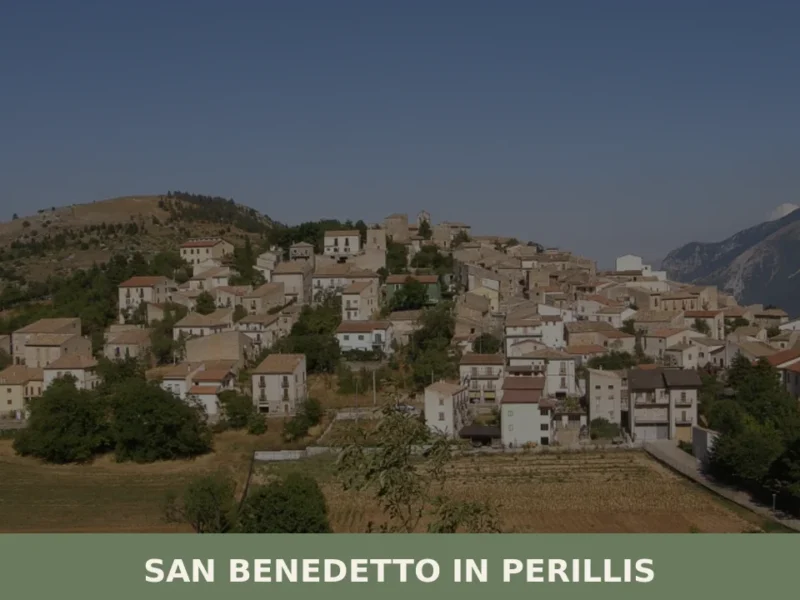
San Benedetto in Perillis
Mountain
What to see in San Benedetto in Perillis, Abruzzo, Italy: 2 churches, a medieval monastery used in a 1985 film. Population 120. Discover top attractions and how to get there.
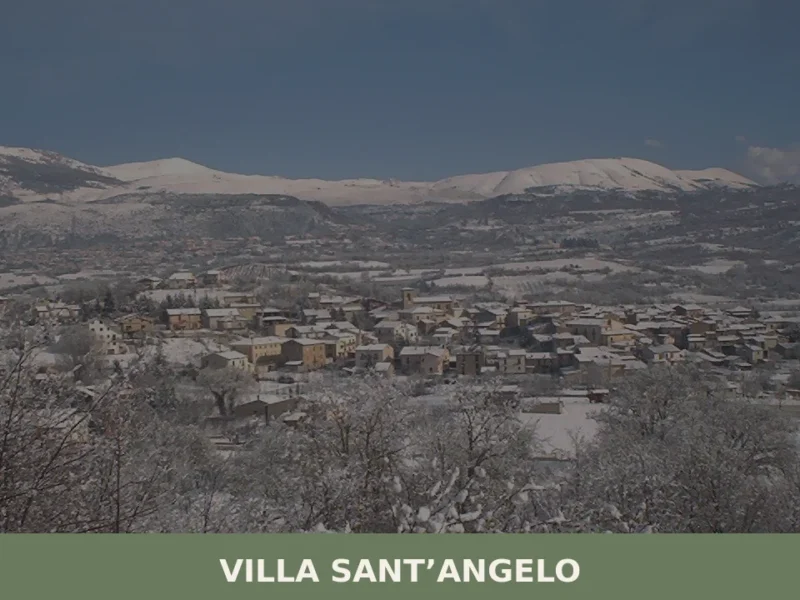
Villa Sant’Angelo
Mountain
What to see in Villa Santu2019Angelo? Discover 5 must-see attractions and the history of the ancient village. Plan your guided visit now!
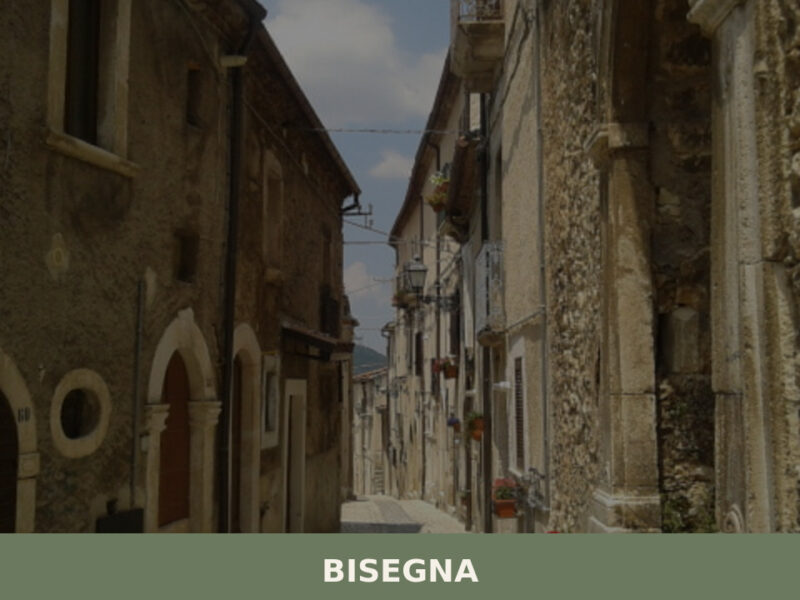
Bisegna
Mountain
A mountain village of 217 inhabitants at 1,210 metres in Abruzzo's national park. Discover what to see in Bisegna: stone lanes, frescoes, and highland trails.
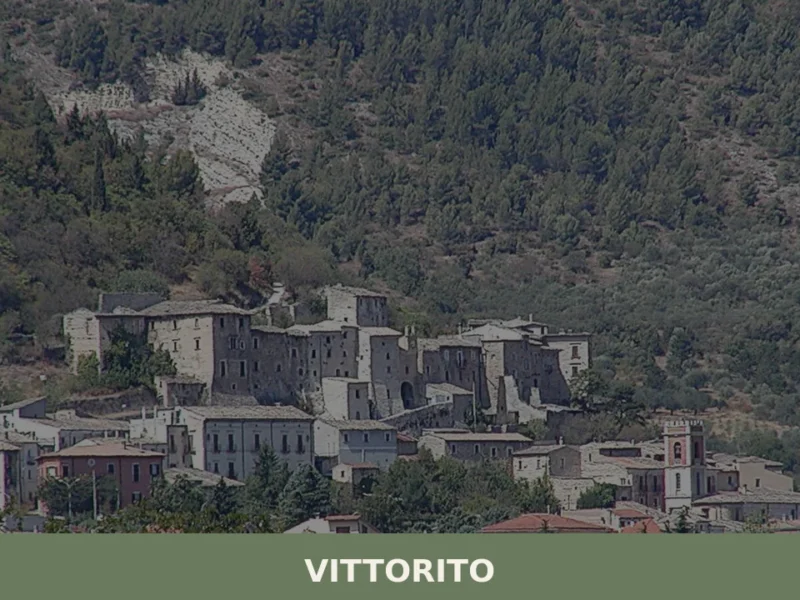
Vittorito
Mountain
What to see in Vittorito: 5 attractions in this Abruzzo village, including the Church of San Pietro, the castle, and the historic centre. Discover the full guide.



🏡 Know Castel Castagna better than we do?
If you’re a local or have been there, your knowledge matters: add what’s missing or fix a detail on this page.