


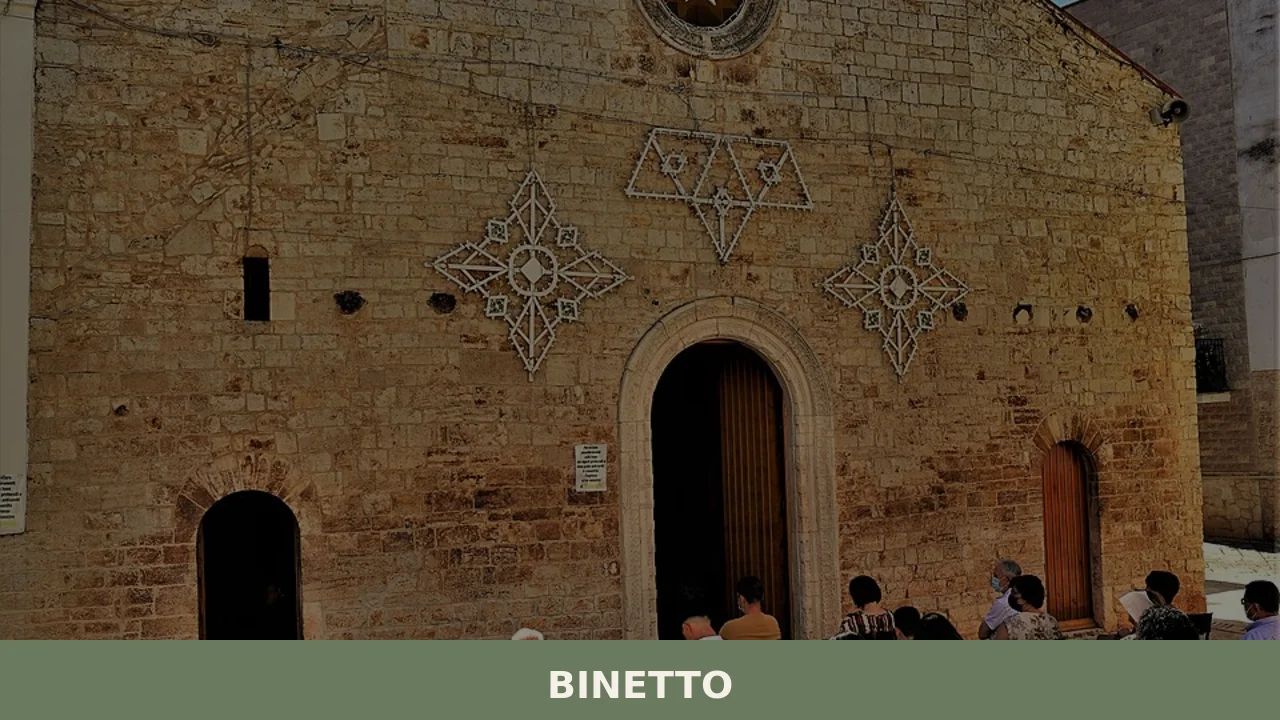
Binetto
At 170 meters above sea level, with a population of 2,128 inhabitants (most recent ISTAT data), Binetto is located on the Bari plain, a geographical context that has shaped its history and economy. This village, whose origin may date back to Roman settlements linked to vine cultivation, offers a careful discovery experience, away from the […]
Discover Binetto
At 170 meters above sea level, with a population of 2,128 inhabitants (most recent ISTAT data), Binetto is located on the Bari plain, a geographical context that has shaped its history and economy. This village, whose origin may date back to Roman settlements linked to vine cultivation, offers a careful discovery experience, away from the more frequented tourist routes. For those wondering what to see in binetto, a visit focuses on the historical architecture and traditions that persist in its streets, bearing witness to a deep connection with the surrounding agricultural territory. Its strategic position, a short distance from the regional capital, makes it a prime vantage point for understanding Apulian rural dynamics.
History and origins of Binetto
Binetto’s roots extend into a past reaching back to the Roman era, as suggested by the etymology of its name, which may derive from “vinetum,” indicating an area dedicated to vine cultivation. The surrounding territory, characterized by Roman centuriation, confirms an ancient agricultural vocation. During the Middle Ages, Binetto was established as a feudal estate, coming under the dominion of various noble families who influenced its urban and social development. Among the most significant were the De Binetto, the De Balzo and, in later periods, the Guevara and Caracciolo families, who held control of the village for centuries, leaving their mark on the structure of the settlement and its main architectures.
The
In Apulia More villages to discover
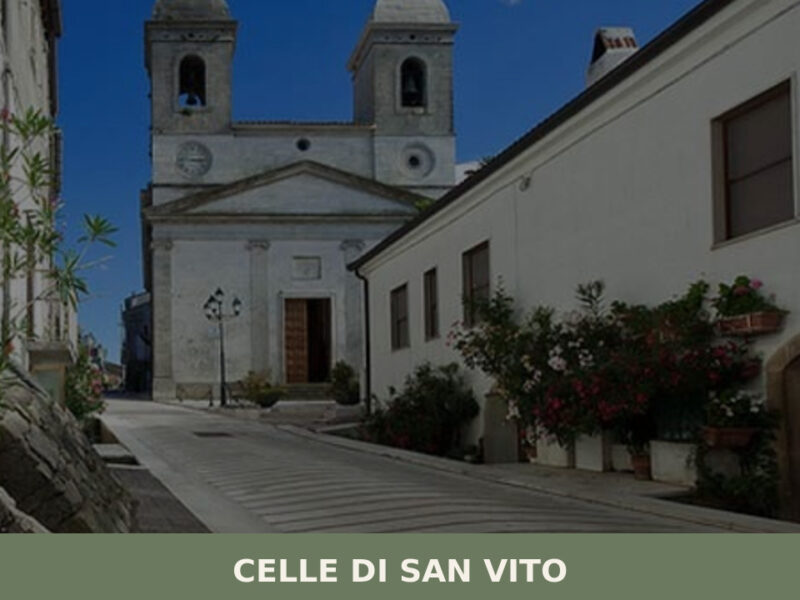
Celle di San Vito
A 148-resident Franco-Provençal enclave at 726 metres in the Daunia sub-Apennines. Discover what to see in Celle di San Vito, from medieval stone lanes to linguistic heritage.
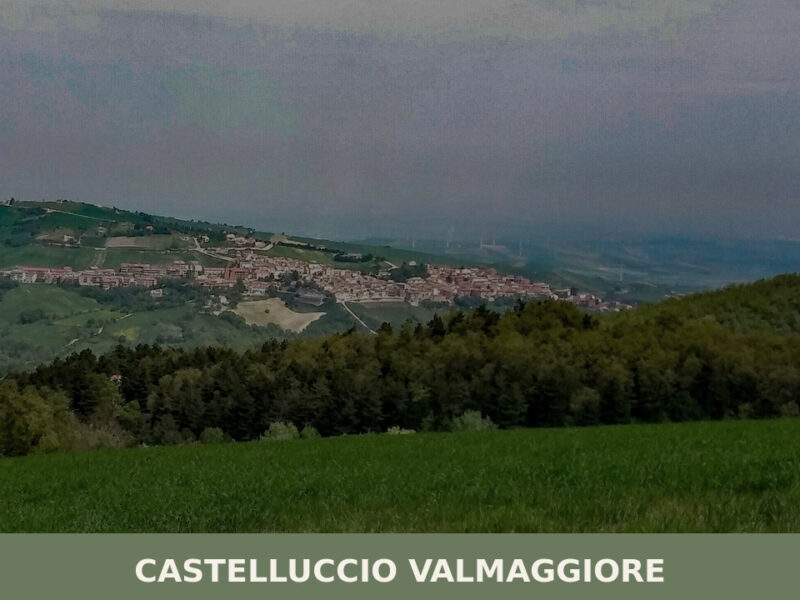
Castelluccio Valmaggiore
A hilltop village of 1,207 residents at 630 metres in the Daunian Sub-Apennines. Medieval lanes, long views over the Tavoliere plain, and mountain cuisine far from coastal Puglia.
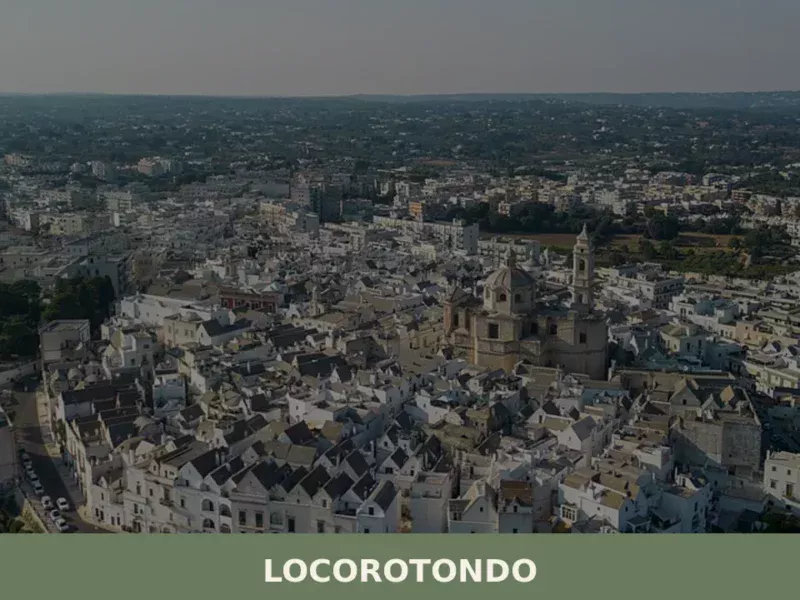
Locorotondo
The toponym Locorotondo, documented as early as the 12th century as “Luogo Rotondo” (Round Place), derives from the concentric configuration of its historic center, an urban feature that still distinguishes it within the Itria Valley landscape. Located 410 meters above sea level, this municipality in the province of Bari has 14,258 inhabitants and presents a […]






📝 Incorrect information or updates?
Help us keep the Binetto page accurate and up to date.