


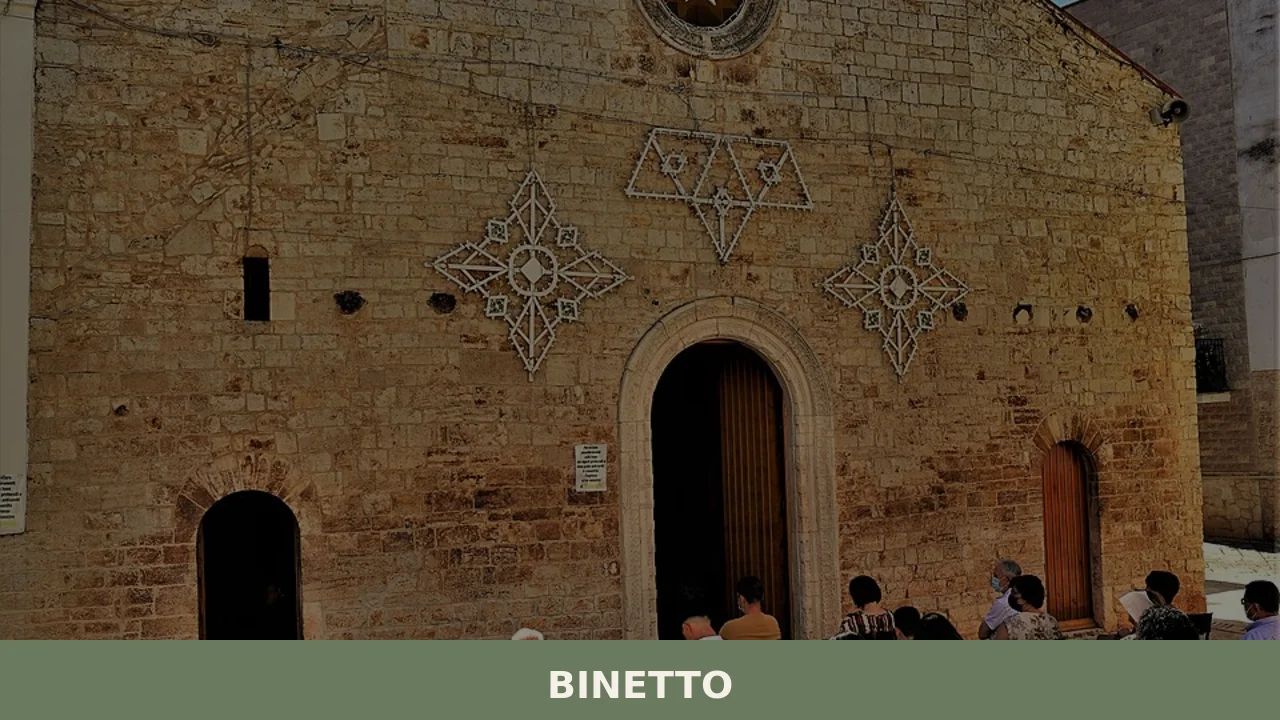
Binetto
 Plains
At 170 meters above sea level, with a population of 2,128 inhabitants (most recent ISTAT data), Binetto is located on the Bari plain, a geographical context that has shaped its history and economy. This village, whose origin may date back to Roman settlements linked to vine cultivation, offers a careful discovery experience, away from the […]
Discover Binetto
At 170 meters above sea level, with a population of 2,128 inhabitants (most recent ISTAT data), Binetto is located on the Bari plain, a geographical context that has shaped its history and economy. This village, whose origin may date back to Roman settlements linked to vine cultivation, offers a careful discovery experience, away from the more frequented tourist routes. For those wondering what to see in binetto, a visit focuses on the historical architecture and traditions that persist in its streets, bearing witness to a deep connection with the surrounding agricultural territory. Its strategic position, a short distance from the regional capital, makes it a prime vantage point for understanding Apulian rural dynamics.
History and origins of Binetto
Binetto’s roots extend into a past reaching back to the Roman era, as suggested by the etymology of its name, which may derive from “vinetum,” indicating an area dedicated to vine cultivation. The surrounding territory, characterized by Roman centuriation, confirms an ancient agricultural vocation. During the Middle Ages, Binetto was established as a feudal estate, coming under the dominion of various noble families who influenced its urban and social development. Among the most significant were the De Binetto, the De Balzo and, in later periods, the Guevara and Caracciolo families, who held control of the village for centuries, leaving their mark on the structure of the settlement and its main architectures.
The
Frequently asked questions about Binetto
What is the best time to visit Binetto?
Spring (April–June) and early autumn (September–October) offer the most pleasant conditions on the Bari plain, with mild temperatures ideal for exploring the village on foot. Two key dates animate the local calendar: the feast of the Madonna di Costantinopoli on the first Tuesday of March, and the feast of San Crescenzio on the last Sunday of August, when the village celebrates its patron saint with traditional religious and community events. Summer visits are feasible but July and August can be hot on the inland plain.
What are the historical origins of Binetto?
Binetto's origins likely trace back to Roman times, with the name possibly derived from the Latin 'vinetum', reflecting an ancient vocation for vine cultivation. The surrounding territory shows traces of Roman centuriation, a land-division system used to organize agricultural settlements. During the Middle Ages the village developed as a feudal estate, passing through the hands of noble families including the De Binetto, De Balzo, Guevara, and Caracciolo, each leaving an imprint on the village's urban structure and architecture.
What to see in Binetto? Main monuments and landmarks
Binetto preserves historic religious architecture connected to its two patron saints and its medieval feudal past. The village centre retains its compact historic fabric, characteristic of Apulian inland settlements shaped by centuries of agricultural life. Walking the old streets reveals the layered history of noble families who controlled the village for centuries. Given its modest size, Binetto is best explored on foot in a few hours, ideally combined with a visit to nearby sites in the wider Bari metropolitan area.
Who is Binetto suitable for? Families, couples, hikers, solo travelers?
Binetto suits travellers seeking an authentic, uncrowded Apulian experience away from mass tourism. It is particularly appealing to history enthusiasts curious about rural medieval settlements and Roman agricultural heritage, and to those interested in slow travel and local traditions. Its proximity to Bari — the regional capital — makes it a convenient half-day excursion for visitors based in the city. The flat terrain of the Bari plain makes it accessible for families and visitors of all mobility levels.
What to eat in Binetto? Local products and specialties
Situated on the Bari plain, Binetto falls within a territory renowned for classic Apulian staples. Extra virgin olive oil from the Bari area holds DOP recognition, and local cuisine reflects the broader Apulian tradition: orecchiette pasta, fave e cicoria (broad beans with wild chicory), and taralli. The surrounding agricultural land, historically dedicated to vines and olives, continues to supply local tables with seasonal produce deeply rooted in the region's culinary identity.
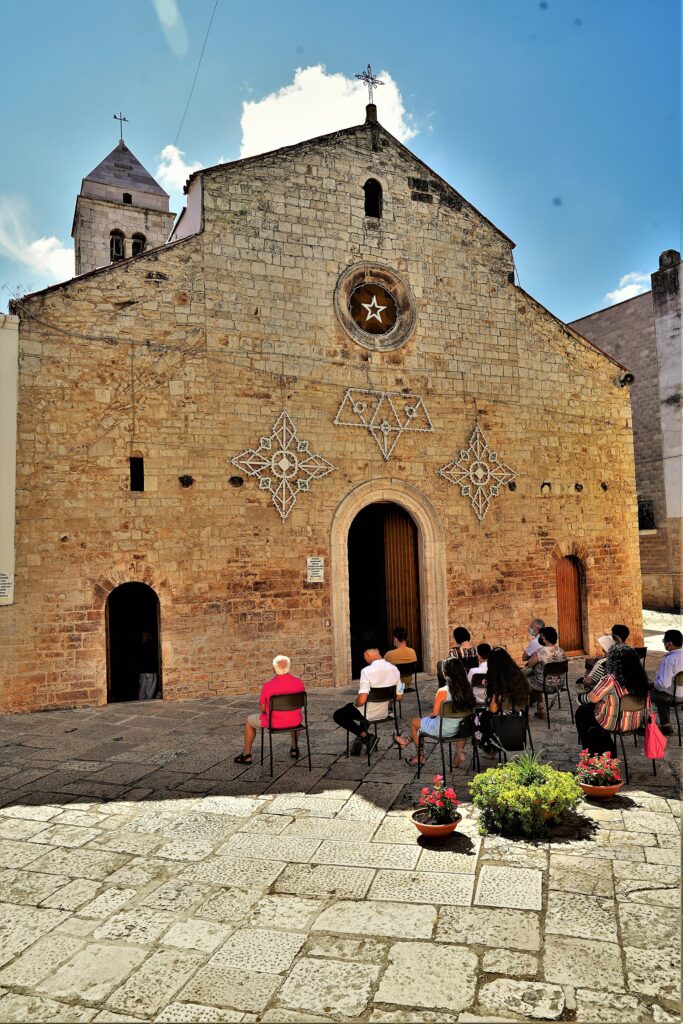
📷 Photo Gallery — Binetto
Nearby Villages near Binetto
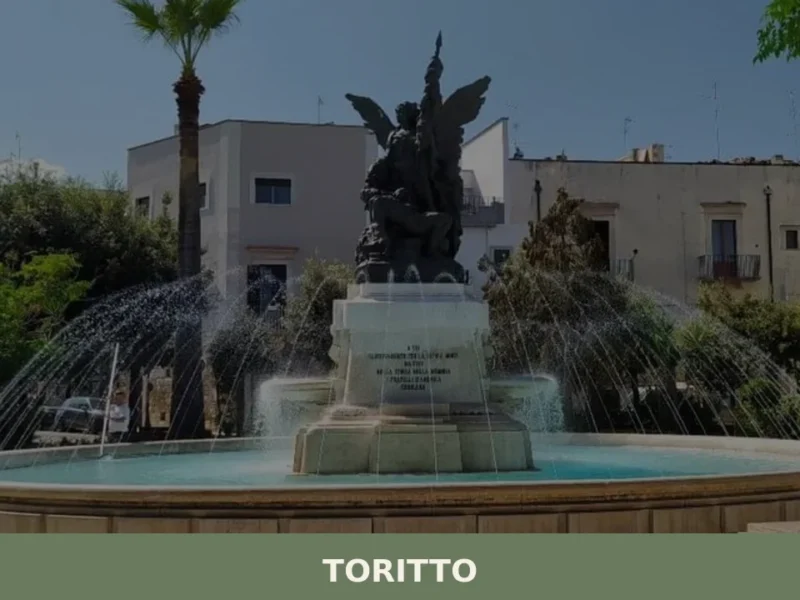
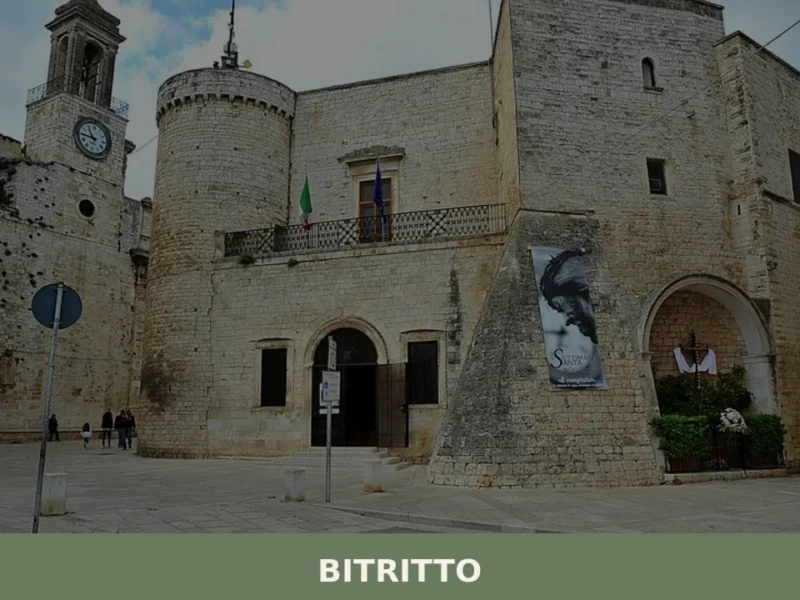
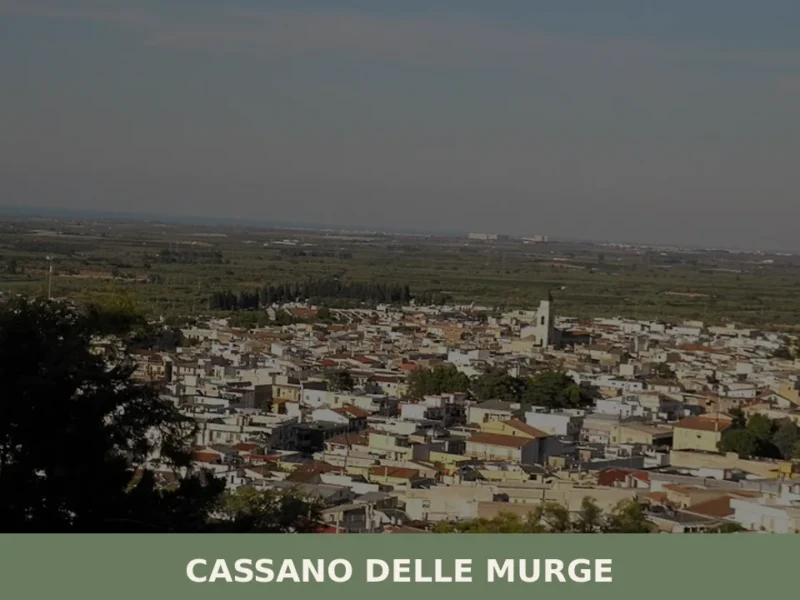
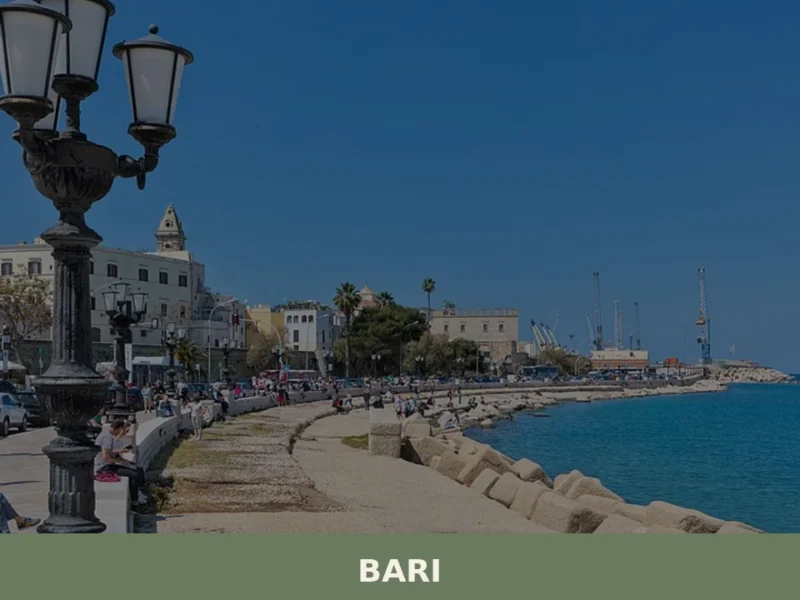
In Apulia More villages to discover
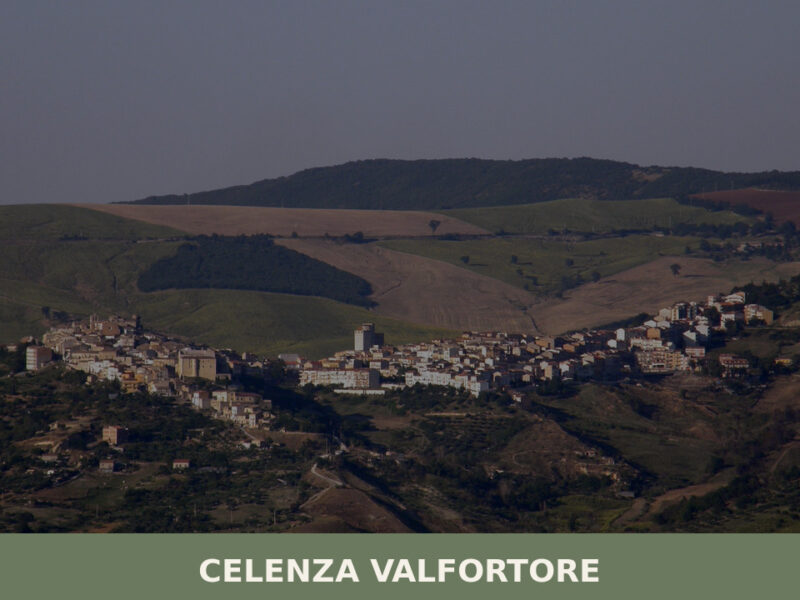
Celenza Valfortore
 Hills
Hills
A hill village of 1,363 people above the Fortore valley in Puglia's Daunia highlands. Castle, churches, stone lanes, and a working landscape far from the tourist coast.
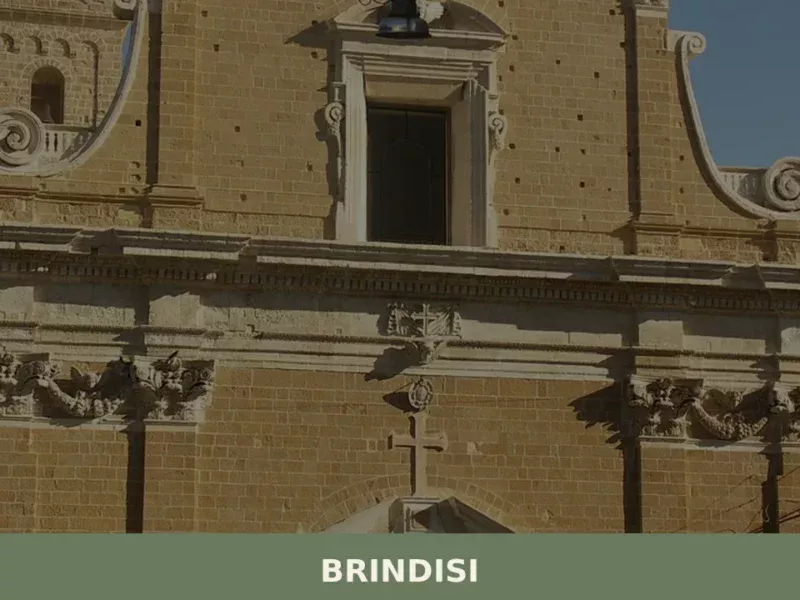
Brindisi
 Sea
Sea
From the port of Brindisi, at a strategic point where the Adriatic opens towards the East, stands the Monument to the Italian Sailor, an imposing structure that since 1933 has watched over the city and its maritime routes. This city, overlooking a natural inlet that for centuries has welcomed fleets and trade, has historically been […]
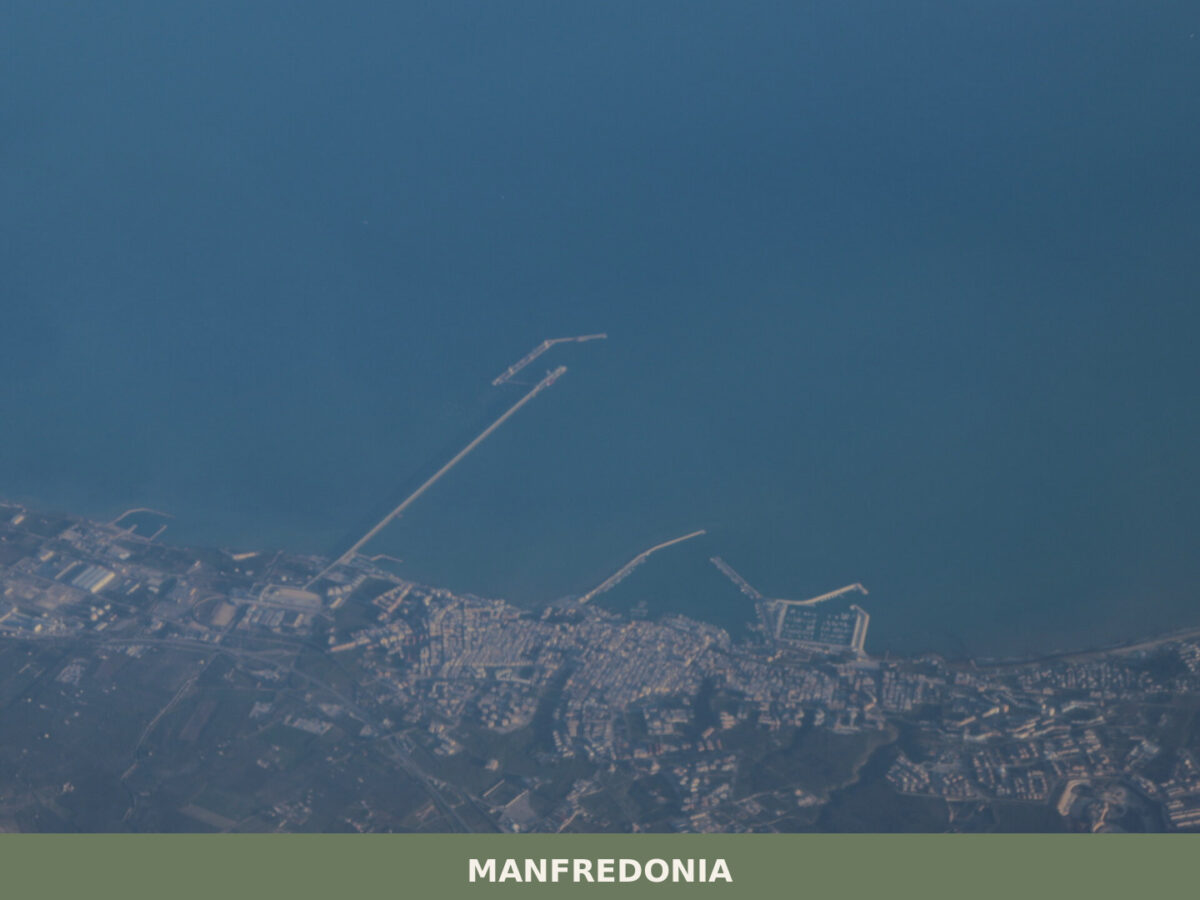
Manfredonia
Sea
A port city founded by King Manfred on the Gargano coast, Manfredonia holds a medieval castle, pre-Roman carved stele, and one of Puglia's oldest carnivals.
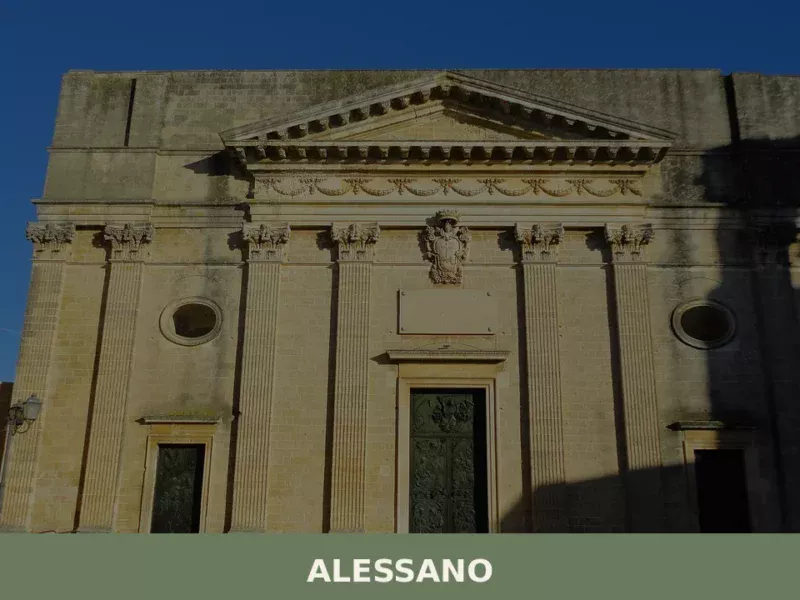
Alessano
Sea
Until 1818, Alessano was the seat of its own diocese — a fact that explains the density of sacred architecture concentrated in a village of fewer than 6,000 inhabitants. Located in the basso Salento, the southernmost stretch of Puglia’s heel, the comune includes the hamlet of Montesardo and the coastal locality of Marina di Novaglie. […]
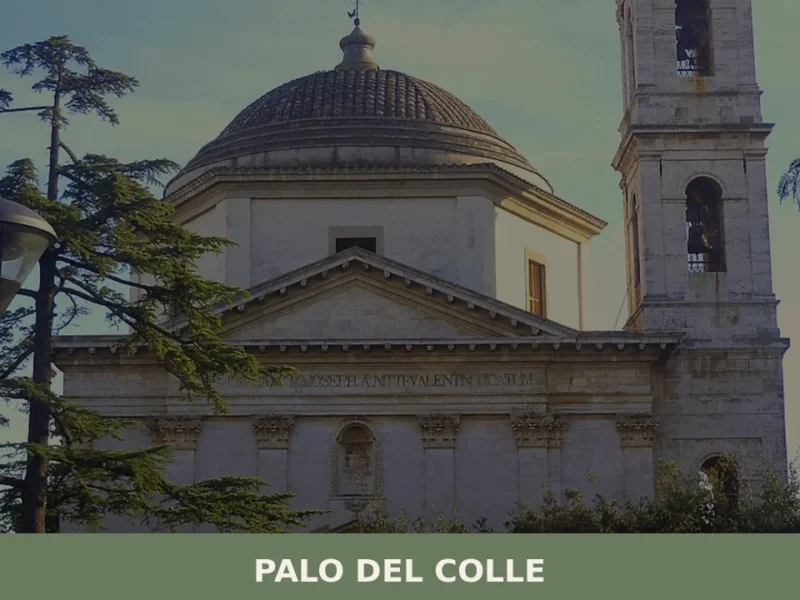
Palo del Colle
Plains
What to see in Palo del Colle: town at 177 m near Bari. Explore the Norman castle, cathedral, and Acquasale PAT. Plan your visit with our full guide.
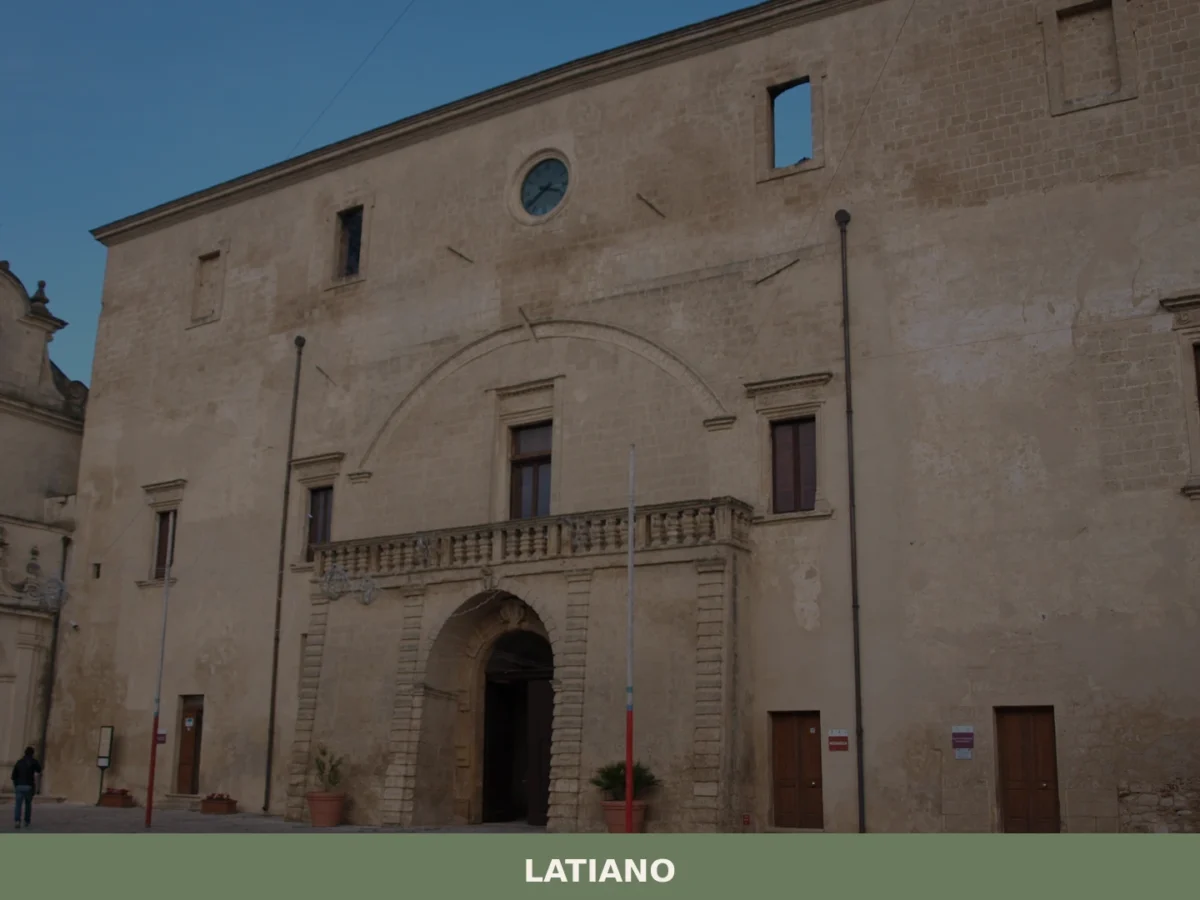
Latiano
Plains
Discover what to see in Latiano, Puglia: Baroque churches, historic masserie, olive groves and local food in this Brindisi province town of 13,000 inhabitants.
Specchia
Plains
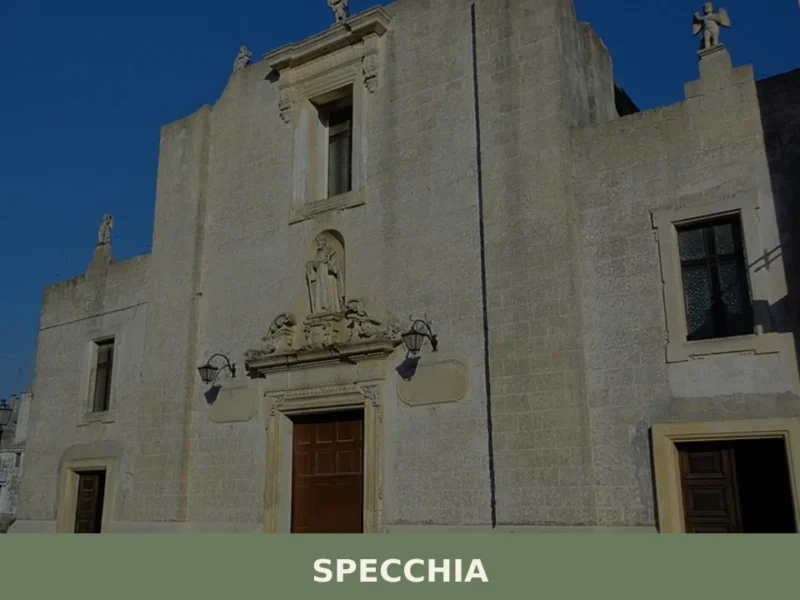
What to see in Specchia: a medieval village at 131m in Salento with 4,569 residents. Explore Castello Risolo, the historic centre and PAT-certified local food. Plan your visit.
Galatone
Sea
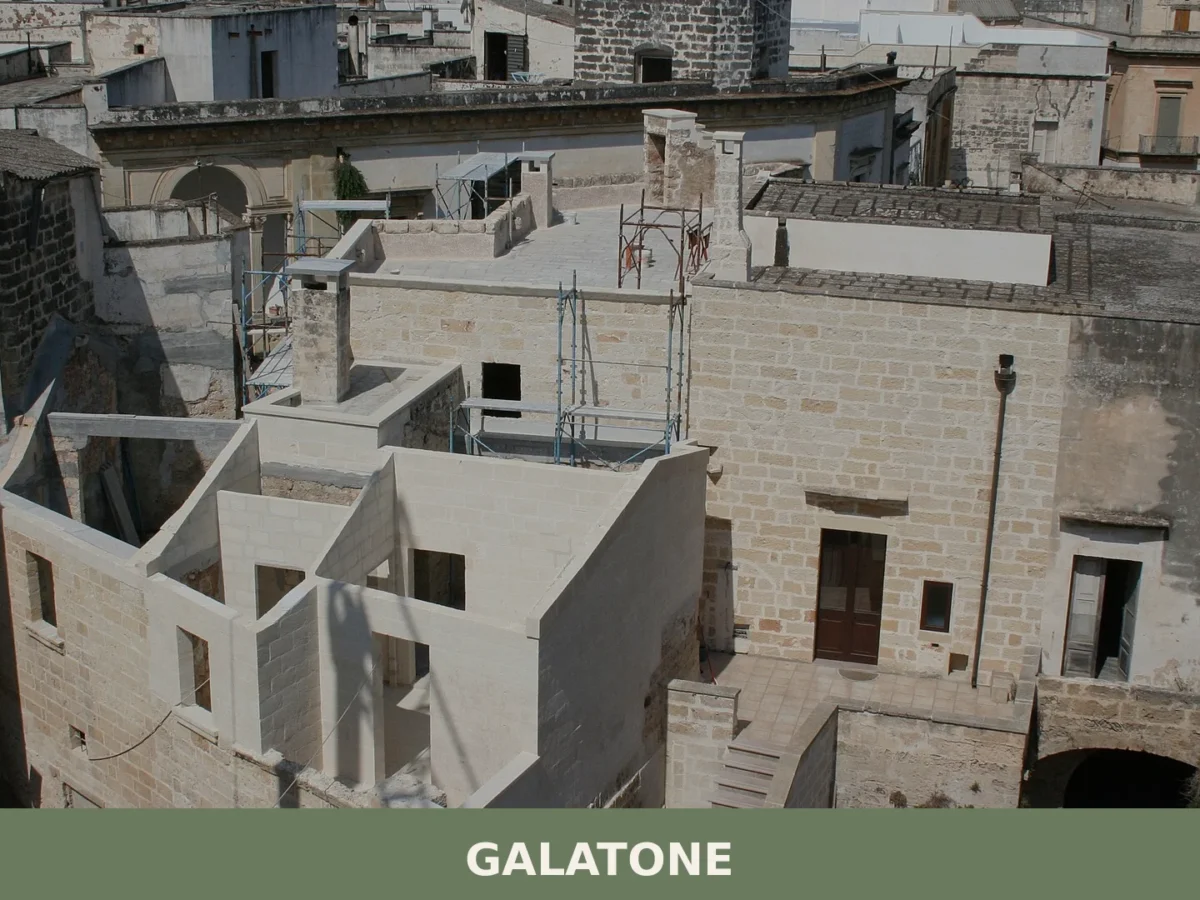
A medieval settlement of 14,800 inhabitants on the Ionian shore. Known for three baroque sanctuaries and the birthplace of Antonio De Ferrariis, a leading Renaissance humanist.
Palmariggi
Plains
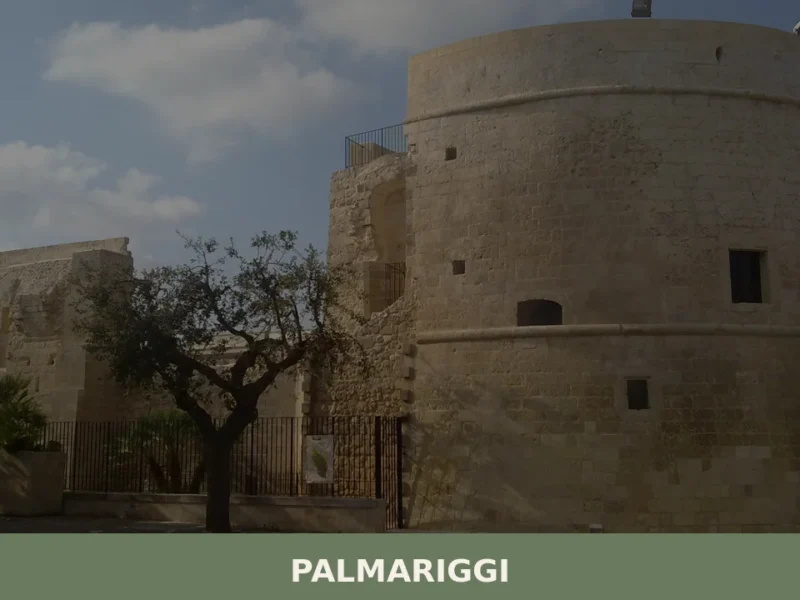
What to see in Palmariggi, Puglia, Italy: discover the Aragonese Castle, a prehistoric menhir, and the Sanctuary of Madonna di Montevergine. Population 1,542. Explore now.
Monopoli
Sea
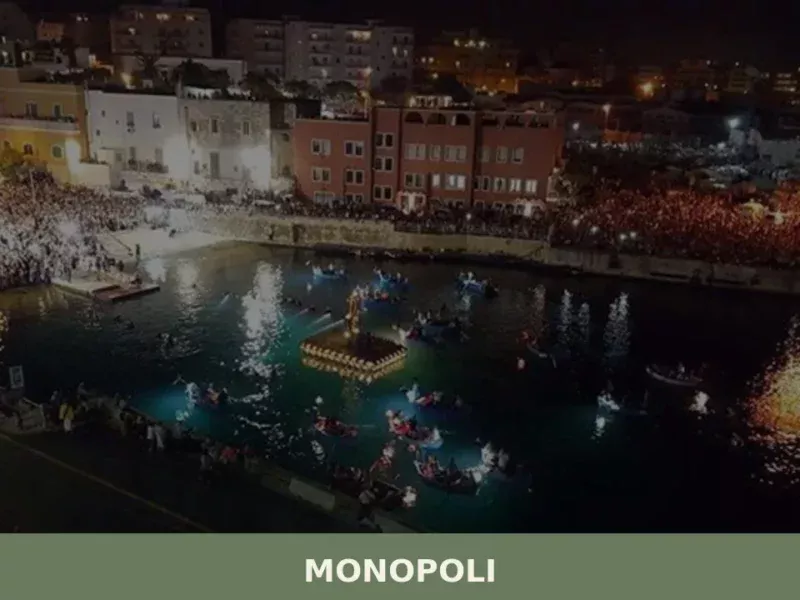
From the promontory where the Castle of Charles V stands, the view sweeps across the Adriatic, a horizon of waters that have shaped Monopoli’s identity for centuries. This port city, whose name evokes the idea of a “unique city,” reveals itself through its architecture, which tells of historical layers, from Messapian walls to Spanish fortifications. […]



🏡 Know Binetto better than we do?
If you’re a local or have been there, your knowledge matters: add what’s missing or fix a detail on this page.