


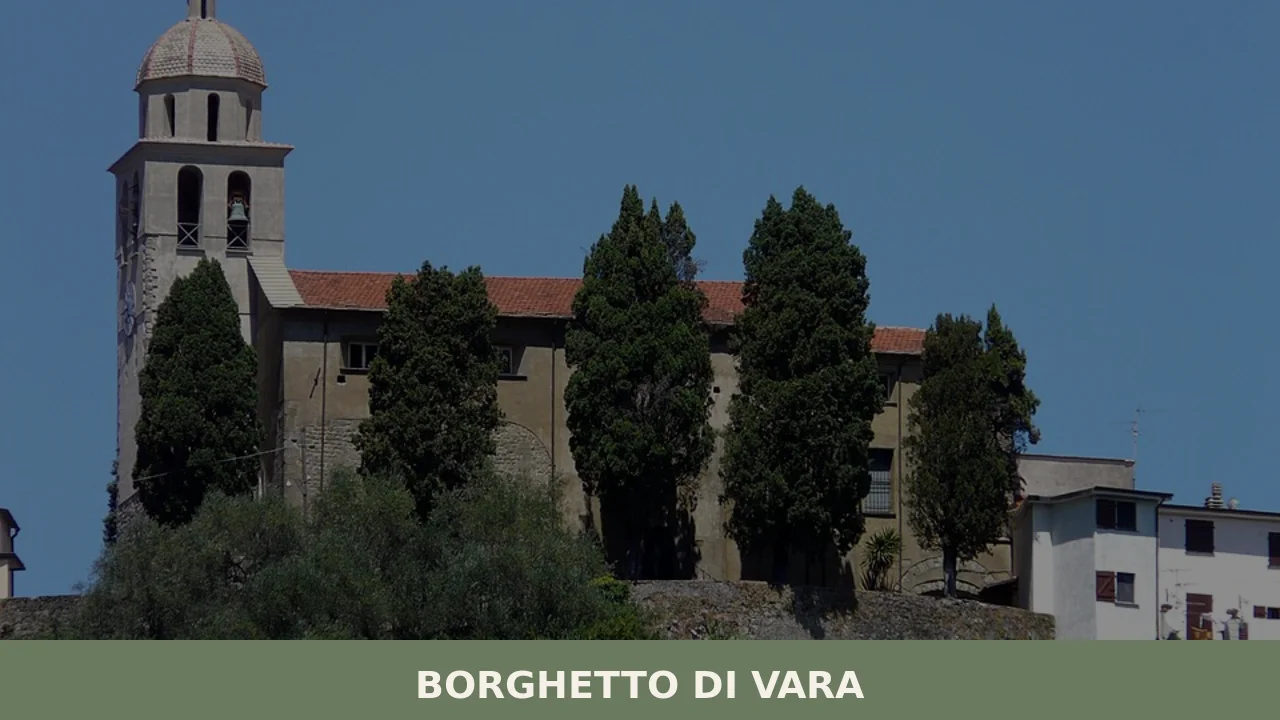
Borghetto di Vara
In 1863, the municipality of Borghetto, located in the middle Val di Vara, officially adopted the name Borghetto di Vara, highlighting its geographical connection to the river of the same name. With a population of 870 inhabitants and an altitude of 104 meters above sea level, this settlement in the province of La Spezia stands […]
Discover Borghetto di Vara
In 1863, the municipality of Borghetto, located in the middle Val di Vara, officially adopted the name Borghetto di Vara, highlighting its geographical connection to the river of the same name. With a population of 870 inhabitants and an altitude of 104 meters above sea level, this settlement in the province of La Spezia stands out for its location on a plain, an uncommon feature in the Ligurian landscape. The territory is historically connected to the communication routes that crossed the valley. For those wondering what to see in borghetto di vara, the village offers an example of historical layering and human adaptation to a river environment.
History and origins of Borghetto di Vara
The first documented records concerning Borghetto date back to the 11th century, when the village was listed among the properties of the Bishops of Luni. Its strategic position along the Vara river, a waterway that for centuries served as a link between the coast and the hinterland, determined its development. Control of the territory later passed to feudal families, including the Fieschi, who built defensive structures to oversee the passage and the valley’s agricultural resources. This period left traces in the local civil and military architecture.
The village was subject to disputes among local powers, including the Republic of Genoa, which gradually extended its influence over Liguria. Its incorporation into Genoese domains marked a phase of administrative consolidation and integration into the Republic’s trade routes. The name “Borghetto” suggests its origin as a small fortified settlement or one dependent on a larger center, a role it maintained over centuries, evolving into an agricultural and service hub for the Val di Vara.
What to see in borghetto di vara: 5 essential attractions
Examining what to see in borghetto di vara means grasping the elements that define its historical and civic identity. The village, despite its modest size, features points of interest that narrate its past.
Church of San Carlo Borromeo
The main place of worship in the village, the church is dedicated to its patron saint, San Carlo Borromeo, celebrated on November 4th. Its structure, resulting from alterations and expansions over centuries, features architectural elements that reflect various construction periods. Inside, works and sacred furnishings are preserved, attesting to local devotion.
Remains of the Fieschi Tower
Fragments of a medieval tower, once part of a larger defensive structure, are still visible within Borghetto’s urban fabric. These remains represent what is left of the Fieschi family’s control over the territory, serving as an observation and defense point along the river valley.
The historic core
The village center retains a layout that reflects its evolution. Buildings with Ligurian characteristics, alleys that unfold following a logic of protection and aggregation, and small squares that served as focal points for community life. Observing the facades and structures allows one to grasp the building layers.
Bridge over the Vara
The Vara river, a central element in the village’s geography, is crossed by a bridge that has played a fundamental role in local transport. Although the current structure may have been modified over time, the presence of a crossing over the river is historically documented and crucial for connections with neighboring areas.
Oratory of San Giovanni Battista
Next to the parish church, the oratory represents another place of worship and gathering. Often home to confraternities, these smaller buildings preserve local religious and artistic traditions, with decorations and artifacts reflecting popular piety and local craftsmanship.
Traditional cuisine and local products
The Val di Vara, and with it Borghetto di Vara, is known for a gastronomy rooted in peasant tradition and the availability of local raw ingredients. Among the specific products, Testaroli stand out: thin pasta discs cooked in cast-iron griddles and traditionally seasoned with pesto, oil, and cheese. Another characteristic dish is Panigacci, similar to Testaroli but usually smaller and served with cured meats and cheeses.
The area also produces Val di Vara Honey, a product that benefits from the floral richness of the region, and various types of mushrooms, gathered in the surrounding woods and used in different culinary preparations. Local cuisine also values the use of wild herbs, goat and sheep cheeses, and game meat. Seasonal festivals, when they occur, offer the opportunity to taste these specialties in a communal setting.
When to visit Borghetto di Vara: the best period
Borghetto di Vara’s climate, influenced by its proximity to the sea and the protection of the hills, is generally mild. Spring and autumn are the recommended periods for a visit, with pleasant temperatures that facilitate exploration of the village and the surrounding environment. During these months, the vegetation of the Val di Vara offers a more varied chromatic context.
The patron saint’s festival of San Carlo Borromeo, on November 4th, represents a moment of community gathering, with religious celebrations that may be accompanied by civil events. Summer can be warm, but the presence of the Vara river offers opportunities for refreshment in equipped areas or for walks along its banks during cooler hours.
How to get to Borghetto di Vara
Borghetto di Vara is mainly accessible via the road network. The A12 motorway (Genoa-Livorno) is the most direct route; the recommended exit is Brugnato-Borghetto di Vara, from which the village is a few kilometers away. For those traveling by train, the nearest railway stations are on the Tyrrhenian line, such as La Spezia Centrale or Levanto, from which it is necessary to continue by public or private transport. The closest airports are Genoa-Sestri (approximately 90 km) and Pisa (approximately 90 km).
Other villages to discover in Liguria
Liguria offers a variety of villages that tell different stories of the territory. From the Val di Vara, it is possible to extend exploration inland, discovering settlements with different characteristics. For example, Apricale, in the province of Imperia, presents itself as a medieval center that maintains an architectural layout of notable integrity, with its houses appearing to merge with the rock.
Continuing towards the Genoese hinterland, one finds Davagna, a village that develops in a mountain setting, offering an example of a Ligurian settlement connected to pastoralism and forestry. These villages, despite their specific characteristics, contribute to defining the picture of inland Liguria, distant from the coasts, but no less rich in interesting elements.
In Liguria More villages to discover
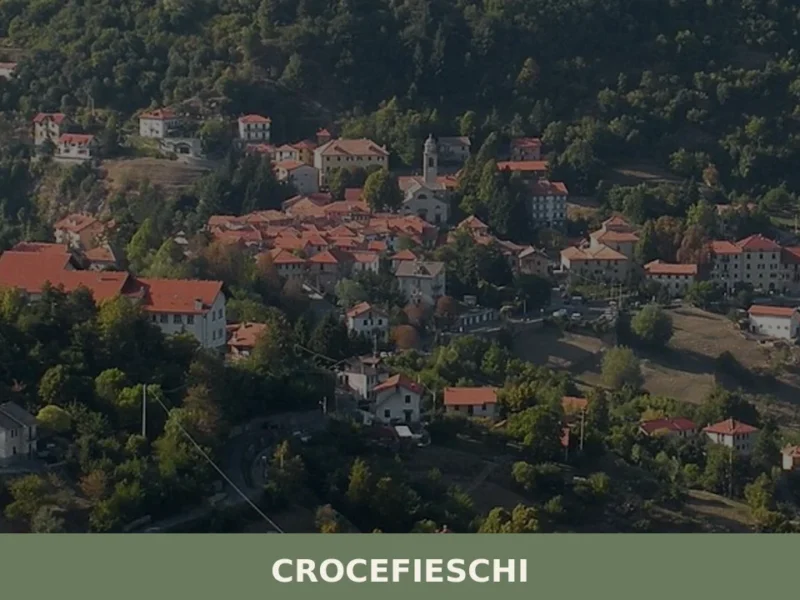
Crocefieschi
At 742 meters above sea level, in the heart of the Ligurian Apennines, lies Crocefieschi, a municipality in the province of Genoa with 518 inhabitants. Its geographical position makes it a reference point for those seeking significant altitudes in the Genoese hinterland, away from coastal dynamics. The village’s name, according to tradition, is said to […]
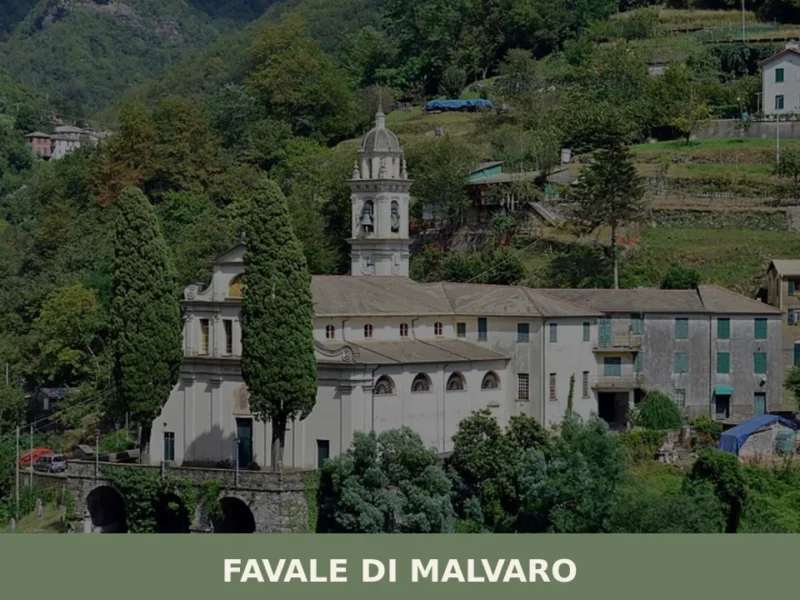
Favale di Malvaro
In 1892, Amadeo Pietro Giannini left Favale di Malvaro for America. The son of Ligurian emigrants, he went on to found the Bank of Italy in San Francisco in 1904, which later became Bank of America — for decades the largest banking institution in the world. This small village in the Fontanabuona valley, home to […]
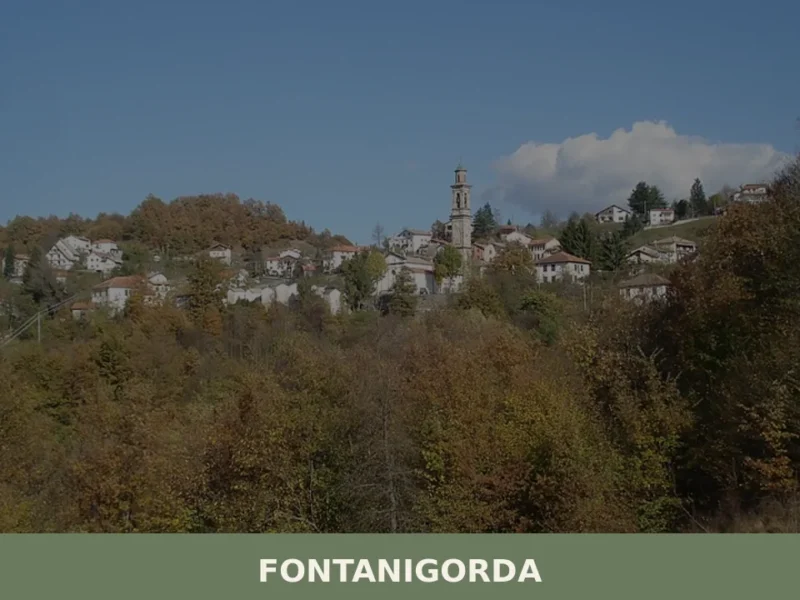
Fontanigorda
At 819 meters above sea level, in the heart of the upper Trebbia Valley, Fontanigorda appears as an alpine settlement in the province of Genoa. Its documented origin dates back to 1153, when it appears in annals as “Fontana Gordana,” a reference to the abundance of water in its territory. This village, with a population […]

📝 Incorrect information or updates?
Help us keep the Borghetto di Vara page accurate and up to date.