


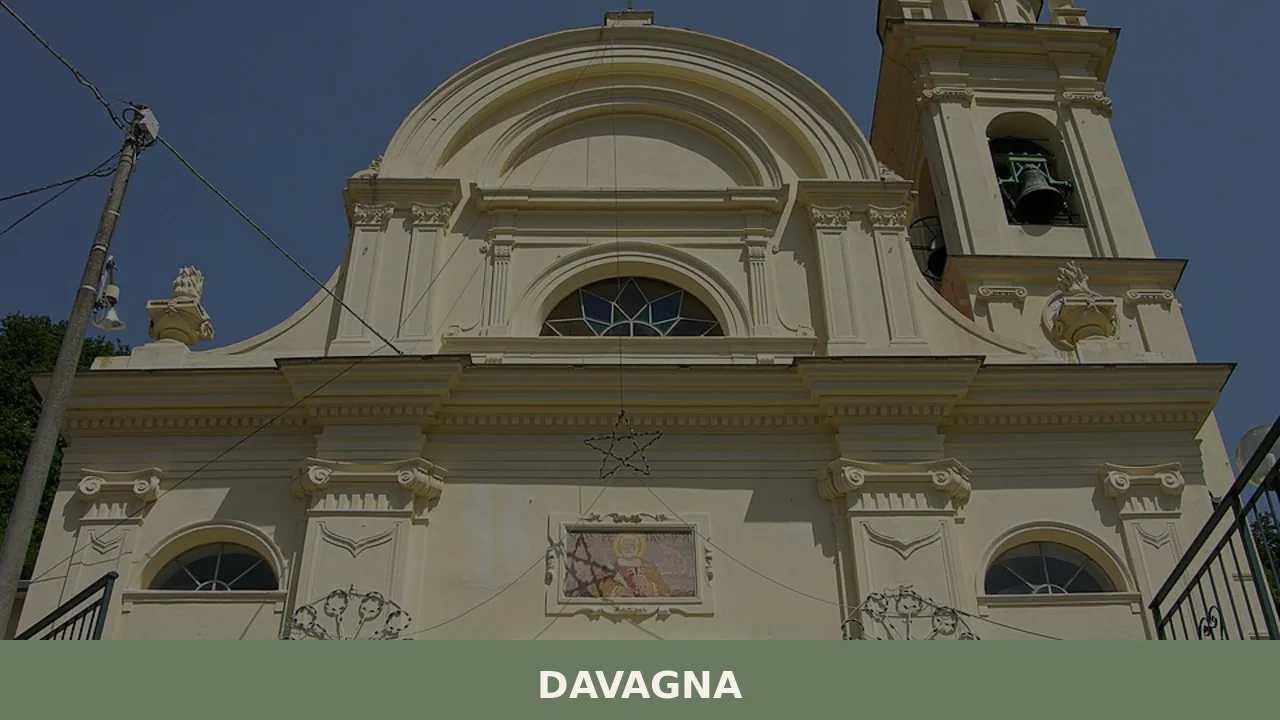
Davagna
 Hills
Hills
At 552 meters above sea level, Davagna is a scattered municipality in the Genoese hinterland, comprising a main town and numerous hamlets spread across the slopes of the Bisagno Valley. Its geographical location, a short distance from the Ligurian capital, has historically influenced the economic and social dynamics of the area. For those wishing to […]
Discover Davagna
At 552 meters above sea level, Davagna is a scattered municipality in the Genoese hinterland, comprising a main town and numerous hamlets spread across the slopes of the Bisagno Valley. Its geographical location, a short distance from the Ligurian capital, has historically influenced the economic and social dynamics of the area. For those wishing to explore the hilly landscape and the traces of a less-known Liguria, Davagna offers points of interest that deserve attention. This itinerary suggests what to see in davagna, outlining a route among religious architecture, historical evidence, and natural views that define the identity of the place.
History and Origins of Davagna
The first documented records related to Davagna date back to the 12th century, a period when the territory was under the influence of the Republic of Genoa. The village’s name probably derives from the Ligurian term “davagna,” indicating a borderland or a transit area, an aspect consistent with its position along ancient communication routes between the coast and the Po Valley hinterland. Over the centuries, Davagna maintained a role as an agricultural and pastoral outpost, supplying resources to the nearby city of Genoa.
The 13th century saw the territory of Davagna involved in disputes between the Guelph and Ghibelline factions, with changes in ownership and fortifications that demonstrate the strategic importance of the area. Subsequently, control passed to the Fieschi family, one of the most powerful in Liguria, who exercised their dominion until the 16th century, when the fief was reintegrated into the possessions of the Republic of Genoa. Traces of this history are still visible in the fragmentation of the urban fabric, characterized by distinct residential centers, each with its own micro-history and peculiarities.
In 1797, with the fall of the Republic of Genoa and the creation of the Ligurian Republic under Napoleonic influence, Davagna became part of the Department of Bisagno. Subsequently, with its annexation to the Kingdom of Sardinia in 1815 and then to the Kingdom of Italy, the municipality experienced the typical transformations of rural areas, fluctuating between depopulation and attempts to enhance local heritage. To learn more about the municipality’s history, you can consult the official website of the Municipality of Davagna.
What to see in Davagna: 5 essential attractions
1. The Church of San Pietro Apostolo
Located in the main town of Davagna, the Church of San Pietro Apostolo is the municipality’s primary place of worship. Its current structure dates from reconstructions following historical damage, yet it retains elements of architecture rooted in more remote eras. The interior preserves sacred furnishings and artworks that reflect the local community’s devotion. The patron saint’s feast day, dedicated to Saint Peter, is celebrated on June 29th, a time of gathering and tradition for the inhabitants.
2. The Oratory of San Giovanni Battista
Adjacent to the parish church, the Oratory of San Giovanni Battista represents an example of Ligurian devotional architecture. These buildings, often managed by lay confraternities, were centers of social and religious life. Davagna’s oratory, with its simple facade and interiors that may house processional
Frequently asked questions about Davagna
What is the best time to visit Davagna?
The ideal seasons to visit Davagna are spring (April–June) and early autumn (September–October), when mild temperatures make walking through the Bisagno Valley hamlets particularly pleasant. Summer is comfortable at 552 meters, cooler than coastal Liguria and well suited for hiking. The most important local event is the feast of the patron saint San Pietro, celebrated on June 29th, offering a genuine glimpse into village traditions and community life. Avoid January and February if you prefer warmer, drier conditions.
What are the historical origins of Davagna?
Davagna's first documented records date to the 12th century, when the territory fell under the Republic of Genoa. The name likely derives from a Ligurian term meaning borderland or transit area, reflecting its position on ancient routes linking the Ligurian coast to the Po Valley. In the 13th century the area was contested between Guelph and Ghibelline factions, later passing to the powerful Fieschi family until the 16th century. After the fall of the Republic of Genoa in 1797, Davagna became part of the Napoleonic Department of Bisagno, subsequently joining the Kingdom of Sardinia in 1815.
What to see in Davagna? Main monuments and landmarks
The two primary sites are the Church of San Pietro Apostolo, the main parish church in the village centre, which preserves sacred furnishings and artworks tied to centuries of local devotion, and the adjacent Oratory of San Giovanni Battista, a characteristic example of Ligurian devotional architecture historically managed by lay confraternities. Both are located in the main town of Davagna and are generally accessible during religious services and feast days. Entry to both is typically free. The scattered hamlets across the hillside also reward exploration on foot.
What are the main natural or scenic attractions of Davagna?
Davagna sits at 552 meters in the Bisagno Valley hinterland, offering hilly landscapes typical of the Genoese Apennines. The territory is characterised by wooded slopes, rural paths connecting the municipality's numerous hamlets, and panoramic ridgelines overlooking the valley below. The area falls within the broader network of Ligurian Apennine footpaths, making it suitable for easy to moderate walks. Its proximity to Genoa, just a short drive away, makes it an accessible green escape into less-visited inland Liguria.
Who is Davagna suitable for? Families, couples, hikers, solo travelers?
Davagna is particularly well suited to hikers and nature lovers seeking peaceful Apennine landscapes away from Liguria's busy coastline. Its scattered hamlets and rural paths appeal to slow travellers and photographers interested in authentic village life. Couples looking for a quiet retreat close to Genoa will appreciate the tranquil hillside setting. Families with older children can enjoy gentle walks connecting the hamlets. It is less suited to visitors expecting resort-style amenities or a dense concentration of monuments in a compact historic centre.
Are there museums, churches or historic buildings to visit in Davagna?
The two documented religious buildings open to visitors are the Church of San Pietro Apostolo, the main parish church dedicated to Davagna's patron saint, and the Oratory of San Giovanni Battista, both located in the village centre. The church interior contains sacred furnishings and artworks of local historical significance. Access is typically possible during Mass and on the feast of San Pietro (June 29th). No municipal museum is currently documented for Davagna. For current opening times it is advisable to contact the Municipality of Davagna directly via its official website.
Nearby Villages near Davagna
In Liguria More villages to discover
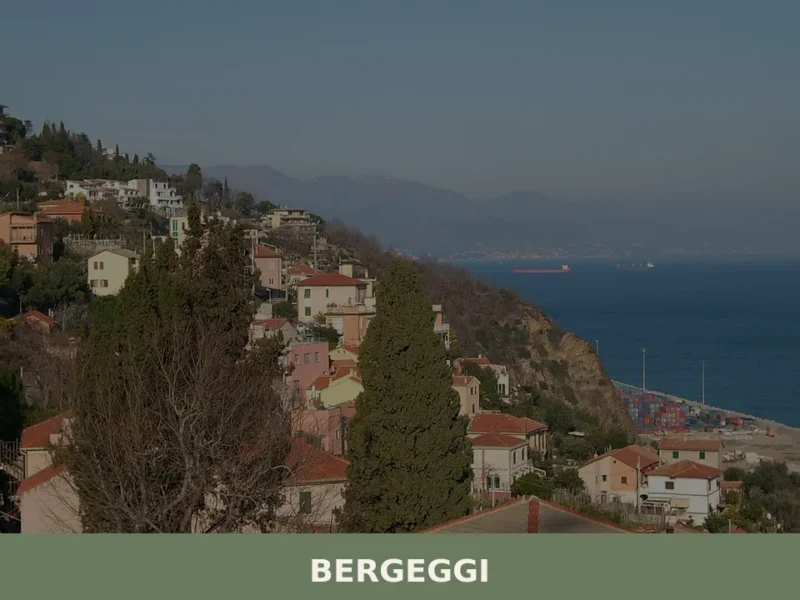
Bergeggi
 Sea
Sea
The limestone bluffs that drop into the Ligurian Sea west of Savona do not ease the traveller in gently. The coastline here is direct: rock, water, and the smell of salt on warm stone. Bergeggi sits at roughly 10 km (6.2 mi) from Savona, at a point where the Via Aurelia, the ancient Roman road […]

Arenzano
Sea
What to see in Arenzano, Liguria, Italy: explore a 16th-century patrician villa, a Saracens' Tower, and a coastal sanctuary. Population 11,445. Discover it all.
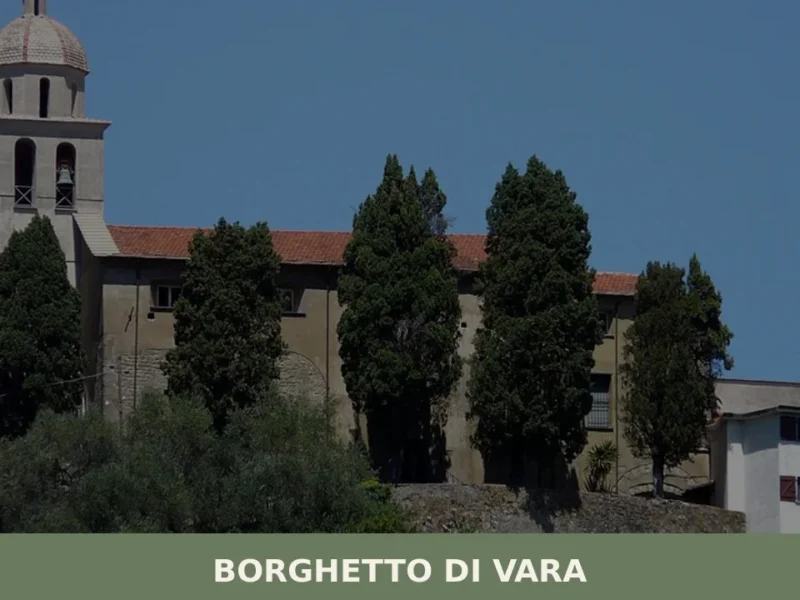
Borghetto di Vara
 Plains
What to see in Borghetto di Vara, Italy: Discover a village of 870 inhabitants at 104 m altitude. Explore its plain landscape and the Parish Church of San Carlo Borromeo.
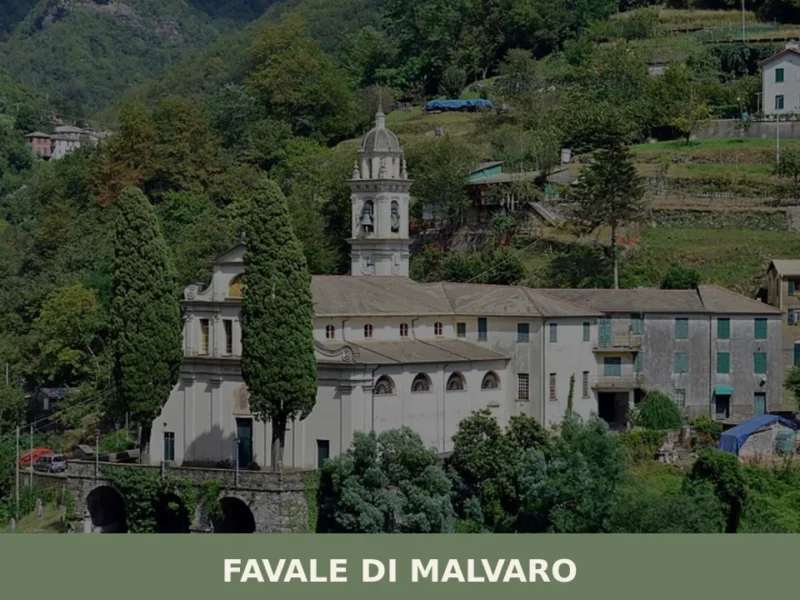
Favale di Malvaro
Hills
In 1892, Amadeo Pietro Giannini left Favale di Malvaro for America. The son of Ligurian emigrants, he went on to found the Bank of Italy in San Francisco in 1904, which later became Bank of America — for decades the largest banking institution in the world. This small village in the Fontanabuona valley, home to […]
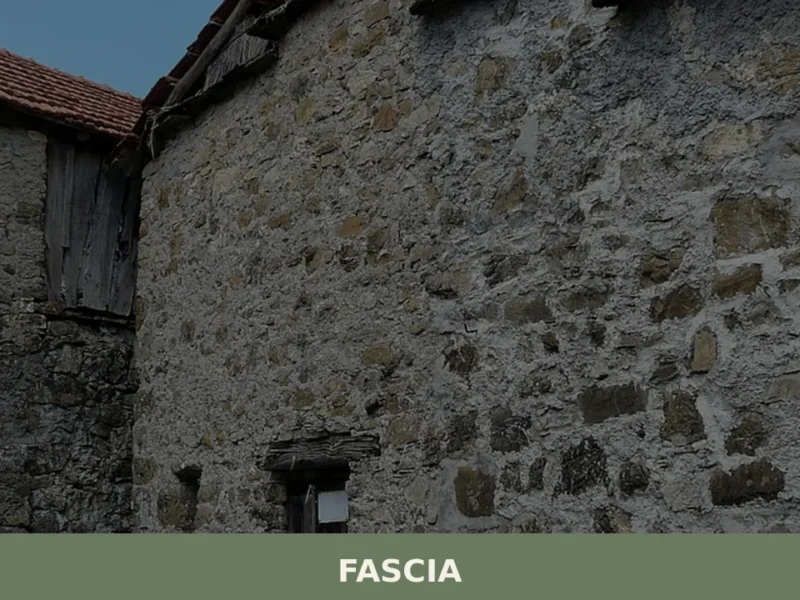
Fascia
 Mountain
At 1118 meters above sea level, Fascia, in the province of Genoa, stands out as one of Liguria’s highest municipalities, with a population of just 70 inhabitants. This demographic data, recorded in the last census, defines a setting of rare tranquility and a distinct mountain identity. For those wondering what to see in Fascia, it […]
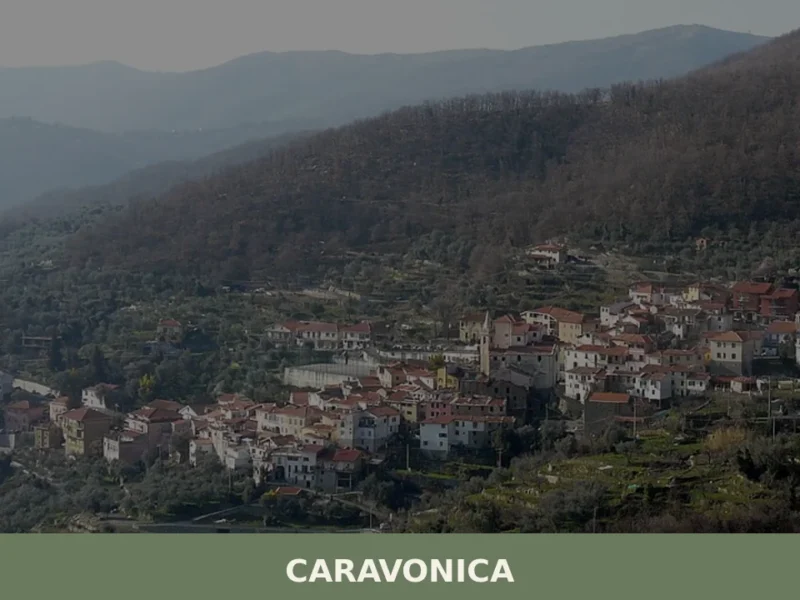
Caravonica
Hills
The scent of wild rosemary drifts on the morning air, carried by a breeze that has travelled from the Ligurian Sea and across the terraced olive groves. Morning light, still soft, begins to illuminate the ochre and terracotta facades of Caravonica “”, a village clinging to a hillside in the Imperia province. At 360 meters […]
Fontanigorda
Mountain
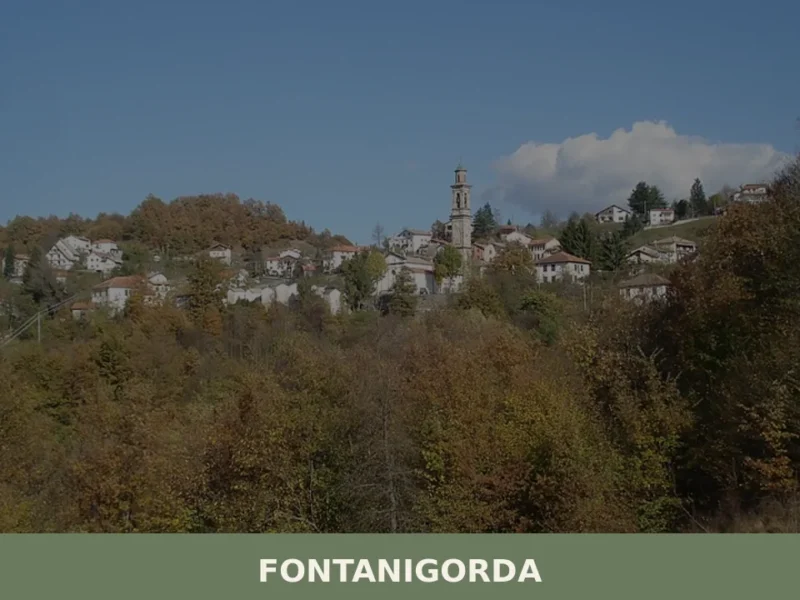
At 819 meters above sea level, in the heart of the upper Trebbia Valley, Fontanigorda appears as an alpine settlement in the province of Genoa. Its documented origin dates back to 1153, when it appears in annals as “Fontana Gordana,” a reference to the abundance of water in its territory. This village, with a population […]
Framura
Sea
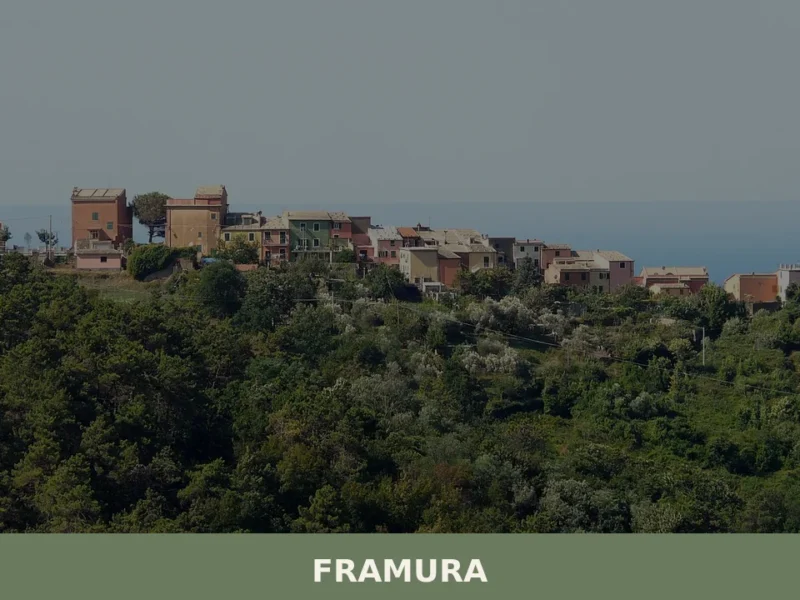
What to see in Framura, Liguria, Italy: explore 5 top attractions, WWII history, coastal trails, and local food in a village of 677 inhabitants. Discover it now.
Rocchetta Nervina
Mountain
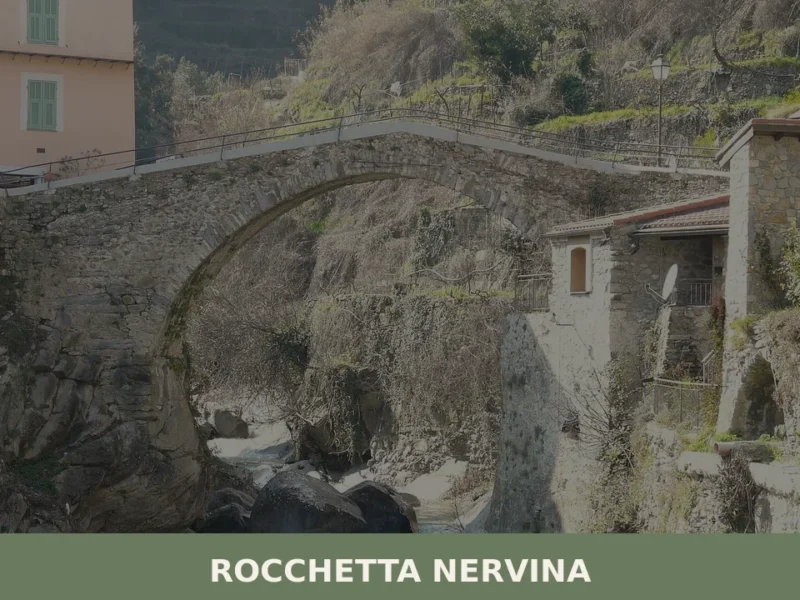
What to see in Rocchetta Nervina, Italy: discover the village (population 275) near the Ligurian Alps Regional Park. Explore its unique location bordering France and the Barbaira stream.
Diano San Pietro
Plains
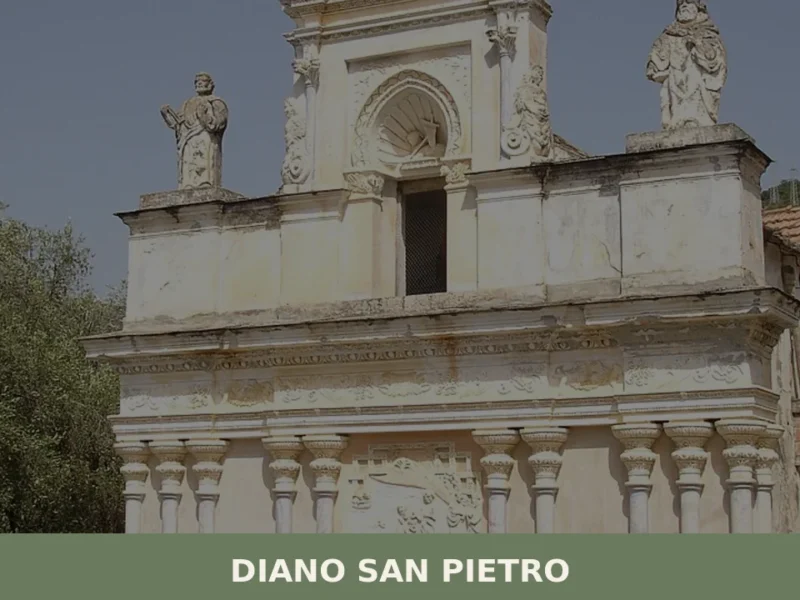
What to see in Diano San Pietro: a village of 1,081 at 83m in the Diano Valley. Discover the Church of San Pietro, olive terraces and nearby villages. Plan your visit.






🏡 Know Davagna better than we do?
If you’re a local or have been there, your knowledge matters: add what’s missing or fix a detail on this page.