


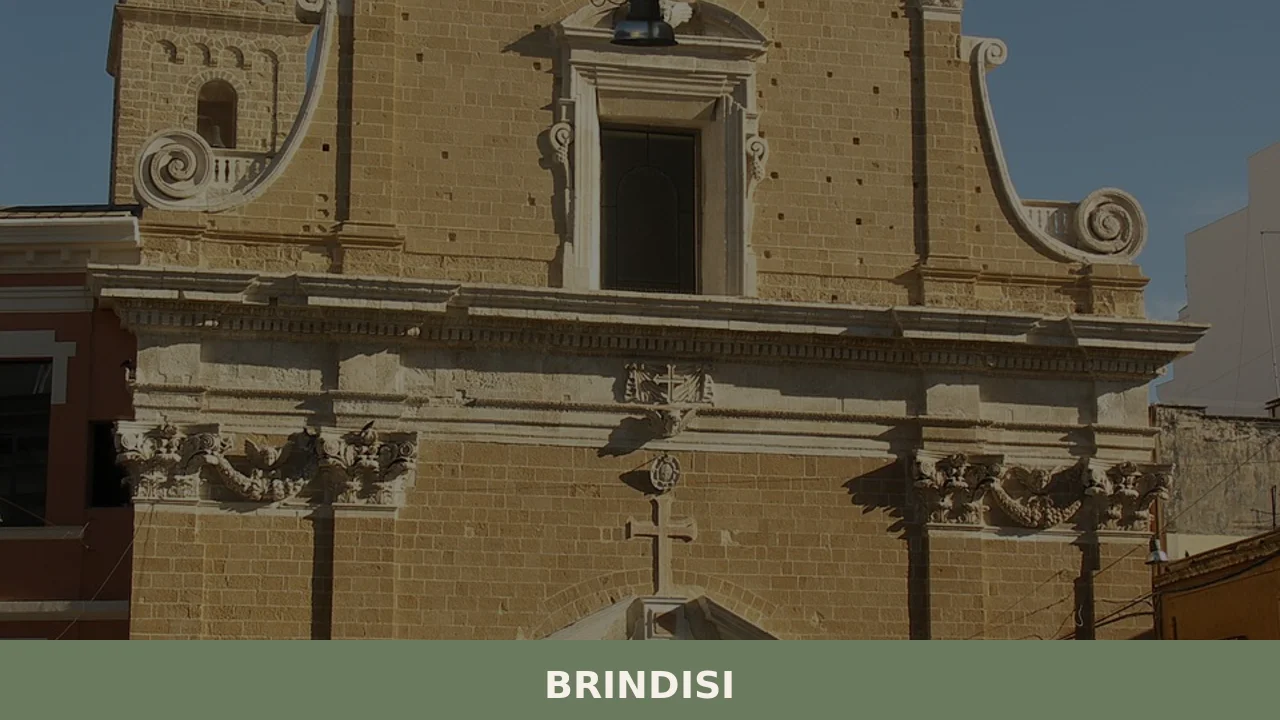
Brindisi
From the port of Brindisi, at a strategic point where the Adriatic opens towards the East, stands the Monument to the Italian Sailor, an imposing structure that since 1933 has watched over the city and its maritime routes. This city, overlooking a natural inlet that for centuries has welcomed fleets and trade, has historically been […]
Discover Brindisi
From the port of Brindisi, at a strategic point where the Adriatic opens towards the East, stands the Monument to the Italian Sailor, an imposing structure that since 1933 has watched over the city and its maritime routes. This city, overlooking a natural inlet that for centuries has welcomed fleets and trade, has historically been a crossroads of peoples and cultures, a terminal for travellers and goods bound for the Balkans and the Levant.
Its roots reach deep into a distant past, but it is its maritime vocation that defines its most profound identity, with a historic centre that preserves traces of every era. Exploring Brindisi means retracing an itinerary that leads from the sea into the streets of history, and for this very reason, understanding what to see in Brindisi becomes a path through millennia of exchanges and dominations.
History and origins of Brindisi
The name Brindisi, in Latin Brundisium, likely derives from the Messapian term Brentesion, meaning “head of a deer”, a reference to the distinctive shape of its natural harbour, branching into two deep inlets that recall the form of a deer’s antlers. This unique geographical configuration determined its strategic importance from antiquity. Founded by the Messapians, an Illyrian people who inhabited the Salento region, Brindisi became a crucial centre as early as the 7th–6th century BC, distinguished by its ability to control Adriatic routes and by the wealth of its agricultural resources.
With the Roman conquest in 266 BC, Brundisium took on a role of primary importance, becoming the main port for the East and the terminus of the Via Appia, the celebrated consular road linking Rome to Puglia.
It was from here that legions and merchants set sail, and where exotic goods and cultural influences arrived. Throughout the Middle Ages, despite barbarian devastations and Saracen raids, Brindisi maintained its port function, becoming a fundamental departure point for the Crusades. Emperors such as Frederick II of Swabia chose it as a base for their expeditions to the Holy Land, marking a period of renewed splendour and fervent building activity, with the construction of castles and fortifications that still define the urban landscape today.
The demographic evolution of Brindisi has been profoundly influenced by historical events and by its geographical position. After a period of decline under Spanish domination, the city experienced a slow recovery, but it was above all in the 19th and 20th centuries that its population grew significantly, thanks to industrialisation and its reconfirmed importance as a military and commercial port. The construction of the Military Maritime Arsenal and the development of port infrastructure attracted new waves of inhabitants, transforming Brindisi from a fishing town into a modern city, while preserving an indissoluble bond with its maritime past and ancient roots, which still emerge in every corner of the historic centre.
What to see in Brindisi: 5 top attractions
The Roman Columns
The Roman Columns, located on the Lungomare Regina Margherita, represent the most iconic symbol of Brindisi.
These twin columns are believed to have marked the terminus of the Via Appia, the long consular road that connected Rome to the Adriatic. Originally three in number, one of the columns collapsed in 1528 and its fragments were donated to Lecce to adorn the statue of Sant’Oronzo. The sole surviving column, approximately 18.74 metres tall, is made of Proconnesian marble and topped by a figured capital. Its majestic presence on the port evokes the ancient grandeur of Brindisi as the gateway to the East of the Roman Empire.
Swabian Castle of Brindisi (Castello Grande)
The Swabian Castle of Brindisi, also known as Castello Grande or Castello di Terra, is located in the western part of the historic centre, in Piazza Castello. Its construction dates back to the 13th century, commissioned by Frederick II of Swabia, who conceived it as a defensive fortress and imperial residence. The structure features a trapezoidal plan with four corner towers and a surrounding moat. Over the centuries it has undergone numerous modifications and expansions, particularly under Aragonese rule. Today it serves as the headquarters of the Italian Navy and is not always open to the public, but its imposing exterior attests to the military power and strategic importance of the city.
Alfonsino Castle (Castello a Mare)
The Alfonsino Castle, or Forte a Mare, stands on the island of Sant’Andrea, guarding the entrance to the port of Brindisi.
Its origin traces back to an earlier Roman structure, but the current fortress was built in the 15th century by order of Alfonso of Aragon, from whom it takes its name. Its strategic position allowed control over access to the inner port, making it an impregnable bastion against seaborne attacks. With its distinctive star shape and massive walls, the castle is accessible via a pedestrian bridge or by boat. The view from the castle over the port and the city is particularly striking, offering a unique perspective on the Apulian coast.
Cathedral of Brindisi (Basilica Cathedral of the Visitation and Saint John the Baptist)
The Cathedral of Brindisi, dedicated to the Visitation of the Blessed Virgin Mary and to Saint John the Baptist, is located in Piazza Duomo, at the core of the historic centre. The current building, rebuilt after the earthquake of 1743, preserves traces of the ancient Romanesque basilica from the 12th century, of which fragments of the floor mosaic remain. The sober yet elegant Baroque façade contrasts with the three-nave interior, rich in sacred artworks and marble altars. The crypt below houses archaeological remains and evidence of the city’s religious history.
The Cathedral is a focal point for the spiritual and cultural life of Brindisi, and its square is a gathering place for residents and visitors alike.
Church of San Giovanni al Sepolcro
The Church of San Giovanni al Sepolcro, situated on Via San Giovanni al Sepolcro, is one of the most significant examples of Romanesque architecture in Brindisi, dating back to the 12th century. Its circular plan, inspired by the Holy Sepulchre in Jerusalem, suggests a connection with the Knights Templar and the Crusades. The interior is characterised by columns and arches that create a contemplative atmosphere, while the exterior features a richly sculpted portal with zoomorphic and vegetal motifs. Despite the alterations it has undergone over time, the church retains its ancient allure intact, offering an immersion into medieval spirituality and the history of pilgrimages to the Holy Land.
What to eat in Brindisi: local cuisine and regional products
The cuisine of Brindisi, like that of all Puglia, is deeply rooted in peasant and seafaring tradition, shaped by the richness of its agricultural hinterland and the generosity of the Adriatic Sea. This gastronomy stands out for the simplicity of its ingredients and the skill in combining them, elements that reflect an ancient culture of “knowing how to do” with what the land and sea provide. Extra virgin olive oil, grains, seasonal vegetables and fresh fish are the pillars of a diet that favours freshness and genuine flavours, often enhanced by local aromatic herbs and Mediterranean spices.
Among the signature dishes of Brindisi’s tradition are preparations that showcase local produce.
Orecchiette with cime di rapa (turnip tops), while a Puglian classic, take on a particular variation in Brindisi, with the use of fresh turnip tops and a sautéed base of garlic and chilli pepper, sometimes enriched with salted anchovies for a savoury contrast. Another hearty dish is the tiella di riso, patate e cozze (baked rice, potatoes and mussels), a layered oven preparation combining rice, thinly sliced potatoes, onion, cherry tomatoes and fresh mussels, all flavoured with parsley and pecorino cheese. This one-pot dish brings together the flavours of sea and land, slow-cooked to blend all the ingredients into a harmony of tastes.
The richness of Brindisi’s table is further enhanced by numerous products that, while not all exclusive to the municipal territory, are an integral part of Puglian gastronomic culture and widely found in the area. Among the traditional products recognised as PAT (Traditional Agri-Food Products) and also appreciated in Brindisi, we find Acquasale, a humble yet flavourful dish made with stale bread, soaked and dressed with tomato, oregano and oil. Africani are dry almond-based pastries, traditionally prepared for festive occasions.
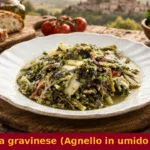
Agnello al forno con patate alla leccese, Auniceddhru allu furnu, and Agnello alla gravinese (Agnello in umido alla gravinese) represent two different interpretations of lamb, both rooted in peasant cooking. Albicocca di Galatone, Arnacocchia di Galatone, is a sweet and juicy summer fruit. Among beverages and liqueurs, there are Amaro del Gargano, Ambrosia di limone and Anisetta. Finally, Asparagi selvatici (wild asparagus) and Asparagi sott’olio (asparagus preserved in oil) are prized for their intense flavour and used in various preparations.
For those wishing to buy local products and experience the genuine atmosphere, the neighbourhood markets of Brindisi offer an excellent opportunity. The covered market on Via Pace, for instance, is a place where you can find seasonal fruit and vegetables, fresh fish and baked goods. Local festivals, though not always specific to the city of Brindisi itself, enliven the surrounding towns during summer and autumn, celebrating products such as tomatoes, new-harvest oil or fish specialities.
These events are occasions of celebration and sharing, where you can savour traditional recipes and discover Puglian hospitality.
The Salento region, of which Brindisi is a part, is a land of great wines. Here, renowned labels are produced such as Primitivo di Manduria DOC and Negroamaro Salento IGT, robust and aromatic red wines that pair perfectly with meat dishes and aged cheeses. There is no shortage of fresh white wines and rosés, ideal for accompanying fish dishes and vegetables. Local wineries often offer tastings, allowing visitors to discover the oenological wealth of the territory and to appreciate the care and passion behind every bottle.
When to visit Brindisi: the best time
The best time to visit Brindisi depends mainly on the traveller’s interests. For those seeking the sea and beaches, summer, from June to September, is the ideal season. High temperatures and sunshine guarantee perfect days for enjoying the crystal-clear waters of the Brindisi coastline and the nearby seaside resorts. However, this is also the period of greatest tourist influx, with higher prices and a livelier atmosphere.
The patron saint festival in honour of San Lorenzo da Brindisi and San Teodoro di Amasea, held on the first weekend of September, is an evocative event with religious processions and civic celebrations that animate the city.
For exploring the historical and cultural heritage of Brindisi and its surroundings, the intermediate seasons, such as spring (April–May) and autumn (October), offer a mild and pleasant climate, ideal for walking through the historic centre, visiting monuments and taking part in excursions. During these months, the tourist flow is lower, allowing a more relaxed enjoyment of the sites. The surrounding countryside is at the height of its spring splendour or dressed in warm autumnal colours, providing ideal settings for outdoor activities. Winter, though cooler, can also be a good time for those who prefer a more intimate and less crowded experience, with the chance to live the city in its everyday rhythm.
How to get to Brindisi
Reaching Brindisi is easy thanks to its strategic position and well-developed transport infrastructure. By car, the city is served by the Strada Statale 379, which connects it to the SS16/E55 dual carriageway, the main artery running along the Adriatic coast of Puglia. Coming from the north, you can take the A14 motorway (Bologna–Taranto) to its end, then continue on the SS7 and subsequently the SS16/E55 heading south. From Bari, Brindisi is approximately 120 km away, reachable in about an hour and a half. From Lecce, the distance is about 40 km, with a journey time of approximately 30–40 minutes via the SS613.
For those who prefer the train, the Brindisi railway station is a major hub on the Adriatic line, with direct connections or interchanges to Italy’s main cities.
Frecciargento and Intercity trains provide fast links to Rome, Milan, Bologna and other destinations. The journey from Roma Termini can take approximately 6 hours, while from Bari Centrale it takes about 1 hour and 15 minutes. The nearest airport is Salento Airport (BDS), located about 6 km from the city centre. This hub is well connected with domestic and international flights, and offers taxi services, shuttle buses and car rental to reach central Brindisi in about 15–20 minutes. Local public transport is managed by STP Brindisi, with buses connecting the airport, the station and the main urban and suburban areas.
Other villages to discover in Puglia
After exploring the wonders of Brindisi, a journey through Puglia can continue with the discovery of other villages that tell different yet equally fascinating stories of the region. About 80 kilometres north-west of Brindisi, roughly an hour’s drive, lies Sammichele di Bari. This inland village in the Bari area is known for its imposing Castello Caracciolo and for being the homeland of the “Zampina”, a local sausage that is the star of festivals and markets.
Visiting Sammichele offers the opportunity to delve into a more agricultural and traditional dimension of Puglia, far from the coast, and to appreciate a gastronomy tied to the flavours of the land.
Continuing northward, in the heart of the Tavoliere delle Puglie plain and on the edge of the Gargano National Park, about 180 kilometres from Brindisi (approximately two and a half hours by car), you will find Orsara di Puglia. This village stands out for its “Grotta di San Michele”, a rock-hewn sanctuary of medieval origin, and for its deep food and wine culture, with high-quality bread and wine production. Orsara offers a significant contrast to the seafaring Brindisi, presenting a mountain landscape and a history linked to spirituality and highland agriculture. A combined itinerary between Brindisi, Sammichele and Orsara allows you to grasp the diversity and richness of Puglian traditions, from the sea to the interior, across different landscapes and cultures.
Getting there
Piazza Giacomo Matteotti, 72100 Brindisi (BR)
In Apulia More villages to discover
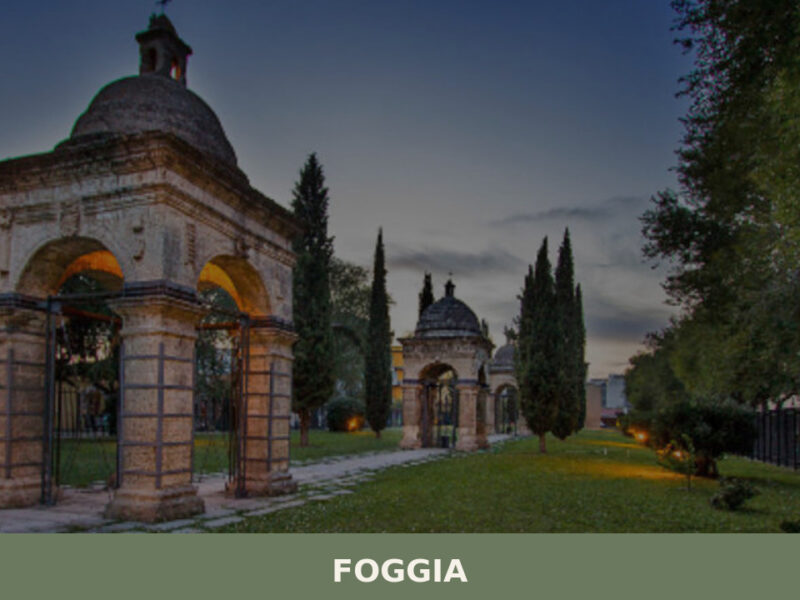
Foggia
Foggia, capital of the Capitanata, holds medieval traces, Daunian artefacts, and the culinary traditions of Italy's largest wheat plain. A guide to its overlooked layers.
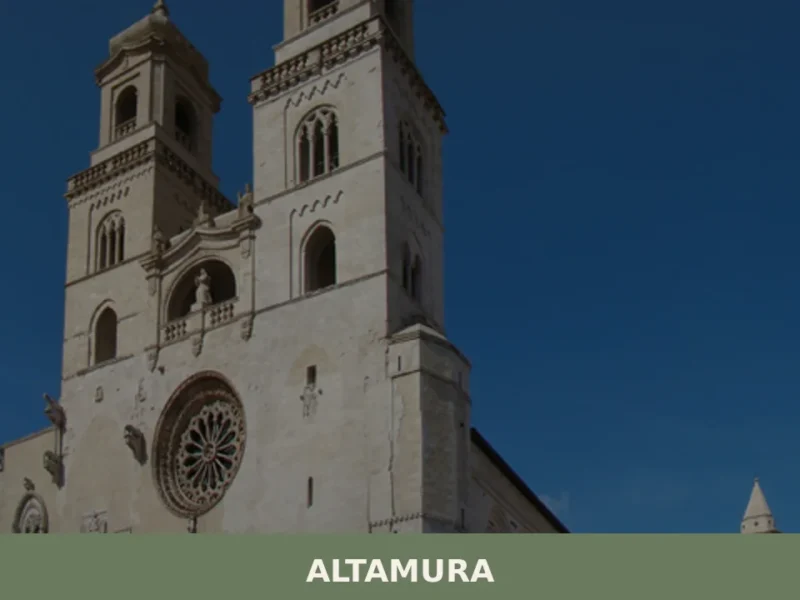
Altamura
In 1993, inside the Lamalunga limestone quarry a few kilometres from the town centre, a skeleton of Homo neanderthalensis dating back approximately 150,000 years was brought to light — one of the most complete ever found in Europe. That discovery changed the perception of Altamura, transforming it from a bread-making town into a site of […]
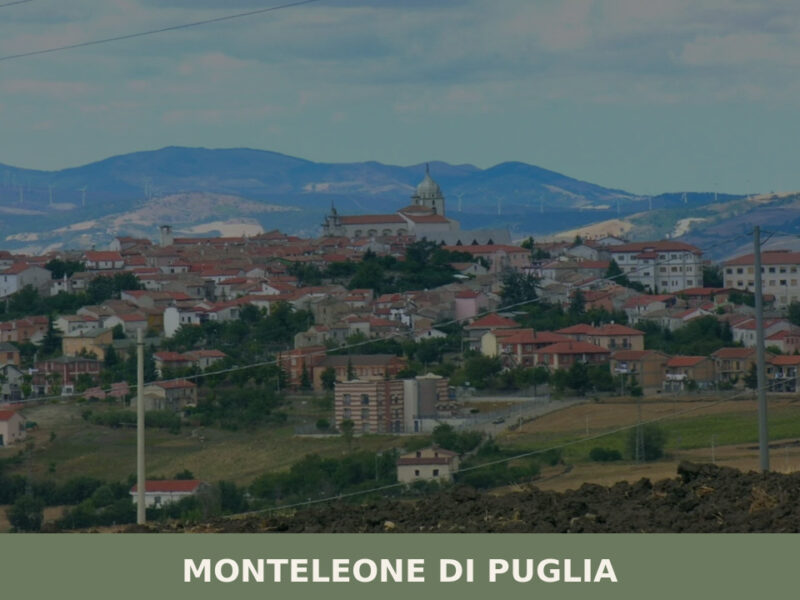
Monteleone di Puglia
At 842 metres above sea level in the Daunian Sub-Apennines, Monteleone di Puglia is a wind-swept hilltop village of 925 inhabitants with deep medieval roots and wide-open horizons.
🧀 Italian traditional products





📝 Incorrect information or updates?
Help us keep the Brindisi page accurate and up to date.