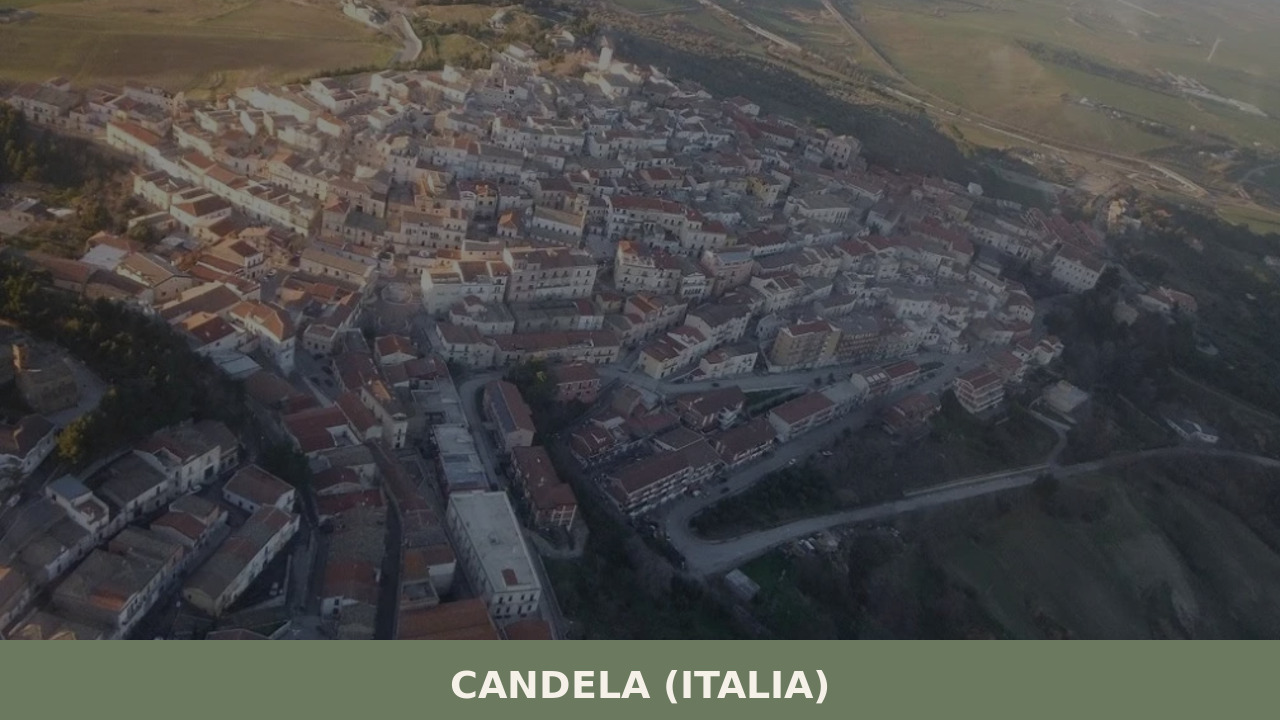
Discover Candela, a charming hilltop village in Puglia’s Daunia hills. Explore medieval alleys, stunning panoramas, and authentic southern Italian flavours.
Perched at 474 metres above sea level on the gentle hills of the Daunia Subappennino, Candela is a small gem of just 2,487 inhabitants in the province of Foggia. If you’re wondering what to see in Candela (Italia), prepare to be charmed by a village where medieval alleys whisper centuries of history, sweeping panoramas stretch across the Tavoliere plain, and the warmth of southern Italian hospitality is felt in every piazza. This is authentic Puglia, far from the crowds, waiting to reward the curious traveller.
Candela’s origins are ancient and layered. The village’s strategic hilltop position made it a coveted settlement long before the Middle Ages. While the exact origin of its name remains debated — some scholars link it to the Latin word candela (candle), possibly referring to a beacon or signal fire on the hilltop, while others trace it to a pre-Roman root — the settlement’s identity was firmly shaped during the Norman and Swabian periods. Under Frederick II, Holy Roman Emperor, the Daunia region flourished, and Candela benefited from the fortification campaigns that dotted these hills with castles and watchtowers.
Throughout the medieval era, Candela passed through the hands of various feudal lords, including the powerful Orsini and Caracciolo families, who left their mark on the village’s architecture and civic life. The village endured earthquakes, raids, and the social upheavals of the Kingdom of Naples, yet its resilient community always rebuilt. By the 18th and 19th centuries, Candela had become an important agricultural centre, its economy rooted in grain, olive oil, and pastoral farming on the surrounding hills.
In the modern era, like many southern Italian hill towns, Candela has faced depopulation as younger generations moved to larger cities. However, the village has gained national attention for innovative community-building initiatives aimed at attracting new residents and revitalising its historic centre — a testament to the enduring spirit of its people.
Candela’s centro storico is a captivating labyrinth of narrow cobblestone lanes, arched passageways, and stone houses that cascade down the hillside. Walking through these alleys feels like stepping back into the medieval era. Many doorways and facades feature carved stonework, and small piazzas open unexpectedly to reveal panoramic views of the Tavoliere plain stretching towards the Gargano promontory.
The main parish church, dedicated to the Assumption of the Blessed Virgin Mary, stands at the heart of the village. Dating in its current form to the 17th and 18th centuries, it features a dignified stone facade and an interior enriched with altarpieces and devotional art. The church has long served as the spiritual focal point of Candela’s community and its bell tower is a defining element of the village skyline.
At the highest point of the village stand the evocative remains of Candela’s fortification, believed to date back to the Norman period and later reinforced during the Swabian era. Though largely in ruin, the castle remnants offer a powerful sense of the village’s defensive past and reward visitors with some of the most breathtaking panoramic views in the Daunia Subappennino.
This noble palace in the centre of Candela reflects the influence of the feudal families who governed the village over the centuries. Its imposing facade and architectural details speak to the wealth and ambition of the local aristocracy. The palazzo stands as one of the most significant examples of civil architecture in the village and contributes to the elegant character of the main piazza.
Candela’s elevated position at 474 metres above sea level grants it extraordinary vistas. Several natural terraces and lookout points around the village edges offer sweeping views across the vast Tavoliere delle Puglie — Italy’s second-largest plain — towards the mountains of the Daunia range. At sunrise and sunset, the light transforms the landscape into a painter’s canvas of gold and amber.
Cuisine in Candela reflects the hearty, flavourful traditions of the Daunia hills. The village sits in a territory renowned for its high-quality durum wheat, extra virgin olive oil, and pastoral farming. Expect rustic dishes such as orecchiette and cavatelli dressed with rich ragù or wild vegetable sauces, roasted lamb seasoned with local herbs, and pancotto — a comforting bread soup made with stale bread, vegetables, and olive oil. Cured meats, locally made cheeses like caciocavallo and pecorino, and preserves of sun-dried tomatoes and peppers round out the traditional table.
For those with a sweet tooth, festive baked goods such as cartellate drizzled with vincotto (cooked grape must) and almond-based pastries appear during holidays and celebrations. Local trattorias and agriturismi in and around Candela offer the best way to experience this cuisine, often using ingredients sourced from their own farms. Pair every meal with a robust red wine from the Puglia region — the nearby Daunia hills produce excellent vintages.
Candela’s hilltop location means mild, breezy summers and crisp, sometimes snowy winters — a refreshing contrast to the sweltering heat of coastal Puglia. The best months to visit are from late April through June and September through October, when the weather is pleasantly warm, the countryside is lush or bathed in autumn gold, and the village is lively with seasonal activities. Summer evenings are delightful, with temperatures cooling naturally at this altitude.
The village calendar features traditional religious festivals, open-air concerts, and food sagre (local food fairs) that bring the community together, particularly in the summer months and around Christmas. The Feast of the Assumption in mid-August is a highlight, with processions, music, and communal celebrations. Visiting during one of these events offers an unparalleled window into the authentic social life of a small southern Italian hill town. Always check locally for exact dates, and consider that some restaurants and shops may have limited hours outside peak season.
Candela is situated in the province of Foggia, in the western part of Puglia, along the route between Naples and the Adriatic coast. By car, the village is conveniently accessible via the A16 Napoli–Canosa motorway — take the Candela exit, which leads directly to the village. This makes Candela roughly 120 km east of Naples and approximately 55 km southwest of Foggia. From Bari, the drive is around 130 km via the A14 and A16 motorways.
The nearest major railway station is Foggia, which is well connected to Rome, Naples, Bari, and other Italian cities via Trenitalia high-speed and regional services. From Foggia station, local buses or a short car journey of about 50 minutes will bring you to Candela. The closest airports are Bari Karol Wojtyła Airport (approximately 150 km) and Naples International Airport (approximately 150 km), both offering domestic and international flights. Renting a car is highly recommended for exploring the Daunia hills and the wider region at your own pace. For official local information, consult the Municipality of Candela website.
Candela makes an excellent starting point for a wider exploration of Puglia’s diverse landscapes and villages. If the Daunia hills have captured your heart, consider heading east towards the Adriatic coast and the spectacular Gargano peninsula. The enchanting seaside village of Vieste, perched on white limestone cliffs above turquoise waters, offers dramatic sea stacks, sandy beaches, and a charming old town — a perfect coastal counterpoint to Candela’s mountain serenity.
Just a short drive north along the Gargano coast, the picturesque fishing village of Peschici rewards visitors with its whitewashed houses clinging to a rocky headland, trabucchi (traditional wooden fishing platforms), and a relaxed Mediterranean atmosphere. Together, Candela, Vieste, and Peschici illustrate the remarkable variety of Puglia — from rolling inland hills to the luminous Adriatic shore — making this region one of Italy’s most rewarding for travellers who love authentic villages and unspoiled landscapes.
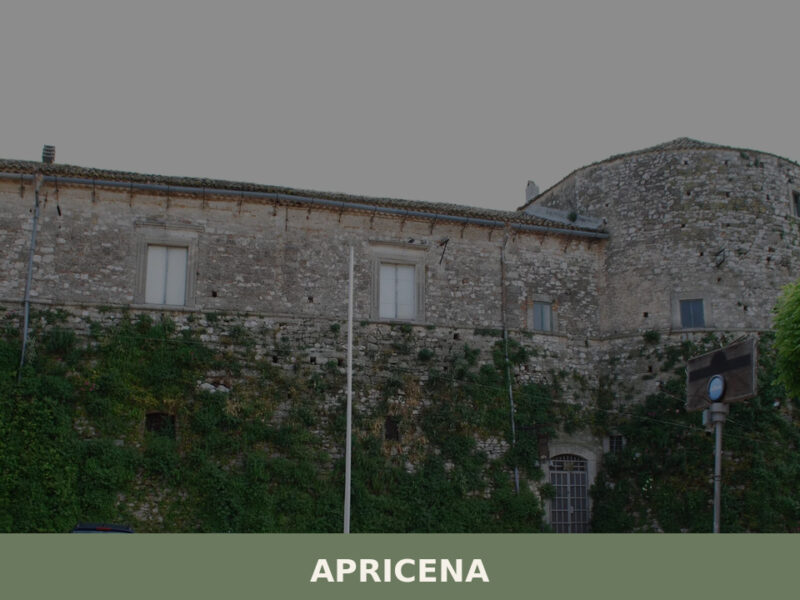
Discover Apricena, a stone-quarrying town in Puglia's Gargano area. Explore medieval heritage, local cuisine, and authentic Southern Italian charm.
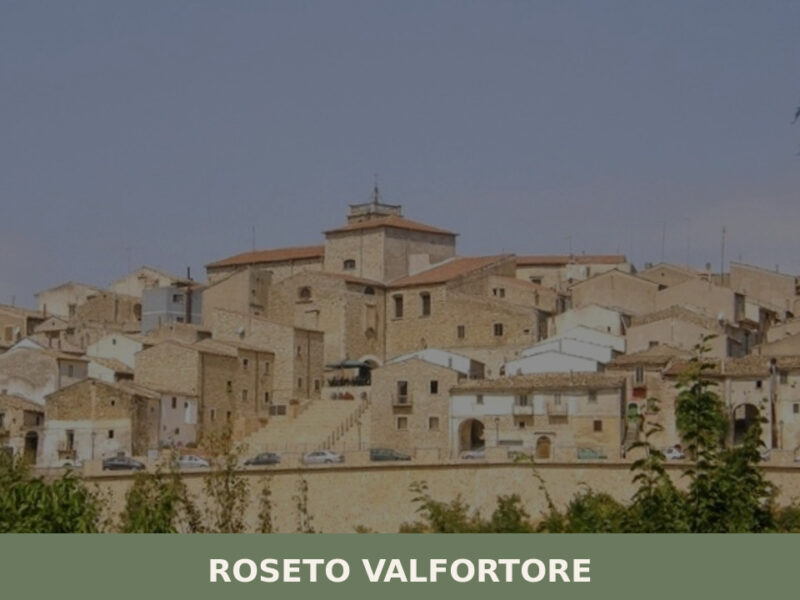
A stone village of 993 inhabitants at 658 metres in the Fortore valley. Roseto Valfortore preserves medieval architecture, mountain cooking traditions, and the quiet of inland Puglia.
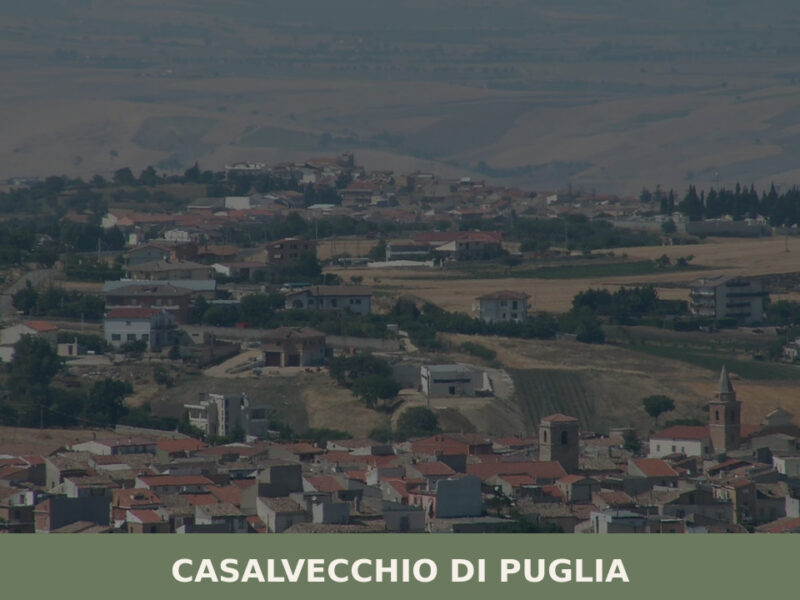
An Arbëreshë village of 1,689 inhabitants perched at 465 metres in the Daunia hills. A guide to its historic centre, rural paths, and slow-paced southern Italian life.
📝 Incorrect information or updates?
Help us keep the Candela (Italia) page accurate and up to date.


