


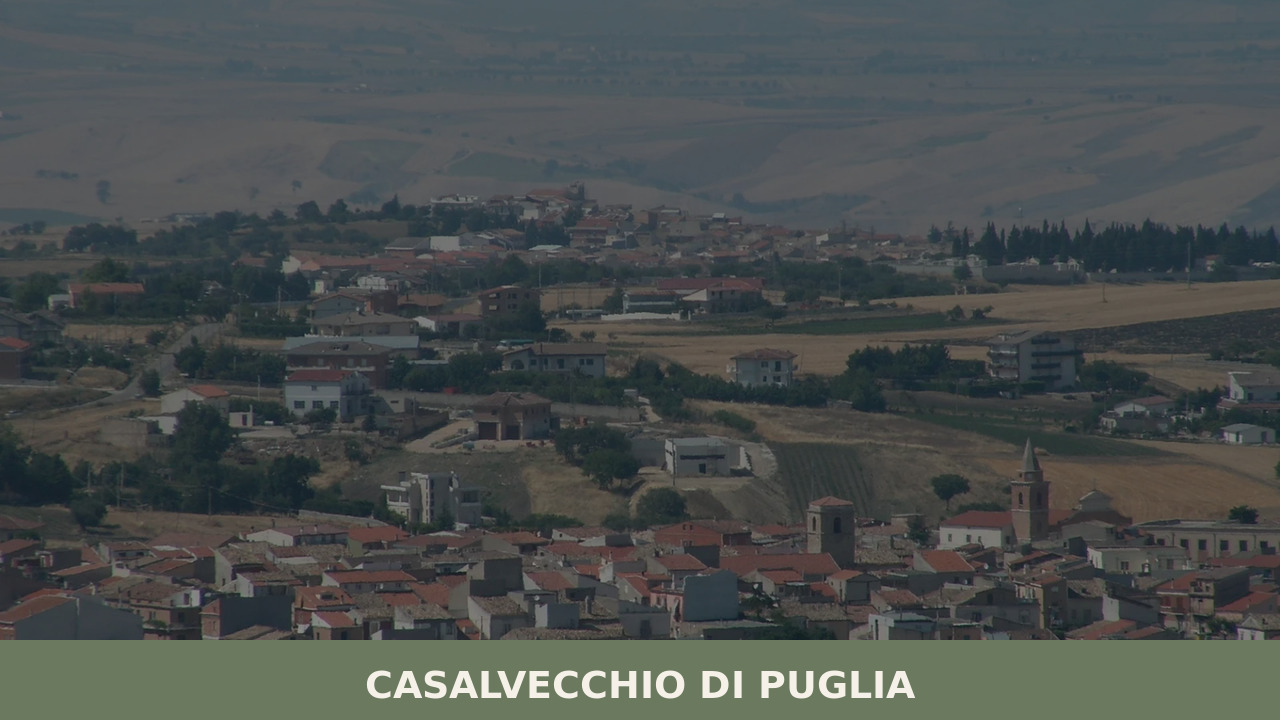
Casalvecchio di Puglia
 Hills
Hills
An Arbëreshë village of 1,689 inhabitants perched at 465 metres in the Daunia hills. A guide to its historic centre, rural paths, and slow-paced southern Italian life.
Discover Casalvecchio di Puglia
Morning light hits the limestone facades along Via Roma and turns them the colour of raw honey. A church bell — slightly flat, unmistakably southern — marks seven o’clock, and the sound rolls down through empty alleys before dissolving into the silence of the Tavoliere plain far below. At 465 metres above sea level, with fewer than 1,700 inhabitants, this is a place where footsteps echo. If you’re wondering what to see in Casalvecchio di Puglia, the answer begins with learning to look slowly — at worn doorsteps, at dialect carved into stone lintels, at a landscape that hasn’t been curated for anyone’s benefit.
History of Casalvecchio di Puglia
The name itself is a clue: Casale Vecchio, the “old hamlet.” The settlement’s origins trace to the medieval period, when communities of Arbëreshë — ethnic Albanians fleeing Ottoman expansion in the Balkans — arrived in waves across southern Italy during the fifteenth century. They established themselves on this elevated ridge in the Subappennino Dauno, the hilly corridor between the Apennine mountains and the flat Tavoliere delle Puglie. The Albanian-speaking community shaped the village’s identity for generations, and traces of that cultural inheritance persist in family names, liturgical traditions, and fragments of the Arbëreshë language still spoken by the oldest residents.
Under Norman and later Angevin rule, the area around what is now the Province of Foggia was organised into feudal estates. Casalvecchio di Puglia existed within this system as a minor agricultural holding — never a seat of power, never a fortress town, but a working settlement tied to grain cultivation and pastoral life on the surrounding hills. The village’s modest scale was both its vulnerability and its preservation: it was too small to attract significant destruction, and too remote to be swept into the rapid modernisation that transformed coastal Puglia in the twentieth century.
By the post-war decades, emigration had hollowed out much of the population. The demographic arc is familiar across the Daunia hills — a peak in the early 1900s, a steady drain toward Turin, Milan, and eventually northern Europe. What remains today is a village of roughly 1,689 inhabitants, compact and largely intact in its historic core, carrying an architectural memory that its current population can barely sustain.
What to see in Casalvecchio di Puglia: 5 must-visit attractions
1. The Historic Centre (Centro Storico)
The old quarter follows a tight, irregular street plan typical of hilltop settlements in the Daunia. Narrow vicoli connect small domestic courtyards, and the building fabric — rough-cut tufa, wooden balconies, arched doorways — reflects centuries of incremental construction rather than any single architectural programme. Walk without a map; the scale is small enough that getting lost is impossible, and the textures reward close attention.
2. Chiesa Madre (Mother Church)
The principal parish church anchors the upper village. Its façade is restrained, characteristic of rural ecclesiastical architecture in the Foggia province, but the interior holds devotional statuary and altarpieces that speak to the community’s deep Catholic and Arbëreshë spiritual traditions. The bell tower is visible from several kilometres across the surrounding grain fields — a fixed point of orientation in an otherwise open landscape.
3. Piazza del Popolo
The main square functions as the village’s social axis. On most mornings, a handful of older men occupy the same benches in the same configuration. The space is modest — no grand monuments, no fountains — but its proportions are honest, and it offers an unobstructed view east toward the Tavoliere plain. In the evening hours, the light here turns the air a particular shade of violet that no photograph quite captures.
4. The Panoramic Viewpoints
At 465 metres, Casalvecchio commands a position along the Subappennino Dauno ridge. From several points on the village’s western and eastern edges, the terrain drops away sharply. On clear days, the view extends across the Tavoliere — Italy’s second-largest plain — all the way to the Gargano promontory. These are not formalised lookout points with railings and plaques; they are simply places where the village ends and the sky begins.
5. Rural Chapels and Field Paths
The countryside immediately surrounding the village contains small rural chapels and farming tracks that lead through olive groves and wheat fields. These paths, once the working routes of shepherds and grain farmers, now offer quiet walking through terrain that has changed remarkably little. Spring, when wild fennel and poppies claim the field margins, is the best season to explore them on foot.
Local food and typical products
The cuisine of Casalvecchio di Puglia is rooted in the agricultural calendar of the Daunia hills: hard durum wheat, olive oil, cured meats, and foraged greens. Handmade pasta — orecchiette, cavatelli, and strascinati — is dressed simply, with turnip tops, slow-cooked ragù, or breadcrumbs fried in olive oil. Lamb and kid goat, roasted or braised, appear at communal and festival meals. The bread, baked in large rounds from local grain, has a dense crumb and a crust that resists the knife — it is meant to last several days and to be the foundation of dishes like pancotto (bread soup) and cialledda.
Olive oil production, while on a small scale, reflects the broader Puglia tradition — the region produces roughly forty percent of Italy’s total olive oil output. Local varietals include the Ogliarola and Coratina. Small-batch preserved vegetables — sun-dried tomatoes, lampascioni (wild hyacinth bulbs), and artichoke hearts in oil — are sold directly from homes and at occasional markets. Dining options are limited to a handful of family-run trattorie and agriturismi in the surrounding countryside, where the menu changes with what is available rather than what has been printed.
Best time to visit Casalvecchio di Puglia
Spring — from late March through May — is the most rewarding season. The fields around the village are green and flowering, temperatures hover between 15°C and 22°C, and the air is clear enough for the long views east to the Gargano. Summer brings heat that can exceed 35°C on the plain below, though the village’s elevation moderates this somewhat. August sees a modest return of emigrated families, and any local sagre (food festivals) or patron saint celebrations typically fall in the warmer months. Autumn offers a second window of pleasant weather and the olive harvest, while winters are quiet and occasionally see light snow on the higher ground of the Daunia hills. Visitors should note that services are limited: confirm restaurant openings in advance, carry cash, and expect a pace calibrated to a village of under 1,700 people.
How to get to Casalvecchio di Puglia
The nearest major airport is Bari Karol Wojtyła Airport (BRI), approximately 150 kilometres to the southeast — a drive of roughly two hours via the A14 motorway and then secondary roads through the Daunia hills. Foggia, the provincial capital, lies about 35 kilometres to the east and is the closest city with a mainline railway station (Trenitalia and Italo services from Rome, Naples, and Bari). From Foggia, the drive to Casalvecchio takes approximately 40 minutes on the SS16 and then local provincial roads climbing into the Subappennino. Public bus connections exist but are infrequent and designed for commuters rather than visitors; a rental car is, in practice, essential. The roads are well-surfaced but narrow and winding on the final approach — a quality that tends to filter out anyone not specifically intent on arriving.
More villages to discover in Puglia
The Daunia hills and the Tavoliere plain form one of Puglia’s least-visited corridors, which means that a trip to Casalvecchio can be combined with other small settlements that have similarly resisted the gravitational pull of coastal tourism. To the south, on the flat plain below the Subappennino, Carapelle offers a different landscape and rhythm — an agricultural town embedded in the vast wheat country of the Tavoliere, where the horizon is wide and the architecture is lower, more horizontal, shaped by the openness of the terrain.
To the southwest, higher into the Daunia mountains, Biccari sits at an even greater altitude and has drawn attention in recent years for its community-driven efforts at revitalisation, including forest adventures and eco-tourism initiatives around the nearby Lago Pescara. Together, these villages trace a route through a Puglia that most travellers never encounter — rural, upland, and operating at a tempo that predates the invention of itineraries.
Frequently asked questions about Casalvecchio di Puglia
Is Casalvecchio di Puglia one of the most beautiful villages in Italy?
Casalvecchio di Puglia does not currently appear on the official list of I Borghi più Belli d'Italia. However, it belongs to the Subappennino Dauno, a hilly area of Foggia province that several Italian travel resources describe as one of Puglia's least-explored inland corridors. Its intact historic centre, Albanian-origin heritage, and elevated ridge position make it of genuine interest to travellers seeking alternatives to the region's better-known coastal destinations.
What is the significance of the Arbëreshë heritage in Casalvecchio di Puglia?
Casalvecchio di Puglia was among the communities settled by Arbëreshë — ethnic Albanians who fled the Ottoman advance in the Balkans during the fifteenth century. This population established colonies across southern Italy, and Casalvecchio's Albanian-origin community left lasting traces in family surnames and liturgical traditions. The Arbëreshë of the Daunia hills are documented on Wikipedia and by Italian ethnographic sources as one of the recognised linguistic and cultural minorities of the Italian Republic.
Who are the patron saints of Casalvecchio di Puglia?
The village venerates two patron saints: the Madonna delle Grazie as primary patron, and San Nicola di Bari as co-patron. San Nicola di Bari — whose remains are conserved in the Basilica di San Nicola in Bari — is one of the most venerated saints across Puglia and the wider Mediterranean world, and his patronage of a Daunia hill village reflects the deep diffusion of his cult throughout the region.
Can Casalvecchio di Puglia be visited as a day trip from Foggia?
Yes. Foggia lies approximately 35 kilometres to the east, and the drive takes around 40 minutes via the SS16 and provincial roads climbing into the Daunia hills. The village's compact historic centre, viewpoints, and main church can realistically be explored in two to three hours on foot. Combining the visit with nearby Biccari or another Daunia settlement makes for a full day trip. A rental car is essential, as public bus connections from Foggia are infrequent.
Nearby Villages near Casalvecchio di Puglia
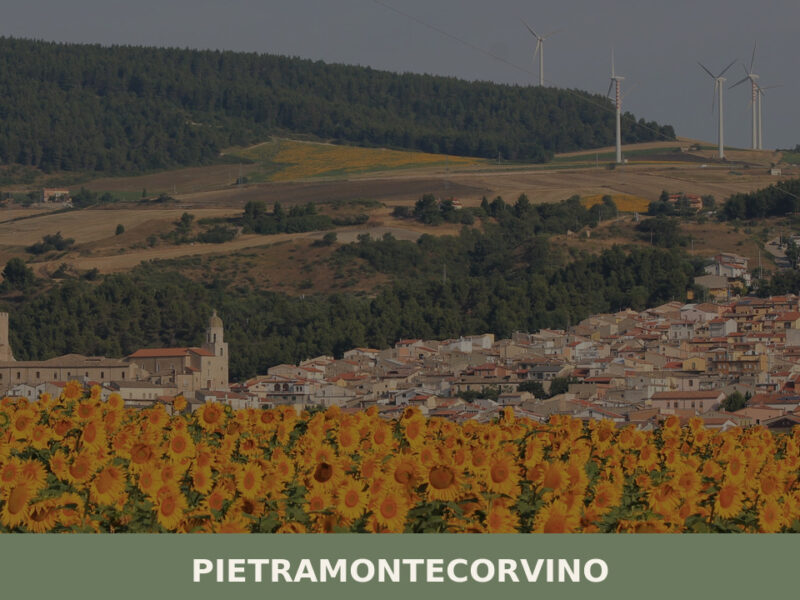
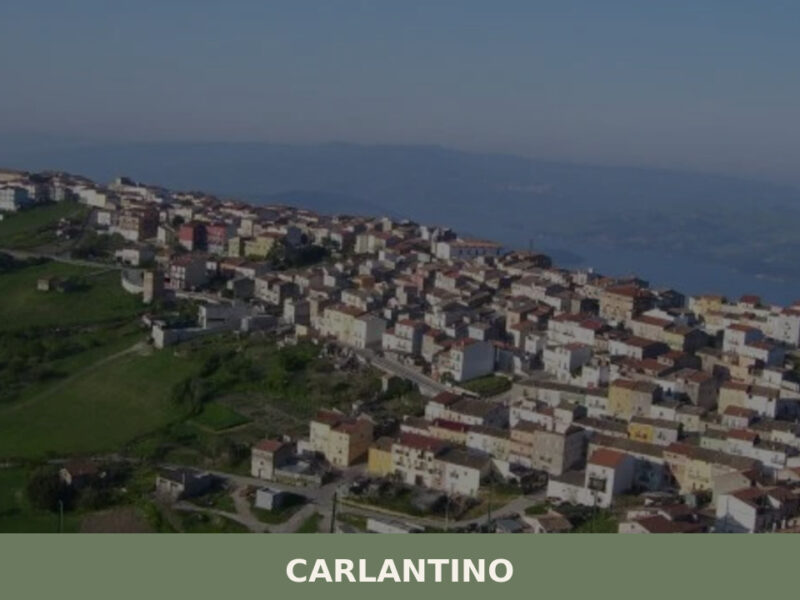
In Apulia More villages to discover
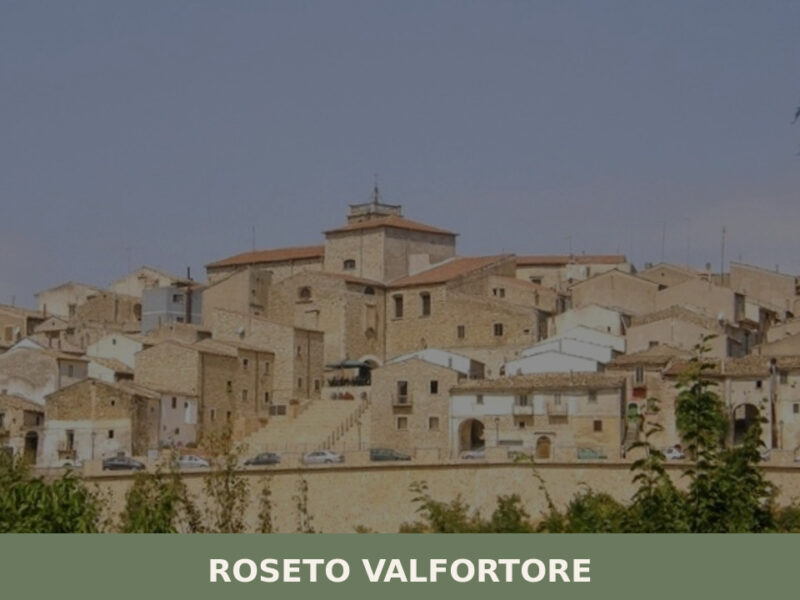
Roseto Valfortore
 Mountain
A stone village of 993 inhabitants at 658 metres in the Fortore valley. Roseto Valfortore preserves medieval architecture, mountain cooking traditions, and the quiet of inland Puglia.
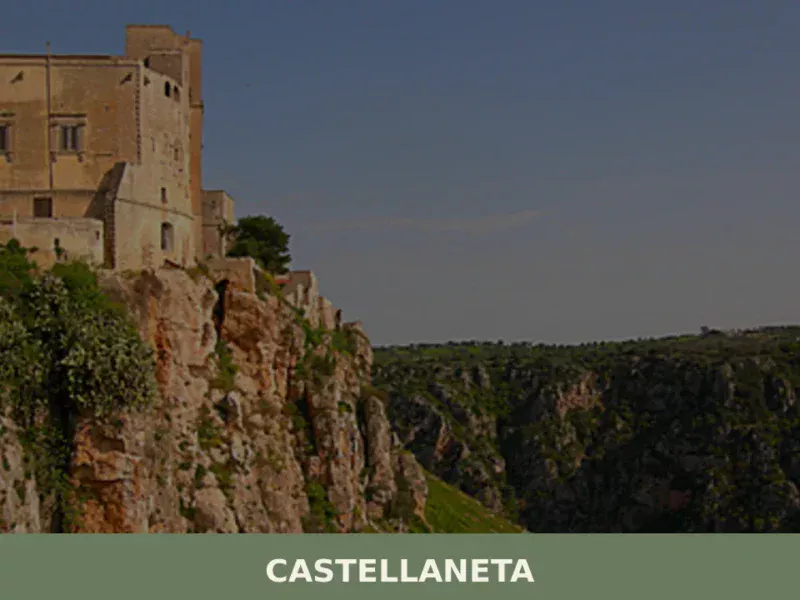
Castellaneta
 Sea
Sea
Castellaneta, a comune of around 15,784 inhabitants in the province of Taranto, sits above a dramatic ravine system carved into the Apulian plateau — a geological fact that has determined the town’s layout, its defensive logic, and the views that define it today. Visitors drawn to this corner of southern Puglia often arrive expecting little […]
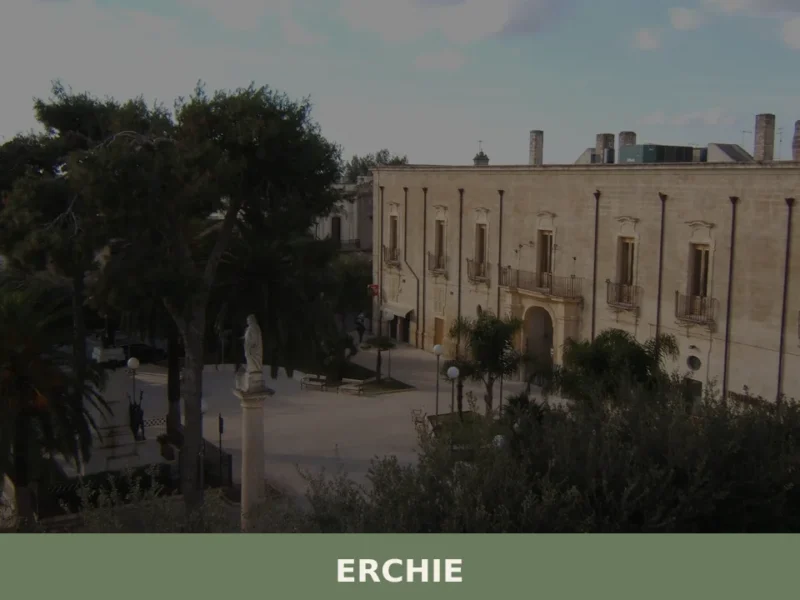
Erchie
 Plains
Discover what to see in Erchie, Puglia u2014 a village at the crossroads of three provinces, with Baroque churches, masserie, and authentic Salento cuisine.
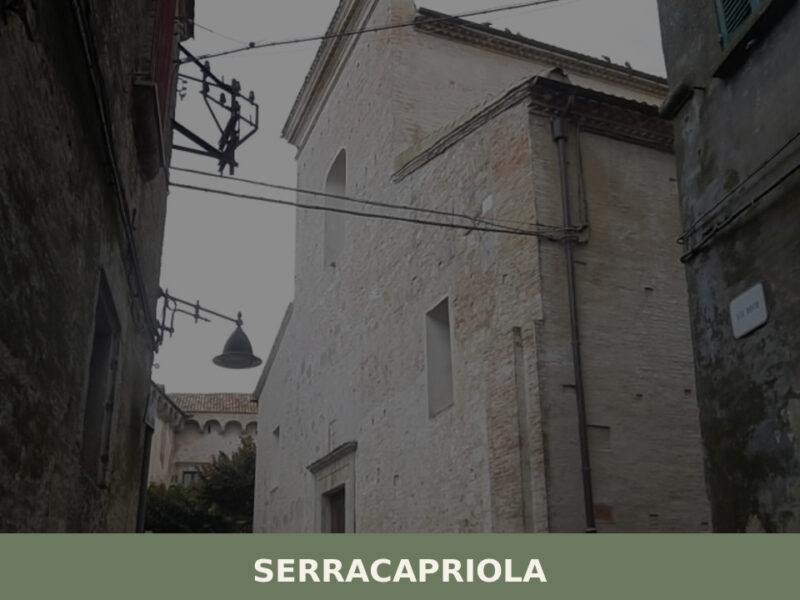
Serracapriola
Sea
A hilltop village of 3,656 people overlooking the Fortore valley in Foggia province. Serracapriola offers a Norman castle, medieval alleys, and honest Puglian cooking far from the crowds.
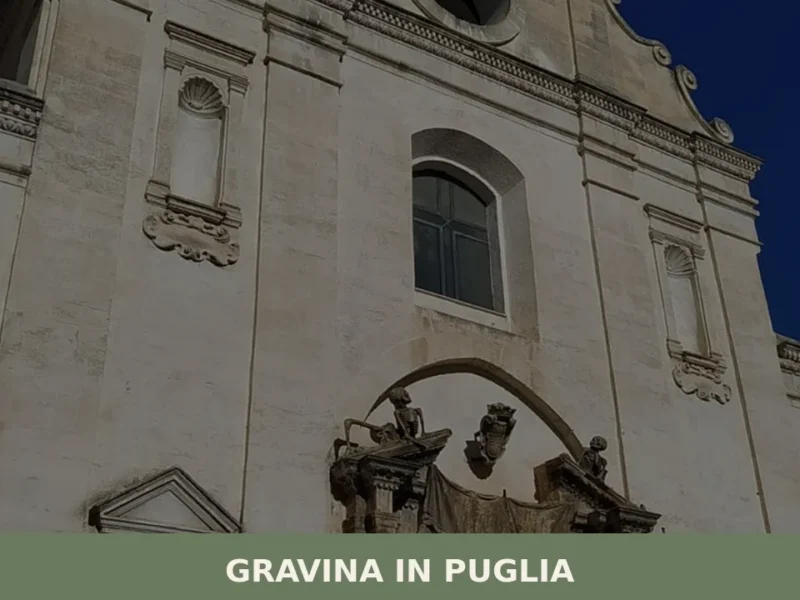
Gravina in Puglia
Hills
In 1092, Humfred of Hauteville confirmed the privileges of the cathedral dedicated to Santa Maria Assunta, a document that fixes in the historical record the ecclesiastical rank of Gravina in Puglia well before Frederick II chose it as an imperial hunting reserve. Today, anyone walking along the edge of the gravina — the karstic canyon […]
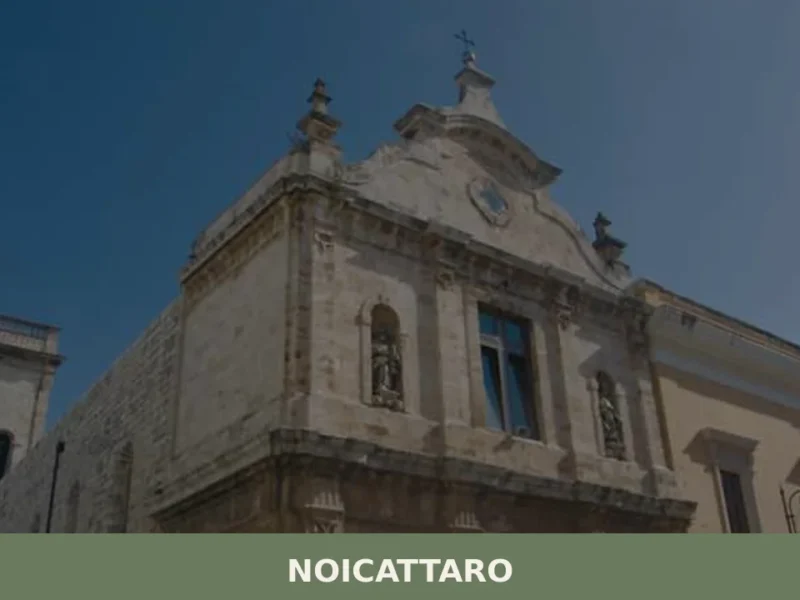
Noicattaro
Plains
What to see in Noicattaro: town at 100m in the province of Bari. Medieval crypt, concentric old town, masserie and PAT cuisine. Plan your visit now.
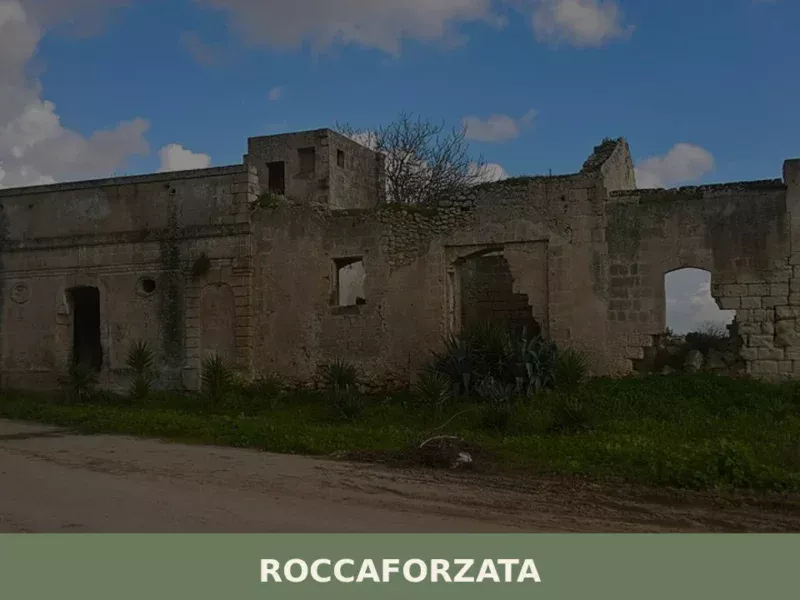
Roccaforzata
Plains
Roccaforzata is home to 1,762 inhabitants, spread across a plateau at 145 metres above sea level in the eastern Taranto countryside. The municipal territory covers just 6.67 square kilometres, making it one of the smallest in the province of Taranto. Anyone looking into what to see in Roccaforzata will find a compact urban centre, developed […]
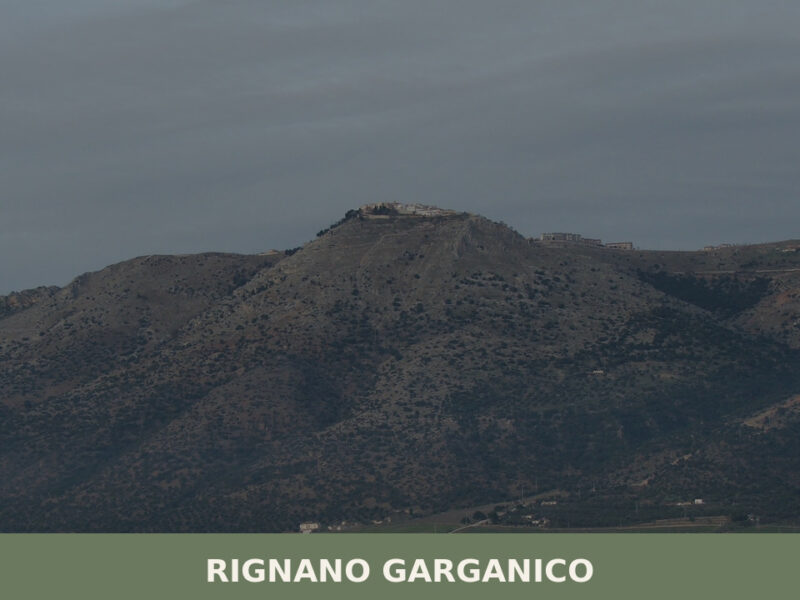
Rignano Garganico
Hills
A quiet hilltop village at 590 metres on the Gargano promontory, Rignano Garganico rewards visitors with medieval lanes, wide Tavoliere views, and the honest food traditions of inland Puglia.
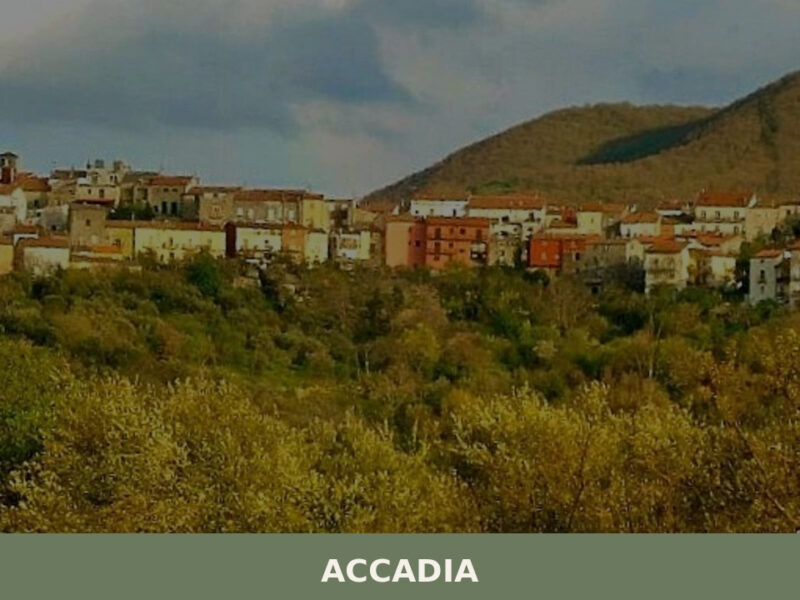
Accadia
Mountain
Perched at 650 metres above sea level on the western edge of Puglia’s Subappennino Dauno, the small village of Accadia feels like a secret whispered between mountains and sky. Home to just over 2,200 inhabitants, this ancient hilltop settlement in the province of Foggia rewards visitors with crumbling medieval ruins, sweeping panoramas, and a fierce […]
Faggiano
Plains
Discover what to see in Faggiano, a Taranto province comune in Puglia: history, food, best time to visit, and how to get there.
🏡 Know Casalvecchio di Puglia better than we do?
If you’re a local or have been there, your knowledge matters: add what’s missing or fix a detail on this page.