


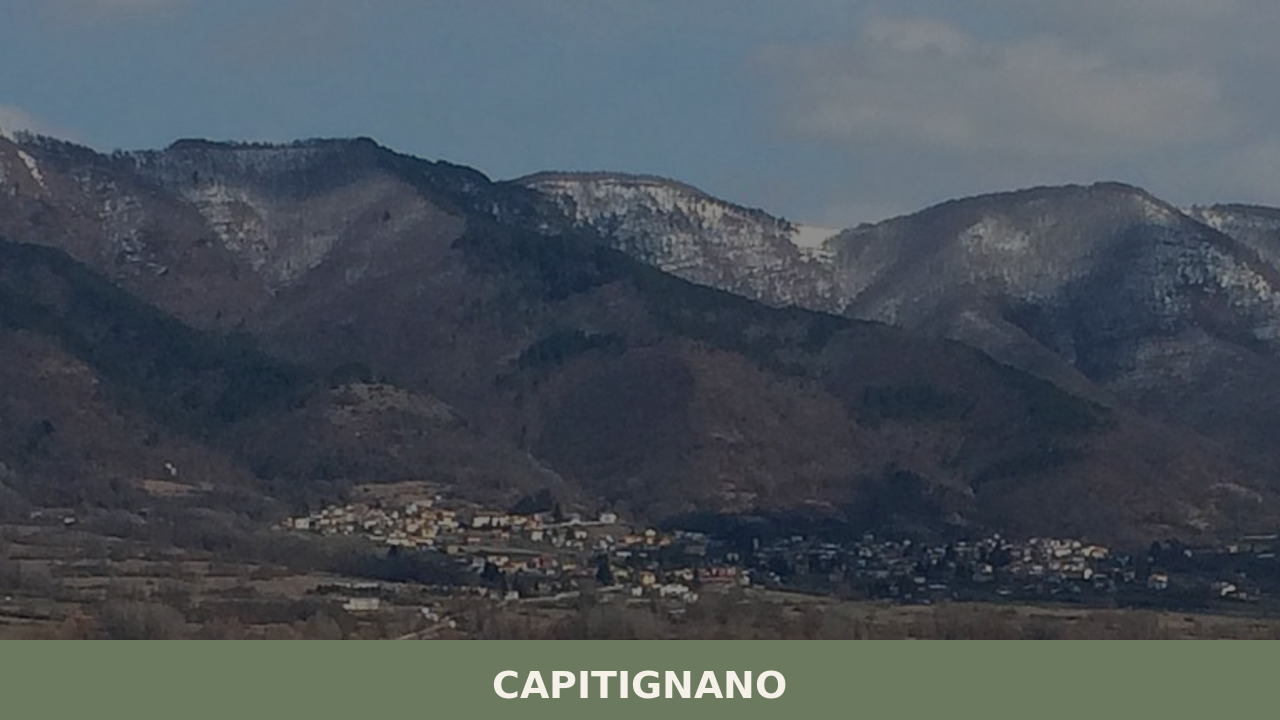
Capitignano
As the sun begins its descent, casting long shadows over the terracotta rooftops, the air in Capitignano fills with the distant toll of church bells and the soft rustling of leaves in the mountain breeze. Here, amidst the winding cobblestone streets, time seems to slow, allowing one to appreciate the subtle details that define this […]
Discover Capitignano
As the sun begins its descent, casting long shadows over the terracotta rooftops, the air in Capitignano fills with the distant toll of church bells and the soft rustling of leaves in the mountain breeze. Here, amidst the winding cobblestone streets, time seems to slow, allowing one to appreciate the subtle details that define this village in Abruzzo. The scent of wood smoke mingles with the aroma of roasting chestnuts, and the echo of footsteps on stone underscores the village’s enduring tranquility. It’s in these serene moments that the rich tapestry of Capitignano’s history and culture unfurls, awaiting those who wish to explore its secluded charm.
History of Capitignano
The history of Capitignano is a story woven with resilience and transformation. The name Capitignano is believed to have originated from “Caput,” meaning head or chief in Latin, perhaps signifying its historical importance in the region. The village found its significance during the medieval period, serving as a strategic outpost due to its elevation of 916 meters above sea level. In the Middle Ages, Capitignano was a crucial player in the feudal system, under the influence of various noble families whose legacy still echoes through its ancient streets. One of the historical figures associated with Capitignano is Count Gerardo, a feudal lord whose rule marked a period of prosperity and architectural development in the village. The remnants of 13th-century fortifications and communal structures are testament to a time when Capitignano was a bustling hub of activity, bridging the mountain communities of the Abruzzo region. By the 19th century, Capitignano found itself quietly adapting to the socio-economic changes of the era. The rustic charm of its 621 inhabitants remains today, with traditions passed down through generations, offering a living narrative of the village’s enduring spirit.
What to see in Capitignano: 5 must-visit attractions
Parish Church of San Lorenzo
The Parish Church of San Lorenzo, with its robust stone façade and simple yet elegant bell tower, provides a glimpse into the spiritual life of Capitignano. Inside, visitors are greeted with rustic frescoes and wooden carvings that speak to the devout craftsmanship of the past.
Medieval Castle Ruins
Though only fragments remain, the Medieval Castle Ruins invite visitors to imagine the fortified world of the Middle Ages. Perched atop a scenic hill, it offers panoramic views of the surrounding mountains and valleys.
The Town Hall
An architectural blend of history and function, the Town Hall of Capitignano houses administrative offices and provides a focal point for village life. It’s a modest building that stands proud, reflecting the close-knit community it serves.
Natural Reserve Trails
Nature enthusiasts can embark on trails that snake through the nearby forests and slopes. These paths offer a peaceful retreat for walkers and hikers, amidst landscapes of lush greenery and vibrant wildflowers.
Annual Chestnut Festival
An event that draws locals and visitors alike, the Annual Chestnut Festival celebrates one of Capitignano’s cherished natural resources. The festival is a feast for the senses, featuring roasted chestnuts, local crafts, and traditional music.
Local food and typical products
Capitignano’s culinary scene is a reflection of its surrounding landscape and agrarian roots. Signature dishes often include lamb, prepared with local herbs and accompanied by hearty polenta. The region’s fertile soil also yields a variety of legumes and root vegetables, staples in traditional soups and stews. Visitors should also indulge in the local cheeses, notably pecorino, a true representation of the rich pastoral traditions of the Abruzzo region. For an authentic taste, visit one of the family-run trattorias where century-old recipes and warm hospitality blend seamlessly.
Best time to visit Capitignano
The best time to explore Capitignano is during the warmer months from late spring to early autumn. This is when the weather offers comfortable temperatures ideal for outdoor activities and exploration. The village hosts numerous events, including its celebrated chestnut festival, which typically occurs in October, capturing the essence of fall in the countryside. Winter, though quieter, transforms the village into a picturesque snowy landscape, perfect for those who appreciate a cozy ambiance and winter sports opportunities in the nearby mountains.
How to get to Capitignano
Capitignano can be accessed with ease from major cities in Abruzzo and beyond. By car, it is a short drive from the A24 motorway. For those opting for public transportation, the nearest train station is in L’Aquila, approximately 35 kilometers away. The closest airport is Abruzzo Airport in Pescara, located about 120 kilometers from Capitignano, providing domestic and limited international flights.
More villages to discover in Abruzzo
Abruzzo is dotted with enchanting villages, each with its unique character. North of Capitignano,
Aiellioffers vivid street art that tells stories of the village’s history and culture. It’s a must-visit for those enchanted by art and astronomy. To the southwest lies
Bugnara, known for its Baroque architecture and an annual festival celebrating the Virgin Mary. This village offers a distinct spiritual and architectural journey for travelers.
Getting there
Piazza del Municipio, 67014 Capitignano (AQ)
Nearby Villages near Capitignano

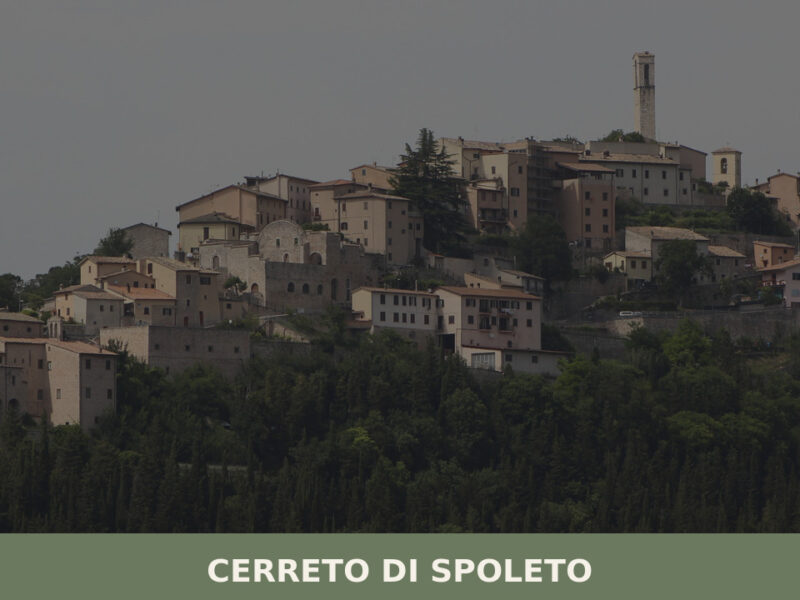
In Abruzzo More villages to discover
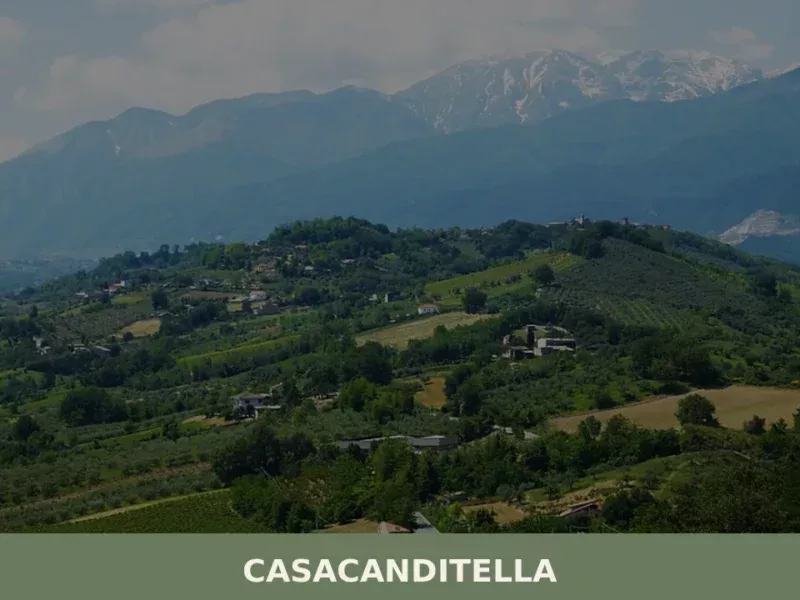
Casacanditella
At 432 metres above sea level, on the eastern slope of the Majella descending towards the Foro river valley, Casacanditella has 1,169 inhabitants and a municipal territory that extends entirely across hilly terrain in the province of Chieti. Anyone wondering what to see in Casacanditella will find a compact urban centre, a church dedicated to […]
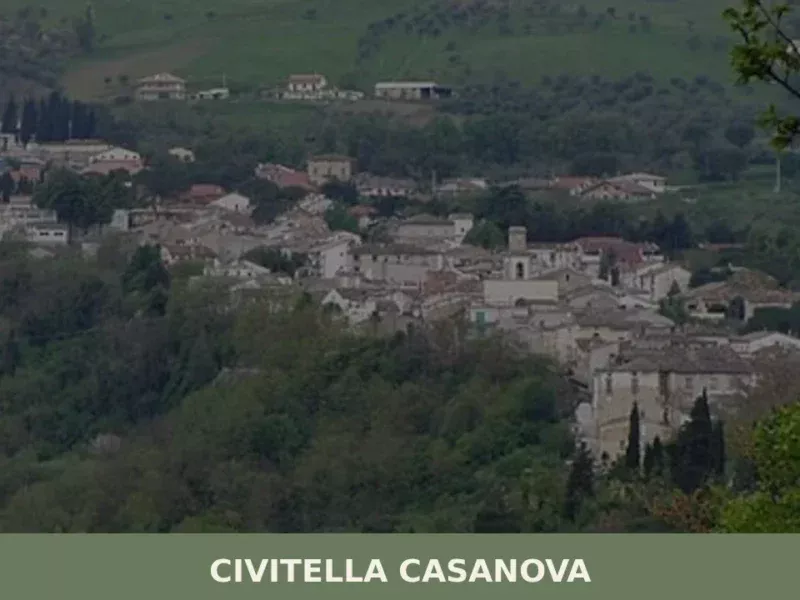
Civitella Casanova
At 400 meters above sea level, in the hilly heart of the province of Pescara, lies Civitella Casanova. This village, whose historical presence is attested since Roman times, offers a territorial context where geology and human activity have shaped a distinctive landscape. For those wondering about what to see in civitella casanova, the journey through […]
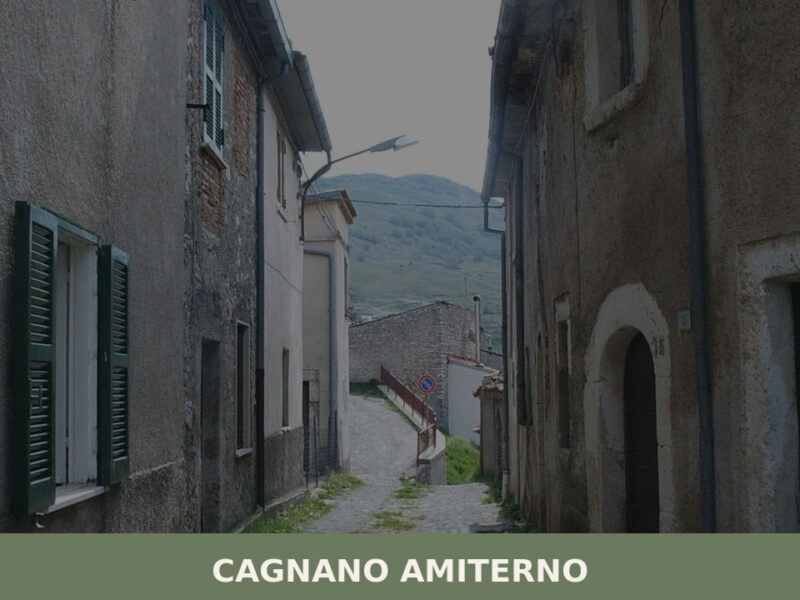
Cagnano Amiterno
Morning light falls flat across the high plateau west of L’Aquila, catching the stone walls of a settlement that has survived earthquakes, depopulation, and the slow erosion of memory. The air carries woodsmoke and the cold mineral scent of mountain water. Cagnano Amiterno, home to just over 1,400 residents, sits in a landscape shaped by […]






📝 Incorrect information or updates?
Help us keep the Capitignano page accurate and up to date.