
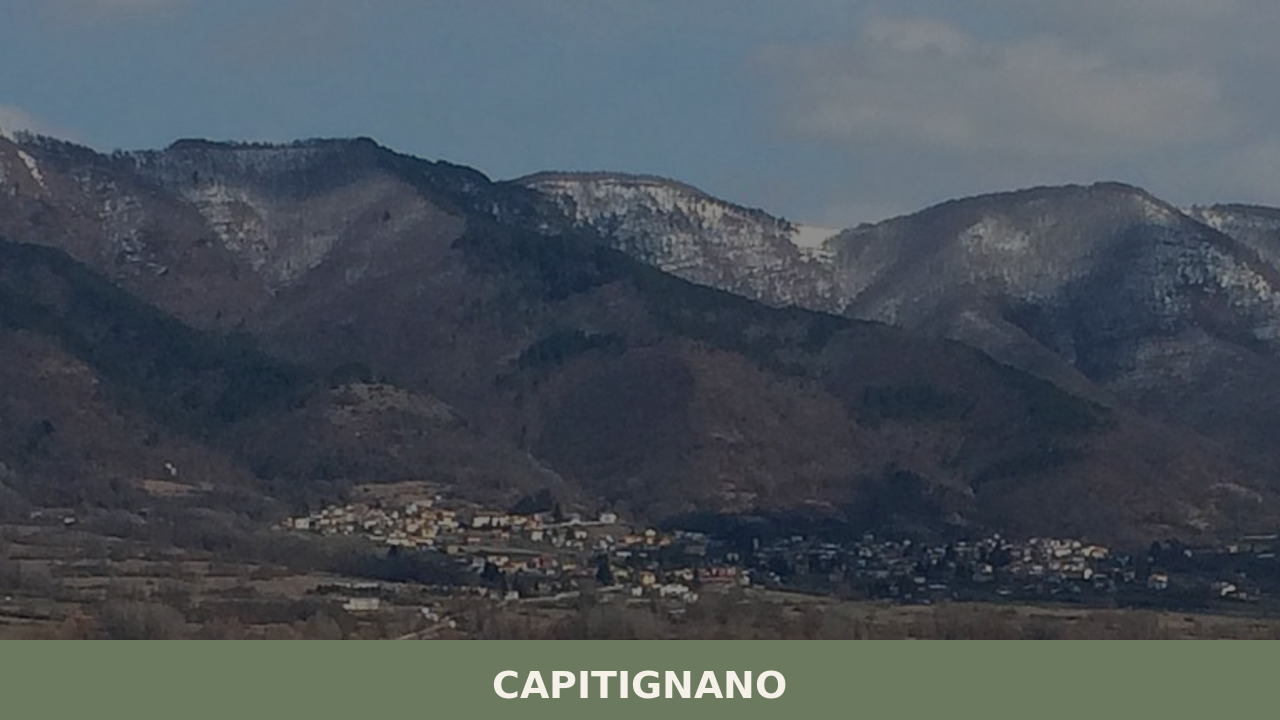
Capitignano
As the sun begins its descent, casting long shadows over the terracotta rooftops, the air in Capitignano fills with the distant toll of church bells and the soft rustling of leaves in the mountain breeze. Here, amidst the winding cobblestone streets, time seems to slow, allowing one to appreciate the subtle details that define this […]
Discover Capitignano
As the sun begins its descent, casting long shadows over the terracotta rooftops, the air in Capitignano fills with the distant toll of church bells and the soft rustling of leaves in the mountain breeze. Here, amidst the winding cobblestone streets, time seems to slow, allowing one to appreciate the subtle details that define this village in Abruzzo. The scent of wood smoke mingles with the aroma of roasting chestnuts, and the echo of footsteps on stone underscores the village’s enduring tranquility. It’s in these serene moments that the rich tapestry of Capitignano’s history and culture unfurls, awaiting those who wish to explore its secluded charm.
History of Capitignano
The history of Capitignano is a story woven with resilience and transformation. The name Capitignano is believed to have originated from “Caput,” meaning head or chief in Latin, perhaps signifying its historical importance in the region. The village found its significance during the medieval period, serving as a strategic outpost due to its elevation of 916 meters above sea level. In the Middle Ages, Capitignano was a crucial player in the feudal system, under the influence of various noble families whose legacy still echoes through its ancient streets. One of the historical figures associated with Capitignano is Count Gerardo, a feudal lord whose rule marked a period of prosperity and architectural development in the village. The remnants of 13th-century fortifications and communal structures are testament to a time when Capitignano was a bustling hub of activity, bridging the mountain communities of the Abruzzo region. By the 19th century, Capitignano found itself quietly adapting to the socio-economic changes of the era. The rustic charm of its 621 inhabitants remains today, with traditions passed down through generations, offering a living narrative of the village’s enduring spirit.
What to see in Capitignano: 5 must-visit attractions
Parish Church of San Lorenzo
The Parish Church of San Lorenzo, with its robust stone façade and simple yet elegant bell tower, provides a glimpse into the spiritual life of Capitignano. Inside, visitors are greeted with rustic frescoes and wooden carvings that speak to the devout craftsmanship of the past.
Medieval Castle Ruins
Though only fragments remain, the Medieval Castle Ruins invite visitors to imagine the fortified world of the Middle Ages. Perched atop a scenic hill, it offers panoramic views of the surrounding mountains and valleys.
The Town Hall
An architectural blend of history and function, the Town Hall of Capitignano houses administrative offices and provides a focal point for village life. It’s a modest building that stands proud, reflecting the close-knit community it serves.
Natural Reserve Trails
Nature enthusiasts can embark on trails that snake through the nearby forests and slopes. These paths offer a peaceful retreat for walkers and hikers, amidst landscapes of lush greenery and vibrant wildflowers.
Annual Chestnut Festival
An event that draws locals and visitors alike, the Annual Chestnut Festival celebrates one of Capitignano’s cherished natural resources. The festival is a feast for the senses, featuring roasted chestnuts, local crafts, and traditional music.
Local food and typical products
Capitignano’s culinary scene is a reflection of its surrounding landscape and agrarian roots. Signature dishes often include lamb, prepared with local herbs and accompanied by hearty polenta. The region’s fertile soil also yields a variety of legumes and root vegetables, staples in traditional soups and stews. Visitors should also indulge in the local cheeses, notably pecorino, a true representation of the rich pastoral traditions of the Abruzzo region. For an authentic taste, visit one of the family-run trattorias where century-old recipes and warm hospitality blend seamlessly.
Best time to visit Capitignano
The best time to explore Capitignano is during the warmer months from late spring to early autumn. This is when the weather offers comfortable temperatures ideal for outdoor activities and exploration. The village hosts numerous events, including its celebrated chestnut festival, which typically occurs in October, capturing the essence of fall in the countryside. Winter, though quieter, transforms the village into a picturesque snowy landscape, perfect for those who appreciate a cozy ambiance and winter sports opportunities in the nearby mountains.
How to get to Capitignano
Capitignano can be accessed with ease from major cities in Abruzzo and beyond. By car, it is a short drive from the A24 motorway. For those opting for public transportation, the nearest train station is in L’Aquila, approximately 35 kilometers away. The closest airport is Abruzzo Airport in Pescara, located about 120 kilometers from Capitignano, providing domestic and limited international flights.
More villages to discover in Abruzzo
Abruzzo is dotted with enchanting villages, each with its unique character. North of Capitignano,
Aiellioffers vivid street art that tells stories of the village’s history and culture. It’s a must-visit for those enchanted by art and astronomy. To the southwest lies
Bugnara, known for its Baroque architecture and an annual festival celebrating the Virgin Mary. This village offers a distinct spiritual and architectural journey for travelers.
Photo Gallery of Capitignano
Do you have photos of Capitignano?
Share your photos of the village: the best ones will be added to the official gallery, with your credit.
Send your photosFrequently asked questions about Capitignano
What is the best time to visit Capitignano?
The best time to visit Capitignano is from late spring to early autumn (May–October), when mild mountain temperatures make walking and hiking enjoyable. October is particularly special: the village celebrates its chestnut harvest with a lively festival. Mark 24 November in your calendar for the Feast of San Flaviano, Patriarch of Constantinople and Martyr, Capitignano's patron saint — a meaningful date for those interested in local religious traditions. Winter offers a quieter, snow-dusted atmosphere with access to nearby mountain ski areas.
What are the historical origins of Capitignano?
The name Capitignano is believed to derive from the Latin 'Caput,' suggesting a position of prominence in the area. The village rose to importance during the medieval period, functioning as a strategic mountain outpost at 916 metres above sea level. Under feudal lords such as Count Gerardo, Capitignano saw architectural and civic development, traces of which survive in 13th-century fortifications. Its elevated position made it a key link between mountain communities across the Abruzzo region throughout the Middle Ages.
What to see in Capitignano? Main monuments and landmarks
Capitignano's key attractions include the Parish Church of San Lorenzo, featuring stone architecture, rustic frescoes and wooden carvings inside; the Medieval Castle Ruins, perched on a hilltop with panoramic views of the surrounding Abruzzo mountains and valleys; and the historic Town Hall, which anchors village life. The Annual Chestnut Festival in October is itself a cultural landmark not to be missed. Access to the village centre and its monuments is generally free and on foot along cobblestone streets.
What are the main natural or scenic attractions of Capitignano?
Capitignano sits at 916 metres in the Abruzzo mountains, offering direct access to forested trails and mountain slopes ideal for walking and hiking. The surrounding landscape features lush woodland, open meadows and wildflower-covered paths. The area's proximity to the Gran Sasso e Monti della Laga National Park makes it a practical base for exploring one of Italy's most biodiverse mountain environments. Winter snowfall also opens opportunities for cross-country skiing and snowshoeing in the nearby mountain terrain.
Where to take the best photos in Capitignano?
The hilltop Medieval Castle Ruins offer the most panoramic viewpoint in Capitignano, with sweeping vistas across mountain ridges and valleys typical of inland Abruzzo. The cobblestone streets at golden hour — when evening light warms the terracotta rooftops — provide classic Italian village photography. The Parish Church of San Lorenzo, with its solid stone façade and bell tower framed against the mountain backdrop, is another compelling subject. During October's Chestnut Festival, the village fills with colour and activity, ideal for candid and documentary-style shots.
Are there museums, churches or historic buildings to visit in Capitignano?
The main historic religious building is the Parish Church of San Lorenzo, which contains frescoes and carved wooden elements reflecting centuries of local craftsmanship. The medieval fortification ruins represent the village's defensive past. The Town Hall, while a functioning civic building, is an architectural point of interest at the heart of the village. Specific opening hours for the church are not publicly documented; as is common in small Italian villages, access is generally possible during morning hours or by enquiring locally.
What can you do in Capitignano? Activities and experiences
Capitignano offers hiking and walking on mountain trails through forests and slopes, with connections to the wider Gran Sasso e Monti della Laga National Park network. In autumn, the Chestnut Festival brings roasted chestnuts, local crafts and traditional music to the village. Winter conditions allow for snow sports in the nearby mountains. Visiting family-run trattorias for traditional Abruzzo cuisine is a rewarding local experience. The feast day of San Flaviano on 24 November offers an authentic glimpse into village religious and community life.
Who is Capitignano suitable for? Families, couples, hikers, solo travelers?
Capitignano is best suited to hikers, nature lovers and travellers seeking authentic, uncrowded Italian mountain village life. Its trail network and proximity to national park landscapes make it ideal for outdoor enthusiasts of all levels. Couples will appreciate the tranquil atmosphere, cobblestone streets and scenic sunset views from the castle ruins. Families with older children will enjoy festival days and chestnut-picking season. It is less suited to those seeking urban amenities or beach holidays, but perfect for slow travel and cultural immersion.
What to eat in Capitignano? Local products and specialties
Capitignano's cuisine reflects its mountain and pastoral heritage. Lamb, prepared with local mountain herbs and served with polenta, is a signature dish. Pecorino cheese, rooted in the strong sheep-farming traditions of Abruzzo, is a must-try. Legumes, root vegetables and hearty soups and stews are staples of the local table. Chestnuts — celebrated at the village's annual autumn festival — are also a key local product, eaten roasted or used in traditional preparations. Family-run trattorias are the best places to experience these dishes authentically.
📷 Photo Gallery — Capitignano
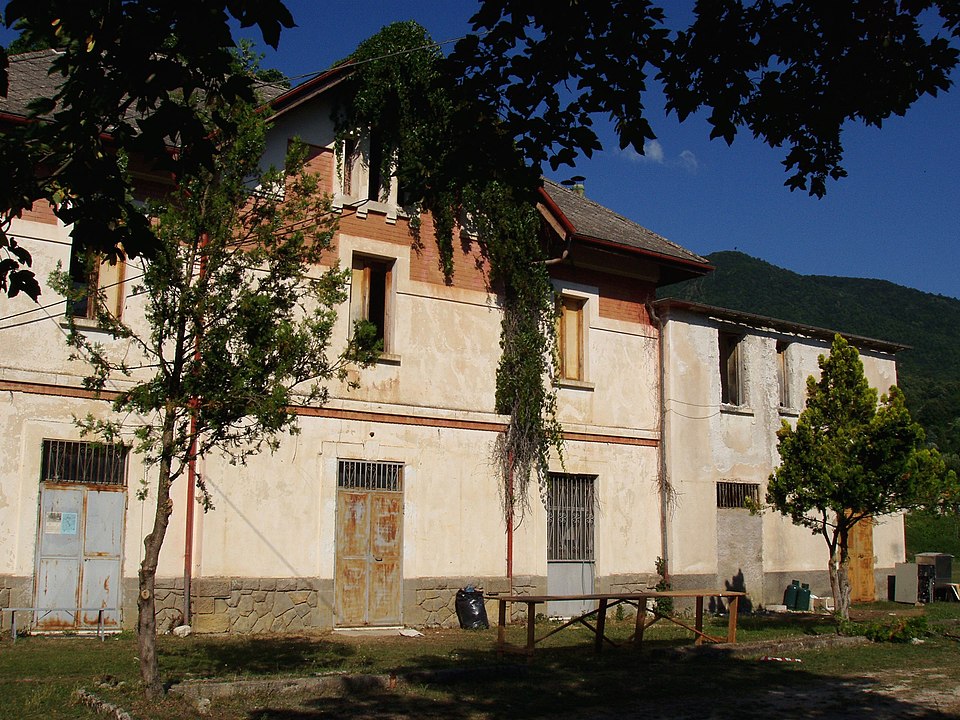
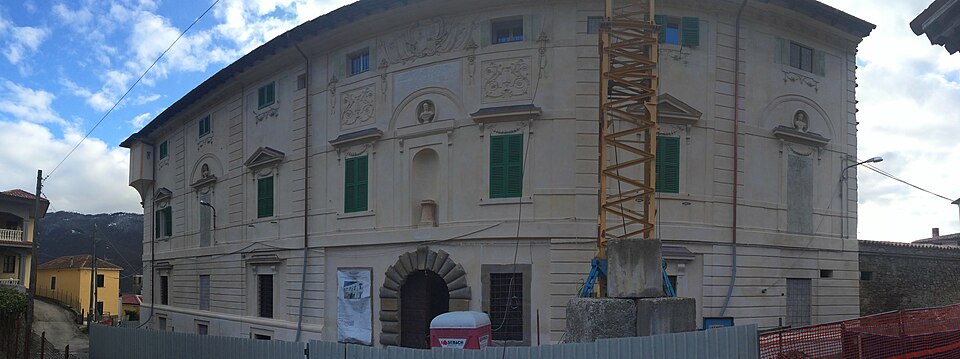
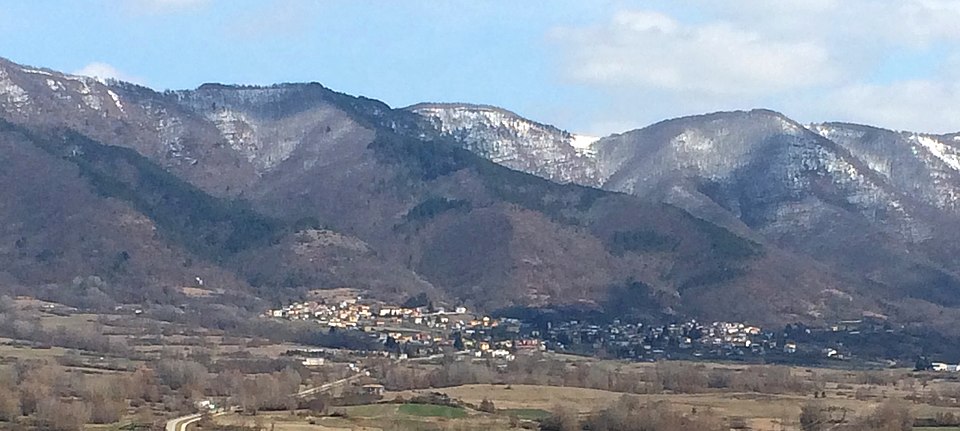
Getting there
Piazza del Municipio, 67014 Capitignano (AQ)
Nearby Villages near Capitignano
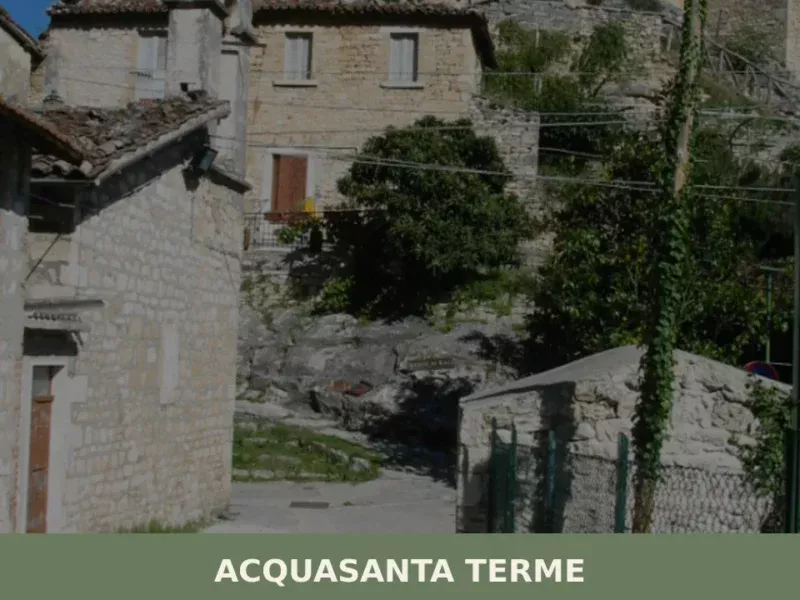
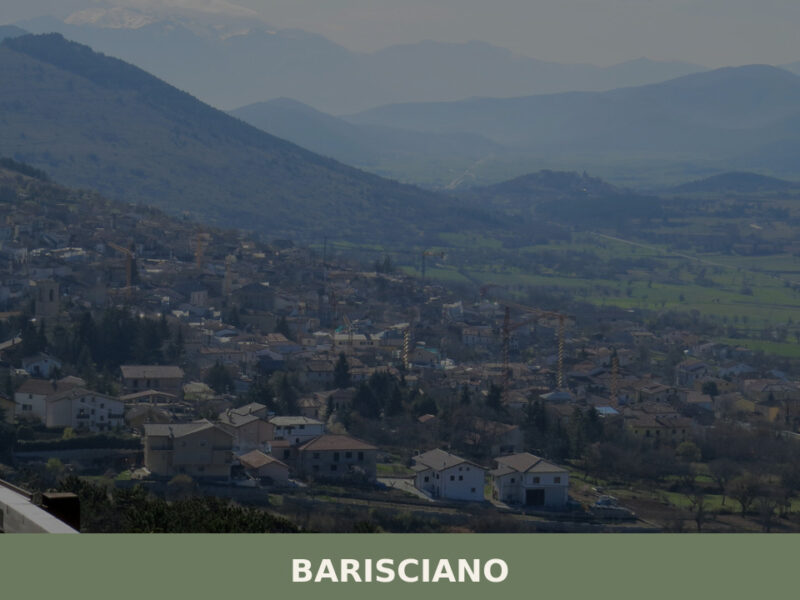
In Abruzzo More villages to discover
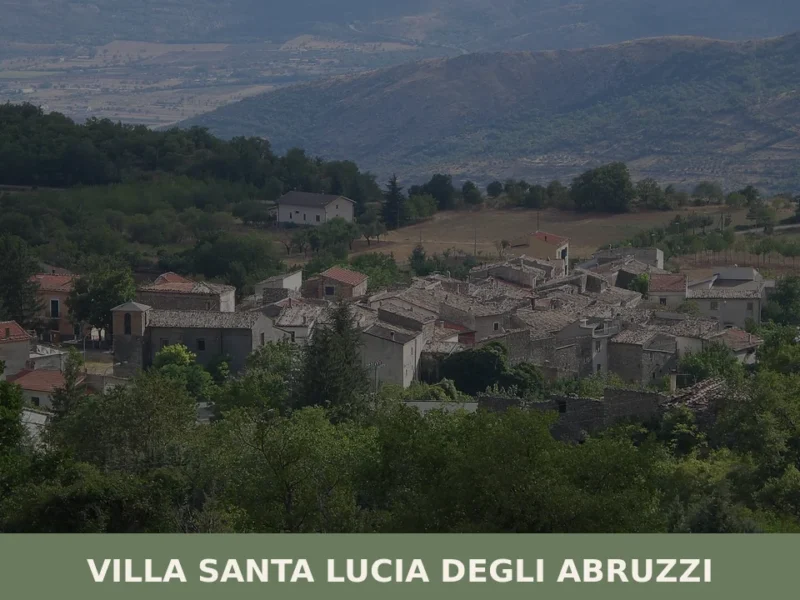
Villa Santa Lucia degli Abruzzi
 Mountain
what to see in villa santa lucia degli abruzzi, Italy. With 76 residents, explore its Gran Sasso park setting and unique demographic profile. Discover this Abruzzo village.
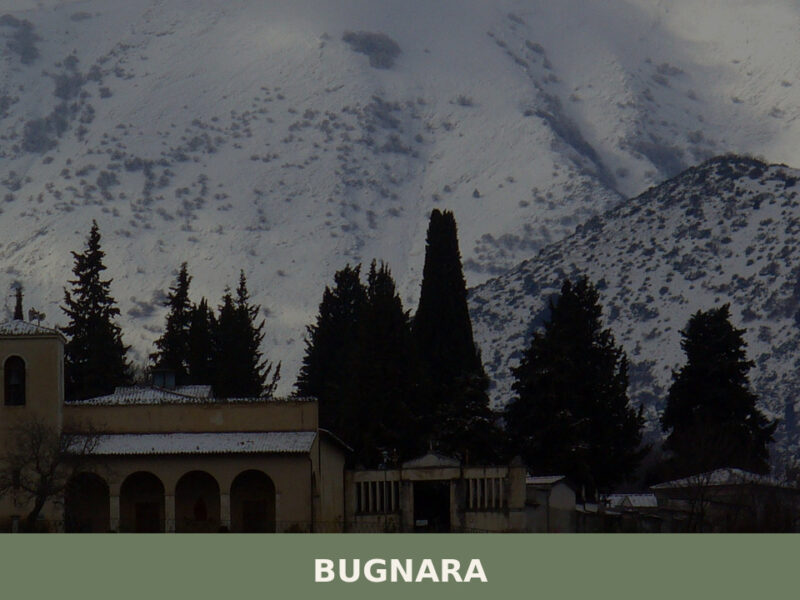
Bugnara
 Hills
Hills
Morning light falls across the Sagittario valley in long, amber strokes, catching the limestone walls of a settlement that has watched over this corridor of central Abruzzo for the better part of a millennium. Bells from a church tower mark the hour, their sound flattening against the surrounding slopes before fading. The streets are narrow, […]
Ancarano
Hills
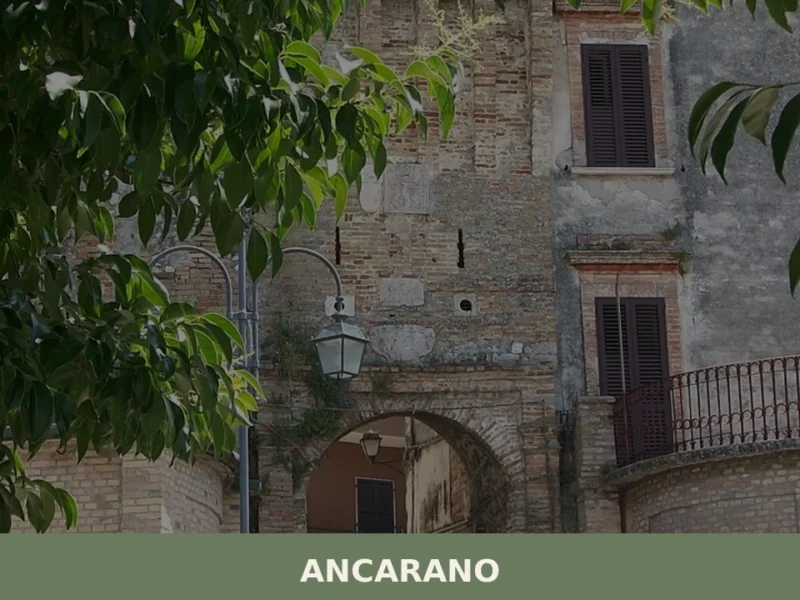
At 295 metres above sea level, where the province of Teramo brushes against the border with the Marche, Ancarano occupies a strip of hilly territory that slopes down towards the Val Vibrata, with a population of 1,824 inhabitants spread between the historic centre and the surrounding hamlets. Anyone wondering what to see in Ancarano will […]
Celenza sul Trigno
Mountain
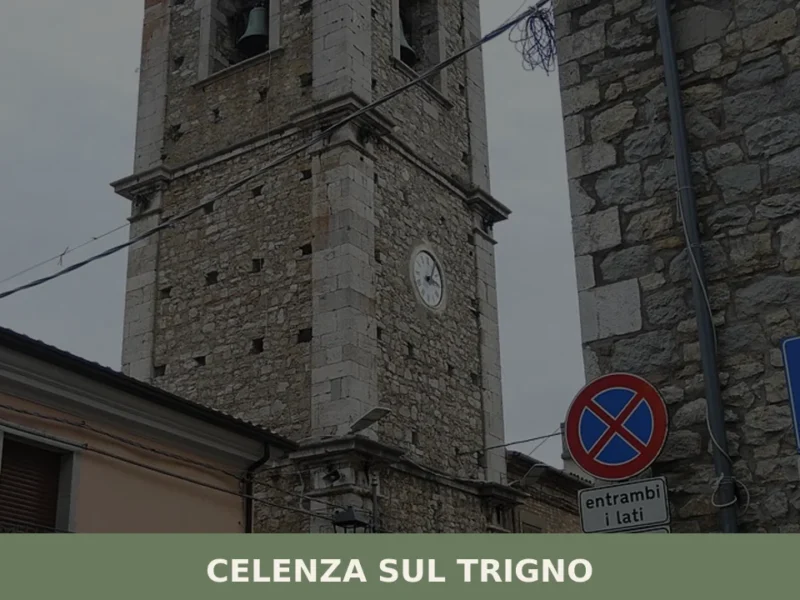
At 646 metres above sea level, with 781 registered residents, Celenza sul Trigno occupies a ridge separating the Trigno river valley from the Treste stream, in the province of Chieti. The village appears in medieval documents as a Norman possession, and its urban layout preserves the concentric plan typical of 12th-century fortified settlements. Anyone wondering […]
Palombaro
Hills
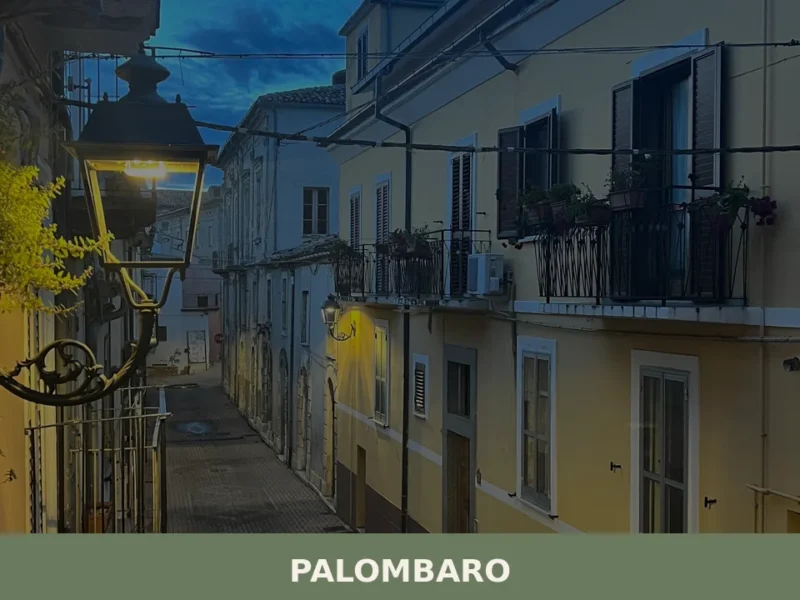
What to see in Palombaro: 5 attractions in this village at 536 m above sea level in the province of Chieti. Discover the historic centre, the medieval tower and the Madonna della Libera festival.
Furci
Hills
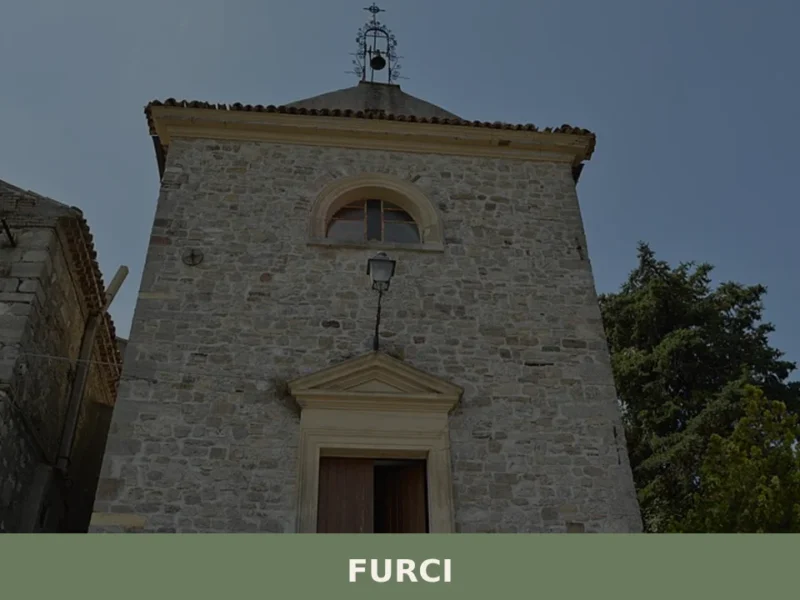
Furci has 806 inhabitants and sits at 550 metres above sea level, along the hill ridge that separates the Sinello valley from the Treste stream valley, in the southern part of the province of Chieti. Anyone looking into what to see in Furci will find a compact urban centre, organised around the main church and […]
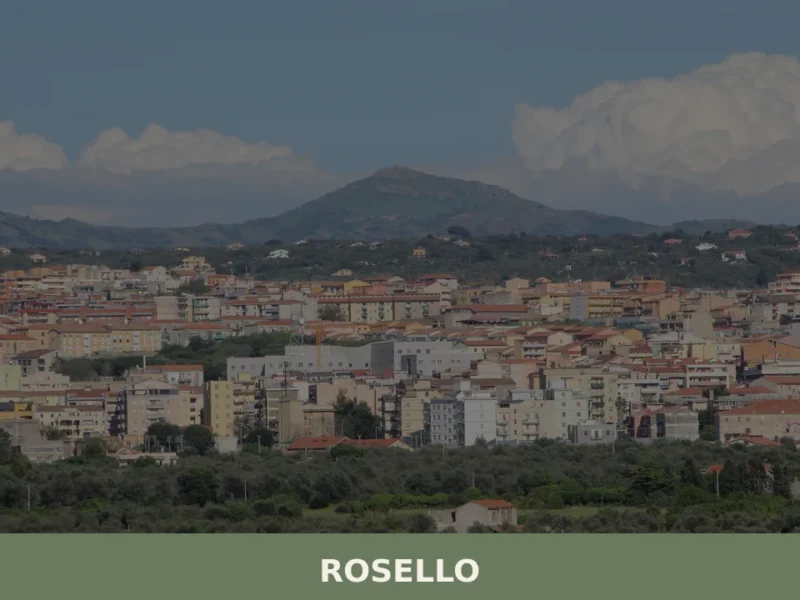
Rosello
Mountain
what to see in rosello: Explore Rosello, Italy, a village founded in the 11th century, with its historic chapel and artistic legacy. Discover its WWII history and Abruzzese charm.
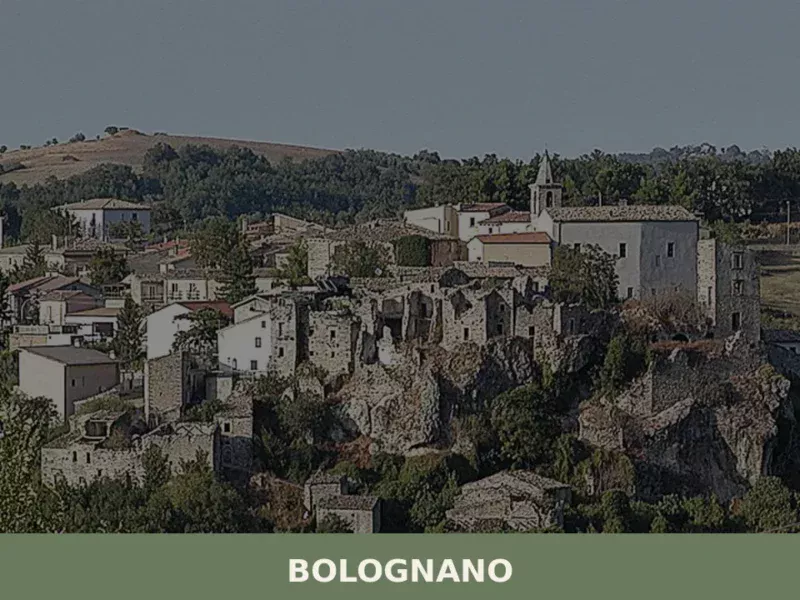
Bolognano
Hills
At 276 metres above sea level, along the Orta valley, Bolognano has a current population of 1,002 and occupies a stretch of flatland in the province of Pescara that served, between 1989 and 1992, as the site of an international art experiment conceived by the German artist Joseph Beuys. Asking what to see in Bolognano […]
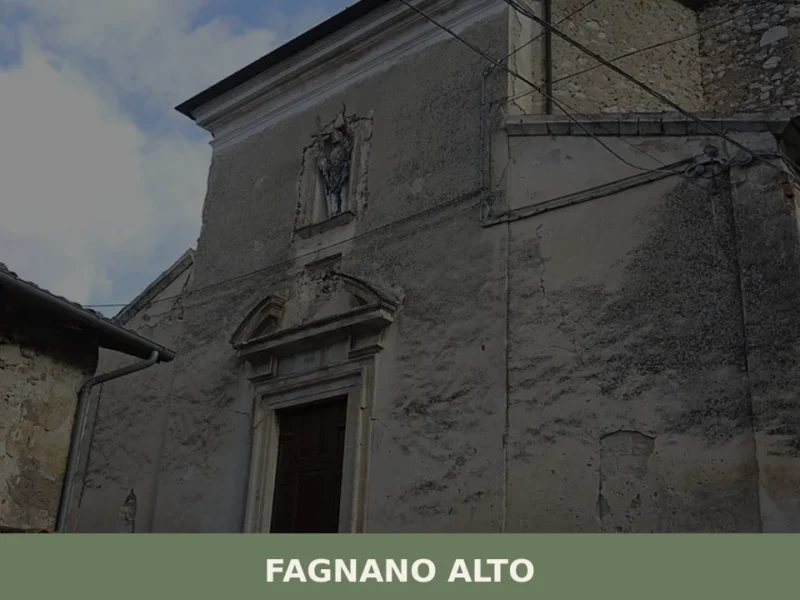
Fagnano Alto
Mountain
Fagnano Alto is not a single village but a scattered municipality: 363 inhabitants spread across twelve hamlets between 560 and 900 metres above sea level, on the eastern slope of the middle Aterno valley, in the province of L’Aquila. The administrative centre is Vallecupa, dedicated to San Donato, but each hamlet has its own patron […]
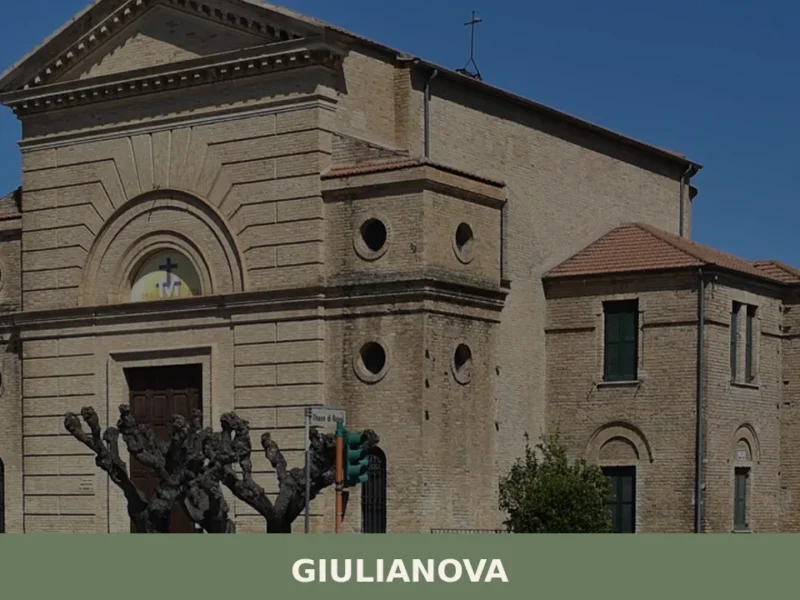
Giulianova
 Sea
Sea
In 1470, Duke Giuliantonio Acquaviva refounded the ancient settlement of Castel San Flaviano on a hill 68 metres above sea level, giving it his own name: Giulianova. The urban layout he commissioned — a regular grid with a central square and symmetrical blocks — is one of the earliest documented examples of an ideal Renaissance […]






📝 Incorrect information or updates?
Help us keep the Capitignano page accurate and up to date.