


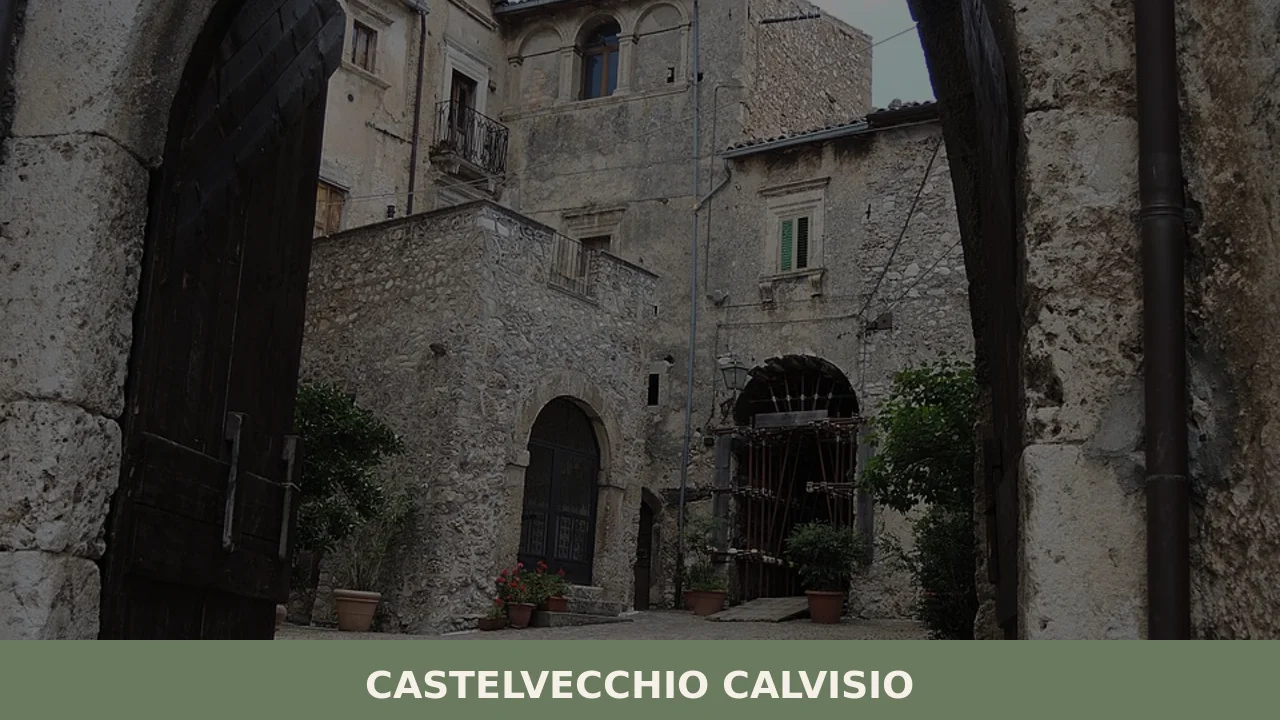
Castelvecchio Calvisio
 Mountain
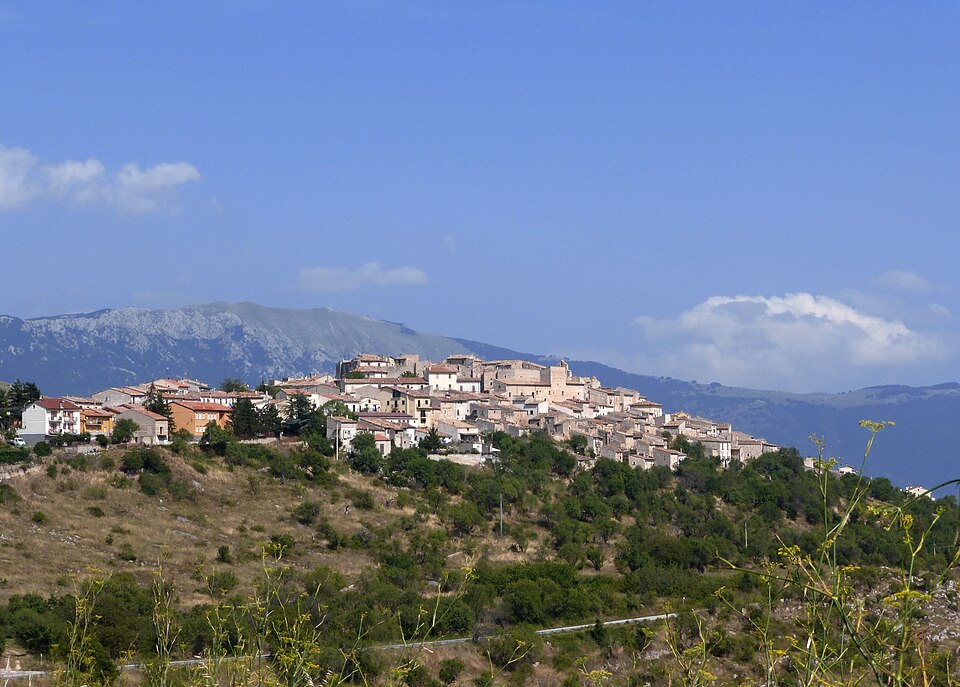
At 1045 meters above sea level, in the L’Aquila hinterland, stands Castelvecchio Calvisio, a village that retains the structure of an ancient *castrum* medieval. With a population of 118 inhabitants, the historic center develops on a rocky ridge, overlooking the basin below. Its elevated position and stone architecture offer an insight into Abruzzo’s fortifications. For […]
Discover Castelvecchio Calvisio
At 1045 meters above sea level, in the L’Aquila hinterland, stands Castelvecchio Calvisio, a village that retains the structure of an ancient *castrum* medieval. With a population of 118 inhabitants, the historic center develops on a rocky ridge, overlooking the basin below. Its elevated position and stone architecture offer an insight into Abruzzo’s fortifications. For those wondering about **what to see in castelvecchio calvisio**, the village presents a route through narrow alleys and squares that tell centuries of history and mountain life, an environment where architecture merges with the rugged landscape of the Gran Sasso.
History and Origins of Castelvecchio Calvisio
The origins of Castelvecchio Calvisio can be traced back to the medieval period, with the first documented records dating from the 12th century. Born as a fortified settlement, a “castrum,” its function was to control the territory and defend the communication routes that crossed the Barony of Carapelle, of which it was a part. The toponym “Castelvecchio” specifically indicates the presence of an older fortification, while “Calvisio” could derive from a Roman personal name or, according to other interpretations, from a term indicating barren or bare land.
Over the centuries, the village was subjected to various feudal dominations, including the Counts of Celano and the Piccolomini, and its history is marked by seismic events that repeatedly altered the urban layout, such as the devastating earthquake of 1703. Despite reconstructions and alterations, the historic core still retains the imprint of its ancient defensive function, with a spiral urban plan that tightens around the remains of its original castle. To delve deeper into its history, you can consult the Wikipedia page dedicated to Castelvecchio Calvisio.
What to see in Castelvecchio Calvisio: 5 essential attractions
An itinerary through the streets of Castelvecchio Calvisio allows for a close look at its architecture and the evidence of its past. Here are five points of interest that form a route among the main attractions of the village for those who want to know **what to see in castelvecchio calvisio**.
1. The Church of San Giovanni Battista
The parish church of San Giovanni Battista represents the main place of worship in the village. Its current structure is the result of several reconstructions over time, particularly after the 1703 earthquake. Inside, despite its simplicity, one can observe architectural elements that mark its different construction phases and some sacred works of local interest.
2. The Castle Ruins
The very name of the village refers to the presence of an “old castle.” Today, some ruins remain, visible in the highest part of the settlement. These vestiges offer a clear indication of Castelvecchio Calvisio’s original defensive function and allow one to imagine the ancient fortified structure that overlooked the valley, a strategic point for territorial control.
3. The Village Entrance Gate
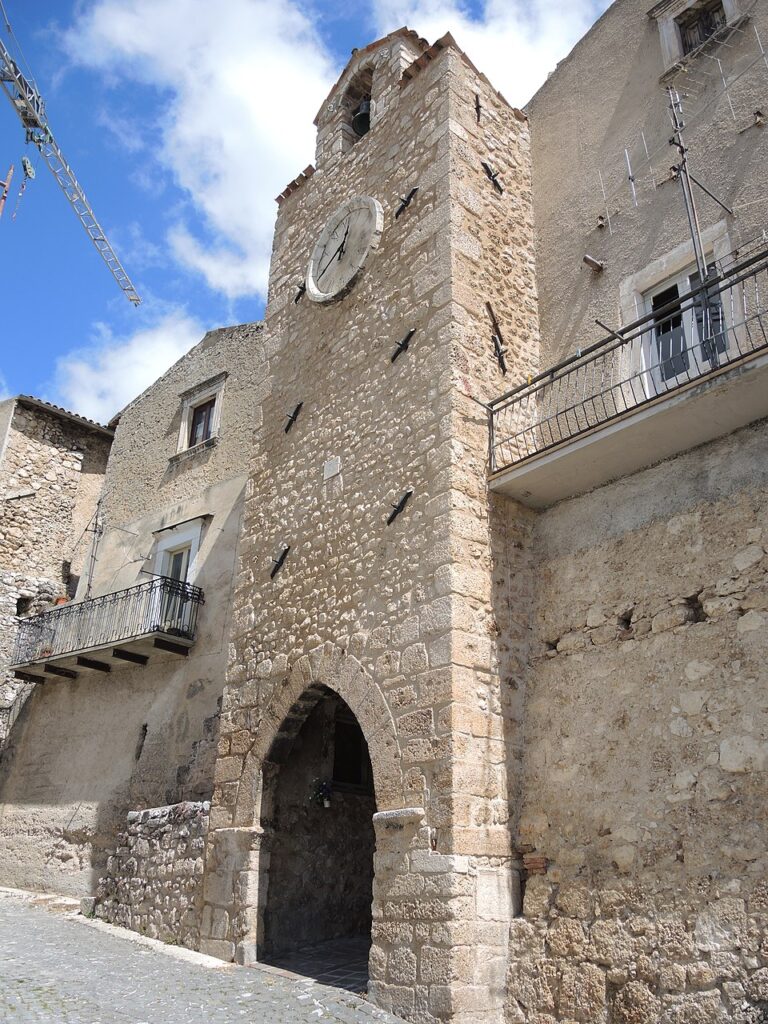
Entry to the historic core is through a gate that retains elements of its original medieval configuration. This passage, framed by stone walls, marks the boundary between the more recent settlement and the ancient heart of the village. Crossing it means immersing oneself directly in the atmosphere of the historic center, characterized by narrow alleys and stone buildings.
4. The Church of Santa Maria delle Grazie
In addition to the parish church, the village also hosts the Church of Santa Maria delle Grazie, another place of worship that testifies to local devotion. Although smaller in size, it presents architectural features that define its era and style, offering a further point of observation on the religious and artistic history of the town.
5. The Baron’s Palace
Among the notable civil architectures, the Baron’s Palace stands out, a historic building that, despite having undergone modifications over the centuries, maintains the typical grandeur of noble residences. Its presence in the urban fabric highlights the role of the noble families who governed the fief and influenced the social and architectural development of the village.
Traditional Cuisine and Local Products
The cuisine of Castelvecchio Calvisio, like that of the entire mountainous Abruzzo region, is deeply rooted in agro-pastoral tradition. Dishes are based on simple and genuine ingredients, often sourced from local livestock farming and agriculture. Among the most representative preparations are arrosticini, skewers of sheep meat cooked over coals, a symbol of regional gastronomy. There are also first courses based on homemade pasta, such as pasta alla chitarra, often seasoned with hearty lamb or castrato meat sauces, or maccheroni alla pastora, enriched with ricotta and saffron.
The L’Aquila territory is known for specific high-quality products. L’Aquila DOP Saffron, cultivated in the plains of the nearby Navelli plateau, is a valuable ingredient that lends color and aroma to risottos and sweet preparations. Among the cheeses, Pecorino d’Abruzzo stands out, made from sheep’s milk, available in various ages. Nearby, legumes such as Santo Stefano di Sessanio Lentils can also be found. To accompany these dishes, Montepulciano d’Abruzzo DOC, a full-bodied and structured red wine, represents the most appropriate choice, best expressing the character of the territory.
When to Visit Castelvecchio Calvisio: The Best Time
Castelvecchio Calvisio, given its altitude of 1045 meters, offers different experiences depending on the season. The spring and summer months, from May to September, are ideal for those wishing to explore the village and its surrounding trails. Temperatures are mild and days are long, encouraging outdoor activities and nature walks. The mountain climate keeps the air fresh and pleasant even in the warmer months.
In autumn, the landscape is painted with warm colors, offering evocative settings for photography enthusiasts and more leisurely hikes. Winter brings snow, transforming the village into a silent and hushed place, suitable for those seeking tranquility and a more intimate atmosphere. On March 19, the patron saint, San Giuseppe (Saint Joseph), is celebrated with festivities that can offer an opportunity to experience local traditions. For updated information on events and festivities, it is always advisable to consult the official website of the Municipality of Castelvecchio Calvisio.
How to Get to Castelvecchio Calvisio
Reaching Castelvecchio Calvisio requires the use of a car, as the village is located in a mountainous area. From major cities, one can take the A24 motorway (Rome-L’Aquila-Teramo) or the A25 (Torano-Pescara). The recommended exit for those coming from Rome or Pescara is L’Aquila Est, then continue on SS 17 towards Sulmona and follow signs for Castelvecchio Calvisio. L’Aquila is about 30 kilometers away, while Pescara and its international airport (Abruzzo Airport) are about 100 kilometers away. The nearest train station is L’Aquila, but to reach the village, it is then necessary to continue with private transport or a taxi, as direct public transport connections are limited.
Other Villages to Discover in Abruzzo
Abruzzo is a region rich in villages that preserve histories and traditions. A short distance from Castelvecchio Calvisio, the territory offers other locations worth visiting to complete an itinerary in the region. Among these, one can consider Capistrello, a village in the province of L’Aquila known for its Claudio tunnels and its strategic position in the Liri Valley, which offers an example of how human ingenuity has interacted with nature for centuries.
Another interesting destination is Aielli, also in the province of L’Aquila, which in recent years has distinguished itself with its “street art” and murals that decorate the facades of houses, transforming it into an open-air museum. These villages, despite their peculiarities, share a connection with the Abruzzo landscape and offer different perspectives on mountain life and culture.
Frequently asked questions about Castelvecchio Calvisio
What is the best time to visit Castelvecchio Calvisio?
Spring and summer (May to September) are ideal for exploring the village and surrounding mountain trails, with mild temperatures and long days. Autumn offers warm colors and evocative photography conditions. Winter brings snow and a peaceful, intimate atmosphere. A notable occasion is March 19, the feast of San Giuseppe, the village's patron saint, when local traditions come alive. At 1045 meters altitude, even summer stays refreshingly cool, making it a pleasant escape from lowland heat.
What are the historical origins of Castelvecchio Calvisio?
Castelvecchio Calvisio dates back to the medieval period, with first documented records from the 12th century. Founded as a fortified 'castrum' to control territory and defend communication routes within the Barony of Carapelle, its name reflects an older fortification ('Castelvecchio'), while 'Calvisio' may derive from a Roman personal name or a term for barren land. The village passed through the hands of the Counts of Celano and the Piccolomini family, and was heavily affected by the devastating earthquake of 1703.
What to see in Castelvecchio Calvisio? Main monuments and landmarks
Key sights include the Church of San Giovanni Battista, the main parish church rebuilt after the 1703 earthquake; the ruins of the ancient castle on the highest point of the village; the medieval entrance gate to the historic center; the Church of Santa Maria delle Grazie; and the Baron's Palace, a noble residence that reflects the influence of the feudal families who once governed the fief. The entire village, built on a rocky ridge with a spiral medieval layout, is itself a remarkable open-air monument.
What are the main natural or scenic attractions of Castelvecchio Calvisio?
Castelvecchio Calvisio sits at 1045 meters in the Gran Sasso hinterland, offering direct access to the natural landscape of one of Italy's most dramatic mountain ranges. The surrounding area is part of the Gran Sasso and Monti della Laga National Park, ideal for hiking and nature walks. The elevated position of the village provides sweeping views over the valley basin below, and the nearby Navelli plateau is known for the cultivation of L'Aquila DOP Saffron.
Where to take the best photos in Castelvecchio Calvisio?
The most photogenic spots in Castelvecchio Calvisio include the medieval entrance gate, which frames the stone-built historic center beautifully, and the castle ruins at the highest point of the village, offering panoramic views over the surrounding valley. The narrow alleys of the historic center, with their ancient stone facades, are ideal for architectural photography. In autumn, the surrounding mountain landscape adds warm tones to any composition, while winter snow transforms the village into a dramatically silent scene.
Are there museums, churches or historic buildings to visit in Castelvecchio Calvisio?
The village contains two churches: the parish Church of San Giovanni Battista, the main place of worship, and the smaller Church of Santa Maria delle Grazie. The castle ruins at the summit of the settlement and the Baron's Palace represent the main historic civil structures. The medieval entrance gate is also a well-preserved architectural element. For specific visiting hours or access conditions, it is advisable to contact the Municipality of Castelvecchio Calvisio directly, as opening times may vary seasonally.
What can you do in Castelvecchio Calvisio? Activities and experiences
Visitors can explore the medieval historic center on foot, following a route through narrow alleys, the entrance gate, the castle ruins, and the village churches. The surrounding Gran Sasso landscape is well suited for hiking and nature walks, particularly from spring through autumn. The area also lends itself to food and wine tourism, with the chance to taste local products such as arrosticini, pasta alla chitarra, Pecorino d'Abruzzo, and L'Aquila DOP Saffron sourced from the nearby Navelli plateau.
Who is Castelvecchio Calvisio suitable for? Families, couples, hikers, solo travelers?
Castelvecchio Calvisio is particularly suited to history enthusiasts, architecture lovers, and travelers seeking authentic, off-the-beaten-path mountain experiences. Hikers and nature lovers will appreciate its position within the Gran Sasso landscape and the surrounding trails. Couples looking for a quiet and evocative getaway will find the stone alleys and panoramic views highly atmospheric. It is less suited to families with very young children due to its steep, uneven terrain, and requires a car to reach, making it best for independent travelers.
What to eat in Castelvecchio Calvisio? Local products and specialties
The cuisine reflects the agro-pastoral tradition of mountain Abruzzo. Signature dishes include arrosticini (sheep meat skewers), pasta alla chitarra with lamb or castrato meat sauces, and maccheroni alla pastora with ricotta and saffron. Notable local products include L'Aquila DOP Saffron from the nearby Navelli plateau, Pecorino d'Abruzzo sheep's milk cheese, and lentils from Santo Stefano di Sessanio. The area's wines are best represented by Montepulciano d'Abruzzo DOC, a robust red that pairs well with the hearty local cuisine.
📷 Photo Gallery — Castelvecchio Calvisio

Getting there
Piazza del Municipio, 67020 Castelvecchio Calvisio (AQ)
Nearby Villages near Castelvecchio Calvisio
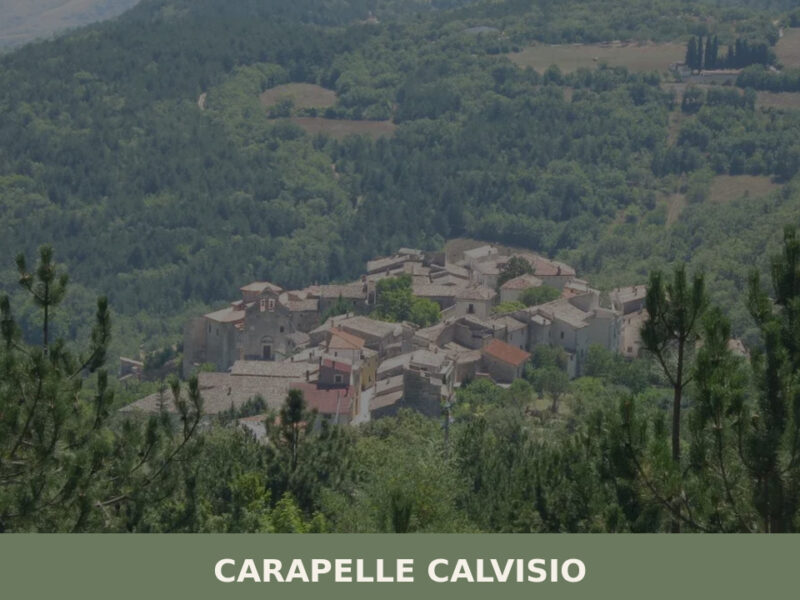
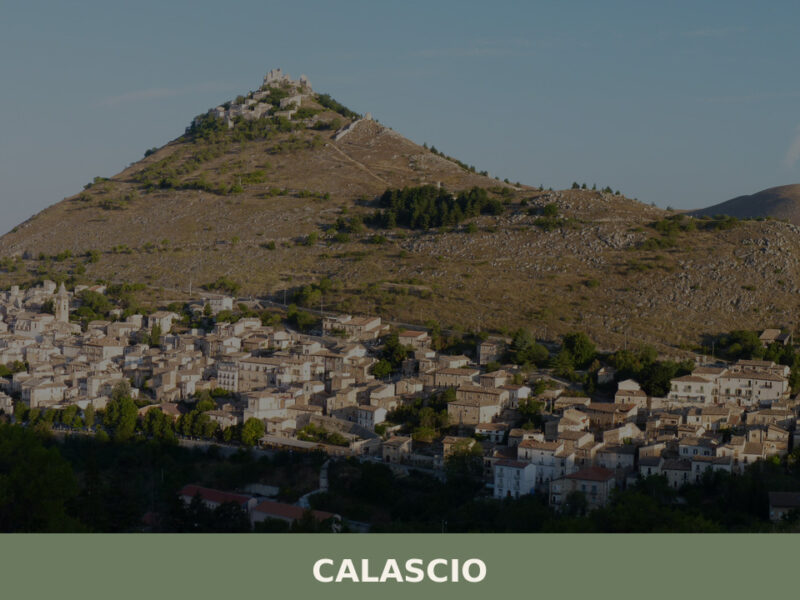
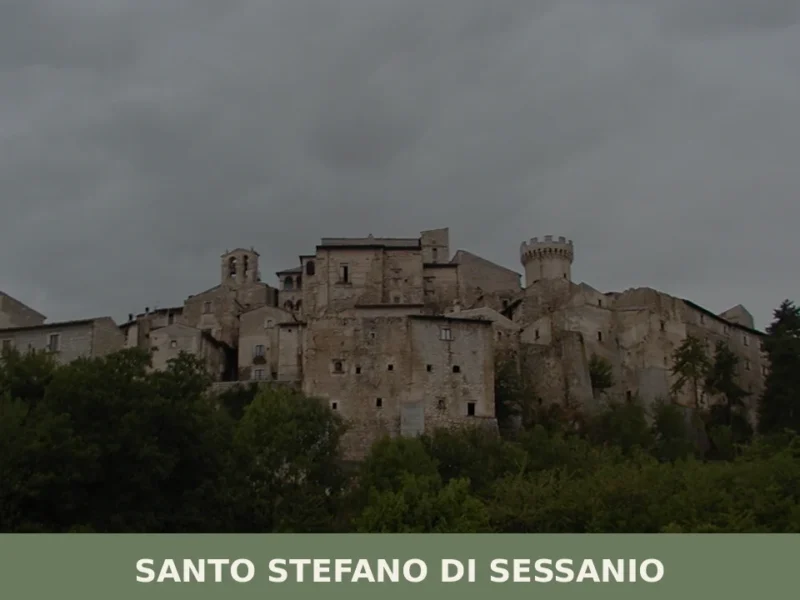
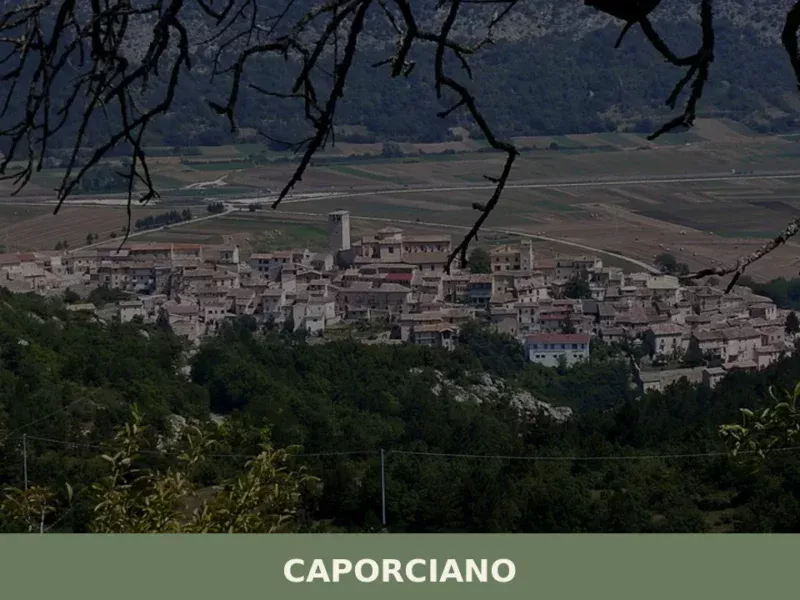
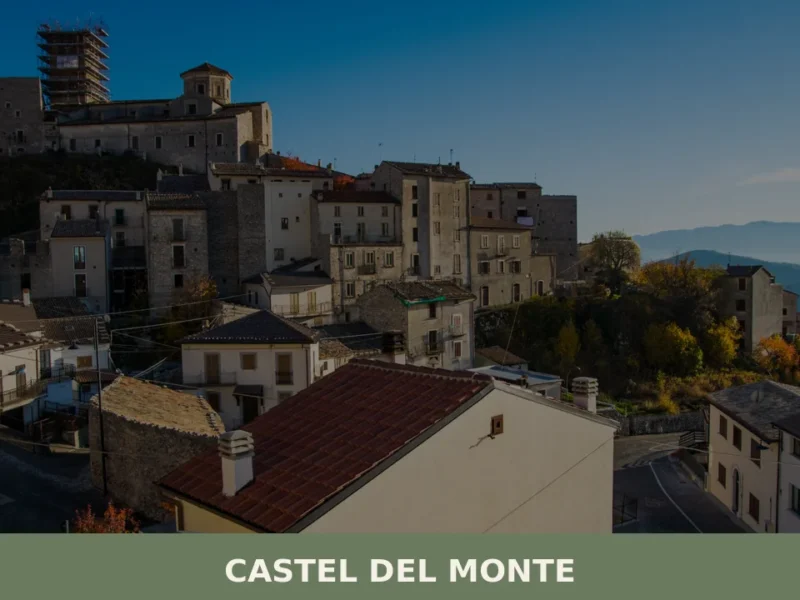
In Abruzzo More villages to discover
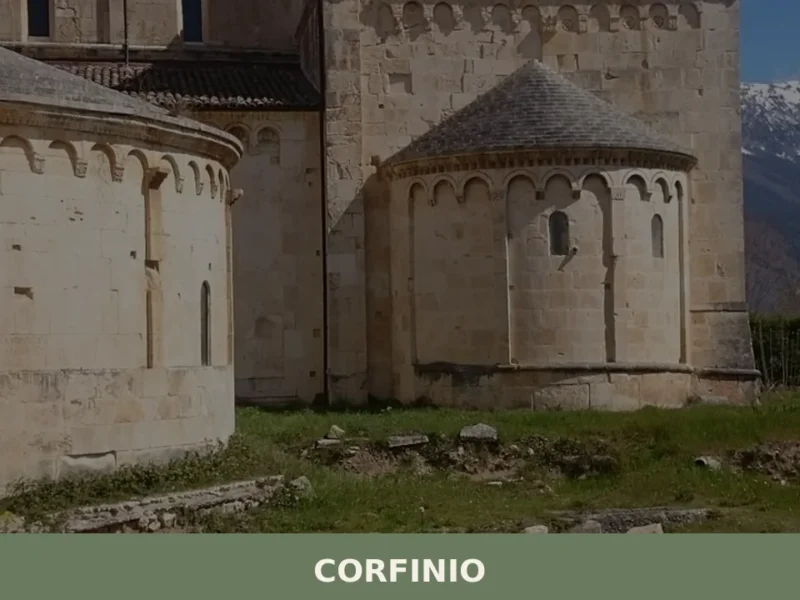
Corfinio
 Hills
Hills
what to see in Corfinio, Italy: Explore this Abruzzese village at 346 m a.s.l., from its Roman past to the Museo Antonio De Nino. Discover Corfinio.
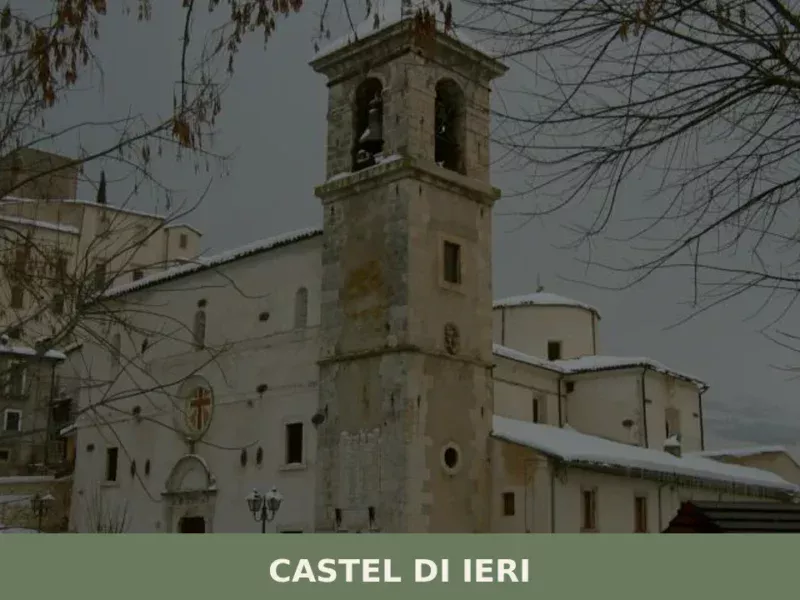
Castel di Ieri
Hills
In Castel di Ieri, a village of 289 registered inhabitants at 519 metres above sea level in the Valle Subequana, the most significant feature lies underground: an Italic temple from the 1st century BC, unearthed during the 1980s, which redrew the archaeological map of inland Abruzzo. Anyone looking into what to see in Castel di […]
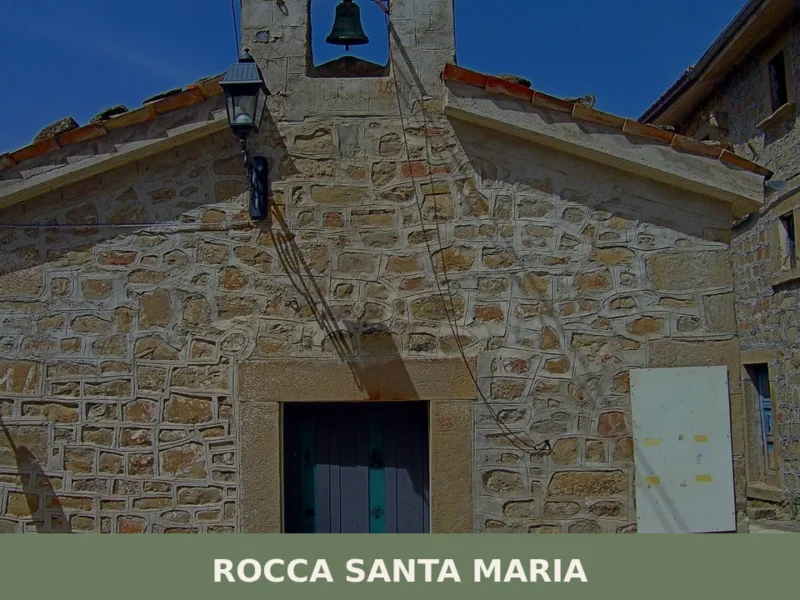
Rocca Santa Maria
Mountain
what to see in rocca santa maria, Italy. Explore a village of 560 inhabitants within Gran Sasso e Monti della Laga National Park. Discover its mountain frazioni and natural beauty.
Gessopalena
Mountain
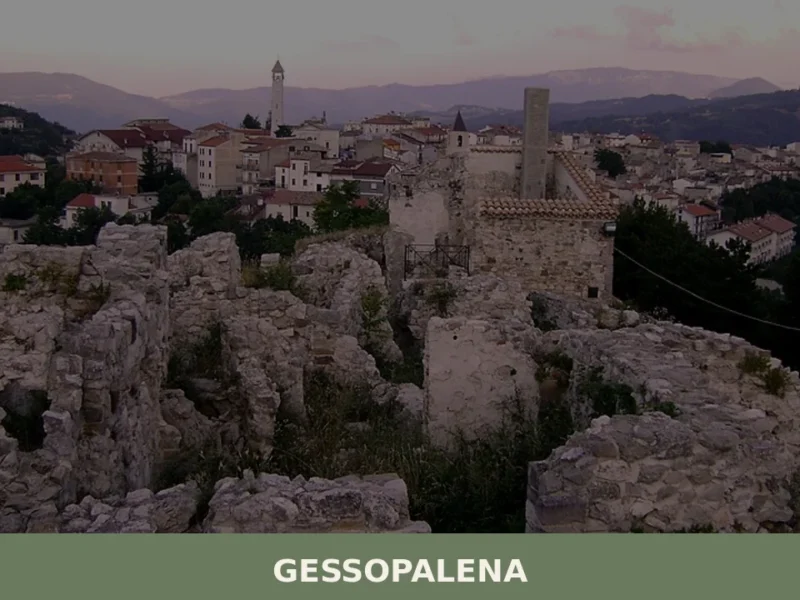
In 1943, retreating German troops dynamited the entire historic core of Gessopalena, reducing to rubble a settlement that for centuries had exploited the geological peculiarity of its terrain: gypsum. That whitish mineral, quarried and worked since Roman times, had given the village its name and shaped its houses, its walls, even the foundations of its […]
Atri
Hills
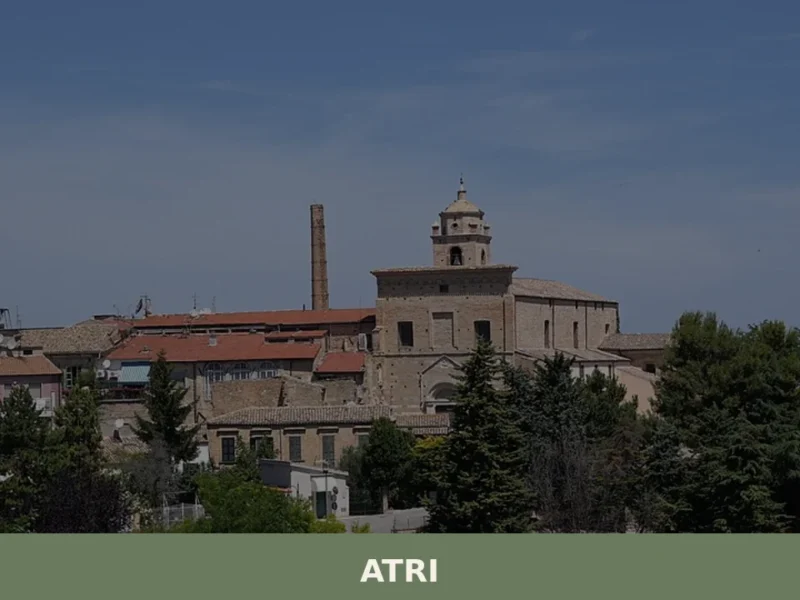
Atri, in the province of Teramo, stands at 442 meters above sea level, an altitude that allows the city to overlook the Teramo hills. Its origins lie in ancient Hatria, a Picene settlement and later an important Roman municipality, known for minting its own coins as early as the 3rd century BC. This historical richness […]
Fagnano Alto
Mountain
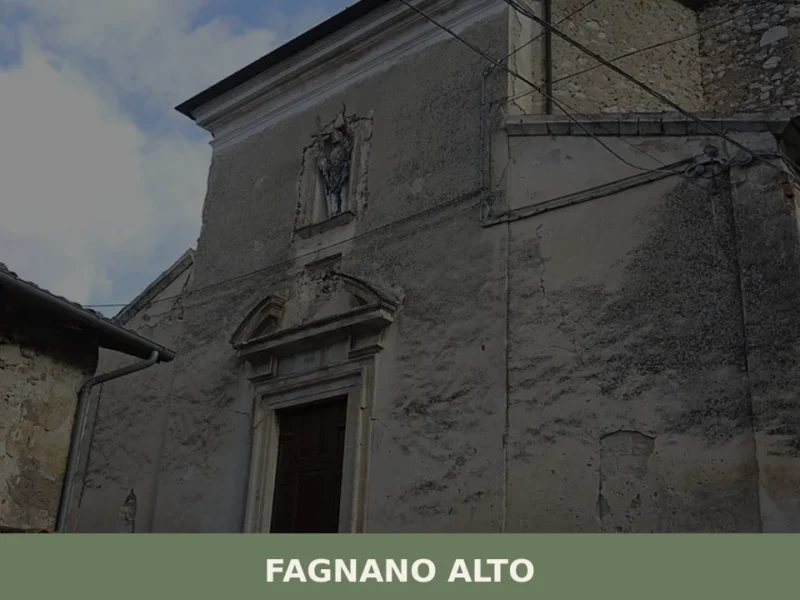
Fagnano Alto is not a single village but a scattered municipality: 363 inhabitants spread across twelve hamlets between 560 and 900 metres above sea level, on the eastern slope of the middle Aterno valley, in the province of L’Aquila. The administrative centre is Vallecupa, dedicated to San Donato, but each hamlet has its own patron […]
Ancarano
Hills
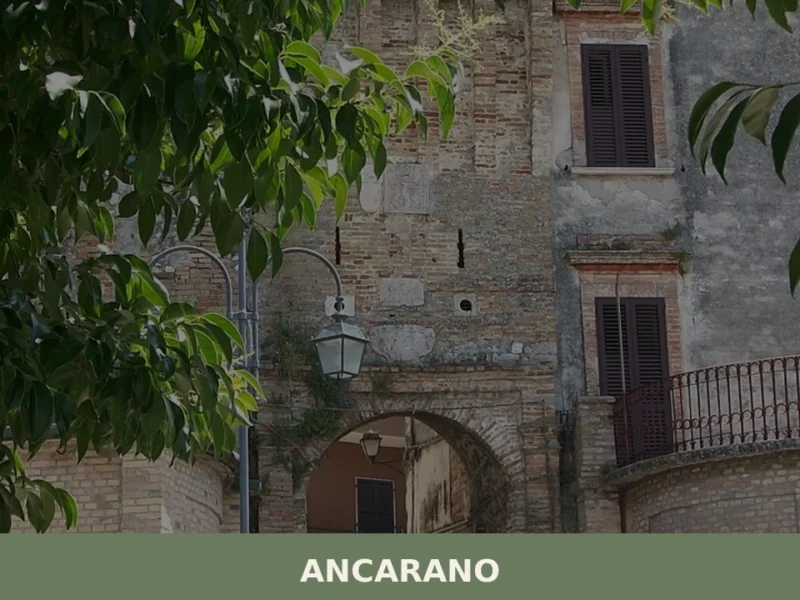
At 295 metres above sea level, where the province of Teramo brushes against the border with the Marche, Ancarano occupies a strip of hilly territory that slopes down towards the Val Vibrata, with a population of 1,824 inhabitants spread between the historic centre and the surrounding hamlets. Anyone wondering what to see in Ancarano will […]
Castellalto
 Sea
Sea
Scopri cosa vedere a Castellalto: borghi medievali, panorami mozzafiato e tesori nascosti dell'Abruzzo. La guida completa alle 5 tappe imperdibili!
Montebello di Bertona
Mountain
What to see in Montebello di Bertona, Italy: Discover a village of 994 inhabitants in Gran Sasso National Park. Explore historic sites and natural trails. Read our guide.
Palena
Mountain
What to See in Palena: discover 5 must-see attractions, from the Ducal Castle to the Marsican Bear Museum. Plan your visit and taste local products.






🏡 Know Castelvecchio Calvisio better than we do?
If you’re a local or have been there, your knowledge matters: add what’s missing or fix a detail on this page.