


Gorreto
Gorreto: Complete Editorial Guide The stone bridge over the Trebbia, with its centuries-old arches, marks the entrance to Gorreto, a village that reveals itself with the discretion of a place that has watched the passage of people and goods for centuries. At 533 metres above sea level, in the province of Genova, this settlement of […]
Discover Gorreto
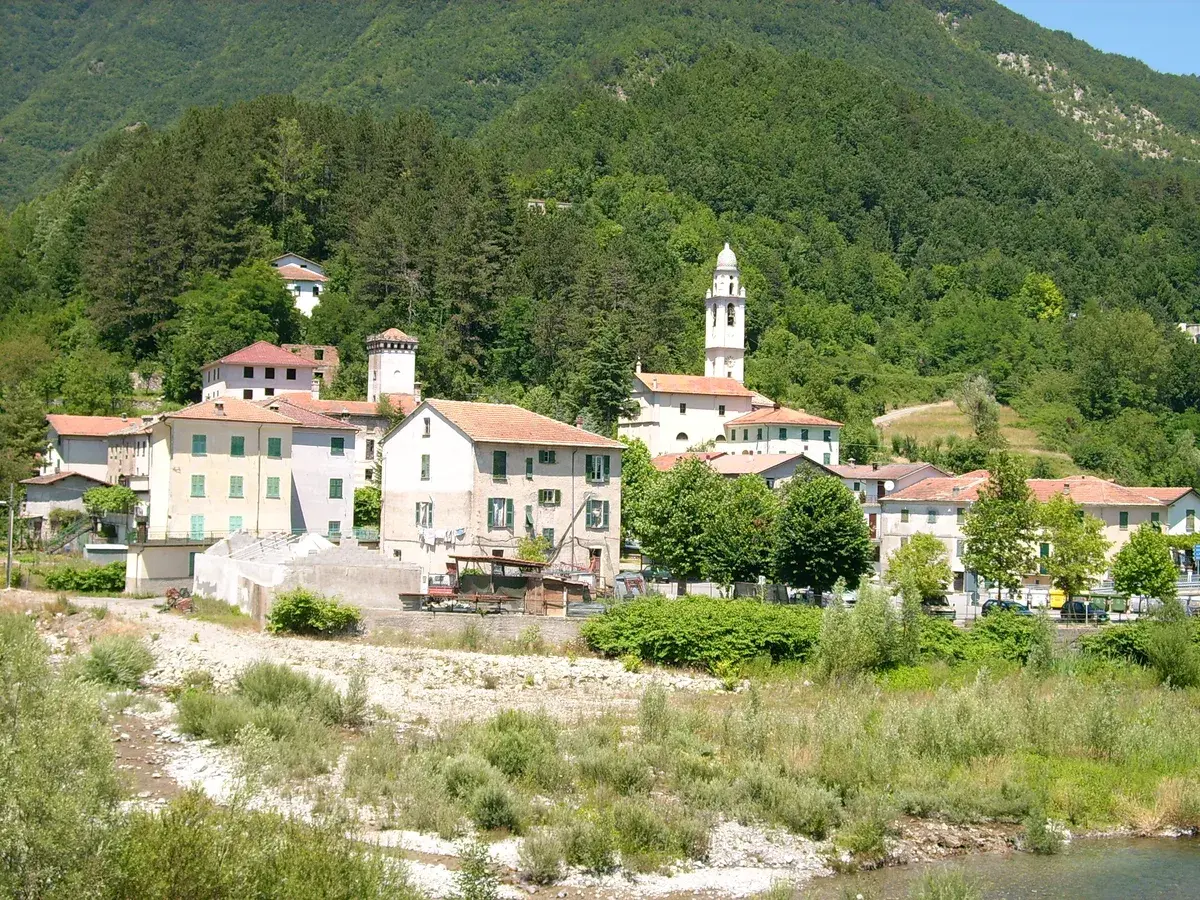
The stone bridge over the Trebbia, with its centuries-old arches, marks the entrance to Gorreto, a village that reveals itself with the discretion of a place that has watched the passage of people and goods for centuries. At 533 metres above sea level, in the province of Genova, this settlement of just 92 inhabitants is a landmark in the middle Trebbia Valley, a historic crossroads between Liguria, Piedmont and Emilia. The architecture of its houses, the layout of its streets and the presence of structures evoking a past of trade and territorial control suggest to visitors a slow approach, almost an archaeological investigation into the folds of everyday life. For those wondering what to see in Gorreto, the experience is not one of grand monuments but of details that compose a coherent picture of mountain and river life, of resilience and of a quietness that is itself a form of narrative. The village offers a genuine cross-section of inland Liguria, less well known but equally significant, where the relationship with the river and the surrounding hills defines every aspect of existence.
History and origins of Gorreto
The history of Gorreto has its roots in a period when the Trebbia Valley served as a strategic corridor linking the Ligurian coast to the Po Plain. The earliest documentary records relating to the village date back to the 12th century, when its territory was under the control of the powerful Fieschi family, Counts of Lavagna. Its geographical position, on the border between different areas of political and commercial influence, gave Gorreto the role of an outpost and toll station. The Fieschi, feudal lords of the area, exploited the valley not only for transit but also for its natural resources, consolidating their authority through fortifications and garrisons. This medieval period was marked by a continual alternation of alliances and conflicts that placed Gorreto at the centre of competing interests between the great Genoese families and neighbouring powers, shaping a historical context of constant vigilance and strategic importance for the control of the Apennine passes.
During the 13th century, with the rise of the Republic of Genoa and the gradual decline of Fieschi influence, Gorreto passed under the jurisdiction of the Republic itself, while retaining a degree of administrative and jurisdictional autonomy. In particular, the village became part of the “Imperial Fiefs”, territories placed under the sovereignty of the Holy Roman Empire but in practice administered by local noble families, often linked to Genoa. Among these, the Doria were one of the most influential houses, exercising their power over the Trebbia Valley for several centuries. The presence of a “Captain’s Palace” attests to the administrative and military importance that Gorreto held, serving as the seat of a representative of central authority who managed local affairs, justice and the defence of the territory. This historical phase helped define the urban layout of the village, with buildings that reflect the need for control and the presence of an established authority.
The modern and contemporary era saw Gorreto maintain its identity as a mountain village, albeit with a progressive diminishment of its strategic role following the construction of new communication routes. With the annexation of Liguria to the Kingdom of Sardinia in 1815 and subsequently to the Kingdom of Italy, Gorreto became part of a broader administrative framework. The life of the village was shaped by subsistence farming, animal husbandry and the exploitation of forest resources — activities that characterised the local economy for much of the 19th and 20th centuries. Despite progressive depopulation, a phenomenon common to many inland areas, Gorreto has preserved its social fabric and traditions, standing today as an example of a village that endures through the ages, keeping alive the memory of a past defined by trade, transit and a life closely bound to its hilly and riverine environment. Its patron saint festival, dedicated to Saints Fermo and Rustico and celebrated on the first Sunday of August each year, is a moment of communal gathering that recalls ancient bonds and a profound sense of belonging.
What to see in Gorreto: 5 key attractions
The Church of Saints Fermo and Rustico
Located at the centre of the village, the Church of Saints Fermo and Rustico is the main place of worship in Gorreto, dedicated to the town’s patron saints. Its current structure, although likely with older origins, dates primarily from the Baroque period, with later interventions that modified its appearance over the centuries. The façade features sober lines, in harmony with local architecture, while the interior houses works of sacred art and wooden furnishings that reflect the community’s devotion. The building serves as a focal point not only for spiritual life but also for the social life of the inhabitants. Access is generally open during daylight hours, allowing visitors to appreciate its contemplative atmosphere and the simplicity of its architectural forms, which blend seamlessly into the village’s urban setting.
The Bridge over the Trebbia
The Bridge over the Trebbia, with its solid stone arches, is an architectural element that defines the identity of Gorreto. This bridge is not merely a crossing point but a historic piece of infrastructure that for centuries ensured the connection between the river’s banks, facilitating trade and travel between Liguria and Emilia. Its construction, believed to date from the medieval or early modern period, highlights the engineering capabilities of the era and the strategic importance of the location. Walking across the bridge allows you to observe the power of the river Trebbia and to take in the view of the village and the surrounding hills. It is accessible at any time and represents an excellent starting point for exploring the area and understanding the role the river has played in the life of the town.
The Captain’s Palace
The Captain’s Palace, a notable building in Gorreto’s historic centre, bears witness to the village’s administrative and jurisdictional past. Although not an opulent palace, its austere architecture and proportions set it apart from the surrounding dwellings, indicating its function as the seat of the feudal representative or of the Republic of Genoa. This building was the hub of local decision-making, justice and territorial control. Today, while not always open to the public, its façade and central position offer an opportunity to imagine village life in past centuries, when the Captain wielded his authority. It is easy to find by following the main streets of the town, and it is a point of interest for anyone wishing to delve deeper into local history.
The Historic Centre and its alleyways
The historic centre of Gorreto reveals itself through a network of cobbled alleyways and stone staircases winding between the houses. The dwellings, built with local materials such as stone and wood, often feature small windows and slate roofs — typical elements of Ligurian mountain architecture. Walking through these spaces means immersing yourself in an atmosphere where time seems to move to a different rhythm. Every corner may hold a detail — an ancient doorway, a small votive shrine — that speaks of daily life and an industrious past. There are no visiting hours; the historic centre is freely accessible at all times, inviting slow discovery and close observation of the details that make up its urban fabric.
The river environment of the Trebbia
Beyond the architecture, the surrounding natural environment is an integral part of what to see in Gorreto. The river Trebbia, with its clear waters and its banks, offers a landscape of considerable naturalistic interest. Its bends, small pebble beaches and riparian vegetation create a varied ecosystem, ideal for walks and moments of contemplation. During the warmer months in particular, the banks of the Trebbia become a place to cool off and enjoy the calm of the natural surroundings. Access to the river is free and possible from several points along the roads that run alongside the village. Exploring this area allows you to appreciate the local biodiversity and understand the importance of the river as both a resource and a force that has shaped the landscape and life in Gorreto.
Traditional cuisine and local products
The cuisine of Gorreto, like that of much of the Trebbia Valley, is an expression of a mountain and peasant tradition, deeply tied to the products of the land and the rhythms of the seasons. Far removed from the seafood specialities of the coast, robust flavours and simple yet flavourful ingredients dominate here. Among the most representative dishes are those based on potatoes, which are successfully cultivated at these altitudes. One example is the “minestrone alla genovese”, which in these valleys often takes on a denser consistency and a more assertive character thanks to the addition of seasonal vegetables and, at times, porcini mushrooms gathered in the surrounding woods. Legume soups are also common, such as “bean and chestnut soup”, which makes use of another typical local product, the chestnut — a resource that was fundamental to the diet in the past.
The woods and pastures around Gorreto yield a variety of products that enrich the local table. Porcini mushrooms, in particular, are a genuine regional excellence and are used in numerous preparations: sautéed as a side dish, as a sauce for first courses such as “tagliatelle ai funghi”, or preserved in oil. Another distinctive product is formaggetta ligure, a fresh or semi-aged cheese made from cow’s or sheep’s milk, which pairs well with local bread and wild fruit preserves. Despite the distance from the coast, even focaccia genovese finds its own variations here, prepared with flour, water, yeast, olive oil and salt, and often topped with onions or olives, serving as a versatile snack or accompaniment to any meal. The gastronomic tradition is rounded out by artisanal cured meats, derived from local livestock farming, which maintain a close link to age-old processing techniques.
Food festivals are important occasions for celebrating and savouring these specialities. Although Gorreto is a small village, the Patron Saint Festival of Saints Fermo and Rustico, held on the first Sunday of August, often provides an opportunity to taste local products and traditional dishes. For those wishing to sample the traditional cuisine, it is advisable to seek out the few trattorias or agriturismi in the area, which offer menus based on seasonality and the availability of local ingredients. These establishments, with their welcoming and familial atmosphere, allow you to appreciate the genuine quality of the flavours and the care in preparation, offering a culinary experience that is an integral part of any visit to Gorreto. It is a way to connect with the identity of the place through taste, discovering a fundamental aspect of Ligurian mountain life.
When to visit Gorreto: the best time of year
Choosing when to visit Gorreto largely depends on the type of experience you are looking for, as each season offers different nuances and opportunities. Spring (April–May) is ideal for those seeking nature’s renewal: the hills turn a vivid green, wildflowers bloom and the air is mild and crisp. This is an excellent time for hikes along river and hill trails, with pleasant temperatures that do not exceed 20–25°C and fewer visitors. Summer (June–August) is the liveliest season, particularly thanks to the chance to cool off along the banks of the river Trebbia. Daytime temperatures can reach 28–30°C, but evenings are cool. It is during this period that the Patron Saint Festival of Saints Fermo and Rustico takes place, on the first Sunday of August — a moment of communal celebration that brings the village to life with events and food stalls. For river lovers, summer is the perfect time for swimming and relaxation.
Autumn (September–October) gives Gorreto a distinctive atmosphere, with the woods taking on warm shades of yellow, orange and red. Temperatures remain pleasant, ranging between 15°C and 22°C, making this an excellent period for mushroom and chestnut foraging — activities deeply rooted in the local culture. It is a transitional season that invites contemplation and the exploration of nature in a more intimate and silent guise. Winter (November–March) transforms Gorreto into a place of deep stillness. Temperatures drop, often below zero, and snow can blanket the landscape, creating evocative scenery. Although some outdoor activities are limited, for those seeking an experience of solitude and seclusion, winter offers a singular opportunity to experience the village in its most unadorned dimension, perhaps warming up by a fireplace after a walk through the silence of the snow-covered hills. In summary, every season has its appeal, but for a balance between mild weather and outdoor activities, spring and early autumn are often the most recommended periods.
How to reach Gorreto
Reaching Gorreto involves a journey into the Ligurian hinterland, following the roads that climb the Trebbia Valley. For those coming from the north or south, the main reference point is the A7 Milan–Genoa motorway. The recommended exit is Busalla if coming from the south, or Isola del Cantone if coming from the north. From Busalla, take the Provincial Road 22 (SP22) towards Casella, then continue on the SP15 del Trebbia, which leads directly to Gorreto. This route, although winding, offers views of the river and hill landscape. From Isola del Cantone, follow the SP35 dei Giovi to Torriglia, then join the SP15. It is important to note that provincial roads can be narrow and require attention, especially in bad weather. The drive from Genoa takes approximately 1 hour and 30 minutes, covering a distance of around 60 kilometres, while from Milan it takes about 2 hours and 30 minutes over a distance of roughly 150 kilometres.
As for public transport, the nearest railway station is Busalla, on the Genoa–Turin line. From Busalla, however, there are no direct bus connections to Gorreto, making it necessary to use private transport or a taxi for the final stretch. It is advisable to check the timetables of the few local public transport services, which are often limited. The nearest airport is Genoa “Cristoforo Colombo” Airport (GOA), located approximately 70 kilometres from Gorreto. From there, it is possible to hire a car or take a taxi to reach the village, with a journey time of around 1 hour and 45 minutes depending on traffic. The lack of direct access by mass public transport helps preserve the genuine atmosphere and quietness of Gorreto, making it an ideal destination for those seeking a more secluded experience and a closer connection with the nature and history of inland Liguria.
Other villages to discover in Liguria
The Ligurian hinterland, and the Trebbia Valley in particular, offers a range of villages that, while sharing a common historical and geographical matrix, each present distinctive characteristics. After exploring Gorreto and its river and mountain identity, it can be rewarding to extend your trip to other centres in the region. For example, the village of Davagna, also located in the Genoese hinterland, offers another perspective on mountain life in Liguria. While Gorreto stands out for its position on the Trebbia and a past linked to the Fieschi and Doria families, Davagna, with its scattered hamlets and slightly lower altitude, tells a story of farming communities and a daily routine dictated by the rhythms of the land. Visiting Davagna allows you to appreciate the variety of rural architecture and understand how the different Ligurian valleys have developed distinct traditions and landscapes, while maintaining a shared bond with the territory.
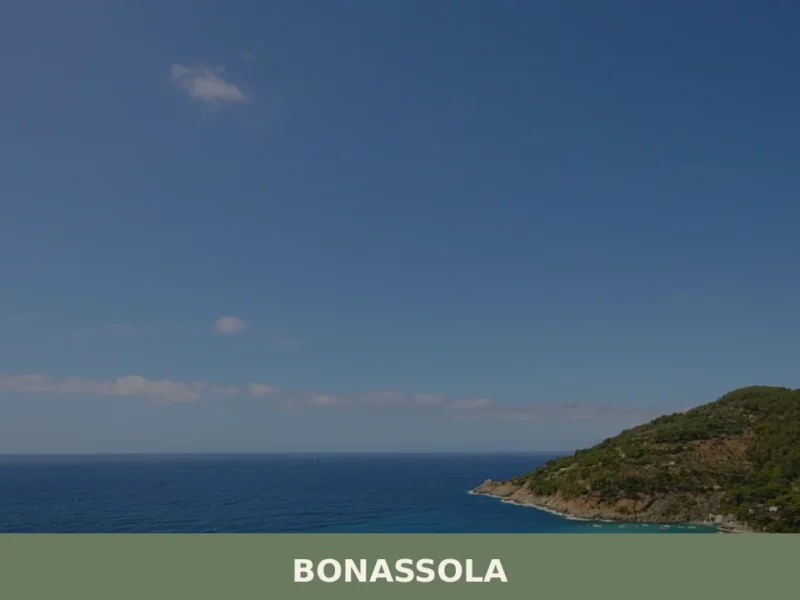
For those seeking a contrast with the mountain and river experience of Gorreto, an excellent alternative is a coastal village such as Bonassola. This locality, overlooking the Ligurian Sea, offers a completely different image of the region, with its colourful houses, beaches and the scent of sea air. If Gorreto is a place of quietness and introspection, Bonassola is a celebration of life by the sea, of beach tourism and of the vibrancy typical of the Cinque Terre, of which it is a natural extension. An itinerary combining Gorreto with Bonassola can provide a complete vision of Liguria, moving from the peaks of the Apennines to the waters of the Mediterranean, and demonstrating the richness and diversity of a territory that offers distinctive experiences to both mountain enthusiasts and sea lovers alike. This combination allows you to fully appreciate the landscape and cultural variety of the region, discovering how history and nature have intertwined in different ways.
In Liguria More villages to discover
Favale di Malvaro
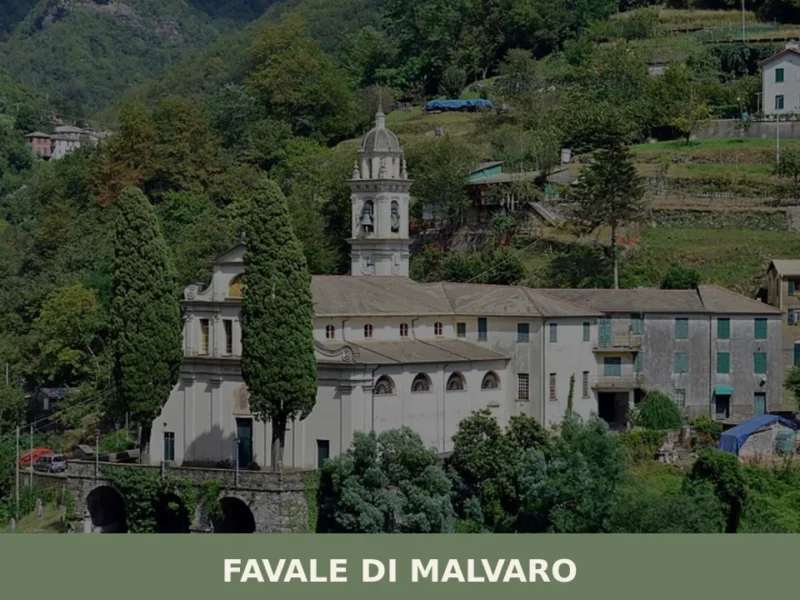
In 1892, Amadeo Pietro Giannini left Favale di Malvaro for America. The son of Ligurian emigrants, he went on to found the Bank of Italy in San Francisco in 1904, which later became Bank of America — for decades the largest banking institution in the world. This small village in the Fontanabuona valley, home to […]
Bonassola
Bonassola’s single-track railway station, opened in 1874 as part of the Genoa–La Spezia line, brought the first outsiders to a coastal settlement that had survived for centuries on olive oil, wine, and anchovies. Today this compact village of 794 inhabitants sits at six metres above sea level along the Riviera di Levante, its beach one […]
Apricale
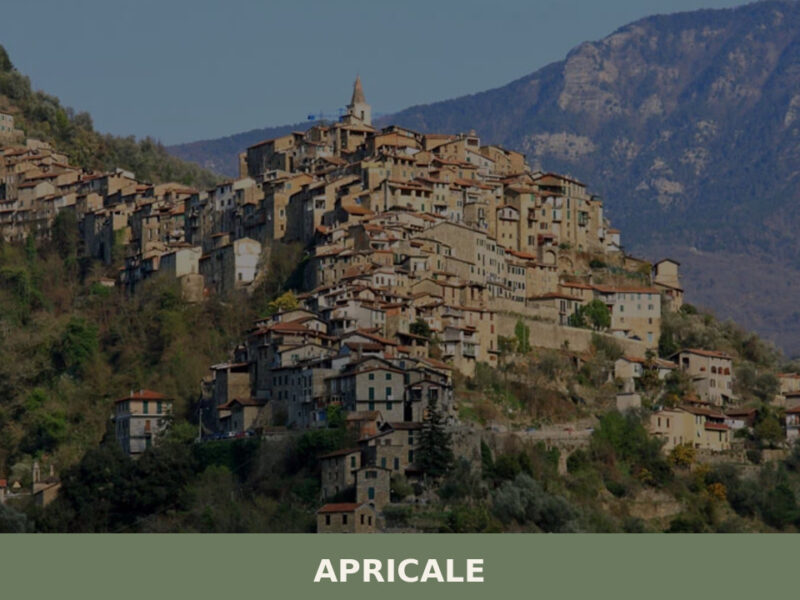
A sun-facing medieval village of 626 inhabitants in Liguria's Val Nervia. Explore what to see in Apricale, from its castle to its open-air murals.


📝 Incorrect information or updates?
Help us keep the Gorreto page accurate and up to date.