


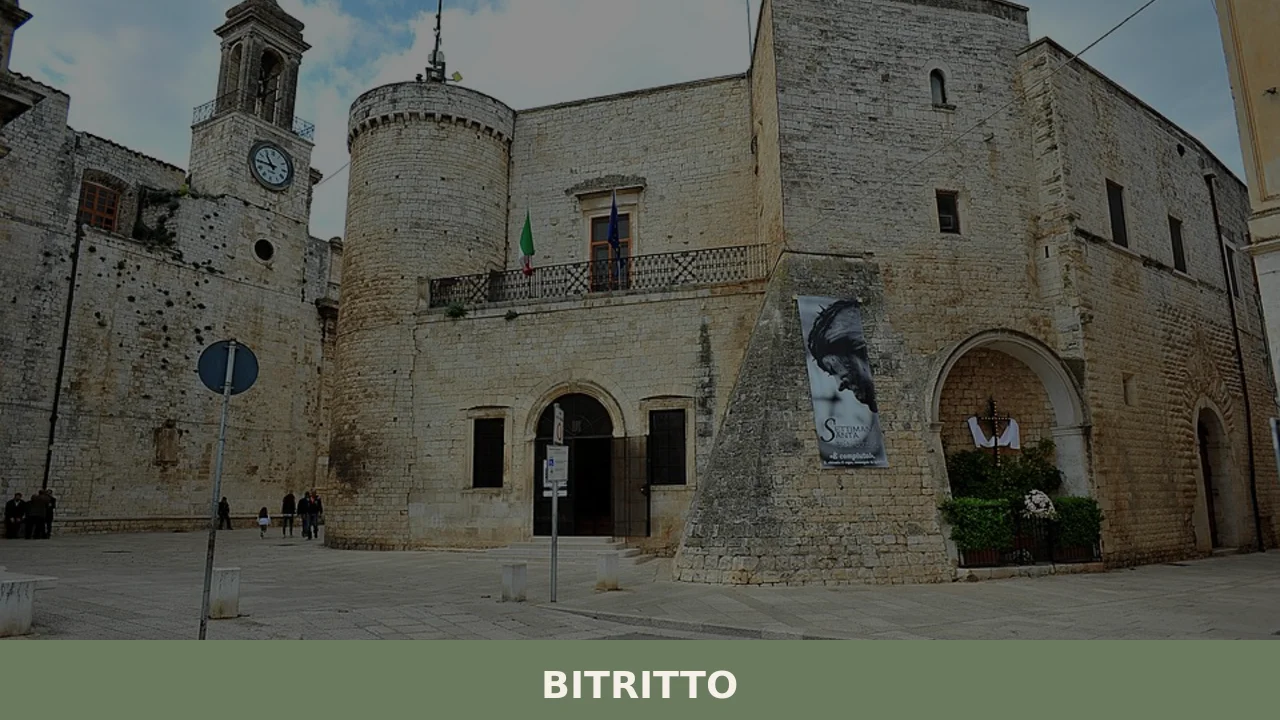
Bitritto
 Plains
Approximately 11 kilometers southwest of Bari, in the basin opening towards the hinterland, lies Bitritto, a municipality with 11,046 inhabitants, situated 102 meters above sea level. Its territory, marked by olive groves and almond orchards, is an integral part of the Apulian agricultural landscape and reflects the region’s farming heritage. For those wondering what to […]
Discover Bitritto
Approximately 11 kilometers southwest of Bari, in the basin opening towards the hinterland, lies Bitritto, a municipality with 11,046 inhabitants, situated 102 meters above sea level. Its territory, marked by olive groves and almond orchards, is an integral part of the Apulian agricultural landscape and reflects the region’s farming heritage. For those wondering what to see in bitritto, the village presents an urban fabric that has evolved over centuries, retaining traces of a past rooted in the Roman era and developing through the Middle Ages.
History and Origins of Bitritto
The first historical records place Bitritto’s origin in the Roman era, when its territory was likely crossed by a consular road. The toponym itself, according to some interpretations, derives from “Buxus,” indicating the presence of boxwood forests. With the fall of the Roman Empire, the area experienced barbarian and Lombard dominations, before entering the sphere of the Duchy of Benevento.
The medieval period was crucial for the village’s structure. Bitritto was involved in the feudal dynamics that characterized Southern Italy, passing under the control of various noble families, including the Acquaviva, Carafa, and Filomarino. These lordships contributed to the fortification of the inhabited center, as evidenced by the Baronial Castle, and to the development of agricultural activities, which have always been the economic engine of the community.
The construction of the Mother Church of Santa Maria Veterana, whose origins date back to the 12th century, marks a significant moment in the religious and social life of the village, establishing itself as the community’s focal point. Its architecture, although altered over the centuries, retains elements reminiscent of the Apulian Romanesque style, reflecting the artistic and cultural influences that have traversed the region. The village, despite being on a plain, has maintained its distinct character, linked to the fertility of its soil and agricultural production.
What to see in bitritto: 5 Must-Visit Attractions
Baronial Castle
The Baronial Castle of Bitritto represents the historical symbol of the village. Its current structure is the result of modifications and expansions over centuries, starting from a probable Norman fortification. It features a quadrangular plan with four corner towers and an internal courtyard. Today, it hosts cultural events and celebrations, serving as a center of civic life.
Mother Church of Santa Maria Veterana
Originally built in the 12th century, the Mother Church of Santa Maria Veterana is the most significant religious building in Bitritto. Despite subsequent alterations, it retains Romanesque elements in its structure. The interior houses sacred artworks and altars. It is dedicated to Our Lady of Constantinople, the patron saint of the village, whose feast is celebrated on the first Tuesday of March.
Convent of Santa Maria delle Grazie
The Convent of Santa Maria delle Grazie, dating back to the 16th century, is a monastic complex that includes a church and a cloister. The church’s facade features sober lines, typical of conventual architecture. Inside, frescoes and wooden artifacts can be observed. The convent has played a historical role in Bitritto’s religious and cultural life.
Church of San
Frequently asked questions about Bitritto
What is the best time to visit Bitritto?
The ideal time to visit Bitritto is spring (April–June) and early autumn (September–October), when temperatures are mild and the surrounding olive groves and almond orchards are at their most scenic. A particularly special occasion is the first Tuesday of March, when the village celebrates its patron feast of Nostra Signora di Costantinopoli, centered around the Mother Church of Santa Maria Veterana. This religious celebration draws locals and visitors and offers an authentic glimpse into Bitritto's community traditions.
What are the historical origins of Bitritto?
Bitritto's origins trace back to the Roman era, when its territory was likely crossed by a consular road. The toponym may derive from the Latin 'Buxus', referencing ancient boxwood forests. After the fall of Rome, the area passed through Lombard and Duchy of Benevento control. During the Middle Ages, feudal families including the Acquaviva, Carafa, and Filomarino shaped the village, fortifying its center and promoting agricultural development. The Mother Church of Santa Maria Veterana, founded in the 12th century, stands as the oldest documented religious landmark.
What to see in Bitritto? Main monuments and landmarks
Bitritto's three main attractions are the Baronial Castle, with its quadrangular plan and four corner towers, today used for cultural events; the Mother Church of Santa Maria Veterana (12th century), featuring Romanesque elements and housing sacred artworks dedicated to the village's patron; and the 16th-century Convent of Santa Maria delle Grazie, with a church, cloister, frescoes, and wooden artifacts. The castle and convent are generally accessible during events; the Mother Church is open for religious services and visits.
Are there museums, churches or historic buildings to visit in Bitritto?
Yes. The Mother Church of Santa Maria Veterana (12th century) is the most significant religious building, retaining Romanesque structural elements and sacred artworks. The Baronial Castle, whose origins may date to a Norman fortification, is a key historic building that hosts civic and cultural events. The Convent of Santa Maria delle Grazie (16th century) features a church with frescoes and a cloister. Specific opening hours vary; visiting during the patron feast (first Tuesday of March) ensures access to the main church and a lively community atmosphere.
Who is Bitritto suitable for? Families, couples, hikers, solo travelers?
Bitritto is best suited for travelers interested in authentic Apulian village life, history, and agricultural landscapes rather than mass tourism. History enthusiasts will appreciate the Baronial Castle, the Romanesque Mother Church, and the medieval urban fabric. Couples and slow travelers will enjoy the quiet, unspoiled atmosphere and the scenic olive and almond orchards. Families can experience the patron feast celebrations in March. Its proximity to Bari (11 km) makes it an excellent half-day cultural detour for anyone based in the provincial capital.
What to eat in Bitritto? Local products and specialties
Bitritto sits within the broader Bari agricultural belt, renowned for extra virgin olive oil — a product deeply linked to the territory's centuries-old olive groves. Local cuisine follows classic Apulian tradition: orecchiette with cime di rapa, fave e cicoria, taralli, and fresh ricotta. The almond orchards documented in the area suggest almonds also feature in local sweets. For a full culinary experience, the patronal feast period in early March offers the chance to taste traditional preparations tied to community celebrations.
Nearby Villages near Bitritto
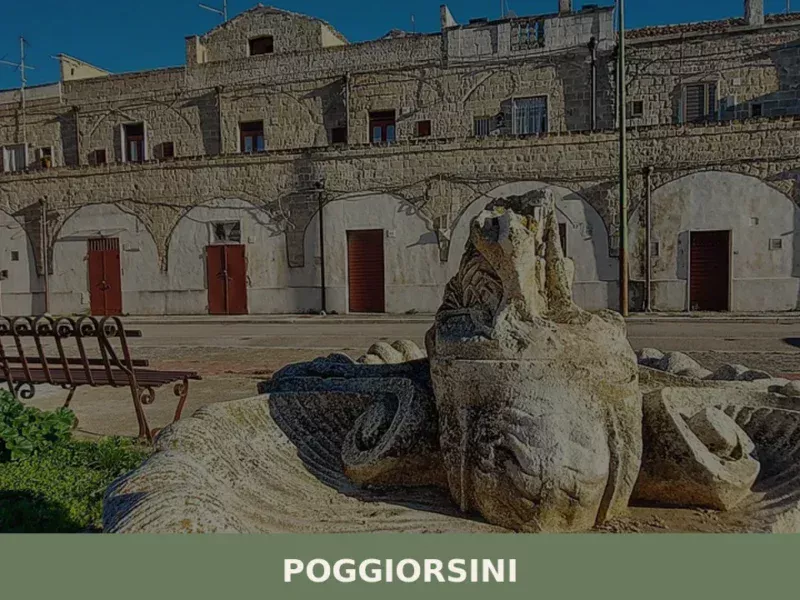
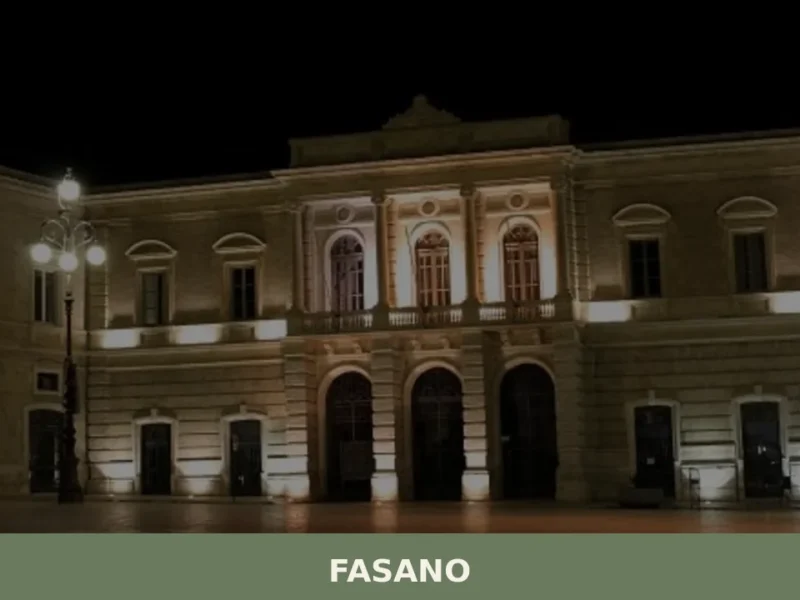
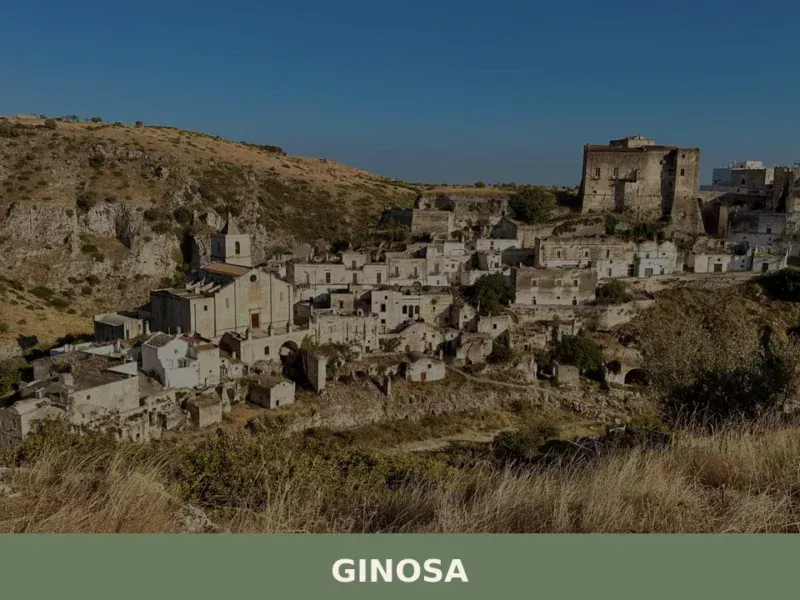
In Apulia More villages to discover
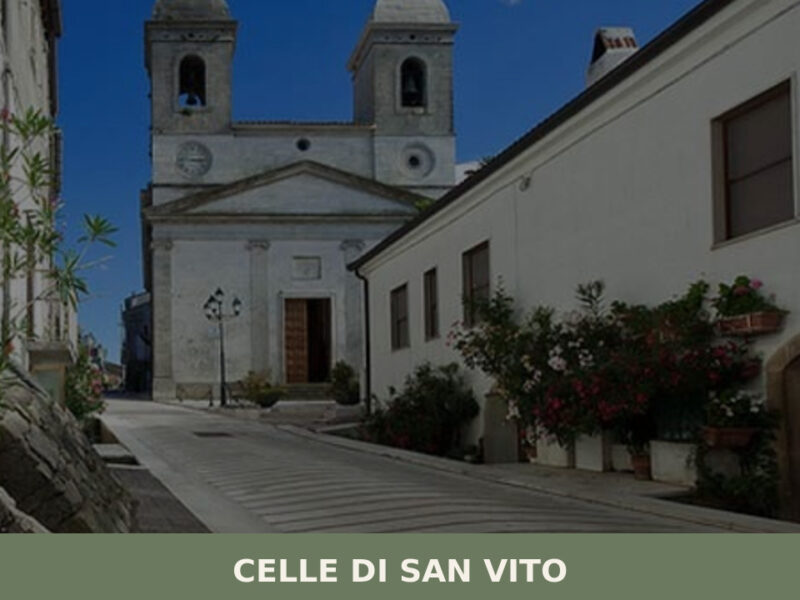
Celle di San Vito
 Mountain
A 148-resident Franco-Provençal enclave at 726 metres in the Daunia sub-Apennines. Discover what to see in Celle di San Vito, from medieval stone lanes to linguistic heritage.

Caprarica di Lecce
Plains
2,250 residents and a living Griko heritage make Caprarica di Lecce a village where language, stone and landscape form a coherent, unbroken identity.
Botrugno
Plains
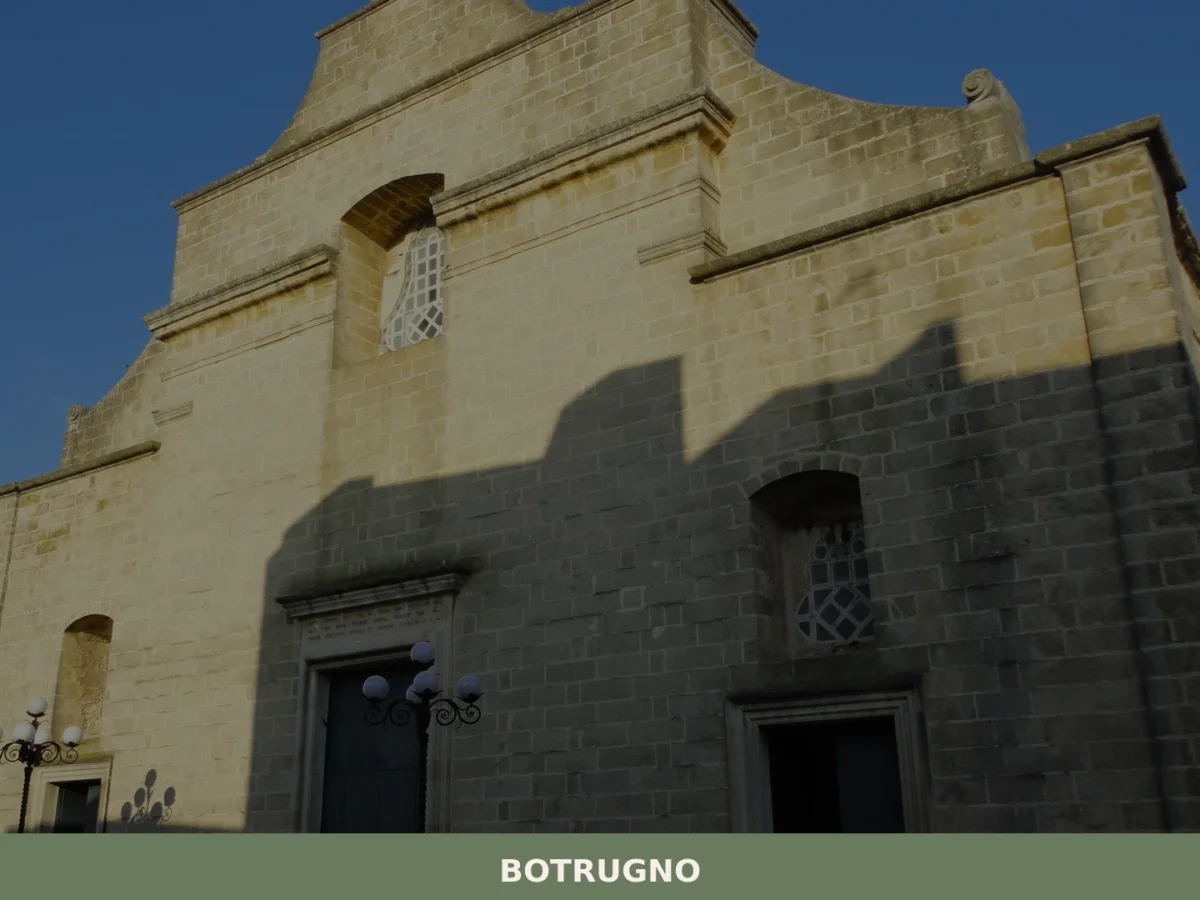
Discover what to see in Botrugno, a Salentine village of 2,556 inhabitants in the Lecce province: churches, olive groves, local food and practical travel tips.
Turi
 Hills
Hills
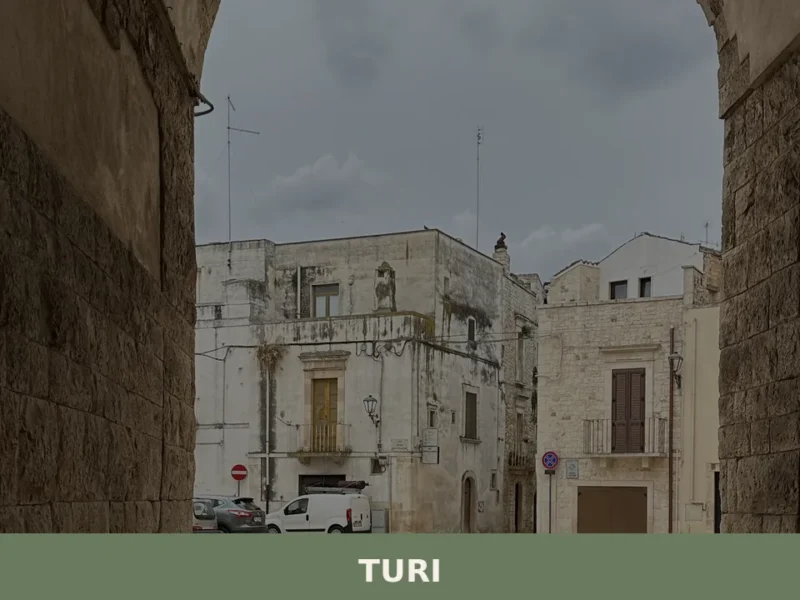
What to see in Turi? Discover 5 attractions, including the Mother Church and Norman Castle. Visit Turi for an unforgettable experience!
Volturino
Mountain
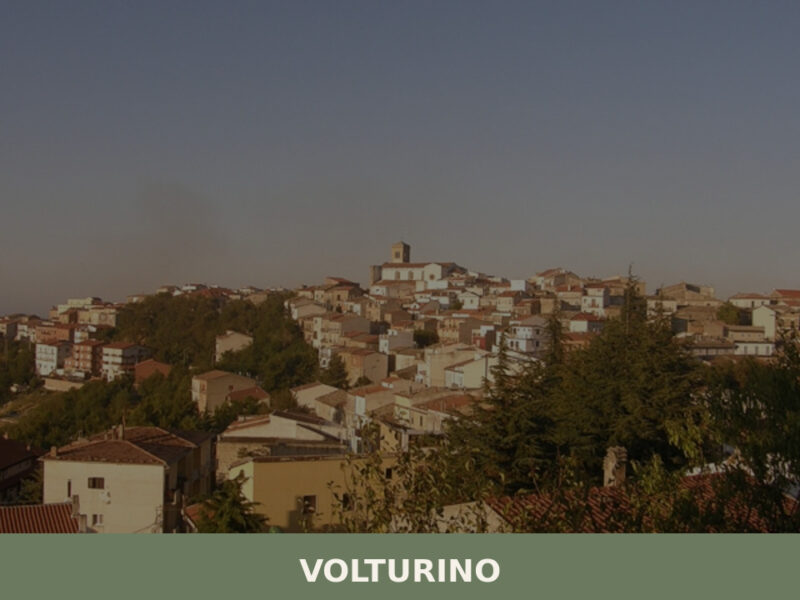
A ridgetop village of 1,554 inhabitants in Puglia's Daunia mountains, Volturino overlooks the Tavoliere plain from 735 metres. Medieval lanes, stone churches, and panoramic silence.
Alberobello
Hills
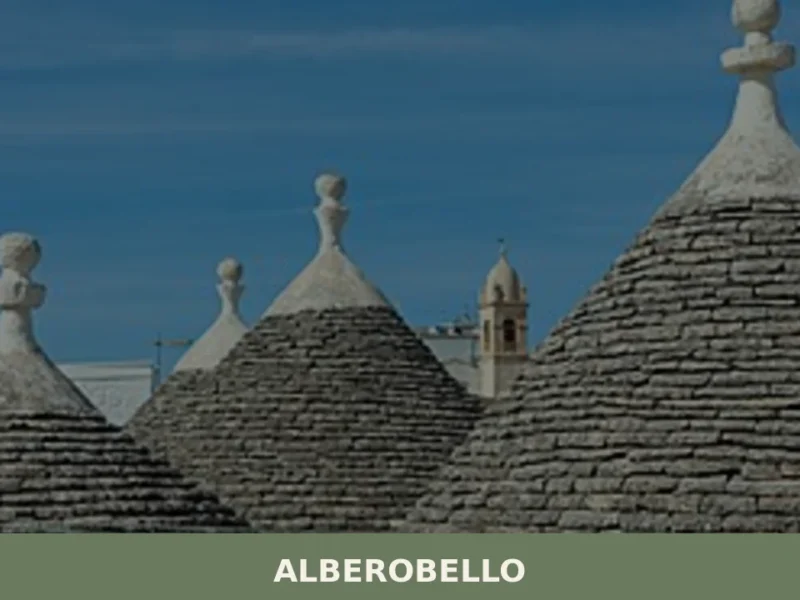
Alberobello, Puglia: Discover UNESCO trulli, Monti & Aia Piccola districts. Explore unique history & traditions. Plan your visit!
Troia
Hills
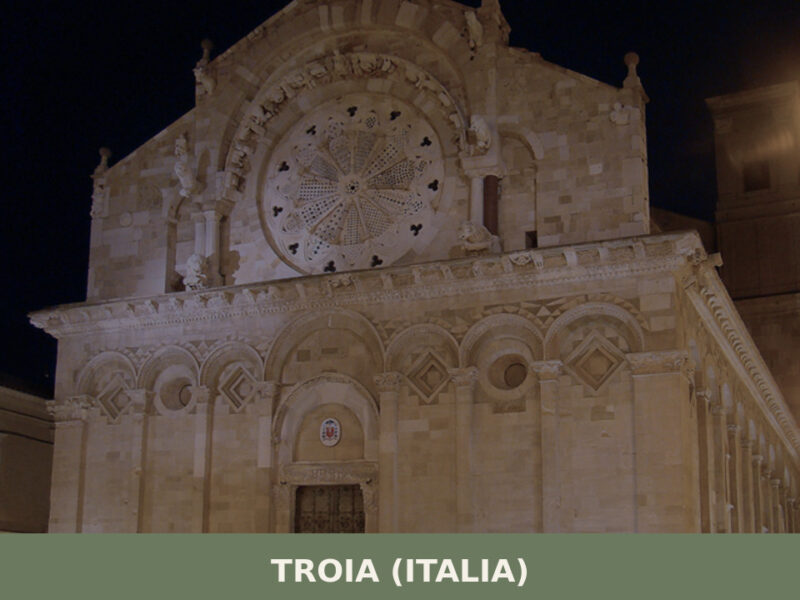
A hillside village of 6,574 people centred on a Romanesque cathedral with bronze doors. Troia anchors the agricultural interior of northern Puglia, far from the coast.
Bovino
Mountain
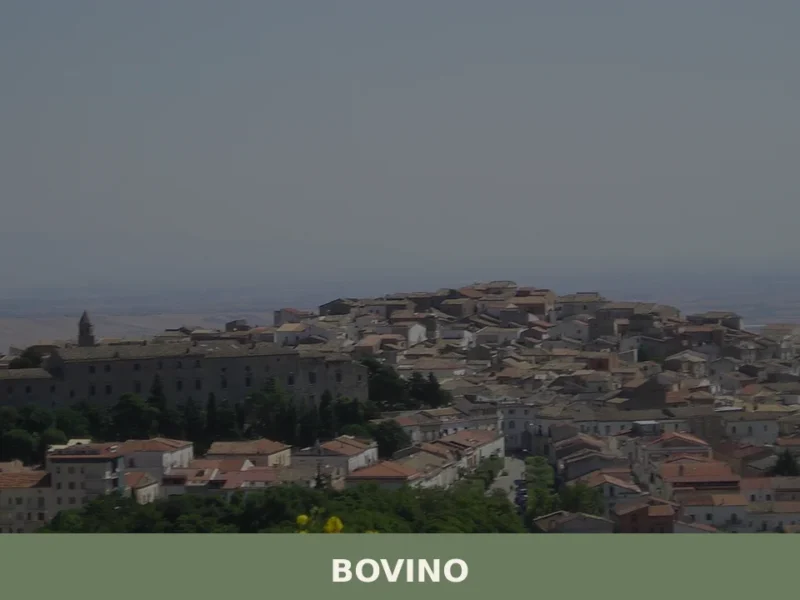
What to See in Bovino: discover 5 must-see attractions and savor the taste of Acquasale. Visit the historic village and the magnificent Ducal Castle.
Giovinazzo
 Sea
Sea
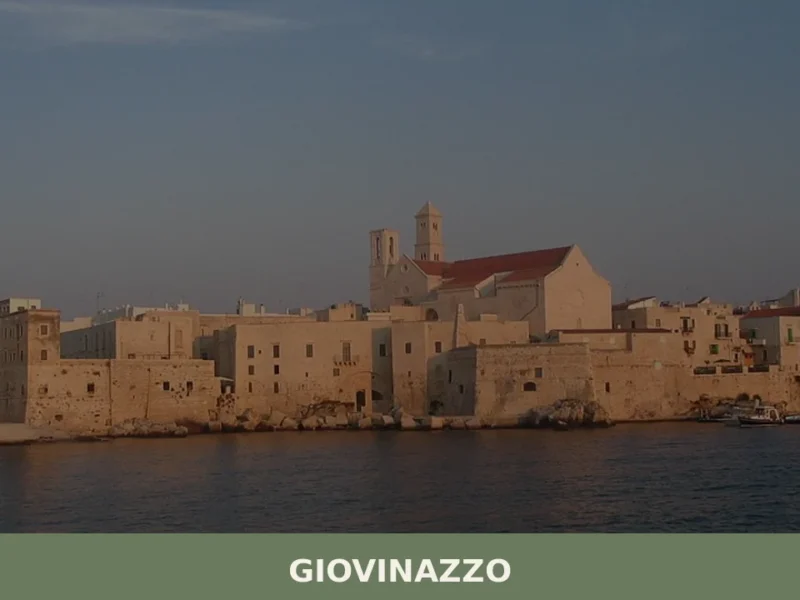
The walls of Giovinazzo’s old port form an irregular semicircle jutting out into the Adriatic Sea, visible from the SS16 state road that runs along the Bari coastline. This small city of 19,366 inhabitants, sitting at just 7 metres above sea level, retains a compact medieval historic centre, still partly surrounded by the original city […]
Polignano a Mare
Sea
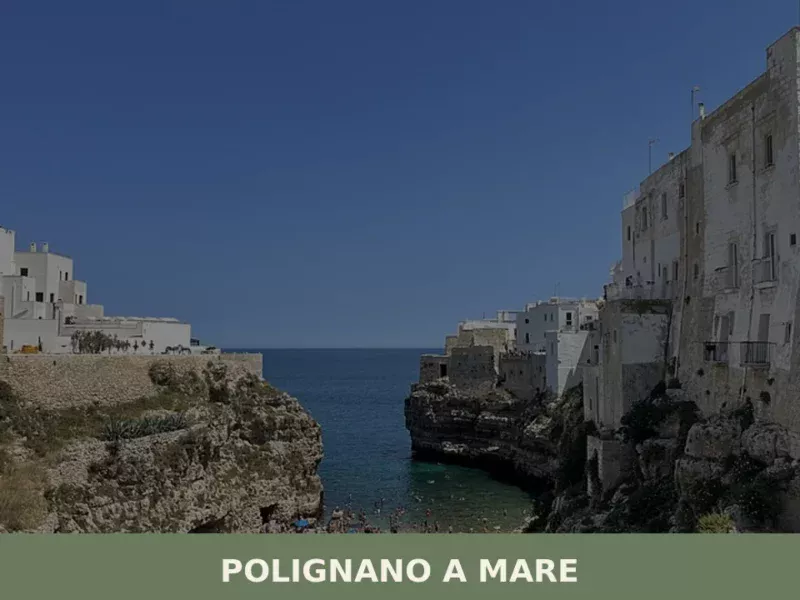
What to see in Polignano a Mare: clifftop town at 24 m, 17,531 residents. Lama Monachile, Grotta Palazzese, PAT Africani. Plan your visit now.


🏡 Know Bitritto better than we do?
If you’re a local or have been there, your knowledge matters: add what’s missing or fix a detail on this page.