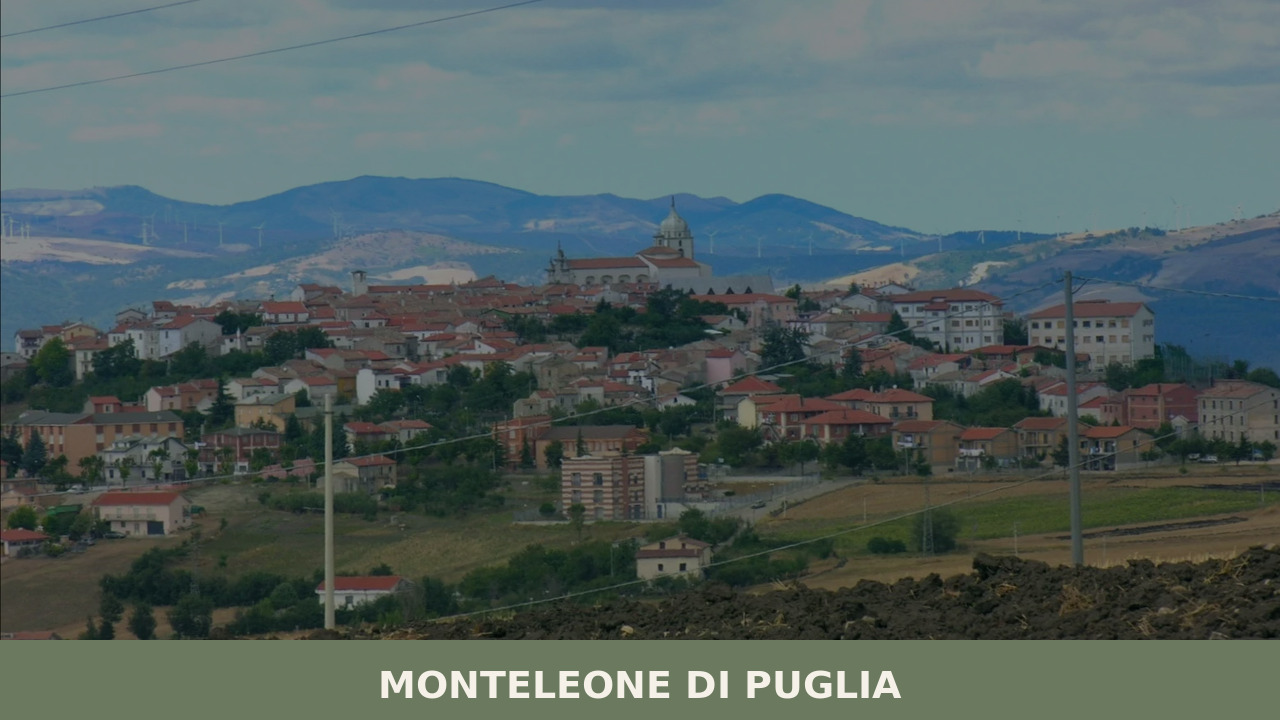
At 842 metres above sea level in the Daunian Sub-Apennines, Monteleone di Puglia is a wind-swept hilltop village of 925 inhabitants with deep medieval roots and wide-open horizons.
At 842 metres above sea level, the wind arrives before you do. It moves through the narrow streets of Monteleone di Puglia with a low, persistent hum, bending the grass on the surrounding hills and carrying the smell of wood smoke from stone chimneys. With just 925 inhabitants, this is one of the highest and most sparsely populated settlements in the province of Foggia — a village where silence has weight. If you are wondering what to see in Monteleone di Puglia, the answer begins with the landscape itself: a wide, unbroken horizon that stretches from the Daunian Sub-Apennines toward the Tavoliere plain below.
The origins of Monteleone di Puglia reach back to the early medieval period, when fortified hilltop settlements across the Daunian Mountains served as defensive positions along the shifting borders between Lombard, Byzantine, and later Norman territories. The name itself — “Monteleone,” or “mountain of the lion” — suggests a feudal heraldic origin, likely tied to the coat of arms of one of the noble families that controlled the area during the Norman-Swabian era. Small fortified villages like this one were strategic points along transhumance routes and trade paths connecting the Apulian lowlands with the interior highlands of Campania.
Under the Kingdom of Naples, Monteleone passed through the hands of several feudal lords, a pattern common across the Capitanata region. The village’s compact, dense urban fabric — stone houses built flush against one another along steep, winding lanes — is a direct inheritance of this medieval layout, designed as much for mutual defence as for protection against the cold winters at altitude. Unlike the agricultural flatland towns to the east, Monteleone’s economy was historically tied to pastoralism and forestry, activities that shaped its culture and calendar.
The 1930 Irpinia earthquake, which devastated much of this border region between Puglia and Campania, damaged several structures in the village and prompted reconstruction efforts that altered parts of the historic centre. Emigration in the twentieth century — particularly to northern Italy, the Americas, and northern Europe — reduced the population dramatically, a demographic trend that continues today. What remains is a village with a remarkably intact sense of place: unhurried, rooted, and marked by a relationship with the land that predates modern borders.
The old quarter is built on a steep gradient, its stone houses stacked tightly along narrow vicoli that follow the contour of the hillside. Many doorways are framed with blocks of local sandstone, worn smooth by centuries of hands. Walking here in the late afternoon, when the low sun cuts horizontal shafts of light between the buildings, reveals the architectural logic of a community built to endure cold, wind, and isolation.
The parish church, dedicated to the patron saint, anchors the village’s spiritual and social life. Its interior preserves altarpieces and devotional statuary accumulated over several centuries — objects of craftsmanship that reflect the modest but persistent faith of a mountain community. The bell tower, visible from the surrounding countryside, serves as the village’s most recognisable vertical landmark against the ridgeline.
From the upper edges of the village, the terrain drops away to reveal a panorama that extends across rolling, treeless hills toward the flat expanse of the Tavoliere delle Puglie. On clear winter days, the visibility can reach extraordinary distances. These viewpoints are not constructed platforms but simply the natural edges of the settlement — places where the road ends and the land begins its long descent.
The hills around Monteleone are crossed by unpaved tracks once used by shepherds moving flocks between seasonal pastures. These paths wind through grasslands and sparse oak woodland, offering a direct encounter with the ecology of the Daunian highlands. Spring brings wildflowers in dense concentrations; autumn turns the oak canopy to amber and rust. The terrain is moderate and accessible on foot without specialist equipment.
The central piazza functions as it has for generations: a gathering point where older residents sit on stone benches in the morning sun and where community events — from patron saint festivals to seasonal markets — unfold against a backdrop of simple, dignified architecture. It is the kind of space where conversation is the primary activity, and time operates on a different scale than in the cities below.
The cuisine of Monteleone di Puglia belongs to the mountain tradition of the Daunian Sub-Apennines rather than the coastal or lowland cooking more commonly associated with Puglia. Dishes here are built around what the altitude and climate permit: cured meats from local pork, handmade pasta shapes dressed with slow-cooked ragù, foraged wild greens, and hard cheeses aged in cool cellars. Lamb — roasted, braised, or grilled over wood — is central to the festive table. Bread, baked in large loaves from durum wheat flour, remains a staple that appears at every meal, sometimes toasted and rubbed with garlic and olive oil.
The surrounding countryside produces small quantities of olive oil, though yields at this altitude are lower than in Puglia’s coastal groves. Local wines tend to be robust, reflecting the cooler growing conditions. Seasonal preserves — sun-dried tomatoes, peppers in oil, fig conserves — fill pantries for the winter months. Dining options in the village are limited to a small number of family-run establishments where menus change with the season and portions reflect the generosity of a community accustomed to feeding people who work outdoors.
At 842 metres, Monteleone di Puglia experiences a climate markedly different from the Puglian coast. Winters are cold, with temperatures frequently dropping below freezing and occasional snowfall that blankets the village and surrounding hills — a sight that can surprise visitors expecting Mediterranean warmth. Summer brings relief from the heat that grips the Tavoliere plain below; temperatures here remain moderate, and the evenings are cool enough to require a jacket. Late spring (May to June) and early autumn (September to October) offer the most comfortable conditions for walking and exploring, with mild days, clear skies, and landscapes at their most vivid.
The village’s patron saint festival, typically held in summer, is the principal annual event — a concentration of processions, communal meals, and music that draws back emigrants and connects the diaspora to the village. Visiting during this period offers an unfiltered view of community life. Outside festival dates, Monteleone is quiet; services are limited, and it is wise to confirm opening hours for any accommodation or dining before arrival. Carry water and layers regardless of the season — the altitude and exposure to wind are constants.
Monteleone di Puglia sits in the western reaches of the province of Foggia, close to the border with Campania. By car, the village is accessible from the A16 motorway (Napoli–Canosa), exiting at Candela or Lacedonia and following provincial roads through the Daunian hills — a drive that takes roughly 30 to 40 minutes from the motorway. From Foggia, the journey covers approximately 70 kilometres and takes around one hour, mostly on secondary roads that wind through the Sub-Apennine landscape.
The nearest railway station with regular service is Foggia, which connects to Bari, Naples, and Rome via Trenitalia’s national network. From Foggia station, reaching Monteleone requires a car or a limited local bus service; check timetables carefully, as frequency is low, particularly on weekends. The closest airports are Bari Karol Wojtyła (approximately 170 km) and Naples Capodichino (approximately 130 km). Renting a car is strongly recommended — public transport connections to small hill villages in this part of Puglia remain sparse, and a vehicle allows the flexibility to explore the wider Daunian territory at your own pace.
The Daunian Sub-Apennines and the northern reaches of Puglia contain a constellation of small villages, each shaped by the same forces of geography, history, and emigration but each distinct in character. A short drive from Monteleone leads to Casalvecchio di Puglia, a settlement with deep roots in the Arbereshë tradition — the Albanian-speaking communities that settled across southern Italy centuries ago. The cultural and linguistic heritage there adds a layer of complexity to the region that is easy to overlook from outside.
Further north, toward the Adriatic coast, Chieuti occupies a different landscape — lower, warmer, closer to the sea — but shares with Monteleone the characteristic of a small community maintaining its identity against the pressures of depopulation and modernisation. Travelling between these villages, on roads that pass through open farmland and over low ridges, provides a sense of the province of Foggia as a territory of quiet transitions: from mountain to plain, from forest to wheat field, from one dialect to the next.
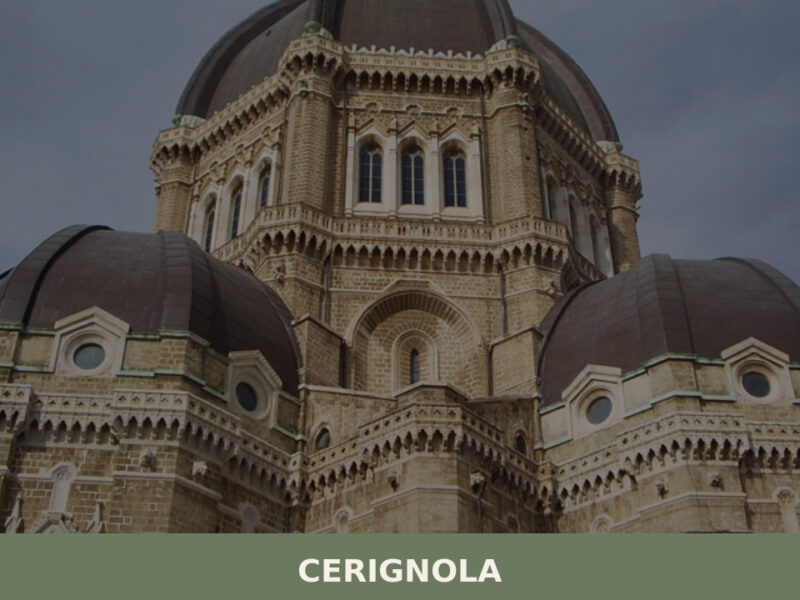
A complete guide to Cerignola in Puglia's Tavoliere plain — its medieval quarter, cathedral, Teutonic tower, renowned olives, and the deep agricultural heritage of the province of Foggia.
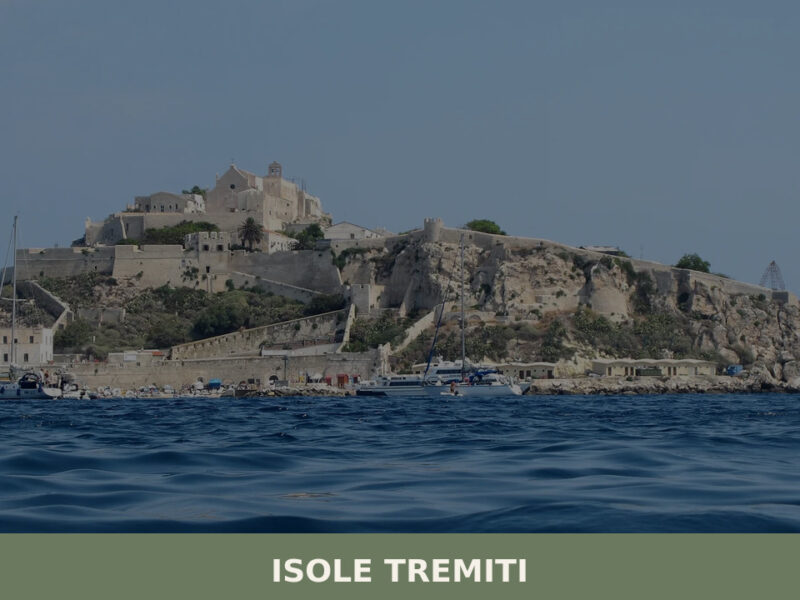
A 481-resident archipelago off Puglia's Gargano coast, the Tremiti Islands compress monastic history, Adriatic wildlife, and sea caves into three inhabited islands.
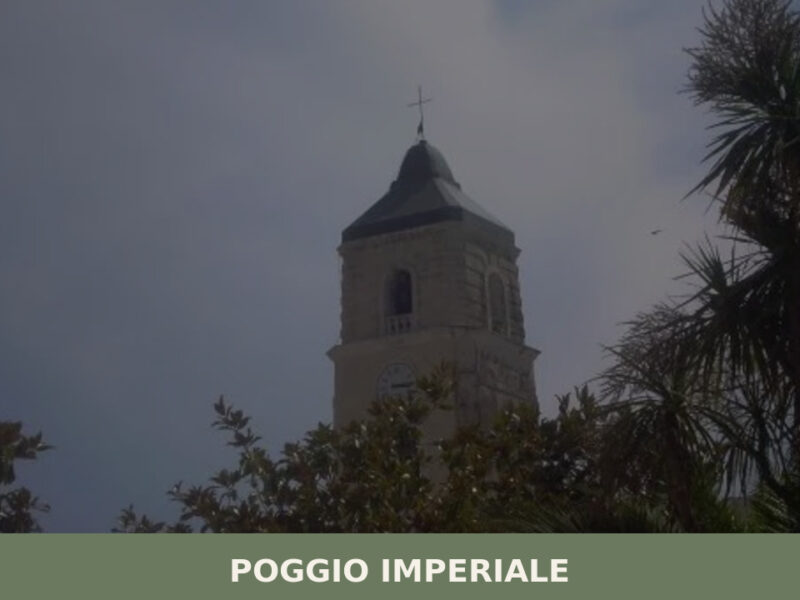
A planned eighteenth-century village on the Tavoliere plain, Poggio Imperiale offers grid-pattern streets, agricultural landscapes, and the unhurried rhythms of northern Puglia.
📝 Incorrect information or updates?
Help us keep the Monteleone di Puglia page accurate and up to date.


