


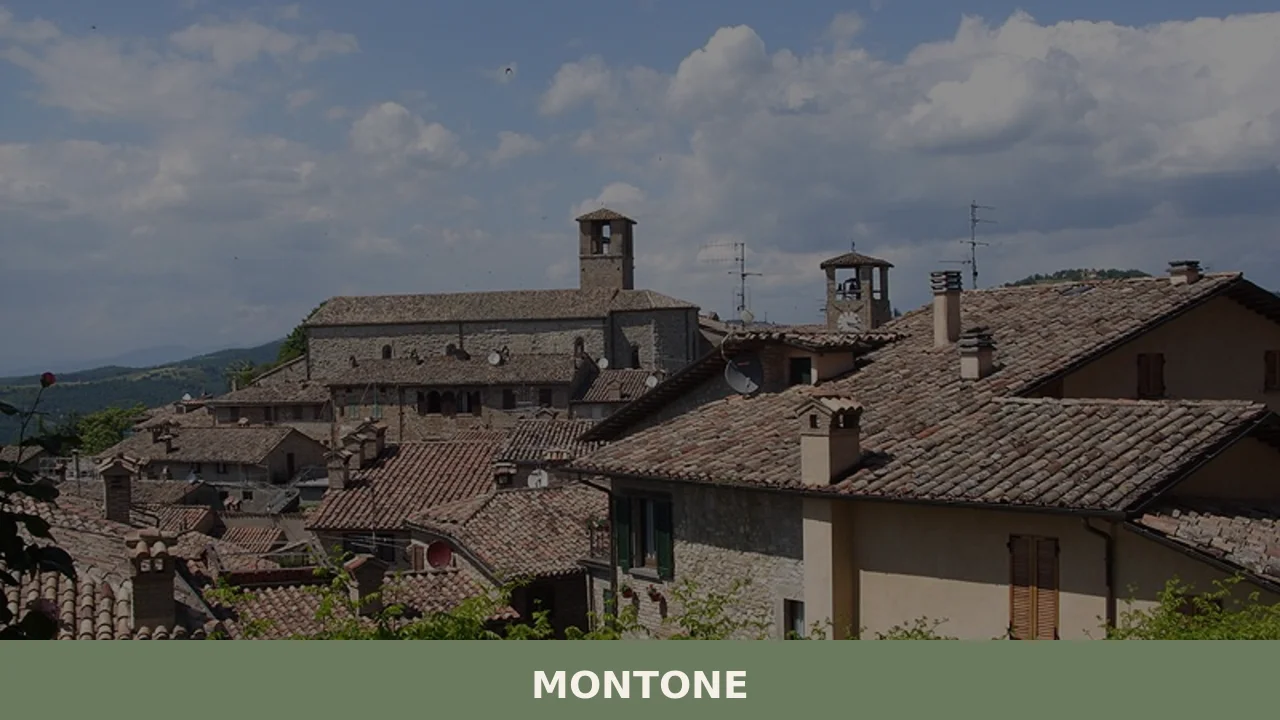
Montone
As the morning sun, still low and soft, begins to trace the contours of the Apennine foothills, a faint chime echoes through the valley. It’s the hourly call from the campanile of Montone, a sound that has marked the passage of time here for centuries. Situated at 482 meters above sea level, this small, walled […]
Discover Montone
As the morning sun, still low and soft, begins to trace the contours of the Apennine foothills, a faint chime echoes through the valley. It’s the hourly call from the campanile of Montone, a sound that has marked the passage of time here for centuries. Situated at 482 meters above sea level, this small, walled settlement in the province of Perugia presents a silhouette against the Umbrian sky, a testament to its enduring past. Walking its narrow, stone-paved lanes, one feels the weight of history in every weathered brick and archway. This is Montone Umbria village, a place where time slows, inviting a deeper connection with the rhythms of rural Italy and its rich heritage.
History of Montone Umbria village
The origins of Montone are deeply rooted in the medieval period, a time when strategic hilltop locations were paramount for defense and control. While the exact etymology of its name is debated, it is often linked to the Italian word for ‘ram’, perhaps alluding to the rugged terrain or an ancient heraldic symbol. The village’s defensive capabilities were enhanced over centuries, culminating in a formidable walled structure that still defines its perimeter today. Its elevated position, offering panoramic views across the Tiber Valley, made it a coveted stronghold, as further detailed on Montone on Wikipedia.
Montone rose to significant prominence in the 14th and 15th centuries, largely due to the powerful Fortebracci family. Andrea Fortebracci, better known as Braccio da Montone, became one of Italy’s most renowned condottieri, or mercenary captains. Born in Montone in 1368, Braccio’s military prowess and ambition saw him control vast territories, including Perugia, and challenge papal authority. His legacy is deeply intertwined with the village’s identity, reflecting a period of intense political maneuvering and martial skill that shaped much of central Italy. The village’s architecture, from its robust walls to its civic buildings, speaks to this heritage of strategic importance and local pride.
What to see in Montone Umbria village: 5 must-visit attractions
The Rocca di Montone (Fortress Remains)
Dominating the highest point of the village, the Rocca di Montone offers a tangible link to its medieval past. Though largely in ruins, the remaining walls and foundations evoke the strategic importance of this fortress. From its elevated position, visitors can survey the surrounding valley, a landscape that once witnessed centuries of conflict and control, providing a powerful sense of the village’s defensive heritage.
Collegiata di Santa Maria
This principal church of Montone is a significant example of religious architecture within the village. Its interiors, though perhaps modest compared to grander cathedrals, house artworks and a quiet reverence reflecting the community’s faith. The Collegiata stands as a focal point of village life, its bell tower a familiar landmark against the sky, inviting contemplation and a glimpse into local devotion.
Convento di San Francesco and Museo Civico
Once a Franciscan monastery, this complex now hosts the Civic Museum, preserving a collection of sacred art and artifacts. The former church of San Francesco, with its elegant cloister, provides an atmospheric setting for the exhibits. Visitors can explore a range of historical items, including works by local artists, offering insights into Montone’s artistic and religious patronage through the centuries.
Palazzo del Podestà
Situated in the heart of the historic centre, the Palazzo del Podestà served as the seat of local government during the medieval period. Its imposing stone facade and architectural details speak to its former civic authority. Today, it remains a central administrative building, embodying the continuity of Montone’s communal life and its enduring role as a hub for local governance and community gatherings.
The Historic Centre and its Alleys
Beyond specific landmarks, the true charm of Montone lies in its meticulously preserved historic centre. A labyrinth of narrow, cobblestone alleys, ancient archways, and small piazzas invites unhurried exploration. Every turn reveals architectural details, hidden courtyards, and unexpected vistas, offering an authentic experience of a medieval Umbrian village where history feels palpable beneath one’s feet.
Local food and typical products
Umbrian cuisine, and by extension that of Montone, is characterized by its robust flavours and reliance on local, seasonal ingredients. The surrounding hills provide an abundance of wild game, particularly boar and game birds, which feature prominently in hearty stews and pasta sauces. Truffles, both black and white, are a prized regional specialty, shaved generously over pasta dishes or incorporated into local cheeses and cured meats. High-quality extra virgin olive oil, often from small, family-run presses, is fundamental to every meal, imparting a distinct peppery finish.
Beyond the main dishes, visitors can discover local legumes, such as lentils from Castelluccio, and a variety of artisanal cured meats like “norcineria” products. Local wineries produce excellent reds and whites, complementing the rich food. While Montone itself has a modest culinary scene, a few trattorias and osterias within the village and its immediate surroundings offer authentic Umbrian fare, showcasing the region’s commitment to traditional, unpretentious cooking.
Best time to visit Montone
Montone, like much of Umbria, enjoys a climate that makes it appealing across several seasons. Spring (April-May) and autumn (September-October) are arguably the most pleasant times to visit. The air is crisp, the landscape verdant with wildflowers in spring or ablaze with autumnal colours, and temperatures are mild, ideal for exploring the village and surrounding countryside on foot. These periods also see fewer crowds than the peak summer months, allowing for a more intimate experience.
Summer (June-August) brings warmer temperatures, often hot in July and August, but the evenings can be cooler due to the village’s elevation. This season is vibrant with local festivals; Montone is notably home to the Umbria Film Festival, which attracts international filmmakers and cinephiles, transforming the village into a lively cultural hub. Winter (November-March) offers a quieter, often misty atmosphere, with cooler temperatures, and a chance to experience the village’s medieval charm in a more contemplative setting, perhaps by a roaring fireplace in a local eatery.
How to get to Montone
Reaching Montone typically involves a combination of air travel and road transport. The nearest airport is Perugia San Francesco d’Assisi Airport (PEG), approximately 35 kilometres south, offering connections to a few European cities. Alternatively, larger international airports such as Florence (FLR) or Rome Fiumicino (FCO) are within a 2-3 hour drive, providing broader flight options.
By car, Montone is easily accessible via the E45 superstrada, a major artery through Umbria. Take the Montone exit and follow local signage. Driving is often the most convenient way to explore Umbria’s villages. For those relying on public transport, train services connect to major cities like Perugia or Città di Castello, from where local bus services or taxis can complete the journey to Montone, though schedules may require careful planning. More information can be found on the official municipality site.
More villages to discover in Umbria
The region of Umbria, often referred to as the “Green Heart of Italy,” is dotted with numerous historic villages, each offering its own unique narrative and charm. After experiencing the fortified elegance of Montone, the rolling hills of the Upper Tiber Valley invite further exploration. Just a short distance away lies Monte Santa Maria Tiberina, another ancient settlement perched atop a hill, known for its powerful marquisate and pristine natural surroundings, offering a contrasting yet equally compelling glimpse into Umbrian history.
Venturing further into the diverse landscapes of Umbria reveals even more hidden gems. Towards the central-eastern part of the region, nestled within the Valnerina, one can discover Cerreto di Spoleto. This village, with its rich medieval heritage and proximity to the Sibilline Mountains, provides a different perspective on Umbrian life, characterized by its traditional crafts and a strong connection to the surrounding natural parks. Exploring these diverse communities, easily planned via Umbria Tourism, truly unveils the multifaceted character of this captivating Italian region.
In Umbria More villages to discover
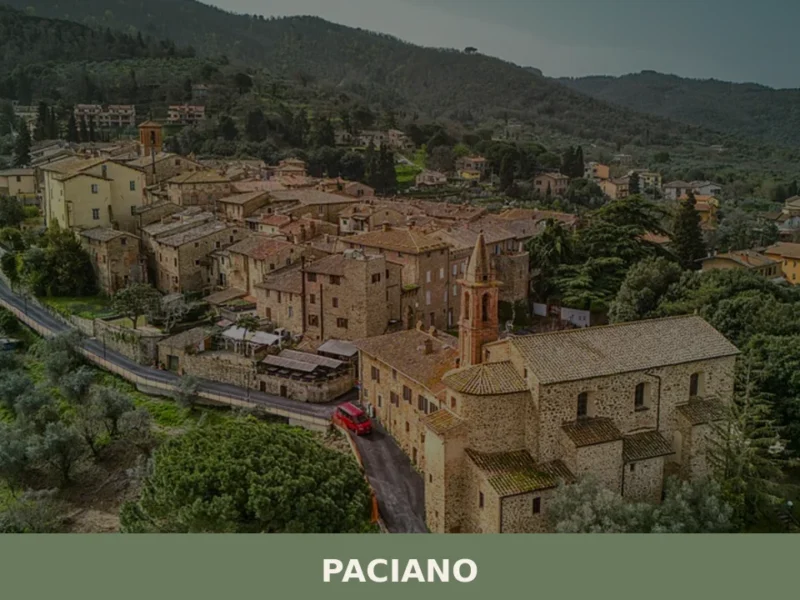
Paciano
As the early morning mist begins to lift from the rolling hills, a faint scent of woodsmoke and damp earth hangs in the air. The first rays of sunlight strike the ancient stone of Paciano, illuminating a quiet street where a lone figure sweeps the flagstones outside a modest doorway. Here, life unfolds with a […]
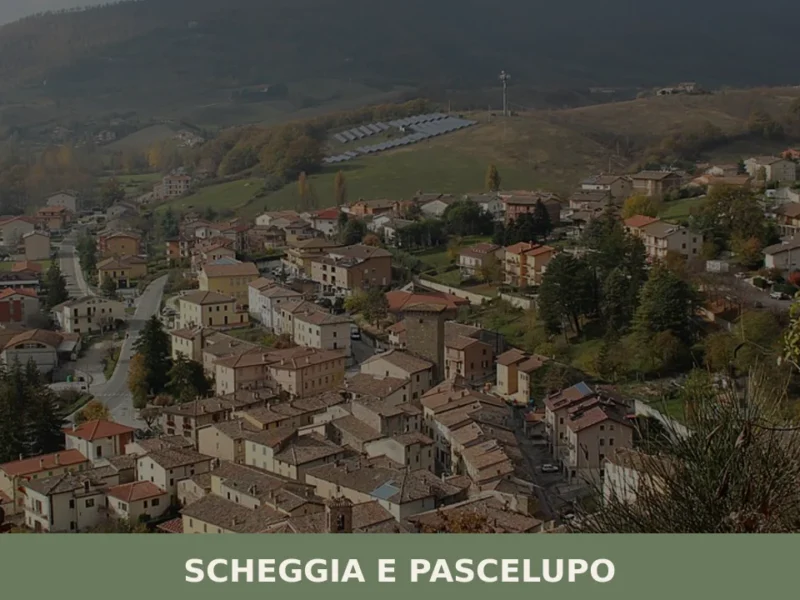
Scheggia e Pascelupo
Scheggia e Pascelupo sits at 580 metres above sea level along the ancient Via Flaminia, the Roman consular road that connected Rome to Rimini from 220 BC. The municipality, formed by merging two distinct settlements in 1879, counts 1,232 inhabitants across a territory of deep gorges and limestone ridges in the province of Perugia. For […]
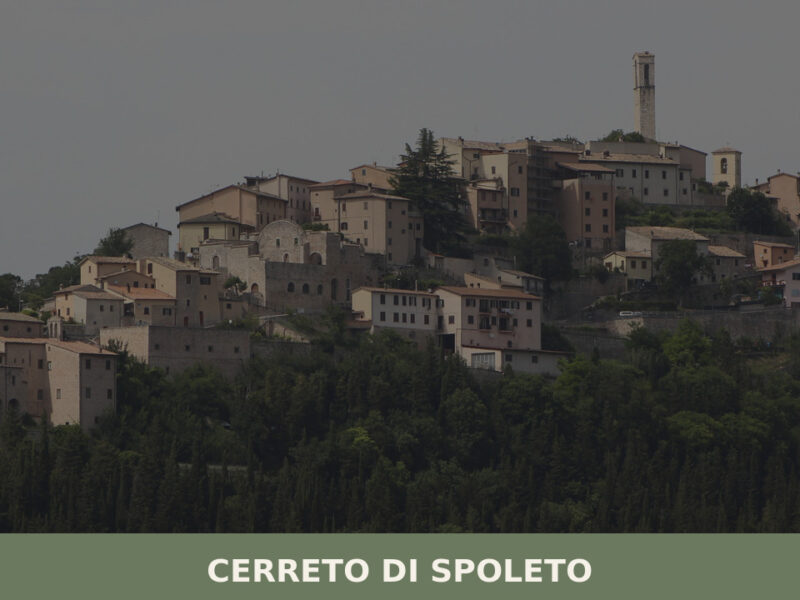
Cerreto di Spoleto
A ridge-top village of 975 inhabitants in the Valnerina, Cerreto di Spoleto holds medieval streets, scattered hamlets, and a centuries-old tradition of itinerant herbalists.





📝 Incorrect information or updates?
Help us keep the Montone page accurate and up to date.