


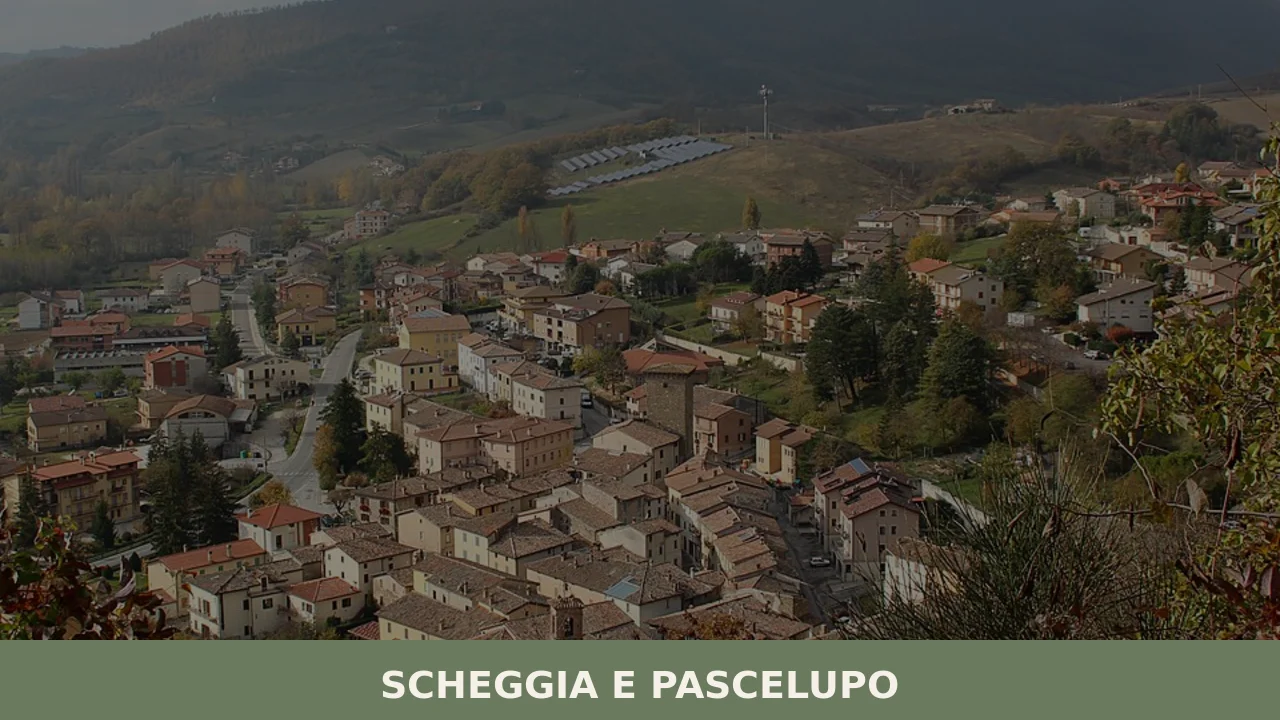
Scheggia e Pascelupo
 Hills
Hills
Scheggia e Pascelupo sits at 580 metres above sea level along the ancient Via Flaminia, the Roman consular road that connected Rome to Rimini from 220 BC. The municipality, formed by merging two distinct settlements in 1879, counts 1,232 inhabitants across a territory of deep gorges and limestone ridges in the province of Perugia. For […]
Discover Scheggia e Pascelupo
Scheggia e Pascelupo sits at 580 metres above sea level along the ancient Via Flaminia, the Roman consular road that connected Rome to Rimini from 220 BC. The municipality, formed by merging two distinct settlements in 1879, counts 1,232 inhabitants across a territory of deep gorges and limestone ridges in the province of Perugia. For anyone researching what to see in Scheggia e Pascelupo, the answer begins with that Roman road and extends through layers of medieval stone, Benedictine faith, and Apennine wilderness that few visitors to Umbria ever encounter.
History of Scheggia e Pascelupo
The name Scheggia derives from the Latin ad Hensem, later corrupted to Schizza and eventually Scheggia, referring to a narrow passage — a splinter-like gap in the rock where the Via Flaminia squeezed between mountain walls. Pascelupo, the smaller settlement to the southwest, takes its name from pascuum lupi, literally “pasture of the wolf,” a direct reference to the Apennine wolves that once roamed — and still inhabit — these mountains. The two communities existed independently for centuries before administrative consolidation under the Kingdom of Italy.
Roman engineers carved tunnels and bridges along this stretch of the Flaminia to maintain the critical link between the Tiber valley and the Adriatic coast. The so-called Tunnel of the Intercisa, a passage cut through solid rock during the reign of Emperor Vespasian in the first century AD, remains visible near the village. During the Gothic War of the sixth century, the Byzantine general Narses marched through this corridor to confront the Ostrogoth king Totila at the Battle of Taginae in 552 AD, fought in the plains just north of Scheggia — one of the decisive engagements that ended Ostrogothic rule in Italy.
Through the medieval period, both Scheggia and Pascelupo fell under the influence of the Duchy of Spoleto, then passed to the Papal States. Benedictine monasticism marked the territory deeply: the Abbey of Santa Maria di Sitria, founded around the year 1000 by Saint Romuald, established a centre of monastic reform that influenced religious orders across central Italy. The area endured repeated earthquakes, including the devastating 1997 Umbria-Marche sequence that damaged several historic structures and prompted extensive restoration work.
What to See in Scheggia e Pascelupo: 5 Key Attractions
1. Abbey of Santa Maria di Sitria
Founded by Saint Romuald around 1000 AD in the dense forest of Monte Cucco’s slopes, this Romanesque abbey retains its original single-nave structure with a raised presbytery over a crypt supported by recycled Roman columns. The stone walls, built without ornament, reflect Romualdian austerity. The crypt’s low vaulted ceiling and rough-hewn capitals predate most comparable Umbrian examples. The abbey still functions as a place of worship.
2. The Roman Tunnel of the Intercisa
Cut through limestone bedrock during the Flavian dynasty (first century AD), this passage allowed the Via Flaminia to bypass an impassable cliff face. The tunnel stretches approximately 8 metres in length with visible chisel marks on its walls. It sits within walking distance of Scheggia’s centre, a functional piece of Roman civil engineering still legible in the landscape after nearly two millennia.
3. Monte Cucco Regional Park
The 10,480-hectare park encompasses Monte Cucco (1,566 m), one of the highest peaks in the Umbrian Apennines. Its karst geology has produced a cave system — the Grotta di Monte Cucco — explored to a depth of over 900 metres, making it one of Italy’s deepest. The park supports free-flight activities from the summit ridge, and its beech forests shelter wild boar, roe deer, and golden eagles.
4. Grotta di Monte Cucco
Explored systematically since the 1880s, this cave system extends more than 35 kilometres of mapped passages reaching 922 metres below the surface. Guided speleological tours allow access to the upper galleries, where calcite formations, underground lakes, and fossil-bearing strata document millions of years of geological activity. Visits require booking through the park authority and appropriate footwear.
5. Church of Saints Peter and Paul (Pascelupo)
The parish church in Pascelupo preserves a fourteenth-century structure with later modifications following earthquake damage. Inside, fragmentary frescoes attributed to the Umbrian school survive on the nave walls. The bell tower, rebuilt after the 1997 seismic events, incorporates original medieval stonework at its base. Pascelupo’s compact layout around this church retains the spatial logic of a fortified medieval hamlet.
Local Food and Typical Products
The territory around Scheggia e Pascelupo produces the black truffle of Norcia (Tartufo Nero Pregiato), harvested from November through March in the oak and beech woodlands of Monte Cucco. Local restaurants serve it shaved over handmade strangozzi pasta or folded into egg-based frittate. The Crescia di Pasqua, a savoury cheese bread baked for Easter, remains a household staple. Wild boar ragù, prepared with slow-cooked meat from animals hunted in the park, appears on menus throughout the autumn and winter months.
Small-scale producers in the area raise sheep for pecorino cheese and cultivate lentils and farro (emmer wheat) on the higher-altitude terraces. Honey production — chestnut and wildflower varieties — benefits from the park’s biodiversity. Dining options concentrate in Scheggia’s centre and along the road to Costacciaro, where agriturismi (farm-stay restaurants) serve fixed menus based on seasonal availability. Expect substantial portions, limited choices, and ingredients sourced within a few kilometres of the kitchen.
Best Time to Visit Scheggia e Pascelupo
Late spring (May to mid-June) brings wildflower blooms across Monte Cucco’s meadows and comfortable temperatures for hiking, with daytime highs around 18-22°C at village altitude. Autumn, particularly October and November, offers truffle season, reduced visitor numbers, and the beech forests turning copper and amber across the mountain slopes. The village hosts a truffle festival in the late autumn months, drawing producers and buyers from across Umbria.
Winter temperatures regularly drop below freezing, and snowfall covers Monte Cucco’s upper elevations from December through February, creating conditions for cross-country skiing on marked trails. Summer is warm but significantly cooler than the Umbrian lowlands — a practical advantage when Perugia and the Tiber valley push past 35°C. The cave system maintains a constant internal temperature near 7°C year-round, making it a reasonable destination regardless of season. Note that some agriturismi close between January and March.
How to Get to Scheggia e Pascelupo
By car, Scheggia e Pascelupo is reached via the E45 (Strada di Grande Comunicazione Perugia-Cesena), exiting at Scheggia. The village lies approximately 55 kilometres north of Perugia, a drive of roughly 50 minutes. From Rome, the distance is about 210 kilometres (approximately 2 hours 30 minutes via the E45). From Ancona on the Adriatic coast, the drive covers around 120 kilometres through the Apennine passes.
The nearest railway station is Fossato di Vico, on the Foligno-Ancona line, about 15 kilometres south. From there, local bus connections or a taxi are required to reach Scheggia. The closest airports are Perugia San Francesco d’Assisi (about 60 km) and Ancona Falconara (about 115 km). Rome Fiumicino, the region’s primary international hub, lies roughly 250 kilometres to the south. A car is effectively necessary for exploring the wider territory, including Monte Cucco park and surrounding villages.
More Villages to Discover in Umbria
West of Scheggia, the upper Tiber valley opens into rolling agricultural land where Montone rises on a fortified hilltop above the confluence of the Carpina and Tiber rivers. This walled village, once the stronghold of the condottiero Braccio Fortebracci in the fifteenth century, offers a useful counterpoint to Scheggia’s mountain character — its architecture is distinctly urban-medieval, its views oriented toward the broad valley rather than Apennine gorges. The two villages lie about 45 kilometres apart but occupy entirely different landscapes.
Further south, near Lake Trasimeno, Paciano presents yet another variation on the Umbrian village: a compact medieval settlement surrounded by olive groves at the boundary between Umbria and Tuscany. Together, Scheggia e Pascelupo, Montone, and Paciano illustrate the geographic and cultural range contained within a single province — from limestone peaks and Roman tunnels in the east to lakeside olive cultivation in the west, all within Perugia’s administrative borders.
Frequently asked questions about Scheggia e Pascelupo
What is the best time to visit Scheggia e Pascelupo?
The best time to visit Scheggia e Pascelupo is late spring (May to mid-June) for comfortable hiking temperatures (18-22°C) and blooming wildflowers across Monte Cucco. Autumn (October-November) is ideal for truffle season, vibrant fall foliage, and fewer crowds, with a local truffle festival. Winter offers cross-country skiing on Monte Cucco's snow-covered trails, while summer provides a cooler escape from the Umbrian lowlands. The Grotta di Monte Cucco maintains a constant 7°C year-round. The village celebrates its patron saints, San Paterniano and San Bernardino da Siena, though specific feast dates are not listed.
What are the historical origins of Scheggia e Pascelupo?
Scheggia e Pascelupo's history is deeply rooted in the ancient Via Flaminia, a Roman consular road from 220 BC, evidenced by engineering marvels like the Tunnel of the Intercisa. The region witnessed pivotal events like the Gothic War's Battle of Taginae. Medieval influence came from Benedictine monasticism, notably the Abbey of Santa Maria di Sitria, founded by Saint Romuald around 1000 AD. The two settlements, Scheggia (from 'splinter-like gap') and Pascelupo ('pasture of the wolf'), merged in 1879, enduring seismic activity including the 1997 Umbria-Marche earthquake.
What to see in Scheggia e Pascelupo? Main monuments and landmarks
Key attractions in Scheggia e Pascelupo include the Romanesque Abbey of Santa Maria di Sitria, founded by Saint Romuald, featuring a crypt with recycled Roman columns. Don't miss the Roman Tunnel of the Intercisa, a first-century AD passage carved through rock for the Via Flaminia, easily accessible from Scheggia. Explore the Monte Cucco Regional Park, home to the deep Grotta di Monte Cucco, offering guided speleological tours (booking required). In Pascelupo, visit the Church of Saints Peter and Paul, a 14th-century structure with fragmentary Umbrian frescoes.
What are the main natural or scenic attractions of Scheggia e Pascelupo?
The primary natural attraction is Monte Cucco Regional Park, a vast 10,480-hectare area encompassing Monte Cucco (1,566 m), one of Umbria's highest peaks. Its karst geology hosts the Grotta di Monte Cucco, an extensive cave system reaching over 900 meters deep. The park features deep gorges, limestone ridges, and dense beech forests, providing habitat for wild boar, roe deer, and golden eagles. Wildflower blooms adorn the meadows in spring, and the autumn foliage offers spectacular views across the Apennine landscape.
Where to take the best photos in Scheggia e Pascelupo?
For memorable photos, capture the dramatic landscapes of Monte Cucco Regional Park, particularly the deep gorges and limestone ridges that characterize the area. The dense beech forests offer stunning autumnal colours, while spring brings vibrant wildflower meadows. The ancient Roman Tunnel of the Intercisa provides a unique historical backdrop. In Pascelupo, the compact medieval layout around the Church of Saints Peter and Paul offers picturesque views of a traditional fortified hamlet. Scenic viewpoints along the winding roads offer panoramic vistas of the Umbrian Apennines.
Are there museums, churches or historic buildings to visit in Scheggia e Pascelupo?
Scheggia e Pascelupo offers several significant historic buildings. The Abbey of Santa Maria di Sitria, a Romanesque structure founded around 1000 AD, is notable for its austere design, single-nave layout, and a crypt supported by Roman columns. In Pascelupo, the Church of Saints Peter and Paul preserves a 14th-century structure with surviving fragmentary frescoes from the Umbrian school. The Roman Tunnel of the Intercisa, a first-century AD engineering marvel, is also a fascinating historical site to visit, showcasing ancient Roman ingenuity.
What can you do in Scheggia e Pascelupo? Activities and experiences
Activities in Scheggia e Pascelupo cater to nature lovers and history enthusiasts. Explore Monte Cucco Regional Park through hiking on its numerous trails, or try free-flight activities from the summit ridge. Embark on a guided speleological tour of the Grotta di Monte Cucco, one of Italy's deepest cave systems (booking essential). Discover ancient Roman history by walking along sections of the Via Flaminia and visiting the Tunnel of the Intercisa. Enjoy local culinary experiences, especially during autumn truffle season, with agriturismi serving traditional Umbrian dishes.
Who is Scheggia e Pascelupo suitable for? Families, couples, hikers, solo travelers?
Scheggia e Pascelupo is ideal for hikers, nature enthusiasts, and history buffs seeking an authentic Umbrian experience off the beaten path. Its appeal extends to adventurers interested in caving (Grotta di Monte Cucco) and free-flight. Foodies will appreciate the local truffle season and traditional Apennine cuisine. Families can enjoy the Monte Cucco Regional Park, while couples and solo travelers will find tranquility amidst stunning natural landscapes and ancient Roman and medieval heritage. It's perfect for those desiring a cooler climate in summer and a snowy escape in winter.
What to eat in Scheggia e Pascelupo? Local products and specialties
The local gastronomy of Scheggia e Pascelupo is renowned for the exquisite black truffle of Norcia (Tartufo Nero Pregiato), harvested from November to March, served with strangozzi pasta or in frittate. A cherished seasonal specialty is Crescia di Pasqua, a savory cheese bread traditionally baked for Easter. Hearty wild boar ragù, prepared with local game, is a staple during colder months. The area also produces artisanal pecorino cheese, lentils, farro (emmer wheat), and diverse honey varieties, including chestnut and wildflower honey from Monte Cucco's biodiversity.
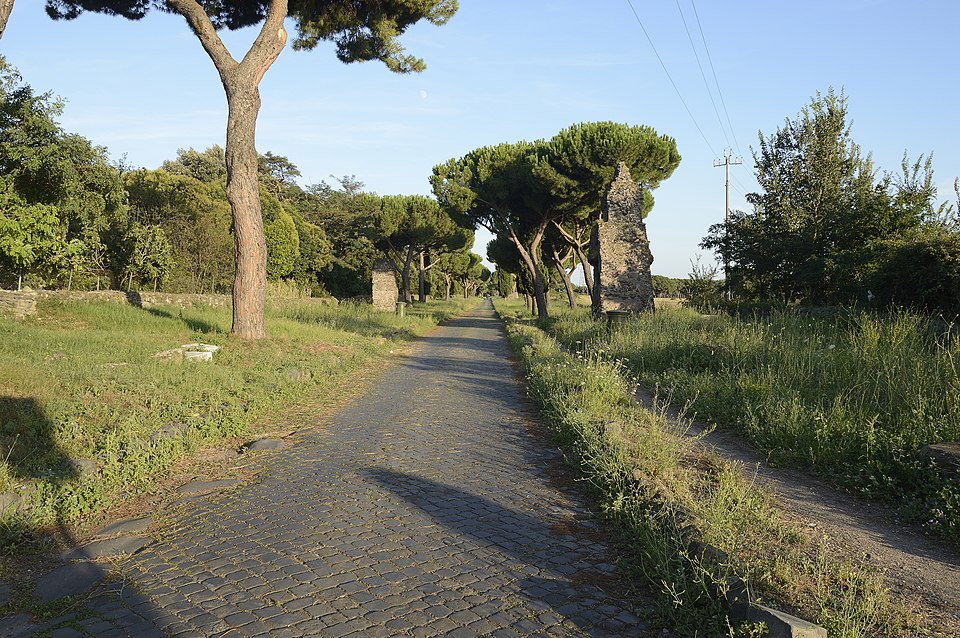
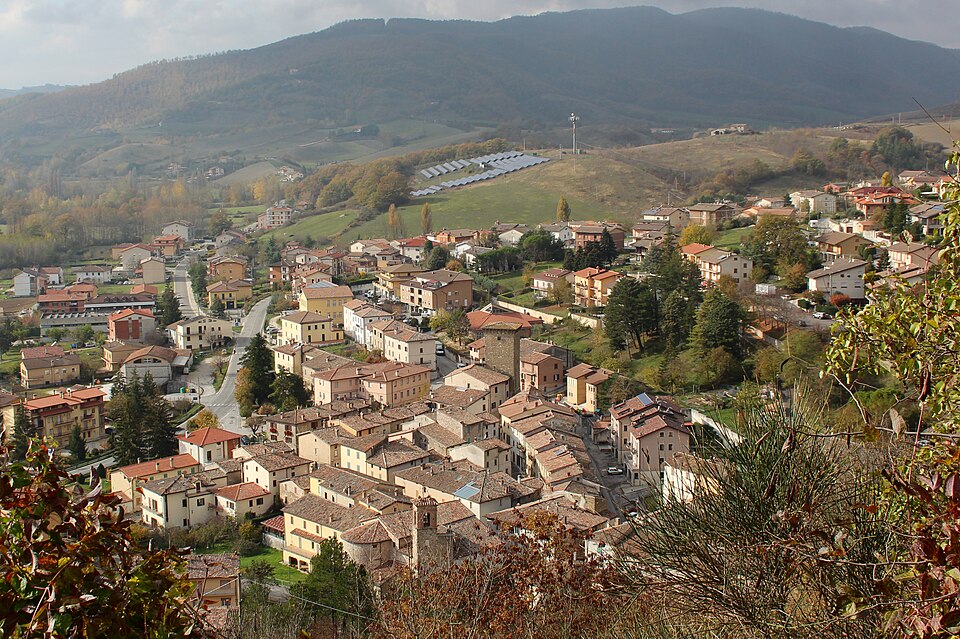
📷 Photo Gallery — Scheggia e Pascelupo

Nearby Villages near Scheggia e Pascelupo
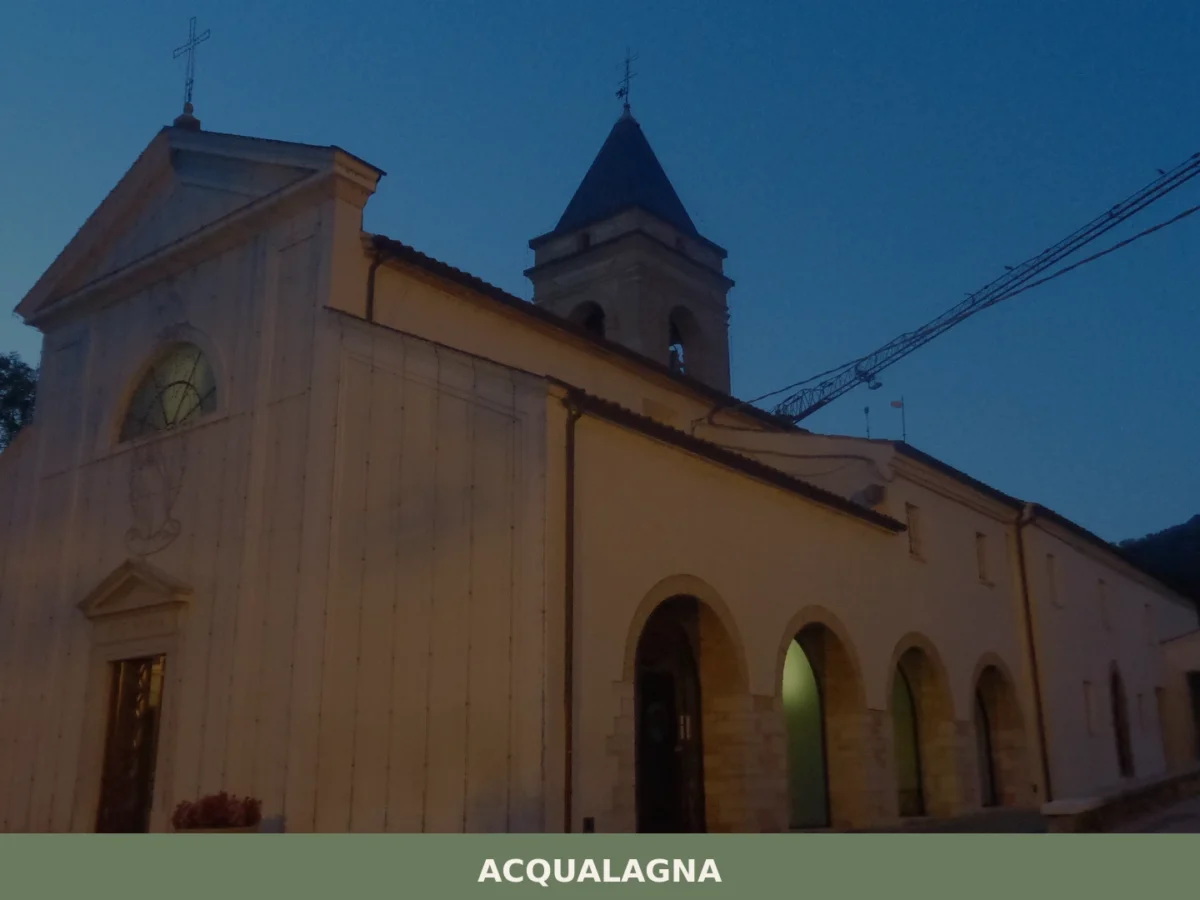

In Umbria More villages to discover
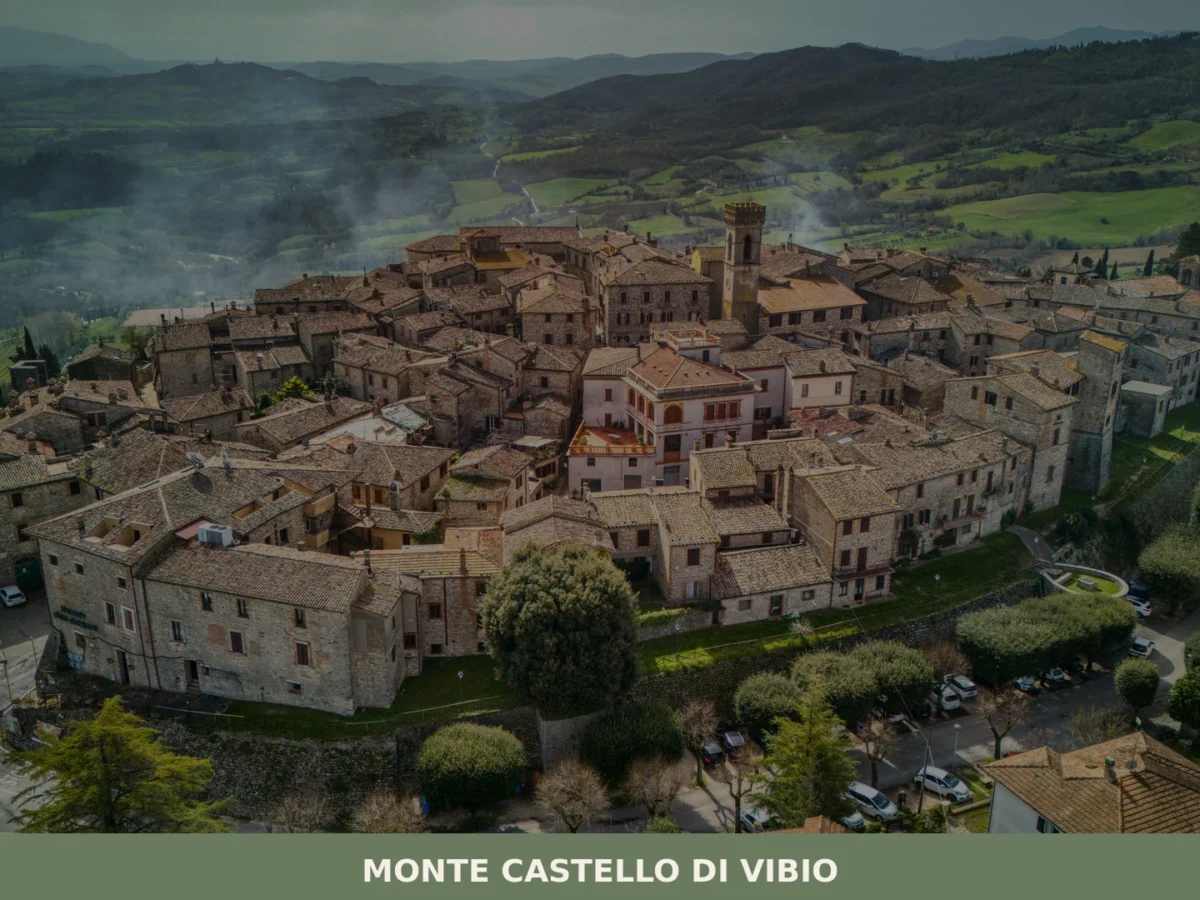
Monte Castello di Vibio
Hills
Monte Castello di Vibio holds the world's smallest theatre and an intact medieval centre above the Tiber valley. A complete guide to its history, attractions, and local food.
Citerna
Hills
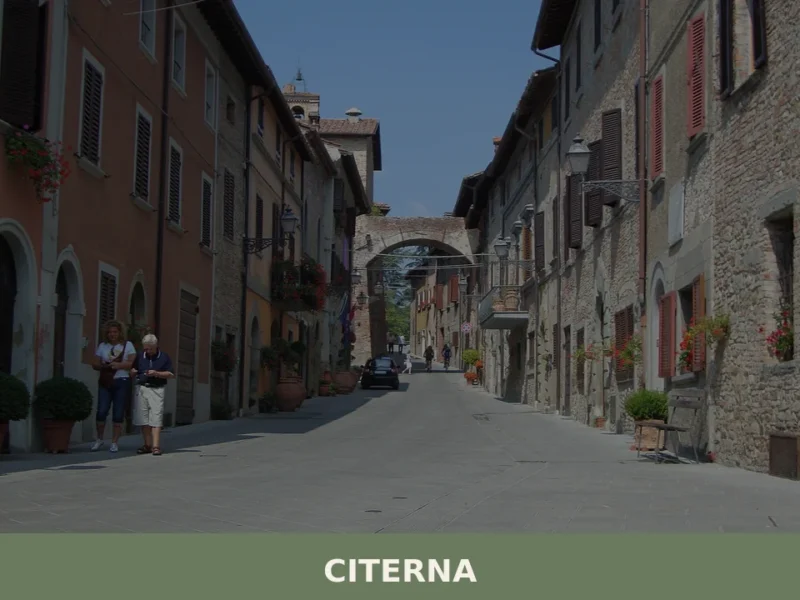
What to see in Citerna, Umbria, Italy: explore 5 top attractions, a Donatello terracotta, and the medieval walls at 480 m. Discover the full travel guide.
Costacciaro
Hills
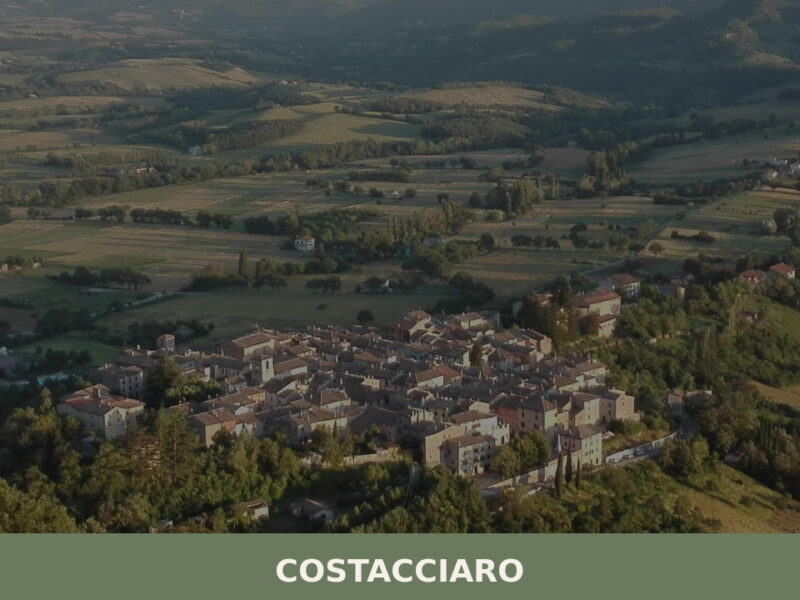
Morning light reaches Costacciaro slowly, filtered through the mass of Monte Cucco before it spills across stone facades and narrow lanes still damp from overnight mountain air. At 1,280 inhabitants, this is a village measured not in monuments but in texture — the grain of limestone walls, the sound of water channelled from karst springs, […]
Cascia
 Mountain
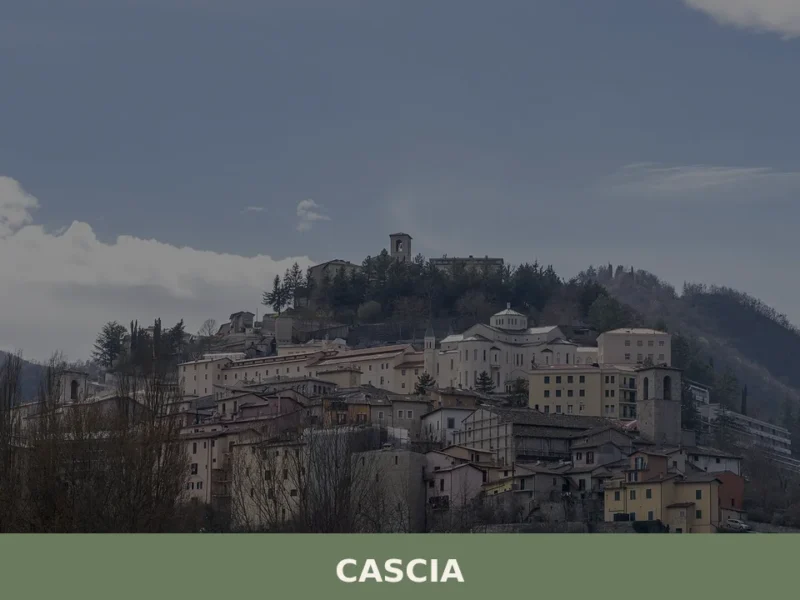
What to see in Cascia, Umbria, Italy: explore the Basilica of Santa Rita, medieval churches, and local truffles at 653 m altitude. Discover the full travel guide.
Assisi
Hills
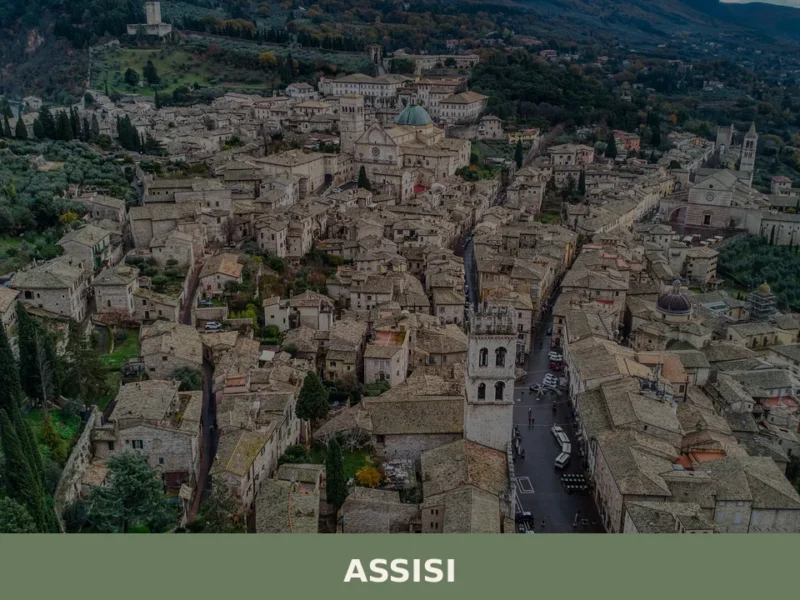
What to see in Assisi, Umbria, Italy: explore the UNESCO Basilica of San Francesco, Rocca Maggiore, and 27,721-inhabitant hilltop town. Discover festivals and travel tips.
Terni
 Lake
Lake
 Plains
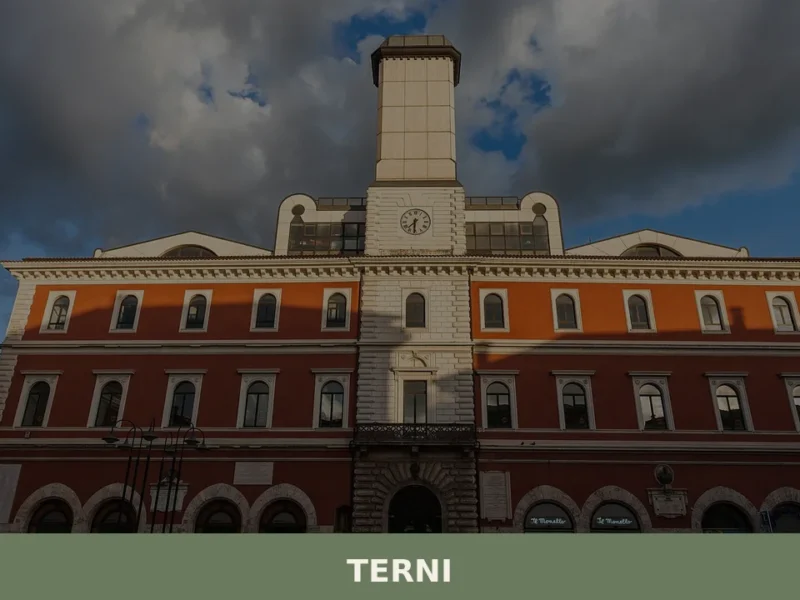
What to see in Terni: from the Marmore Falls to the historic center, discover the 5 top attractions. Plan your visit with the complete travel guide.
Perugia
Hills
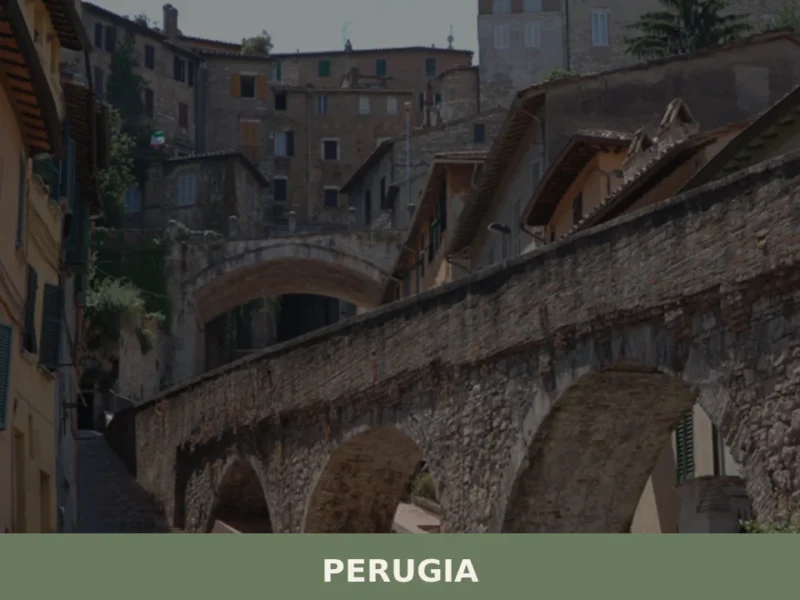
What to see in Perugia: discover 5 main attractions, from Fontana Maggiore to Rocca Paolina. Plan your trip and visit the heart of Umbria.
Castiglione del Lago
Hills
Lake
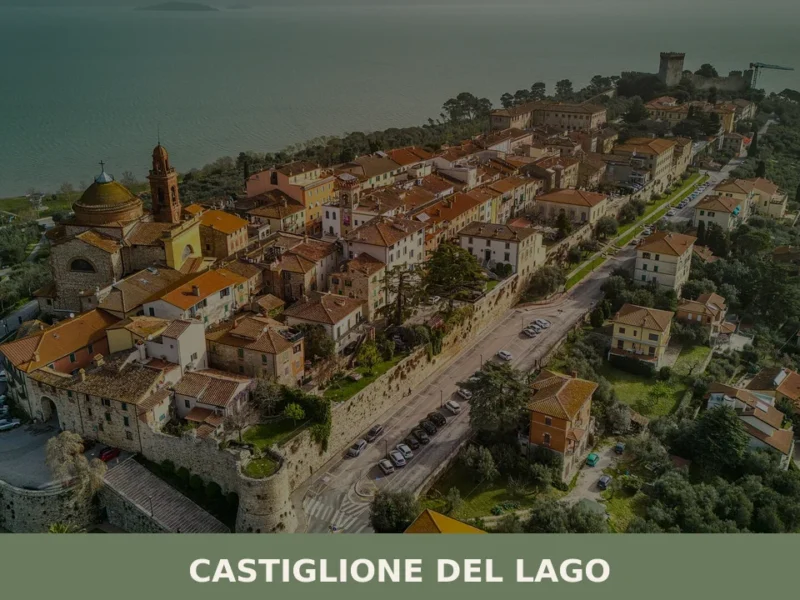
What to see in Castiglione del Lago, Umbria, Italy: explore a fortress, a frescoed palace, and Lake Trasimeno from 304 m altitude. Discover top things to do.

Orvieto
Hills
Orvieto stands on a dramatic tufa mesa above the Paglia Valley, home to a great Gothic cathedral and over 3,000 years of layered history. A essential destination in southern Umbria.
Campello sul Clitunno
Hills
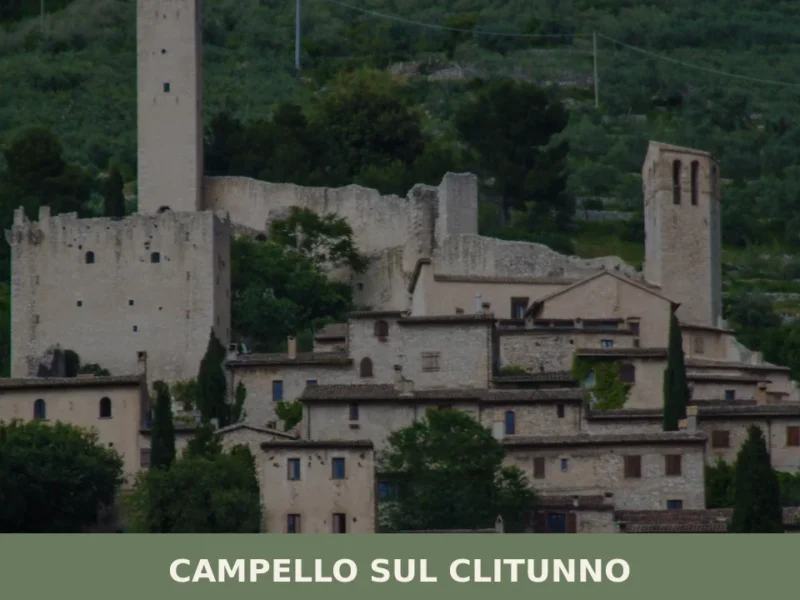
What to see in Campello sul Clitunno, Umbria, Italy: a UNESCO temple, medieval castle, and springs producing 1,500 l/s. Discover the complete travel guide.

🏡 Know Scheggia e Pascelupo better than we do?
If you’re a local or have been there, your knowledge matters: add what’s missing or fix a detail on this page.