


Pignataro Maggiore
What to see in Pignataro Maggiore: 5,733 residents, 93m above sea level in Caserta province. Visit San Giorgio Church, historic centre, ‘Ndunderi PAT gnocchi. Plan your trip now.
Discover Pignataro Maggiore
In Pignataro Maggiore, you learn about a place through its food. ‘Ndunderi — ricotta gnocchi considered among the oldest in the Campanian culinary tradition and recognised as a Traditional Agri-food Product — are still made today in home kitchens using fresh ricotta, flour and a pinch of salt, shaped by hand with a thumb pressed into the surface. That repeated gesture, passed down from generation to generation, speaks to the resilience of a lowland community that built its gastronomic identity on the simplicity of local ingredients.
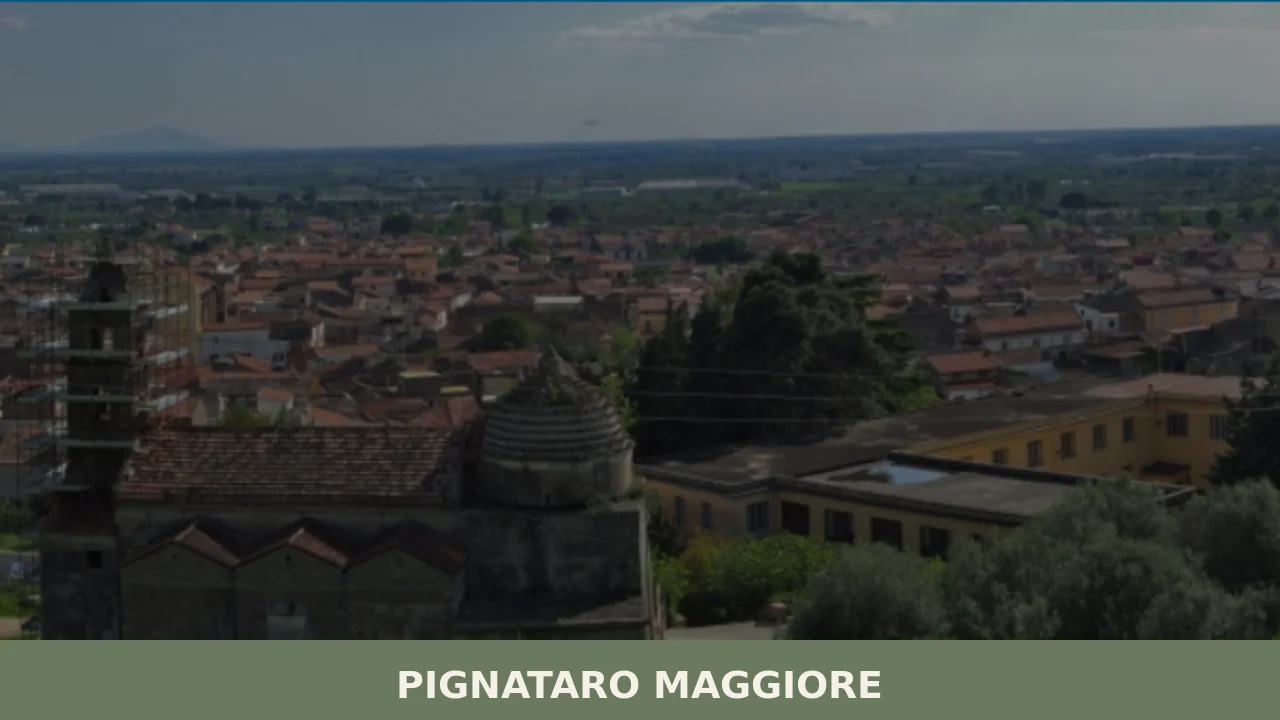
This is the starting point for understanding what to see in Pignataro Maggiore: a town of 5,733 inhabitants in the province of Caserta, at 93 metres above sea level, in the inland Campanian plain of the Volturno valley.
History and Origins of Pignataro Maggiore
The name of the town has medieval roots that, according to the most widely accepted etymological theories, point to the presence of kilns and potters in the area.
The word “pignataro” derives from the medieval Latin pinaculum or from the southern vernacular pignata, the earthenware pot typical of southern peasant cooking. Those who worked clay and produced these vessels were known as pignattari. The qualifier “Maggiore” — added to distinguish the town from the neighbouring Pignataro Minore, today a hamlet within the same municipality — indicates the larger size of the settlement and became established in administrative use from the Angevin period onwards.
The town stands in the area of the ancient Campania Felix, the fertile strip between the Volturno river and the Matese massif that in Roman times was one of the most productive agricultural territories in peninsular Italy.
During the medieval period, the territory of Pignataro Maggiore was drawn into the shifting fortunes of the County of Caserta, passing under the control of various feudal families. The settlement’s urban structure reflects the typical character of lowland centres in the Caserta area: not the defensive verticality of hilltop towns, but a spread-out urban fabric, with the parish church as the focal point of civic and religious life.
Devotion to Saint George, the town’s patron saint, is documented at least from the Norman-Swabian period, when the cult of the warrior-martyr was widespread across southern Italy in connection with the Crusades and the Norman military presence in the South. The patron saint’s feast is celebrated on the first Sunday of June with processions, religious rites and civic events involving the entire community.
Demographically, Pignataro Maggiore has followed a pattern common to many inland Campanian towns: steady growth through the first half of the twentieth century, sustained by the agricultural economy, followed by a gradual decline in the post-war decades due to emigration towards the industrial areas of northern Italy and abroad.
The current population of 5,733 nevertheless represents a demographic scale that allows the town to maintain an active social fabric, with schools, services and a rooted network of associations. The municipality belongs to the Province of Caserta, forming part of the Medio Volturno district, which includes some of the most significant territories of inland Campania.
What to See in Pignataro Maggiore: 5 Key Attractions
1. Church of San Giorgio Martire
The church dedicated to the town’s patron saint is the architectural and spiritual reference point of Pignataro Maggiore. Built in forms that reflect the layered construction typical of Campanian places of worship — with interventions ranging from the late Middle Ages through to eighteenth-century renovations — it preserves decorative elements and sacred furnishings of considerable interest. The entrance portal, the central nave and the bell tower are the primary points of focus for anyone seeking to understand the evolution of religious architecture in this corner of the Caserta area. On the first Sunday of June, the patron saint’s feast day transforms the square in front of the church into the centre of community life.
2. Historic Centre and Lowland Urban Layout
Unlike many Campanian towns defined by the verticality of hilltop centres, Pignataro Maggiore offers a reading of spread-out urban landscape, where streets open onto squares and open spaces that once hosted markets and craft activities. Walking through the historic centre means observing the architectural layering of a settlement that has passed through different eras without ever undergoing radical transformation: noble palaces with piperno stone portals, rural courtyard houses and nineteenth-century civic buildings alternate in a sequence that documents the social history of the town. The built fabric is direct evidence of an agricultural community that constructed stability over time.
3. Agricultural Landscape of the Volturno Plain
The municipal territory opens onto the plain extending between Caserta and the Matese, within a system of land reclamation and cultivation that has marked the agrarian history of inland Campania. The fields of cereals, vegetables and fruit orchards surrounding the town are an integral part of its identity: not a simple backdrop, but the economic and cultural engine that produced the local cuisine, the seasonal rhythms and the patron saint’s festivities. A walk along the edges of the built-up area allows you to observe this landscape in its concrete reality, grasping the direct relationship between the land and the gastronomic traditions that remain alive in the town today.
4. The Medio Volturno Territory and Surrounding Villages
Pignataro Maggiore is a node within a broader territorial system that includes villages of considerable interest throughout the Caserta and Matese area. A few kilometres away lies Conca della Campania, which offers a completely different landscape profile, facing out towards the border with Lazio. Exploring this territory horizontally — from village to village — is the most effective way to appreciate the nuances of an inland Campania that is often underestimated compared to coastal destinations.
The local road network allows for short routes that are rich in historical and landscape content.
5. Craft Traditions and the Memory of Ceramics
The very name of the town points to a manufacturing tradition rooted in clay working and the production of pottery. Although artisan-scale ceramic production declined progressively over the course of the twentieth century, the memory of this activity is preserved in place names, private collections and certain objects still found in historic homes.
Seeking out these items — the terracotta pignate used for slow-cooking pulses, water containers, preserving jars — is a way of reading the town as a material archive of everyday peasant life in the Caserta area.
What to Eat in Pignataro Maggiore: Local Cuisine and Traditional Products
The cuisine of Pignataro Maggiore belongs to the gastronomic tradition of inland Campania — one that developed away from the coast, in the agricultural villages of the plain and the first hillside slopes. This is not the cuisine of raw tomatoes and blue fish from the shore, but a tradition built on raw ingredients grown or raised locally: pulses, cereals, fresh dairy, seasonal vegetables. Historical influences — Roman, Norman, Bourbon — layer themselves across recipes that favour slow cooking, frugal ingredients and the ability to transform simple produce into dishes of considerable complexity in flavour.
At the centre of the local table are ‘Ndunderi, gnocchi made from fresh ricotta and soft wheat flour, considered among the oldest pasta preparations in the Campanian tradition and recognised as a Traditional Agri-food Product (PAT).
Making them requires same-day ricotta, worked by hand until the dough is soft but compact, then shaped into small oblong forms and dressed traditionally with meat ragù or tomato sauce.
Alongside these, the local tradition includes preparations based on pulses — beans, lentils, grass peas — cooked in earthenware pots with garlic, olive oil and chilli, following a culinary approach that has not been subject to industrial shortcuts.
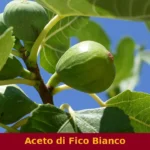
Among the certified Traditional Agri-food Products (PAT) found in this part of Campania are ‘Nfrennula, a traditional cured meat made from pork offal, and White Fig Vinegar, a fermented preparation derived from white figs that reflects a long tradition of making full use of the territory’s fruit. Also worth noting are Tomato Water — the liquid extracted from pressing ripe tomatoes, used as a base for soups and dressings — and Salt-cured Anchovies, a PAT product that reached inland Campania through commercial routes from coastal markets and was kept in peasant households as a valued flavouring.
Food festivals and feast days provide the most direct opportunity to try these preparations.
The feast of Saint George, on the first Sunday of June, is the occasion when traditional dishes appear at market stalls and in home cooking. Weekly markets and direct-sales outlets run by local farm producers are the most reliable channels for buying fresh goods — ricotta, seasonal vegetables, preserves — within a short supply chain.
Those visiting the town in autumn will find a particularly rich seasonal food culture, connected to the production of preserves, grape must and fermented products.
The Caserta area and the Medio Volturno fall within the production zone of several Campanian wine appellations. The province of Caserta is home to denominations including Galluccio DOC, produced primarily from Aglianico grapes on the Matese slopes, and Falerno del Massico DOC, a historic appellation from the Aurunci area. These wines, produced within a few kilometres of Pignataro Maggiore, pair naturally with the dishes of local tradition, particularly meat-based main courses and cured meats.
When to Visit Pignataro Maggiore: Best Time of Year
Spring and autumn are the most suitable seasons for visiting Pignataro Maggiore and the Medio Volturno area.
From April to June the agricultural landscape is at its most expressive: cultivated fields show crops at their peak, local markets fill with fresh produce and the temperatures allow for walks across the plain and into the nearby hills without discomfort. The first Sunday of June coincides with the feast of Saint George, the town’s patron: an opportunity to witness religious rites, processions and civic events in which the community takes part directly, without the reconstructed folkloric framing designed for tourist consumption.
Autumn — September and October in particular — is the season of the grape and harvest, when the area’s farms are in full operation and traditional products are available in quantity.
Those who prefer the quieter pace of villages outside the main season will find the winter months offer a more grounded experience, though fewer events: services remain open, but the rhythm is that of everyday town life. Extended visits to the Caserta plain during summer are not recommended due to high temperatures, though the season can work well for evening itineraries that take advantage of the concentration of villages reachable within thirty minutes by car.
How to Get to Pignataro Maggiore
Pignataro Maggiore is accessible by car via the A1 Milan-Naples Motorway: the nearest exit is Capua, approximately 15 kilometres from the town centre.
From Naples the journey covers around 40 kilometres, with an average travel time of 40 minutes under normal traffic conditions. From Rome the distance is approximately 200 kilometres, taking around two hours. The Via Appia national road and the provincial road network provide connections to the villages of the Matese and Medio Volturno area.
Travellers arriving from Caserta can take the SP335 heading north-west, reaching the town in under 20 minutes.
Rail travel offers a few workable options, though a final transfer by car or taxi is required. The nearest railway station is Capua, served by Trenitalia regional trains on the Rome-Naples line via Cassino; from there the town is reachable by taxi or local transport. Naples Capodichino International Airport is the main air hub for the area, approximately 50 kilometres away and reachable in around one hour by car via the A1. For those arriving at the airport without their own vehicle, renting a car in Naples remains the most practical solution for exploring this part of inland Campania.
Other Villages to Explore in Campania
The Caserta and Matese area offers a concentration of worthwhile villages that lends itself to combined itineraries with Pignataro Maggiore.
San Gregorio Matese provides the mountain counterpart to this itinerary: a few kilometres to the north, on the slopes of the Matese, it presents a completely different landscape of beech forests, high-altitude pastures and a dairy tradition rooted in extensive livestock farming.
The distance from Pignataro Maggiore is covered in around 40 minutes, making it possible to spend a single day moving from the plain to the mountains in one journey. Equally, Capriati a Volturno fits naturally into an itinerary along the Volturno river, with its riverside landscape and the remains of historic settlements that connect with the agricultural character of the plain.
Towards the Campania-Lazio border area, Raviscanina offers a hillside profile with a well-preserved historic fabric, while Conca della Campania occupies a position of geographical and cultural borderland that adds depth to any itinerary through the Caserta hinterland.
Building a route that connects these four villages — each with a distinct prevailing character, from agricultural plain to mountain, from river to border hill — means engaging with inland Campania in its full complexity, rather than through the simplifications of the coast.
Travel times between one village and the next rarely exceed 45 minutes, making this itinerary manageable over a weekend.
For further background on the town’s history and geography, refer to the Pignataro Maggiore entry on Wikipedia, the official website of the Municipality of Pignataro Maggiore and the resources of the Touring Club Italiano for itineraries in the province of Caserta.
Getting there
Via Municipio, 81052 Pignataro Maggiore (CE)
In Campania More villages to discover
Pratella
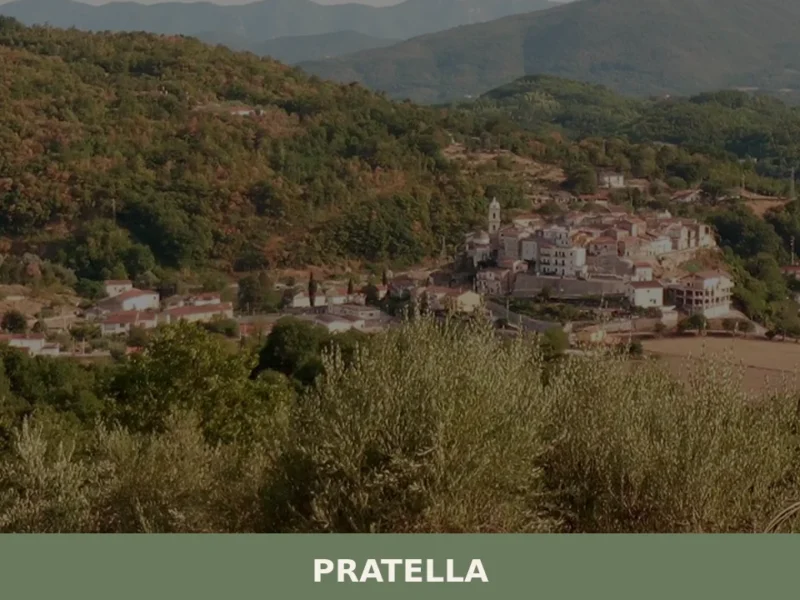
Pratella, a municipality of 1,613 inhabitants in the province of Caserta, extends over an area that reaches 152 meters above sea level. Its location, in the Volturno plain, defines a landscape dominated by cultivated fields and minor waterways, typical of plain villages. For those wondering about what to see in Pratella, the village offers an […]
Presenzano
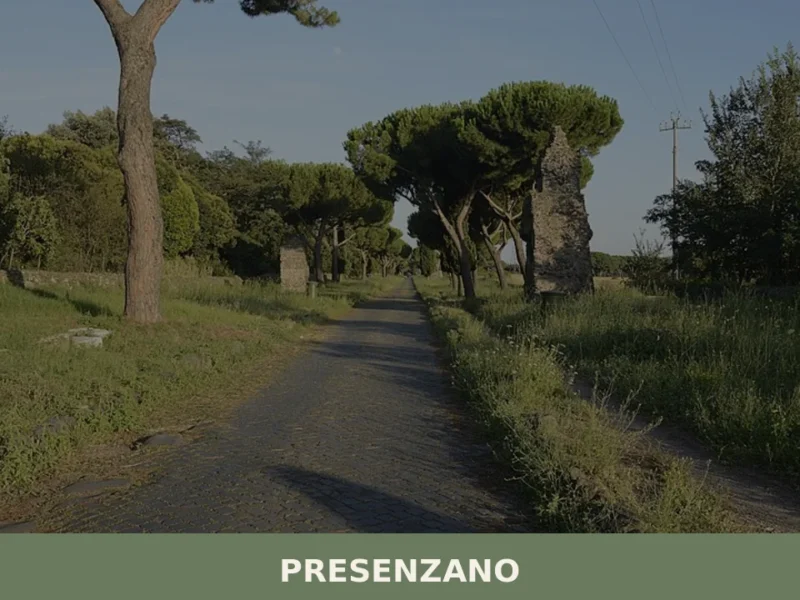
At 272 meters above sea level, in the northwestern sector of the province of Caserta, Presenzano stands out for its strategic position, a natural observation point over the Volturno valley. The territory has been inhabited since Roman times, as evidenced by archaeological finds in the area. This historical continuity has shaped an urban fabric where […]
Raviscanina
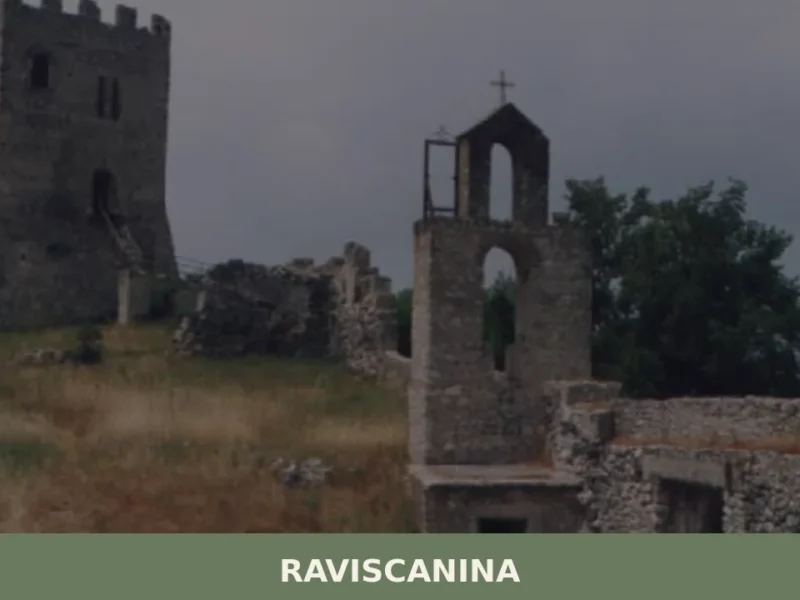
In the heart of Alto Casertano, at 358 meters above sea level, stands Raviscanina, a village whose history is evident through its architecture. Its foundation can be attributed to the Norman period, as evidenced by the imposing Castle, whose first constructions date back to the 11th century. With a population of 1,388 inhabitants, the settlement […]




📝 Incorrect information or updates?
Help us keep the Pignataro Maggiore page accurate and up to date.