


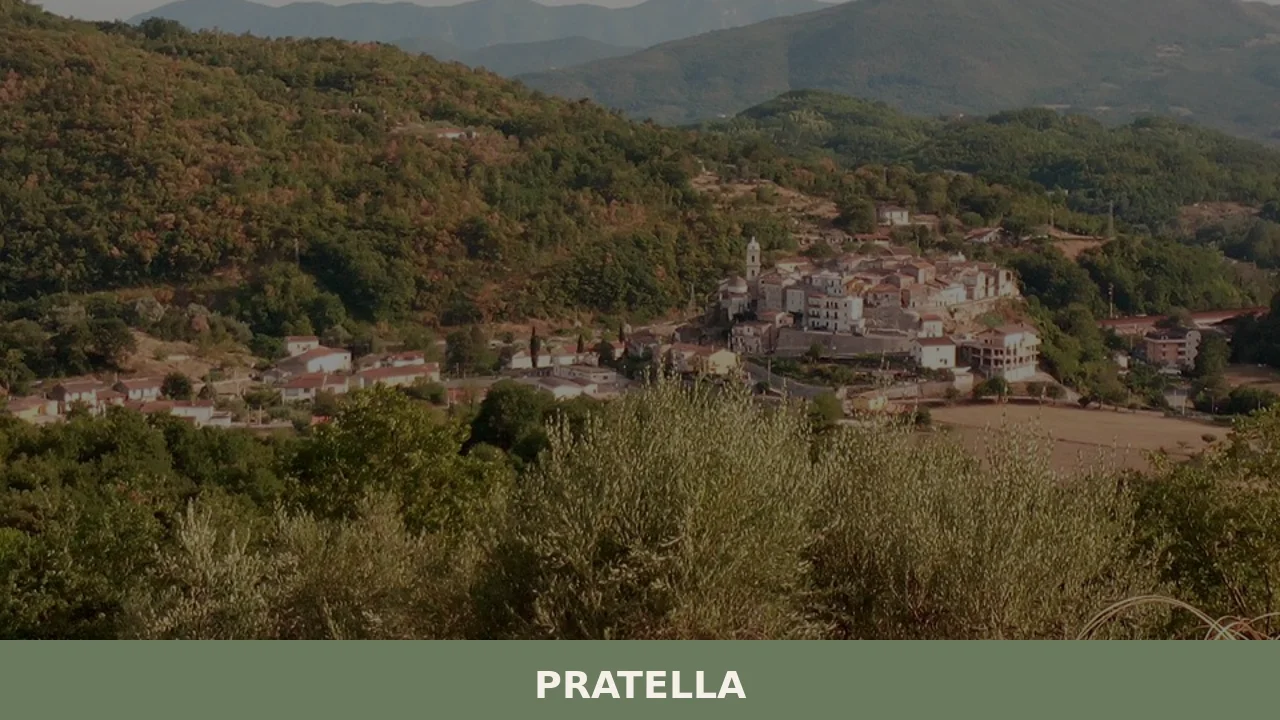
Pratella
Pratella, a municipality of 1,613 inhabitants in the province of Caserta, extends over an area that reaches 152 meters above sea level. Its location, in the Volturno plain, defines a landscape dominated by cultivated fields and minor waterways, typical of plain villages. For those wondering about what to see in Pratella, the village offers an […]
Discover Pratella
Pratella, a municipality of 1,613 inhabitants in the province of Caserta, extends over an area that reaches 152 meters above sea level. Its location, in the Volturno plain, defines a landscape dominated by cultivated fields and minor waterways, typical of plain villages. For those wondering about what to see in Pratella, the village offers an example of a rural Campanian settlement, with architecture reflecting its historical evolution and a community life marked by agricultural rhythms. The urban structure of the inhabited center shows modifications that have occurred over time, bearing witness to the different phases of the territory’s development.
History and Origins of Pratella
The origins of Pratella’s settlement are linked to the geographical configuration of the Volturno plain, an area that has encouraged human settlements since antiquity. Although there are no direct archaeological evidences of large pre-Roman or Roman centers within the current perimeter of the village, the proximity to historical communication routes and the soil’s fertility suggest human presence in the territory in remote eras. The toponym “Pratella” probably derives from the Latin pratum, indicating a pasture or cultivated land area, a direct reference to the agricultural vocation of the place.
During the Middle Ages, like many centers in Southern Italy, Pratella experienced the influence of various dominations. Its structure consolidated around a central, likely defensive, core that served as a refuge for the peasant population. The village’s events were often connected to the great feuds of Campania, passing under the control of various noble families who determined its urban and social development. The presence of later period architecture, such as that from the Aragonese or Bourbon periods, indicates continuous habitation and a progressive transformation of the urban fabric, with the construction of religious and civil buildings that still constitute reference points in the center today.
The village has maintained a predominantly agricultural character over the centuries, with the local economy focused on land cultivation and animal husbandry. This continuity has influenced the arrangement of homes and the presence of structures related to agricultural activity, elements that still define Pratella’s identity today. For more information on the municipality’s history, you can consult the official website of the Municipality of Pratella.
What to see in Pratella: 5 main attractions
Visiting Pratella means observing an example of a plain village, with architectural elements that tell its evolution. Here are some points of interest you may encounter:
The Church of San Nicola
The main religious building of the village, dedicated to the patron saint San Nicola, constitutes a focal point. Its structure, likely the result of successive alterations, features architectural elements that can range from Baroque to more recent interventions. Inside, sacred works and furnishings are preserved, bearing witness to local devotion.The Historic Center
The streets of Pratella’s historic center develop with a layout that reflects the village’s growth phases. You can observe buildings with stone or plastered facades, wrought iron balconies, and portals that reveal the civil architecture of past centuries. The street pattern allows one to perceive the original layout of the settlement.The Baronal Palace (or similar building)
As in many villages, Pratella might also feature a building that, while not a fortified castle, assumed the functions of a noble residence or administrative center during feudal eras. This type of architecture is distinguished by its larger dimensions and construction details that denote its historical and social importance within the village context.The Main Square
The central square of the village represents the hub of social life. The most representative buildings, such as the church and the town hall, face onto it. It is the place where events and markets take place, and where you can observe the daily life of the inhabitants. Its configuration can offer insights into past urban planning.Rural Architecture
Given its nature as a plain village with a strong agricultural vocation, Pratella preserves examples of rural architecture, such as farmhouses, barns, and country houses. These structures, often external to the denser core, show the construction techniques related to agricultural activity and the relationship between the settlement and the surrounding territory.
Traditional Cuisine and Local Products
Pratella’s cuisine, rooted in Campanian tradition and particularly that of Caserta, is based on local produce and animal husbandry. Dishes reflect the seasonality and simplicity of available ingredients. Among the typical products of the Campanian territory, which also influence Pratella’s table, Campana Buffalo Mozzarella DOP stands out, used both as a main ingredient and as an accompaniment. Other notable dairy products include buffalo ricotta and caciocavallo cheese.
Fresh pasta, often homemade, accompanies sauces based on meat or vegetables. Among legumes, beans and chickpeas are common ingredients in soups and broths. Meats, especially pork, are the basis for cured meats and salamis that follow traditional recipes. Dishes based on seasonal vegetables, cultivated in the plain’s fields, are also present. The patron saint’s feast day of San Nicola, on May 10th, can be an occasion to taste specific preparations related to the observance.
When to Visit Pratella: The Best Time
The best time to visit Pratella coincides with spring and early autumn. In these months, Campania’s climate is generally mild, with pleasant temperatures that allow exploration of the village and the surrounding territory without the intense summer heat. Spring, in particular, offers a lush landscape, with the plain’s fields in full agricultural activity. On May 10th, the patron saint’s feast day of San Nicola is celebrated, an occasion to observe local traditions and community participation.
Summer can be hot, with high temperatures, typical of the plain areas of Southern Italy. Winter is generally mild but can feature rainy days. The choice of period therefore depends on personal preferences, considering that outdoor activities are easier in the spring and autumn months.
How to Get to Pratella
Pratella is located in the province of Caserta, in Campania.
- By car: The village is accessible via the provincial road network. From major routes, such as the A1 Motorway (Milan-Naples), you can take the exit for Caianello or Capua and continue on state and provincial roads in the direction of Pratella.
- By train: The nearest reference train station could be Vairano-Caianello or Caserta, from which you can continue with local public transport services (buses) or taxis.
- By plane: The nearest airport is Naples-Capodichino International Airport (NAP), located approximately 60-70 km away. From the airport, Pratella can be reached by renting a car or by using connections to Caserta station and then continuing as indicated.
Distances from main cities include approximately 60 km from Caserta and about 80 km from Naples.
Other Villages to Discover in Campania
Campania offers a variety of villages that, like Pratella, present unique aspects related to history and territory. The province of Caserta, in particular, is rich in small centers that warrant attention. Among these is Ciorlano, a municipality that preserves traces of an older past, with architectural elements that recount the events of local communities. Its location in the Matese context offers a different approach to the landscape compared to the plains.
Another example is Ailano, also located in the province of Caserta. Ailano presents characteristics typical of the villages in this sector of Campania, with a history rooted in remote eras and an urban fabric that has changed over the centuries. These villages allow observation of the diversity of Campanian settlements, each with its own geographical and cultural specificity.
In Campania More villages to discover
Valle Agricola
Valle Agricola, a municipality of 960 inhabitants in the province of Caserta, rises to 691 meters above sea level, representing a mountain settlement within the Matese Massif. Its geographical position, between peaks and valleys, has for centuries determined the social and economic dynamics of the place, oriented towards livestock farming and subsistence agriculture. For those […]
Gallo Matese
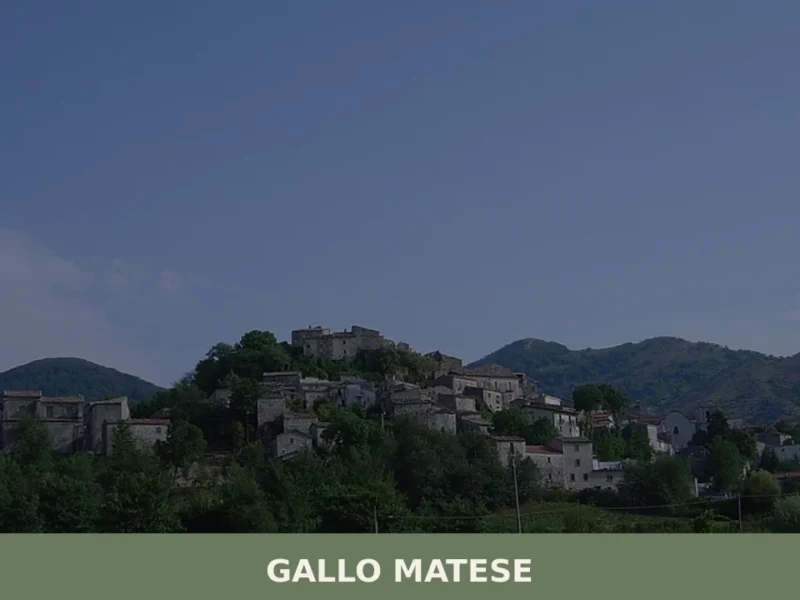
With its 625 inhabitants and an altitude of 875 meters above sea level, Gallo Matese ranks as one of the highest centers in the province of Caserta, Campania. Its geographical position, in the heart of the Matese mountain range, determines its identity and structure. The village, whose presence has been documented for centuries, developed in […]
Napoli
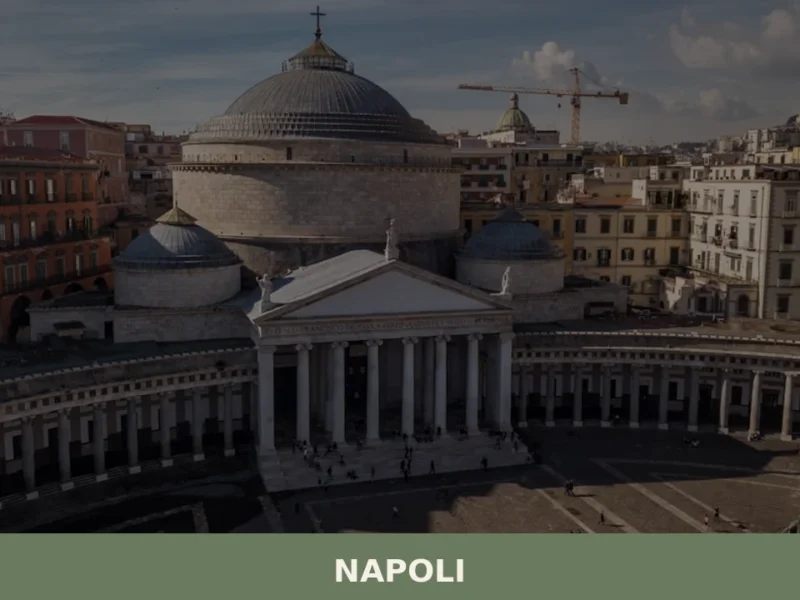
What to see in Napoli: 959,052 residents, UNESCO historic centre and Teatro San Carlo (1737). Discover the National Archaeological Museum, Neapolitan pizza and the 19 September San Gennaro feast.


📝 Incorrect information or updates?
Help us keep the Pratella page accurate and up to date.