


Valle Agricola
 Mountain
Valle Agricola, a municipality of 960 inhabitants in the province of Caserta, rises to 691 meters above sea level, representing a mountain settlement within the Matese Massif. Its geographical position, between peaks and valleys, has for centuries determined the social and economic dynamics of the place, oriented towards livestock farming and subsistence agriculture. For those […]
Discover Valle Agricola
Valle Agricola, a municipality of 960 inhabitants in the province of Caserta, rises to 691 meters above sea level, representing a mountain settlement within the Matese Massif. Its geographical position, between peaks and valleys, has for centuries determined the social and economic dynamics of the place, oriented towards livestock farming and subsistence agriculture. For those wondering about what to see in Valle Agricola, the village offers views that speak of a time marked by the rhythms of nature and architectures that withstand the action of the elements, demonstrating a consolidated spatial and social organization.
History and Origins of Valle Agricola
The roots of Valle Agricola extend into a past spanning several centuries, with the first documented evidence indicating its presence as early as the medieval era. The toponym itself, “Valle Agricola,” suggests a territorial vocation oriented towards agricultural activity, albeit in a mountain context that required specific cultivation techniques and careful resource management. Its strategic position, on the slopes of the Matese, likely favored the development of small settlements that consolidated over time.
The village experienced the feudal events typical of Southern Italy, passing under the control of various noble families who influenced its urban and social development. The structure of the inhabited center, with its streets following the terrain’s contours, reflects defensive needs and adaptation to the landscape. Although no events of wide historical significance are recorded, the daily life of Valle Agricola has been marked by constant resilience, shaped by mountain life and reliance on the seasons.
For further information on local history and institutions, you can consult the dedicated page on Wikipedia Italy.
What to See in Valle Agricola: 5 Must-Visit Attractions
For those wishing to discover what to see in Valle Agricola, the village presents a series of points of interest that reflect its history and its relationship with the surrounding territory. The visit primarily focuses on the ancient core and the evidence of community life.
1. The Church of San Nicola di Bari
The main place of worship in the village, the Church of San Nicola di Bari represents the focal point of religious and social life. Its architecture, despite having undergone modifications over the centuries, retains elements that denote its age. The interior holds sacred furnishings and minor artworks that demonstrate the community’s devotion, while the facade features sober lines and a bell tower that rises above the village’s skyline.
2. The Baronial Palace (remains)
Of the Baronial Palace, which once dominated the inhabited center, some remains suggest its imposing original structure. These architectural elements, though fragmented, allow one to imagine the presence of a noble residence that exercised control over the fief. Its elevated position offers a view of the village and the valley below.
3. The Streets of the Historic Center
Walking along the stone-paved, narrow, and winding streets allows for a close observation of the village’s spontaneous architecture. The houses, often with exposed stone walls and tiled roofs, follow one another, creating an urban fabric that reflects adaptation to the terrain’s slopes. Every corner reveals construction details and small votive niches that recount past daily life.
4. The Panoramic Viewpoint
Given Valle Agricola’s altitude, several points in the village offer extensive views of the Matese Massif and the surrounding valleys. The viewpoint, in particular, allows for appreciation of the territory’s geological formation, the alternation of woods and clearings, and, on clear days, the outlines of other mountain settlements. It is a place to observe the landscape that has shaped the village’s life.
5. Matese Nature Trails
Valle Agricola is a starting point for exploring the network of trails that extend into the Matese Regional Park. These paths, of varying difficulty, allow for immersion in the mountain flora and fauna, reaching springs, peaks, and points of natural interest. The excursion offers the opportunity to understand the mountain ecosystem that surrounds the village.
Typical Cuisine and Local Products
The cuisine of Valle Agricola reflects the local availability of raw ingredients and the Matese peasant tradition. Dishes are based on simple yet flavorful ingredients, derived from livestock farming, agriculture, and foraging. Among the typical products, Caciocavallo del Matese stands out, a seasoned stretched-curd cheese, characteristic of the area. Porcini mushrooms, collected in the surrounding woods, and Matese black truffle, used to enhance pasta and main courses, are also present. Local extra virgin olive oil, produced from indigenous cultivars, is a fundamental element of the diet.
Among traditional preparations, one finds legume soups like beans and grass peas, often accompanied by homemade pasta, such as lagane. Meat, particularly lamb and goat from local farms, is cooked stewed or grilled. Pork sausages, prepared according to old recipes, are another distinctive element. During autumn, chestnuts gathered in the woods become protagonists of desserts and roasts, while in spring, wild herbs enhance omelets and side dishes. The official website of the municipality of Valle Agricola (www.comune.valleagricola.ce.it) can provide further details on any festivals or gastronomic events.
When to Visit Valle Agricola: The Best Time
The best time to visit Valle Agricola depends on the visitor’s interests. Spring (April-June) offers a mild climate and blooming vegetation, ideal for excursions and walks. Summer (July-August), though warmer, is the time for patron saint festivals and outdoor events, with more pleasant temperatures than the lowlands. Autumn (September-November) is characterized by the chestnut and mushroom harvest, with a landscape that takes on warm colors, but requires attention to climatic variations.
Winter (December-March) brings rigid temperatures and the possibility of snowfall, transforming the mountain landscape but limiting some outdoor activities. For those seeking tranquility and contact with nature, the spring and autumn months are most suitable, allowing one to appreciate the beauty of the Matese with fewer crowds.
How to Get to Valle Agricola
Valle Agricola is mainly reachable by private transport. From the main cities of Campania:
- By car: From Cas
Frequently asked questions about Valle Agricola
What is the best time to visit Valle Agricola?
Spring (April–June) is ideal for hiking and nature walks, with mild temperatures and blooming Matese vegetation. Autumn (September–November) is the season for chestnut and porcini mushroom harvests, with spectacular foliage colors across the surrounding woods. Summer offers pleasant mountain temperatures, cooler than the Campanian lowlands, making it a good escape from the heat. Winter brings potential snowfall and a quiet, atmospheric landscape, though some trails may be inaccessible. For a balance of good weather, natural beauty, and local gastronomy, April–June and September–October are the most rewarding periods.
What are the historical origins of Valle Agricola?
Valle Agricola has documented medieval origins, with its name directly referencing its agricultural vocation — notable given the challenging mountain terrain of the Matese Massif. Like many villages in southern Italy, it was shaped by feudal dynamics, passing under the control of various noble families whose influence is still visible in the remains of the Baronial Palace. The village's organic street layout, following the natural contours of the hillside, reflects both defensive priorities and centuries of adaptation to mountain life.
What to see in Valle Agricola? Main monuments and landmarks
The main attractions include the Church of San Nicola di Bari, the village's principal place of worship with its distinctive bell tower and sacred interior furnishings; the remains of the Baronial Palace, whose elevated position offers views over the valley; and the historic center, characterized by narrow stone-paved streets, exposed stone facades, and small votive niches. A panoramic viewpoint overlooking the Matese Massif is also worth seeking out. Access to the historic center is free and on foot; no booking is required.
What are the main natural or scenic attractions of Valle Agricola?
Valle Agricola sits within the Matese Regional Park, one of Campania's most significant protected natural areas. The village serves as a starting point for a network of mountain trails ranging from easy walks to more demanding routes, leading to springs, forest clearings, and elevated peaks. The surrounding landscape features mixed woodland, ideal for spotting local flora and fauna. At 691 meters above sea level, the territory offers striking views of the Matese Massif, making it a genuine destination for nature and outdoor enthusiasts.
Where to take the best photos in Valle Agricola?
The village's elevated position at 691 meters provides excellent vantage points over the Matese Massif and surrounding valleys. The panoramic viewpoint mentioned in local guides offers wide, unobstructed views — particularly rewarding at sunrise or during autumn when the woodland colors are at their most vivid. The narrow stone streets of the historic center, with their textured facades and votive niches, provide evocative shots of authentic mountain village life. The remains of the Baronial Palace, set at the highest point of the village, also offer scenic backdrops.
Are there museums, churches or historic buildings to visit in Valle Agricola?
The Church of San Nicola di Bari is the village's main religious and architectural landmark, housing sacred furnishings and artworks accumulated over centuries of community life. Its bell tower is a recognizable feature of the village skyline. The remains of the Baronial Palace represent the principal historic civil structure, offering a glimpse into the feudal past of the settlement. Specific opening hours for the church are not publicly documented; visitors are advised to check with the municipal office at www.comune.valleagricola.ce.it or inquire locally upon arrival.
What can you do in Valle Agricola? Activities and experiences
Valle Agricola is primarily suited to outdoor and slow-tourism experiences. Hiking trails departing from the village lead into the Matese Regional Park, covering varying levels of difficulty and passing through forests rich in porcini mushrooms and chestnuts — ideal for foraging in autumn. The village itself invites leisurely walking through the historic center. Food and wine experiences centered on local products such as Caciocavallo del Matese, black truffle, and traditional legume dishes are available through local producers and seasonal events. The peaceful mountain setting makes it well suited for digital detox and nature immersion.
Who is Valle Agricola suitable for? Families, couples, hikers, solo travelers?
Valle Agricola is best suited to hikers and nature lovers seeking access to the Matese Regional Park without mass tourism. Couples looking for a quiet, authentic southern Italian mountain retreat will appreciate its unspoiled historic center and panoramic landscape. It is also a good fit for food and culture travelers interested in Campanian mountain gastronomy. Families with older children comfortable on moderate trails will find it rewarding. It is less suited to visitors seeking nightlife, beach holidays, or extensive museum circuits. The village's small scale and tranquil pace make it ideal for slow, immersive travel.
What to eat in Valle Agricola? Local products and specialties
The gastronomy of Valle Agricola draws on Matese mountain tradition. Caciocavallo del Matese, a seasoned stretched-curd cheese, is the area's most characteristic dairy product. Porcini mushrooms and Matese black truffle — used in pasta dishes and main courses — are seasonal highlights. Legume soups featuring beans and grass peas, served with homemade lagane pasta, are staple preparations. Lamb and goat, raised locally, appear stewed or grilled, alongside pork sausages made to traditional recipes. Chestnuts feature prominently in autumn desserts and roasts, while local extra virgin olive oil ties the cuisine together.
📷 Photo Gallery — Valle Agricola
Nearby Villages near Valle Agricola
In Campania More villages to discover
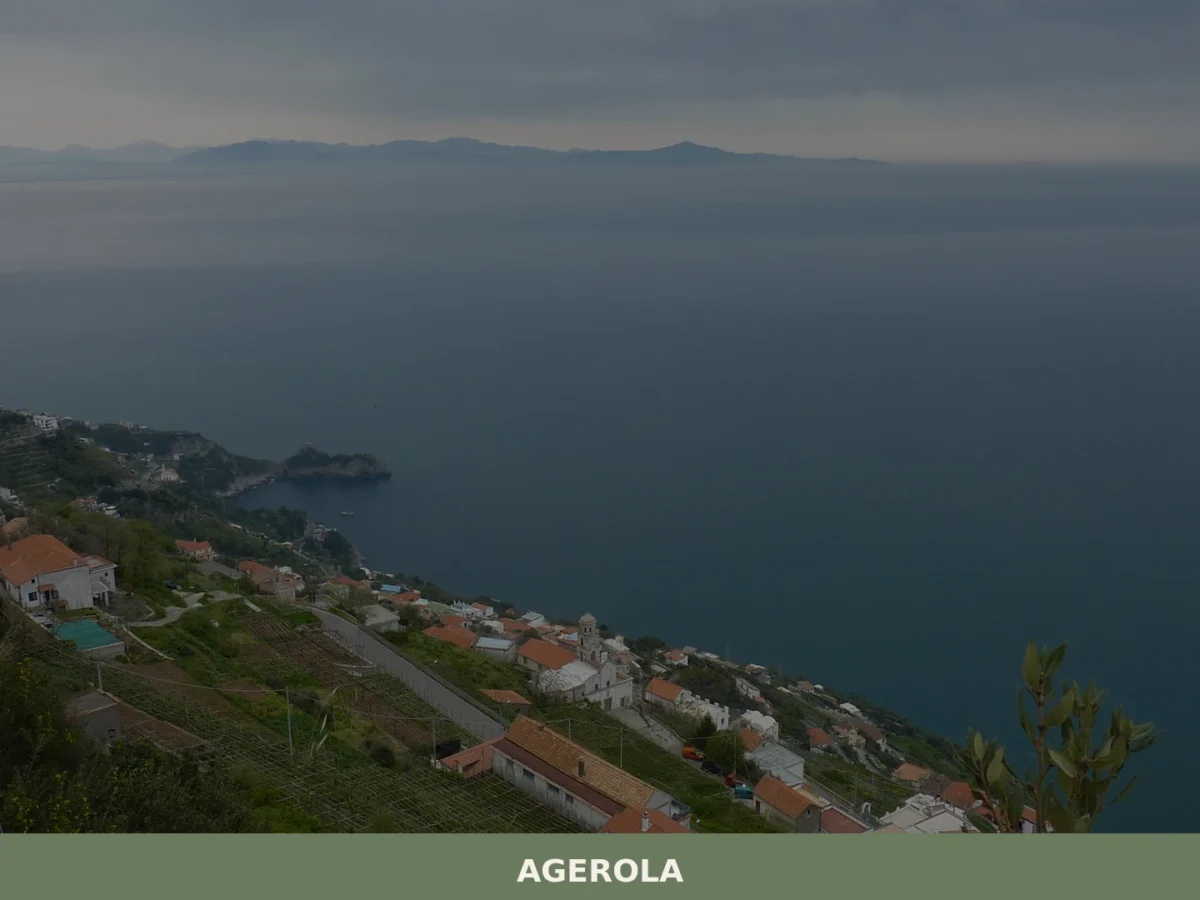
Agerola
Mountain
Discover what to see in Agerola, a mountain comune above the Amalfi Coast: hamlets, hiking trails, DOP cheeses and practical travel tips.
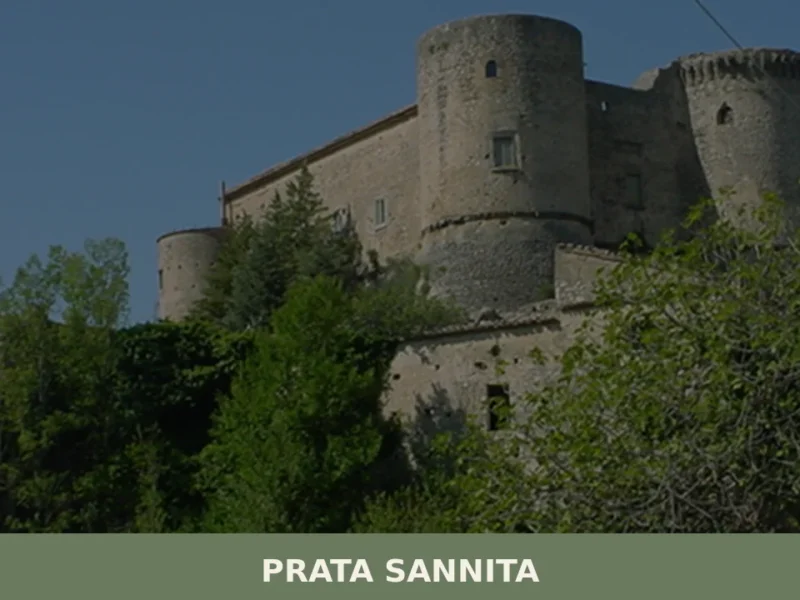
Prata Sannita
 Hills
Hills
what to see in prata sannita, Italy: Explore this Campania comune at 333 meters altitude. Discover panoramic vistas and traditional village life.
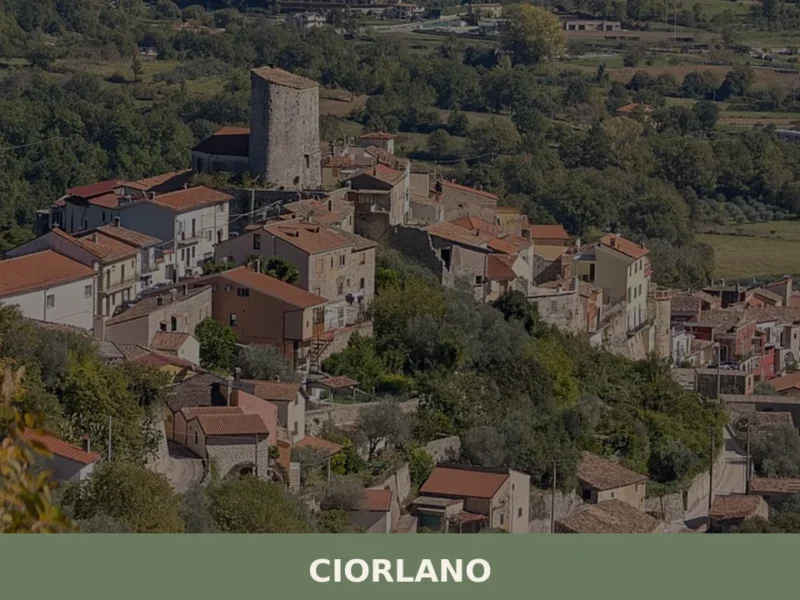
Ciorlano
Hills
With its 370 inhabitants spread across an elevation of 330 metres above sea level, Ciorlano is one of the least populated municipalities in the province of Caserta. The village sits in the middle Volturno valley, along the hillside that separates the Matese massif from the Alife plain. Anyone wondering what to see in Ciorlano will […]

Palma Campania
 Plains
16,356 residents and one of Campania's most distinctive carnivals: Palma Campania draws visitors with its Roman heritage and the living spectacle of the Quadriglie.
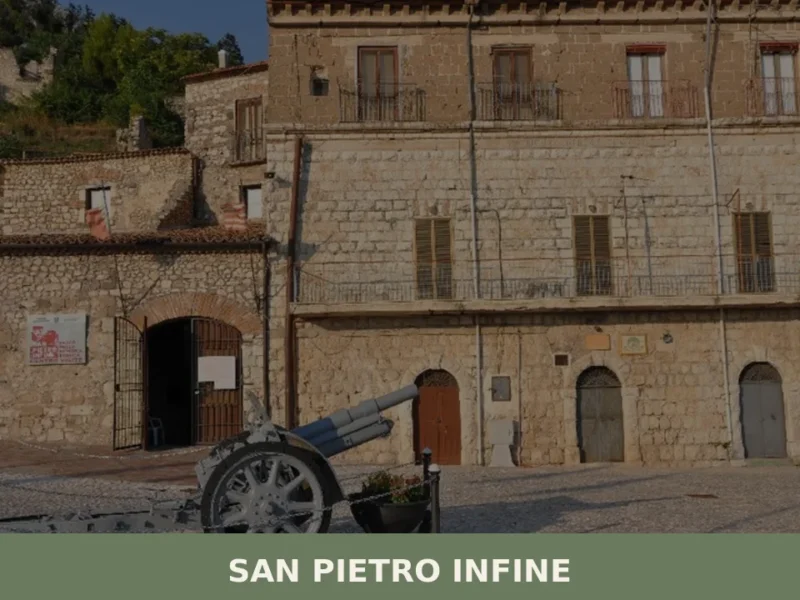
San Pietro Infine
Plains
In December 1943, San Pietro Infine was the scene of one of the bloodiest battles of the Italian Campaign, an event that saw the town almost completely razed to the ground and subsequently rebuilt. This historical memory deeply defines the identity of the village, located 140 meters above sea level in the province of Caserta, […]
Castel di Sasso
Hills
Castel di Sasso, a small municipality in the province of Caserta with 1,051 inhabitants, has historical roots documented since the 10th century, when it was already attested as a fortified settlement in the fertile Terra di Lavoro. At 200 meters above sea level, the village developed on the Caserta plain, a location that influenced both […]
Castel Campagnano
Plains
Standing at fifty-eight metres above sea level along the left bank of the Volturno, Castel Campagnano has a current population of 1,458, spread between the historic centre and the hamlets scattered across the alluvial plain. The municipality, in the province of Caserta, retains an urban layout that still follows the plan of the fortified medieval […]
Ruviano
Plains
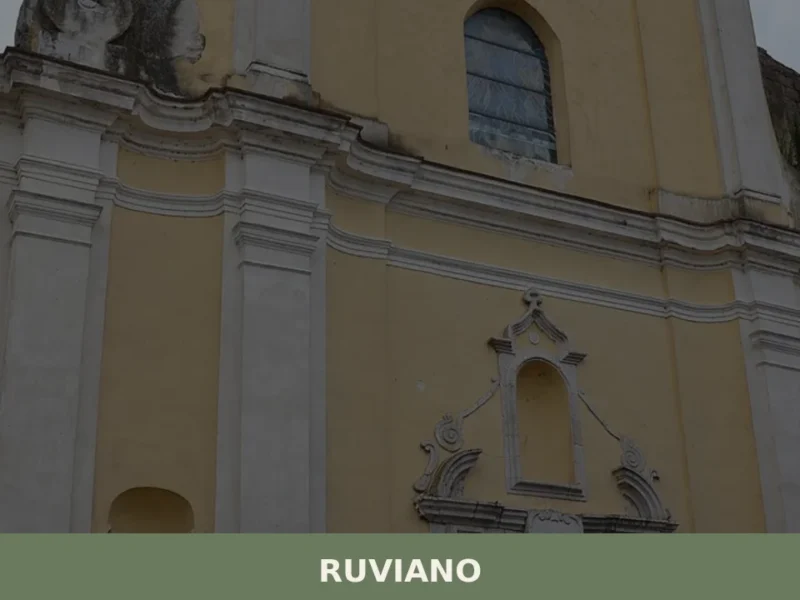
What to see in Ruviano, Italy: Explore this comune at 80 m altitude, known for its patron feast and agricultural views. Discover Ruviano, Campania.
Salerno
 Sea
Sea
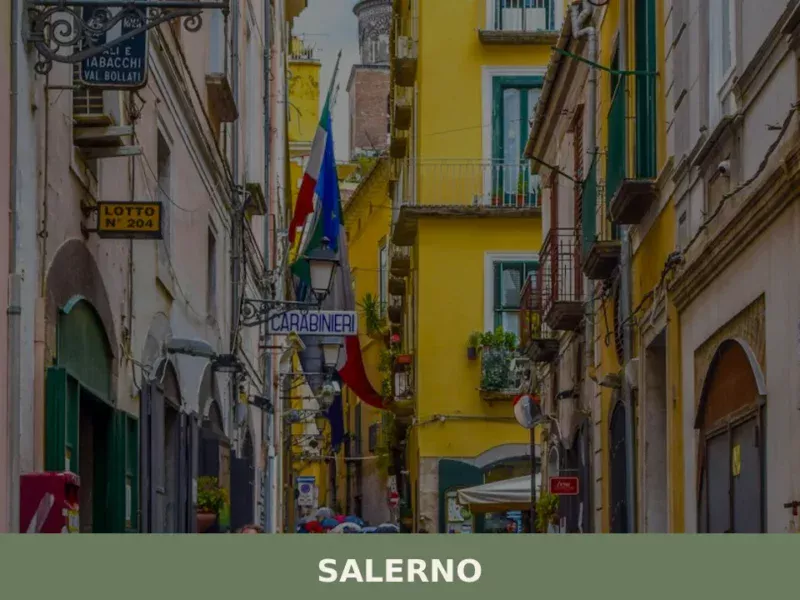
Discover Salerno, Italy, a charming coastal city in Campania. Explore its rich history, stunning cathedral, vibrant old town, and beautiful Mediterranean views. Plan your visit!
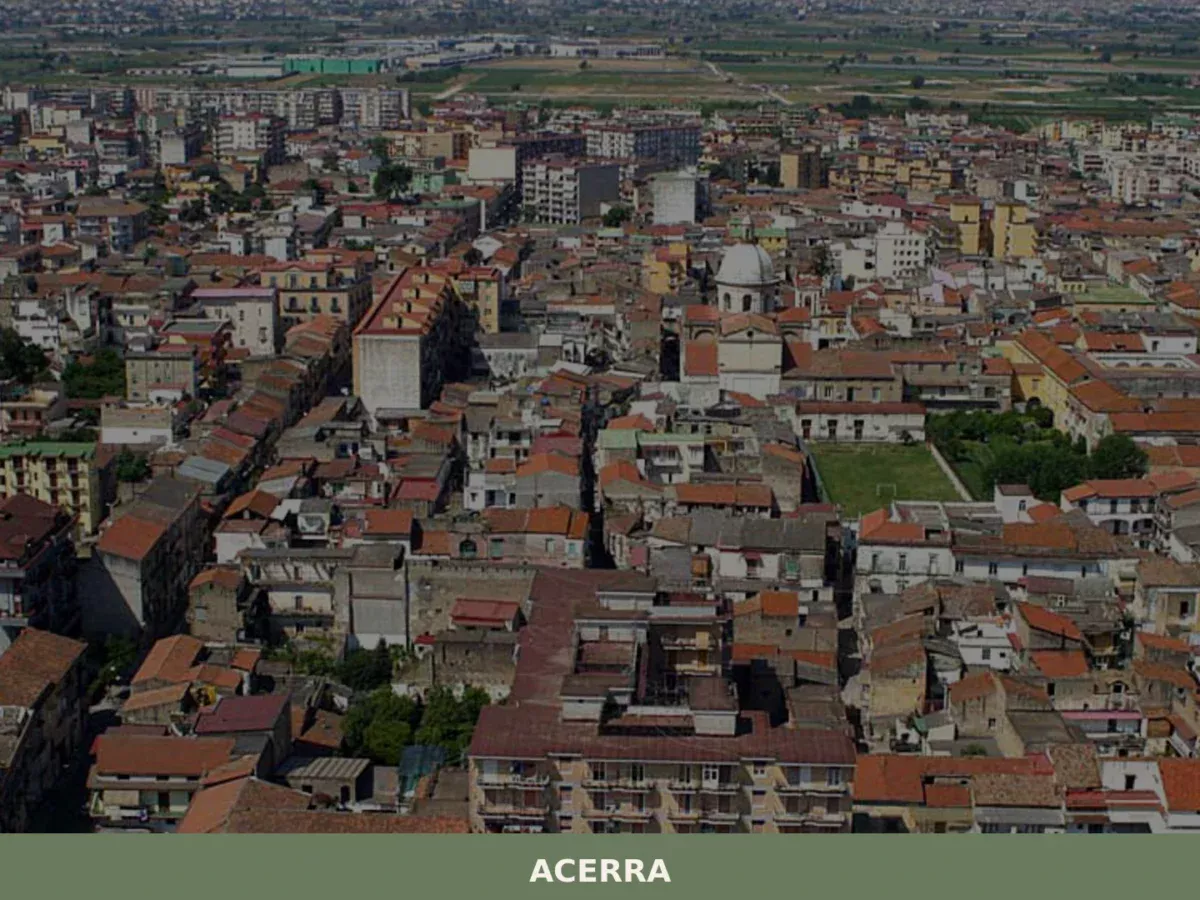
Acerra
Plains
Discover what to see in Acerra, Campania: Roman history, medieval castle, cathedral, local food and practical travel tips for this Naples metropolitan town.


🏡 Know Valle Agricola better than we do?
If you’re a local or have been there, your knowledge matters: add what’s missing or fix a detail on this page.