


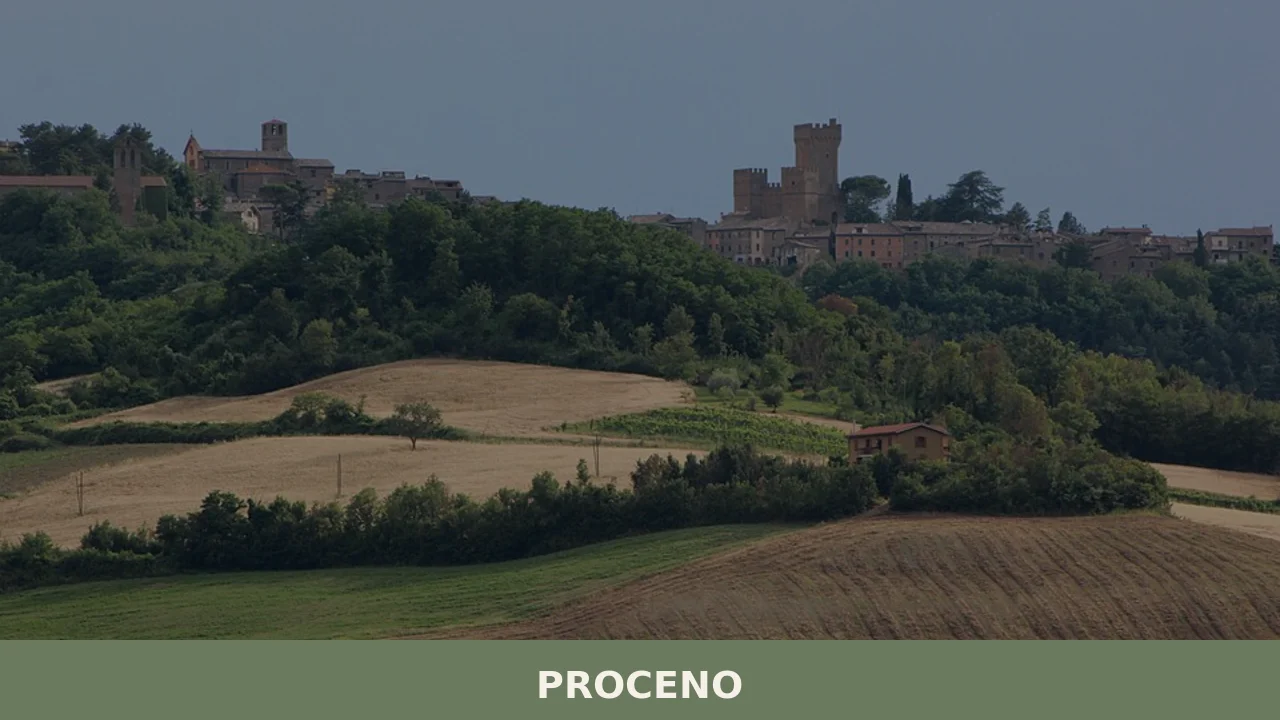
Proceno
A 418 meters above sea level, in northern Lazio, the village of Proceno developed around a Fortress documented as early as the 12th century. This architectural element, central to the settlement’s development, still defines the structure of the historic center today. With a population of 519 inhabitants, Proceno is part of the Viterbo Tuscia region, […]
Discover Proceno
A 418 meters above sea level, in northern Lazio, the village of Proceno developed around a Fortress documented as early as the 12th century. This architectural element, central to the settlement’s development, still defines the structure of the historic center today. With a population of 519 inhabitants, Proceno is part of the Viterbo Tuscia region, characterized by a hilly landscape that shapes local agriculture and traditions. The question of **what to see in proceno** is not exhausted by a simple list of monuments; it requires an understanding of its historical layering, visible in the walls and architectures that have succeeded one another over the centuries. The patron saint’s festival, dedicated to Saint Agnes Segni, is celebrated on April 20th, a moment when the community reaffirms its identity.
History and Origins of Proceno
The oldest traces of human presence in the territory of Proceno date back to the Bronze Age, as evidenced by archaeological finds in the locality of Le Sparne. Subsequently, the Etruscan civilization left several necropolises, including those of Settecamini and San Giovanni, testifying to a stable and organized presence. In Roman times, the area was part of the Ager Volsiniensis, an agricultural and strategic territory under the influence of the powerful city of Volsinii, modern-day Orvieto. The current urban core of Proceno took shape in the medieval period, revolving around its Fortress. This fortified complex is attested in documents as early as the 12th century, establishing itself as a defensive outpost of strategic importance between the Duchy of Spoleto and the territories of the Patrimony of Saint Peter. Over the centuries, control of the village passed among various powerful families and institutions: it was a dominion of Orvieto, the Monaldeschi, the Sforza of Santa Fiora, and finally the Farnese, before being absorbed into the direct dominions of the Church. For historical insights, you can consult the
Proceno on Wikipediapage or the
official website of the Municipality.
What to see in Proceno: 5 must-visit attractions
The Sforza Fortress
The Fortress, or Proceno Castle, forms the historical core of the village. Documented since the 12th century, it underwent significant transformations, particularly under the Sforza family. Today it presents an imposing structure with towers and walls that delineate the oldest perimeter of the settlement, offering a clear reading of its defensive and residential function through the centuries.
Church of Saint Agnes
Dedicated to the patron saint of the village, the Church of Saint Agnes is a sacred building that reflects various construction phases. Inside, works of art and furnishings are preserved that document local devotion. The facade and bell tower, with architectural elements varying between Romanesque and later interventions, make it a visible landmark in Proceno’s urban fabric.
Church of San Salvatore
The Church of San Salvatore represents another significant place of worship in the village. Although less imposing than the patronal church, it also preserves artistic and historical evidence. Its structure, probably older in some parts, suggests a medieval foundation, with subsequent modifications that redefined its current appearance, maintaining a connection with local history.
Town Hall (formerly Sforza Palace)
Located in the heart of the historic center, the Town Hall occupies the spaces of the ancient Sforza Palace. This civic building, with its sober but significant architecture, served for centuries as the seat of administrative and representative power. Today it houses municipal offices, but its halls and facade retain elements that recall its past as a noble residence and decision-making center.
Museum of Rural Civilization
The Museum of Rural Civilization in Proceno offers a glimpse into the traditions and rural life of the area. Through the exhibition of agricultural tools, household utensils, and everyday objects, the museum documents the practices and habits of past generations. It is a place that tells the story of field work and the material culture of the local community.
Typical Cuisine and Local Products
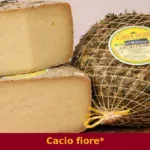
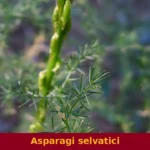
Proceno’s table reflects its geographical position and agricultural history. Among the traditional dishes, acquacotta is a preparation originating from the humble cuisine of farmers, a hearty soup based on seasonal vegetables, stale bread, eggs, and local olive oil. Other specialties include homemade pastas, often seasoned with wild boar or porcini mushroom sauces, abundant in the surrounding woods. Lamb meat, cooked in various ways, is also a recurring element in local preparations, often accompanied by aromatic herbs from the area. Local products form the basis of this gastronomy. Proceno’s olive oil, obtained from olive groves that characterize the hilly landscape, is a fundamental ingredient. The proximity to Lake Bolsena and Montefiascone allows one to appreciate the Est! Est!! Est!!! di Montefiascone DOP wine. Among legumes, lentils, cultivated in the neighboring areas, are valued for their quality. Chestnuts, from the Tuscia woods, and mushrooms, particularly porcini and Caesar’s mushrooms, enrich the seasonal culinary offerings. These products are often featured in local festivals that celebrate harvesting and processing.
When to Visit Proceno: The Best Time
The best time to visit Proceno depends on individual preferences and specific interests. Spring, particularly April and May, offers a mild climate and nature in full bloom, with the patron saint’s festival of Saint Agnes Segni on April 20th animating the village with traditional celebrations. These months are ideal for excursions and for appreciating the hilly landscape. Autumn, from September to November, is another recommended period. Temperatures are pleasant, and the area offers the fruits of harvests, such as mushrooms and chestnuts, which are often at the center of gastronomic events in nearby localities. Summer can be hot, but evenings are generally cooler, suitable for evening walks. Winter, being quieter, allows one to experience the village in its more silent daily life, appreciating the tranquility of the place. Further information on the territory can be found on
Italia.it.
How to Get to Proceno
To reach Proceno, a car is the most convenient means. Coming from north or south, the A1 motorway (Autostrada del Sole) represents the main access. The recommended exit is Orvieto for those coming from the north, while for those arriving from the south, the Attigliano exit is preferable. From both exits, the route continues on provincial roads that cross the hilly territory up to the village. The nearest train station is Orvieto, on the Rome-Florence line. From Orvieto, it is possible to continue by bus or with a taxi service. The reference airports are Rome Fiumicino (FCO) and Rome Ciampino (CIA), both at a distance of approximately 120-130 kilometers, from which it is necessary to rent a car or use road connections. Proceno is approximately 25 kilometers from Orvieto and 70 kilometers from Viterbo.
Other Villages to Discover in Lazio
The territory of Viterbo Tuscia, where Proceno is located, is dotted with inhabited centers that offer different perspectives on the history and culture of the region. In addition to Proceno, many other villages deserve attention for their architectural peculiarities and preserved traditions. Among these, one can consider
Arlena di Castro, also located in the province of Viterbo, which features a historic center with medieval characteristics and a history linked to the affairs of local noble families. Another locality of interest is
Villa San Giovanni in Tuscia, which offers an example of a village developed around a Renaissance villa, testifying to a different urban evolution and a specific artistic heritage of its context.
In Lazio More villages to discover
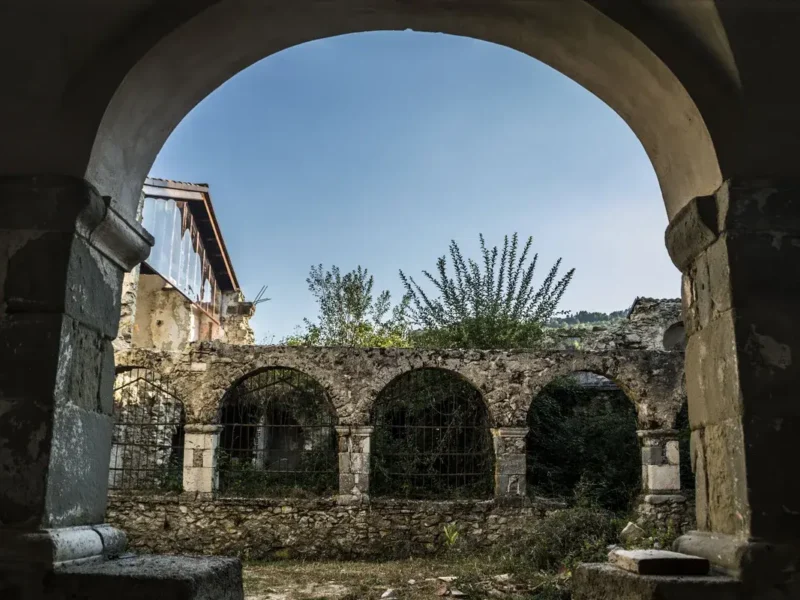
Borbona
What to see in Borbona: a mountain village at 760m in the province of Rieti with 643 residents. Discover the stone historic centre, 3 PAT products, and the 27 May patron feast.
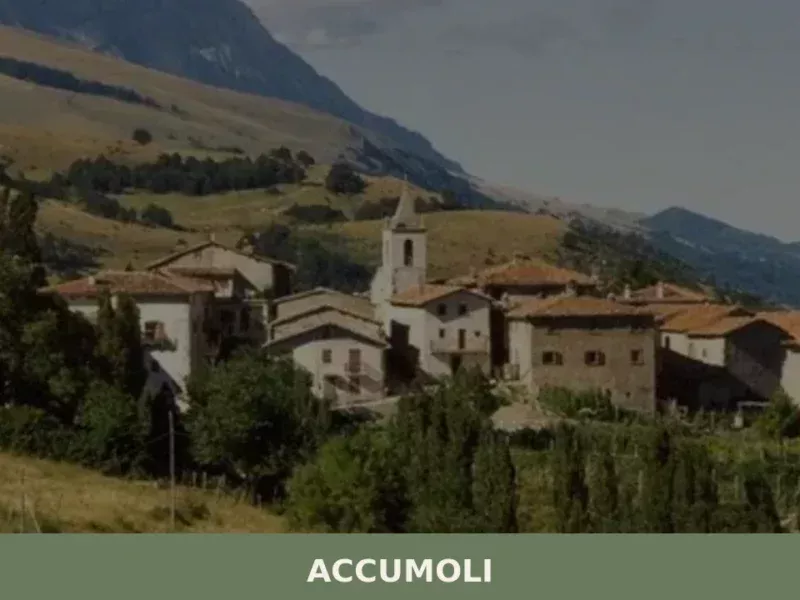
Accumoli
A chill, thin air descends with the late afternoon sun, drawing long shadows across the uneven cobblestones of the piazza. The scent of woodsmoke, faint but persistent, mingles with the dry fragrance of ancient stone. At 855 meters above sea level, the village of Accumoli, nestled within the Rieti province of Lazio, feels like a […]
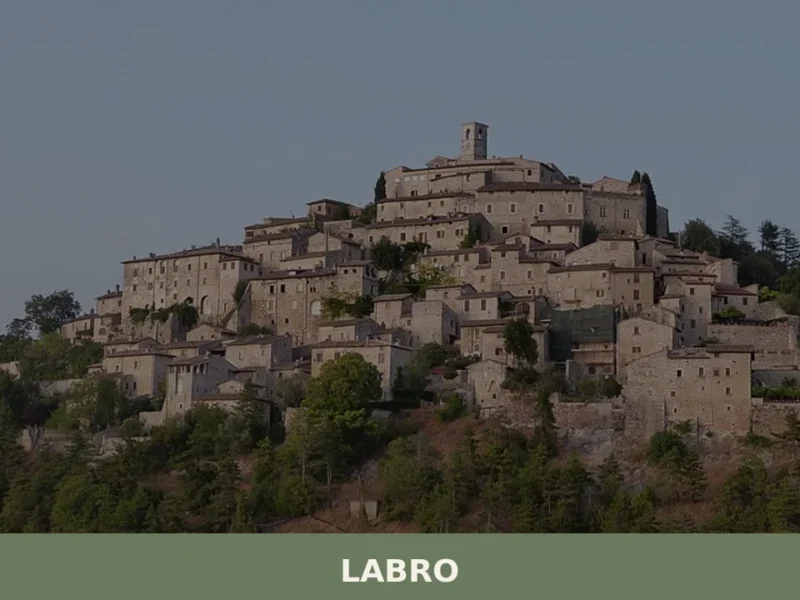
Labro
What to see in Labro: medieval castle, Lake Piediluco views and PAT-certified guanciale in a 360-person village at 628 m. Plan your visit to this Rieti province gem.




📝 Incorrect information or updates?
Help us keep the Proceno page accurate and up to date.