


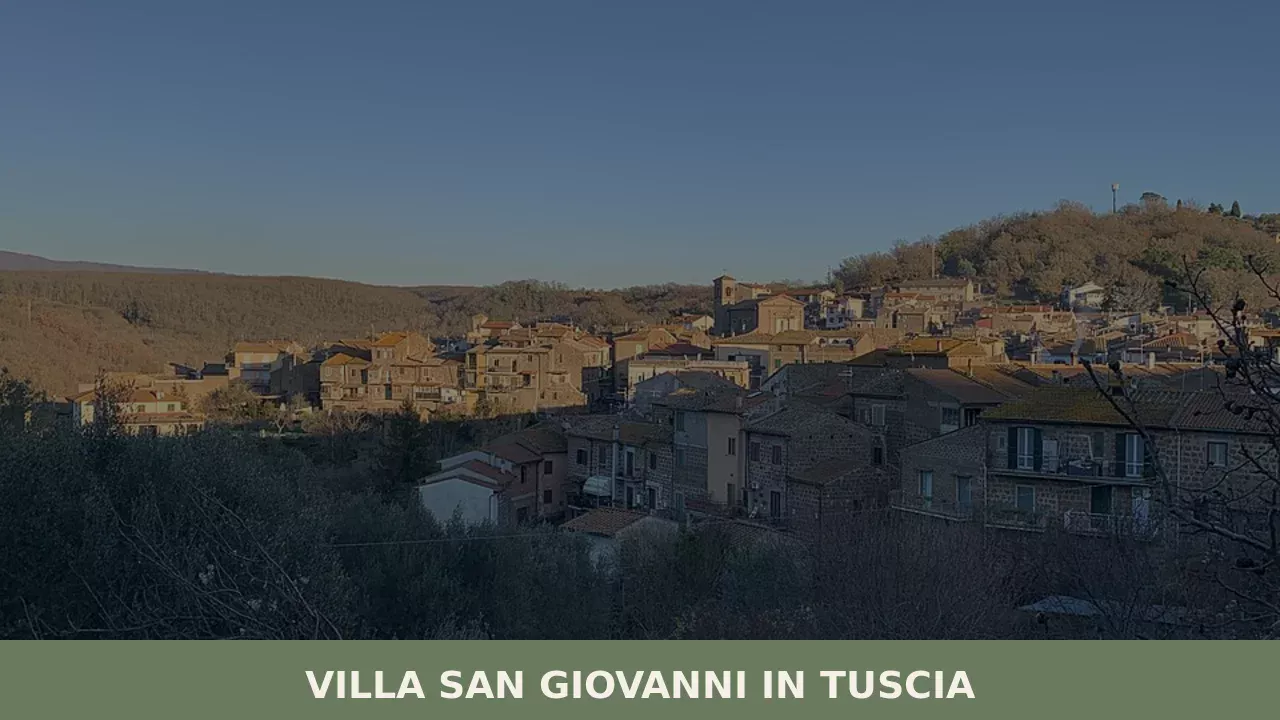
Villa San Giovanni in Tuscia
 Hills
Hills
Villa San Giovanni in Tuscia has 1,196 inhabitants spread across a hilly territory at 329 metres above sea level, in the province of Viterbo. The settlement preserves a compact layout dating back to the feudal reorganisation of the late Middle Ages, when the village was under the control of baronial families that ruled upper Lazio. […]
Discover Villa San Giovanni in Tuscia
Villa San Giovanni in Tuscia has 1,196 inhabitants spread across a hilly territory at 329 metres above sea level, in the province of Viterbo. The settlement preserves a compact layout dating back to the feudal reorganisation of the late Middle Ages, when the village was under the control of baronial families that ruled upper Lazio. Understanding what to see in Villa San Giovanni in Tuscia means crossing a town where the medieval urban plan coexists with the cereal and olive-growing countryside of the Viterbo Tuscia area, in a landscape of tuff and volcanic soil that marks every building.
History and origins of Villa San Giovanni in Tuscia
The place name combines the element “Villa” — which in medieval usage referred to a small rural settlement — with the reference to Saint John the Baptist, patron of the community, and the geographical specification “in Tuscia”, added to distinguish the village from the many places with the same name found across Italy. Tuscia corresponds to the territory of ancient southern Etruria, an area that covers much of the province of Viterbo and has retained this historical name since the early Middle Ages, when the Lombards used it to indicate the possessions of the former Roman duchy north of the Tiber.
The village’s history is closely tied to the feudal system that characterised upper Lazio between the 12th and 16th centuries. The territory passed under the control of various noble families and papal authority, following dynamics common to many centres in the Viterbo Tuscia. The hilltop position served precise defensive needs: the elevation provided visual control over the communication routes between Lake Bolsena and the Tiber valley. The local economy remained linked for centuries to the cultivation of cereals and olives and to sheep farming, activities that still define the surrounding agricultural landscape today.
With Italian Unification, the municipality was incorporated into the province of Viterbo, formally established in 1927. Over the course of the 20th century, Villa San Giovanni in Tuscia experienced a progressive demographic decline, a phenomenon shared with many small inland towns in Lazio, dropping from several thousand residents in the post-war period to the current 1,196.
What to see in Villa San Giovanni in Tuscia: 5 top attractions
1. Church of San Giovanni Battista
Dedicated to the village’s patron saint, the parish church is the main place of worship in the historic centre. The current structure is the result of successive interventions that modified the original building. Inside, liturgical furnishings and decorations document the local community’s devotion to the Baptist, celebrated every year on 24 June with a festival that involves the entire village.
2. Medieval historic centre
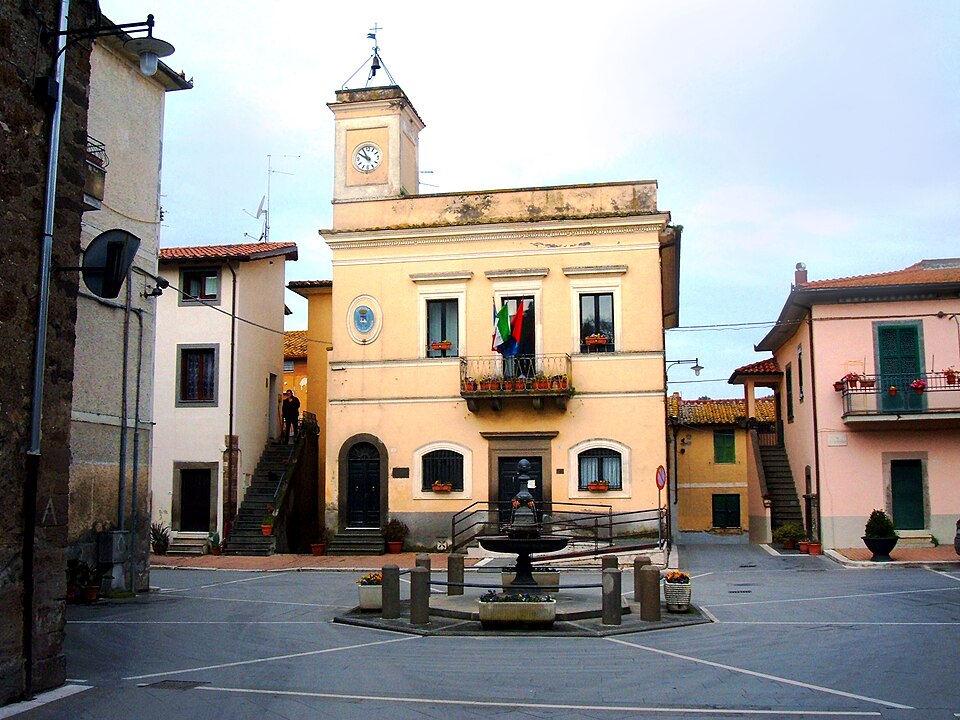
The old core retains a compact urban fabric, with narrow streets that follow the contours of the hill. The buildings are constructed predominantly in tuff, the volcanic material that outcrops throughout Tuscia. The houses, often two-storey with external staircases, display building types common to the smaller centres of upper Lazio, with peperino stone doorways and simply profiled windows.
3. Baronial palace
The presence of a noble building in the centre of the village documents the role of feudal families in the history of Villa San Giovanni in Tuscia. The structure, recognisable by its larger dimensions compared to the surrounding built fabric, retains architectural elements that recall the functions of governance and administration exercised by the local lords over the territory.
4. Hilly landscape and Tuscia countryside
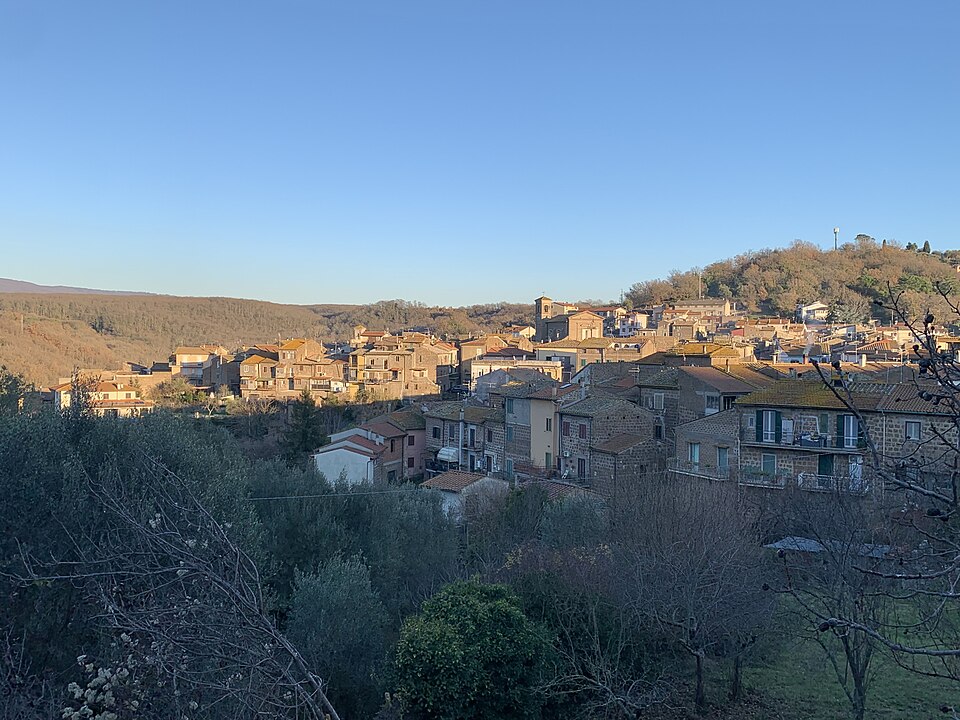
The agricultural areas surrounding the village offer a direct view of the inner Tuscia landscape: hills shaped on volcanic deposits of the Vulsini system, olive groves arranged in regular rows, arable fields that change colour with the seasons. The unpaved paths leading from the village allow walks through cultivated fields and patches of oak and turkey oak woodland.
5. Panoramic viewpoints towards Lake Bolsena and the Cimini Mountains
From the highest points of the village, at 329 metres elevation, the view reaches westward to the buttresses of the volcanic system that hosts Lake Bolsena and south-eastward to the wooded ridge of the Cimini Mountains. This intermediate position between the two volcanic systems — Vulsini and Cimini — defines Villa San Giovanni in Tuscia’s geographical location and explains the original settlement choice.
Local cuisine and typical products
The table in Villa San Giovanni in Tuscia reflects the gastronomic tradition of upper Lazio, built on humble ingredients and long cooking times. Legume soups — chickpeas, beans, lentils — appear regularly on menus, often enriched with short handmade pasta. Extra virgin olive oil from Tuscia, which has been awarded the DOP Canino designation, is the base seasoning for nearly every dish. It is also produced in the hilly belt around Villa San Giovanni, from native varieties such as Caninese and Leccino, with harvesting mainly between October and November.
Among the most widespread dishes in the area are acquacotta — a soup of wild greens, stale bread and egg — and fettuccine with porcini mushrooms, which in autumn make use of the harvest from the Cimini woods. Pork, processed into cured meats according to methods passed down through generations, is accompanied by bread baked in wood-fired ovens. The reference wine is the Est! Est!! Est!!! di Montefiascone DOC, produced just a few kilometres away. The restaurants and trattorias in the area, often family-run, offer menus tied to the seasonal availability of raw ingredients, as also indicated by the official municipal website.
When to visit Villa San Giovanni in Tuscia: the best time
The hilly climate of Tuscia makes spring and autumn the most suitable seasons for visiting Villa San Giovanni. From April to June, temperatures range between 15 and 25 degrees, the countryside is green and the olive trees are in bloom. Autumn, from September to November, brings the colours of the grape and olive harvests, with still-mild days and a low-angled light that sharply defines the profile of the hills. Summer can be hot, with peaks above 30 degrees, while winter brings cold temperatures and occasional overnight frosts.
The patron saint festival of San Giovanni Battista, on 24 June, is the most significant community event of the year: a procession, religious celebrations and civic activities draw residents and visitors to the village. Throughout the year, local food festivals and markets dedicated to agricultural products take place, particularly olive oil and wine. For those wishing to combine a visit with excursions, the months of May and October offer optimal conditions for walking the hill trails in the area.
How to get to Villa San Giovanni in Tuscia
Villa San Giovanni in Tuscia can be reached by car via the A1 Milan-Naples motorway, exiting at the Orte toll station, from which the village is approximately 30 kilometres north-west along the provincial road. From Viterbo, the provincial capital, the distance is approximately 25 kilometres, reachable in half an hour along ordinary roads. Rome lies approximately 100 kilometres to the south, reachable in about one hour and thirty minutes by car.
The nearest railway station is Orte, served by the Rome-Florence line and the regional Rome-Ancona line, from where it is necessary to continue by private vehicle or scheduled bus service. The reference airport is Rome Fiumicino, approximately 130 kilometres away. For those coming from Umbria, Orvieto is approximately 40 kilometres to the north. Local public transport is managed by Cotral, with services connecting the smaller towns of the province of Viterbo, although frequencies are limited, making the use of a car advisable.
What to see in Villa San Giovanni in Tuscia and surroundings: other villages in Lazio
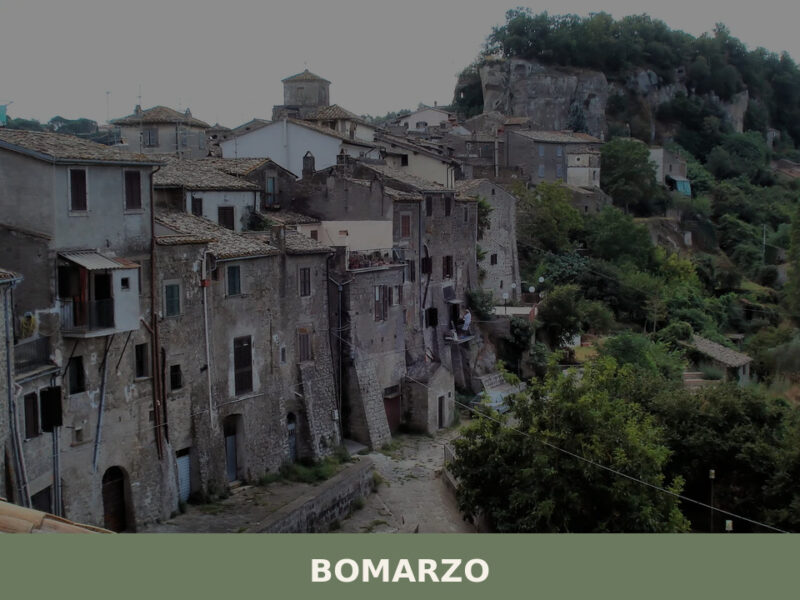
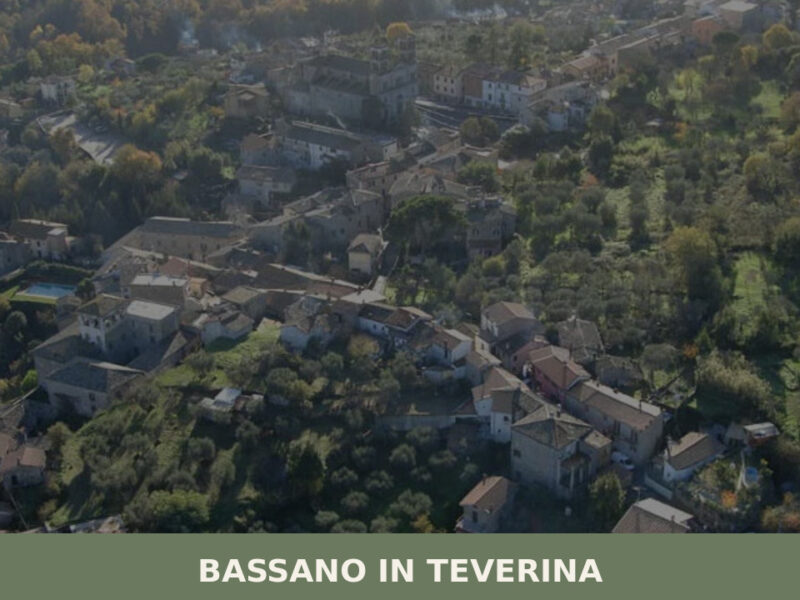
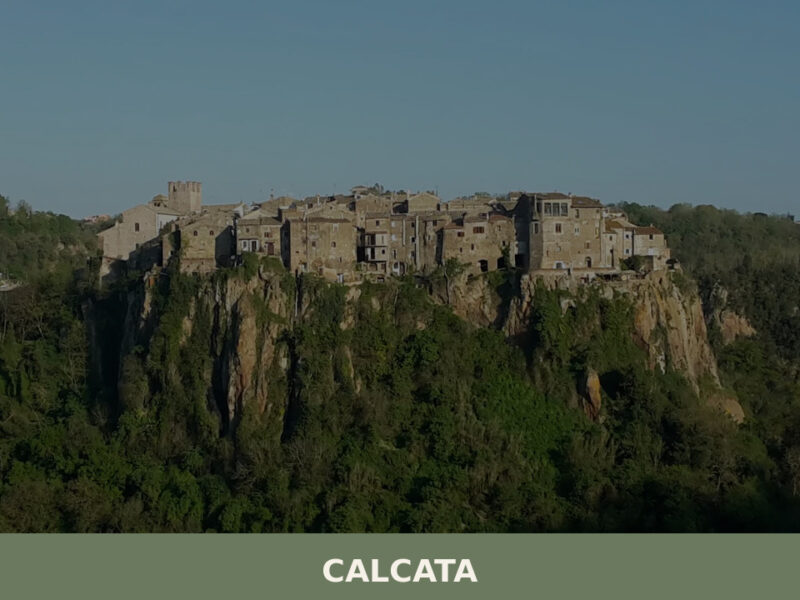
The Viterbo Tuscia territory is dotted with small centres that share with Villa San Giovanni the same volcanic geological origin and a history linked to papal feudalism. A short distance away lies Bassano in Teverina, a village that overlooks the Tiber valley from a raised position and preserves a clearly legible medieval layout, with walls and access gates still visible. The proximity to the river gave Bassano a different character compared to the inland hilltop centres, with an economy historically more oriented towards commercial exchange.
Moving westward, towards the Tyrrhenian Sea, one reaches Arlena di Castro, a village that stands on a tuff plateau and preserves traces of Etruscan activity in the surrounding territory. The comparison between these villages — Villa San Giovanni, Bassano in Teverina, Arlena di Castro — reveals the variety of a territory where every hilltop has generated a settlement with its own characteristics, determined by the geology of the soil, sun exposure and proximity to waterways. Travelling these provincial roads, often deserted, means crossing a stretch of inland Italy where population density remains among the lowest in Lazio.
Frequently asked questions about Villa San Giovanni in Tuscia
What is the best time to visit Villa San Giovanni in Tuscia?
Spring (April–June) and autumn (September–November) are the ideal seasons. In spring, temperatures range between 15 and 25°C, the countryside is lush and olive trees are in bloom. Autumn brings the olive and grape harvests, warm colours and soft light over the Tuscia hills. The most important community event is the feast of San Giovanni Battista on 24 June, with a procession and civic celebrations in the village. Summer can exceed 30°C, while winter brings cold temperatures and occasional frost. May and October are particularly recommended for walking the hill trails.
What are the historical origins of Villa San Giovanni in Tuscia?
The place name combines 'Villa' — a medieval term for a small rural settlement — with the dedication to Saint John the Baptist and the geographical marker 'in Tuscia', identifying the ancient territory of southern Etruria. The village developed within the feudal system that shaped upper Lazio between the 12th and 16th centuries, passing between noble families and papal authority. Its hilltop position at 329 metres served defensive purposes, offering visual control over routes between Lake Bolsena and the Tiber valley. After Italian Unification it became part of the province of Viterbo, formally established in 1927.
What to see in Villa San Giovanni in Tuscia? Main monuments and landmarks
The main attractions are the Church of San Giovanni Battista, the parish church dedicated to the village's patron with liturgical furnishings documenting local devotion; the medieval historic centre, with narrow tuff-stone streets, two-storey houses, peperino doorways and external staircases following the hill's contours; and the Baronial Palace, whose larger dimensions signal its former role in feudal governance. The entire historic centre is compact and walkable, with no entry fee. Access is straightforward on foot from the main village entrances.
What are the main natural or scenic attractions of Villa San Giovanni in Tuscia?
The village sits between two volcanic systems: the Vulsini (host to Lake Bolsena) to the west and the Cimini Mountains to the south-east. The surrounding hills, shaped on volcanic deposits, are covered with olive groves and arable fields that change with the seasons. Unpaved paths lead from the village into cultivated countryside and patches of oak and turkey oak woodland. From the highest points of the village, panoramic views reach Lake Bolsena and the wooded Cimini ridge, making the landscape one of the most rewarding aspects of a visit.
Where to take the best photos in Villa San Giovanni in Tuscia?
The best photography spots are the panoramic viewpoints at the highest elevation of the village, where the view extends westward to the volcanic massif surrounding Lake Bolsena and south-eastward to the Cimini Mountains ridge. The tuff-stone lanes of the medieval historic centre, particularly in early morning or late afternoon light, offer strong compositional contrasts between the dark volcanic stone and the surrounding countryside. The olive-grove landscape on the hillsides is especially photogenic in autumn, during the October–November harvest season.
Are there museums, churches or historic buildings to visit in Villa San Giovanni in Tuscia?
The Church of San Giovanni Battista is the principal religious building, containing liturgical furnishings and decorations linked to centuries of local devotion. The Baronial Palace in the historic centre is the most significant secular building, retaining architectural elements from its feudal administrative function. The medieval urban fabric itself — with tuff walls, peperino stone doorways and external staircases — constitutes a coherent architectural document of small-town upper Lazio. Specific opening hours and ticketing information for individual buildings are not publicly documented; visiting during morning hours or during the patron feast on 24 June is advisable.
What can you do in Villa San Giovanni in Tuscia? Activities and experiences
Visitors can walk the unpaved paths through olive groves and oak woodland surrounding the village, explore the compact medieval historic centre on foot, and attend the feast of San Giovanni Battista on 24 June. The location between Lake Bolsena and the Cimini Mountains makes Villa San Giovanni a convenient base for excursions to nearby villages such as Bassano in Teverina and Arlena di Castro. Autumn visits can coincide with the olive harvest (October–November) and mushroom season from the Cimini woods, with local trattorias offering seasonal menus tied to these ingredients.
Who is Villa San Giovanni in Tuscia suitable for? Families, couples, hikers, solo travellers?
Villa San Giovanni in Tuscia suits slow travellers, couples and anyone seeking authentic inland Lazio away from tourist crowds. The compact historic centre and easy hill paths are accessible for families with older children and for visitors interested in rural architecture and landscape. Hiking and photography enthusiasts will appreciate the panoramic viewpoints and the volcanic countryside between Lake Bolsena and the Cimini Mountains. Food and wine lovers benefit from proximity to Canino DOP olive oil production and the Est! Est!! Est!!! di Montefiascone DOC zone. The village is less suited to those seeking organised tourist infrastructure or beach holidays.
What to eat in Villa San Giovanni in Tuscia? Local products and specialties
The local table is rooted in the cucina povera of upper Lazio. Key dishes include acquacotta (a soup of wild greens, stale bread and egg), legume soups with handmade pasta, fettuccine with porcini mushrooms in autumn, and pork-based cured meats. The reference oil is extra virgin olive oil under the DOP Canino designation, produced from native varieties including Caninese and Leccino, harvested October–November in the hilly belt around the village. The area's reference wine is Est! Est!! Est!!! di Montefiascone DOC, produced a few kilometres away. Family-run trattorias serve menus based on seasonal ingredients.
📷 Photo Gallery — Villa San Giovanni in Tuscia
Nearby Villages near Villa San Giovanni in Tuscia
In Lazio More villages to discover
Borbona
 Mountain
What to see in Borbona: a mountain village at 760m in the province of Rieti with 643 residents. Discover the stone historic centre, 3 PAT products, and the 27 May patron feast.
Lubriano
Hills
Lubriano has 864 inhabitants and occupies a tuff plateau at 441 metres above sea level, separated from the more famous Civita di Bagnoregio by a calanchi valley nearly two hundred metres deep. The municipal boundary runs along the edge of a gorge that geologists classify as one of the most active in Tuscia for erosion. […]
Acuto
Mountain
What to see in Acuto, Lazio, Italy: explore a hilltop village at 680 m with the birthplace of a Catholic founder and Monti Ernici views. Discover it all here.
Castel di Tora
 Lake
Mountain
Lake
Mountain
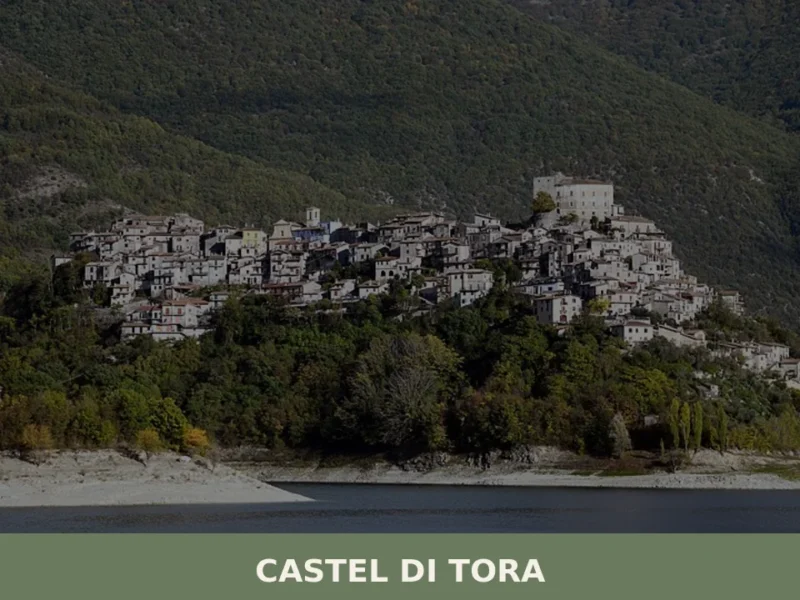
What to see in Castel di Tora: medieval village at 607 m above Lago del Salto, 292 residents, 3 PAT-certified products. Plan your visit with our complete guide.
Anguillara Sabazia
Lake
 Plains
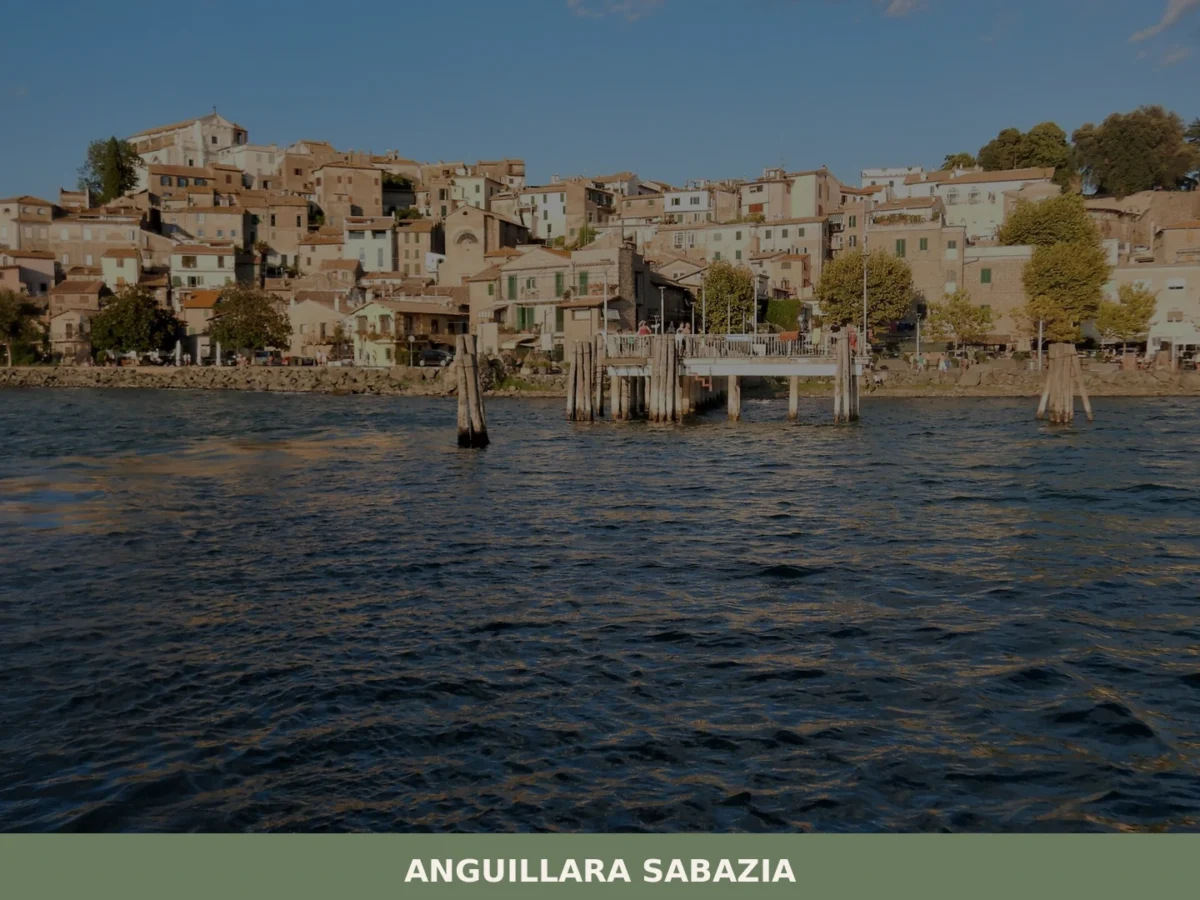
What to see in Anguillara Sabazia, Lazio, Italy: lake beaches, a Roman villa 18 m tall, and 18,816 residents. Discover top things to do and how to get there.
Bracciano
Hills
Lake
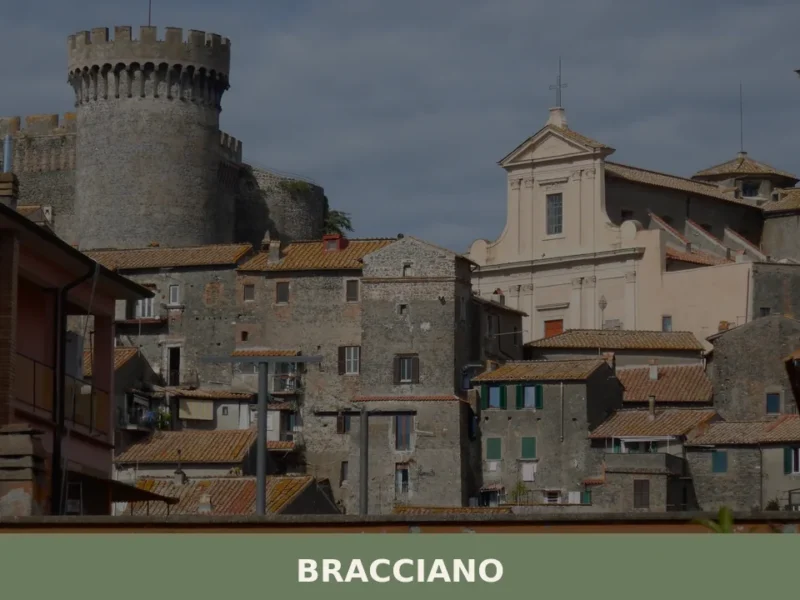
What to see in Bracciano, Italy: Discover its medieval castle and volcanic lake. Located 30 km (19 mi) from Rome, explore this Lazio village for a memorable day trip.

Ausonia
Hills
What to see in Ausonia, Lazio, Italy: discover a 15th-century sanctuary, an 11th-century castle, and medieval frescoes. Explore the full travel guide now.
Capodimonte
Hills
Lake
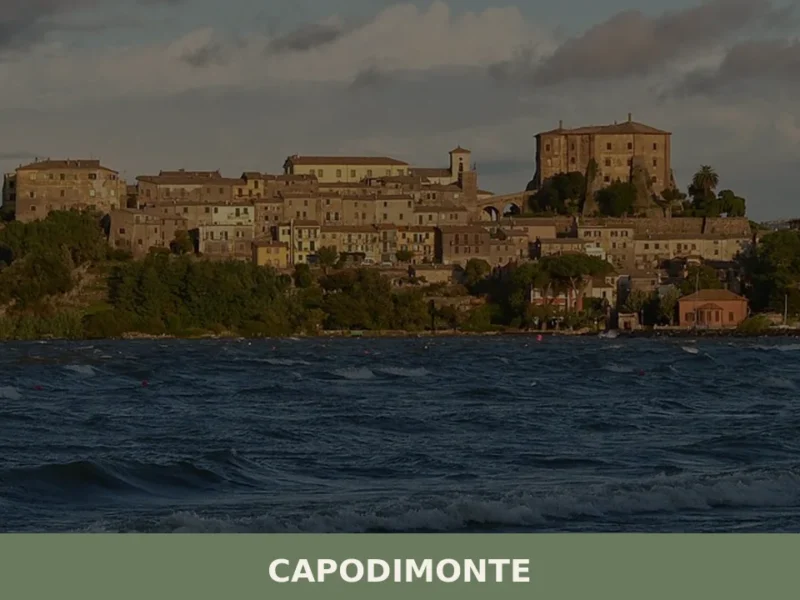
What to see in Capodimonte, Italy: Discover this village of 1,667 inhabitants on Lake Bolsena's shore. Explore its unique headland and historic core. Read our guide!
Mompeo
Hills
Discover Mompeo, a charming village in Lazio, Italy. Explore its rich history, stunning landscapes, and authentic Italian culture off the beaten path.
Ariccia
Hills
What to see in Ariccia: from Palazzo Chigi to the monumental bridge, discover the 5 top attractions. Plan your visit with this complete travel guide.



🏡 Know Villa San Giovanni in Tuscia better than we do?
If you’re a local or have been there, your knowledge matters: add what’s missing or fix a detail on this page.