


Palata
 Hills
Hills
what to see in palata, Italy, a village at 520 m. Discover its historic core and the San Rocco festival. Explore Molise’s authentic rural heritage.
Discover Palata
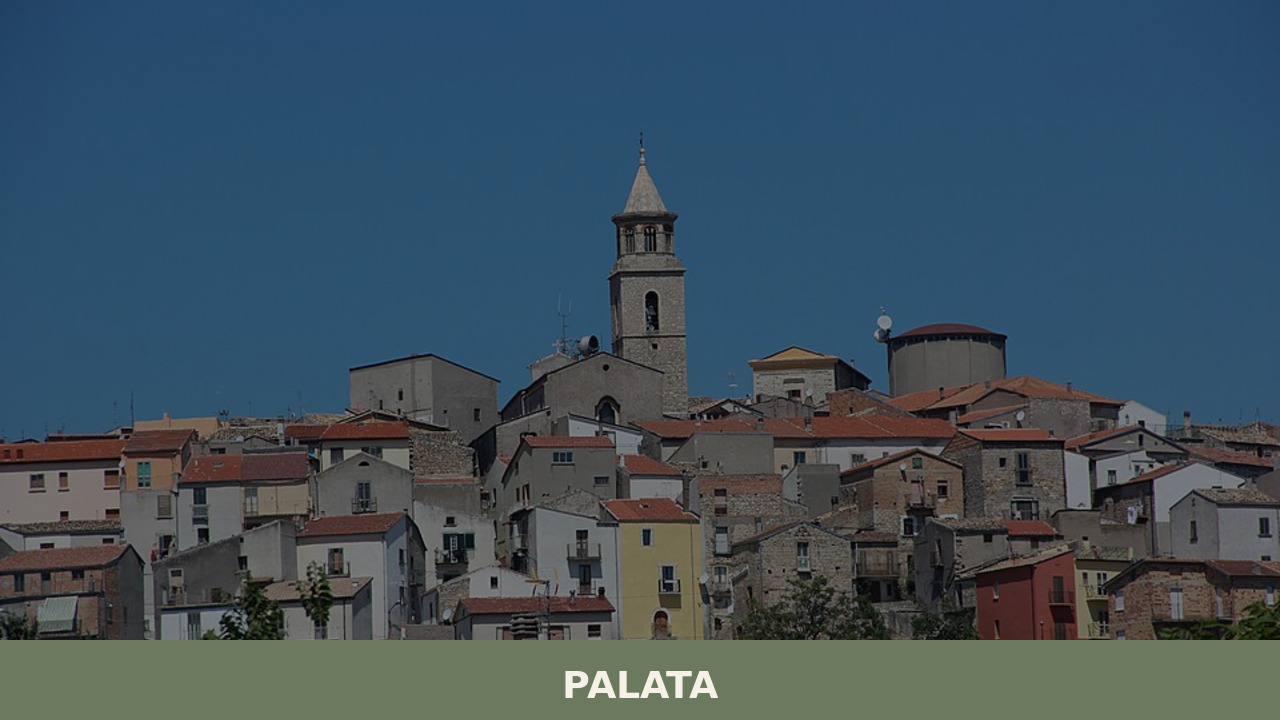
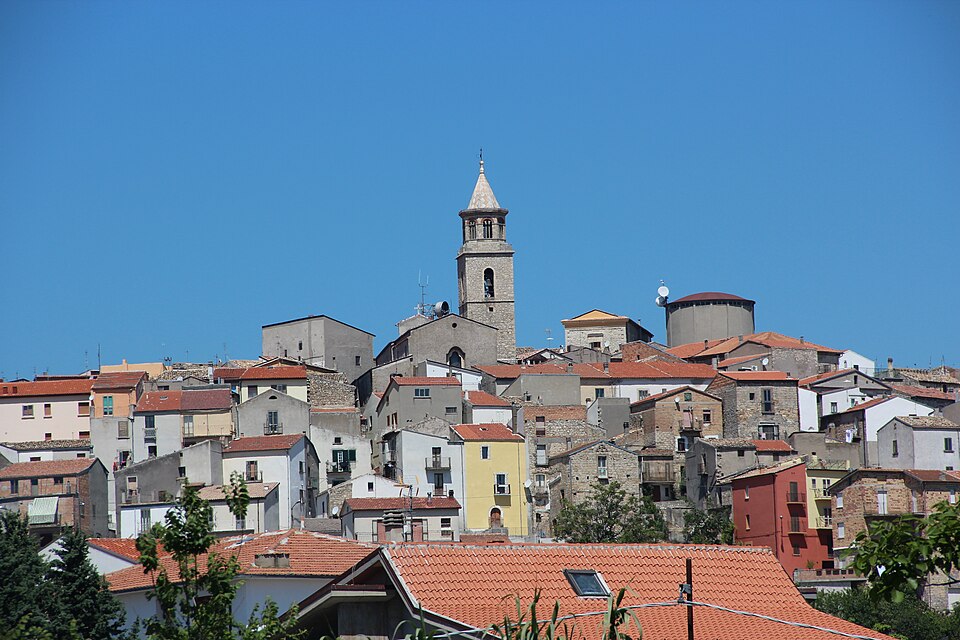
Palata, a comune in the province of Campobasso, stands at an elevation of 520 m (1,706 ft) above sea level. This elevated position offers expansive views of the surrounding Molise countryside, characterized by rolling hills and agricultural lands. The village maintains a population of 1,535 inhabitants, reflecting the quiet rhythm of rural Italian life.
For those asking what to see in Palata, the village offers a genuine insight into traditional Molise. Visitors to Palata find a compact historic core, where the influence of centuries of rural existence is still evident.
The celebrations for its patron saint, San Rocco, provide a vibrant cultural experience, showcasing local customs and community spirit.
What to see in Palata: History and Origins
Understanding what to see in Palata begins with its identity as a comune in Molise, Italy, situated in the province of Campobasso at an elevation of 520 m (1,706 ft) above sea level. With a population of 1,535 inhabitants, it represents a typical example of a hill village in Southern Italy. While the provided historical records for Palata itself are not extensive, its geographical position and administrative status as a comune suggest a long-standing settlement pattern.
The Molise region, where Palata is located, has a rich historical background, with evidence of Samnite and Roman settlements across its territory dating back millennia. Many modern villages in the area trace their origins back to medieval periods, often developing around defensive positions or agricultural centers crucial for survival and trade. These settlements typically evolved under feudal systems for centuries, with local lords controlling the land and its inhabitants, shaping the social and economic fabric of the communities and influencing their architectural development over time.
The designation of Palata as a comune reflects its established municipal autonomy, a status common throughout Italy.
This administrative structure implies a history of local governance and community development, even if specific founding dates or major historical events for Palata are not detailed in the available documentation. The village today continues its existence within this historical continuity, adapting to contemporary life while maintaining its rural character and the quiet traditions of its inhabitants.
What to see in Palata, Molise: top attractions
The Historic Center of Palata
The historic center of Palata, a comune with 1,535 inhabitants, offers a tangible connection to traditional Molise village life. Its streets often follow the contours of the hillside, characterized by stone buildings that speak of local craftsmanship and the region’s geological makeup. As visitors wander through these pathways, they encounter the quiet rhythms of a community where daily routines unfold against a backdrop of centuries-old structures. The compact layout ensures that key points of interest, such as the main square, are easily accessible within a short walk.
Panoramic Views from 520 Meters
Standing at an elevation of 520 m (1,706 ft) above sea level, Palata provides extensive panoramic views across the Molise region.
This elevated position allows for clear sightlines over rolling hills, cultivated fields, and distant valleys, particularly striking during sunrise or sunset. The landscape changes with the seasons, from the vibrant greens of spring to the golden hues of late summer. Visitors can appreciate the vastness of the Molise countryside, a testament to the region’s largely agricultural character and its natural beauty, distinct from the coastal areas like Petacciato.
The Parish Church of San Rocco
As the patron saint of the village, San Rocco is central to Palata’s spiritual and community life, implying the presence of a dedicated parish church within the village. While specific architectural details are not provided, Italian village churches typically feature a nave, an altar, and often a bell tower that punctuates the skyline. This church serves as a focal point for religious observances and community gatherings, especially during the annual feast day of San Rocco. Its interior would likely offer a quiet space for reflection, adorned with religious art and symbols common to the region.
Rural Landscapes and Hillside Setting
Palata’s designation as a “Collina” (hill) village underscores its deep connection to the rural Molise landscape.
The area immediately surrounding the village consists of gentle slopes and agricultural land, where traditional farming practices persist. Paths and minor roads wind through these cultivated areas, offering opportunities for quiet walks and observations of local flora and fauna. The characteristic sounds of the countryside, combined with the scent of earth and vegetation, define the experience of this particular environment. This setting is integral to understanding the daily life and economic activities of Palata’s 1,535 inhabitants.
Experiencing Local Molise Life
Beyond specific landmarks, a key aspect of what to see in Palata is the opportunity to experience the rhythm of authentic Molise village life. With a population of 1,535, the community fosters a close-knit atmosphere where daily routines are unhurried. Interactions with local residents, observing their traditions, and partaking in the simple pleasures of rural Italian living define this experience.
This immersion allows visitors to gain a deeper understanding of the cultural nuances and social fabric that sustain such small municipalities, offering a contrast to larger, more tourist-heavy destinations.
Local food and typical products of Palata
While the provided sources do not detail specific local dishes or certified products unique to Palata itself, the village is situated within the Molise region, known for its deep-rooted gastronomic traditions. Molise cuisine is characterized by its reliance on fresh, seasonal ingredients sourced directly from the land and sea, reflecting the region’s diverse agricultural and coastal environments. The culinary approach is typically simple yet robust, emphasizing the quality and natural flavors of its components.
In smaller Molise communities, the preparation of food often follows recipes passed down through generations, utilizing local produce such as durum wheat for pasta, various legumes, and locally raised meats. Dishes tend to be hearty, reflecting the historical need for sustenance in a predominantly rural setting. Visitors might find meals prepared with olive oil, herbs from the hills, and fresh vegetables, offering a taste of authentic regional cooking that prioritizes tradition and local sourcing.
Festivals, events and traditions of Palata
Palata observes the feast day of its patron saint, San Rocco, a significant annual event for the community.
These celebrations typically involve religious ceremonies and a procession through the village streets, reflecting the deep-rooted spiritual traditions of the region. The gathering provides an opportunity for residents to reinforce community bonds and share in collective devotion, often accompanied by local music and festive atmosphere.
Beyond the patron saint’s day, discovering what to see in Palata often involves observing the enduring cultural fabric of a small Italian village. While specific details regarding other festivals or unique traditions in Palata are not provided in the available sources, the observance of the patron saint’s day remains a central element of the village’s cultural calendar. Such events are characteristic of many smaller Italian municipalities, where religious feasts often blend with local customs and social gatherings.
When to visit Palata, Italy and how to get there
To fully appreciate what to see in Palata, timing your visit is important.
The best time to visit Molise generally is during spring (April-May) and early autumn (September-October) for mild temperatures, pleasant weather, and lush landscapes ideal for outdoor exploration. Summer (July-August) can be warm, but it is also when many local festivals, including the celebration for San Rocco, take place. Palata, as a hill village at 520 m (1,706 ft), may have some uneven terrain in its older parts, which visitors should consider when exploring its historic core.
To reach Palata, Italy, visitors arriving by car can use the A14 Adriatica motorway, taking the Termoli exit, which is approximately 40 km (25 mi) away. From there, well-maintained local roads lead directly to the village, offering scenic drives through the Molise countryside.
The nearest major train station is Termoli, providing connections along the Adriatic line; further information on schedules can be found on the Trenitalia website. For air travel, Abruzzo Airport (PSR) near Pescara is about 100 km (62 mi) to the north, while Naples International Airport (NAP) is approximately 170 km (106 mi) to the southwest. A drive from Rome to Palata covers about 250 km (155 mi), typically taking around 3 hours, making it a feasible day trip from the capital.
For international visitors, it is advisable to carry some Euros cash, as smaller establishments in villages like Palata may not always accept credit cards, especially for minor purchases. While English might be understood in some tourist-oriented locations, it can be limited in very small local shops and eateries.
Familiarity with a few basic Italian phrases will enhance the travel experience and facilitate interactions with the friendly local community.
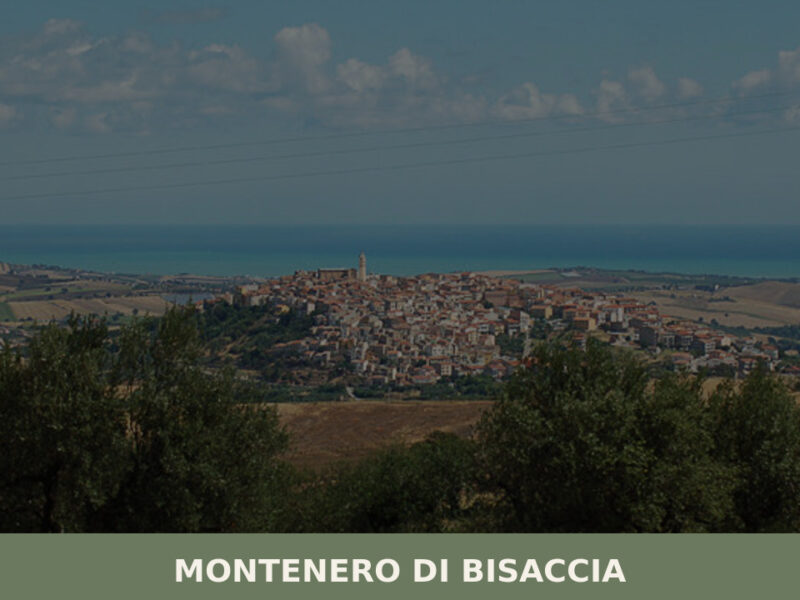
Visitors to Palata, Molise, Italy, can extend their trip to explore other nearby areas, such as Montenero di Bisaccia, which is also located in the province of Campobasso and offers a different perspective on Molise’s varied landscapes. Further afield, the higher altitude village of Agnone provides a contrast with its rich history of artisan crafts and a distinct mountain atmosphere.
Frequently asked questions about Palata
Is Palata feasible as a day trip from nearby coastal or inland cities?
Yes. Palata sits about 40 km from Termoli on the Adriatic coast, making it a comfortable day trip by car in under an hour. Campobasso, the regional capital of Molise, is roughly 70 km away via the SS87 and connecting roads. The compact size of the village — around 1,500 inhabitants — means its main sights, including the church and piazza, can realistically be covered in half a day, leaving time to enjoy a meal at a local trattoria.
When is the feast of Palata's patron saint San Rocco celebrated?
Palata's patron saint is San Rocco, whose liturgical feast day falls on 16 August according to the Catholic calendar. San Rocco is widely venerated across southern Italy as a protector against plague and disease, and his feast typically involves religious processions, outdoor celebrations, and local food traditions. The article also notes that August is when the village's annual festival takes place, making mid-August the liveliest period to experience Palata's community spirit firsthand.
Are there documented hiking or walking trails around Palata?
The article mentions marked scenic walking paths in the hills surrounding Palata, offering panoramic views of the Molisan countryside at 520 metres above sea level. Palata falls within the broader hilly interior of the province of Campobasso, where the regional network of rural and nature paths connects several villages. For numbered CAI (Club Alpino Italiano) trail references specific to Palata, it is advisable to consult the CAI Molise section or the local pro loco before your visit.
Is there parking available in Palata for visitors arriving by car?
Palata is a small hilltop village of about 1,500 residents, and like most compact Molisan borghi at this scale, the historic centre is best explored on foot. Visitors arriving by car via the A14 motorway — exiting at Vasto Sud or Termoli and continuing inland — typically park in designated areas at the village entrance or along peripheral streets near the main piazza, then proceed on foot. Checking locally upon arrival is recommended as parking facilities in small villages can vary seasonally.
📷 Photo Gallery — Palata
Nearby Villages near Palata
In Molise More villages to discover
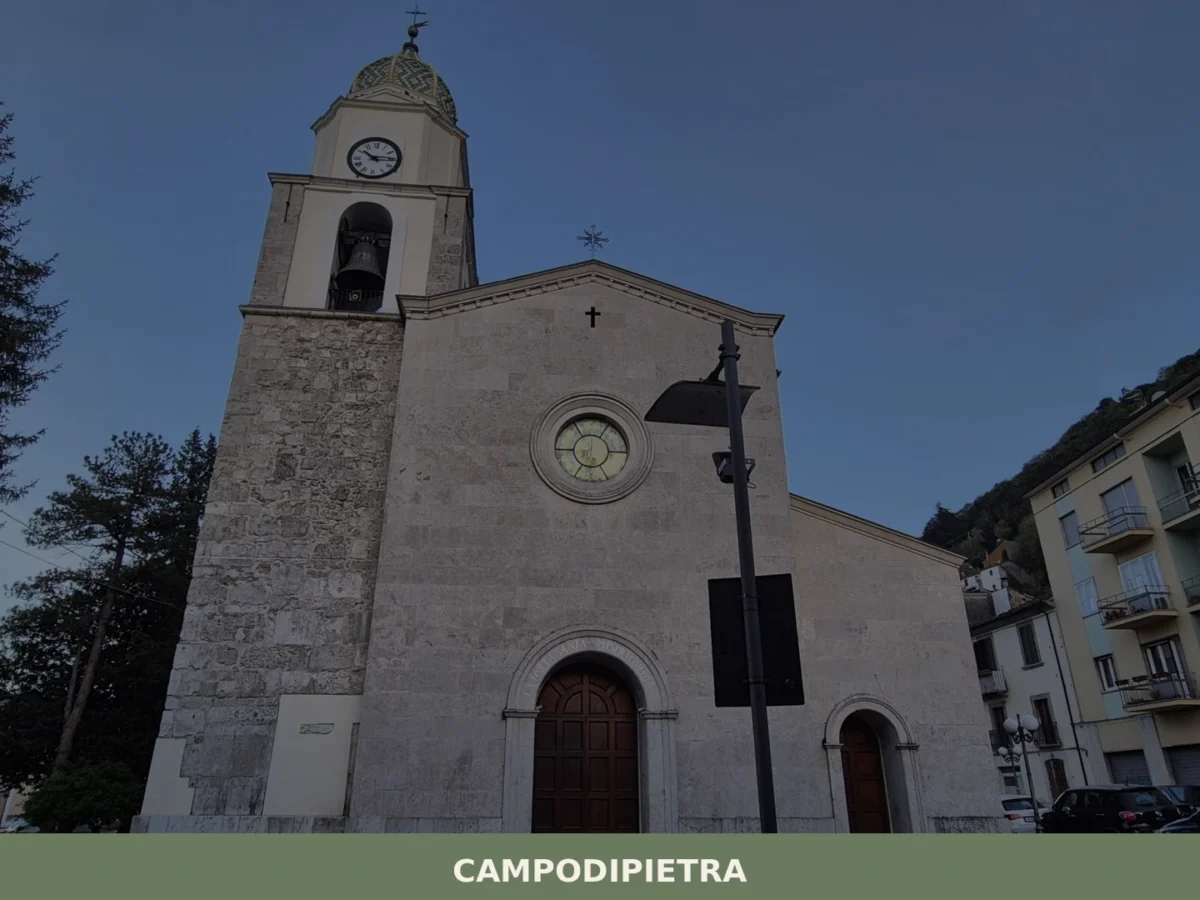
Campodipietra
Hills
What to see in Campodipietra, Italy: 7 km from Campobasso, discover the 13th-century church of San Martino, medieval walls, and local Molise food traditions. Explore now.
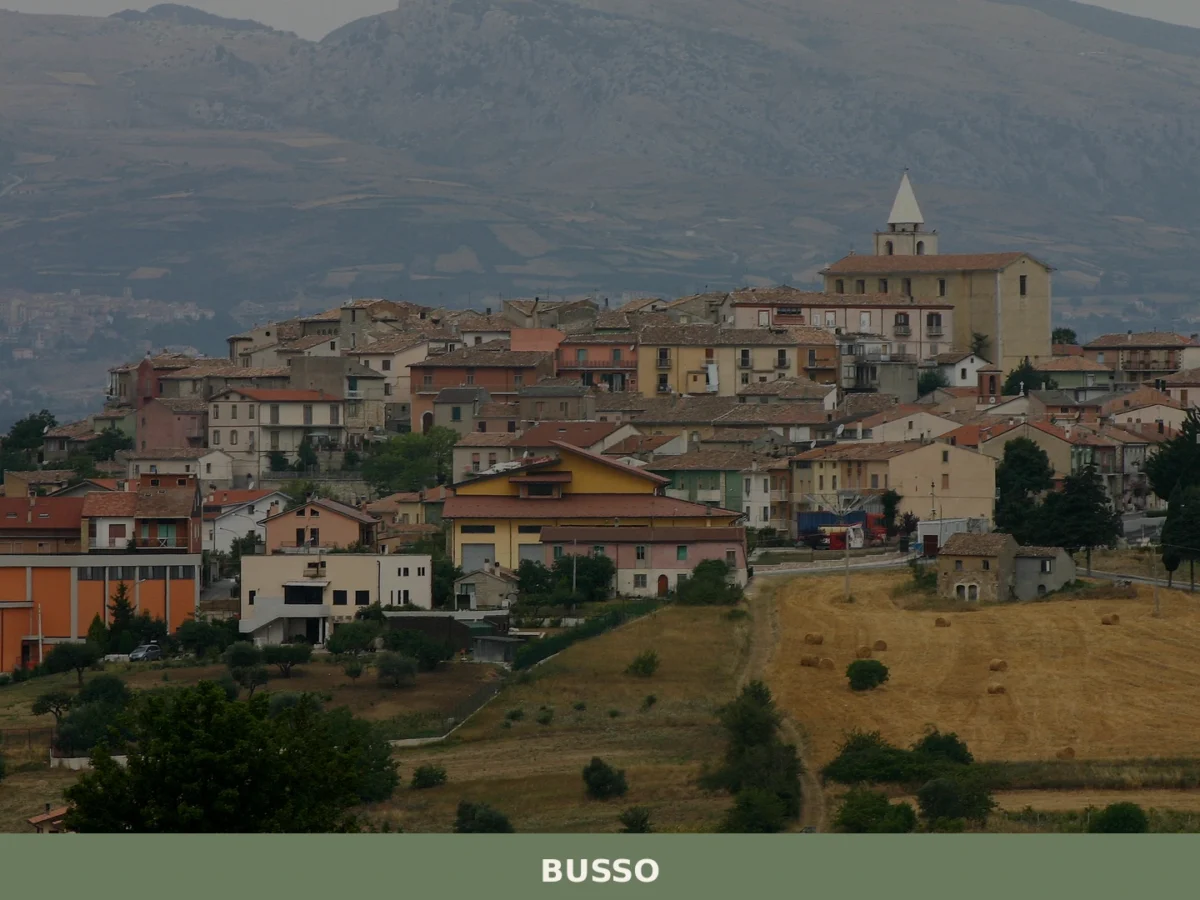
Busso
 Mountain
What to see in Busso, Molise, Italy: explore 5 top attractions 10 km from Campobasso. Discover local food, festivals and how to get there. Complete travel guide.
Bagnoli del Trigno
Mountain
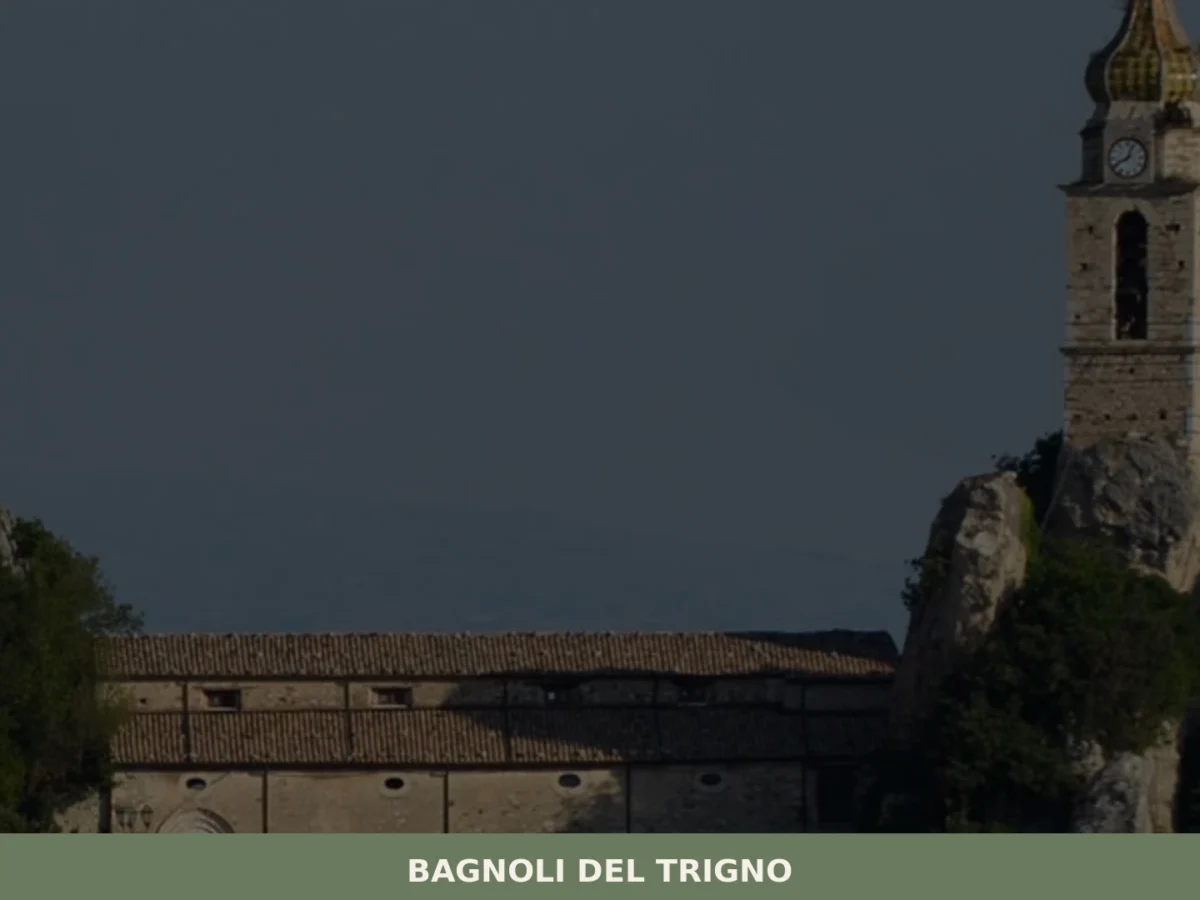
Discover what to see in Bagnoli del Trigno: medieval streets, parish churches, Trigno valley landscapes and upland food traditions in the Province of Isernia, Molise.
Bojano
Mountain
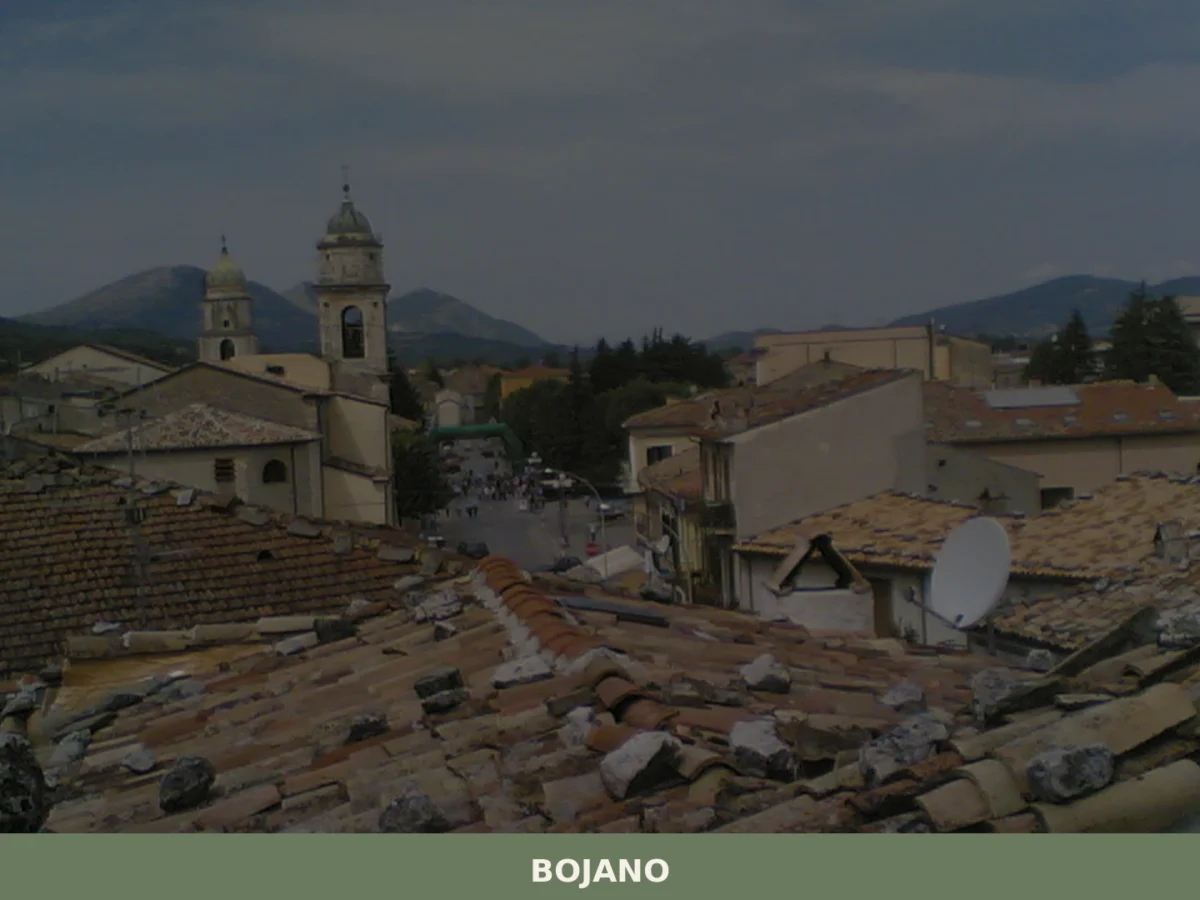
Discover what to see in Bojano, Molise u2014 from Samnite ruins and Norman castle remains to the Biferno valley and Matese mountain park. History, food, and travel tips.
🏡 Know Palata better than we do?
If you’re a local or have been there, your knowledge matters: add what’s missing or fix a detail on this page.