


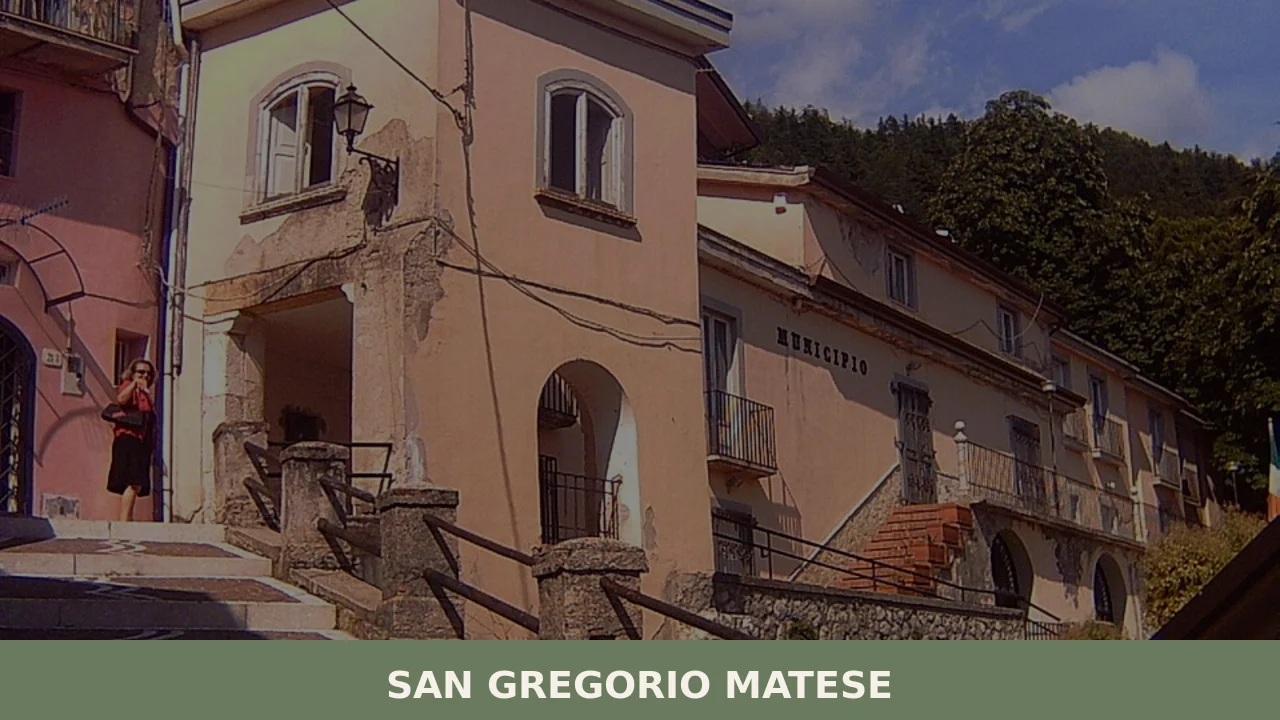
San Gregorio Matese
At 765 meters above sea level, San Gregorio Matese stands as one of the highest municipalities in the province of Caserta, a settlement with just over a thousand inhabitants. Its foundation is historically attributed to the cult of Pope Gregory I, from whom it takes its name. For those wondering what to see in San […]
Discover San Gregorio Matese
At 765 meters above sea level, San Gregorio Matese stands as one of the highest municipalities in the province of Caserta, a settlement with just over a thousand inhabitants. Its foundation is historically attributed to the cult of Pope Gregory I, from whom it takes its name. For those wondering what to see in San Gregorio Matese, the village offers a route among religious architecture and mountain views, demonstrating a connection with the natural environment of the Matese massif. Its geographical position, in the heart of the Matese Regional Park, defines its identity and activities, from sheep farming to hiking, proposing a way of life that adapts to the rhythms of the mountains.
History and origins of San Gregorio Matese
The origins of San Gregorio Matese are rooted in the medieval period, with the first residential core likely developing around a Benedictine settlement. The village’s name is a clear reference to Pope Gregory I, known as the Great, a prominent figure of the Catholic Church between the 6th and 7th centuries. This dedication suggests an ancient devotion or the presence of a religious foundation dedicated to him. The territory, part of the ancient Terra di Lavoro, has experienced a succession of dominations that left traces on its social and urban structure, from Lombard and Norman influences to the Aragonese and Bourbon periods.
The history of San Gregorio Matese is closely linked to mountain life, sheep farming, and agriculture, activities that have marked the existence of its inhabitants for centuries. The Matese highlands have offered refuge and resources, but also isolation, helping to preserve customs and traditions. Historical documents attest to the presence of communities dedicated to exploiting forest resources and livestock farming, elements that still characterize the local economy and cultural identity of the village today. For historical insights, you can consult the dedicated page on Wikipedia Italy.
What to see in San Gregorio Matese: 5 essential attractions
1. The Mother Church of San Gregorio Magno
The parish church, dedicated to the patron saint Pope Gregory I, forms the religious and historical core of the village. Its structure, resulting from successive modifications and enlargements, presents architectural elements that narrate the eras it has experienced. Inside, sacred artworks are preserved, including wooden statues and canvases, which bear witness to the community’s devotion. The building stands in a central position, overlooking the main square.
2. The Hermitage of San Michele Arcangelo
The Hermitage of San Michele Arcangelo is a rock-hewn place of worship, carved into the rock, accessible via a path. Its origin is lost to the centuries, likely linked to medieval hermitic practices. This site offers an example of spontaneous architecture and a panoramic view of the surrounding territory. The simplicity of the structure and its integration with the rocky environment define its character.
3. The Fontana del Campo
Located in one of the village squares, the Fontana del Campo is a reference point for residents and visitors. Built from local stone, it represents an example of functional and decorative architecture typical of rural centers. Its presence is linked to the need for water supply and, over time, it has become a place for meeting and socializing.
4. Lake Matese
A few kilometers from the inhabited center, Lake Matese is the highest karstic lake in Italy and a significant natural attraction. Its waters reflect the surrounding peaks, creating a landscape of particular interest. The area around the lake is equipped for outdoor activities such as walks, cycling, and hikes, offering direct contact with the biodiversity of the Matese Regional Park.
5. The Matese Hiking Trails
San Gregorio Matese is a starting point for numerous trails that venture into the Matese massif. These routes allow exploration of the park’s flora and fauna, reaching peaks like Monte Miletto or traversing beech forests. The trails are marked and suitable for various difficulty levels, offering opportunities for trekking and nature observation. More information about the territory is available on the website of the Municipality of San Gregorio Matese.
Typical cuisine and local products
The gastronomy of San Gregorio Matese reflects its mountain identity, with dishes that highlight local agricultural and livestock products. Sheep farming provides sheep and goat meats, often prepared stewed or grilled. Among the cheeses, Matese pecorino, produced with local sheep’s milk, and fresh ricotta stand out as basic elements for many culinary preparations. Wild vegetables gathered in the surrounding woods and fields, such as chicory and wild asparagus, enrich the tables.
Another distinctive product is pork, processed to obtain traditional cured meats such as sausages and soppressata, often aged. The woods offer porcini mushrooms and chestnuts, ingredients used in first courses, side dishes, and desserts. Local cuisine is distinguished by its simplicity and the use of fresh ingredients, following recipes handed down from generation to generation, which can be discovered in local trattorias and agriturismos.
When to visit San Gregorio Matese: the best time
The best time to visit San Gregorio Matese depends on the traveler’s interests. Summer, particularly the months of July and August, is ideal for hikes and outdoor activities, thanks to mild temperatures and long days. On the first Sunday of August, the patron saint’s feast is held in honor of Pope Gregory I, an opportunity to observe local traditions and participate in civil and religious events.
Spring offers a renewed landscape, with fields and woods in bloom, making the trails particularly appealing. Autumn is the time for mushroom and chestnut harvesting, with warm colors enveloping the mountains. Winter, with snow, transforms the Matese into an environment suitable for winter sports, although connections may require more attention. For general information on the region, you can consult Italia.it.
How to get to San Gregorio Matese
San Gregorio Matese is primarily accessible by road. For those coming from the north or south, the A1 motorway (Milan-Naples) is the reference. The recommended exit is Caianello, from which you continue along the SS 158 towards Piedimonte Matese and then to San Gregorio Matese. The distance from Caserta, the provincial capital, is approximately 60 kilometers, while from Naples it is about 80 kilometers.
The nearest train station is Piedimonte Matese, the terminus of a secondary line that connects to the main network. From here, it is necessary to continue with local public transport or taxis. The nearest airport is Naples-Capodichino International Airport (NAP), from which you can rent a car or use road transport services to reach the village.
Other
In Campania More villages to discover
Camigliano
Morning light flattens across the plain north of Caserta, and Camigliano emerges low and unhurried — a grid of stone and plaster houses, church bells marking the quarter-hour to no one in particular. With fewer than two thousand residents, this is a settlement shaped more by agriculture than spectacle. Yet for those asking what to […]
Benevento
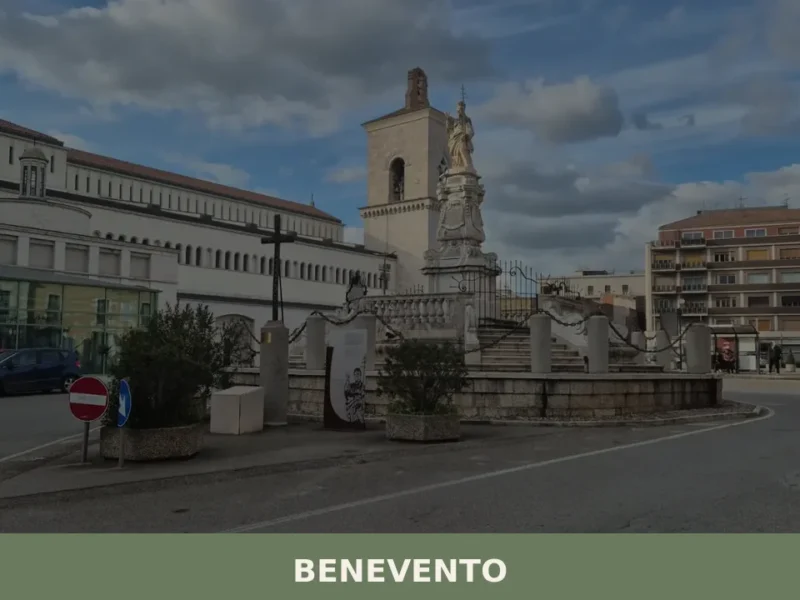
Uncover the rich history and beautiful landscapes of the village of Benevento in Campania, Italy. Plan your visit to this charming Italian gem today!
Prata Sannita
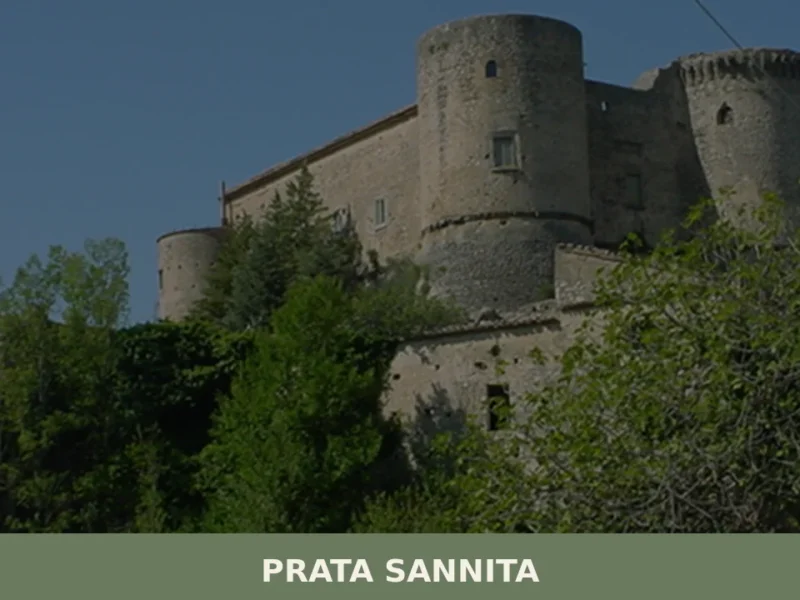
At 333 meters above sea level, in the heart of the Alto Casertano region, Prata Sannita stands, a town with 1,549 inhabitants and whose history is rooted in a territory inhabited since the Samnite era. Its architecture reflects the stratification of different eras, offering visitors an overview of rural and feudal life in southern Italy. […]



📝 Incorrect information or updates?
Help us keep the San Gregorio Matese page accurate and up to date.