


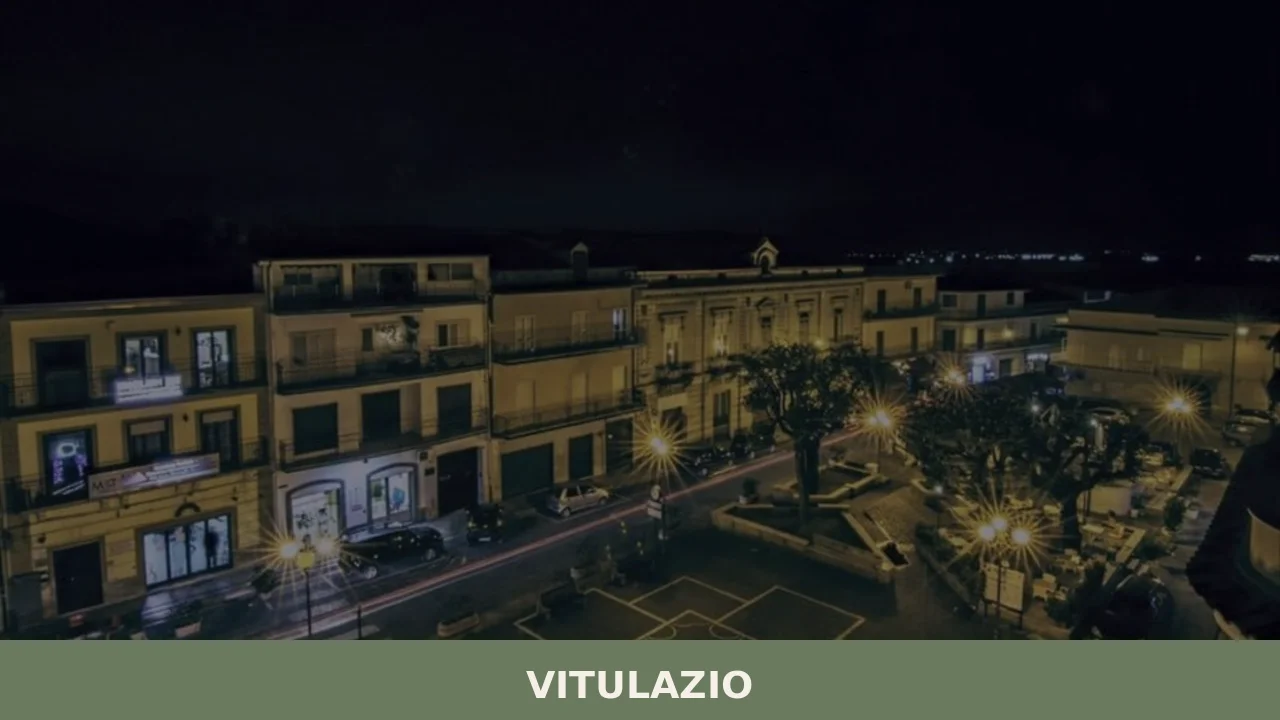
Vitulazio
 Plains
What to see in Vitulazio: 7,646 residents, 57m above sea level in Caserta province. Visit the Agnena Sanctuary, historic centre and taste PAT products like ‘Ndunderi. Plan your trip.
Discover Vitulazio
When the Romans laid out the Via Appia through the Terra di Lavoro, the territory around present-day Vitulazio was already marked by established settlements: late-antique and medieval sources record the presence of inhabited nuclei in the northern ager campanus, a flat strip of land at 57 metres above sea level that slopes down toward the Volturno river.
Today Vitulazio has 7,646 inhabitants and is a municipality in the province of Caserta that has preserved, over the centuries, a dual identity — agricultural and religious — still legible in the urban layout and in the festivals associated with the patron saint Santo Stefano and the Madonna dell’Agnena.
Those wondering what to see in Vitulazio will find an answer that brings together archaeology, popular devotion and the flavours of the Caserta countryside.
History and Origins of Vitulazio
The name Vitulazio most likely derives from the Latin vitulus, meaning calf, a word that in Roman rural vocabulary referred both to the animal and, by extension, to a territory suited to cattle farming. The theory most widely accepted by local scholars connects the name to a Roman-era agricultural estate — a praedium in private ownership identified by the genitive of its owner — following a place-naming practice common throughout northern Campania.
The area formed part of the ager campanus, the fertile district that Rome administered as public domain after the destruction of Capua in 211 BC, and the continuity of settlement from the Republican to the late Imperial period is documented by scattered ceramic and structural finds within the municipal territory.
In the medieval period, Vitulazio enters the written record as part of the Norman castle system that reorganised southern Italy after the eleventh century.
The Terra di Lavoro passed under the control of the Swabians, then the Angevins, and small agricultural centres like Vitulazio followed the fortunes of the county of Caserta, subject to feudal powers that changed with every dynastic succession. The parish dedicated to Santo Stefano served for centuries as the focal point of civic identity, functioning not only as a place of worship but as a gathering point, a registry office and a centre for managing communal assets.
The parallel cult of Maria Santissima dell’Agnena — linked to an out-of-town sanctuary within the municipal territory — represents the devotional dimension connected to the farming and pastoral communities, confirming the dual urban and rural character of the settlement.
In the modern era, Vitulazio followed the fortunes of the Kingdom of Naples, drawn into the Bourbon fiscal and military system that long weighed on the agricultural economy of the province of Caserta. After Italian Unification, the municipality was incorporated into the district of Caserta, and throughout the twentieth century the population experienced the shifts typical of southern Italian areas: emigration toward the industrial North in the 1950s and 1960s, followed by relative demographic stabilisation driven by the development of the Caserta area.
The current population of nearly 7,700 reflects a medium-sized centre for the Campanian plain, with an economy that still combines intensive agriculture, small businesses and a service sector linked to the proximity of Caserta and the Rome–Naples corridor.
What to See in Vitulazio: 5 Key Attractions
1. Parish Church of Santo Stefano
The religious and civic heart of the town, the church dedicated to Santo Stefano Protomartire stands in the historic core of Vitulazio and is the main architectural landmark of the settlement.
The building, reconstructed and enlarged in several phases between the medieval period and the modern age, retains interior decorative elements reflecting local patronage from the sixteenth to the eighteenth century. The façade opens onto the main square, the centre of the town’s social life. A visit carries particular significance during the patron saint’s festival, celebrated on Domenica in Albis — the Sunday after Easter — when the community gathers for the liturgical rites and processions that define the identity of the settlement.
2. Sanctuary of the Madonna dell’Agnena
The Sanctuary of the Madonna dell’Agnena is Vitulazio’s out-of-town devotional centre, historically associated with the agricultural and pastoral communities of the Caserta plain. The Marian cult of the Agnena — the name most likely refers to a locality or an ancient place name within the territory — draws worshippers not only from Vitulazio but from across the surrounding area. The sanctuary shares the role of co-patron of the town with Santo Stefano, and its feast day draws considerable popular participation. The sacred building stands in a position that offers views over the flat agricultural landscape characteristic of this part of the province of Caserta, with cultivated fields stretching toward the Volturno.
3. Historic Centre and Urban Layout
The layout of Vitulazio’s historic centre reflects the typical morphology of agricultural settlements on the Campanian plain, with a compact built fabric developed around the parish church and rural courtyards. Unlike the hillside villages of the same province, Vitulazio extends across flat ground at 57 metres in altitude, a condition that over the centuries encouraged broader, less vertical growth. Walking through the old core allows visitors to observe nineteenth-century town houses, portals in black volcanic stone and internal courtyards that reveal the socioeconomic organisation of a structured rural community. The main square acts as a junction between the historic fabric and the twentieth-century expansions of the town.
4. Agricultural Territory and the Volturno Landscape
Vitulazio’s municipal territory lies within the flat strip bordering the course of the Volturno river, one of the historically most significant waterways in southern Italy. This alluvial plain has provided exceptional fertility over the centuries, supporting cereal crops, olive groves and vineyards. For visitors with an interest in nature or agritourism, the rural landscape between Vitulazio and the neighbouring municipalities offers a genuine view of the Campanian countryside, removed from the urban pressures of the more densely developed parts of the Caserta area.
Local farms produce olive oil, wine and vegetables following traditions that trace back to the Roman colonisation of the ager campanus.
5. Routes through the Villages of the Terra di Lavoro
Vitulazio works well as a starting point for exploring the network of small centres that make up the Terra di Lavoro, the historic district that largely coincides with the province of Caserta. A short distance away lie villages with complementary historical and landscape features that together form a coherent itinerary through the heart of northern Campania.
The network of provincial roads connects Vitulazio to the hillside centres of the Caserta area in under thirty minutes, making it possible to combine a visit to the agricultural plain with the ridges of the Matese or the Campanian Apennines in a single day. A map of related villages is available on the official website of the Municipality of Vitulazio.
What to Eat in Vitulazio: Local Food and Produce
The food of Vitulazio belongs to the gastronomic tradition of the Caserta plain, shaped — in the culinary sense — by the agricultural produce of the ager campanus.
Cereals, pulses, vegetables, pork and beef have for centuries formed the backbone of a simple but considered table, capable of turning a handful of ingredients into dishes full of depth. Geography plays a decisive role: proximity to the Volturno ensures fertile, well-watered soil, while the flat terrain has historically favoured intensive cultivation of tomatoes, peppers and vegetables that feature prominently in local cooking.
Among the most deeply rooted dishes in local tradition are fresh egg pastas dressed with pork ragù or with sauces based on tomatoes and dried peppers, made at home according to recipes passed down orally.
‘Ndunderi — ricotta and flour dumplings recognised as a Traditional Italian Agri-food Product (PAT) — represent one of the oldest pasta formats in Campania, and their presence in Caserta-area cooking is documented by long-standing sources.
They are typically served with meat ragù or tomato sauce and prepared for festive occasions and Sunday lunches that mark the calendar of the rural community.
The range of PAT-certified products connected to the gastronomic tradition of the area includes preparations worth knowing in detail. ‘Nfrennula (PAT) is a pork cured meat from the Campanian tradition, made from cheaper cuts of the pig worked with local spices: an example of the domestic charcuterie that in the Caserta countryside served the function of food preservation before it became a gastronomic one.
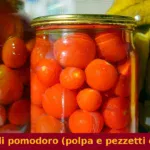
Aceto di Fico Bianco (PAT) is an aromatic condiment obtained through the acetic fermentation of the Campanian white fig, with a delicate flavour profile suited to dressing salads and grilled vegetables. Acqua di pomodoro (PAT), the liquid extracted from pressing fresh tomatoes, is a base ingredient in numerous summer preparations from the Campanian popular kitchen.
Local festivals and village fairs are the most direct occasions for encountering these products in their traditional form.
The patron saint’s festival of Domenica in Albis, which falls on the Sunday after Easter, is the town’s largest gathering of the year and traditionally coincides with family meals and traditional preparations. The weekly markets and seasonal fairs of the Caserta area are the places to buy local products directly from producers: vegetables, cheeses, cured meats and tomato preserves.
The autumn period, between October and November, is the richest for those seeking seasonal products such as new-pressed olive oil, mushrooms and dried pulses.
The Caserta area falls within the production zone of Campanian Aglianico and the wines of the hills surrounding the Volturno plain. The proximity to the Tifatino ridge and the Caserta uplands brings to the table full-bodied red wines typical of the Campanian winemaking tradition, which accompany meat dishes and local cheeses.
Wineries in the area also produce fresh whites from native grape varieties, suited to the fish and vegetable cooking that characterises the summer season on the Campanian plain.
When to Visit Vitulazio: the Best Time of Year
The most suitable period for visiting Vitulazio is spring, between April and June, when the agricultural landscape of the Caserta plain is at its most expressive: cultivated fields, fruit trees in bloom and mild temperatures make visits to both the historic centre and the surrounding rural areas equally enjoyable. Domenica in Albis — the Sunday after Easter — is the key date in the town’s civic and religious calendar, with the celebration of the patron saint Santo Stefano and the Marian processions associated with the Madonna dell’Agnena.
Visitors who want to witness the most genuinely communal life of the settlement should plan around this festival, which generally falls between late April and early May.
Summer, between July and August, is the hottest period on the Campanian plain, with temperatures that can exceed 35°C: conditions that make the middle of the day ill-suited to sightseeing, though they do not deter those wishing to attend patron saint festivals in neighbouring municipalities or evening village fairs.
Autumn, between September and November, offers a solid alternative for visitors focused on food discovery: it is the season of the grape harvest, olive pressing and salumi production, with markets and fairs that enliven the entire province of Caserta. Winter is the quietest period, suited to a slower pace of travel, free from crowds but also from significant events.
How to Get to Vitulazio
Vitulazio is straightforward to reach by car thanks to its position on the Caserta plain, along the road corridors linking Caserta to the Volturno Valley. The most convenient exit on the A1 Milan–Naples Motorway is Capua, approximately 10 kilometres from Vitulazio town centre, from which the provincial road toward Carinola or Grazzanise is followed depending on the direction of travel. From Naples the distance is approximately 40 kilometres, covered in 40–50 minutes via motorway. From Rome the route covers roughly 190 kilometres heading south on the A1, with a journey time of around 2 hours.
The provincial road network is extensive and well signposted, making connections with neighbouring municipalities straightforward.
For those travelling by train, the nearest railway station is Capua, served by the Rome–Naples line via Cassino (conventional rail), with regional trains stopping frequently.
From Capua station, Vitulazio is reached in approximately 15–20 minutes by car or local transport services. The main reference airport is Naples–Capodichino International Airport, approximately 50 kilometres away: from the airport, Vitulazio can be reached in about an hour via the A1, or by combining the Alibus to Naples Centrale and then a regional train to Capua. Information on local transport is available on the municipal portal.
Other Villages to Explore in Campania
Visitors to Vitulazio can build a broader itinerary taking in some of the most interesting centres of northern Campania. At San Pietro Infine, in the province of Caserta, the old village destroyed during the Second World War has been preserved as a memorial, a case unique in Italy for the way the conflict left a settlement fixed in its 1944 form.
The distance from Vitulazio is approximately 50 kilometres to the north, covered in about an hour through the Volturno Valley and the Sessa Plain.
For those wishing to explore the hillside dimension of the Caserta area, Pontelatone offers a perspective sharply different from the flat terrain of Vitulazio: the village rises on the Tifatino ridge with wide views over the Campanian plain and is reachable in under 30 minutes.
The itinerary is further extended by two centres that complete the picture of the Caserta province. Ruviano sits in the Volturno Valley at the edge of the Matese territory and serves as a natural gateway to the regional park, which offers hiking and wildlife just a few kilometres from the plain.
Castel Campagnano adds a medieval-plan village to the route, with its castle and its elevated position overlooking the Volturno.
Combining Vitulazio with these four centres produces a 2–3 day itinerary that covers the full landscape and historical range of northern Campania, from the agricultural plain to the hills and on to the first foothills of the Apennines. Further information about the region is available on Wikipedia and on the website of the Touring Club Italiano.
Frequently asked questions about Vitulazio
What is the best time to visit Vitulazio?
Spring is the ideal season, particularly the weeks around Easter when the town celebrates its patron saint festival on Domenica in Albis — the Sunday after Easter. This is Vitulazio's most significant community event, with liturgical processions honouring Santo Stefano and popular gatherings tied to traditional food. Autumn is equally rewarding for agritourism visits, when the agricultural harvest of the Caserta plain is at its peak. Summer is warm on the flat ager campanus terrain; winter visits are quieter but allow an unhurried exploration of the historic centre and the Sanctuary of the Madonna dell'Agnena.
What are the historical origins of Vitulazio?
Vitulazio's name most likely derives from the Latin vitulus (calf), linked to a Roman-era agricultural estate in the ager campanus, the fertile district administered by Rome after 211 BC. The area shows documented continuity of settlement from the Republican through the late Imperial period. In the medieval period the town entered written records within the Norman castle system, later passing through Swabian, Angevin and Bourbon rule under the county of Caserta. The parish of Santo Stefano served for centuries as the civic and religious focal point of the community.
What to see in Vitulazio? Main monuments and landmarks
The main attractions are: the Parish Church of Santo Stefano Protomartire, the architectural and civic heart of the historic centre with interior decorative elements from the sixteenth to eighteenth century; the Sanctuary of the Madonna dell'Agnena, an out-of-town devotional site set amid the agricultural plain with views toward the Volturno; and the historic centre itself, characterised by nineteenth-century town houses, volcanic stone portals and rural courtyards. For current opening hours of the church and sanctuary, contact the Municipality of Vitulazio or the local pro loco directly.
What are the main natural or scenic attractions of Vitulazio?
Vitulazio's municipal territory lies within the alluvial plain bordering the Volturno river, one of southern Italy's most historically significant waterways. The flat landscape, at 57 metres above sea level, is characterised by cereal fields, olive groves and vineyards tracing back to Roman colonisation of the ager campanus. This rural setting is particularly suited to agritourism exploration. Vitulazio also serves as a practical base for reaching the hillside centres of the Caserta area and, within a day, the ridges of the Matese mountains and the Campanian Apennines.
Where to take the best photos in Vitulazio?
The most photogenic spots in Vitulazio are the main square in front of the Parish Church of Santo Stefano, where the historic façade faces the social centre of the town, and the open agricultural landscape surrounding the Sanctuary of the Madonna dell'Agnena, which offers unobstructed views over the Caserta plain and cultivated fields stretching toward the Volturno river. The historic centre's volcanic stone portals and internal rural courtyards also provide characteristic visual details representative of the Campanian plain settlement tradition.
Are there museums, churches or historic buildings to visit in Vitulazio?
The two principal religious buildings are the Parish Church of Santo Stefano Protomartire in the historic centre and the out-of-town Sanctuary of the Madonna dell'Agnena. The church is Vitulazio's main architectural landmark, enlarged in phases from the medieval period through the modern age, with interior decorative elements reflecting local patronage from the sixteenth to the eighteenth century. The sanctuary is associated with the Marian cult drawing worshippers from across the surrounding area. For visiting hours and access conditions, it is advisable to contact the Municipality of Vitulazio directly.
What can you do in Vitulazio? Activities and experiences
Vitulazio offers several practical experiences: attending the Domenica in Albis patron saint festival with its processions and traditional communal meals; visiting the Sanctuary of the Madonna dell'Agnena during its feast day; exploring the historic centre on foot to observe rural architecture and volcanic stone details; purchasing local agricultural products — olive oil, wine, tomatoes, vegetables — at seasonal fairs and weekly markets of the Caserta area. The town also works well as a base for day trips to neighbouring villages of the Terra di Lavoro, connected by a network of provincial roads.
Who is Vitulazio suitable for?
Vitulazio suits visitors with an interest in rural Campanian culture, religious traditions and agricultural landscapes. Couples and independent travellers who enjoy slow tourism will appreciate the historic centre, the sanctuary visit and the local food traditions. Food and wine enthusiasts will find direct access to the gastronomic products of the ager campanus. Families can attend the Domenica in Albis festival in a genuinely community-based setting. The flat terrain at 57 metres makes the town fully accessible. It is less suited to visitors seeking coastal or mountain activities, which require travelling further afield.
What to eat in Vitulazio? Local products and specialties
Vitulazio's food tradition belongs to the Caserta plain kitchen. Key local specialties include 'Ndunderi, ricotta and flour dumplings recognised as a Traditional Italian Agri-food Product (PAT), served with meat ragù or tomato sauce at Sunday lunches and festive occasions. Charcuterie includes 'Nfrennula (PAT), a pork cured meat made from cheaper cuts with local spices. Condiments feature Aceto di Fico Bianco (PAT), an aromatic fig-based vinegar, and Acqua di pomodoro (PAT), extracted from fresh Campanian tomatoes. Fresh egg pasta with pork ragù and dishes based on local vegetables and dried peppers complete the traditional table.
Nearby Villages near Vitulazio
In Campania More villages to discover
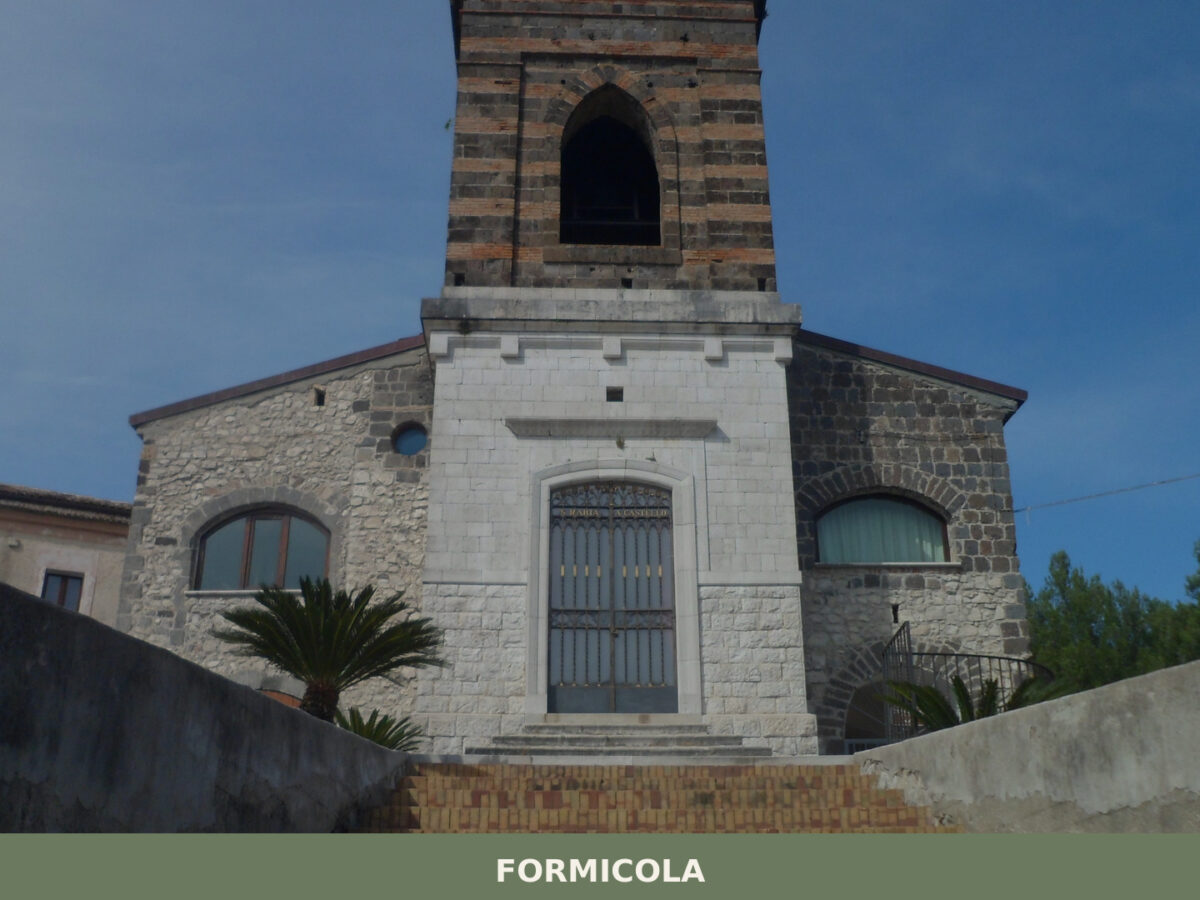
Formicola
Plains
Discover Formicola, a picturesque village in Campania, Italy. Explore its rich history, stunning landscapes, and authentic Italian culture and traditions.

Palma Campania
Plains
16,356 residents and one of Campania's most distinctive carnivals: Palma Campania draws visitors with its Roman heritage and the living spectacle of the Quadriglie.
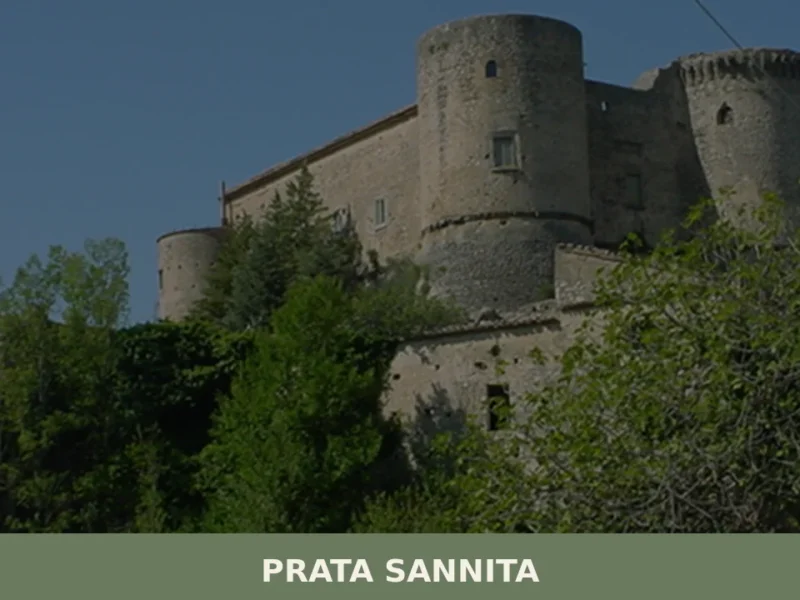
Prata Sannita
 Hills
Hills
what to see in prata sannita, Italy: Explore this Campania comune at 333 meters altitude. Discover panoramic vistas and traditional village life.
Castel di Sasso
Hills
Castel di Sasso, a small municipality in the province of Caserta with 1,051 inhabitants, has historical roots documented since the 10th century, when it was already attested as a fortified settlement in the fertile Terra di Lavoro. At 200 meters above sea level, the village developed on the Caserta plain, a location that influenced both […]
Amalfi
Hills
 Sea
Sea
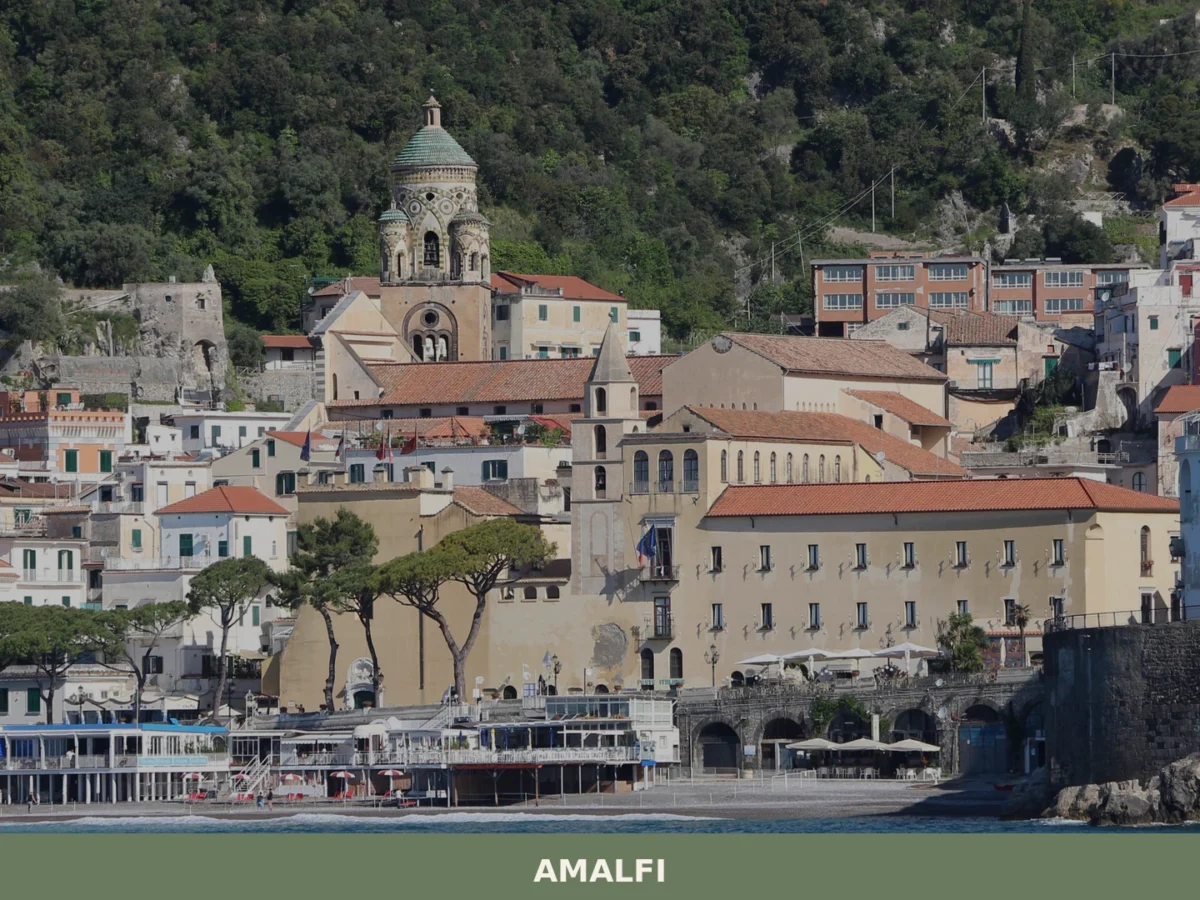
What to see in Amalfi, Campania, Italy: explore the Cathedral of Sant'Andrea, the Arsenal of the Maritime Republic, and the Compass Museum. Discover 4,611 residents' town.
Rocchetta e Croce
Hills
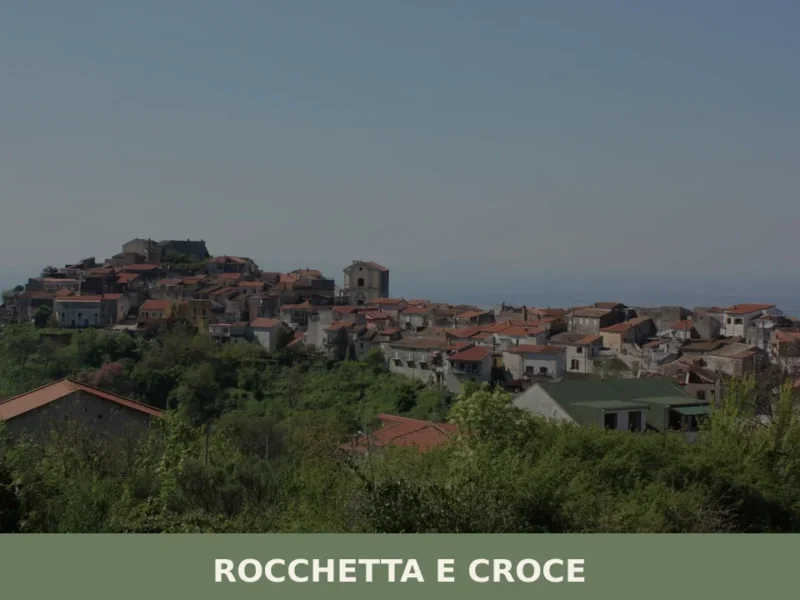
Discover Rocchetta e Croce, a charming village near Caserta. Our guide reveals what to see, must-see attractions, and the history of this Campanian gem.
Camigliano
Plains
Morning light flattens across the plain north of Caserta, and Camigliano emerges low and unhurried — a grid of stone and plaster houses, church bells marking the quarter-hour to no one in particular. With fewer than two thousand residents, this is a settlement shaped more by agriculture than spectacle. Yet for those asking what to […]
Liberi
Hills
Liberi, a small village in Campania in the province of Caserta: discover its history, monuments and how to plan your visit. Plan your itinerary today.
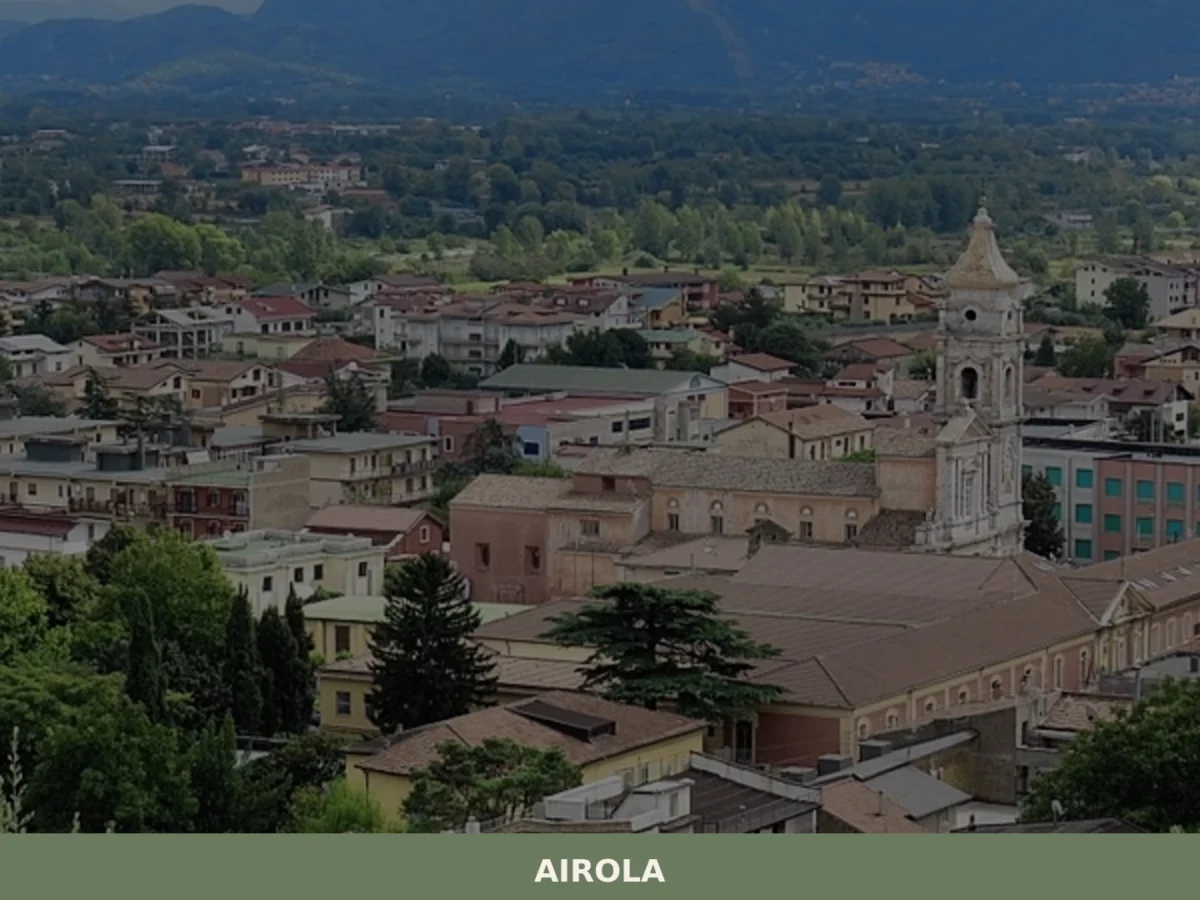
Airola
Plains
The stone bell tower of the Church of the Annunziata, reaching skyward since 1735, casts its shadow over the cobbled streets of Airola. Nestled within the expansive Valle Caudina and framed against the backdrop of Monte Taburno, this village offers a tangible connection to its past through its architecture. In this article History of Airola […]
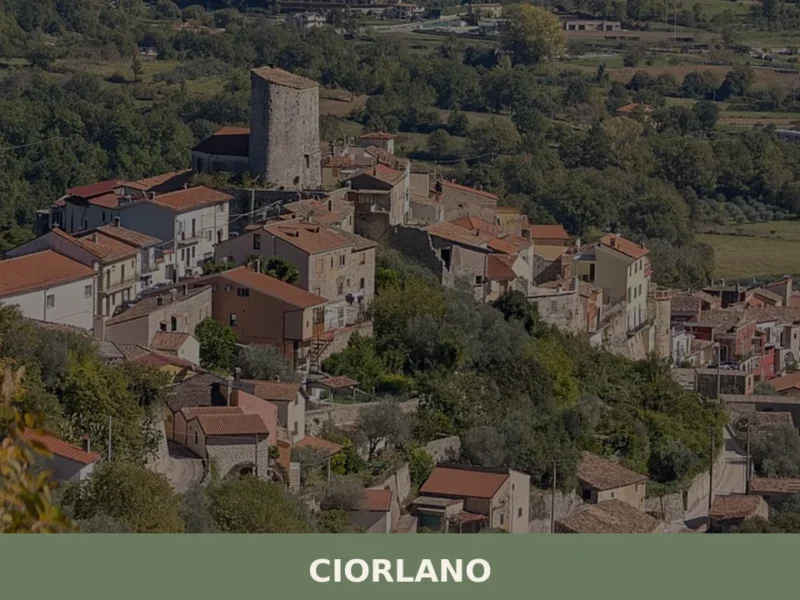
Ciorlano
Hills
With its 370 inhabitants spread across an elevation of 330 metres above sea level, Ciorlano is one of the least populated municipalities in the province of Caserta. The village sits in the middle Volturno valley, along the hillside that separates the Matese massif from the Alife plain. Anyone wondering what to see in Ciorlano will […]
🧀 Italian traditional products


🏡 Know Vitulazio better than we do?
If you’re a local or have been there, your knowledge matters: add what’s missing or fix a detail on this page.