


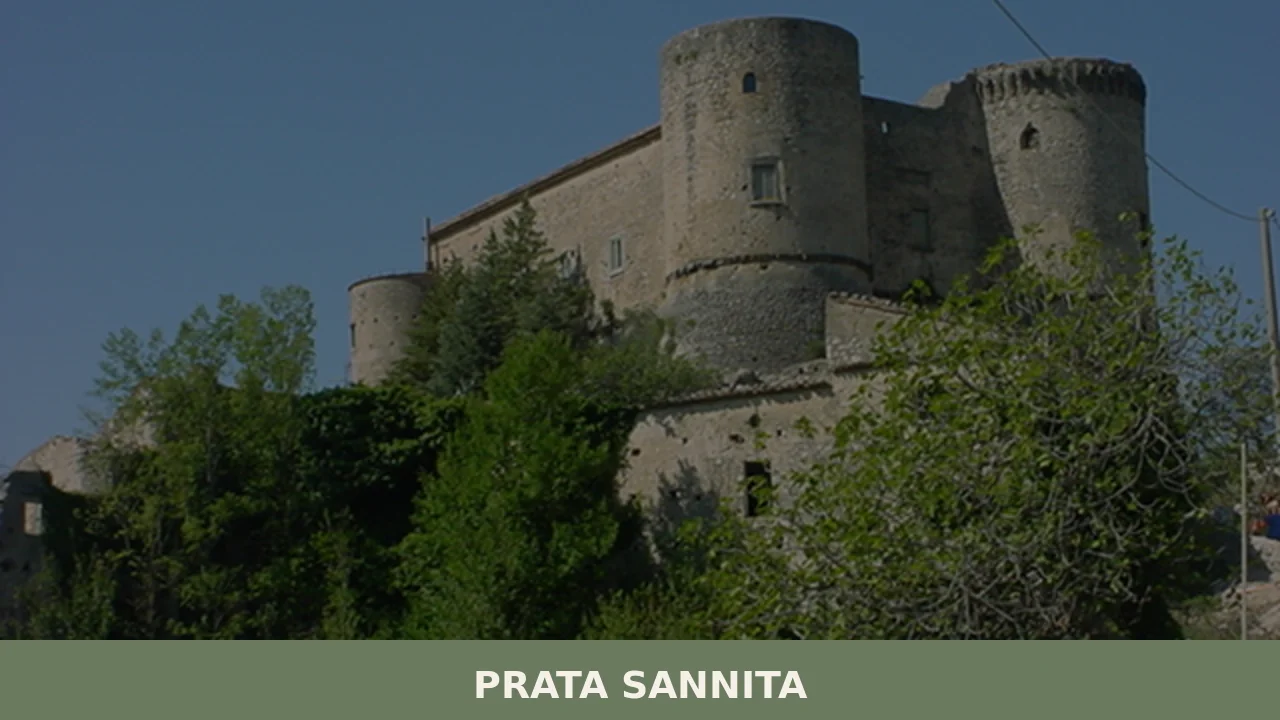
Prata Sannita
 Hills
Hills
what to see in prata sannita, Italy: Explore this Campania comune at 333 meters altitude. Discover panoramic vistas and traditional village life.
Discover Prata Sannita
The village of Prata Sannita rises 333 m (1,093 ft) above sea level in the Province of Caserta, its modest collection of homes clinging to the slopes of the Campania region. This elevation grants expansive views over the surrounding valleys and the distant Matese mountains, shaping the daily life and historical development of its inhabitants.
The air here carries the scents of the fertile soil, reflecting the agricultural heritage that has sustained this community for centuries.
For those asking what to see in Prata Sannita, this Italian comune, home to 1,362 inhabitants, offers a quiet exploration of authentic regional life. Visitors can discover local religious architecture and enjoy the panoramic vistas characteristic of a hill town. The Prata Sannita highlights include opportunities to observe traditional village rhythms and appreciate the natural beauty of its setting in the heart of Campania.
History of Prata Sannita
Prata Sannita’s history is deeply interwoven with its geographical position as a comune in the Province of Caserta, within the larger region of Campania, Italy. Situated approximately 70 km (43 mi) north of Naples and 40 km (25 mi) northwest of Caserta, its location has historically placed it within a strategic area of central southern Italy. The term “Sannita” in its name suggests a connection to the ancient Samnites, an Italic people who inhabited this mountainous region before the Roman conquest, implying a long-standing settlement history in the area, though specific founding dates are not documented.
The village’s existence as a distinct municipality reflects a structured community life that has evolved over many centuries.
As a hill town, or collina, Prata Sannita likely developed around a defensive nucleus, a common pattern in Campania during the medieval period when communities sought protection from various incursions. Its administrative status as a comune indicates a self-governing entity with local traditions and an established populace. The population, recorded at 1,362 inhabitants, points to a small but cohesive community that has maintained its identity over time, adapting to regional shifts while preserving its local character. The surrounding municipalities of Ailano, Ciorlano, Fontegreca, Gallo Matese, Letino, Pratella, Raviscanina, and Valle Agricola further define its local historical context, suggesting a network of interdependent settlements in the Matese area.
The continuity of Prata Sannita as a community is anchored by its cultural practices, including the veneration of its patron saint, San Pancrazio. Such traditions often represent the longest threads connecting a village to its past, evolving through generations while maintaining core elements. The broader regional history of Naples and Campania, marked by periods of Greek, Roman, Norman, and Bourbon rule, would have indirectly influenced the village’s development, even if specific local events are not recorded.
This enduring presence in the landscape of Campania underscores its role as a repository of regional heritage, contributing to the diverse mosaic of Italian village life.
What to see in Prata Sannita, Campania: top attractions
The village of Prata Sannita, a tranquil comune in Campania, invites visitors to explore its intrinsic character as a hill town. While specific grand monuments are not detailed in historical records, the experience of the village itself and its natural surroundings forms the core of what to see in Prata Sannita. The topography and modest scale offer a direct engagement with local rhythms and the scenic beauty of the Province of Caserta.
The Historic Core of Prata Sannita
Walking through the older parts of Prata Sannita reveals a layout typical of many Italian hill villages, with narrow lanes winding between traditional stone buildings. The architecture here, while modest, often features materials and construction techniques passed down through generations, reflecting the local resources and climate. Exploring these pathways provides a tangible connection to the daily life that has unfolded in this village for centuries, offering insights into its enduring community structure.
The compact nature of this core is evident in its small population of 1,362 residents, concentrated around the higher ground.
Panoramic Views from the Hilltop
Given its altitude of 333 m (1,093 ft) above sea level, Prata Sannita naturally offers several vantage points providing expansive panoramic views. From the village’s elevated positions, visitors can gaze across the undulating landscape of the Caserta province, taking in the valleys and distant mountain ranges that define the Campania region. These vistas are particularly striking during the golden hours of sunrise or sunset, offering a chance to appreciate the natural beauty that surrounds this quiet settlement. The clear air allows for visibility extending many kilometers, reaching as far as the Matese mountain range.
Local Religious Architecture
As with most Italian villages, Prata Sannita would typically feature at least one main church, serving as a focal point for community life and religious observance. While specific architectural details are not documented, these structures often showcase regional styles, with simple facades and interiors that reflect local craftsmanship and devotion. Such churches are vital for the village’s spiritual life, especially during celebrations for the patron saint, San Pancrazio. These buildings, though perhaps not grand cathedrals, represent a continuous tradition of faith and artistry spanning hundreds of years in the village.
The Surrounding Natural Landscape
The classification of Prata Sannita as a “Collina” (hill) area highlights its integration with the natural environment, offering opportunities for gentle exploration of the immediate surroundings.
The landscape consists of rolling hills, agricultural plots, and perhaps small woodland areas, providing a serene backdrop for the village. This environment supports local flora and fauna, offering a quiet escape for those interested in observing the rural Italian countryside. The area is bordered by several other municipalities, including Fontegreca and Gallo Matese, indicating a continuous natural habitat. This area is ideal for short walks, particularly during the milder seasons when the local vegetation is at its most verdant.
Village Life in the Main Piazza
Every Italian village, regardless of its size, has a central gathering place, often a piazza or a wider street, where daily life unfolds. In Prata Sannita, this space serves as the community’s heart, where residents meet, socialize, and conduct local affairs. Observing the routine activities here—from morning coffee rituals to evening strolls—provides an authentic insight into the rhythm of a small Campania village. This central point is where the community of 1,362 inhabitants connects, reflecting a strong sense of local identity and tradition.
For those wondering what to see in Prata Sannita, simply experiencing this everyday life offers a profound cultural encounter.
Local food and typical products of Prata Sannita
The gastronomic tradition of Prata Sannita, deeply rooted in the broader culinary landscape of Campania, reflects the region’s fertile lands and agricultural heritage. Situated in a hill (collina) area within the Province of Caserta, the local diet would historically rely on produce from small farms, seasonal vegetables, and locally raised livestock. This emphasis on fresh, simple ingredients forms the backbone of Campania’s cooking, known for its robust flavors and Mediterranean influences. While specific historical culinary influences unique to Prata Sannita are not detailed in available sources, the general regional approach favors fresh pasta, olive oil, and a variety of cheeses.
Although specific dishes unique to Prata Sannita are not documented, visitors can expect to find regional specialties common across Campania. These often include pasta dishes made with durum wheat, such as Orecchiette con Cime di Rapa (orecchiette pasta with turnip greens) or hearty ragù sauces that simmer for hours. Local cheeses, likely made from sheep or cow’s milk from the surrounding pastures, would also feature prominently, often accompanying cured meats. The preparation typically involves traditional methods that highlight the natural quality of the ingredients, a hallmark of southern Italian home cooking.
Information regarding certified products (such as DOP or IGP designations) specifically originating from Prata Sannita is not available in the provided sources.
However, the agricultural nature of the region suggests a bounty of local produce, including various fruits, vegetables, and olives. In the wider Caserta province, products like Mozzarella di Bufala Campana DOP are renowned, and while not necessarily produced directly in Prata Sannita, they represent the high standard of regional agriculture. Exploring local markets, if available, would offer a chance to discover seasonal produce and artisanal goods from the surrounding area, including perhaps some products from nearby Pignataro Maggiore.
Specific details about food fairs or regular markets held within Prata Sannita are not provided in the available information. However, many smaller Italian villages host weekly markets where local farmers and producers sell their goods, offering an opportunity to experience the local culture and taste regional specialties. These events, often held in the main piazza, are important social gatherings. Visitors interested in the local food scene should inquire locally upon arrival about any such markets or seasonal events that celebrate the region’s agricultural output, particularly during the harvest months.
Festivals, events and traditions of Prata Sannita
The most significant traditional event in Prata Sannita revolves around the celebration of its patron saint, San Pancrazio.
While the exact date for this annual feast is not specified in the provided sources, patron saint days are typically observed with deep reverence and community participation across Italy. These celebrations usually involve religious services, solemn processions carrying the saint’s effigy through the village streets, and often culminate in festive gatherings. Such events are central to the cultural identity of the 1,362 inhabitants, reinforcing communal bonds and preserving long-standing traditions through generations.
Beyond the patron saint festival, specific documented events or unique traditions for Prata Sannita are not detailed in the available information. However, the village, like others in Campania, would participate in broader regional customs and holidays, such as Easter or Christmas celebrations, often with local variations. These traditions reflect the strong community spirit prevalent in small Italian towns and contribute to the authentic experience of village life.
While specific food festivals (sagre) are common in Campania, no particular ones for Prata Sannita are recorded, suggesting that visitors might find more general regional festivities in nearby larger towns or even in places like Avellino, which hosts various cultural events.
When to visit Prata Sannita, Italy and how to get there
The best time to visit Prata Sannita, Italy, and the broader Campania region, is typically during the spring (April to June) and early autumn (September to October). During these months, the weather is pleasantly mild, with temperatures conducive to exploring the village and its surrounding natural landscape without the intense heat of summer. This period also often sees local festivals, though specific dates for Prata Sannita’s San Pancrazio feast should be verified locally. The village’s altitude of 333 m (1,093 ft) provides slightly cooler temperatures than the coastal areas, making it comfortable for walking. The terrain within the historic core is generally uneven, with inclines and steps characteristic of a hill town, which might pose challenges for those with limited mobility.
Prata Sannita is situated about 70 km (43 mi) north of and 40 km (25 mi) northwest of Caserta, making it accessible for a day trip from either major city.
If arriving by car, the A1 motorway (Autostrada del Sole) is the primary route. Visitors should exit at Caianello or Caserta Nord, then follow regional roads towards the Matese area. The drive from Naples typically takes around 1 hour and 15 minutes, while from Caserta it is approximately 45 minutes. For those who prefer public transport, the nearest major train station would be Caserta. From there, local bus services or a taxi would be required to reach Prata Sannita, as direct rail links to the village are not available. Train tickets and schedules can be checked on Trenitalia.
The nearest major airport serving Prata Sannita is Naples International Airport (NAP), which is approximately 65 km (40 mi) away. From the airport, visitors can rent a car, take a taxi, or use public transport connections to reach Caserta and then proceed to Prata Sannita. Travel time from Naples Airport by car is usually around 1 hour.
For international visitors, it is advisable to carry some Euros cash, as smaller shops and establishments in rural villages like Prata Sannita may have limited card payment options. English may also be less widely spoken than in larger Italian cities, so a basic phrasebook or translation app can be useful for smoother interactions. For those planning what to see in Prata Sannita, arriving with some local currency ensures readiness for any small purchases or services.
After exploring Prata Sannita, visitors might consider extending their trip to other communities in the Caserta province, such as Liberi, which offers further insights into the rural character of Campania. These nearby villages often share similar historical trajectories and agricultural landscapes, providing a broader understanding of the region’s enduring traditions.
Frequently asked questions about Prata Sannita
What is the best time to visit Prata Sannita?
The ideal time to visit Prata Sannita is spring (April to June) and early autumn (September to October), when the hilly landscape of Alto Casertano is at its most scenic and temperatures are mild, ranging between 15°C and 25°C. Summer is warm but pleasant at 333 meters elevation. The feast of the patron saint San Pancrazio is a key local event worth checking with the municipality for exact dates. Avoid January and February if you prefer warmer conditions, as the hill location can bring cold winds.
What are the historical origins of Prata Sannita?
Prata Sannita has roots going back to the Samnite era, with its name likely derived from the Latin pratum, meaning meadow or flat area. During the medieval period it formed part of the Lombard Gastaldate of Calvi. Its elevated position above the Volturno and Lete river valleys made it strategically valuable, prompting the construction of defensive fortifications. The village later passed through the feudal domains of notable southern Italian families including the Pandone, Gaetani, and Carafa, each leaving architectural and social imprints on the community.
What to see in Prata Sannita? Main monuments and landmarks
Prata Sannita offers visitors an evocative medieval urban fabric built around defensive structures and religious buildings, reflecting centuries of feudal and rural life in southern Italy. The village's historic center preserves architecture shaped by powerful feudal families such as the Pandone, Gaetani, and Carafa. Its elevated position at 333 meters provides panoramic views over the surrounding valleys. Exploring the historic streets and the remnants of its fortified past is the core experience. For current opening hours and access details, contact the local municipality or pro loco directly.
What are the main natural or scenic attractions of Prata Sannita?
Prata Sannita sits at 333 meters in the hilly Alto Casertano area, surrounded by landscapes shaped by the valleys of the Volturno and Lete rivers. The rolling hills offer a changing natural backdrop through the seasons, from spring wildflowers to autumn foliage. The elevated position of the village itself functions as a natural vantage point over the surrounding countryside. This green, quiet environment makes it appealing for leisurely walks through the surrounding rural terrain and for those seeking unspoiled southern Italian hill scenery.
Where to take the best photos in Prata Sannita?
The most rewarding photography spots in Prata Sannita are found along the elevated edges of the historic center, where the hillside position at 333 meters opens up broad views over the valleys of the Volturno and Lete rivers and the surrounding Alto Casertano landscape. The medieval streetscapes within the village, with their layered stone architecture reflecting Lombard, feudal, and rural southern Italian traditions, also offer strong compositional subjects. Early morning and late afternoon light enhance both the panoramic vistas and the texture of the historic buildings.
Who is Prata Sannita suitable for? Families, couples, hikers, solo travelers?
Prata Sannita is particularly well suited to history enthusiasts, couples seeking quiet rural escapes, and slow travelers interested in authentic southern Italian village life away from mass tourism. Its medieval heritage and scenic hill setting appeal to those who appreciate architecture, landscape, and local culture. The gentle hilly terrain and tranquil atmosphere also make it accessible for families with older children and solo travelers looking for a peaceful retreat. It is less suited to visitors seeking beaches, nightlife, or extensive tourist infrastructure.
What to eat in Prata Sannita? Local products and specialties
Prata Sannita sits within the gastronomic tradition of the Alto Casertano area in Campania, a region celebrated for high-quality food products. Visitors can expect local cuisine rooted in rural Samnite and Campanian traditions, featuring pasta dishes, cured meats, aged cheeses, and legumes typical of the Caserta hinterland. The broader Caserta province is also noted for the DOP-protected Mozzarella di Bufala Campana. For specific local restaurants or producers in Prata Sannita, checking with the local pro loco or municipality is recommended for the most current information.
Nearby Villages near Prata Sannita
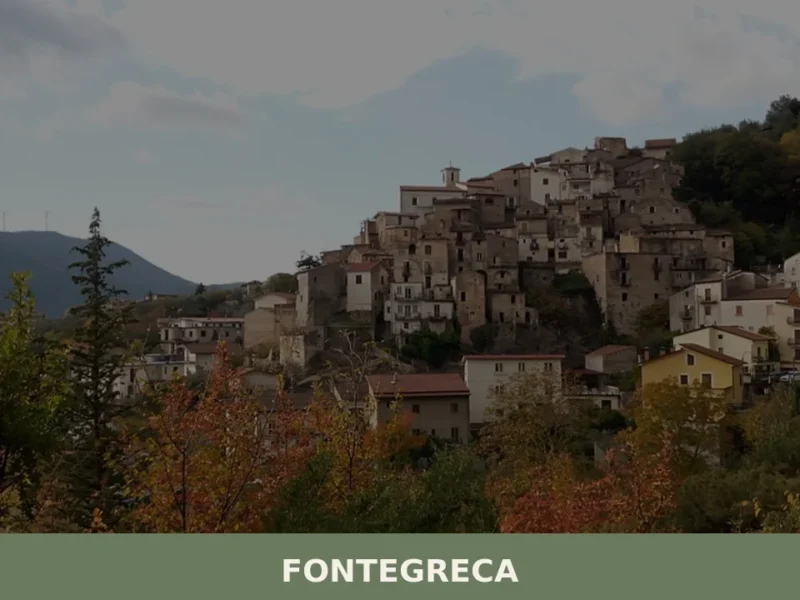
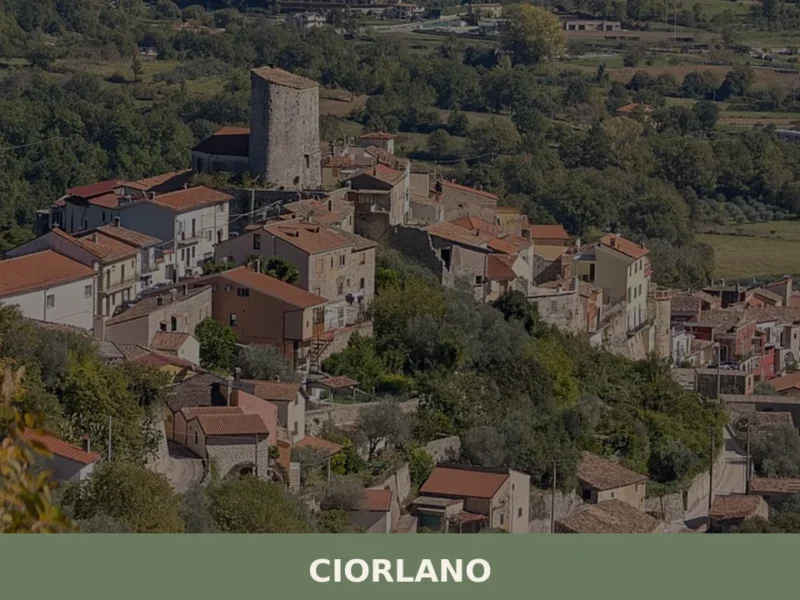
In Campania More villages to discover
San Pietro Infine
 Plains
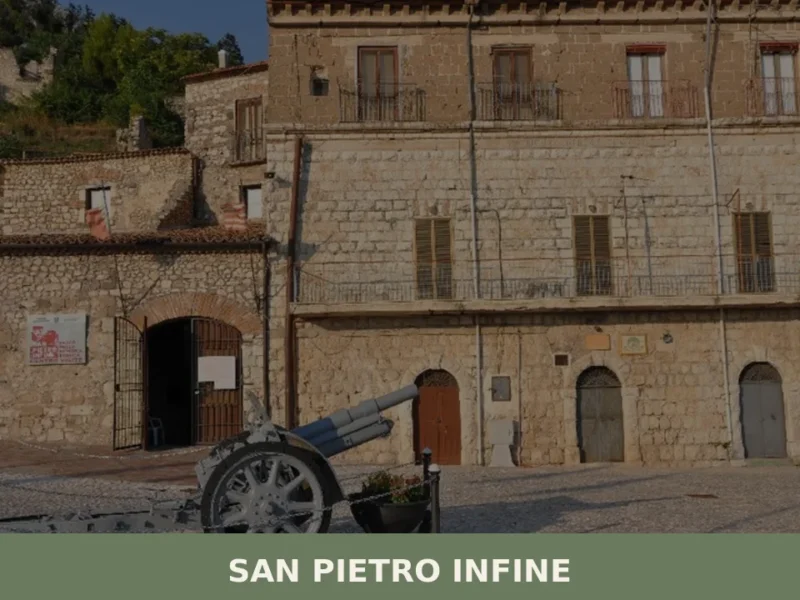
In December 1943, San Pietro Infine was the scene of one of the bloodiest battles of the Italian Campaign, an event that saw the town almost completely razed to the ground and subsequently rebuilt. This historical memory deeply defines the identity of the village, located 140 meters above sea level in the province of Caserta, […]
Pratella
Plains
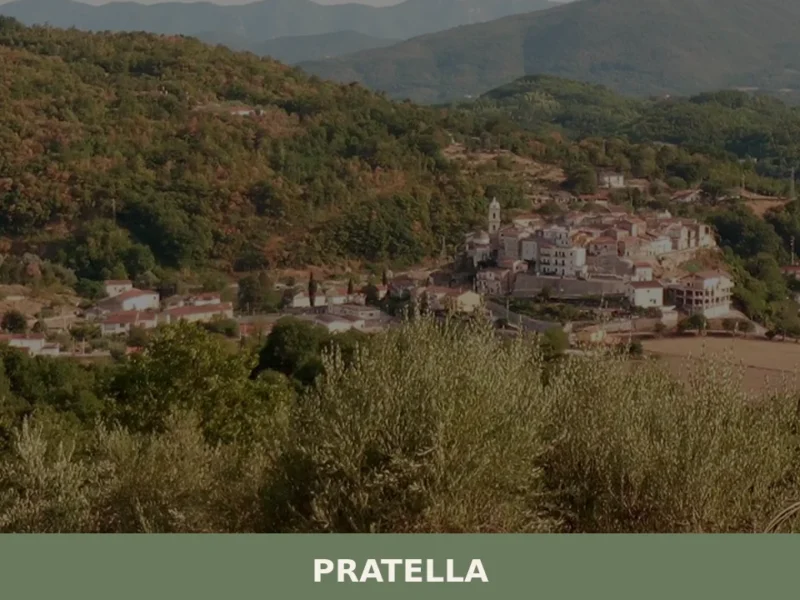
What to see in Pratella, Italy: This village of 1,408 inhabitants, at 152m altitude, offers its historic core and the San Nicola feast. Explore Campania.
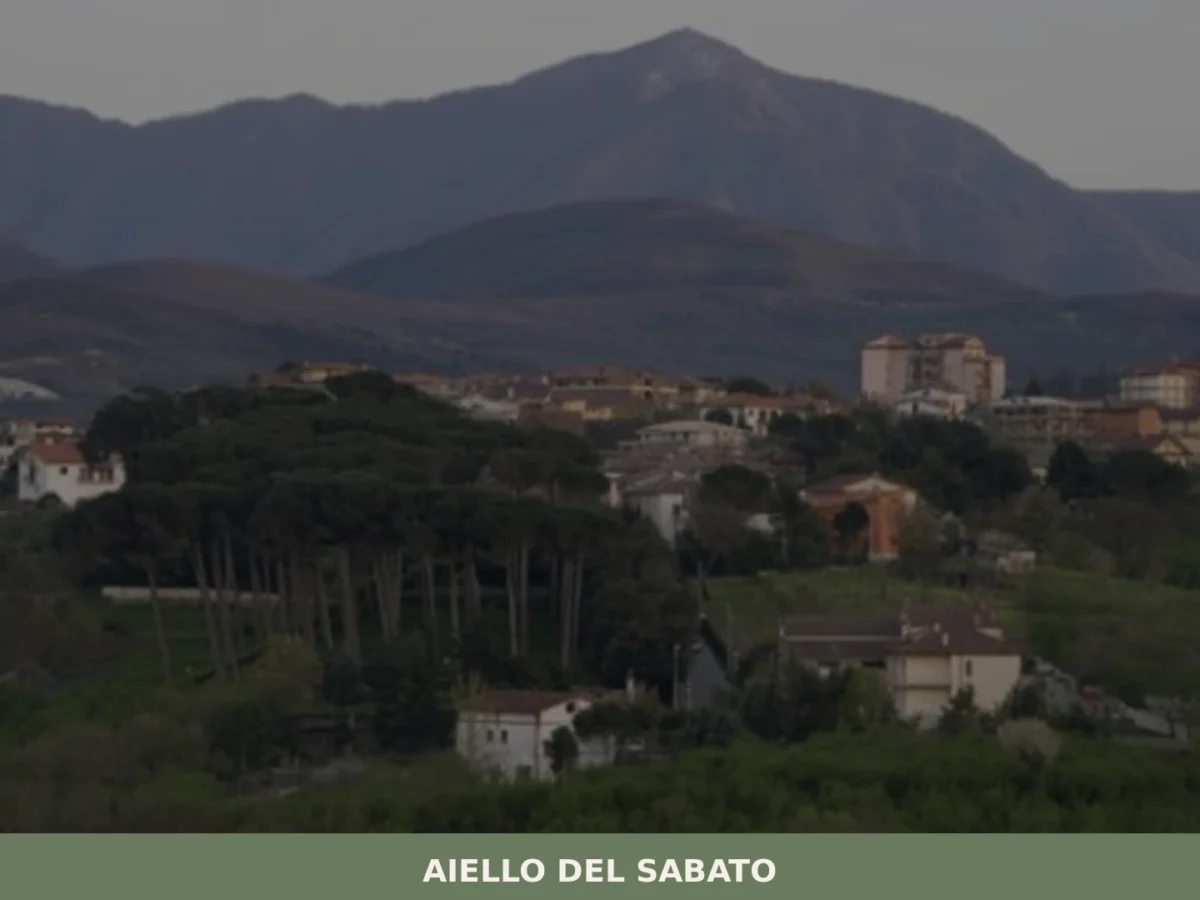
Aiello del Sabato
Hills
What to see in Aiello del Sabato, Italy? Discover this village at 425 m (1,394 ft) altitude. Explore its historic core and learn about its Roman past. Read our guide.
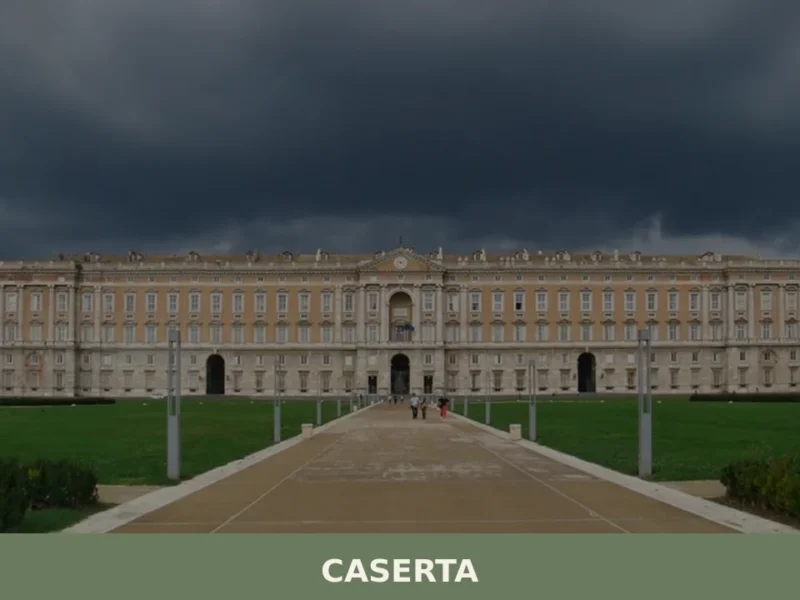
Caserta
Plains
What to see in Caserta: UNESCO Royal Palace, Casertavecchia and certified PAT products. City of 74,000 at 68m above sea level. Plan your visit with our complete guide.
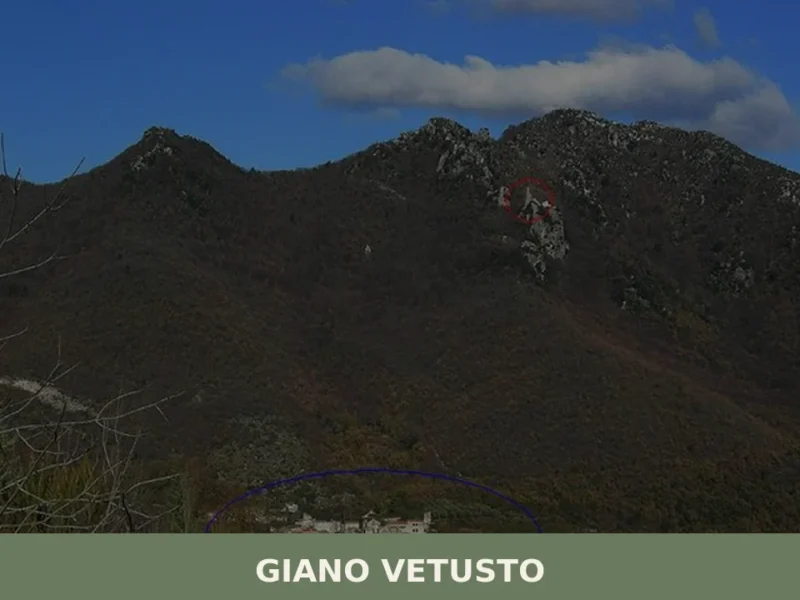
Giano Vetusto
Hills
What to see in Giano Vetusto: Church of Sant'Antonio, historic centre, agricultural landscape, local cuisine and how to reach this hillside village near Caserta.
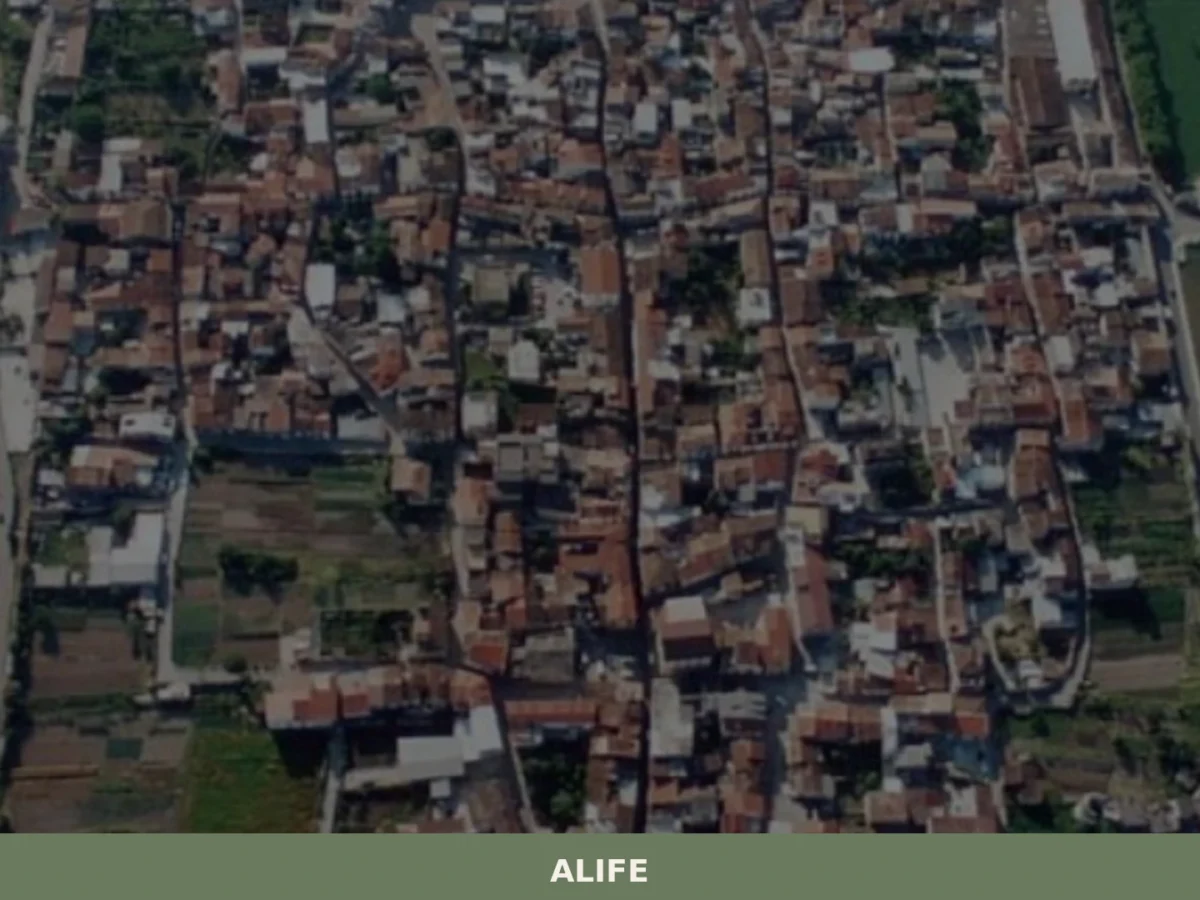
Alife
Plains
What to see in Alife, Italy: Discover at 110 m altitude the Roman Amphitheatre and the Cathedral of Alife. Explore Campania's rich history!
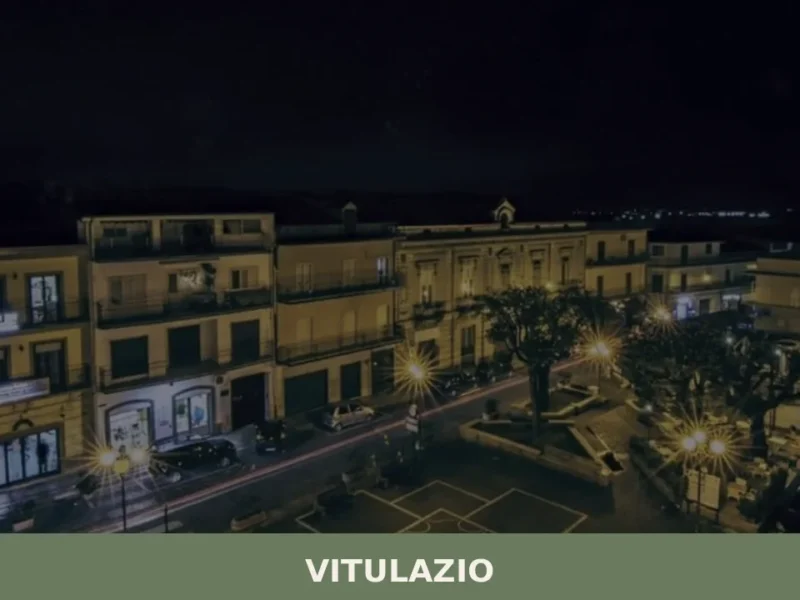
Vitulazio
Plains
What to see in Vitulazio: 7,646 residents, 57m above sea level in Caserta province. Visit the Agnena Sanctuary, historic centre and taste PAT products like 'Ndunderi. Plan your trip.
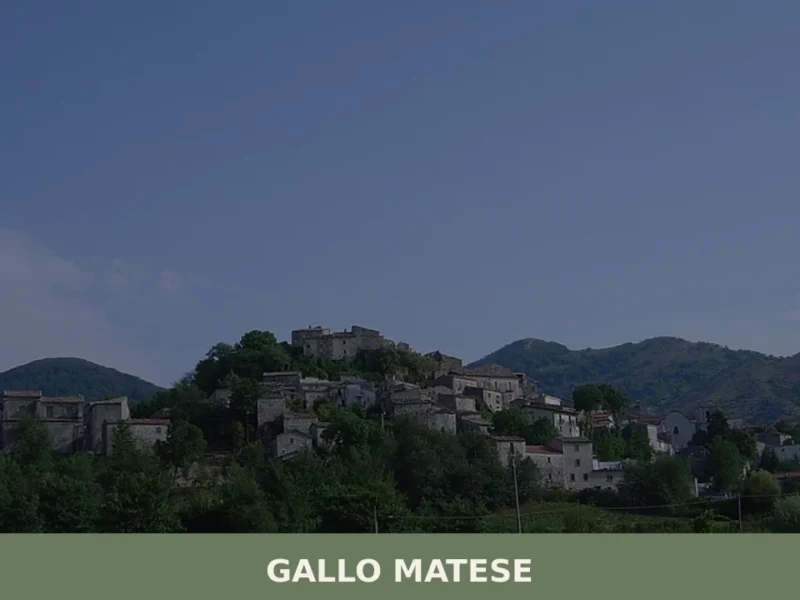
Gallo Matese
 Mountain
With its 625 inhabitants and an altitude of 875 meters above sea level, Gallo Matese ranks as one of the highest centers in the province of Caserta, Campania. Its geographical position, in the heart of the Matese mountain range, determines its identity and structure. The village, whose presence has been documented for centuries, developed in […]
Liberi
Hills
Liberi, a small village in Campania in the province of Caserta: discover its history, monuments and how to plan your visit. Plan your itinerary today.
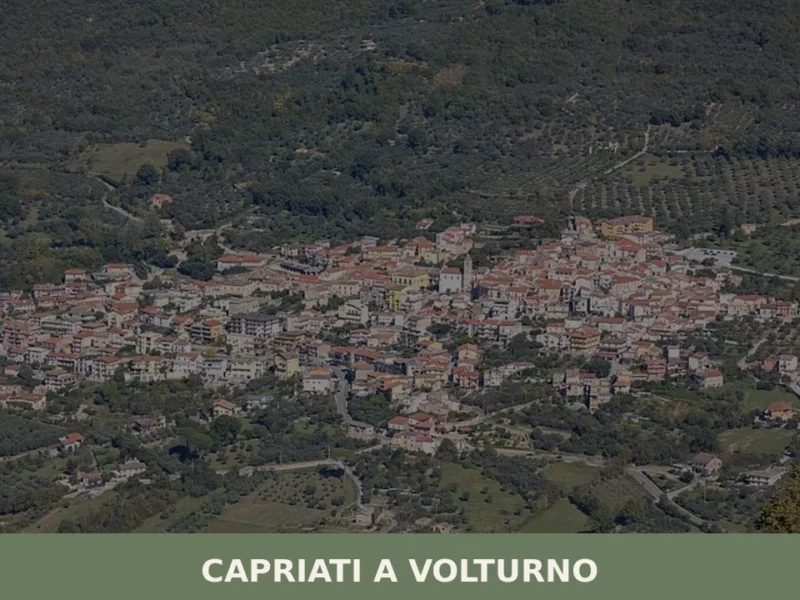
Capriati a Volturno
Hills
At 290 metres above sea level, along the right bank of the Volturno, Capriati has a current population of 1,440 residents spread between the historic centre and the hamlets scattered across the valley. The river, which here sweeps through a wide bend before continuing towards the Campanian plain, has shaped the town’s economy and layout […]


🏡 Know Prata Sannita better than we do?
If you’re a local or have been there, your knowledge matters: add what’s missing or fix a detail on this page.