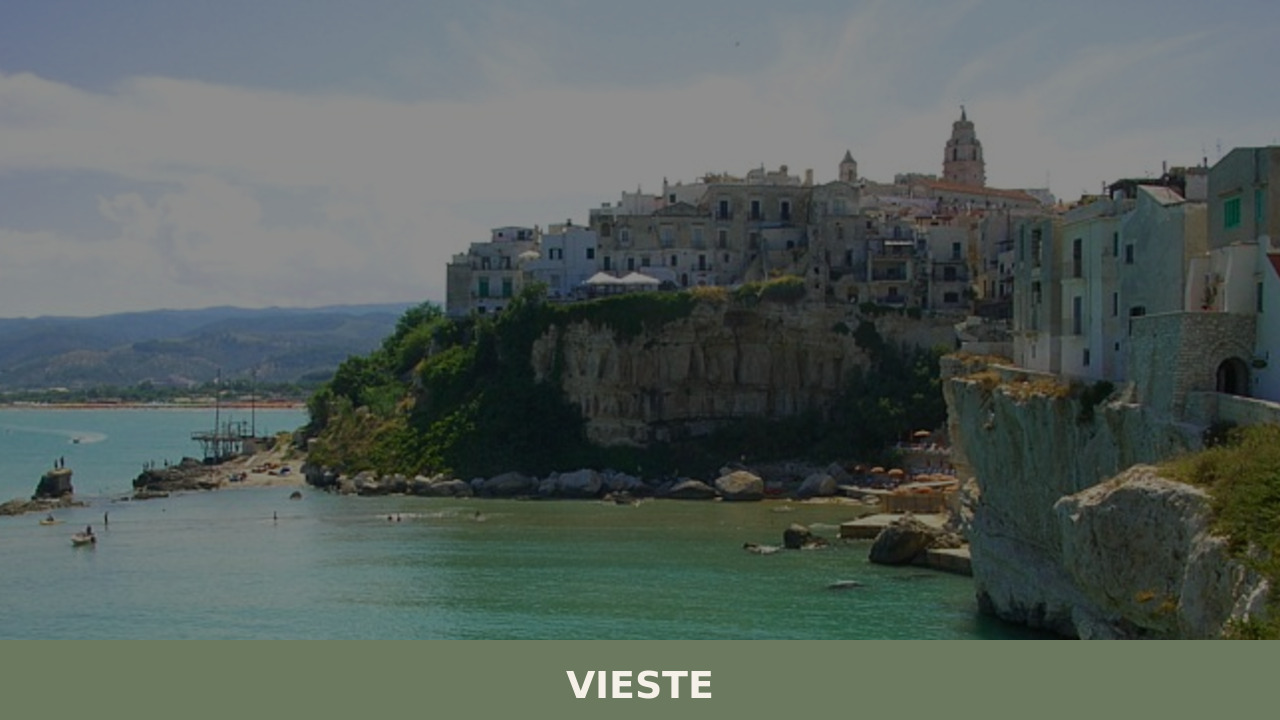
Perched on a narrow rocky peninsula that juts dramatically into the Adriatic Sea, Vieste is the easternmost town of the Gargano promontory and one of Puglia’s most captivating coastal destinations. With its whitewashed old town, sea-carved cliffs, and golden beaches stretching for kilometres, this village of around 13,400 inhabitants in the province of Foggia rewards […]
Perched on a narrow rocky peninsula that juts dramatically into the Adriatic Sea, Vieste is the easternmost town of the Gargano promontory and one of Puglia’s most captivating coastal destinations. With its whitewashed old town, sea-carved cliffs, and golden beaches stretching for kilometres, this village of around 13,400 inhabitants in the province of Foggia rewards every curious traveller. If you’re wondering what to see in Vieste, prepare for a place where ancient history, breathtaking nature, and authentic southern Italian life converge in unforgettable fashion.
Vieste’s origins reach deep into prehistory. The Gargano coast has yielded evidence of human settlement dating back to the Neolithic and Bronze Ages, and the area around Vieste was known to ancient Greeks and Romans alike. The town’s name is believed to derive from the ancient toponym Apeneste or the Latin Vesta, though its precise etymology remains debated among scholars. Under Roman rule, the settlement served as a modest but strategic maritime outpost along the Adriatic coast.
The medieval period shaped much of the Vieste we see today. The town came under Byzantine, Lombard, and Norman dominion in succession, each leaving traces in its architecture and urban fabric. Frederick II of Swabia, the great Holy Roman Emperor who so profoundly marked Puglia’s landscape, is credited with strengthening the town’s defences in the 13th century — the imposing Swabian Castle that crowns the promontory dates to his era. Vieste also endured one of the most tragic episodes in Gargano’s history: in 1554, the Ottoman corsair Dragut sacked the town, and according to local tradition thousands of inhabitants were massacred near the so-called Chianca Amara (Bitter Stone), a rock that still stands in the historic centre as a solemn memorial.
From the 16th century onward, Vieste gradually rebuilt itself, developing as a fishing community and episcopal seat. Its cathedral, dedicated to the Assumption of Mary, stands as testimony to the town’s enduring religious and civic identity. Today, Vieste is both a living village and one of Italy’s most popular seaside resorts, recognised with multiple Bandiera Blu awards for the quality of its beaches and waters.
Vieste’s old town is a luminous maze of narrow alleyways, whitewashed houses, and steep staircases tumbling down toward the sea. Wander through its labyrinthine streets to discover hidden courtyards, artisan workshops, and panoramic viewpoints that open suddenly onto dazzling vistas of the Adriatic. The Chianca Amara, the sombre stone memorial to the 1554 Ottoman raid, stands in a small square and remains one of the town’s most poignant landmarks.
Dating to the 11th century in its earliest form, Vieste’s Romanesque-Apulian cathedral sits at the highest point of the old town. Its simple yet elegant façade gives way to an interior enriched over the centuries, featuring a notable 17th-century wooden crucifix. The cathedral has served as the seat of the Diocese of Vieste since the early medieval period, reflecting the town’s long-standing importance as a spiritual centre on the Gargano.
Commanding the tip of the rocky promontory, this triangular fortress was built during the reign of Frederick II in the 13th century to defend the Adriatic coast. Although it currently serves as a military zone and interior access is limited, its imposing exterior walls, angular towers, and dramatic clifftop position make it an essential sight. The esplanade around the castle offers some of the most spectacular sunset views in all of Puglia.
Rising 25 metres from the shore at the southern end of the Spiaggia del Castello, the Pizzomunno is a towering white monolith of limestone that has become Vieste’s most iconic natural symbol. Local legend tells of a young fisherman turned to stone by jealous sirens. Beyond this landmark, Vieste boasts kilometres of stunning beaches — from the long sandy stretch of Spiaggia di Pizzomunno to the intimate coves of Baia di Campi and Baia delle Zagare further along the coast.
The coastline surrounding Vieste is sculpted with dozens of sea caves, accessible by boat excursions that depart daily from the town’s harbour during the warmer months. Among the most famous are the Grotta Smeralda, Grotta dei Contrabbandieri, and Grotta dei Due Occhi, each carved by millennia of wave erosion into the limestone cliffs. These excursions also offer unforgettable views of the Gargano’s towering white sea stacks and hidden pebble beaches reachable only from the water.
Vieste’s cuisine is rooted in the dual traditions of the sea and the Gargano hinterland. Freshly caught fish and seafood dominate local menus — look for tiella di riso, patate e cozze (a baked layering of rice, potatoes, and mussels), grilled cuttlefish, and spaghetti with sea urchin when in season. From the land come orecchiette with turnip tops, broad bean purée with chicory, local caciocavallo cheese, and bread baked in wood-fired ovens. The Gargano is also renowned for its citrus fruits, particularly the Arancia del Gargano IGP and Limone Femminello del Gargano IGP, prized for their intense fragrance and flavour.
Olive oil production is central to life here, as ancient olive groves blanket the Gargano’s hillsides. The local extra-virgin olive oil, made primarily from the Ogliarola garganica variety, is a cornerstone of every dish. For a memorable dining experience, seek out the small trattorias in the old town’s backstreets, where family-run kitchens serve honest, seasonal cooking at remarkably fair prices. The harbour area also has excellent seafood restaurants where the day’s catch arrives directly from the boats moored just steps away.
Vieste enjoys a Mediterranean climate with hot, sunny summers and mild winters. The peak tourist season runs from June to September, when the beaches are in full swing and the town buzzes with evening passeggiata, open-air concerts, and the vibrant Festival del Folklore. July and August bring the warmest sea temperatures and the liveliest atmosphere, but also the largest crowds and highest prices. For travellers who prefer a quieter experience, May, June, and September are ideal — the weather is warm enough for swimming, the light is magnificent for exploring the old town and coastline, and accommodation is more readily available.
Spring (April–May) is particularly rewarding for those interested in hiking and nature. The Gargano National Park, which envelops Vieste, erupts with wildflowers, and the ancient Foresta Umbra beech forest in the park’s interior is at its most enchanting. The feast of Santa Maria di Merino in May and the patron saint festivities for San Giorgio in April add cultural depth to a visit. Even in winter, Vieste retains a quiet charm — its mild temperatures allow for pleasant coastal walks, and you’ll have the atmospheric old town almost entirely to yourself.
Vieste sits at the tip of the Gargano promontory, which means reaching it requires a bit of determination — but the scenic journey is part of the reward. By car, take the A14 motorway (Bologna–Taranto) and exit at Foggia or Poggio Imperiale/Lesina. From Foggia, follow the SS89 road eastward through the Gargano; the drive of approximately 100 kilometres takes around 90 minutes and offers increasingly dramatic coastal scenery as you approach. From Bari, the journey is roughly 220 kilometres (about 2.5 hours).
The nearest railway stations are at Foggia (main line) and San Severo, both served by Trenitalia high-speed and regional services from Rome, Naples, and Bari. From Foggia station, bus services operated by local companies connect directly to Vieste, though schedules are more frequent in summer. The nearest airport is Bari Karol Wojtyła Airport (approximately 220 km), with Foggia’s smaller Gino Lisa Airport closer but offering limited commercial flights. During summer, some ferry and hydrofoil services also connect Vieste with the Tremiti Islands, making for a spectacular day trip.
The province of Foggia — known historically as the Capitanata — is rich with lesser-known villages that deserve exploration beyond the coast. Inland from the Gargano, the plains and gentle hills of the Tavoliere open up to reveal communities steeped in centuries of history. One outstanding destination is Lucera, a town crowned by one of the largest and most impressive Swabian-Angevin fortresses in southern Italy. Its Roman amphitheatre, Gothic cathedral, and remarkably layered history — including a unique chapter as a Muslim colony under Frederick II — make it a fascinating counterpoint to the seaside allure of Vieste.
Further south, at the edge of the Daunian Sub-Apennines, the small cathedral town of Troia is home to one of Puglia’s most exquisite Romanesque masterpieces: its 12th-century cathedral with a spectacular rose window of pierced stone. Troia’s quiet piazzas and surrounding wheat fields offer a profoundly different Puglia from the bustling beaches of the Gargano coast, yet the two worlds are separated by barely an hour’s drive. Together, these villages reveal the extraordinary variety of landscapes, stories, and traditions that make the Foggia province one of Italy’s most underrated territories for thoughtful, unhurried travel.
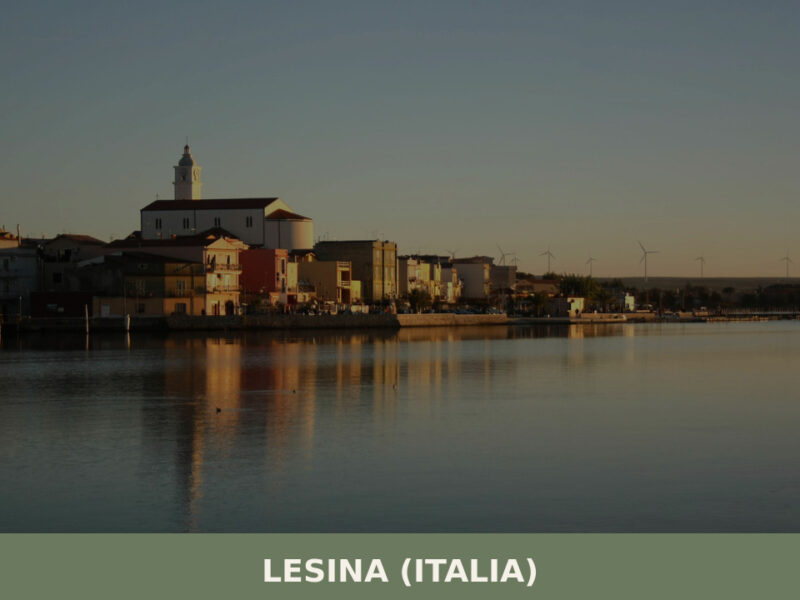
Lesina sits between Italy's second-largest coastal lagoon and the Adriatic Sea. A guide to its lagoon ecology, eel fishing traditions, and quiet historic centre.
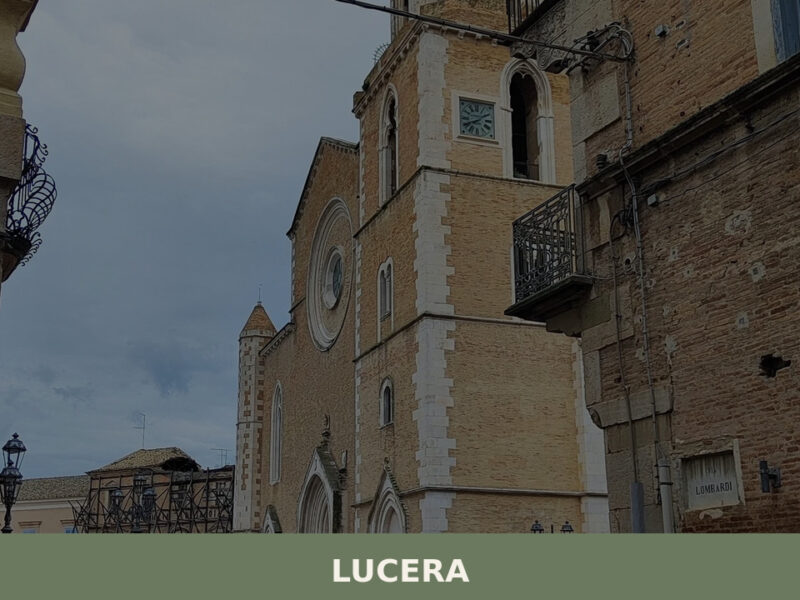
Discover Lucera, a historic hilltop city in Puglia where Roman ruins, a Saracen past, and Angevin grandeur converge amid the sun-drenched Tavoliere plain.
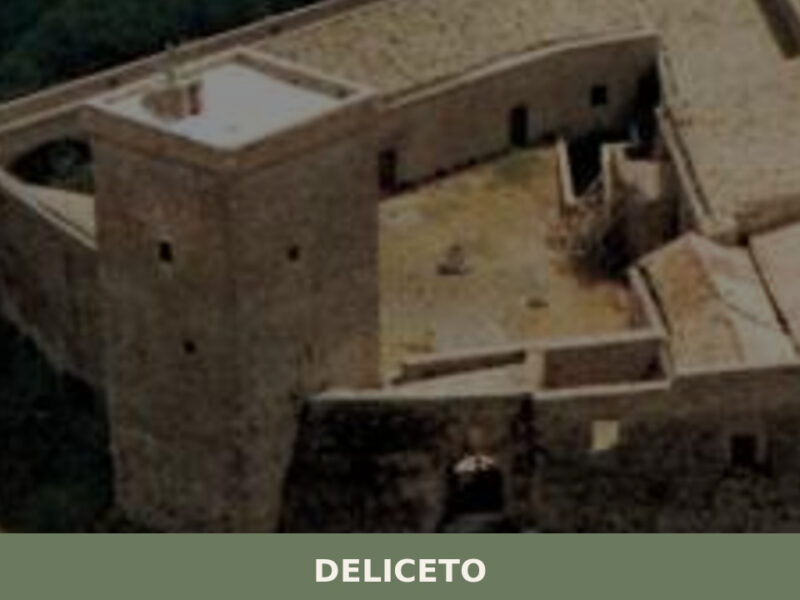
Deliceto rises at 575 metres on a ridge of the Subappennino Dauno, commanding the Tavoliere plain. A Norman castle, layered churches, and a stone-built historic centre define this compact Puglia hill village.
📝 Incorrect information or updates?
Help us keep the Vieste page accurate and up to date.


