


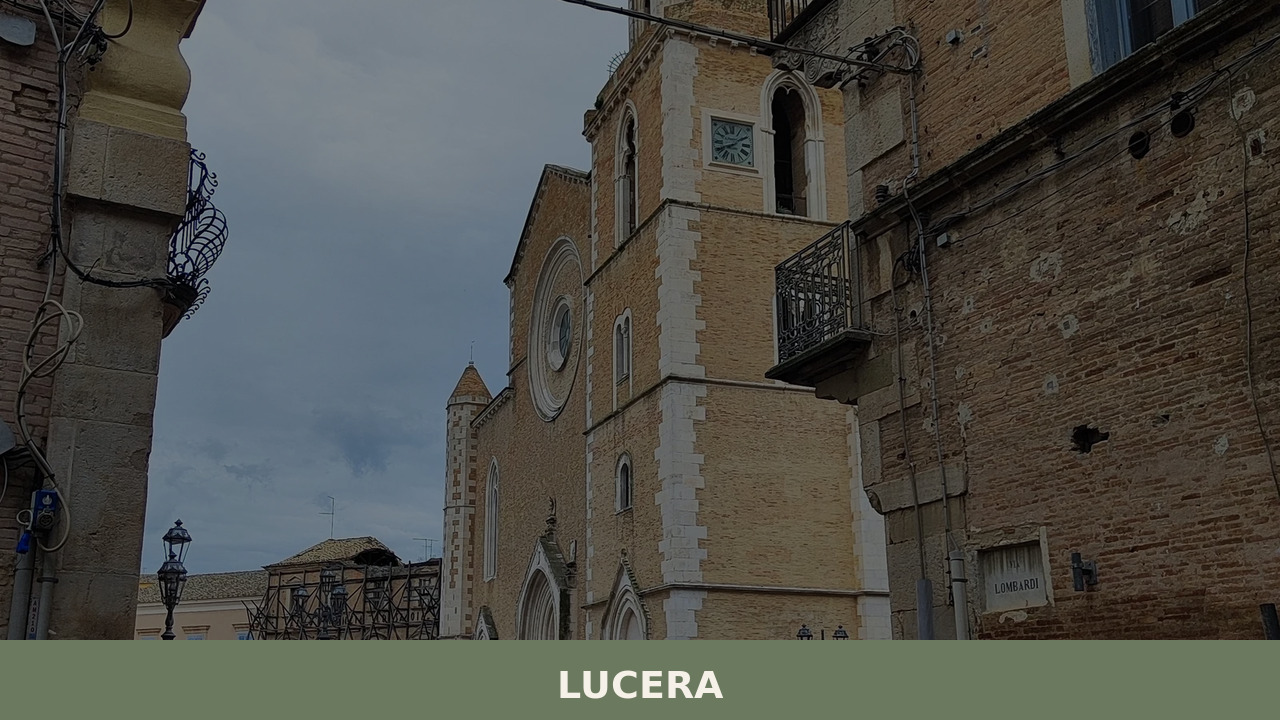
Lucera
 Hills
Hills
Discover Lucera, a historic hilltop city in Puglia where Roman ruins, a Saracen past, and Angevin grandeur converge amid the sun-drenched Tavoliere plain.
Discover Lucera
Perched on a gentle hill at 219 metres above sea level in the heart of the Tavoliere delle Puglie, Lucera is one of southern Italy’s most captivating yet underrated destinations. If you’re wondering what to see in Lucera, prepare for a remarkable journey through layers of Roman, Saracen, and Angevin history. With nearly 31,000 inhabitants, this proud city in the province of Foggia offers a living tapestry of cultures, monumental architecture, and authentic Apulian flavours — all without the crowds of more famous neighbours.
History of Lucera
Lucera’s roots stretch deep into antiquity. Known to the Romans as Luceria, the city was an important allied colony of Rome as early as the 4th century BCE. Its strategic position on the Apulian plain made it a vital military and administrative centre throughout the Republican and Imperial eras. The Latin name is thought to derive from lux (light) or from the Daunian settlement that predated Roman conquest, though the etymology remains debated among scholars. What is certain is that Lucera held the status of a colonia Augusta, a testament to its significance in the Roman world.
The most extraordinary chapter in Lucera’s history began in the 13th century, when Holy Roman Emperor Frederick II forcibly relocated tens of thousands of Saracen Muslims from Sicily to Lucera between 1224 and 1246. This created a thriving Islamic colony in the heart of Christian Europe — complete with mosques, markets, and Arabic-speaking soldiers who formed Frederick’s loyal personal guard. For decades, Lucera was known as Lucera Saracenorum, a unique enclave of Muslim culture on the Italian peninsula.
The Saracen colony met its end in 1300 when Charles II of Anjou expelled or forcibly converted the Muslim inhabitants and ordered the construction of a grand cathedral over the ruins of their principal mosque. The Angevin rulers also built the imposing fortress that still crowns the city. Throughout the following centuries, Lucera remained an important episcopal seat and provincial centre, preserving its layered heritage through successive waves of foreign rule and Italian unification.
What to see in Lucera: 5 must-visit attractions
1. The Fortezza Svevo-Angioina
Dominating the hilltop, this immense fortress is one of the largest in southern Italy. Originally built by Frederick II and later expanded by Charles I of Anjou, its perimeter walls stretch for nearly a kilometre, enclosing a vast archaeological area. Walking the ramparts at sunset, with panoramic views sweeping across the Tavoliere plain to the Gargano, is an unforgettable experience that alone justifies a visit to Lucera.
2. The Cathedral of Santa Maria Assunta
Erected in 1300 by Charles II of Anjou on the site of the former Saracen mosque, Lucera’s cathedral is a striking example of Angevin Gothic architecture. Its austere, fortress-like exterior gives way to a luminous interior with pointed arches and elegant chapels. The church symbolises the dramatic cultural transformation the city underwent at the turn of the 14th century, and it remains the spiritual heart of the community.
3. The Roman Amphitheatre
Dating to the Augustan age (1st century BCE), Lucera’s Roman amphitheatre is one of the oldest and best-preserved in Puglia. Capable of seating around 18,000 spectators, it testifies to the city’s prominence during the Roman era. Today, it occasionally hosts cultural events and performances, bringing ancient stones back to life in a setting that rivals more famous Roman sites across Italy.
4. The Civic Museum “Giuseppe Fiorelli”
Housed in a historic building in the town centre, this museum displays an impressive collection of archaeological finds from Lucera and the surrounding Daunian territory. Highlights include Roman mosaics, Daunian funerary stelae, medieval ceramics, and artefacts from the Saracen period. It provides essential context for understanding the many civilisations that have shaped the city over three millennia.
5. The Historic Centre and Piazza del Duomo
Lucera’s atmospheric old town rewards leisurely exploration. Narrow streets lined with Baroque palazzi, noble doorways, and small artisan workshops wind toward the elegant Piazza del Duomo, the city’s main gathering place. Notable landmarks along the way include the Church of San Francesco, the Palazzo de’ Nicastri, and charming neighbourhood squares where daily life unfolds at an unhurried southern Italian pace.
Local food and typical products
Lucera sits at the agricultural heart of the Tavoliere, and its cuisine reflects the bounty of Puglia’s largest plain. The city is renowned for torcinelli (lamb offal rolls grilled over charcoal), orecchiette with turnip tops or ragù, and pancotto, a humble bread soup elevated with wild greens and local olive oil. Bread itself is something of a cult here: Puglia’s traditional pane di Altamura DOP is widely available, and Lucera has its own excellent bakery traditions using locally milled durum wheat. The province of Foggia also produces acclaimed Caciocavallo Silano DOP cheese and robust red wines from the Nero di Troia grape, which thrives in these sun-drenched soils.
For an authentic dining experience, seek out the family-run trattorias in the old town, where seasonal menus change with the harvest. In autumn, look for dishes featuring cardoncelli mushrooms and freshly pressed olive oil. During the summer months, street food stalls appear during local festivals, offering panzerotti (fried stuffed pockets) and focaccia barese. Lucera’s food culture is rooted in simplicity and quality ingredients — a genuine taste of Puglia far from tourist-oriented kitchens.
Best time to visit Lucera
Lucera enjoys a typical Mediterranean-continental climate, with hot, dry summers and mild winters. The best months to visit are from April to June and September to October, when temperatures are pleasant for sightseeing and the countryside is at its most beautiful. Summer can be intensely warm, with temperatures regularly exceeding 35°C, but the city’s hilltop position at 219 metres above sea level provides a welcome breeze compared to the lower plain around Foggia.
The city’s calendar is punctuated by vibrant events. The most important is the Festa Patronale di Santa Maria Assunta in mid-August, a lively celebration featuring processions, live music, fireworks, and food stalls that draws visitors from across the region. Cultural events and theatrical performances are sometimes held in the Roman amphitheatre during summer. For a quieter, more contemplative experience, spring is ideal: the wildflowers around the fortress are magnificent, the light is golden, and you’ll often have Lucera’s treasures largely to yourself.
How to get to Lucera
Lucera is located approximately 18 kilometres west of Foggia, the provincial capital, and is well connected by road. By car, take the A14 Adriatica motorway and exit at Foggia, then follow the SS17 westward toward Lucera — the drive from the motorway exit takes around 20 minutes. From Bari, the journey is roughly 160 km (about 1 hour 45 minutes); from Naples, expect approximately 190 km (around 2 hours via the A16). The nearest airport is Bari Karol Wojtyła Airport (approximately 155 km), which offers domestic and European flights. The smaller Foggia “Gino Lisa” airport has limited services.
By train, Foggia is a major stop on the Milan–Bari mainline and is served by high-speed Frecce services from Rome (approximately 2.5–3 hours) and from Bari (around 1 hour). From Foggia station, local buses operated by the provincial transport service connect to Lucera in about 30 minutes. Having a car is recommended for exploring the surrounding countryside and nearby villages at leisure, but Lucera’s compact historic centre is entirely walkable once you arrive.
More villages to discover in Puglia
The province of Foggia, known as the Capitanata, is rich in lesser-known destinations that pair wonderfully with a visit to Lucera. Just a short drive southeast across the Tavoliere plain, the town of Orta Nova offers its own fascinating history and agricultural traditions. Surrounded by vast wheat fields and olive groves, it provides an authentic glimpse into everyday life on Puglia’s great plain — a world away from the coastal tourist trail.
For those drawn to the sea, the Gargano promontory lies just to the northeast and offers some of Italy’s most dramatic coastal scenery. The fishing town of Vieste, perched on a rocky headland above turquoise waters, makes for an unforgettable day trip or extended stay — it’s roughly 130 km from Lucera, a drive that takes you from rolling plains into the wild, forested heart of the Gargano National Park. Together, Lucera, the Tavoliere, and the Gargano form a triangle of contrasts that reveals the extraordinary diversity of northern Puglia, a region that rewards the curious traveller at every turn.
Frequently asked questions about Lucera
What is the best time to visit Lucera?
The ideal months to visit Lucera are April to June and September to October, when temperatures are comfortable (18–25°C), the Tavoliere countryside is beautiful, and crowds are minimal. Summer is hot, often exceeding 35°C, though the hilltop position at 219 metres provides some relief. The most important annual celebration is the Festa di Santa Maria Assunta in mid-August, featuring processions, fireworks, live music, and local street food — a lively reason to visit despite the heat. Summer also sees occasional theatrical performances in the Roman amphitheatre.
What are the historical origins of Lucera?
Lucera's documented history spans over 2,500 years. Known as Luceria to the Romans, it was an allied colony by the 4th century BCE and later a colonia Augusta. Its most extraordinary chapter came under Holy Roman Emperor Frederick II, who between 1224 and 1246 resettled tens of thousands of Sicilian Muslims here, creating Lucera Saracenorum — a unique Islamic enclave in medieval Christian Europe. In 1300, Charles II of Anjou expelled the Muslim community and built the cathedral over their main mosque, leaving a uniquely layered cultural legacy.
What to see in Lucera? Main monuments and landmarks
Lucera's five essential sites are: the Fortezza Svevo-Angioina, one of southern Italy's largest medieval fortresses with kilometre-long walls and sweeping views over the Tavoliere; the Cathedral of Santa Maria Assunta (1300), a fine example of Angevin Gothic built over a former mosque; the Roman Amphitheatre, dating to the 1st century BCE and seating up to 18,000; the Civic Museum 'Giuseppe Fiorelli', housing Roman, Daunian, and Saracen artefacts; and the atmospheric historic centre around Piazza del Duomo. The compact old town is entirely walkable.
What are the main natural or scenic attractions of Lucera?
Lucera's primary scenic asset is its hilltop setting at 219 metres above the vast Tavoliere delle Puglie plain, offering panoramic views stretching to the Gargano promontory on clear days. The area surrounding the Fortezza Svevo-Angioina is particularly striking in spring, when wildflowers bloom along the fortress walls. The broader Tavoliere landscape — Italy's largest plain after the Po Valley — provides impressive open countryside for drives and rural walks, while the Gargano National Park lies approximately 80–90 km to the northeast for more structured nature experiences.
Where to take the best photos in Lucera?
The ramparts of the Fortezza Svevo-Angioina offer the most dramatic panoramic shots, with the Tavoliere plain and distant Gargano as backdrop — especially rewarding at sunset. Piazza del Duomo, framed by the Angevin cathedral's austere façade, provides classic architectural photography. The Roman Amphitheatre, best photographed in the golden morning light, offers a striking contrast of ancient stone against the open sky. The narrow streets of the historic centre, with their Baroque doorways and small neighbourhood squares, reward slower, detail-oriented photography.
Are there museums, churches or historic buildings to visit in Lucera?
Yes. The Civic Museum 'Giuseppe Fiorelli', located in the town centre, holds an important collection including Roman mosaics, Daunian funerary stelae, medieval ceramics, and Saracen-era artefacts. The Cathedral of Santa Maria Assunta (1300) features a Gothic interior with pointed arches and decorated chapels. The Church of San Francesco and the Palazzo de' Nicastri are notable historic buildings in the old town. The Fortezza Svevo-Angioina functions as an open archaeological area. For current opening hours and admission prices, check with the Lucera municipality or local tourist office before visiting.
What can you do in Lucera? Activities and experiences
Lucera rewards visitors with historical exploration, local gastronomy, and authentic southern Italian daily life. Walk the fortress ramparts for sweeping views, explore the Roman amphitheatre, and browse the Civic Museum's archaeological collections. Seek out family-run trattorias in the old town for seasonal Apulian menus. During summer, the amphitheatre occasionally hosts live cultural performances. The mid-August Festa di Santa Maria Assunta brings street food stalls, processions, and fireworks. Lucera also serves as a practical base for day trips to the Gargano coast and other Capitanata villages across the Tavoliere plain.
Who is Lucera suitable for? Families, couples, hikers, solo travelers?
Lucera suits a broad range of visitors. History enthusiasts will find exceptional depth across Roman, Saracen, and Angevin layers rarely found in a single Italian town. Couples will appreciate the unhurried atmosphere, scenic fortress views at sunset, and intimate trattoria dining. Families benefit from the compact, walkable historic centre and the visually impressive fortress and amphitheatre. Food and wine lovers will find authentic Apulian cuisine without tourist-oriented menus. Solo travellers seeking genuine southern Italian life away from the crowds will feel especially at home. It is less suited to beach holidays or dedicated hiking — the Gargano serves those needs nearby.
What to eat in Lucera? Local products and specialties
Lucera's cuisine reflects the agricultural wealth of the Tavoliere. Signature dishes include torcinelli (grilled lamb offal rolls), orecchiette with turnip tops or meat ragù, and pancotto, a traditional bread soup with wild greens and local olive oil. The area is known for excellent durum wheat bread, Caciocavallo Silano DOP cheese, and wines made from the Nero di Troia grape. In autumn, cardoncelli mushrooms and freshly pressed olive oil feature prominently. Summer festivals bring street food including panzerotti and focaccia. Family-run trattorias in the old town offer the most authentic seasonal cooking.
Nearby Villages near Lucera
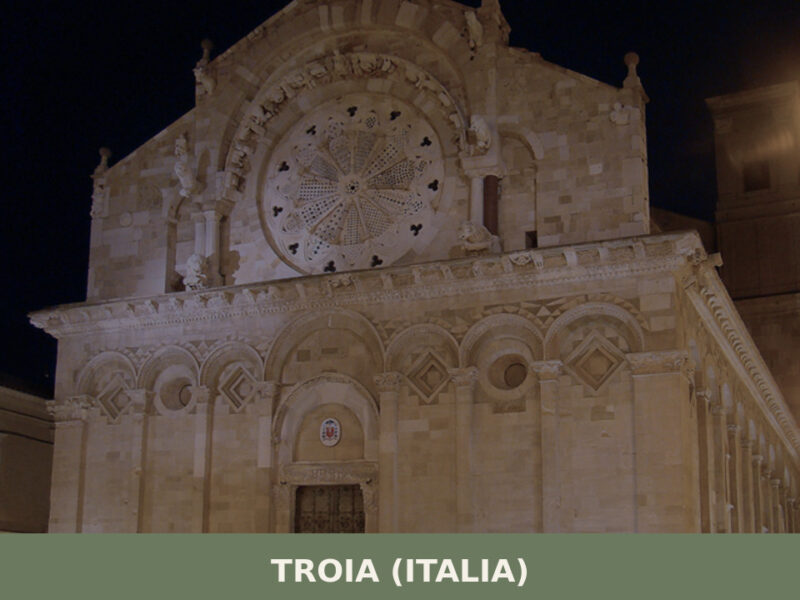
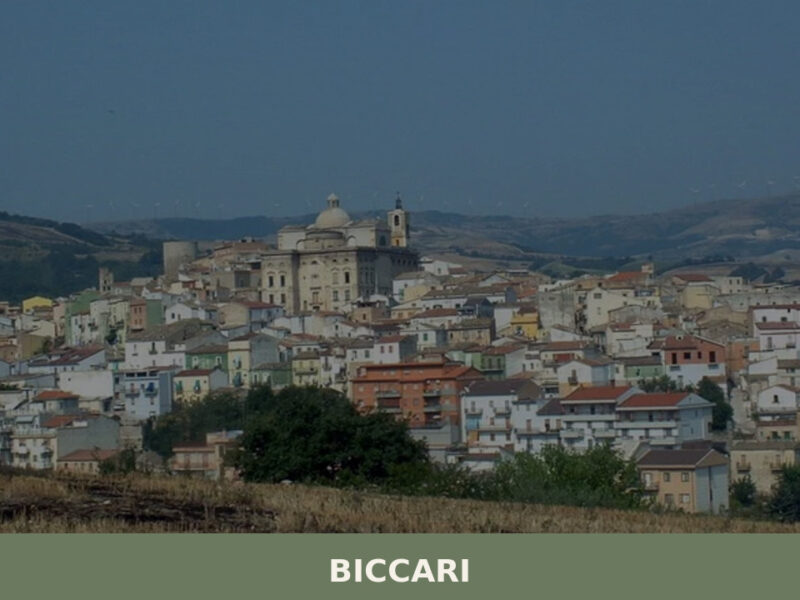
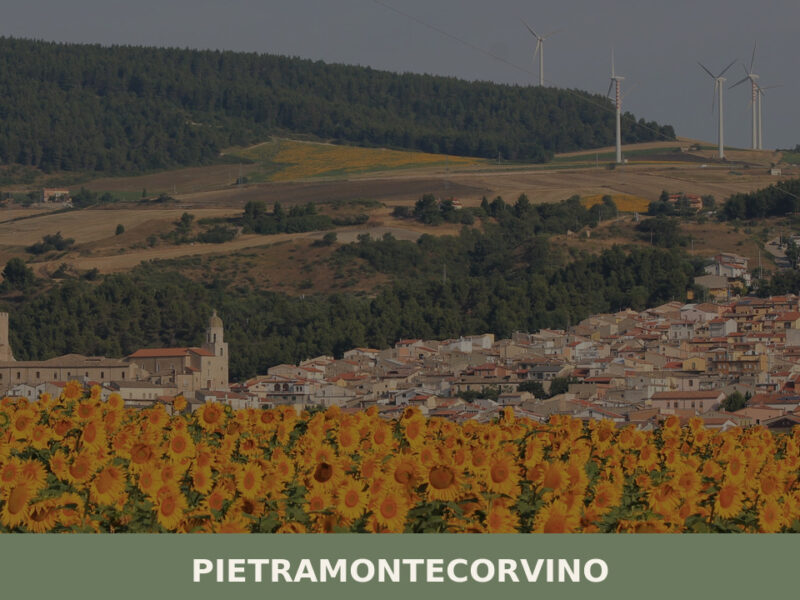
In Apulia More villages to discover
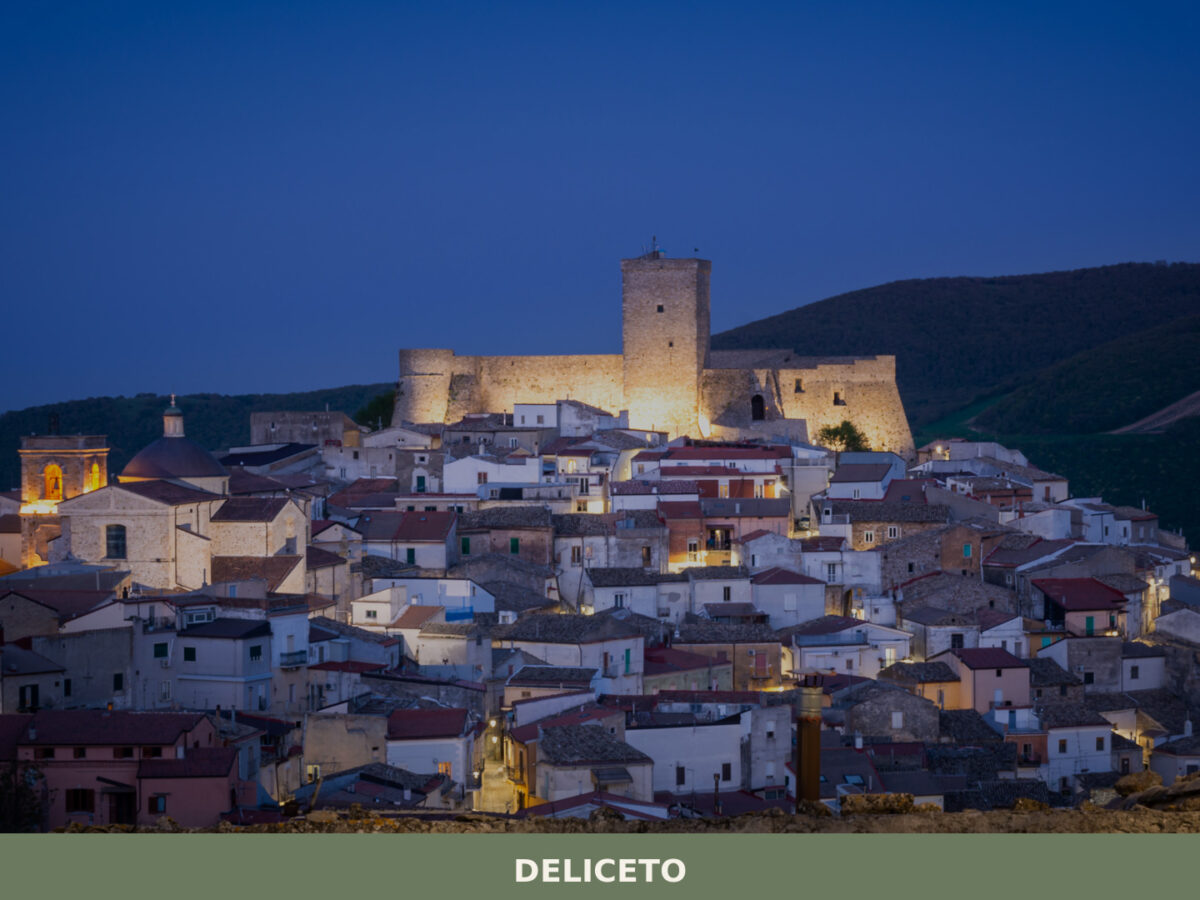
Deliceto
Hills
Deliceto rises at 575 metres on a ridge of the Subappennino Dauno, commanding the Tavoliere plain. A Norman castle, layered churches, and a stone-built historic centre define this compact Puglia hill village.
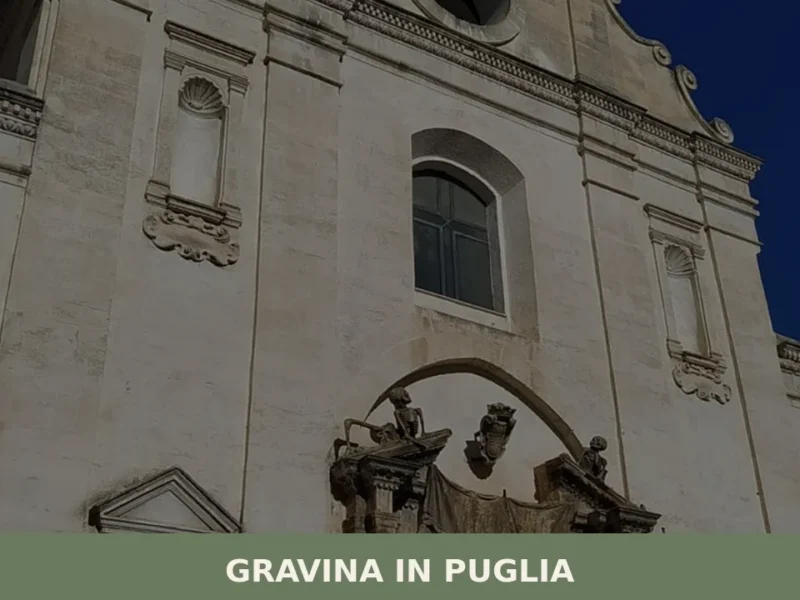
Gravina in Puglia
Hills
In 1092, Humfred of Hauteville confirmed the privileges of the cathedral dedicated to Santa Maria Assunta, a document that fixes in the historical record the ecclesiastical rank of Gravina in Puglia well before Frederick II chose it as an imperial hunting reserve. Today, anyone walking along the edge of the gravina — the karstic canyon […]
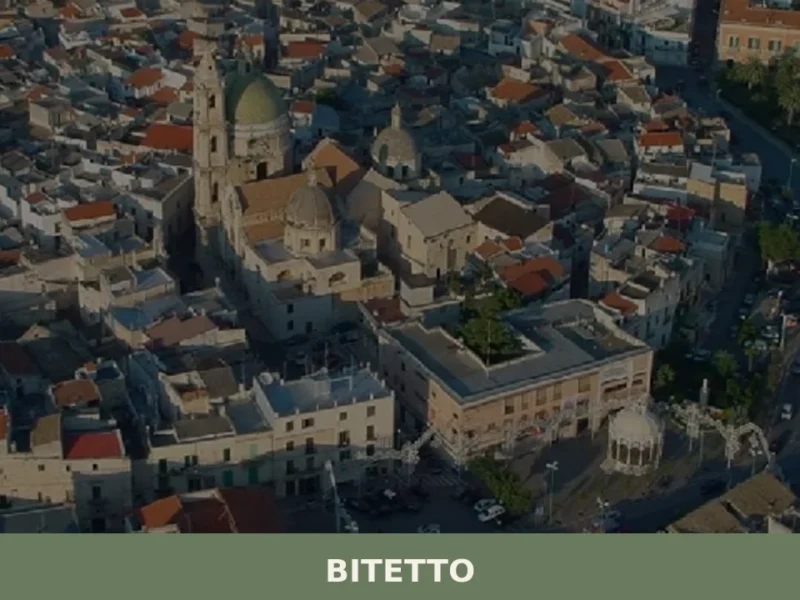
Bitetto
 Plains
What to see in Bitetto, Italy: Discover its 14th-century cathedral and the legacy of Blessed James. Explore this Puglian village, 139 m above sea level, for a rich historical journey.
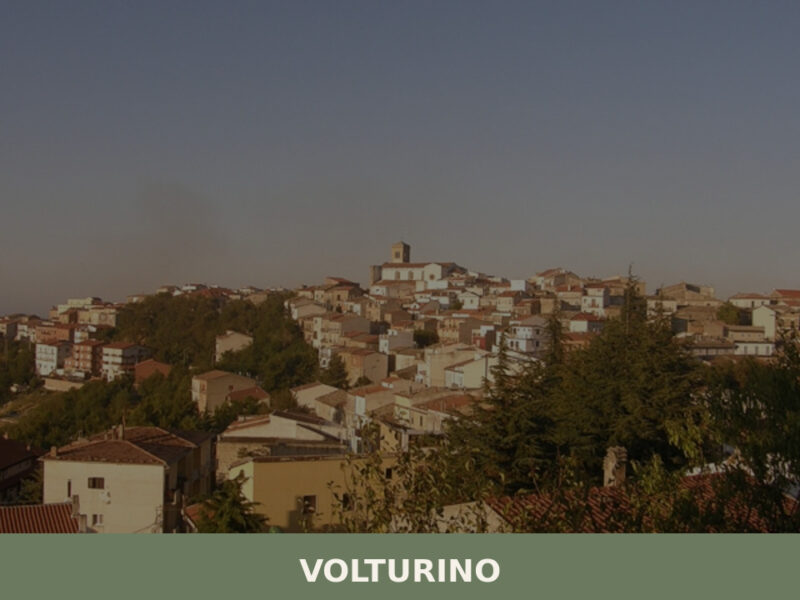
Volturino
 Mountain
A ridgetop village of 1,554 inhabitants in Puglia's Daunia mountains, Volturino overlooks the Tavoliere plain from 735 metres. Medieval lanes, stone churches, and panoramic silence.
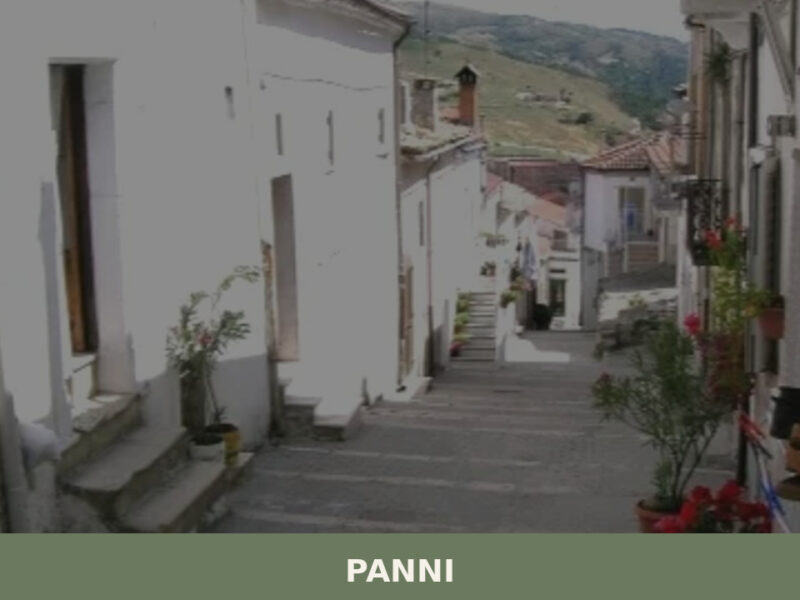
Panni
Mountain
Panni stands at 801 metres in the Daunian Sub-Apennines, a wind-swept village of 693 people in the province of Foggia. A guide to its history, sights, and food.
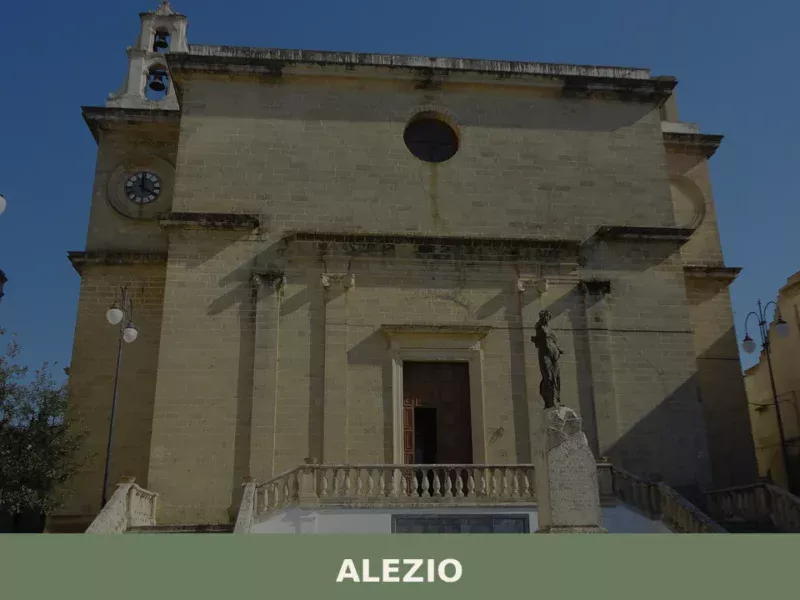
Alezio
Plains
Discover what to see in Alezio, a Salento village with Messapian roots, a national archaeology museum, and ancient olive groves near Gallipoli in Puglia.
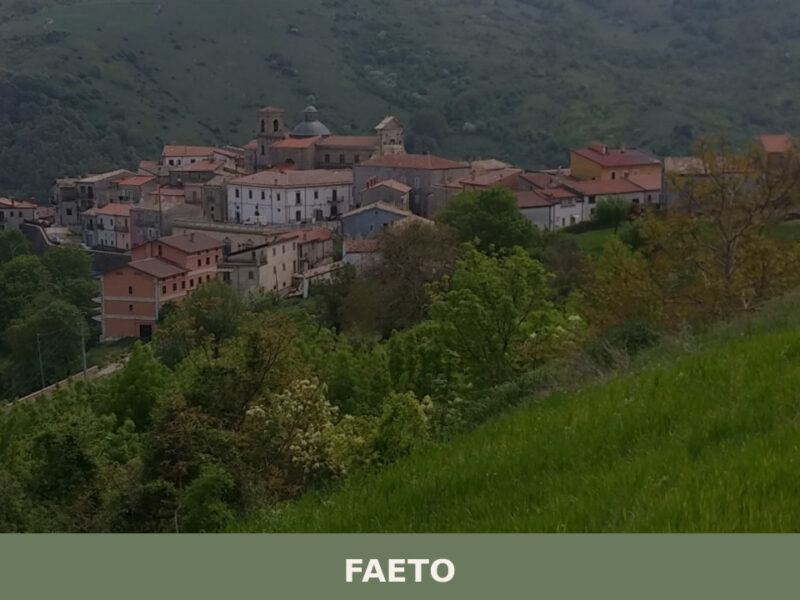
Faeto
Mountain
A Franco-Provençal-speaking village of 616 inhabitants high in the Daunia mountains. Discover what to see in Faeto: ancient dialect, beech forests, and Puglia's highest peak.
San Pietro Vernotico
 Sea
Sea
What to see in San Pietro Vernotico, Italy? Discover its 14th-century Torre Quadrata and the historic Chiesa Matrice. Explore this village, 36 m above sea level, for its rich past.
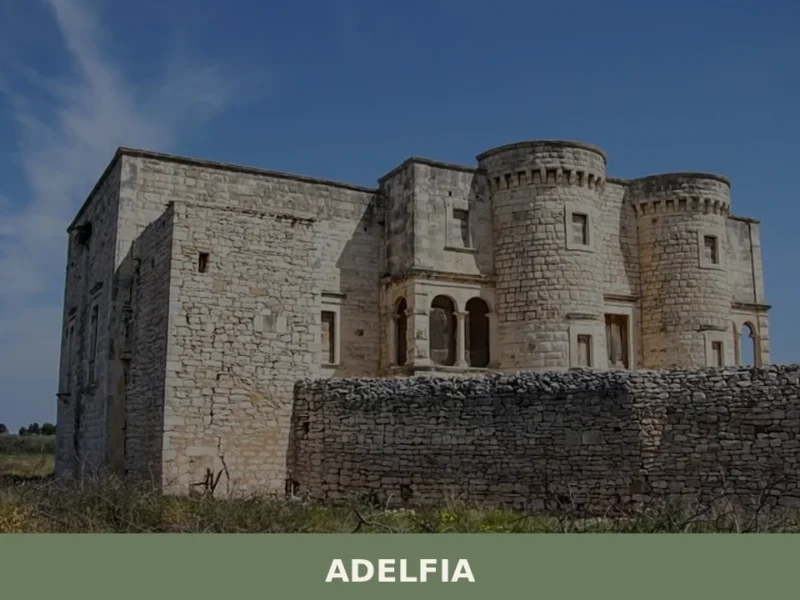
Adelfia
Plains
In 1927, a royal decree unified two separate municipalities — Canneto di Bari and Montrone — into a single administrative entity given the name Adelfia, from the Greek adelphós, meaning brother. It was a political gesture that encapsulated centuries of coexistence between two settlements separated by less than a kilometre of countryside, yet each fiercely […]
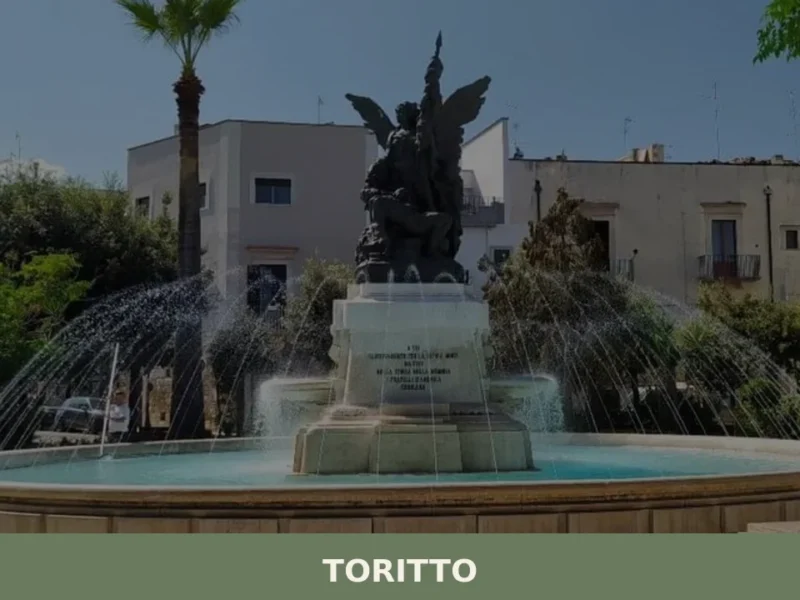
Toritto
Hills
What to see in Toritto, Italy: Explore almond groves and the Chiesa Madre at 240 m. Discover vibrant festivals and indulge in local cuisine.




🏡 Know Lucera better than we do?
If you’re a local or have been there, your knowledge matters: add what’s missing or fix a detail on this page.