


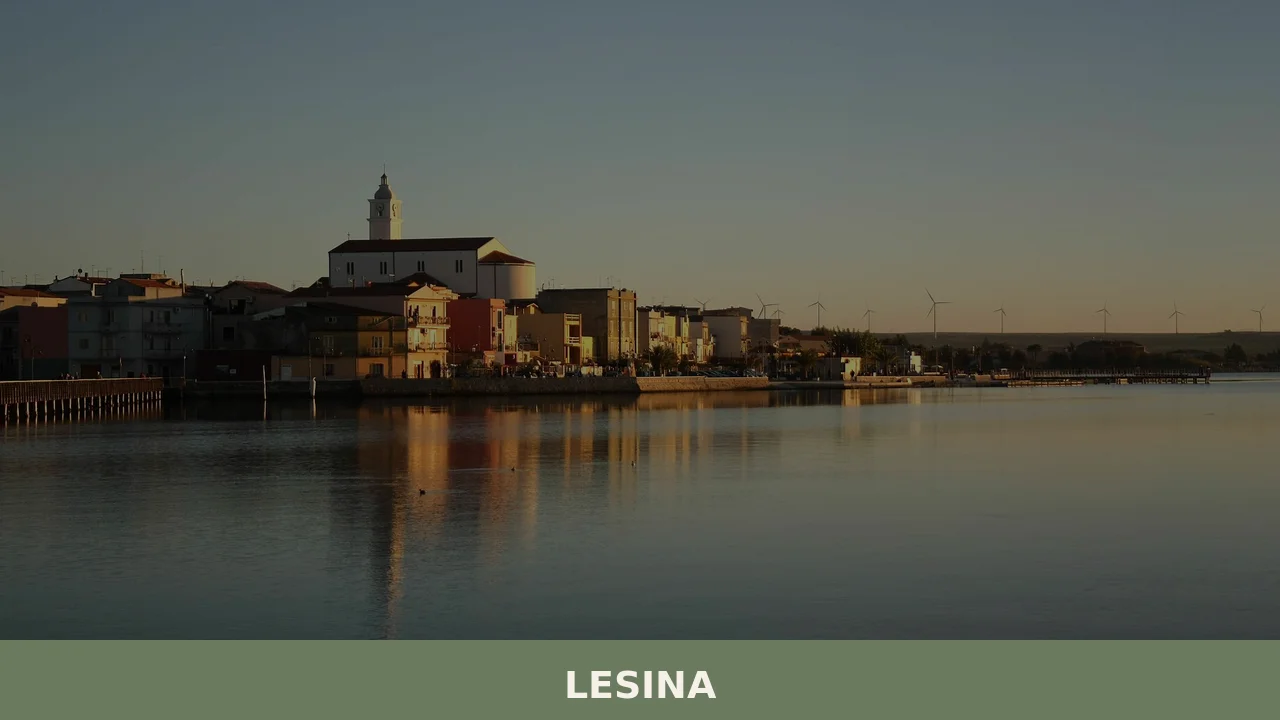
Lesina
 Lake
Lake
 Sea
Sea
What to see in Lesina, Puglia, Italy: explore Lake Lesina, the feast of San Primiano and a village of 6,204 people. Discover the complete travel guide.
Discover Lesina
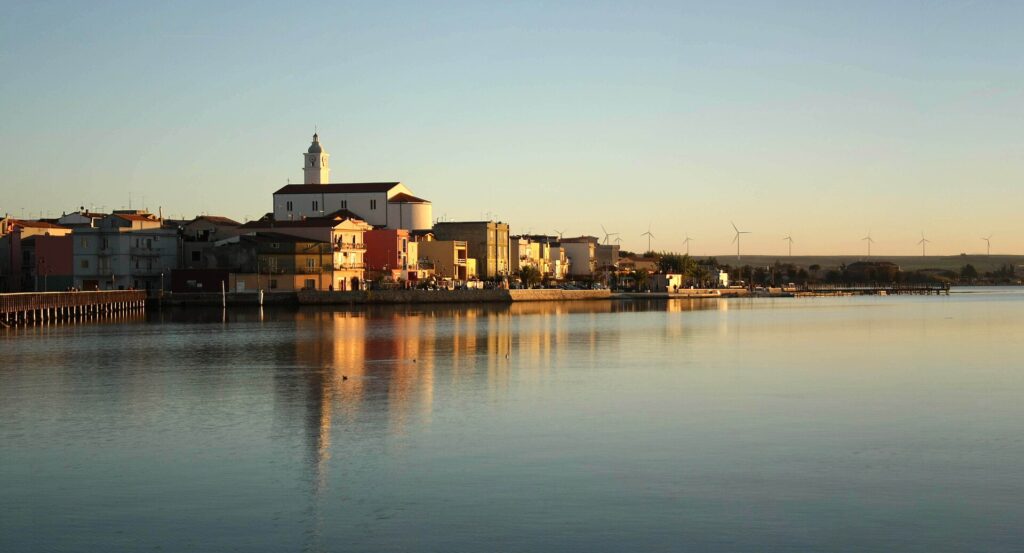
The surface of Lake Lesina catches the light differently depending on the hour. In the early morning, the water holds a grey-green stillness that the reeds do not disturb. By midday, the lagoon separating the lake from the Adriatic Sea becomes a flat white line on the horizon, and the low-lying land — sitting at just 5 m (16 ft) above sea level — seems to dissolve into it.
This is the Capitanata, the wide flatland of the Province of Foggia, where the geometry of the landscape is measured in water rather than in hills.
Deciding what to see in Lesina starts with understanding its position: a village of 6,204 inhabitants built along the northern shore of Lake Lesina, one of the largest coastal lagoons in southern Italy.
Visitors to Lesina find a place defined by its lagoon ecology, its fishing tradition, and the annual celebration of its patron saint Primiano di Larino on 15 May. The official municipality of Lesina sits within Puglia’s Province of Foggia, roughly 50 km (31 mi) from the provincial capital.
History of Lesina
The settlement at Lesina has pre-Roman roots. The lagoon itself provided natural conditions that favoured early occupation: fresh water, fish stocks, and a geography that offered some protection from coastal raids. The name Lesina appears in medieval records and shares its Latin-derived form with the island of Hvar in Croatia, which was also historically called Lesina — a reminder of how place-names travelled across the Adriatic through Venetian and Norman influence during the medieval period.
The Italian toponym is documented in ecclesiastical sources connected to the Roman Catholic Diocese of Lesina, which was later suppressed and became a Latin titular see, indicating that the settlement carried enough administrative and religious weight to support its own bishopric.
During the medieval period, the territory around Lesina was part of the broader struggle for control over the Capitanata, the vast inland plain of northern Puglia.
Norman, Swabian, and Angevin rulers each left administrative traces on the region, and the Diocese of Lesina operated as a local ecclesiastical authority through much of this era. The lagoon — referred to in historical documents as a resource of strategic economic value — sustained fishing communities whose livelihoods shaped the village’s social structure well into the early modern period. The nearby village of Serracapriola, positioned on higher ground to the south-east, shared much of this political history as part of the same feudal zone.
In the twentieth century, Lesina was associated with the Foggia Airfield Complex, a group of military airfields used during the Second World War, of which the Lesina airfield formed a part.
This episode left a different kind of historical mark on the territory — one that is documented in military aviation records rather than in the village’s physical fabric. The post-war decades brought gradual depopulation pressure common to many small municipalities in the Capitanata, though Lesina has maintained a stable community of over six thousand residents, sustaining its identity around the lake and its traditional fishing economy.
What to see in Lesina, Puglia: top attractions
Lake Lesina
The lagoon stretches for approximately 22 km (13.7 mi) in length and covers a surface area of around 51 sq km (19.7 sq mi), making it one of the largest coastal lakes in Italy.
A narrow sandbar no more than a few hundred metres wide separates it from the Adriatic Sea. Standing on the northern shore, where the village itself faces the water, the opposite bank is barely visible on overcast days. The lake supports significant birdlife, including migratory species that use the lagoon as a resting point along Adriatic flyways. The best period for observing the water and its surrounding reed beds is spring, when water levels are stable and the light stays long into the evening.
The Sandbar Dividing the Lake from the Sea
The thin strip of land separating Lake Lesina from the open Adriatic is one of the more striking geographical features in the Province of Foggia.
In some stretches it narrows to less than 200 m (656 ft). Walking along it, visitors have both the lagoon and the sea within sight simultaneously — the still, brackish water on one side and the open Adriatic swell on the other. The sandbar has historically limited navigation access to the lake, which contributed to the isolation that shaped the village’s economy and kept it oriented toward lake fishing rather than maritime trade. Summer is when the beach along the Adriatic face of the sandbar draws seasonal visitors from the province.
The Church of San Primiano
The parish church dedicated to Lesina’s patron saint, Primiano di Larino, is the most prominent religious building in the village centre.
Its presence in the urban layout reflects the long role of the Diocese of Lesina in the town’s development before the diocese was reduced to a titular see. The church holds the relics and iconographic tradition associated with San Primiano, venerated throughout the northern Apulian territory. Its interior follows the conventions of southern Apulian ecclesiastical architecture adapted to a low-lying coastal setting — thicker walls, simpler ornamentation than the baroque elaborations found further south.
On 15 May each year, the church becomes the focal point of the patron saint’s feast.
The Historic Village Centre
The older streets of Lesina run parallel to the lake shore, with a compact layout that reflects the constraints of building on flat, low-lying land near water. There are no dramatic elevation changes here — the village sits uniformly at 5 m (16 ft) above sea level — and the architecture reflects practical concerns: walls built to manage humidity, narrow lanes that provide shade during the hot Capitanata summers, and courtyards that open away from the prevailing winds.
Walking through the central streets takes less than thirty minutes, but the density of the layout means that the relationship between the built fabric and the surrounding water becomes legible at almost every turn. The village of Carpino, about 20 km (12.4 mi) to the east, offers a contrasting example of a Gargano-area settlement built on higher, more wooded terrain.
The Lesina Airfield Area and Wartime Memory
The territory surrounding Lesina includes the site of a Second World War military airfield, which was part of the Foggia Airfield Complex — a network of Allied air bases that played a significant operational role in the Italian Campaign from 1943 onwards.
The Lesina airfield was one of several satellite fields within this complex, used for bomber and transport operations. Today, the flat agricultural land in the area gives no immediate indication of this history, but the site is documented in Allied military aviation records and is of specific interest to visitors with a focus on wartime history in southern Italy.
Reaching the general area requires a car; no dedicated visitor infrastructure exists on site.
Local food and typical products of Lesina
The food culture of Lesina is shaped by its position on a brackish lagoon. For generations, the village’s economy depended on what the lake produced — fish, eels, and shellfish — rather than on the wheat cultivation that dominates the broader Capitanata plain. This dual geography, where lagoon and agricultural flatland meet, created a local table that combines the sparse, ingredient-focused cooking of inland Puglia with the preservation techniques developed by fishing communities.
Salting, drying, and marinating fish were not culinary choices but economic necessities in a period before refrigeration.
The most characteristic preparation associated with the lake is anguilla alla brace, eel grilled over open coals. The eels of Lake Lesina are caught in the brackish waters where fresh inflows from the surrounding territory mix with Adriatic seawater seeping through the sandbar. The flesh is firm and fatty in a way that makes it suited to direct heat rather than long braising.
Local cooks traditionally scored the skin before grilling to allow the fat to render evenly, then dressed the fish with local olive oil and dried oregano from the Gargano hillsides. A second preparation common in the area is pesce in saor, a method of marinating fried fish in vinegar and onions — a technique with clear Adriatic-Venetian roots that migrated south through centuries of coastal trade.
The broader Capitanata territory is known for its production of durum wheat and for the use of legumes — particularly chickpeas and broad beans — in daily cooking.
In Lesina, these appear in soups that accompany fish rather than replacing it. Ciceri e tria, a dish of chickpeas with fried and boiled pasta strips, is found across northern Puglia and appears on local tables in its Foggia-area variant. No certified designation of origin products (DOP, IGP, or STG) specific to Lesina have been confirmed in the available sources; the village’s food identity is best understood through its fish-market traditions rather than through formal certification schemes.
The fishing season on Lake Lesina historically ran from autumn through early spring, when eel populations were at their densest before spawning migration.
Local markets and waterfront restaurants reflect this seasonality. Visitors arriving between October and March are most likely to encounter fresh lake fish as a central element of the day’s menu rather than a seasonal special.
The town of Torremaggiore, some 45 km (28 mi) to the south, represents a contrasting inland food culture rooted in grain, legumes, and the shepherd’s tradition of the Tavoliere plain.
Festivals, events and traditions of Lesina
The central event in Lesina’s calendar is the feast of San Primiano — the celebration of the patron saint Primiano di Larino — held each year on 15 May. The day follows the structure common to southern Italian patron saint observances: a solemn Mass in the morning at the parish church, followed by a procession through the village streets in which the statue of the saint is carried on the shoulders of devotees.
The route passes through the older quarters of the settlement before returning to the church. Brass bands from the surrounding municipalities of the Province of Foggia typically accompany the procession, and the evening closes with fireworks over the lake, whose flat surface reflects and amplifies the display in a way that makes it visible from some distance across the water.
Beyond the May feast, the village’s calendar is anchored to the rhythms of the lake.
The opening of the fishing season and the traditional periods of eel harvesting have historically functioned as informal community events, though these are not formalised as public festivals in the way that patron saint days are. The sagra, a traditional local food fair, takes various forms in villages across the Capitanata and has appeared in Lesina in connection with local fish specialities, though the precise scheduling varies by year. International visitors should verify current event dates through the before planning a visit around a specific celebration.
When to visit Lesina, Italy and how to get there
The best time to visit Lesina from a climate and practical standpoint is late spring — specifically May and early June — or early autumn, between September and mid-October.
May combines the patron saint’s feast on the 15th with moderate temperatures and low tourist pressure. The summer months of July and August bring high heat to the Capitanata plain, with temperatures regularly exceeding 35°C (95°F), and the Adriatic beach along the sandbar attracts seasonal visitors, which increases demand for parking and local services. Autumn offers cooler conditions and the beginning of the lake fishing season.
For those interested in birdlife on the lagoon, March through May represents the peak migratory period.
Reaching Lesina by car from Foggia takes approximately 50 km (31 mi) on the SS16 Adriatica heading north, with a turn-off toward the lake. From Rome, the drive covers roughly 340 km (211 mi) via the A1 and A14 motorways, making it a long day trip rather than a casual excursion — most visitors from the capital will prefer to combine it with an overnight stay in Foggia or along the Gargano coast. The nearest railway station with connections to the national network is in San Severo, approximately 25 km (15.5 mi) to the west, served by Trenitalia regional services on the Foggia-Pescara line.
From San Severo, local buses or a taxi cover the remaining distance to Lesina, though services are infrequent and a rental car is the more reliable option. The nearest airports with regular domestic and international connections are Foggia Gino Lisa (approximately 55 km / 34 mi) and Bari Karol Wojtyła (approximately 200 km / 124 mi to the south).
International visitors should carry Euros in cash, as smaller establishments in Lesina and the surrounding area may not accept card payments, and English is not widely spoken outside the main tourist areas of the Gargano coast.
Those combining Lesina with a wider itinerary through the northern Capitanata can include a stop at the village of Roccaforzata and explore the broader settlement patterns of Puglia’s least-trafficked interior zone. Knowing what to see in Lesina is ultimately a question of deciding whether you are there for the lake, the village’s compact historical centre, or the specific date of the May feast — each of these requires a different duration and a different base from which to operate.
Frequently asked questions about Lesina
What is the best time to visit Lesina?
Spring is the ideal season: from April to June the lagoon light is at its best, migratory birds gather along the reed beds of Lake Lesina, and water levels are stable for lakeside walks. The patron saint's feast of San Primiano di Larino on 15 May brings the village centre to life with religious processions and local celebrations. Summer draws seasonal visitors to the Adriatic beach along the sandbar. For eel fishing culture and traditional fish markets, autumn through early March is the most authentic period.
What are the historical origins of Lesina?
Lesina has pre-Roman roots, with the lagoon providing natural conditions — fresh water, fish stocks, and coastal protection — that favoured early settlement. The village is documented in medieval ecclesiastical records as the seat of the Diocese of Lesina, later suppressed and reduced to a Latin titular see. Its name shares a Latin-derived form with the Croatian island of Hvar, reflecting Adriatic connections through Norman and Venetian influence. During the Second World War, a military airfield near Lesina formed part of the Allied Foggia Airfield Complex.
What to see in Lesina? Main monuments and landmarks
The top attractions are Lake Lesina itself — one of Italy's largest coastal lagoons at 51 sq km — and the narrow sandbar separating it from the Adriatic, where both the still brackish water and the open sea are visible simultaneously. In the village centre, the Church of San Primiano houses relics of the patron saint and reflects the former importance of the local diocese. The compact historic centre, built entirely at 5 m above sea level, can be explored on foot in under thirty minutes. No formal admission fees apply to the lakeside and sandbar areas.
What are the main natural attractions of Lesina?
Lake Lesina is the dominant natural feature: a 22 km long coastal lagoon supporting significant birdlife, including migratory species that use the Adriatic flyway. The sandbar dividing the lake from the open sea — in places narrower than 200 m — is one of the most distinctive landscapes in the Province of Foggia. The surrounding reed beds and flat wetland terrain are best explored in spring when water levels are stable. The nearby Gargano promontory, roughly 20 km east, extends the range of natural scenery available to visitors based in Lesina.
Where to take the best photos in Lesina?
The northern shore of Lake Lesina, directly facing the village, offers wide unobstructed views across the lagoon, particularly striking at dawn when the water holds a grey-green stillness undisturbed by wind. The sandbar between the lake and the Adriatic provides a rare dual perspective — brackish lagoon on one side, open sea on the other — especially photogenic on clear mornings. The historic centre's narrow lanes aligned parallel to the lake shore create framed views of the water at almost every intersection.
Are there churches or historic buildings to visit in Lesina?
The Church of San Primiano in the village centre is the principal religious building, dedicated to Lesina's patron saint and connected to the former Diocese of Lesina, which operated as a local ecclesiastical authority throughout the medieval period. The church holds relics and iconography associated with San Primiano and reflects southern Apulian ecclesiastical architecture adapted to a low-lying coastal environment — thicker walls and simpler ornamentation than the baroque churches found further south in Puglia. It serves as the focal point of the 15 May patron saint celebrations.
What can you do in Lesina? Activities and experiences
Lesina is best suited to slow, nature-oriented visits: birdwatching along the lagoon reed beds (particularly rewarding in spring), walking or cycling the flat terrain around the lake shore, and exploring the narrow sandbar on foot with views of both the lagoon and the Adriatic. The local fishing tradition makes waterfront restaurants — serving grilled eel and marinated fish — a key part of any visit. Seasonal visitors in summer use the Adriatic beach on the seaward face of the sandbar. Those with an interest in wartime history can explore the area of the former Allied airfield in the surrounding agricultural land.
Who is Lesina suitable for?
Lesina suits visitors who appreciate understated, ecology-focused destinations rather than mass tourism. The flat lagoon landscape and gentle terrain make it very accessible for families with young children and older travellers. Birdwatchers and nature photographers will find the lake and reed beds rewarding, particularly in spring. Couples and slow-travel enthusiasts drawn to authentic fishing villages and local food traditions will appreciate the waterfront atmosphere and the eel-based cuisine. It is not a destination for visitors seeking museums, nightlife, or hill-walking; the appeal is entirely tied to the water and the village's quiet rhythms.
What to eat in Lesina? Local specialties
The defining dish of Lesina is anguilla alla brace — eel from the lagoon grilled over open coals, scored to render the fat, then dressed with local olive oil and dried oregano from the Gargano hills. A second traditional preparation is pesce in saor, fried fish marinated in vinegar and onions, a technique with Adriatic-Venetian origins. Broader Capitanata staples such as ciceri e tria — chickpeas with fried and boiled pasta strips — appear as accompaniments. The fishing season peaks between October and March, when lakeside restaurants are most likely to feature the full range of lagoon fish.
📷 Photo Gallery — Lesina
Nearby Villages near Lesina
In Apulia More villages to discover
Martignano
 Plains
What to see in Martignano: from medieval churches to the main square, discover the 5 top attractions of this Griko village. Plan your visit with this guide.
Turi
 Hills
Hills
What to see in Turi? Discover 5 attractions, including the Mother Church and Norman Castle. Visit Turi for an unforgettable experience!
Anzano di Puglia
 Mountain
A tiny hilltop village at 760 m in the Daunia Mountains, Anzano di Puglia enchants with stone lanes, sweeping panoramas, and authentic mountain cuisine.
Altamura
Hills
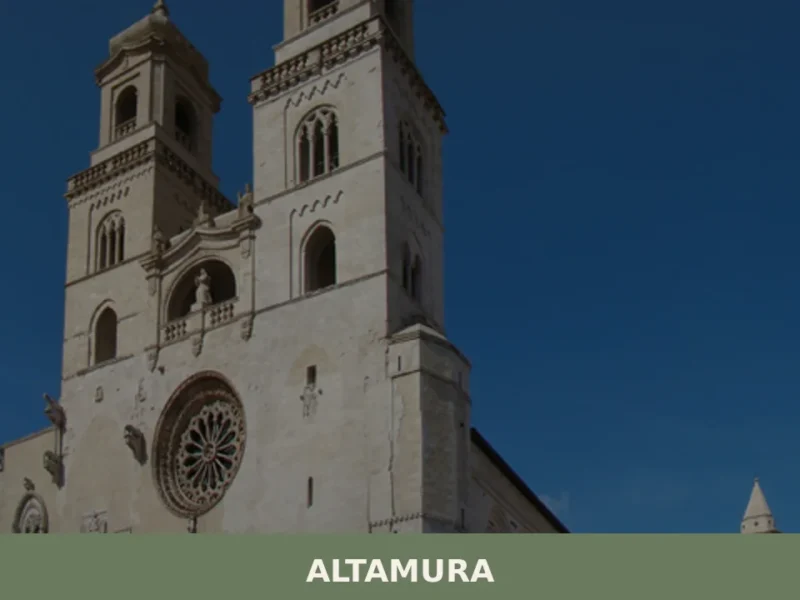
In 1993, inside the Lamalunga limestone quarry a few kilometres from the town centre, a skeleton of Homo neanderthalensis dating back approximately 150,000 years was brought to light — one of the most complete ever found in Europe. That discovery changed the perception of Altamura, transforming it from a bread-making town into a site of […]
Torremaggiore
Plains
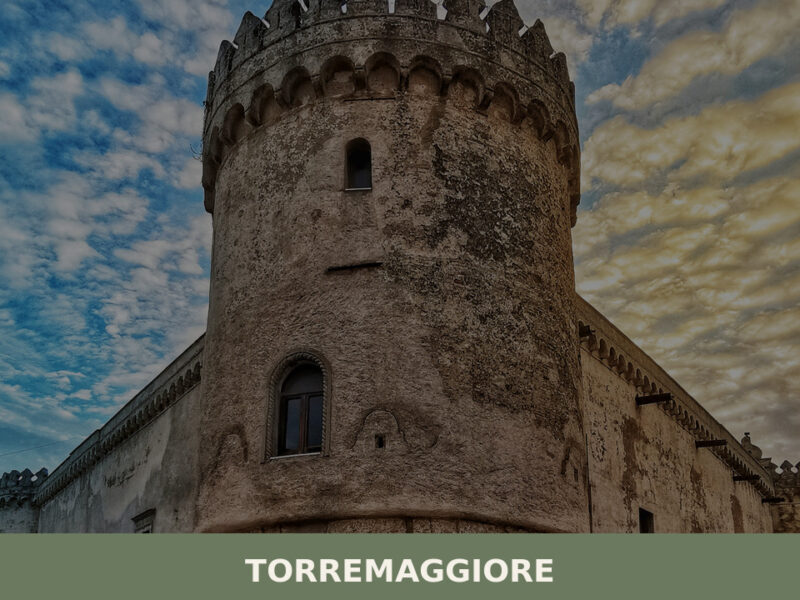
A complete guide to Torremaggiore in northern Puglia — its medieval castle, the ruins of Fiorentino, local food traditions, and practical travel information.
Margherita di Savoia
Sea
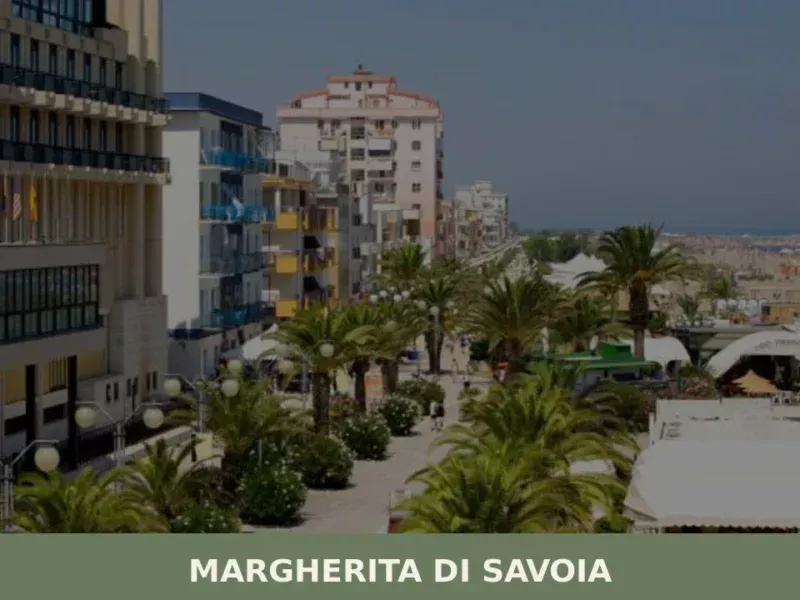
Discover what to see in Margherita di Savoia: Europe's largest salt flats, the historic Torre delle Saline, thermal baths and an Adriatic beach in Puglia.
Minervino Murge
Hills
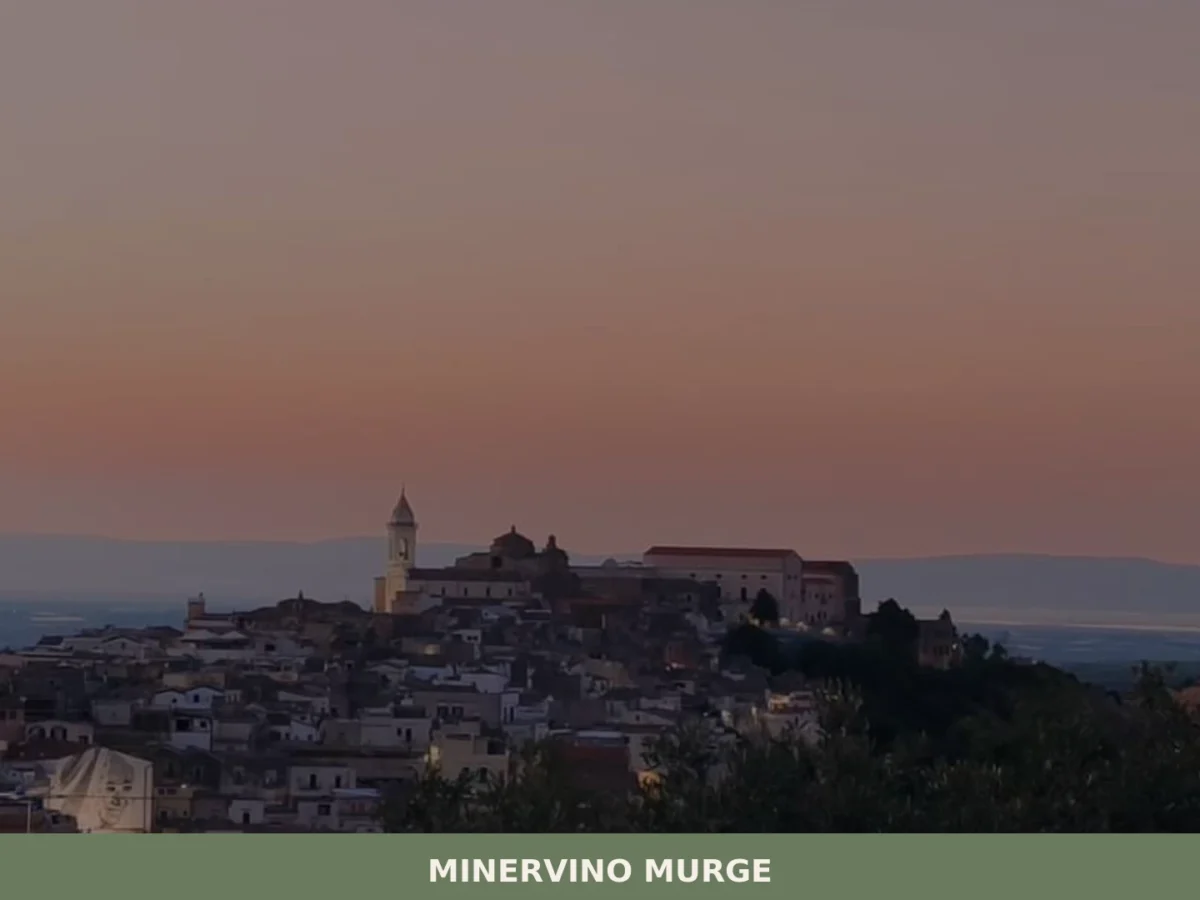
Discover what to see in Minervino Murge, Puglia: Alta Murgia national park, historic centre, drove roads, local food and practical travel tips.
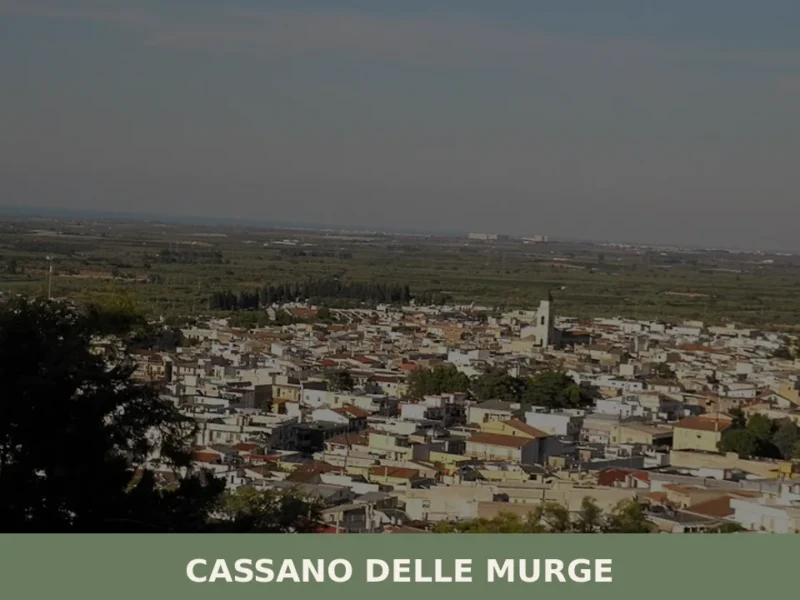
Cassano delle Murge
Hills
Cassano delle Murge, a municipality in Puglia located in the Metropolitan City of Bari, stands at 341 meters above sea level, positioned on the Murge plateau. Its territory, spanning approximately 89 km², includes a significant portion of the Bosco di Mercadante, a forest area important for the local ecosystem. With a population of 14,395 inhabitants, […]
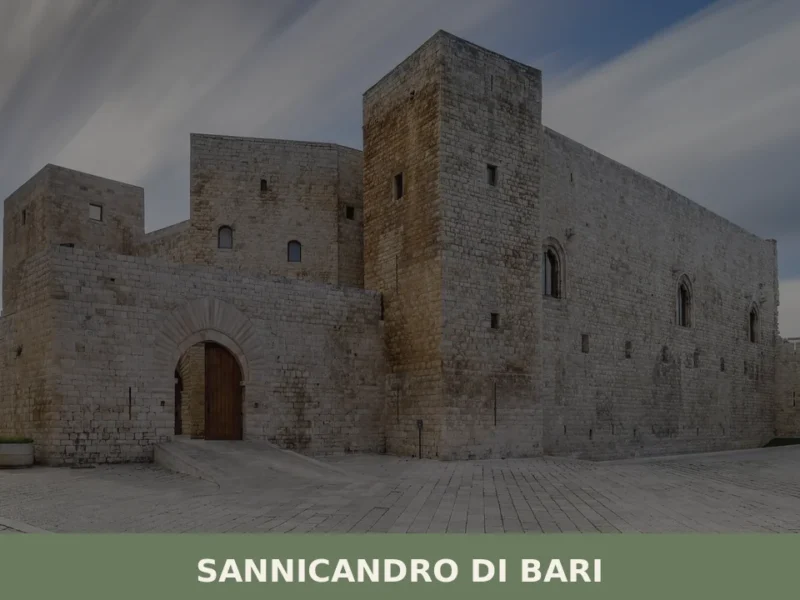
Sannicandro di Bari
Plains
What to see in Sannicandro di Bari? Discover the Norman-Swabian Castle and 4 historic churches. A complete guide to exploring the village and the Bari plain.
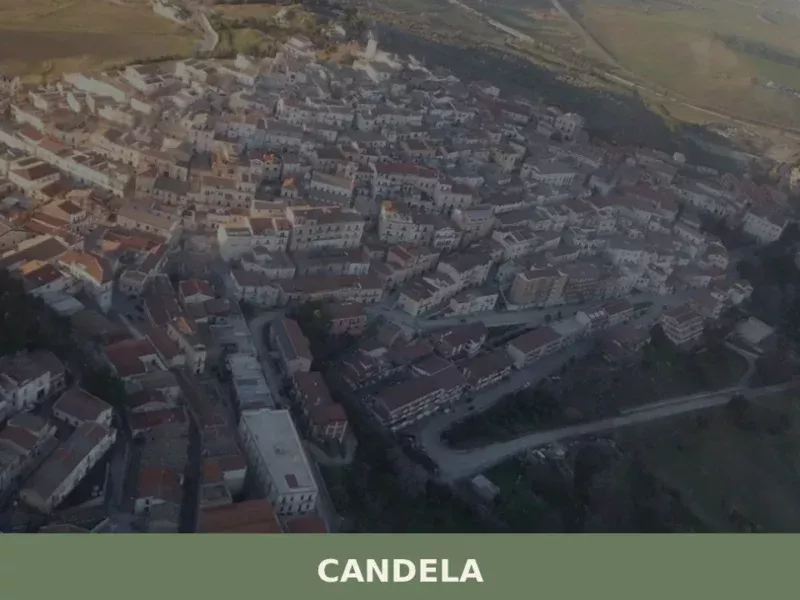
Candela
Hills
What to see in Candela, Puglia, Italy: explore a hilltop village at 474 m with Roman-era roots, the Feast of San Rocco and local wheat traditions. Discover it now.




🏡 Know Lesina better than we do?
If you’re a local or have been there, your knowledge matters: add what’s missing or fix a detail on this page.